WordPress Photo Challenge: Renewal


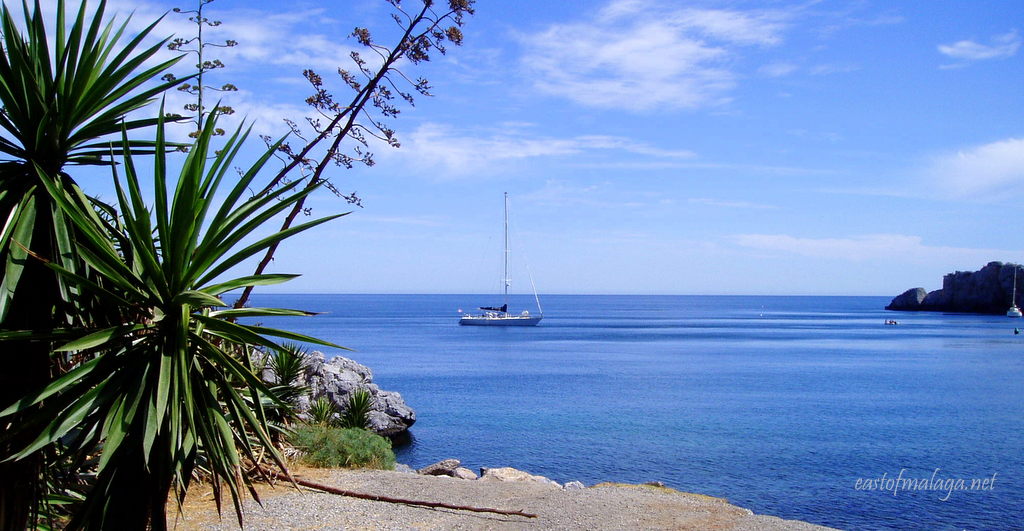
Where the land meets the sea, marina del este, Spain


To paraphrase Avery Sawyer in Notes to Self  –

I couldn´t imagne living in a place that wasn´t near the sea.  

It´s like a giant reset button. 

I can go to the edge of the land, see infinity and feel renewed.


This post is my response to the Weekly Photo Challenge: Renewal


Related posts:

East of Málaga: So near, yet so far away

The Buddhist Stupa of the Eastern Costa del Sol

All Things Bright and Geometrical


All Things Bright and Geometrical

Sunbeams in the Mezquita, Cordoba

Last week, it was my great pleasure to pay a return visit to the Mezquita in the UNESCO Historic Centre of Córdoba,  where I was delighted to capture these dazzling sunbeams making their geometric patterns against the famous red and white arches.

Isn´t nature wonderful?

This post is my response to the WordPress Photo Challenge: GEOMETRIC ; Travel Theme: BRIGHT and this week´s Sunday Post: WONDERFUL.

Related posts from:

New York, USA

Bornholm, Denmark

Tomar, Portugal

The Day of the Dead: A Celebration of Life

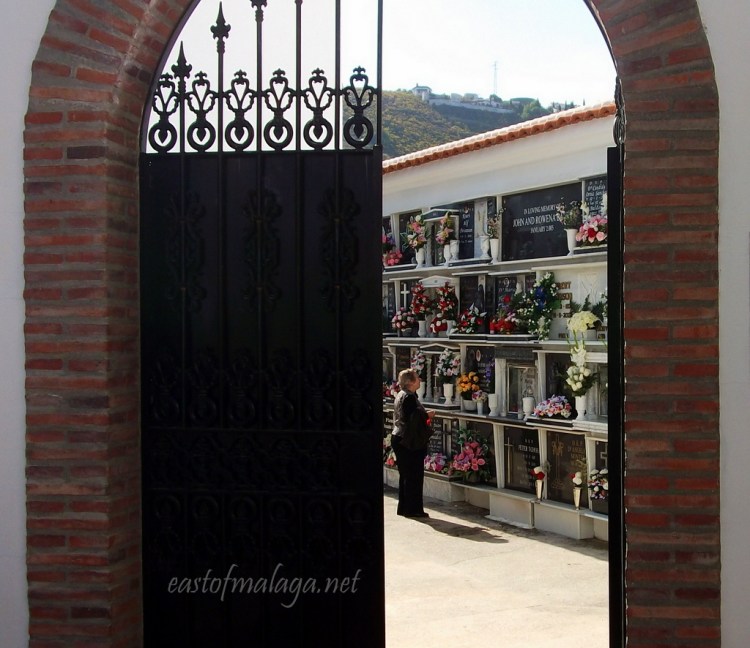
Entrance to the cemetery at Comares, Spain

Customs and celebrations to honour the end of the harvest, the change of the seasons and the passage of life into death come together in many notable traditions at this time of the year.

The festival of Todos los Santos (All Saints´ day)  is celebrated throughout Spain as a national holiday on November 1st each year.

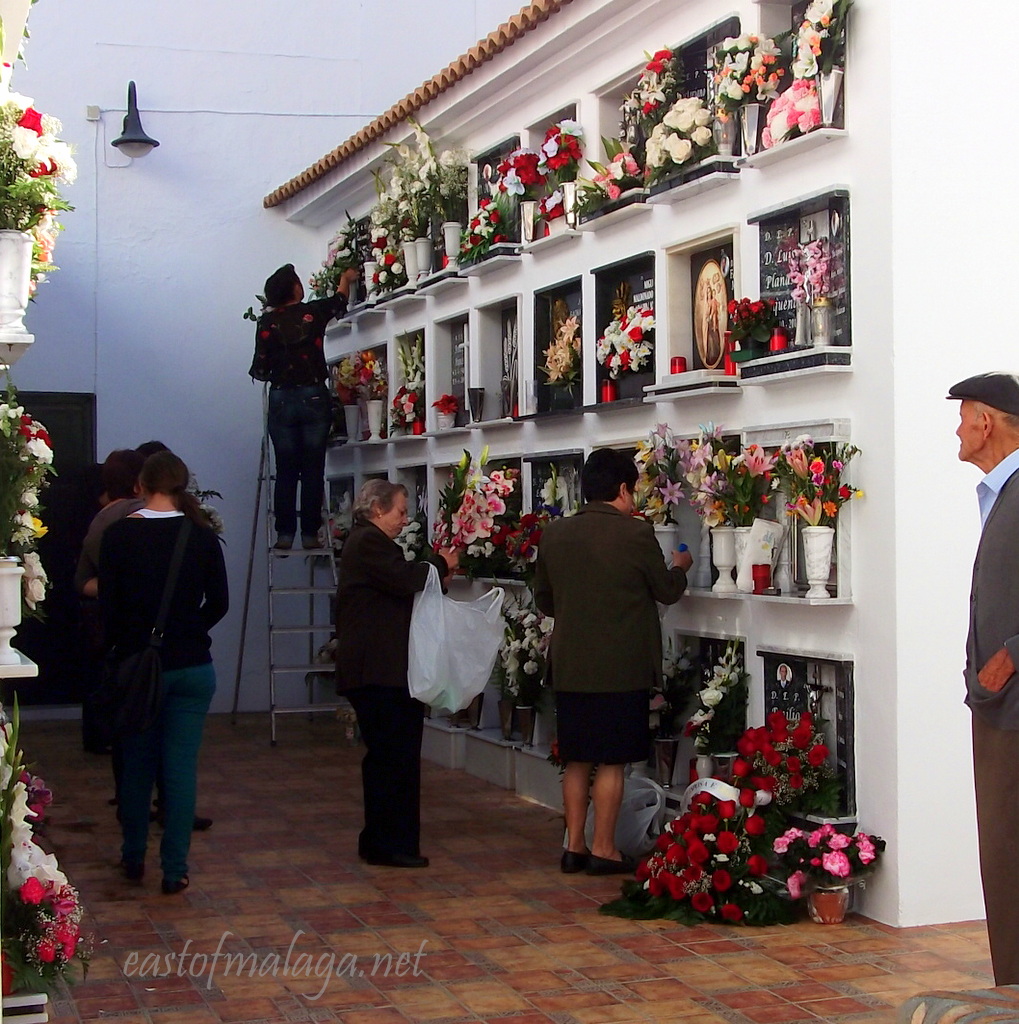
Tending the graves in Competa cemetery for Todos Los Santos

Although the American-style “ghosts and ghouls” type of Halloween is now creeping into the Spanish calendar each year (sadly), traditionally this time is celebrated here in a different form, as “El Día de los Muertos” or the “Day of the Dead” .

The three-day event, beginning on the evening of October 31 and ending on November 2 (All Souls´ day) sees cemeteries packed with families paying homage to their dead.   Family members tend the gravestones of their loved ones by painting, weeding and cleaning them, and by placing fresh flowers and candles.
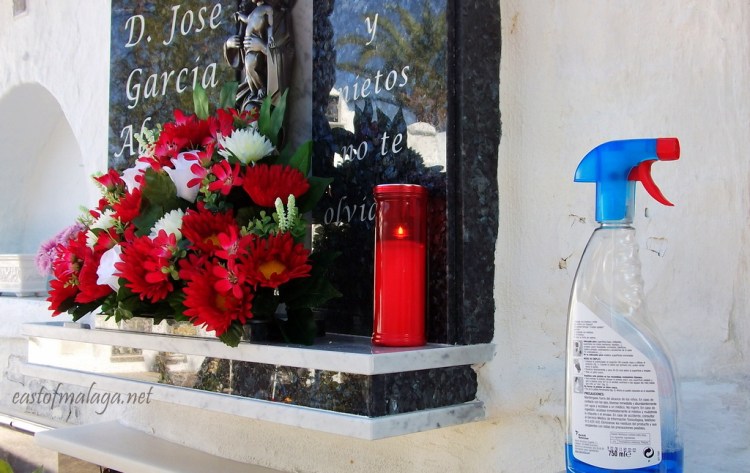
Cleaning the gravestones in Competa cemetery, Spain

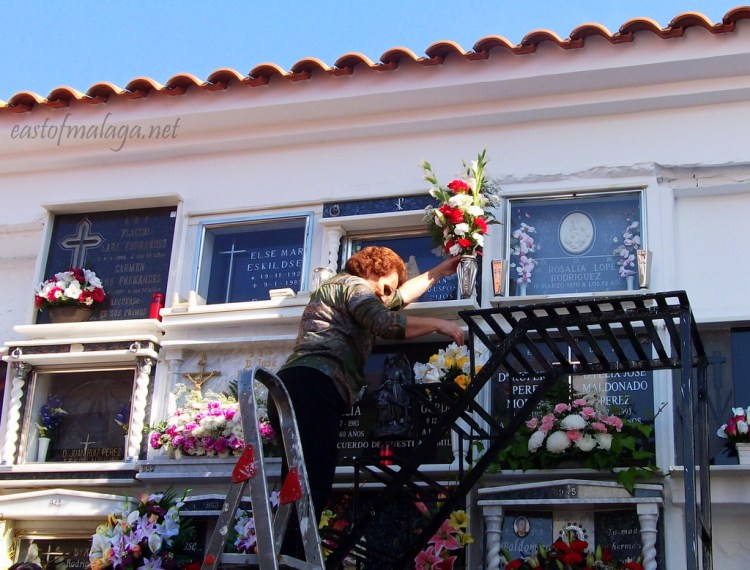
Climbing up the steps to tend the grave in Competa, Spain

We often visit our local cemetery on November 1st, and apart from the sheer number of people, the first thing that always strikes me is the overwhelming fragrance of fresh flowers.

Family members of all ages arrive carrying vases, buckets, bottles of water, cleaning items, candles and arms full of flowers.   The atmosphere is not at all solemn and the sound of chatter is everywhere, with people greeting each other with kisses and hugs.  Each member of the family plays their part in the cleaning and tending of the grave and, when they were finally satisfied, they wandered around the cemetery, looking at other graves to remember the dead,  before leaving.

Fresh flowers on all the newly-tended graves in Competa, Spain

Cómpeta cemetery, Spain

What I particularly like about this lovely Spanish tradition is that all of the frightening aspects of the afterlife are taken out of it.  This is a commemoration for loved ones with nothing ghoulish or scary involved.   Exactly as it should be, in my opinion.

How do you honour loved ones who have passed away, in your part of the world?  

Here are some other posts that I hope you might enjoy:

The heart of Cómpeta: El Paseo de las Tradiciones

The Buddhist Stupa of the Eastern Costa del Sol
Foreign: Not all those who wander are lost

There are no foreign lands. It is the traveller only who is foreign. ~ Robert Louis Stevenson

map of the world sculpture

This simple sculpture of a world map (mapa mundi) can be found within the grounds of Málaga´s Botanical Gardens.

Being an English expat living in Spain, many things that I once might have considered foreign, have now become the norm.

Besides, the concept of “foreign” is all relative, isn´t it?

So, here are some things that you might think are foreign, but which are now part of everyday life here in amazing Andalucía!

Spanish writing on tee shirt

This young girl was wearing her Yo Soy Español  (I am Spanish) tee shirt to watch the Spanish national team play football on TV during Euro 2012, at the La Noche de San Juan celebrations.

Sunshine, sea and palm trees

Sunshine, the blue Mediterranean Sea and palm trees off the Balcón de Europa in Nerja, Spain.

cactus flowers

Stunning yellow blooms of a cactus plant.

Spices at a Spanish streetmarket

Herbs and spices for sale at a Spanish street market.

Delicious paella, freshly-made each day over wooden fires.

Spanish street sign

Street sign in the village of Torrox, which claims to have the best climate in Europe (mejor clima de Europa).

This post is my response to the Weekly Photo Challenge: Foreign.


Other photo challenges you might enjoy:

CBBH monthly Photo challenge: Windows

Travel Theme: Curves

Weekly Photo challenge: Near and Far


Roadside Advertising: Not just a Load of Bull

Toro de Osborne, Spain

Around many parts of Spain, you will see the famous Osborne Bull (Toro de Osborne) silhouetted against the impossibly blue sky.  The 14 metre high black image of a bull in semi-profile, has come to be regarded as the unofficial national symbol of Spain.

First created in 1956 and erected close to major roads by the Osborne Sherry Company to advertise their Brandy de Jerez, the bulls used to feature the brand name “Veterano” in red, emblazoned across them.   In 1994, a law in Spain was passed which prohibited roadside advertising which meant that the hoardings would have to be removed.  However, there was a public outcry as the bulls had become much loved, so in order to comply with the law, the bulls were completely blacked out to remove all reference to the original advertisers.

Only two bulls remain in Spain with the word “Osborne” still written on them.  One is at the airport of Jerez de la Frontera in Cadiz province,  and the other is in the nearby town of El Puerto de Santa María, where the headquarters of the Osborne company can be found.

The image of the bull is now proudly displayed in stickers, key rings and memorabilia throughout Spain, and at sports events where a Spanish team or individual take part, the bull is embedded by supporters into the Spanish flag in the manner of a coat of arms.

Flag of Spain with Osborne´s bull

       [Image credit:  CC Wikipedia]

There are 23 of these bulls to be found within the region of Andalucía – so keep your eyes peeled on your travels!

This is my response to the WordPress Photo Challenge: Silhouette

You might also like to look at:

The Buddhist Stupa of the Eastern Costa del Sol

When life gives you curves, flaunt them!

The heart of Cómpeta: El Paseo de las Tradiciones