All the fun of the Ferias!

Viking ship at Torrox feria, Andalucia, Spain

The ferias are in full flow in the Axarquía region with the latest at Torrox pueblo last weekend.    By day, unassuming white Andalucían village – but by night, OH BOY is it a feast for the senses!

The bright flashing lights of the fairground rides, beautiful flamenco dresses, dancing, live music, the smell and taste of great food and drink, very late nights and, of course, the fireworks!

If you miss one of the nights, don’t worry there are plenty more, as most ferias take place over several days.

This coming weekend it’s Nerja’s turn, with the Feria held on the land between Carabeo and Los Huertos.  Full programme of events, HERE.

See you there! 

Do they know how to party, or what? 🙂

You might also enjoy these related articles:

A Celebration of Fried Breadcrumbs: Migas Festival in Torrox Pueblo

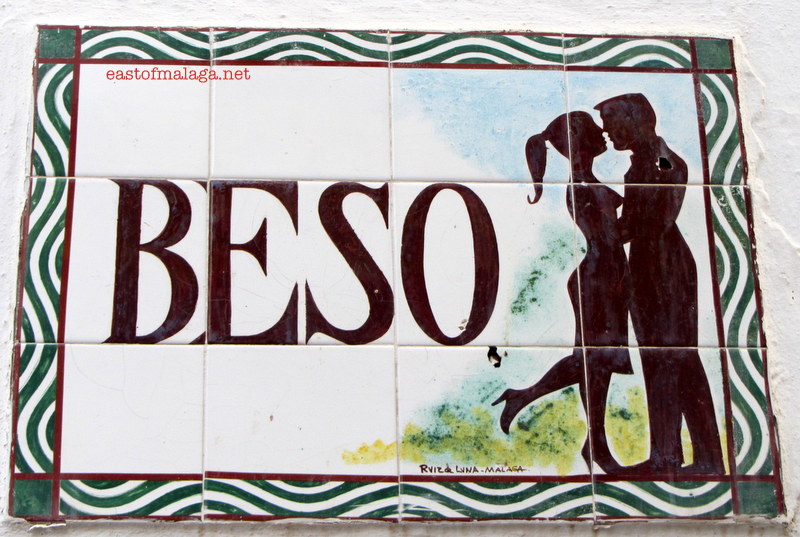
Calle Beso (Kiss Street) in Torrox

Balcón de Europa (Balcony of Europe), Nerja

East of Málaga: Flying the Blue Flags

Blue flag beach at Torrox Costa, Spain

At the end of May each year, the independent non-profit organisation Foundation for Environmental Education (FEE) awards its prestigious Blue Flags to beaches and marinas in the northern hemisphere for their water quality, safety standards, environmental education and amenities.

The Blue Flag is a voluntary eco-label awarded to more than 3850 beaches and marinas in 48 countries around the world.    With a total of 648 ensigns, Spain has maintained its position at the top of the list in the northern hemisphere.

Here is the list of current blue flag beaches on the eastern Costa del Sol:  Algarrobo Costa in Algarrobo;  Ferrara in the municipality of Torrox;  Burriana and Torrecilla beaches in Nerja;  Benajarafe  and Torre del Mar in the municipality of Velez-Málaga and last, but not least, Cala del Moral in Rincón de la Victoria

The Blue Flag is awarded on an annual basis, and can only be only held for one season before it will be judged once again by FEE.

Beach, east of Malaga

Related posts:

East of Málaga: The Weather in Summer

La Noche de San Juan: Beaches and Bonfires

Photographs I love – and why

The Green, Green Vegetables of Home

Click any image to open a slide show

I’ve mentioned before that we don’t live in a town, city or even a small village.  We live in the open countryside (known locally as el campo), so our garden isn’t the kind of cultivated area we used to have back in England.   Our house was built onto a hill-side of almond trees and indeed, when we moved here almost eight years ago, the only things that were already planted (apart from the naturally-placed wildflowers) were 47 established almond trees, on almost an acre of land.   Of course, the area immediately around the house, car park, swimming pool and terraces is flat but the rest of our land is sloped, and we have chosen to leave a more “natural” look  further away from the house, to blend in with the surrounding countryside.

As time as gone by we have added many more trees, shrubs and bushes and I have previously posted photographs of lemons, apple blossom, bird of paradise flowers, figs, oranges and some of the many beautiful wildflowers at present gracing the garden.

Despite the apparent poor quality of the soil, the valley where we live is extremely green with trees and vines growing down the hillside.  Newly planted trees need care for the first year or two, but once established seem to thrive, provided they are given sufficient irrigation.  

The nature of the ground is generally sloping, rough and rocky with poor, shallow soil over bedrock.  Untended ground is usually very hard (with need for a pick-axe to dig holes for planting) allowing deluges of rain little chance to penetrate the soil, thereby creating deep channels where the water has run off .

However, it’s not all bad news as there are patches of slightly deeper soil here and there, and it’s one of these that last week we decided to transform into a small vegetable patch.

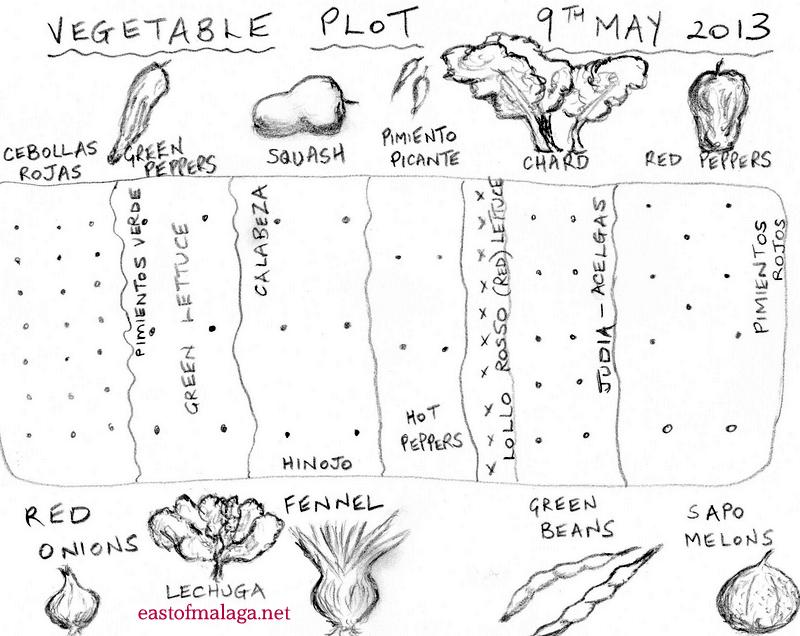
We were able to buy some little plug plants in Vélez-Málaga, at a total cost of just over 11 euros and, after quite a bit of digging, raking and throwing out stones, we finally got to plant red, green and hot peppers, chard, squash, green beans, red and green lettuce, red onions, fennel and melons.

After three days, I can report that the little plants appear to be doing well.  I’ll keep you posted on their progress!
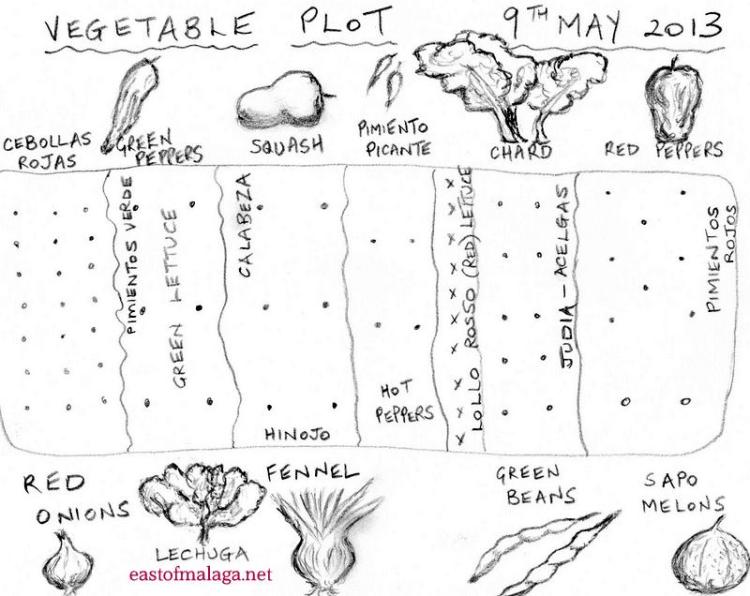
Vegetable plot - planting plan

Previous posts you might find interesting:

A Slice of Life: Garden and Plant Irrigation

Flowering snapshot of a January day around the garden

Wildflowers of Andalucía: Dutchman’s Pipe

A Celebration of Fried Breadcrumbs: Migas Festival in Torrox pueblo

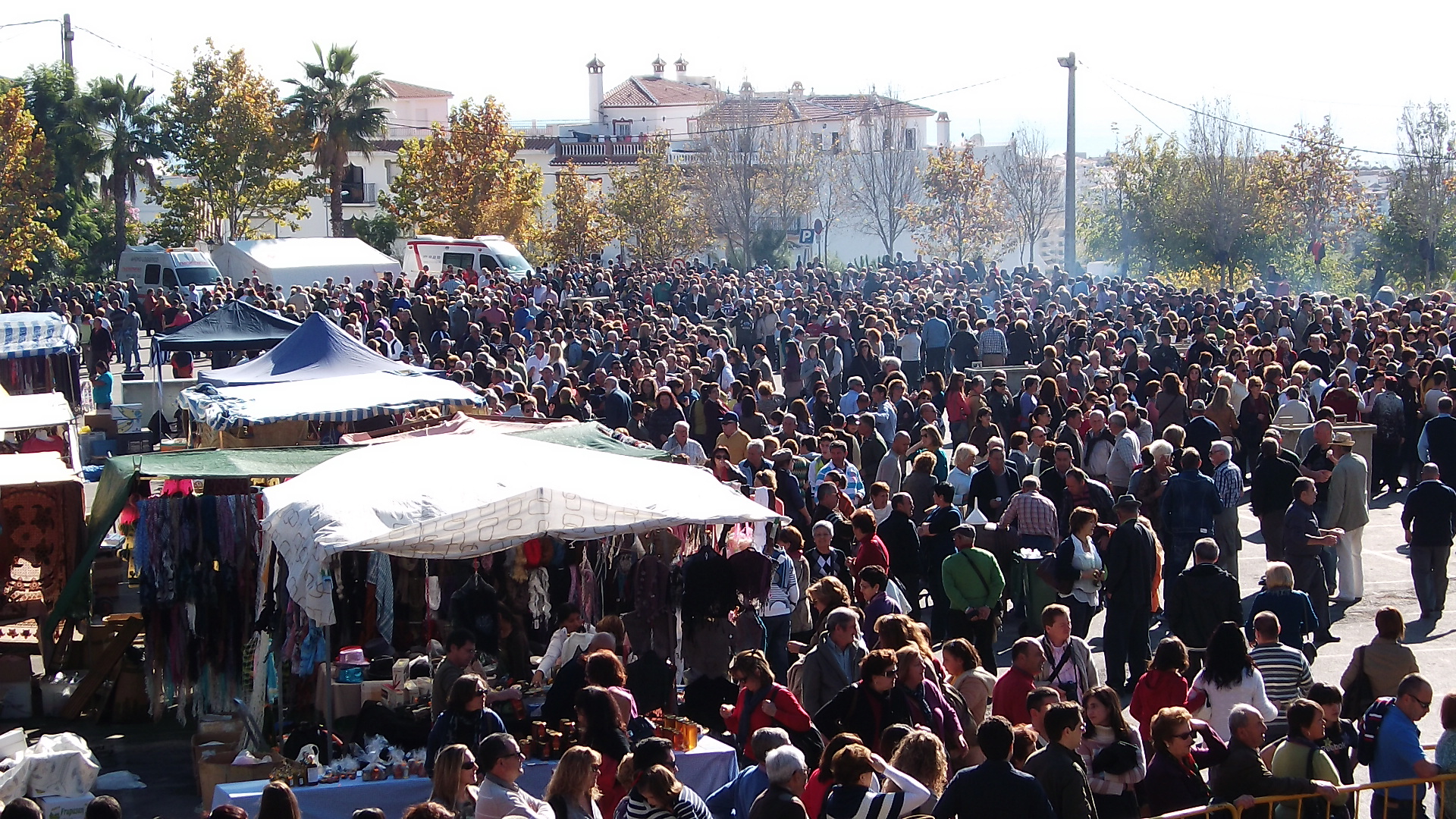
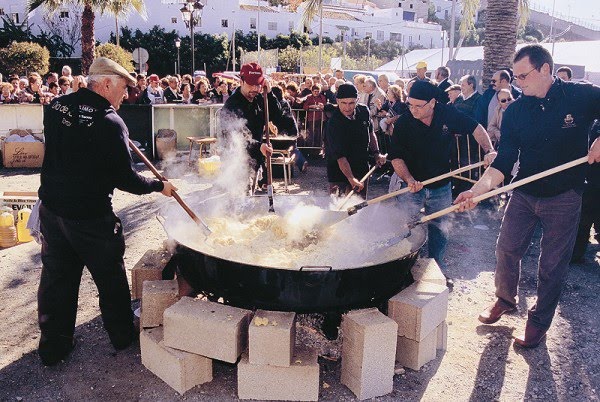
You might not expect ingredients for the perfect Christmas party to include 2000 kilos of flour, 500 litres of olive oil and 3000 litres of sweet Moscatel wine, but that´s exactly what´s required  to cater for the 40,000 guests who visit the annual  Migas Festival in the village of Torrox.

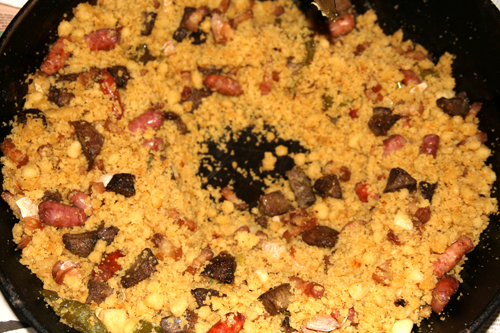
Many towns and cities throughout the world have unique dishes that encompass their overall culture and tradition.  Migas is a traditional Andalucían peasant dish often made from breadcrumbs, although in Torrox the migas are made with flour.  Normally served as an accompaniment to a main dish, of fried fish for instance, migas comprises of fried bread crumbs liberally laced with garlic, and may also contain small pieces of chorizo, ham or peppers.

Each year, on the last Sunday before Christmas, (so, this coming Sunday – December 23rd 2012)  this gastronomic festival which has been declared of “National Tourist Interest” by the Junta de Andalucía, will serve more than 40,000 visitors. 

Whoever said “there is no such thing as a free lunch”,  obviously had never visited Torrox pueblo!

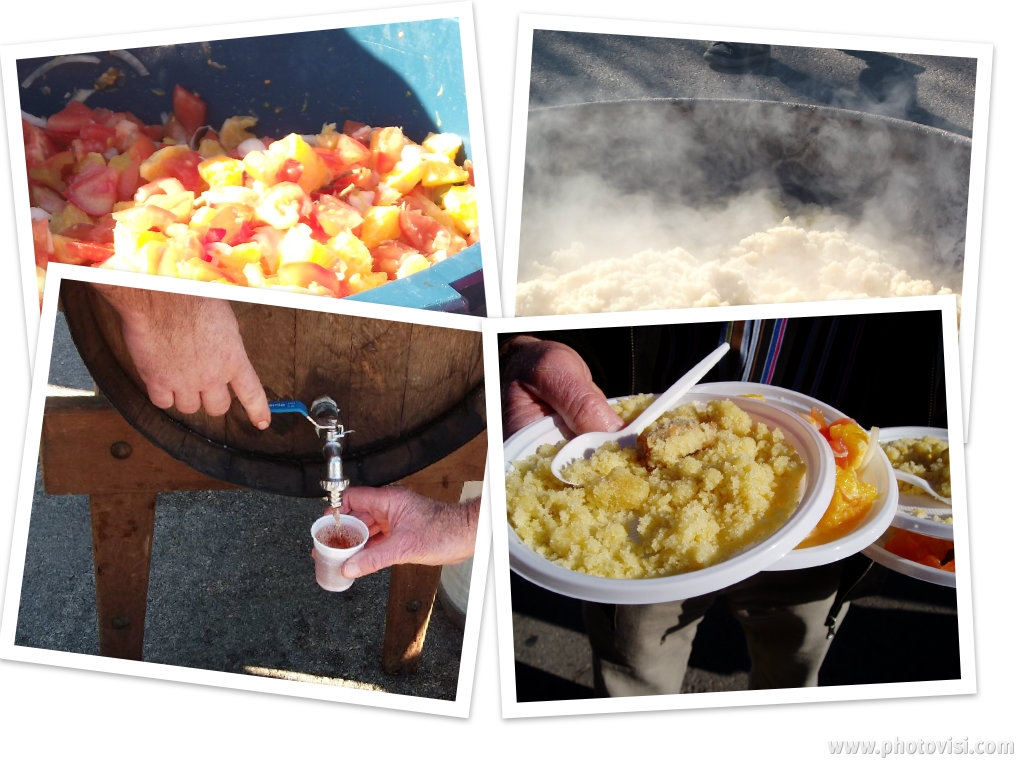
From early in the morning, teams of cooks prepare the migas for free distribution to local residents and visitors to the festival.  The ringing of a bell is the signal for everyone to come and collect their plate of migas, which is served with a glass of local wine and an “arriera” salad  (made with oranges,  tomatoes, potatoes, onions and olives) to accompany the meal.

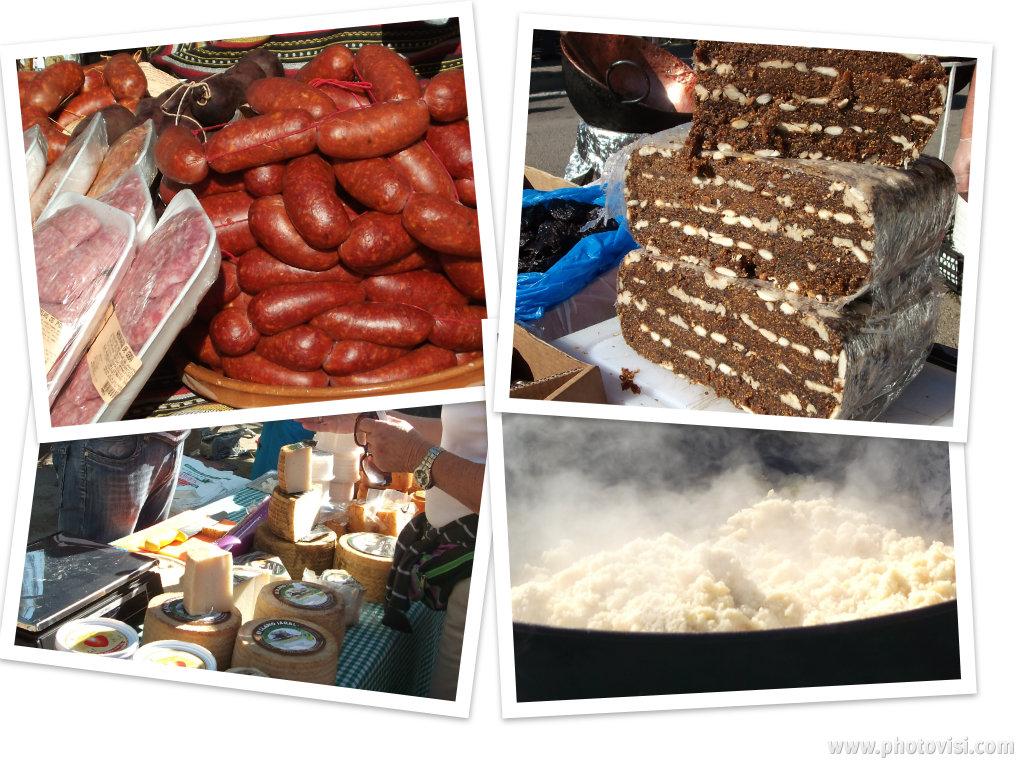
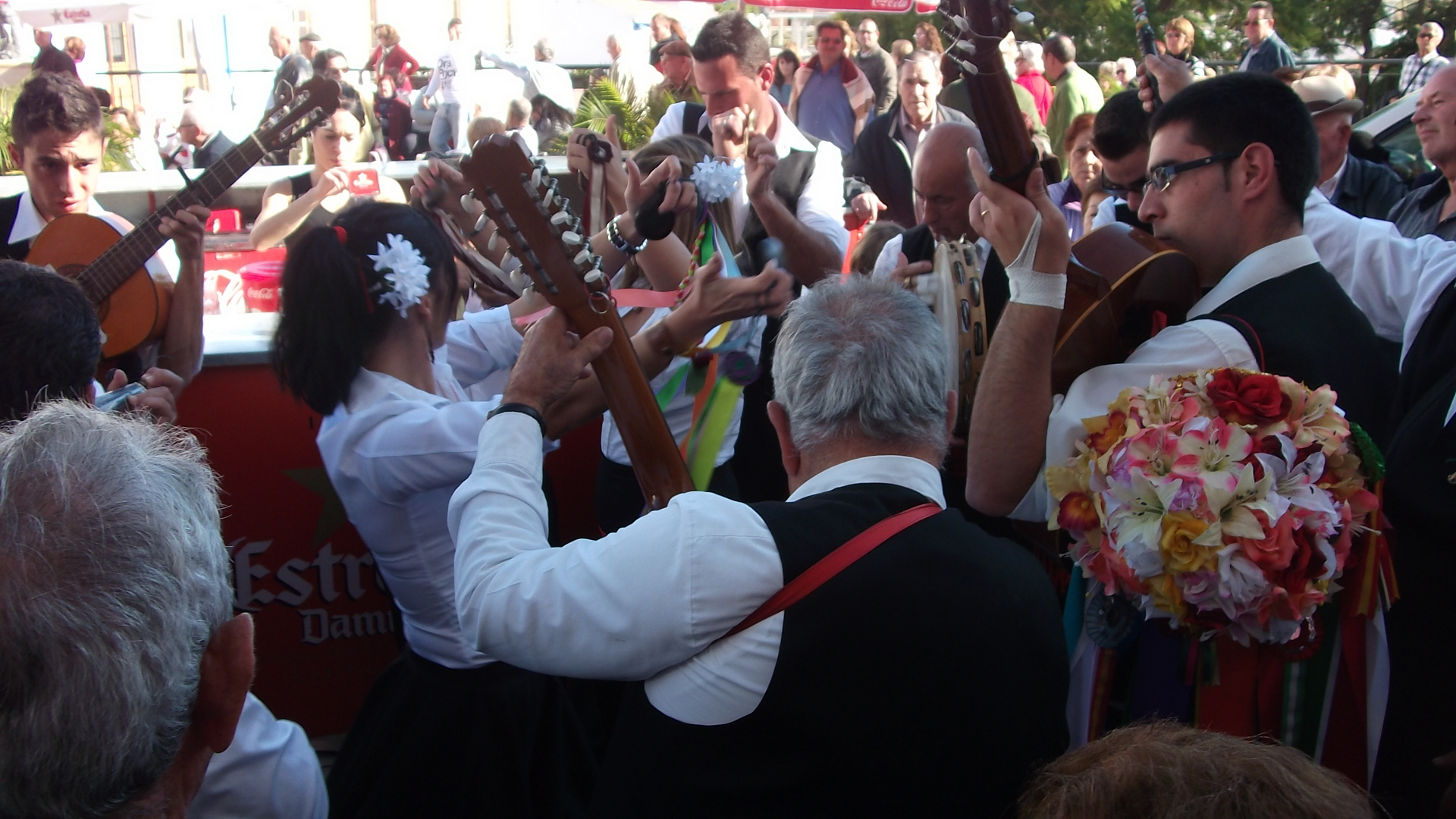
There is plenty to do during a day at the Migas festival  because as well as free food and drink there are many craft stalls, traders selling fine cheeses, chorizo, cakes, nuts and sweets, the opportunity to enjoy guided walks through the village, and street artists, as well as choirs and local dance groups, who all help to create a wonderful festive atmosphere.

Of course, in true Spanish tradition, this is just another excuse for a party, but on a warm, sunny December day, why would you not pursue that with some vigor?

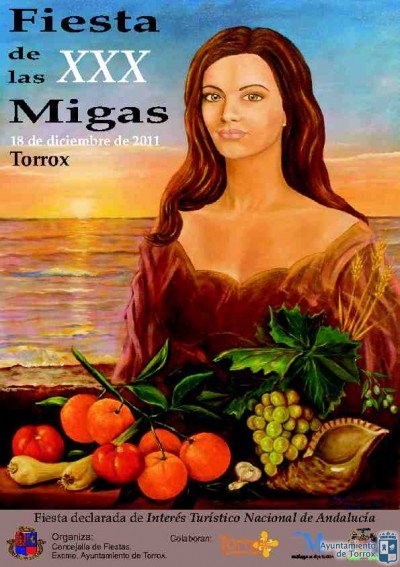
(BTW – didn´t they do well getting Angeline Jolie to pose for last  year´s poster?  😉

You might also enjoy:

La Noche de San Juan: Families, fires and football!

The heart of Cómpeta: El Paseo de las Tradiciones

CBBH Photo Challenge: Simple Pleasures