Ski-ing in the Sierra Nevada mountains, Granada, Spain

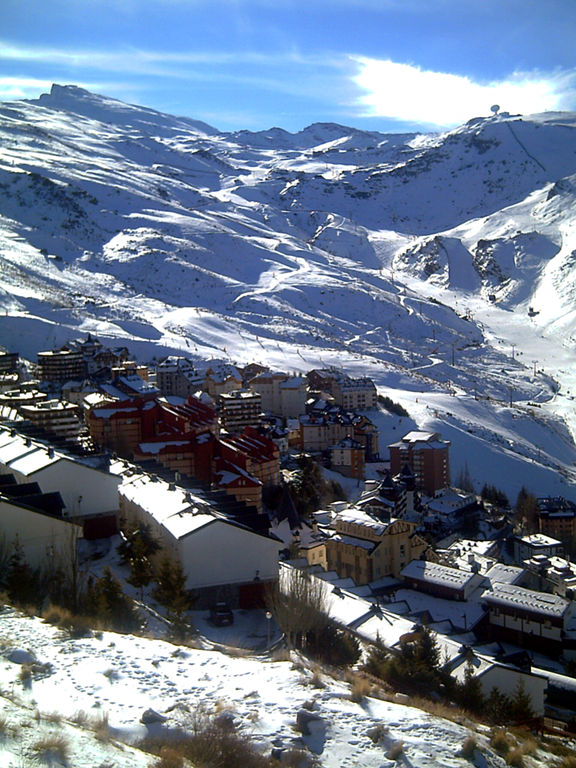
Sierra Nevada, SpainImage credit: Javier Martin (Wikipaedia CC)

The 2013-2014 winter season opens tomorrow, November 23rd, at the Sierra Nevada Ski Station in the province of Granada, Spain.

The Sierra Nevada (snowy mountain) is Europe’s most southerly and sunniest ski resort with more than 80% of sunny days each year.   There are more than 104 kilometres of trails, 116 ski runs and 22 ski lifts to ensure you enjoy the biggest snow park in Spain!

The lower end of the resort village, Pradollano, lies 2100 metres above sea level with the top station at 3300m.

The Sierra Nevada Ski Station also boasts the greatest skiable vertical drop in Spain at 1200 metres.  

The resort is situated 27 kilometres from the city of Granada and, with ski-ing available from late November to early May, it’s possible to enjoy ski-ing and swimming in the Mediterranean Sea (only 100 kilometres away) on the same day.  

Now there’s a challenge for you!

Where’s your favourite ski resort?


Related articles:

Project Piste 2 Playa: Granada’s Ultimate Day-trip

Classic Andalucía: La Alhambra, Granada

The Alhambra Palace, Granada

Following in the footsteps around Comares

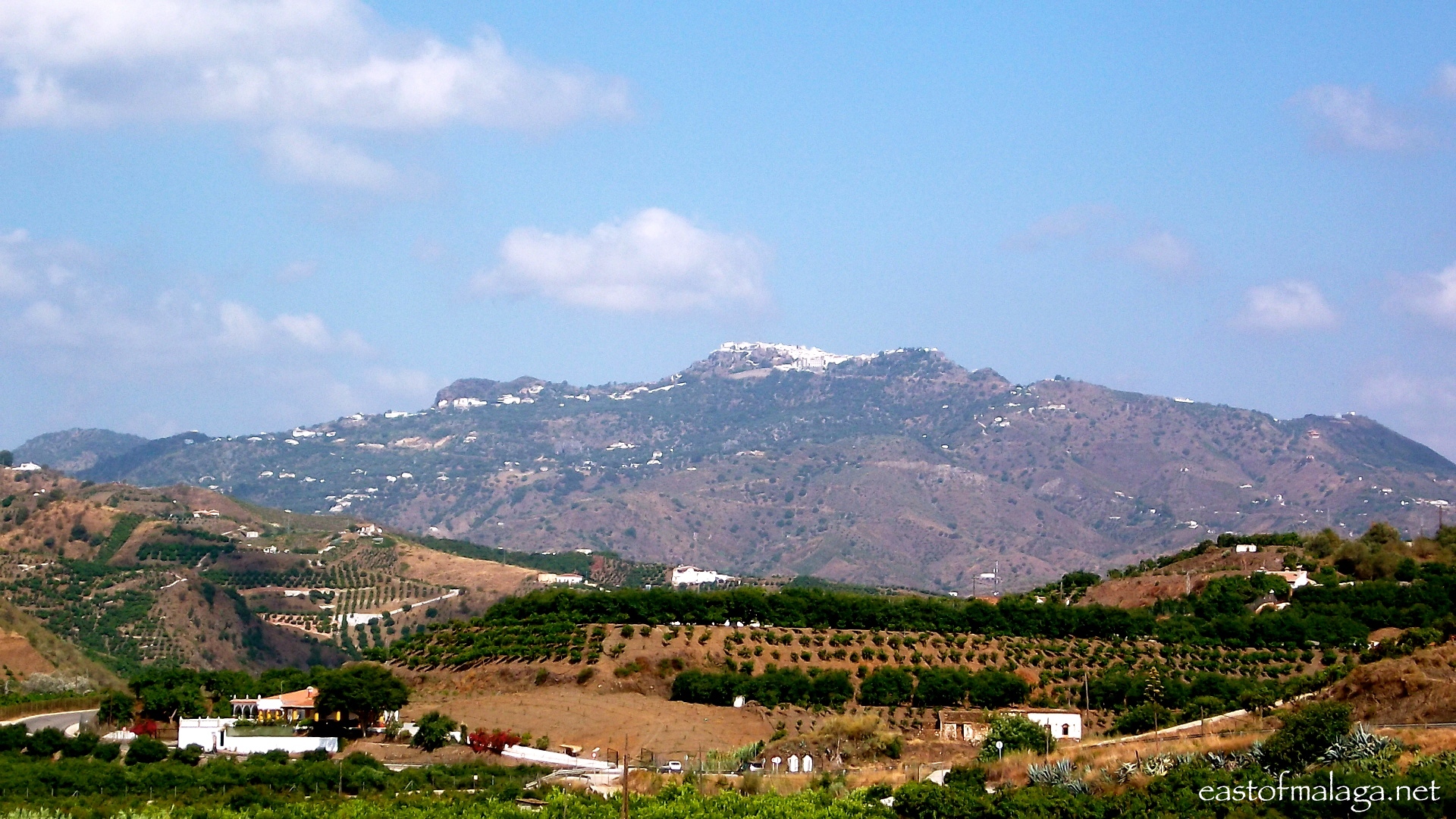
Comares perched on a hilltop, Spain

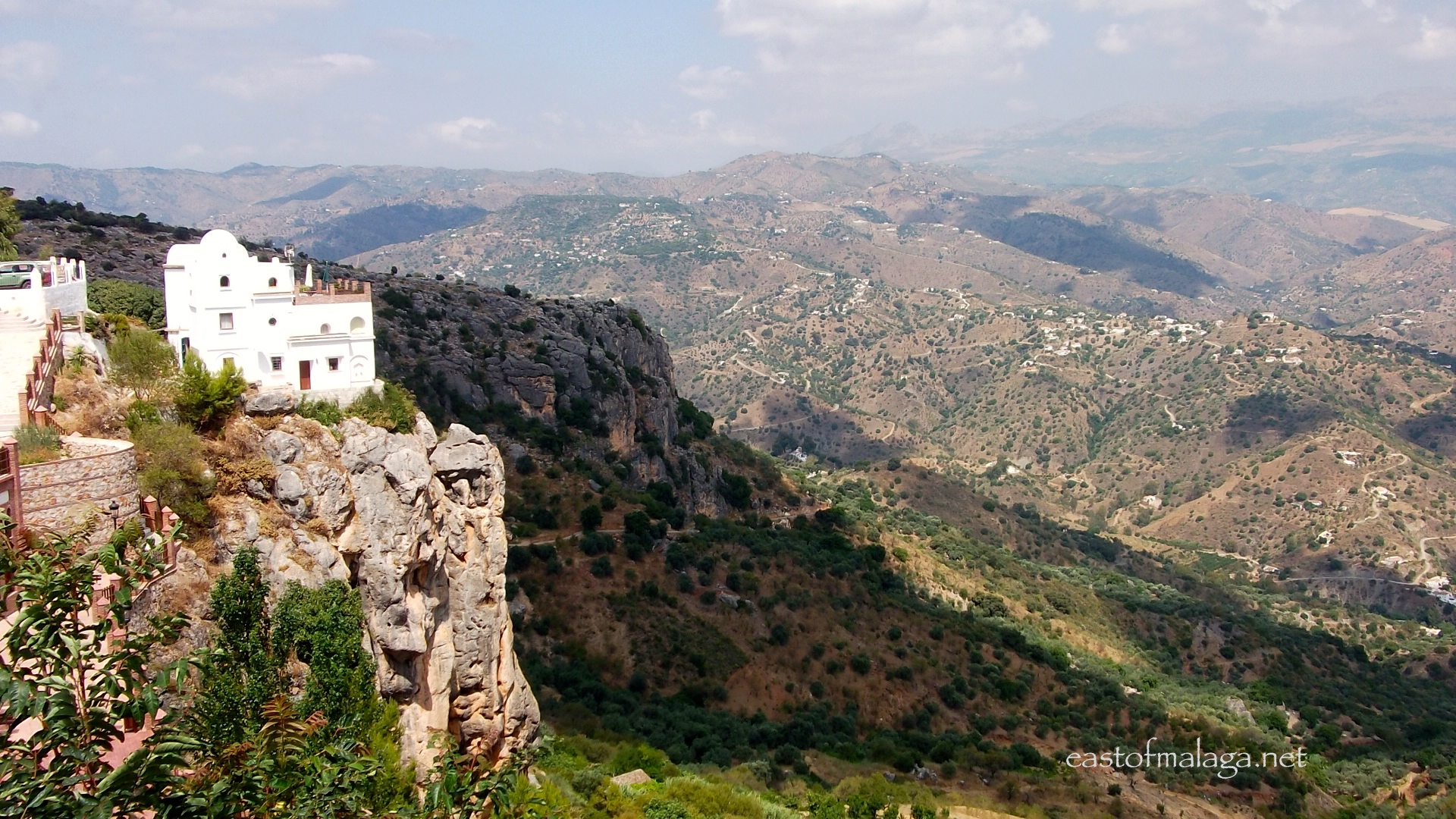
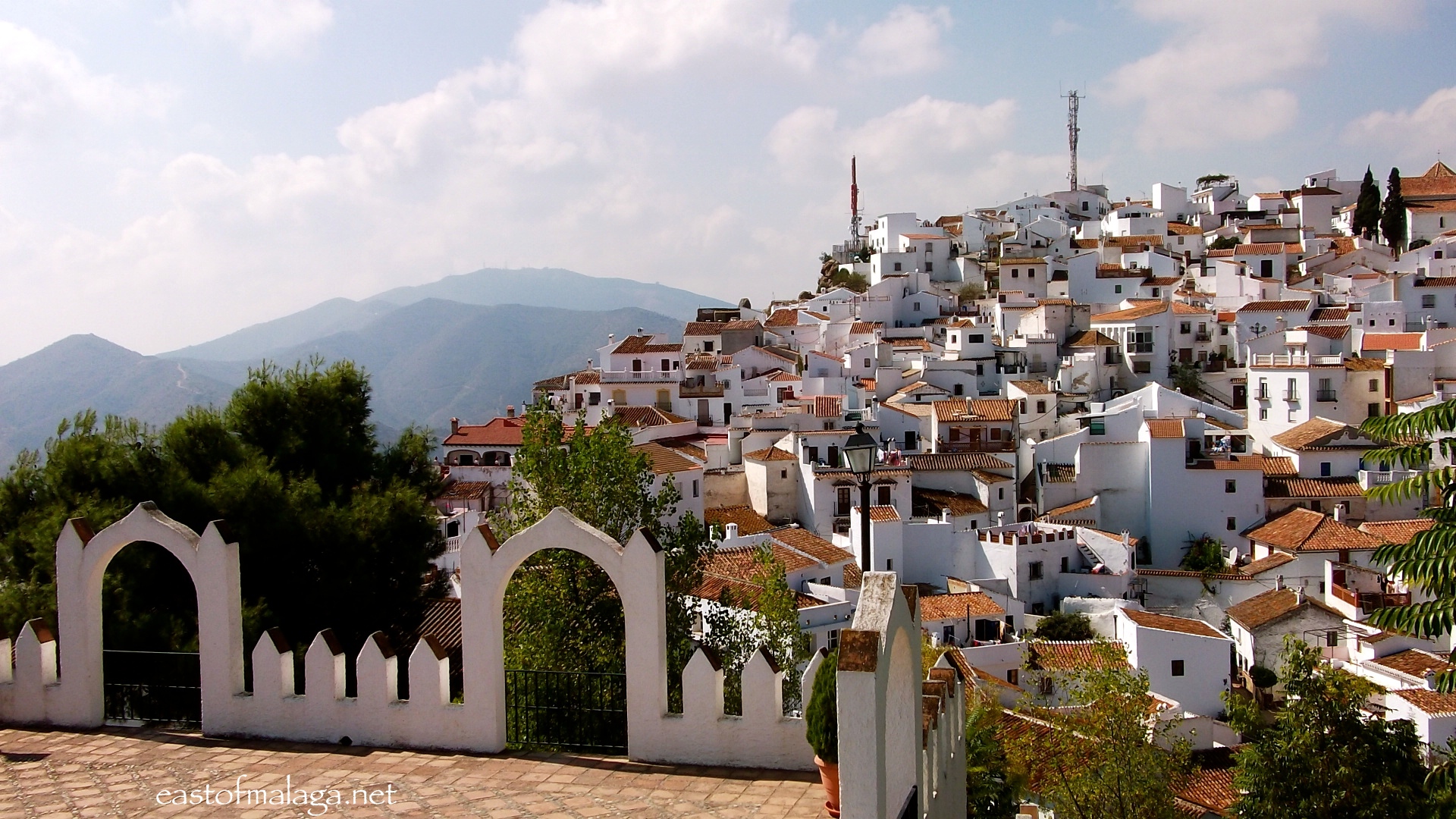
Being one of the highest white villages (pueblos blancos) in Andalucía at 739 metres above sea level,  the village of Comares can be seen for miles around, perched high on its cliff-top position, keeping a watchful eye over the surrounding countryside.

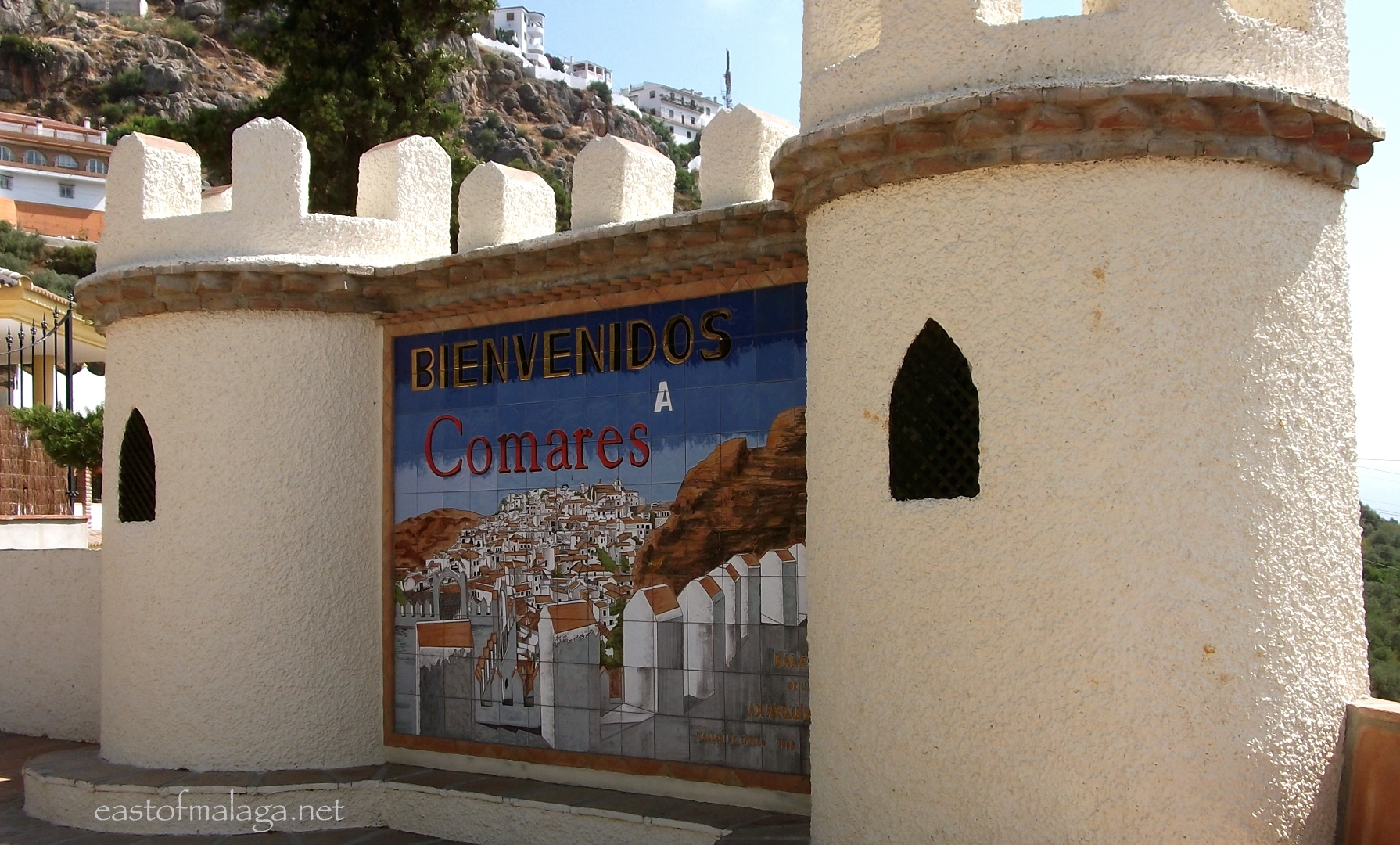
Welcome to Comares, Spain

As you wind your way up the road towards Comares, the village keeps appearing and disappearing from view, tantalisingly getting closer and closer with every kilometre – until finally you reach the “Welcome to Comares” sign.

You’re almost there!

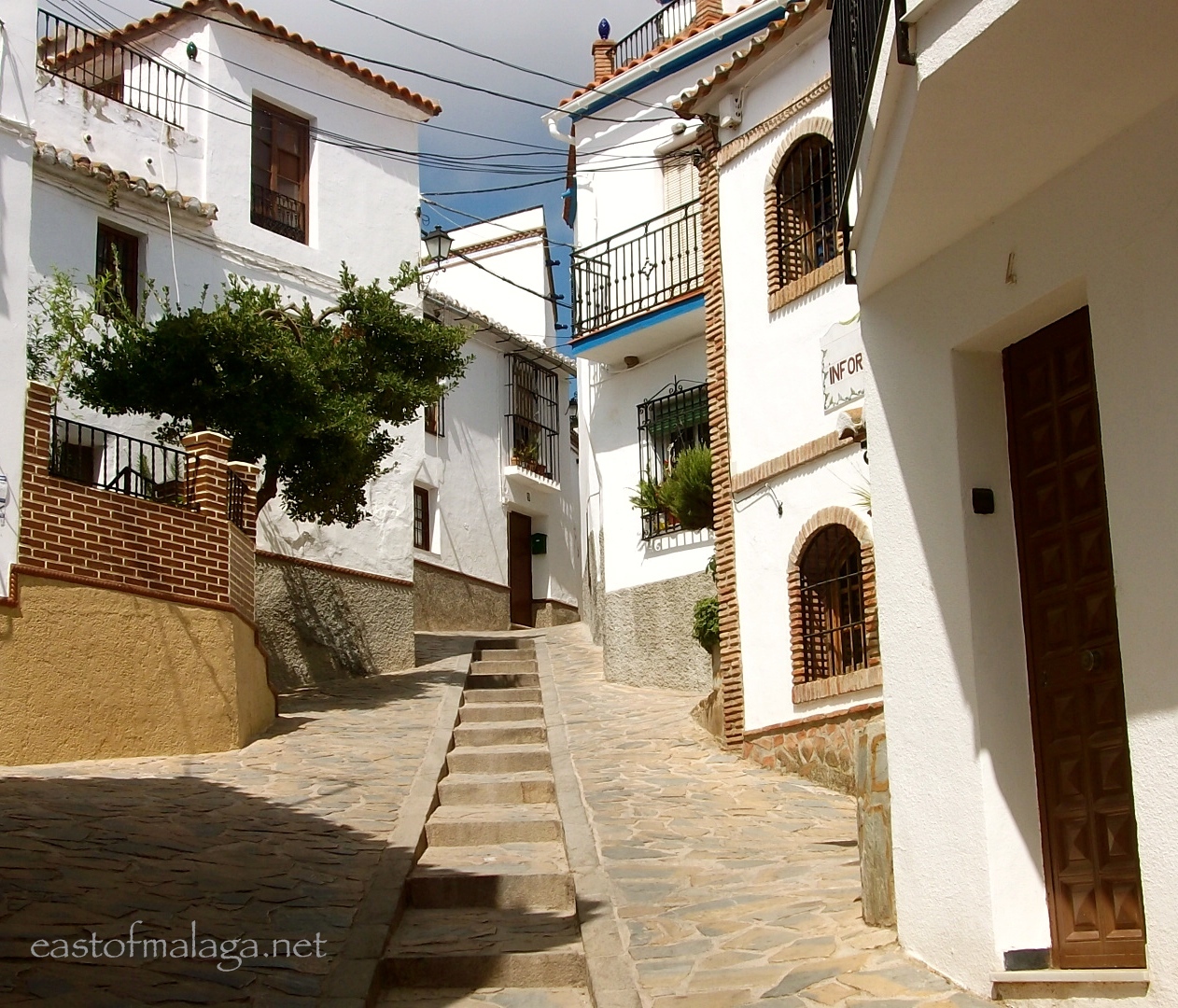
Once you reach the main square (Plaza del Balcón) you will see a series of beautiful tiled murals depicting the history of Comares and, it’s from here that you can follow a circular walk around the village marked by ceramic footsteps set into the stone paving.

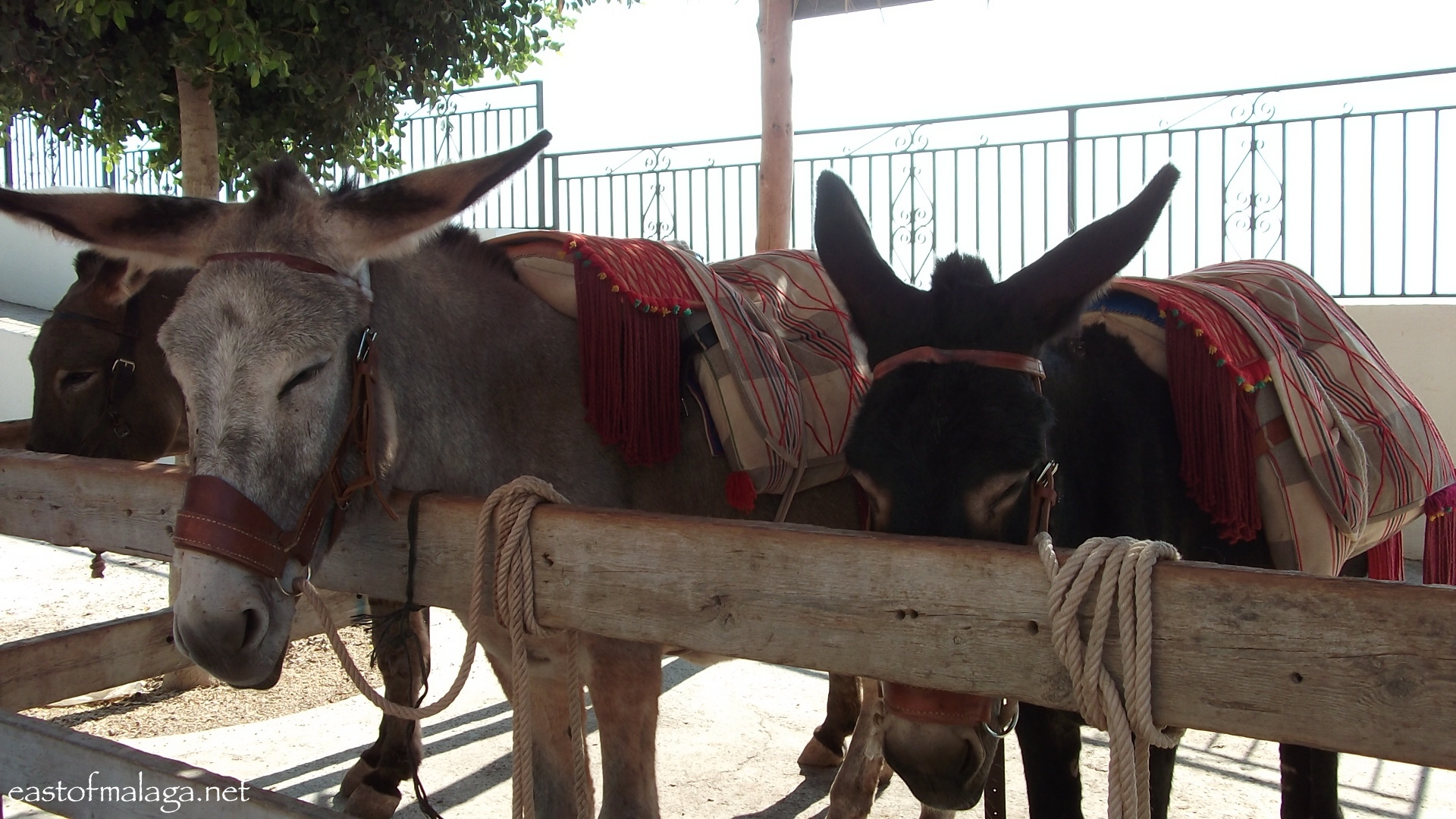
The footsteps lead to the main historic sites of Comares and to spectacular viewing points.  The walking route takes around an hour, and is steep in places but, if you don´t want to walk, you could always take a donkey taxi (burro taxi) ride around the village!

DSCF5948

As you wander around the narrow streets you may find yourself invited into the home of one of the Spanish ladies who sell local produce such as wine, almonds, avocados, raisins, olives or honey.  Some of them are very persistent sales-women!

DSCF4773

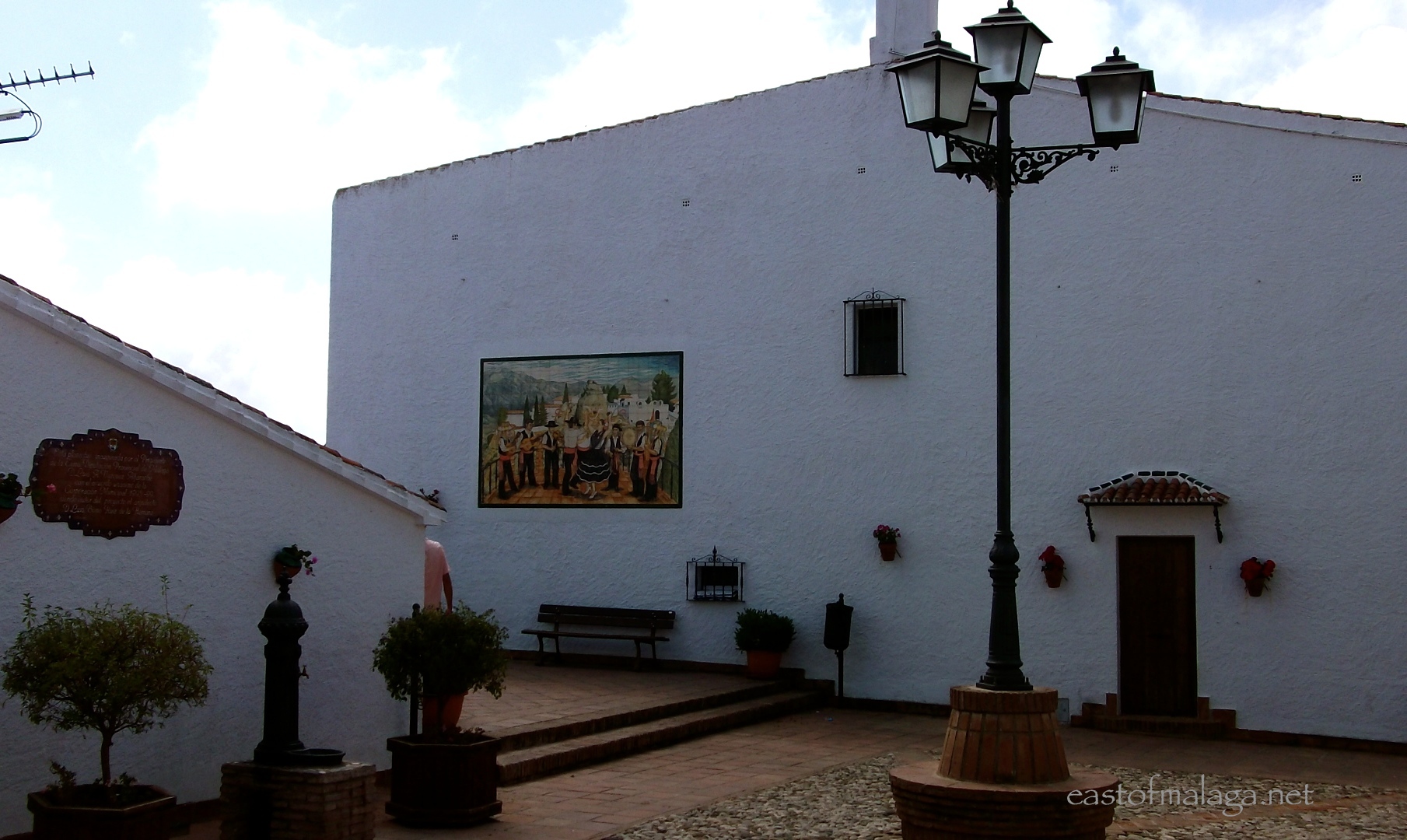
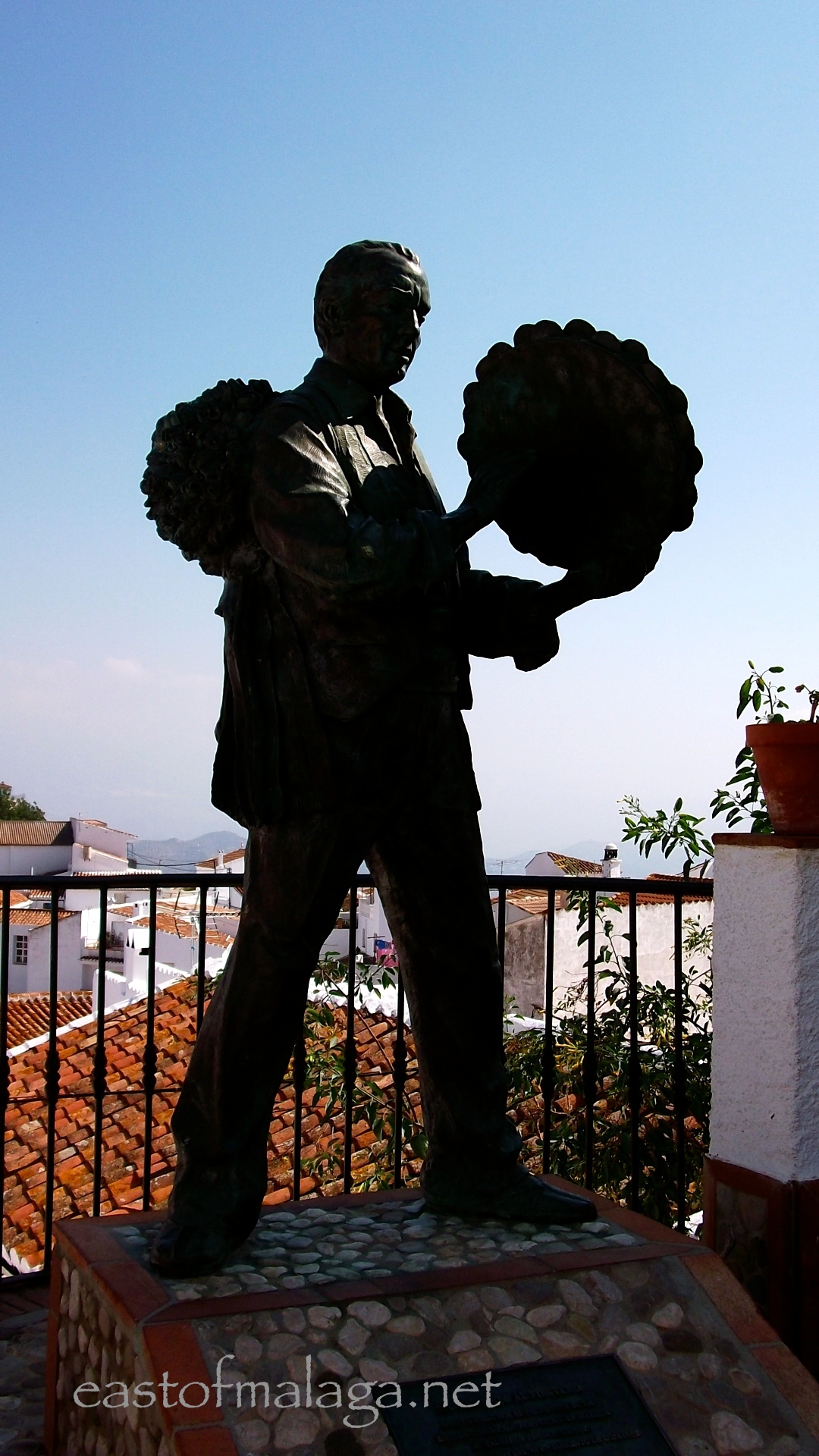
One of the interesting places the ceramic footprints lead you to is the Plaza de los Verdiales, where there is a beautiful tiled mural, plaque and statue to commemorate the Panda de Verdiales – a band of local men playing lively music.

Plaza de los verdiales, Comares

DSCF5953

The village name Comares originates from the Arab word for castle – Qumarix.    The first fortress was built here by the Romans, but the history of the village is pre-Roman with the main traces of occupation being Arabic

When the Moors invaded Comares they made full use of its excellent location and developed the town into one of the areas principle defensive strongholds.

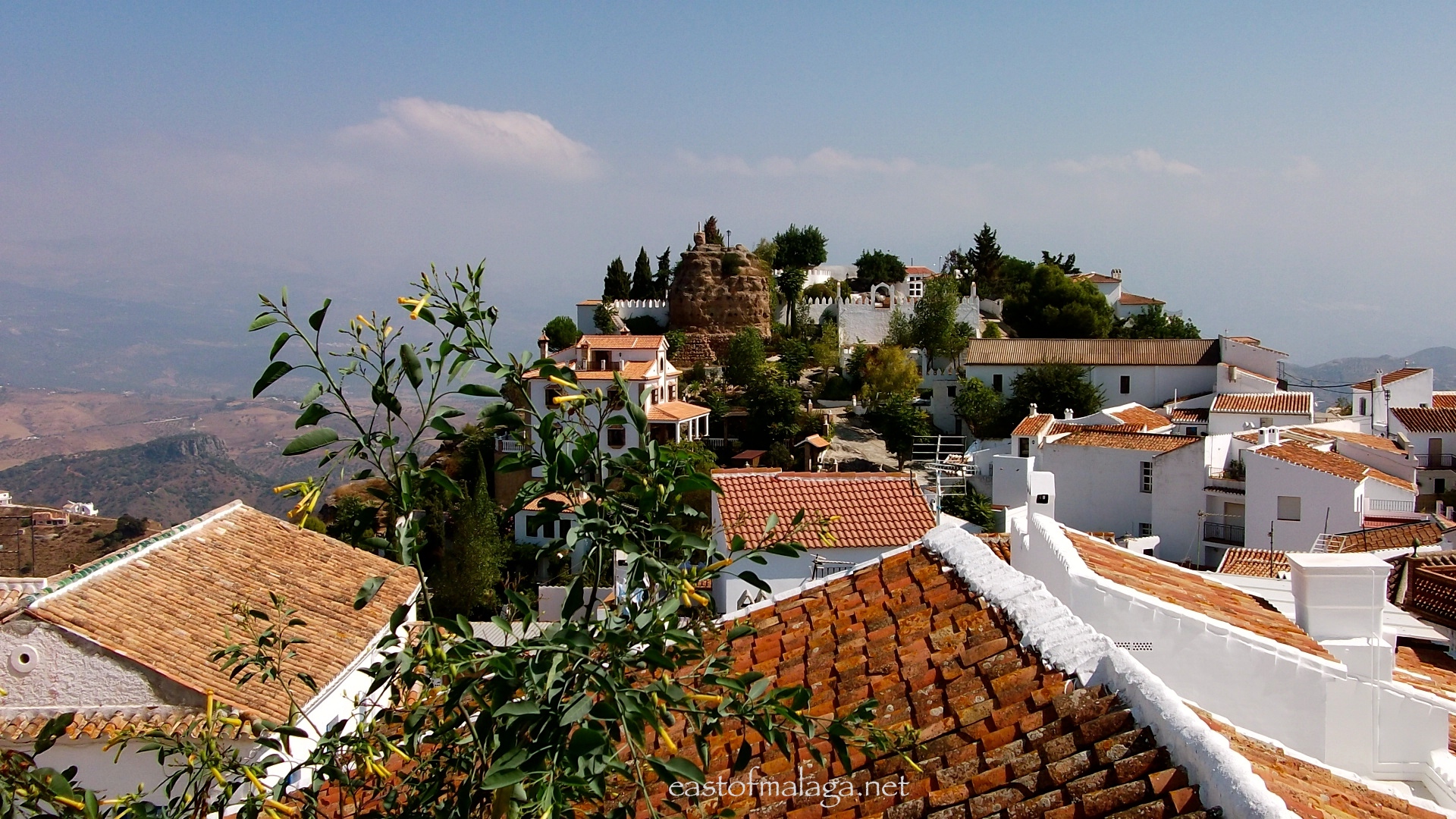
Looking towards Comares castle

Comares is known with good cause as the “Balcony of La Axarquía”.

Stunning views from Comares

Views across the village of Comares from the castle

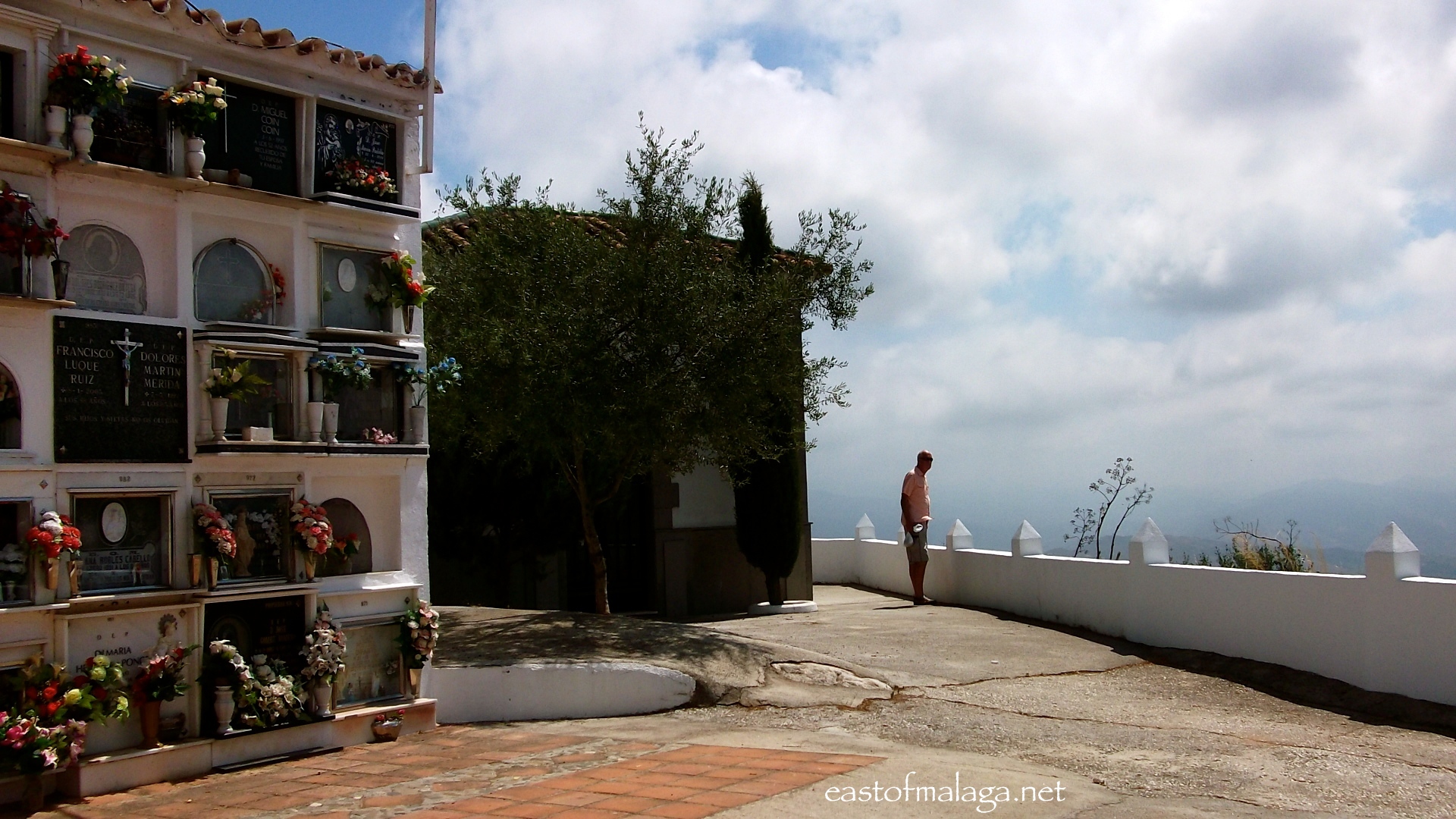
One of the highest points of the village is the cemetery (cementerio municipal), from where there are magnificent views over the surrounding countryside.  It´s well worth a look!

Comares cemetery with views

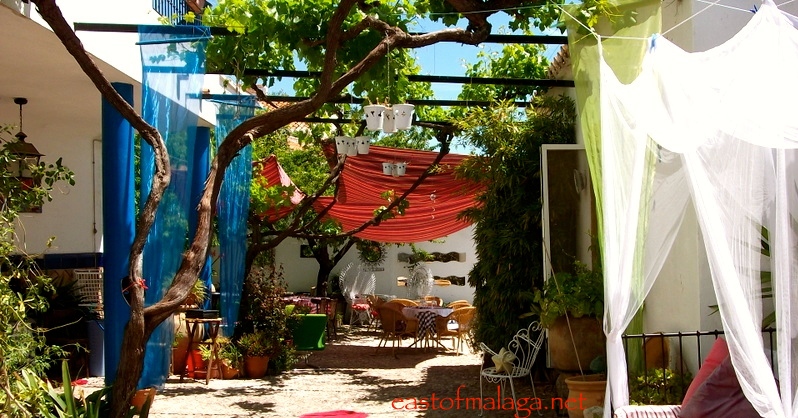
Finally, if the steep streets have taken their toll, you could always stop and have lunch or a cool drink in the beautiful courtyard of El Molino de los Abuelos in the main square.

Courtyard of El Molino de los Abuelos, Comares

To really enjoy the views that Comares has to offer, make sure to go on a clear day.  Summer skies are often hazy, so an autumn or winter day is probably best for a visit – though if you´ve been to Comares once, you´ll want to go back again!

You can read more about the village of Comares, HERE.

How to get there:

Follow the A7/E15 autovía, east of Málaga, to km 272 and take the exit signposted for the A356 towards Vélez-Málaga.  Stay on the A356, bypassing the town and, after a few kilometres, turn left at the junction signed towards El Trapiche.  You’ll see the first sign-post for Comares as you approach that turn off – then just follow the signs – though, be warned, there aren´t many!

http://www.youtube.com/watch?v=J6xFMlMxTXo


Other articles you might enjoy:

Apocalyptic skies over southern Spain

Málaga’s Urban Street Art

Fresh Figs Stuffed with Goat´s Cheese and wrapped in Smoked Bacon


Málaga’s Urban Street Art

Street Art in Malaga by ROA  - Málaga Arte Urbano en el SoHo (MAUS)

There’s something fabulous happening in Málaga – stunning street art – and I’m not talking about graffiti.

Málaga Arte Urbano en el Soho” (otherwise known as MAUS) has invited international urban street artists to create fabulous pieces of art on the walls around Málaga’s “Barrio de las Artes“, the bohemian Soho district.

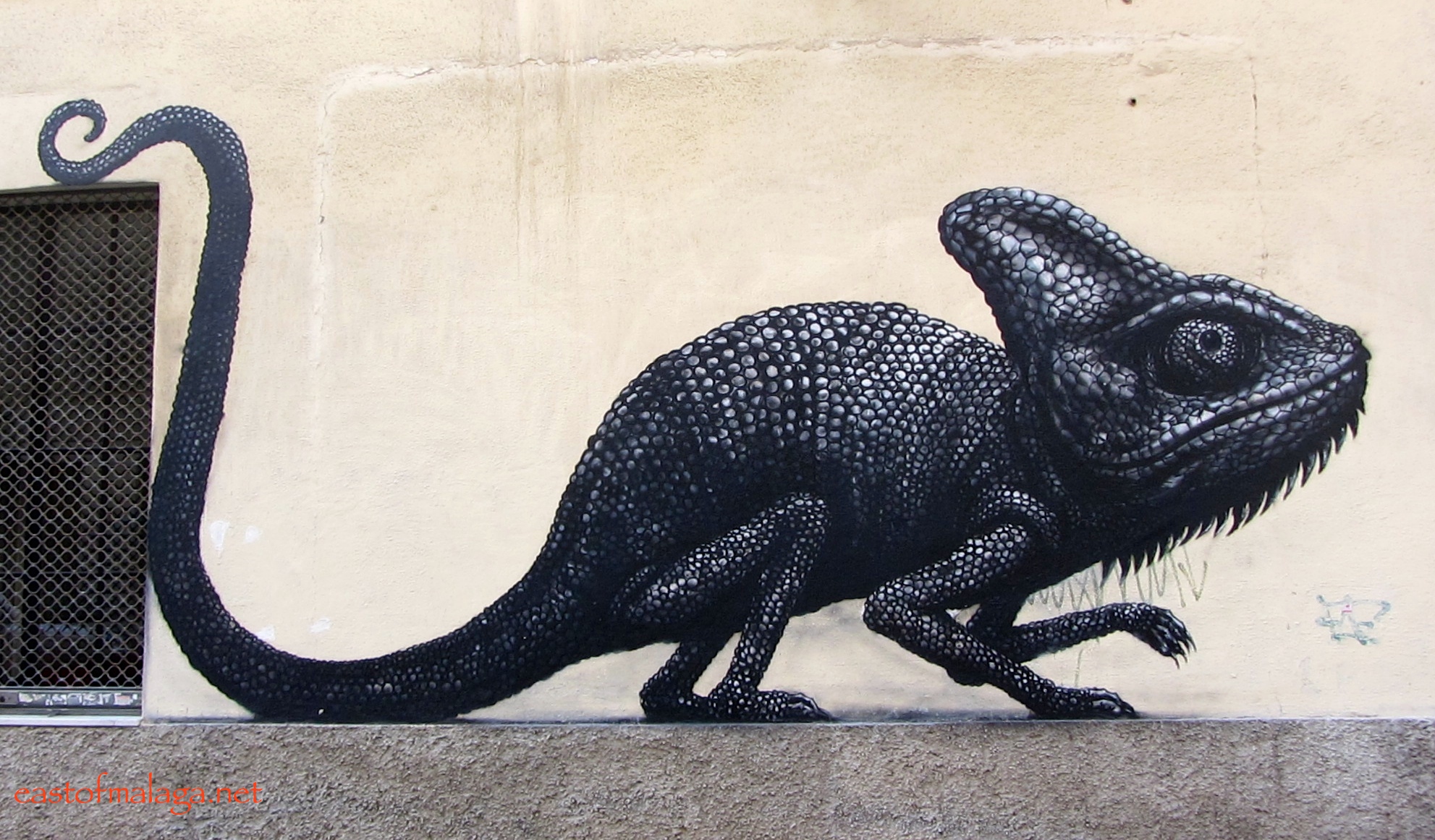
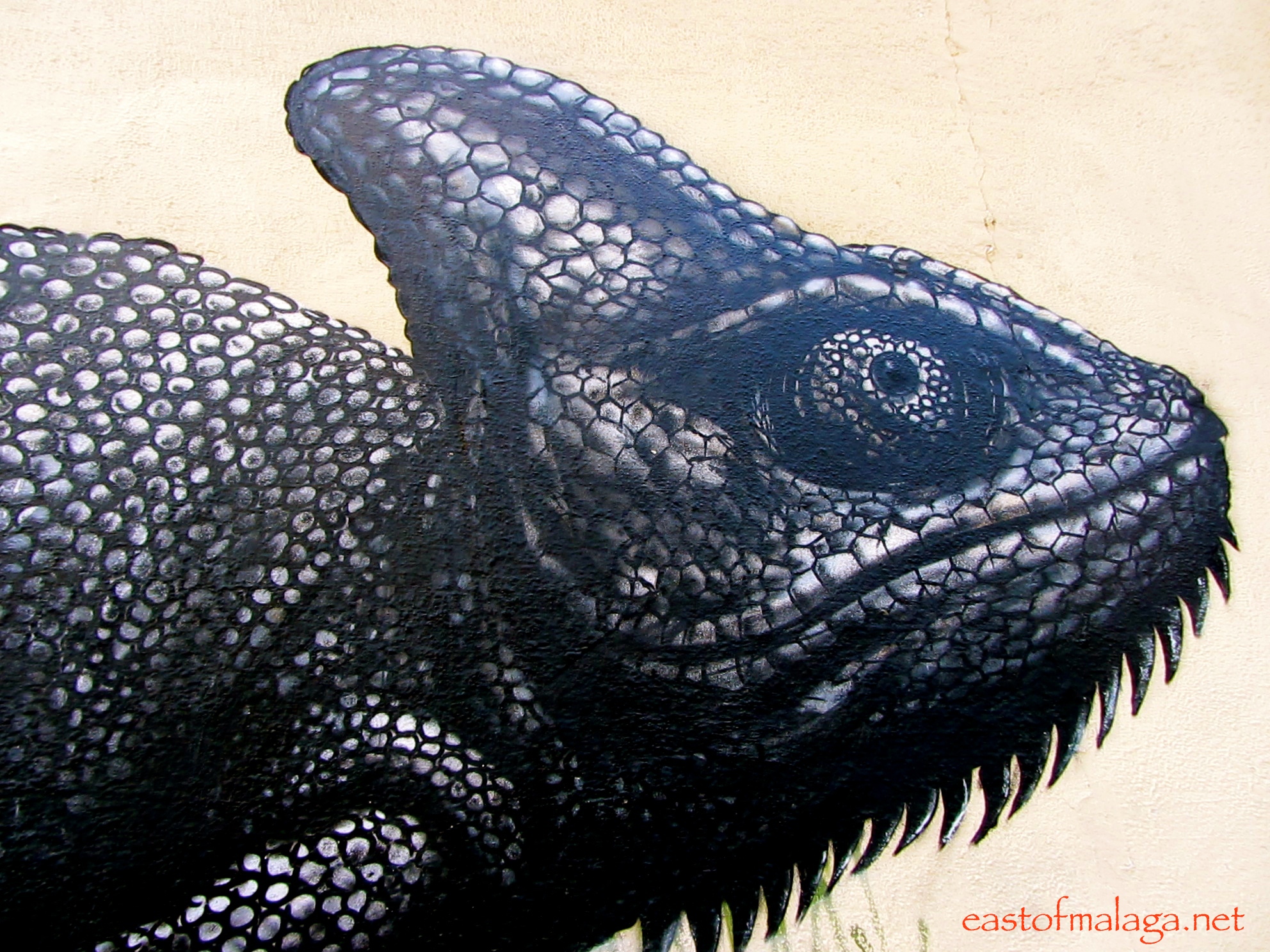
Artists include Dadi Dreucol, the Madrid-based Boa Mistura collective, José Medina Galeote,  Andi Rivas and my personal favourite, ROA, who is responsible for the amazing chameleon above.

There are many more images than I can display here, so if you want to have a look for yourself, head to the Soho district of Málaga, situated on the port side of the Alameda Principal and east of the River Guadalmedina.

Whilst you’re there, you might also want to also look into the Contemporary Art Centre by the river, which is free of charge and well worth an hour of your time.

Chameleon by ROA in Malaga, Spain

What’s your opinion about street art?  Which is your favourite photo?

Do let me know in the comment section, and if you like this post, feel free to share it using the social media buttons below.


You might also enjoy these posts:

Apocalyptic skies over southern Spain

CBBH Photo Challenge: LOOKING DOWN

Let’s Talk About Tapas: Boquerones


Apocalyptic skies over southern Spain

IMG_2269

Apocalyptic skies over southern Spain

Apocalyptic skies over southern Spain

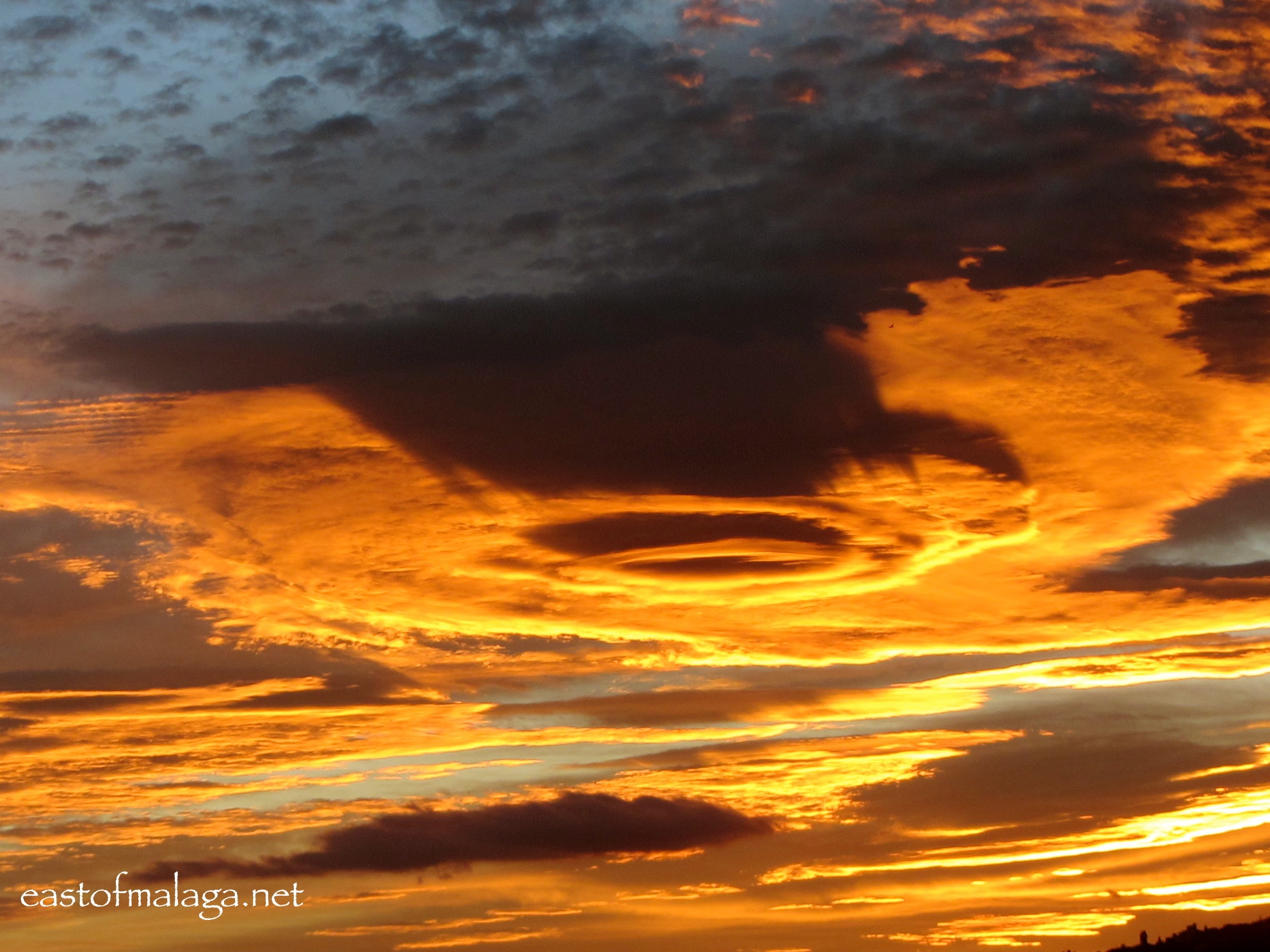
Just wanted to show you the amazing sunset scene here, last night and the DRAMATIC LENTICULAR CLOUD.

According to Wikipedia, lenticular clouds are stationary lens-shaped clouds that form in the troposphere, normally in perpendicular alignment to the wind direction. Due to their shape, they have been offered as an explanation for some Unidentified Flying Object (UFO) sightings.

In mountainous regions where stable moist air flows over a mountain or a range of mountains, a series of large-scale standing waves may form on the downwind side.  If the temperature at the crest of the wave drops to the dew point, moisture in the air may condense to form lenticular clouds.

What’s the most unusual skies or sunset you’ve ever seen?

Tell me all about it (or provide a link to a photo) in the comment section below.


Other links you might enjoy:

I can see Africa from my terrace!

Same subject, different time

Giving thanks for the most beautiful sunsets


CBBH Photo Challenge: LOOKING DOWN

We often look forward, left and right, lively or on the bright side – but how about trying a new perspective?

The theme for this month’s CBBH Photo Challenge is LOOKING DOWN.   Tell me what you see.

Don’t forget that the CBBH Photo Challenge is a little different from some other challenges, in two ways.  First, it’s only once a month – giving you lots of time to consider your entry before the end of the calendar month.  Secondand most important, this is a BLOG HOP (after all, it is the CBBH – Conejo Blanco Blog Hopmeaning white rabbit in Spanish), so DON’T FORGET that in your post you need to add links to two blogs that you have visited and commented on during the past month.  That way, when we visit each other, we can HOP OVER to your links, connect with others and share a little blog love around!

SPOILER: SCROLL DOWN FOR DETAILS OF HOW TO GET MY $25 THANK YOU GIFT – FOR EACH ONE OF YOU!
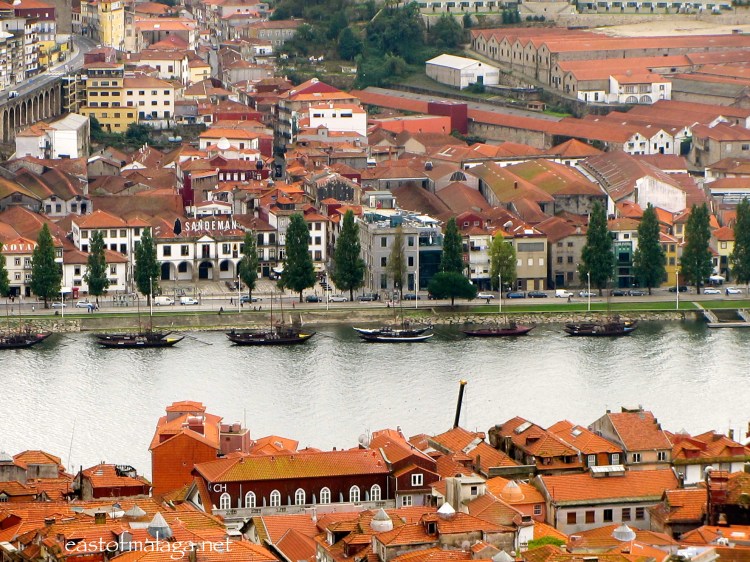
View of Sandeman's Bodega across the River Douro, Porto, Portugal

I’ve just returned home after spending ten days in Portugal, split between the cities of Porto and Lisbon, so my photos for this month’s CBBH Challenge are all from this trip.   The first photo was taken from the top of the Torre Dos Clérigos in Porto.  The views across the city are spectacular and here you can see the famous Sandeman Port Cellars on the other side of the River Douro.
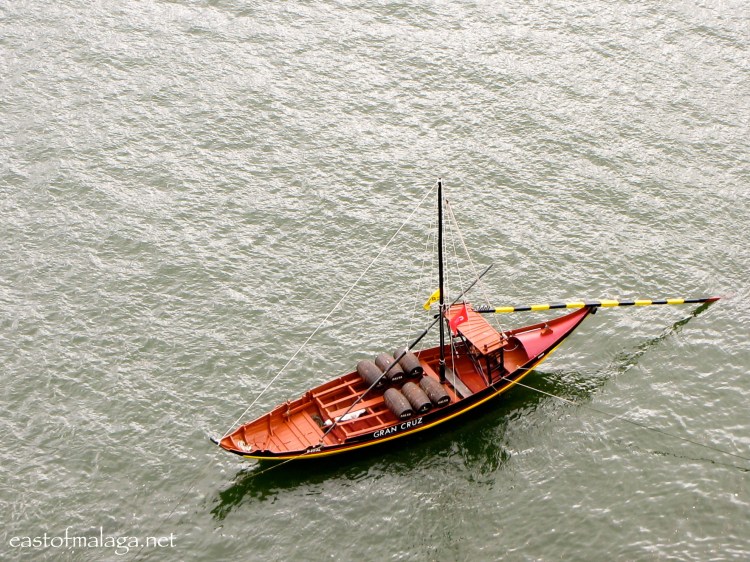
Traditional transport for Port wine on the River Douro, Porto, Portugal

This was my view looking down from the iconic Dom Luis I bridge, spanning the River Douro.  Here you can see one of the rabelo boats – traditional Portugese cargo boats used for transporting goods and people along the river.  These boats do not not exist in any other place of the world and their history is closely linked to the production and trade of port wine.
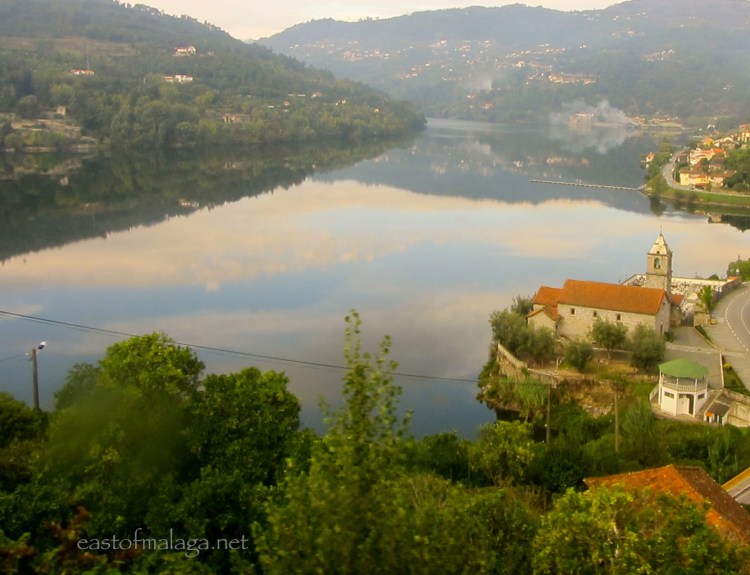
Our train ride along the Douro Valley, Portugal

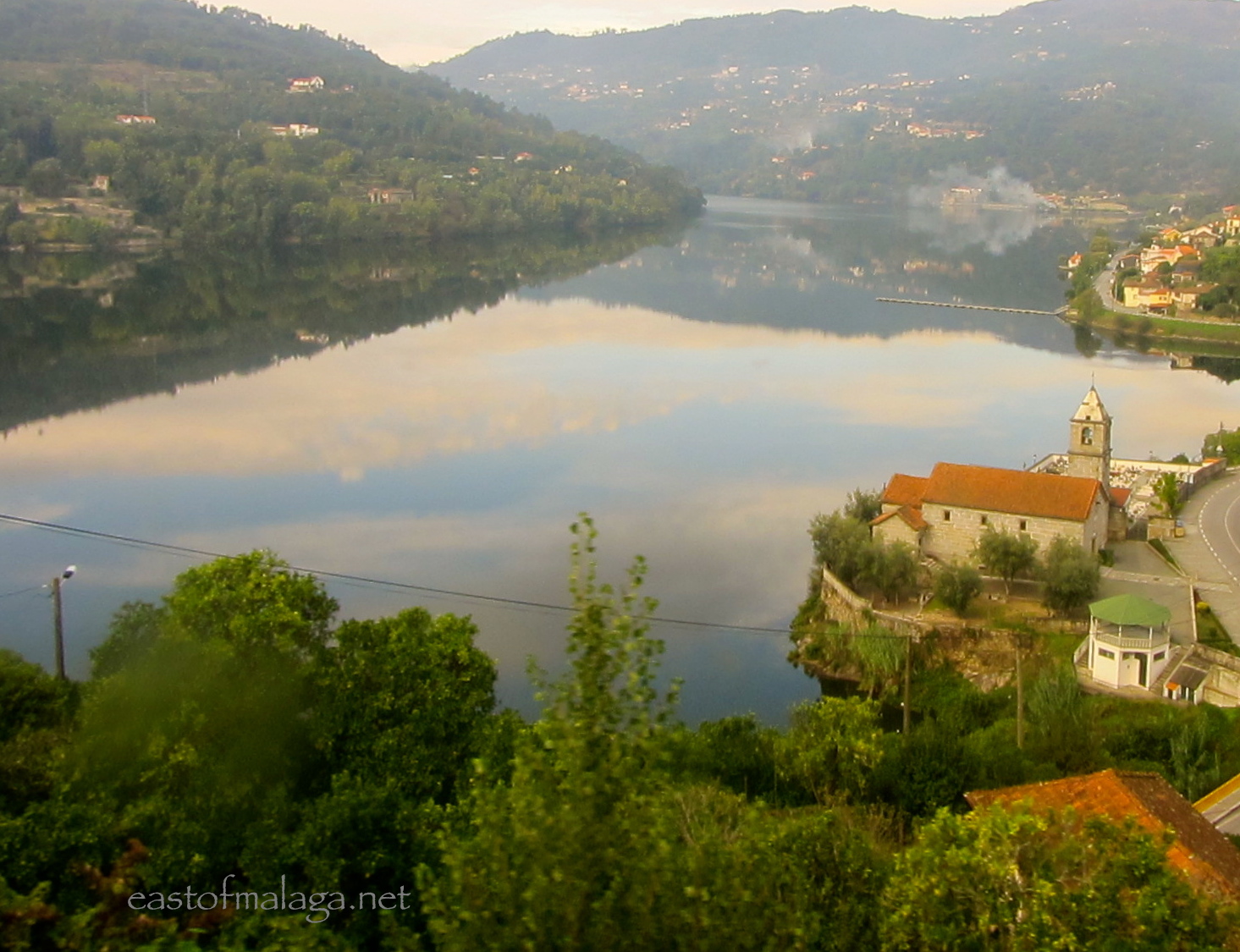
During my stay, I was fortunate to take a train ride into the Douro Valley wine region.  The Douro river route is surely one of the great European journeys, as well as being one of the most scenic – a 200 kilometre ride or stately cruise from Porto all the way to the Spanish border.  This was my view looking down the river.  Gorgeous, isn’t it?
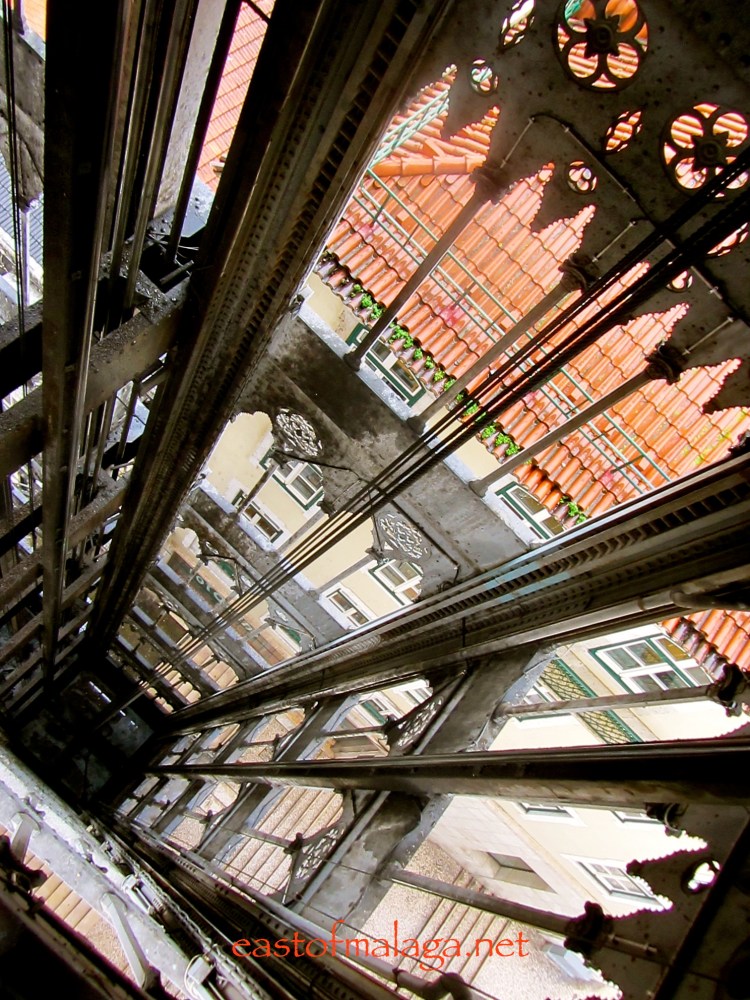
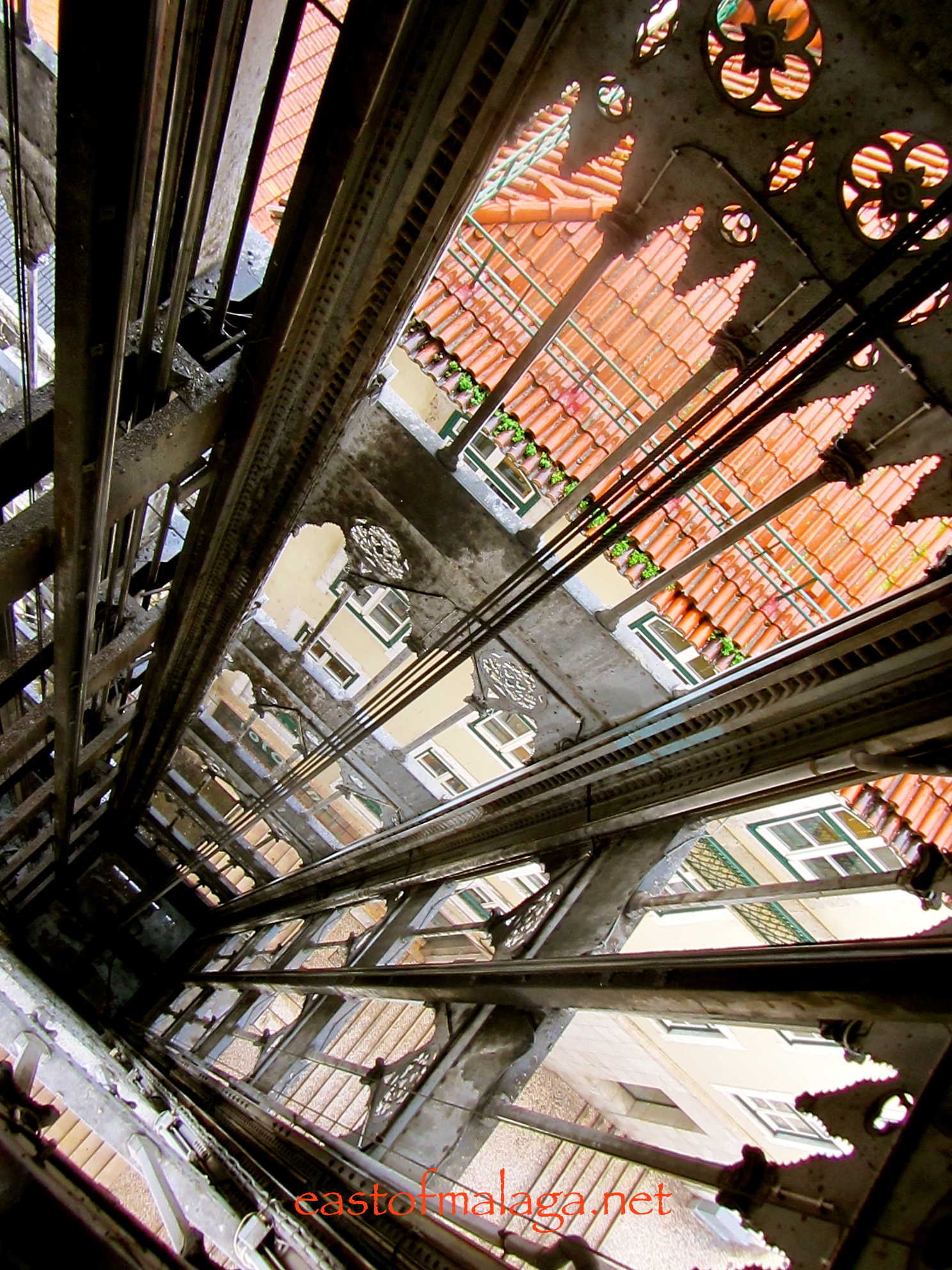
Looking down the shaft of Elevador Sao Justa, Lisbon

After riding to the top, I got the chance to capture the view looking down the 45 metre shaft of the Elevador de Santa Justa, the only remaining vertical, urban lift in the city of Lisbon.  At one time steam-powered, the lift connects the lower streets of the Baixa district with the higher Largo do Carmo.
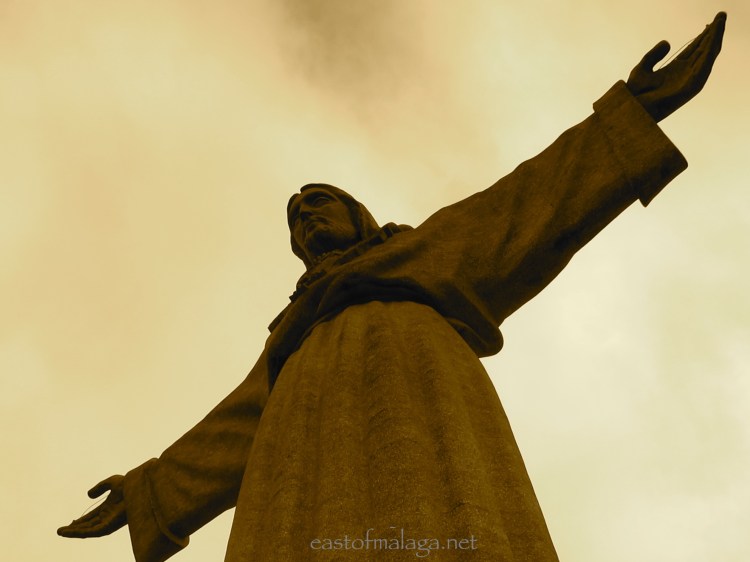
Statue of Christ keeping watch over Lisbon, Portugal

The Christ the King statue is a Catholic monument and shrine looking down over the city of Lisbon. Inspired by the Christ the Redeemer statue in Rio de Janeiro, Brazil, Cristo-Rei was erected to symbolize gratitude that the Portuguese were spared the effects of World War II.  
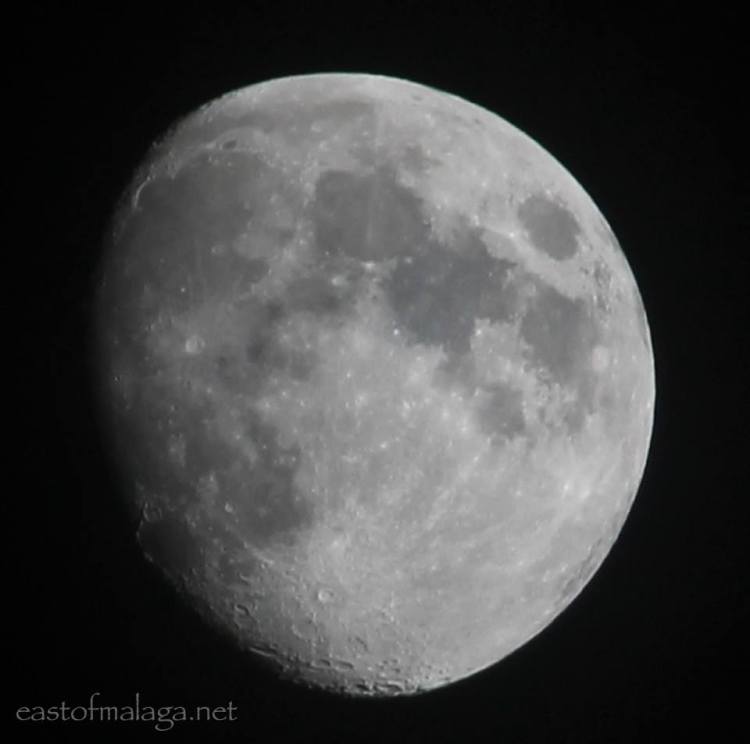
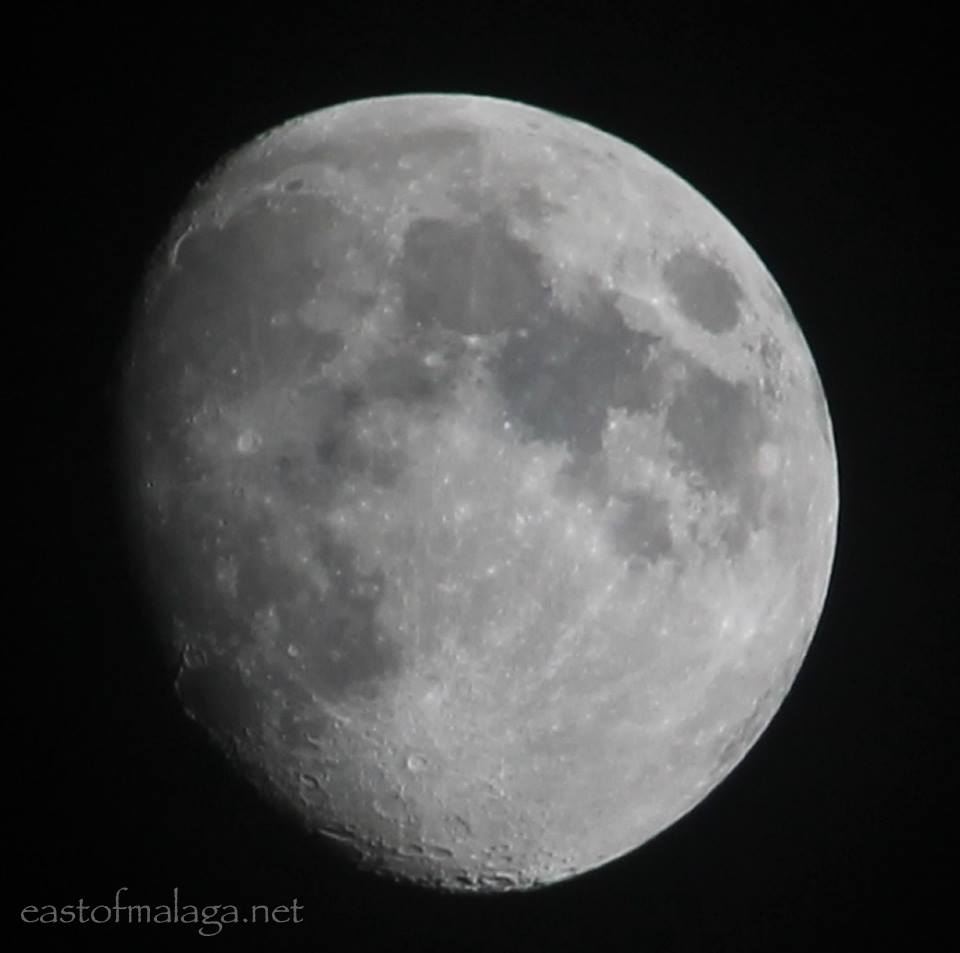
The moon shining bright

On my journey to northern Portugal, I was invited to stay with fellow expat blogger, Sue, of The Hidden Spain at her home in Alange, Extremadura.  Sue posts wonderful photos every day on her Twitter accountnot only of the spectacular view from her home, but also of Mr. Moon looking down on us all.  My camera is nowhere near as good as Sue’s, and all of my  previous attempts to capture this kind of image have failed.  However, she let me use her camera!  Just look at those craters on the moon!  Thanks Sue xx

My Featured Blog Links for this month:

*** Sandra Danby is a writer and journalist living in a secret valley in the heart of the Spanish countryside.  Her blog, Notes on a Spanish Valley paints a vivid picture with tales of her daily feast of nature, wildlife and food, surrounded by wild land, olive groves and forests of encima oak trees grazed by Iberian black pigs.  I love Sandra’s recipes including Spanish “bruschetta” for tea and sweet, home-grown stewed plums for breakfast.

Another great feature of each of the posts on Notes on a Spanish Valley is the “5 to remember” – five useful Spanish words associated with the post.  It’s always good to learn new Spanish words.  Why not hop over and say HOLA?!

*** I make no excuse for once again featuring Kivaa non-profit organization close to my heart, with a mission to connect people through lending, to alleviate poverty.  Leveraging the internet and a worldwide network of microfinance institutions, Kiva lets individuals lend as little as $25 to help create opportunity around the world. Learn more about how it works.

Kiva gives you the chance to make small loans to borrowers working to start businesses and improve their lives. I’m already a Kiva lender and as a way of saying thank you for your support of my blog, I WOULD LIKE TO OFFER YOU A $25 FREE TRIAL.

To redeem your Free Trial all you have to do is CLICK THIS LINK and choose who to lend your money to – BUT HURRY – THERE IS A LIMITED NUMBER OF FREE TRIALS.  IT WON’T COST YOU A PENNY – I PROMISE!   Kiva will notify me if any of my readers take up a Free Trial, but I’d love you to still let me know in the Comment section, below.

TOGETHER, LET’S TRY TO MAKE A DIFFERENCE THIS MONTH!

CBBH Blog Hop

So that´s the CBBH Photo Challenge for November, everyone!

Remember, all you have to do is post your entry by the end of the month, tag your entry ‘CBBH Photo Challenge’,  link back to this blog and, most importantlydon´t forget to add links to any two blogs that you´ve commented on during the past month, so that we can all HOP OVER and have a look.  Make sure you FOLLOW THIS BLOG so you don´t miss next month’s exciting challenge!

For more information on how the CBBH Photo Challenge works click here.

I hope everyone taking part enjoys the exposure the CBBH Photo Challenge offers to featured blogs and, who knows, you may end up finding a new favourite!  I´m looking forward to seeing your interpretations.

[CBBH logo Image credit: (cc) Mostly Dans]