All the fun of the Ferias!

Viking ship at Torrox feria, Andalucia, Spain

The ferias are in full flow in the Axarquía region with the latest at Torrox pueblo last weekend.    By day, unassuming white Andalucían village – but by night, OH BOY is it a feast for the senses!

The bright flashing lights of the fairground rides, beautiful flamenco dresses, dancing, live music, the smell and taste of great food and drink, very late nights and, of course, the fireworks!

If you miss one of the nights, don’t worry there are plenty more, as most ferias take place over several days.

This coming weekend it’s Nerja’s turn, with the Feria held on the land between Carabeo and Los Huertos.  Full programme of events, HERE.

See you there! 

Do they know how to party, or what? 🙂

You might also enjoy these related articles:

A Celebration of Fried Breadcrumbs: Migas Festival in Torrox Pueblo

Calle Beso (Kiss Street) in Torrox

Balcón de Europa (Balcony of Europe), Nerja

Let’s FOCUS on being a little kinder to each other

Focus on the village of Competa

Yesterday, I read with some surprise and sadness that Anita Mac, the travel blogger behind Travel Destination Bucketlist, had ended her own life, at the age of 43.  I’d never met Anita in person, but we exchanged messages from time to time, particularly last year when she was walking the Camino, in northern Spain.

Anita’s blog is filled with wonderful photographs of her travels and, not only was she inspired to continue to travel and experience more of the world, she inspired others to do the same.  Yet, despite her confident and adventurous outer facade, Anita was struggling with her own pain, as evidenced in her final post on August 22nd, “What do you do with a broken heart?”

We’ve all seen reports on TV of teenagers who have taken their own lives after being taunted by anonymous online trolls.  The anonymity of the internet sometimes makes people say things that they wouldn’t (or daren’t) say to your face.

I’m not suggesting that’s what happened with Anita, but many of us have some kind of ongoing battle in life that we may or may not choose to share with others – especially somewhere as public as on the internet.

And, who knows where the tipping point lies to push any one of us over the edge?

In the past few weeks, amongst the hundreds of ordinary, everyday comments this blog, East of Málaga …. and more has received, there have also been vile ones with no back-link, and filled with bad language.

What did I do to deserve these tirades?

One person not only left a vile comment, but also took to Twitter to tell the world about my bull**** blog, because they didn’t agree with the price of one item on my recent Cost of Living in Spain list.

Another has attacked me on their own blog because they “question the way my monthly CBBH Photo Challenge works“.    It seems that WordPress didn’t send a pingback for a “featured blogger” link they made, meaning that they weren’t “thanked personally” by that blogger they featured!  Somehow this is meant to be my fault.  Go figure!

As a result of the actions of these trolls, I’ve now switched my options so that I moderate all comments before they appear on the blog – and for that I apologise to the 99.9% of you who leave perfectly normal comments.

I’m not saying I’m above criticism – hey, if there’s something you don’t agree with – let me know.  I might even change my mind and agree with you.  But there are ways of saying things without making a complete jerk of yourself.

Maybe the actions of such trolls display some form of petty jealousy, envy of a lifestyle or of some kind of perceived success.  Who knows?

Like most people, my life is the way it is because I have planned it that way with lifestyle and monetary choices.  Some might choose to be envious – others could well be bored, but it would do us all well to focus on what we have, rather than what we don’t have.

This post is my response to this week’s WordPress Photo Challenge: FOCUS.

I’ll leave you with the following quotes:

“Always be a little kinder than necessary.”  ~ J.M. Barrie

“Be kind, for everyone you meet is fighting a hard battle.” ~  Plato

Ermita de la Candelaria, Colmenar

Last summer, I was invited by another expat blogger to join her for a walking tour around her adopted home village of Colmenar.

Set in the heart of the Montes de Mâlaga, a range of mountains close to Málaga city,  Colmenar gets it’s name from the Spanish word for the bee hives (las colmenas de abejas) that were the basis of the local economy for a long time.  Indeed, Colmenar boasts a museum dedicated entirely to honey (Casa Museo de la Miel),  although for some strange reason the museum was closed when we visited.

Ermita de la Candelaria, Colmenar, Spain

At the highest point of the village stands the Chapel of Our Lady of Candelaria.  The Virgin of Candelaria is the patron saint of Colmenar, as well as the Spanish-owned Canary Islands, and the chapel was built in gratitude for the lives of Canarian sailors spared during a fierce storm off the Málaga coast, during the 17th century.

Ermita de la Candelaria, Colmenar, Spain

This post is my response to the Weekly Photo Challenge: One Shot, Two Ways

Related articles:

The Bullfighters’ Chapel, Ronda

Triana Bridge, Seville

Weekly Photo Challenge: Fleeting

The Festival of Virgen del Carmen

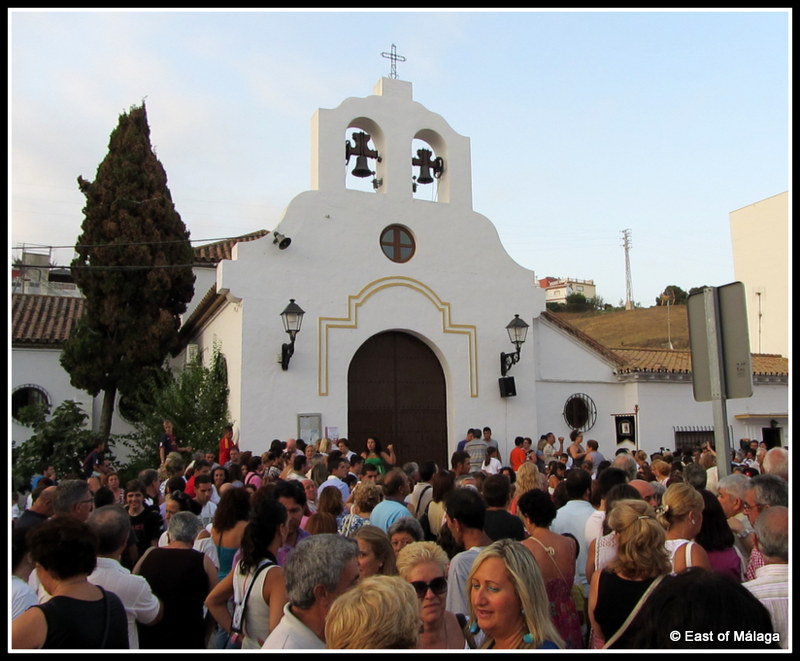
Crowd outside the church waiting for the doors to open

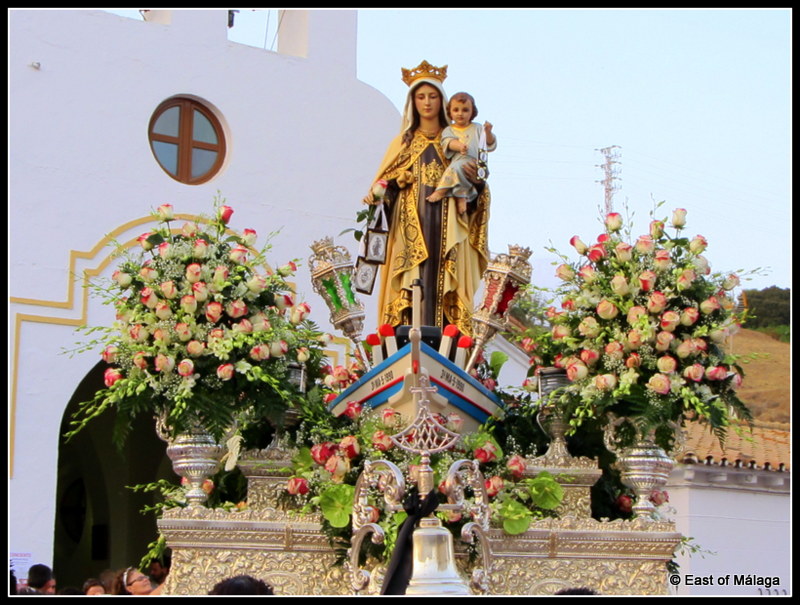
In a festival that dates back several hundred years, many coastal towns and fishing villages in Spain celebrate the Fiesta del Día de Virgen del Carmen as the protector of mariners and fishermen.

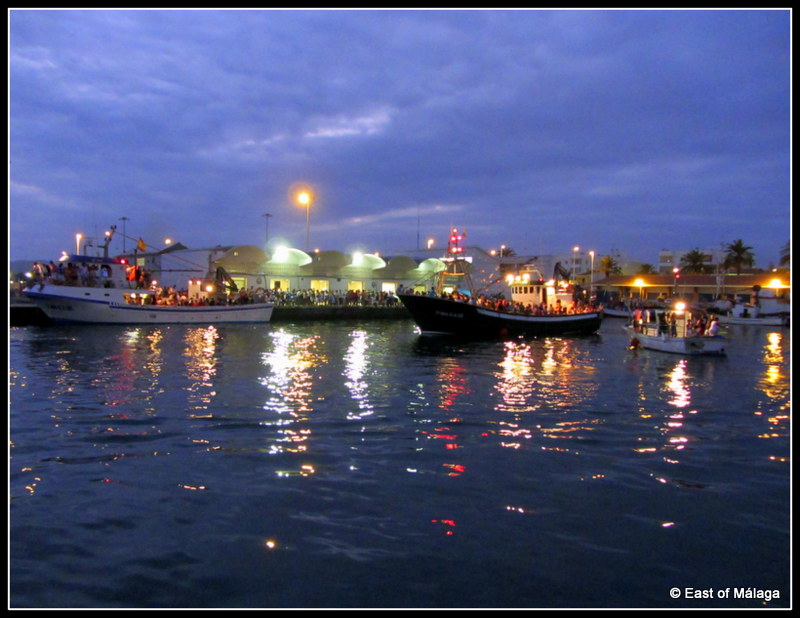
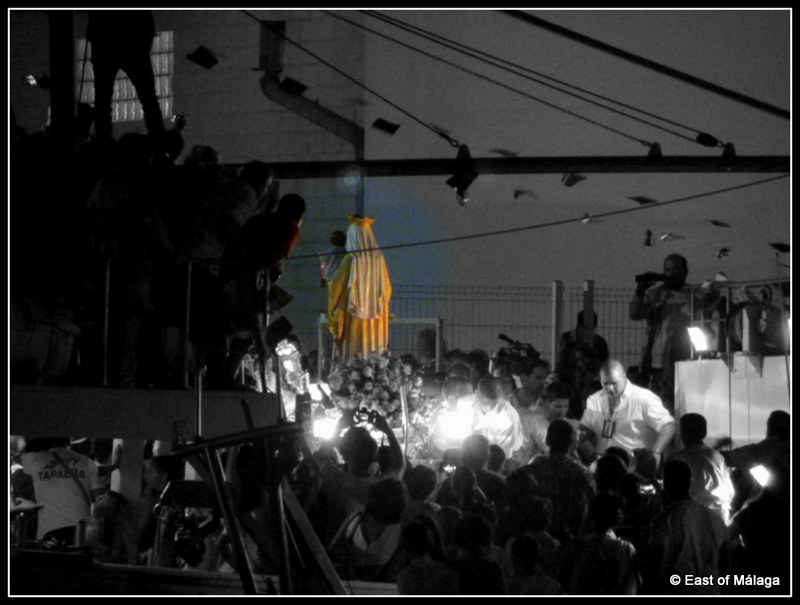
Every year around 16th July, spectacular maritime processions of decorated fishing boats known as jabegas head out to sea carrying their precious cargo – an effigy of the Virgen del Carmen, to bless their fishing grounds.

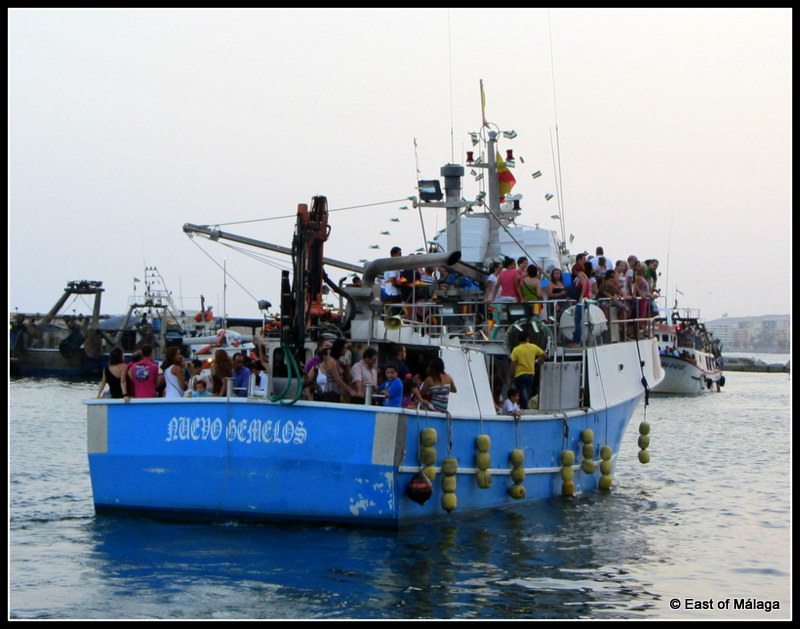
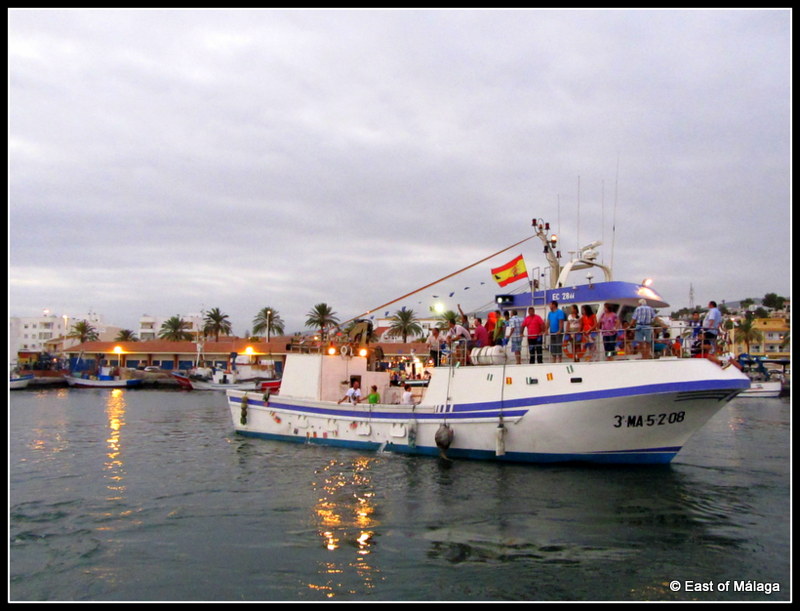
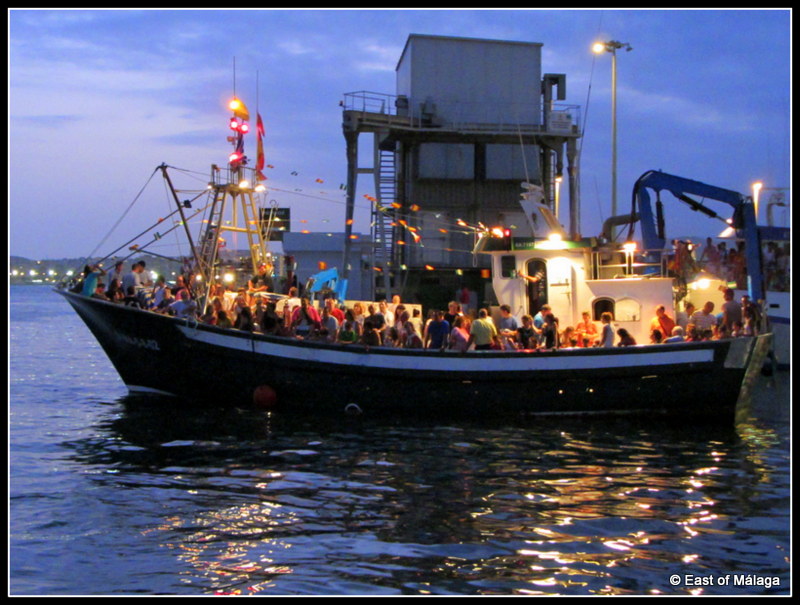
The vessels, many decorated with brightly coloured flags and bunting, each crowded with people, gather under the late dusk sky patiently waiting for the official party of sailors, fishermen, clergy and authorities to bring the Statue of the Virgin on board the boat that will lead the procession.

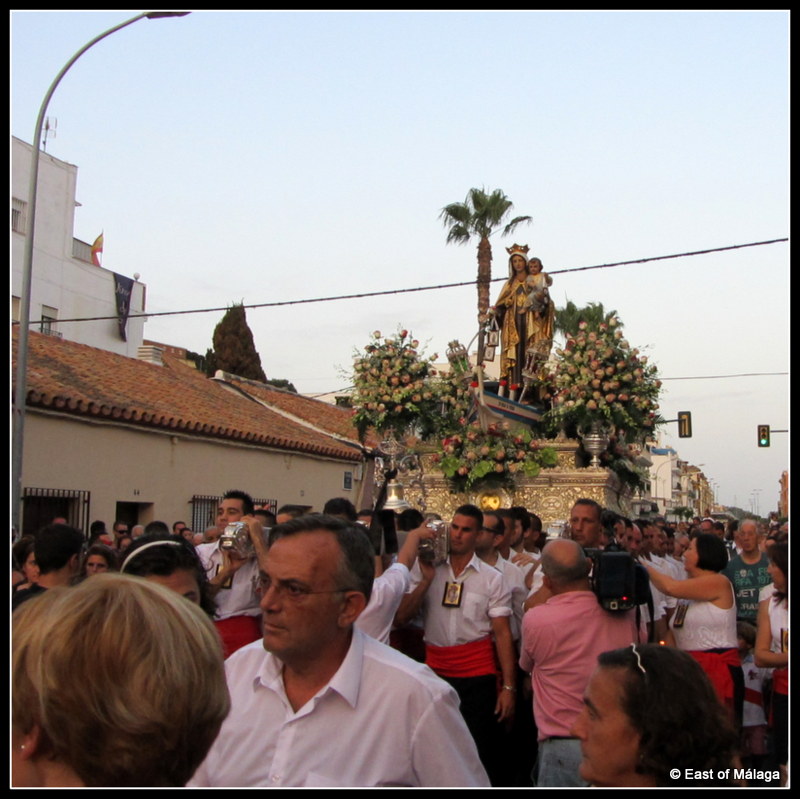
But before that, the Virgen del Carmen is paraded through the streets for all to see.  There is an air of excitement with people surging forward for the best views as the parade passes by, before making its way to the water´s edge.

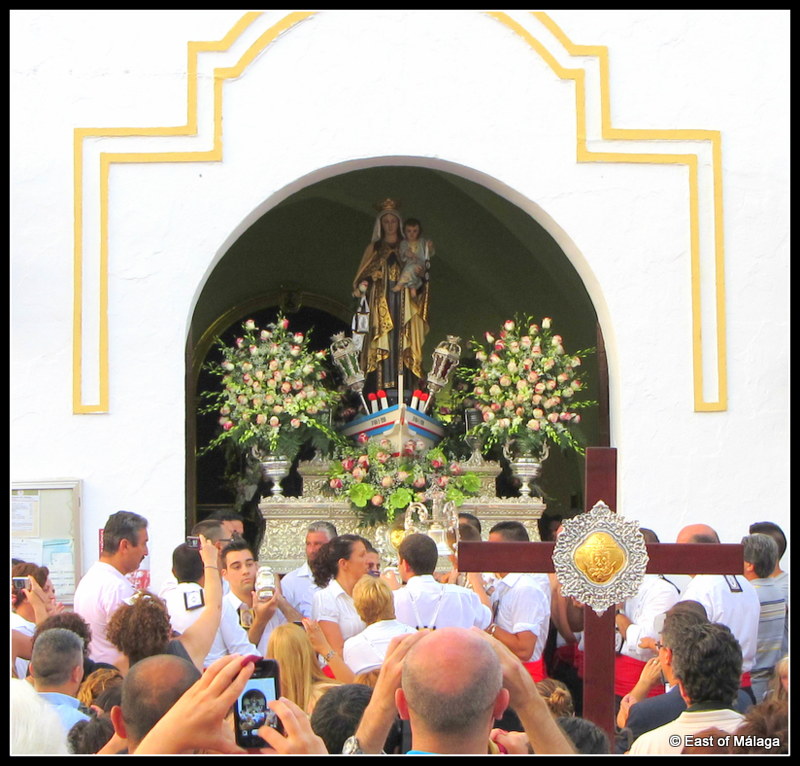
Doors open - and there she is!

Virgen del Carmen 2012

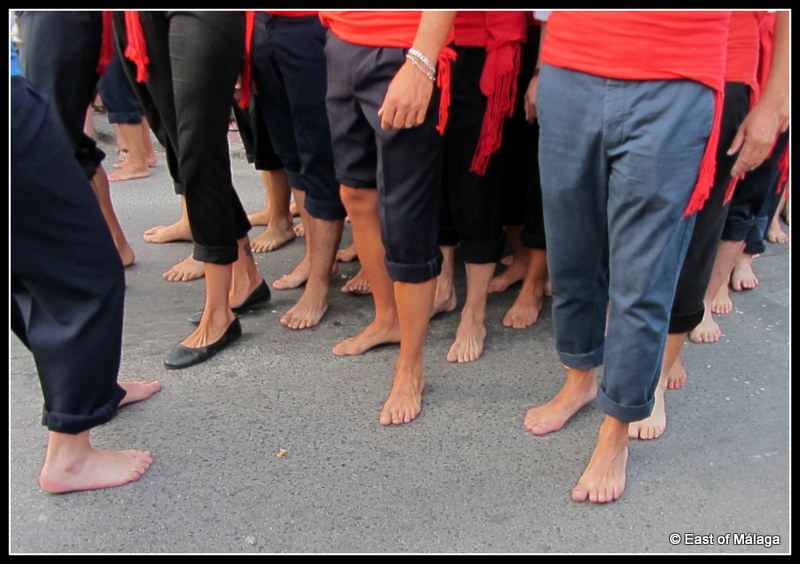
Carrying the statue with bare feet

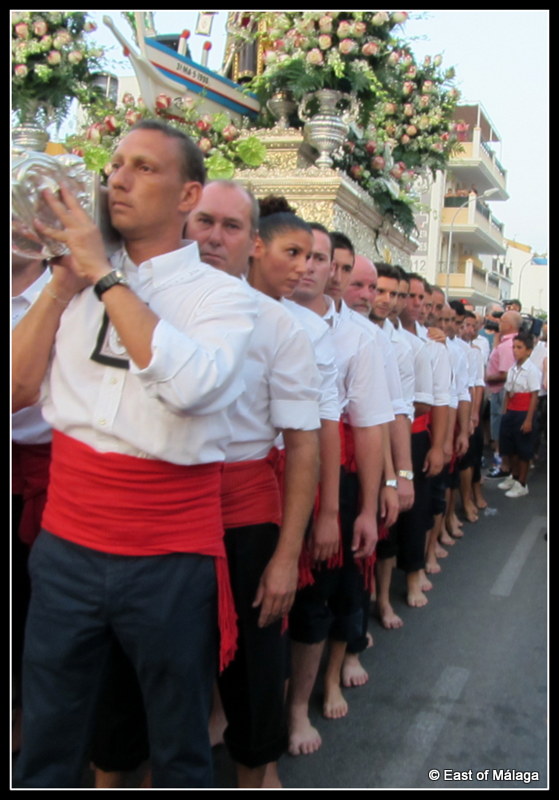
The line of bearers carrying the Virgen del Carmen

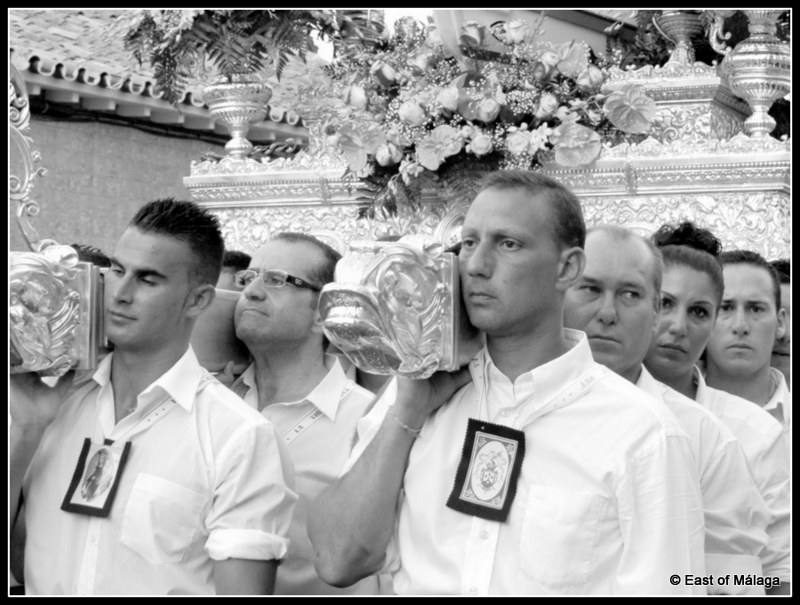
Solemn faces as they carry the statue through the streets

The crowds jostle for position to get the best view

Crowded boats waiting for the Virgen del Carmen to arrive at the harbourside

Caleta de Velez harbour as dusk falls

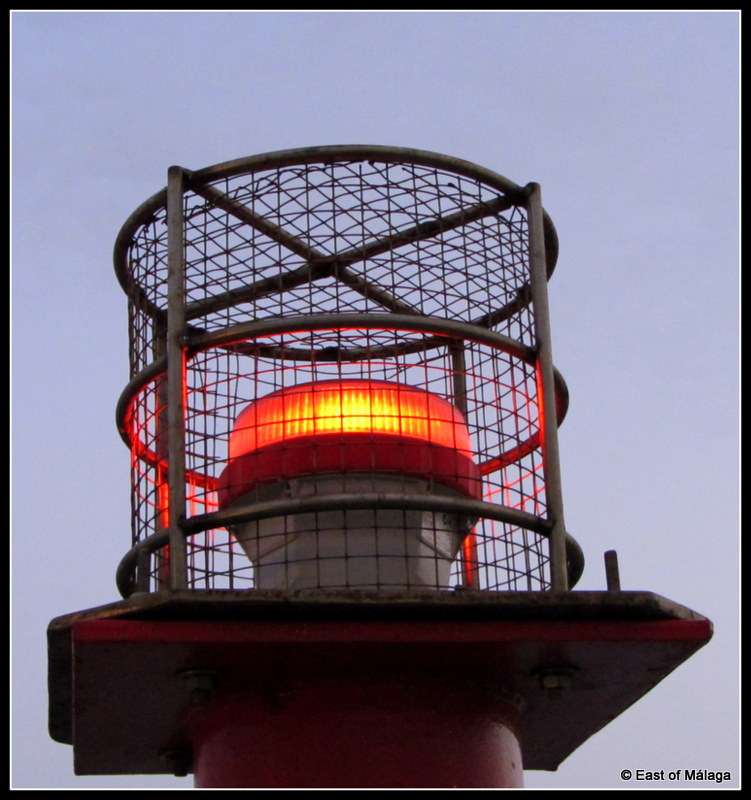
Harbour marker beacon flashes

Boats awaiting the arrival of the Virgen del Carmen

Excited people crowd onto the boats

The statue of Virgen del Carmen being loaded onto the boat

Celebrations vary slightly from town to town along the coast, east of Málaga.  In La Caleta de Vélez the parade is held each year on the feast day of the Virgen del Carmen, 16th July.   Some towns and villages celebrate the following weekend, but there will be posters displayed in local shops, announcing the day and time, if you want to join in the festivities.

My photographs show last year´s celebrations in La Caleta de Vélez, situated at the mid-coastal point of La Axarquía region.

In the video below, you can see the festivities held in 2011 in the town of Torre del Mar, just along the coast from La Caleta de Vélez.

Which is your favourite Spanish festival or fiesta?


Whilst you´re here, why not have a look at the following articles too?

The heart of Cómpeta: El Paseo de las Tradiciones

Patatas a lo pobre: Poor man´s potatoes

Weekly Photo Challenge: The Golden Hour

Riddle Me This: The Mysterious Case of the Disappearing Statues

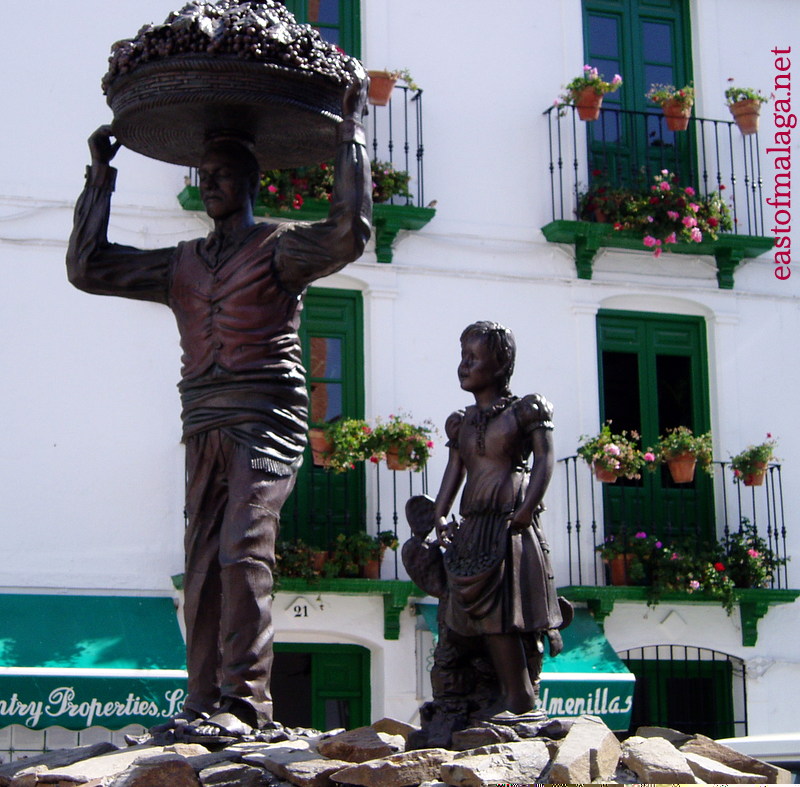
El Vendimiador statue in Plaza Almijara, Competa, Spain

I took this photograph of  the charming El Vendimiador several years ago when it was situated in the main square, Plaza Almijara in the village of Cómpeta.

The statue commemorates centuries of wine-making in the area and shows the grape-picker standing in his sandals on a dry-stone wall.  On his head he carries a basket of freshly-picked grapes and by his side, his young daughter helps with the harvest.  

Despite being sited in the main square, next to the 500 year old Iglesia de Nuestra Señora de la Asunción village church only eight years ago, the statue disappeared a few years later.  I suppose this was to make more room for vehicles to turn around in the tiny square, already half full of tables, chairs and sunshades from the nearby cafes and restaurants.

No-one seemed to know what had happened to the statue and some even suggested it had been damaged during the move.

Fortunately El Vendimiador re-appeared earlier this year at the new Mirador in Competa’s Plaza Vendimia (where he really should have been all along), except now he stands alone, without his daughter.  

Curiouser and curiouser …….!

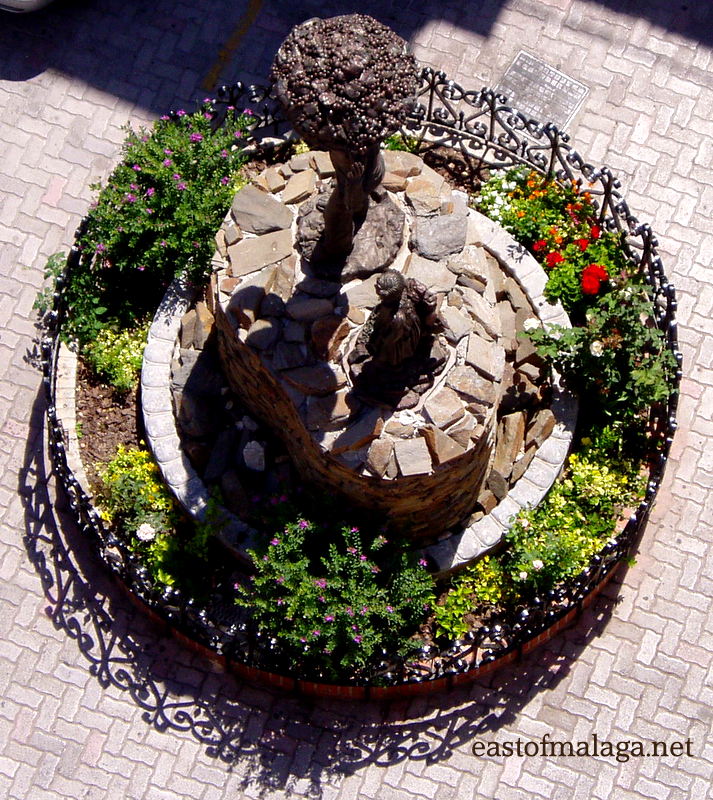
El Vendimiador statue in Plaza Almijara, Competa, Spain (from the church tower)

Looking down on El Vendimiador from the Church tower

This post is my response to this week’s WordPress Photo Challenge: Companionable and to Ailsa’s Travel Theme: Sculpture

You might also enjoy:

Competa´s Noche del vino: Night of wine

The heart of Cómpeta: El Paseo de las Tradiciones

The Day of the Dead: A Celebration of Life