This year’s Tomatina Festival at Buñol, Spain

La Tomatina Festival, SpainImage credit Flickr CC: agsaran

WELCOME TO THE WORLD’S LARGEST FOOD FIGHT!

If you are thinking of heading to the village of Buñol, near Valencia, for this year’s tomato-throwing La Tomatina Festival, be warned that you now need a ticket to take part!

The annual festival, which takes place each year on the last Wednesday in August, has been attracting such huge crowds that a ticketing system has had to be introduced.  Only 20,000 tickets will be issued (40,000 people attended last year’s festival) at a cost of 10 euros each – creating a new “sauce” of income for the local council! 15,000 of the tickets will be made available to the general public, with the other 5,000 reserved for local residents. You can buy your tickets at this website (in English)

Happy throwing!

You might enjoy these articles, too:

A weekend away in Santiago de Compostela

How to make the perfect Spanish tortilla

The Buddhist Stupa of the eastern Costa del Sol


Spanish Omelette: Tortilla Española

Spanish tortilla

I haven’t posted a recipe for a while, so I’ll make up for that by giving you a classic Spanish dish, that can be found in many variations, anywhere in Spain.

The Spanish tortilla can be eaten as a main course or, because it is good served cold, it makes excellent picnic food cut into wedges and wrapped in cling-film.  Here in Spain, tortilla is often served as tapas, cut into small cubes and speared with cocktail sticks – and is delicious with chilled amontillado sherry.

You might also find it lurking between chunks of crusty bread as a sandwich filling!

Ingredients:

2 medium-to-large-sized potatoes, peeled and thinly sliced

1 medium-to-large onion, peeled and thinly sliced

1 clove garlic, crushed

Olive oil

6 eggs – beaten

Salt and pepper to taste

(Variations: you can also add a little red or green pepper, spinach, diced ham, chorizo or mushrooms – but the classic Spanish tortilla doesn’t contain these.  In fact, often no onion is added, but I think it adds flavour, along with a little red pepper for colour.  I also like to add a teaspoon of dried mixed herbs or fresh coriander if I have any).

Spanish tortilla

Method:

Heat 2 tablespoons of olive oil in a frying pan.  Add the sliced potatoes, onion and garlic and gently fry over a moderate heat until the potatoes begin to soften.  Try not to brown them.  In the meantime, whisk the eggs gently in a large bowl, and season.  When the potatoes have softened slightly, tip the onion and potato mixture into the bowl containing the eggs.  Stir gently but thoroughly.  (Don’t be tempted to just add the beaten eggs to the potato and onion mixture in the pan – it doesn’t seem to work!)

Wipe the frying pan with some kitchen roll (taking care not to burn yourself), add some clean olive oil and pour in the mixture.  Cook over a low heat for approximately 10-15 minutes and then flip the tortilla over to cook the second side.  You can easily do this by placing a round plate face-down on top of the pan and then, with one hand on top of the plate and the other holding the pan, invert both, leaving the tortilla upside-down on the plate. You should then carefully slide the tortilla back into the pan  and continue frying gently, until the underside is browned.

Serve with salad and a squeeze of lime juice.

Spanish tortilla - ready to serve

Other recipes to tickle your taste-buds, include:

Fresh Figs Stuffed with Goat´s Cheese and wrapped in Smoked Bacon

Patatas a lo pobre: Poor man´s potatoes

Home-made Hummamole dip

The Festival of Virgen del Carmen

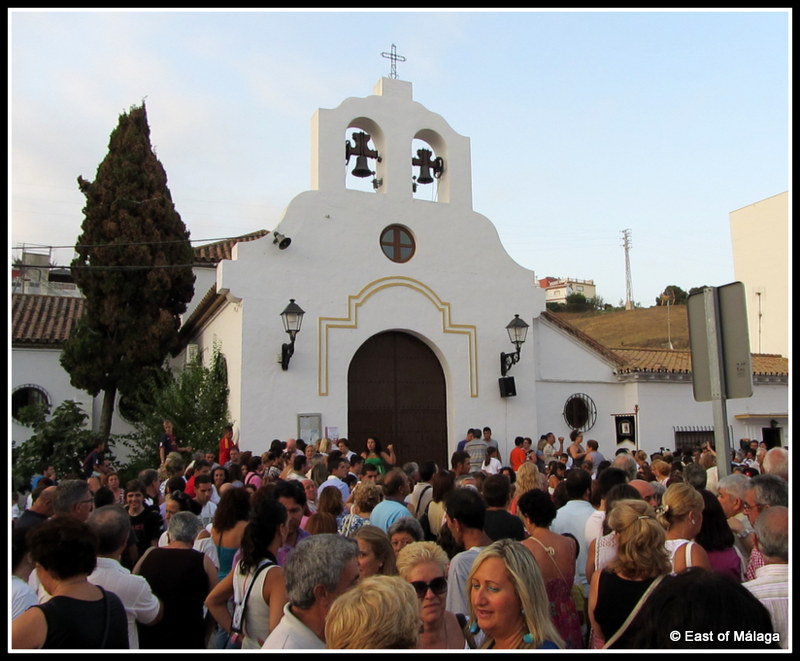
Crowd outside the church waiting for the doors to open

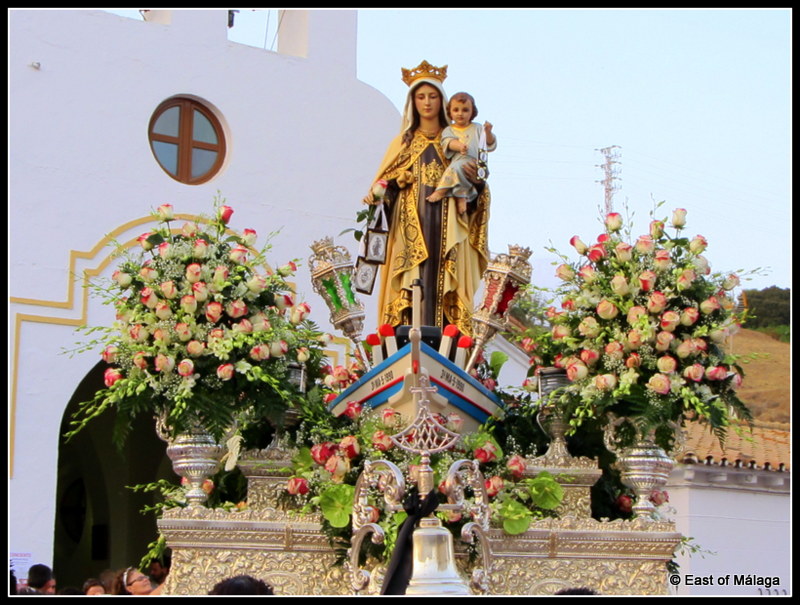
In a festival that dates back several hundred years, many coastal towns and fishing villages in Spain celebrate the Fiesta del Día de Virgen del Carmen as the protector of mariners and fishermen.

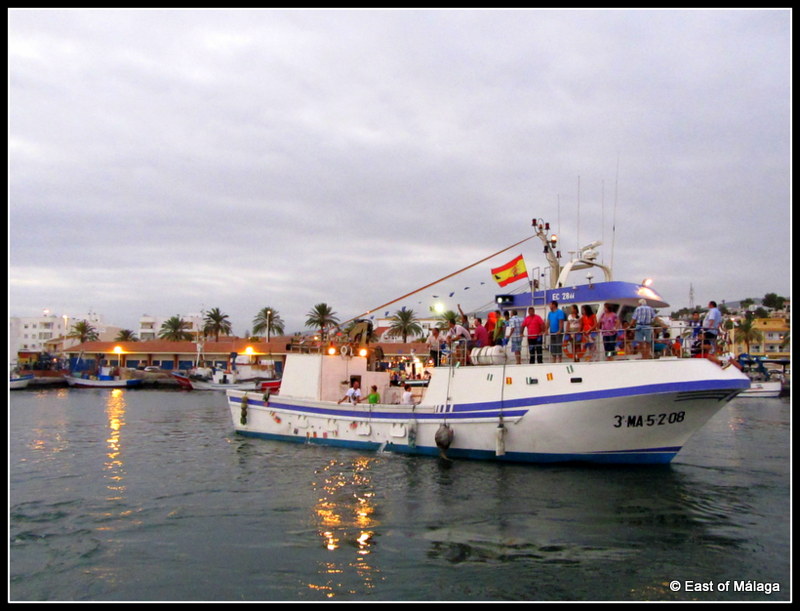
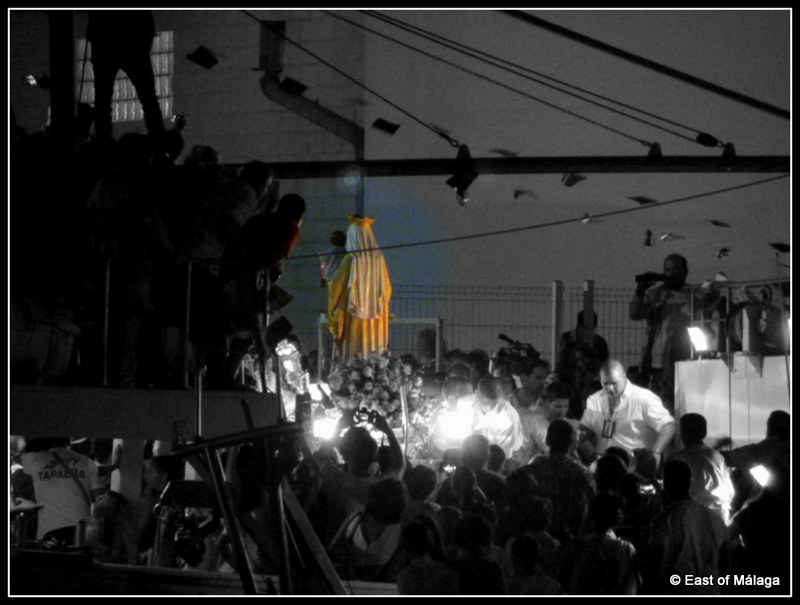
Every year around 16th July, spectacular maritime processions of decorated fishing boats known as jabegas head out to sea carrying their precious cargo – an effigy of the Virgen del Carmen, to bless their fishing grounds.

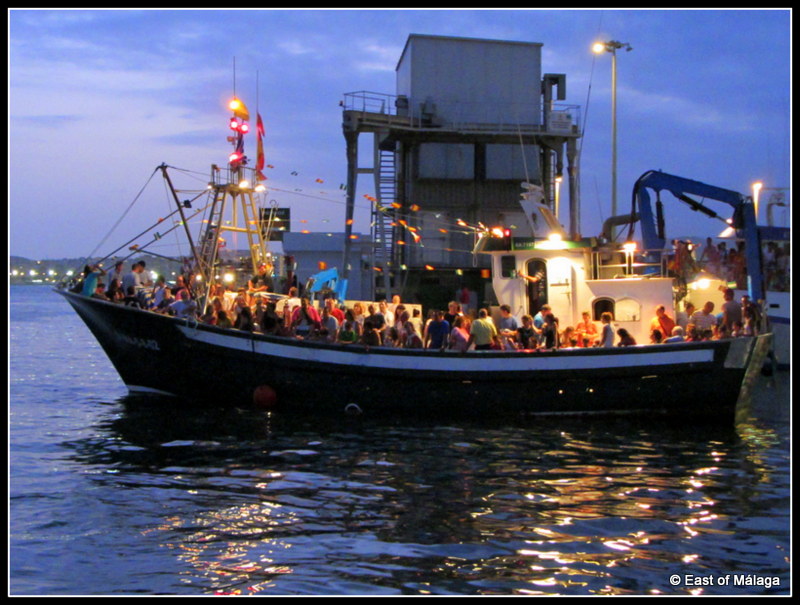
The vessels, many decorated with brightly coloured flags and bunting, each crowded with people, gather under the late dusk sky patiently waiting for the official party of sailors, fishermen, clergy and authorities to bring the Statue of the Virgin on board the boat that will lead the procession.

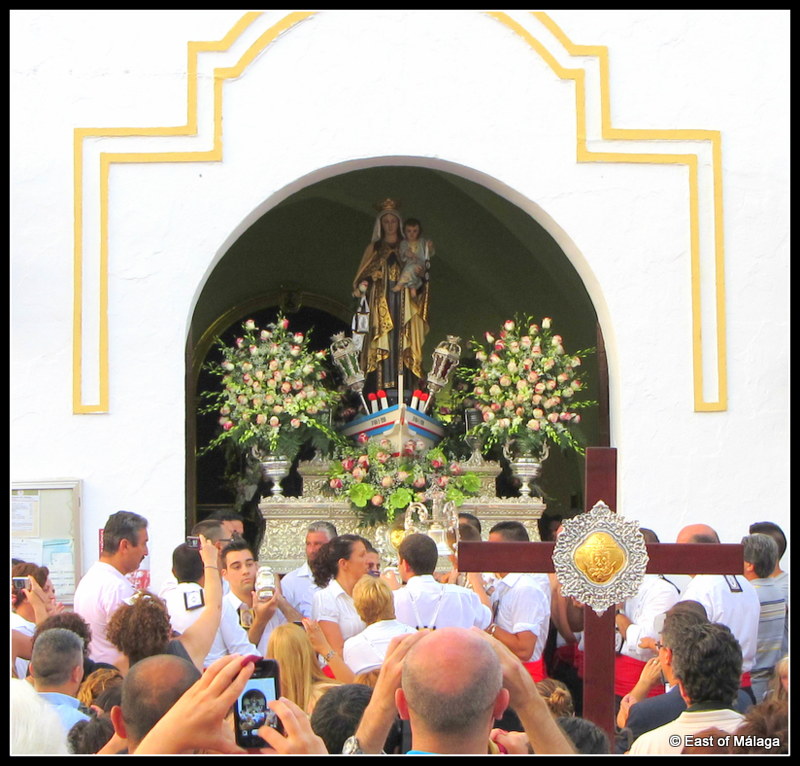
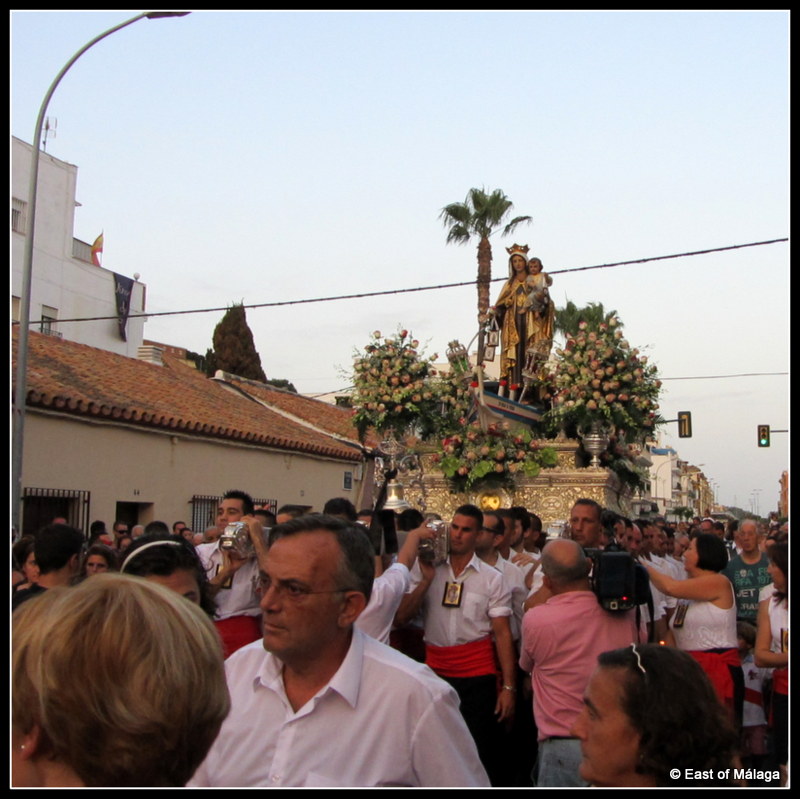
But before that, the Virgen del Carmen is paraded through the streets for all to see.  There is an air of excitement with people surging forward for the best views as the parade passes by, before making its way to the water´s edge.

Doors open - and there she is!

Virgen del Carmen 2012

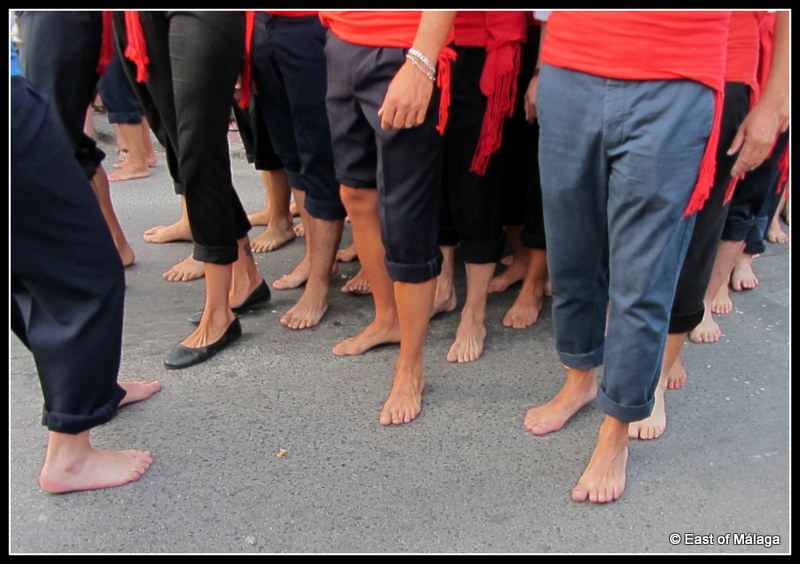
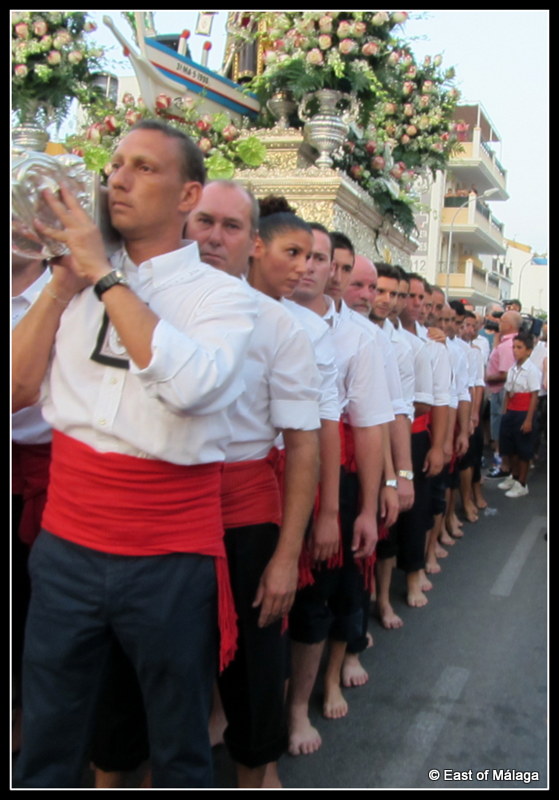
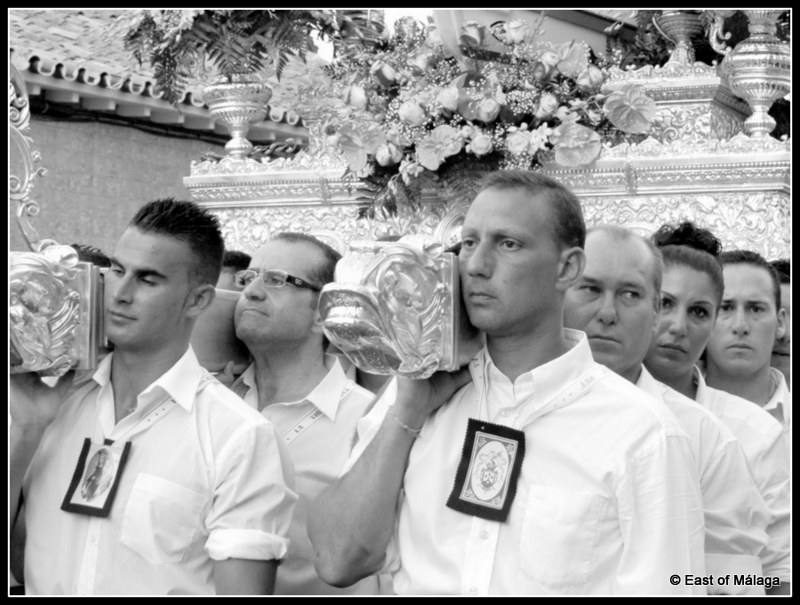
Carrying the statue with bare feet

The line of bearers carrying the Virgen del Carmen

Solemn faces as they carry the statue through the streets

The crowds jostle for position to get the best view

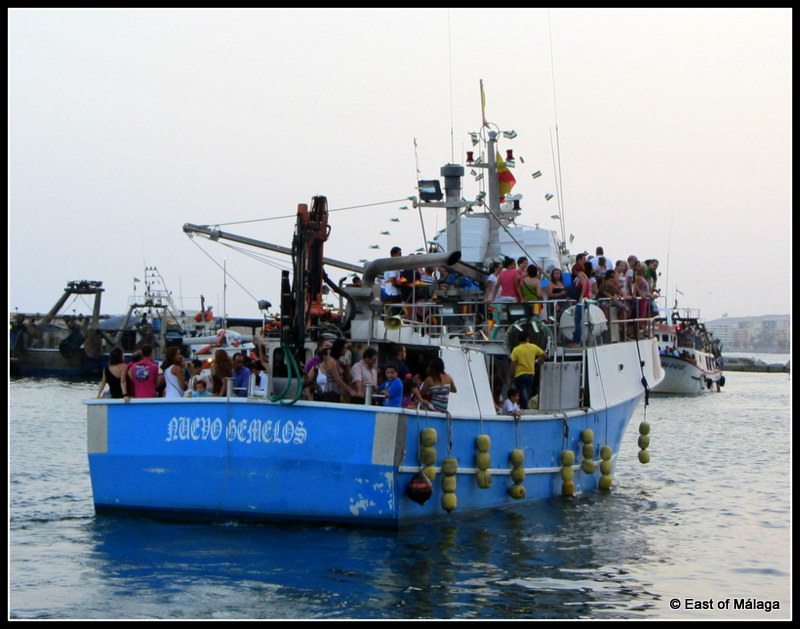
Crowded boats waiting for the Virgen del Carmen to arrive at the harbourside

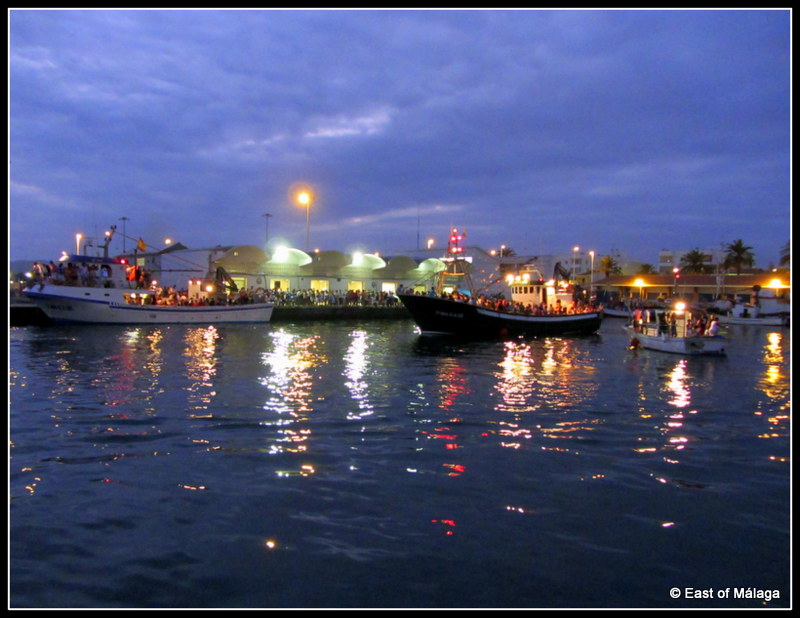
Caleta de Velez harbour as dusk falls

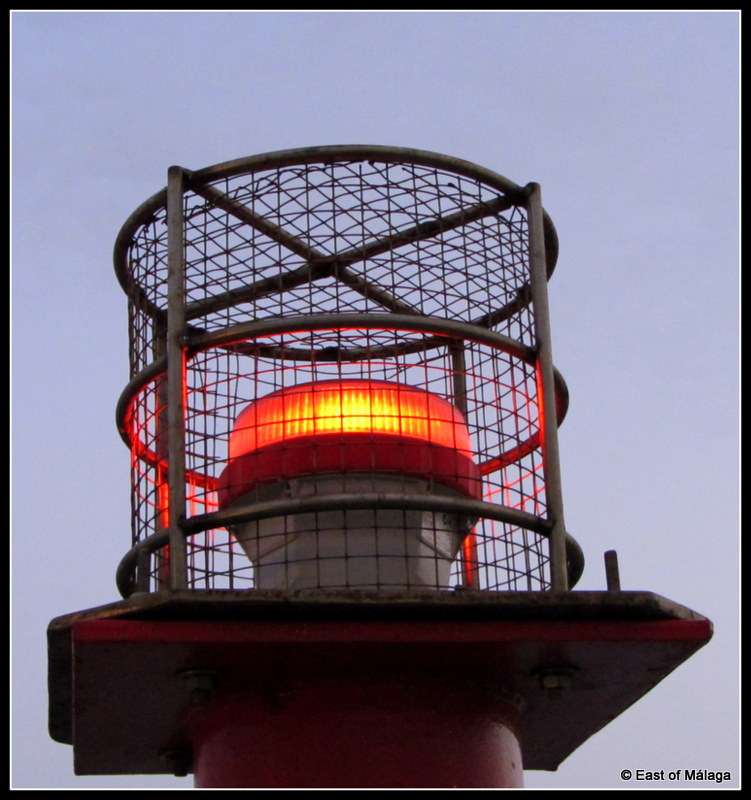
Harbour marker beacon flashes

Boats awaiting the arrival of the Virgen del Carmen

Excited people crowd onto the boats

The statue of Virgen del Carmen being loaded onto the boat

Celebrations vary slightly from town to town along the coast, east of Málaga.  In La Caleta de Vélez the parade is held each year on the feast day of the Virgen del Carmen, 16th July.   Some towns and villages celebrate the following weekend, but there will be posters displayed in local shops, announcing the day and time, if you want to join in the festivities.

My photographs show last year´s celebrations in La Caleta de Vélez, situated at the mid-coastal point of La Axarquía region.

In the video below, you can see the festivities held in 2011 in the town of Torre del Mar, just along the coast from La Caleta de Vélez.

Which is your favourite Spanish festival or fiesta?


Whilst you´re here, why not have a look at the following articles too?

The heart of Cómpeta: El Paseo de las Tradiciones

Patatas a lo pobre: Poor man´s potatoes

Weekly Photo Challenge: The Golden Hour

Triana Bridge, Seville

Triana Bridge, Seville

At the stroke of midnight on December 31st 1999 I was standing in Plaza Nueva in the centre of the Andalucían city of Seville with thousands of other people, to welcome in the new millennium.  So, it was with some nostalgia that I returned for a few days recently, to be reminded of the delights that Seville has to offer – both old and new.  I’ll be letting you know all about that in another post coming up soon, but for now, I want to show you the Isabel II bridge, more popularly known as Puente de Triana.

Until 1852, the only way across the Guadalquivir River was by using a makeshift bridge, originally formed in 1171 by chaining 13 boats together between the river banks. In 1847, French engineers Fernando Bernadet and Gustavo Steinacher began work on the Isabel II bridge, linking the Gypsy neighbourhood of Triana with the city centre of Seville.

It’s a pleasant stroll across Triana bridge which has become known for its love-locks, a custom by which padlocks are fixed to a gate, fence or bridge by sweethearts as a symbol of their eternal love.  Because of the numbers involved, this practice has now become frowned upon, and the locks are periodically removed.

As you will gather, I took the above photo whilst enjoying an evening cruise along the Rio Guadalquivir.  I love the way the lights from the bridge are reflected in the gently flowing water.

I also want to take this opportunity to announce the winner of my recent draw to win 6 handwritten postcards from Spain is …… Sylvia of Another Day in Paradise!  

CONGRATULATIONS – I WILL BE SENDING YOUR FIRST POSTCARD VERY SOON 🙂

Related posts:

Black & White Photo Challenge: Bridges

Weekly Photo Challenge: Nostalgic

Travel Theme: Motion

Riddle Me This: The Mysterious Case of the Disappearing Statues

El Vendimiador statue in Plaza Almijara, Competa, Spain

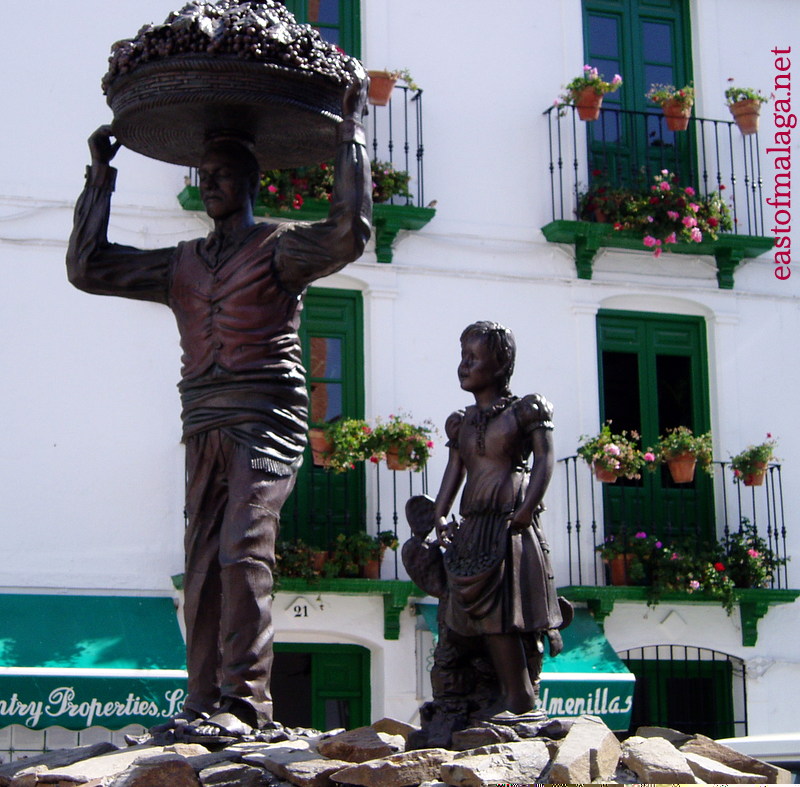
I took this photograph of  the charming El Vendimiador several years ago when it was situated in the main square, Plaza Almijara in the village of Cómpeta.

The statue commemorates centuries of wine-making in the area and shows the grape-picker standing in his sandals on a dry-stone wall.  On his head he carries a basket of freshly-picked grapes and by his side, his young daughter helps with the harvest.  

Despite being sited in the main square, next to the 500 year old Iglesia de Nuestra Señora de la Asunción village church only eight years ago, the statue disappeared a few years later.  I suppose this was to make more room for vehicles to turn around in the tiny square, already half full of tables, chairs and sunshades from the nearby cafes and restaurants.

No-one seemed to know what had happened to the statue and some even suggested it had been damaged during the move.

Fortunately El Vendimiador re-appeared earlier this year at the new Mirador in Competa’s Plaza Vendimia (where he really should have been all along), except now he stands alone, without his daughter.  

Curiouser and curiouser …….!

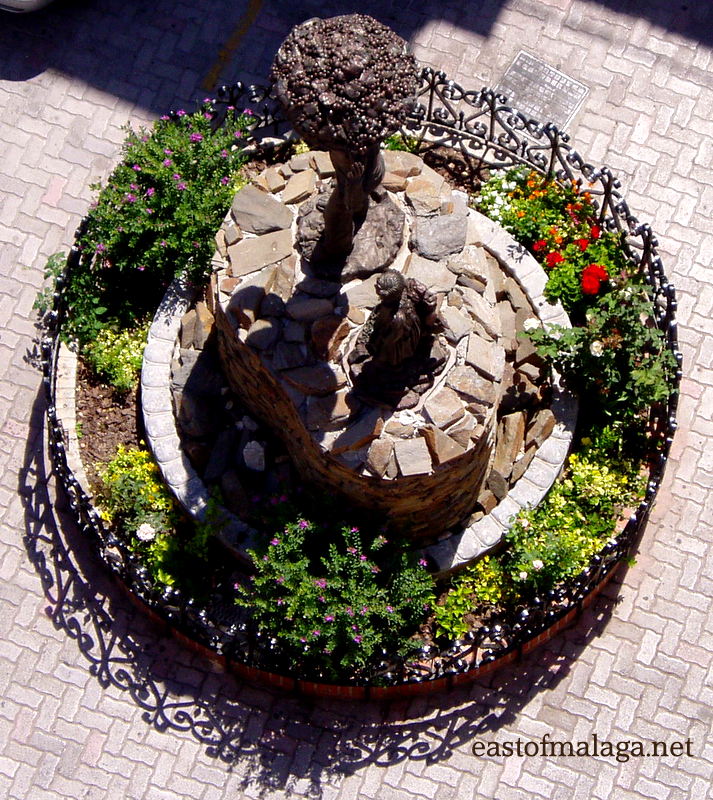
El Vendimiador statue in Plaza Almijara, Competa, Spain (from the church tower)

Looking down on El Vendimiador from the Church tower

This post is my response to this week’s WordPress Photo Challenge: Companionable and to Ailsa’s Travel Theme: Sculpture

You might also enjoy:

Competa´s Noche del vino: Night of wine

The heart of Cómpeta: El Paseo de las Tradiciones

The Day of the Dead: A Celebration of Life