A Year in the Life of an Almond Tree: Andalucían Style!


Almond trees in blossom in Andalucía

We start off each year with a wonderful show of pink and white blossom spilling down the hillsides.  Flowers appear in early January and their petals often look like snow on the surrounding hills and mountains.

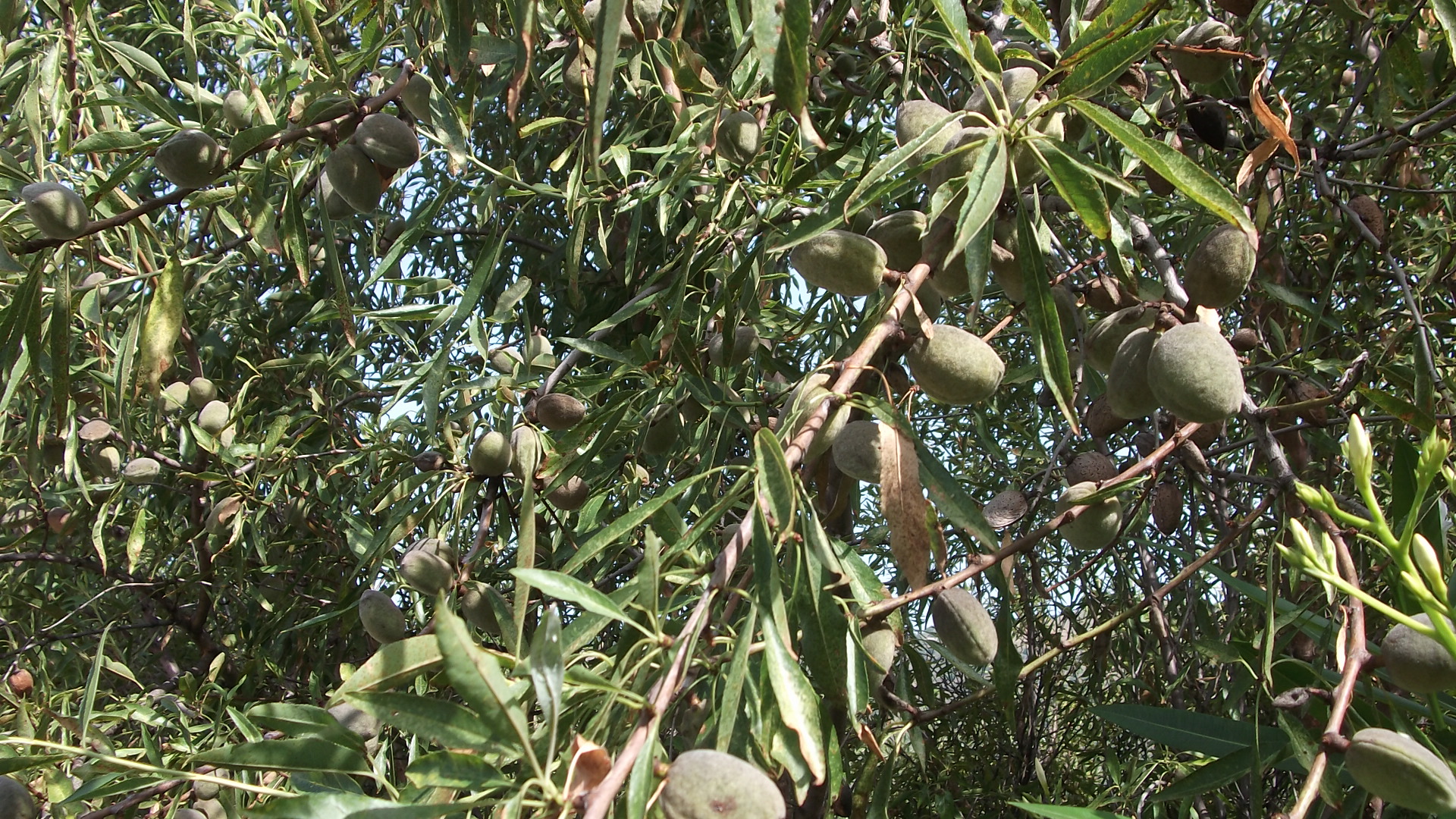
As we move into Springtime, the almond nuts begin to swell, hidden within their soft green velvety cases.

Finally, at the end of a long hot summer, the green velvety cases have dried and cracked open, to reveal and shell of the almond nut inside.  Ready for the picking!


Whilst you´re here, why not have a look at:

The heart of Cómpeta: El Paseo de las Tradiciones

The heart of Cómpeta: El Paseo de las Tradiciones

Paseo de Las Tradiciones, Competa, Spain

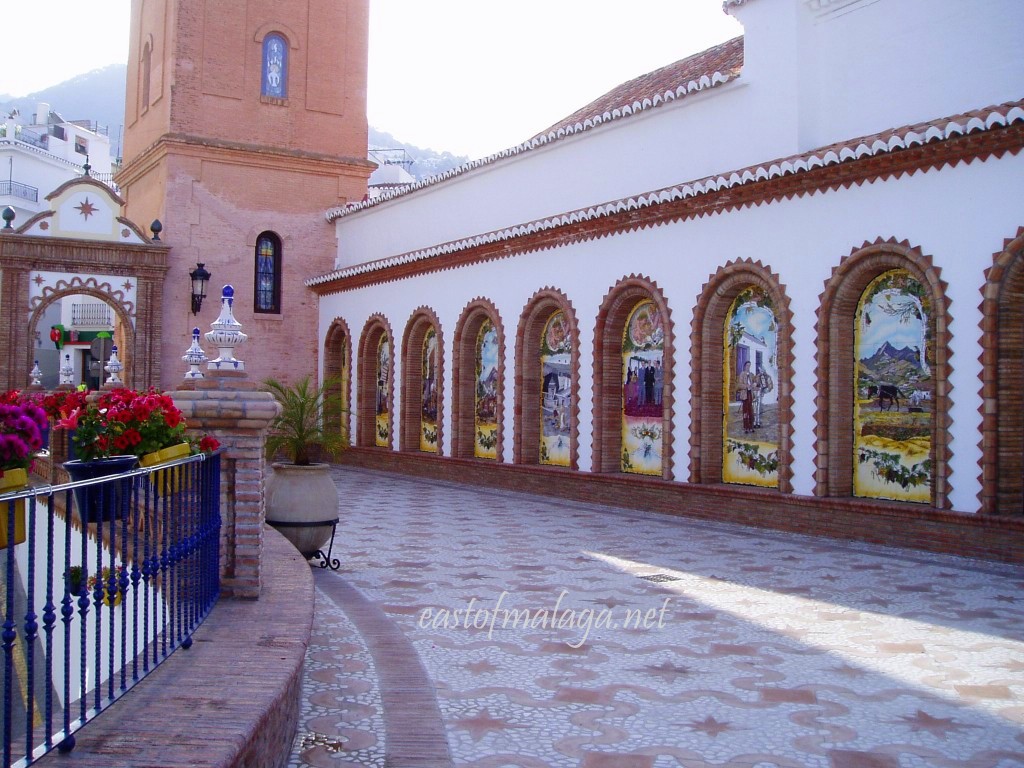
You can find El Paseo de las Tradiciones (The Walk of the Traditions) in the main square, Plaza Almijara, of the white, mountain village of Cómpeta. Completed in 2009 on the site of the old municipal market, El Paseo de las Tradiciones is annexed to the Church of Our Lady of the Assumption (La Iglesia de Nuestra Señora de la Asunción).

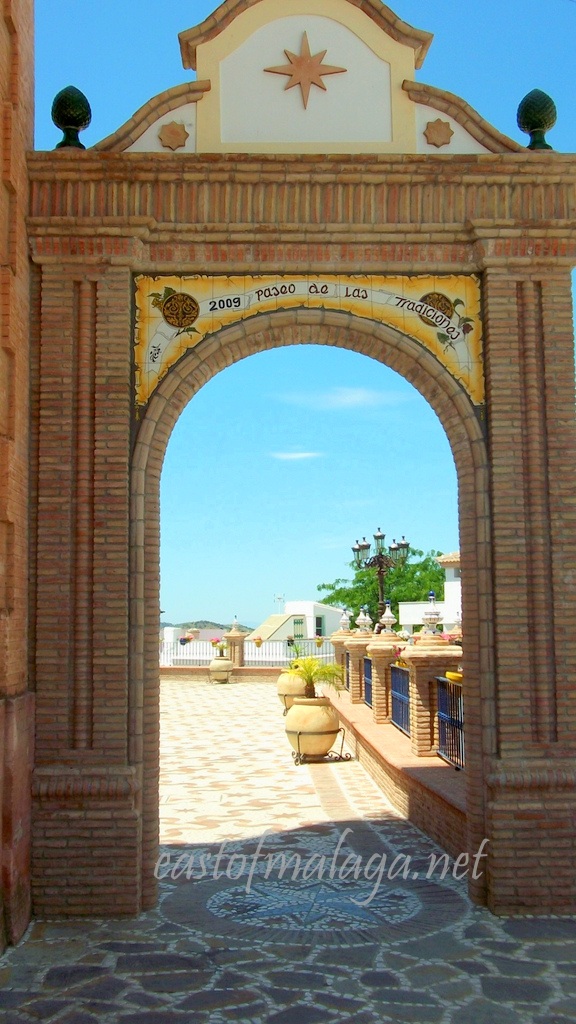
Archway into El Paseo de las Traditiones, Cómpeta, Spain

As you stroll from the busy square, through the archway into the Paseo de las Tradiciones you will discover an oasis of calm.   The floor is decorated with an intricate Moorish pattern of terracotta and white tiles, alongside a series of ceramic murals celebrating the lives of generations of the ordinary working people of the village.

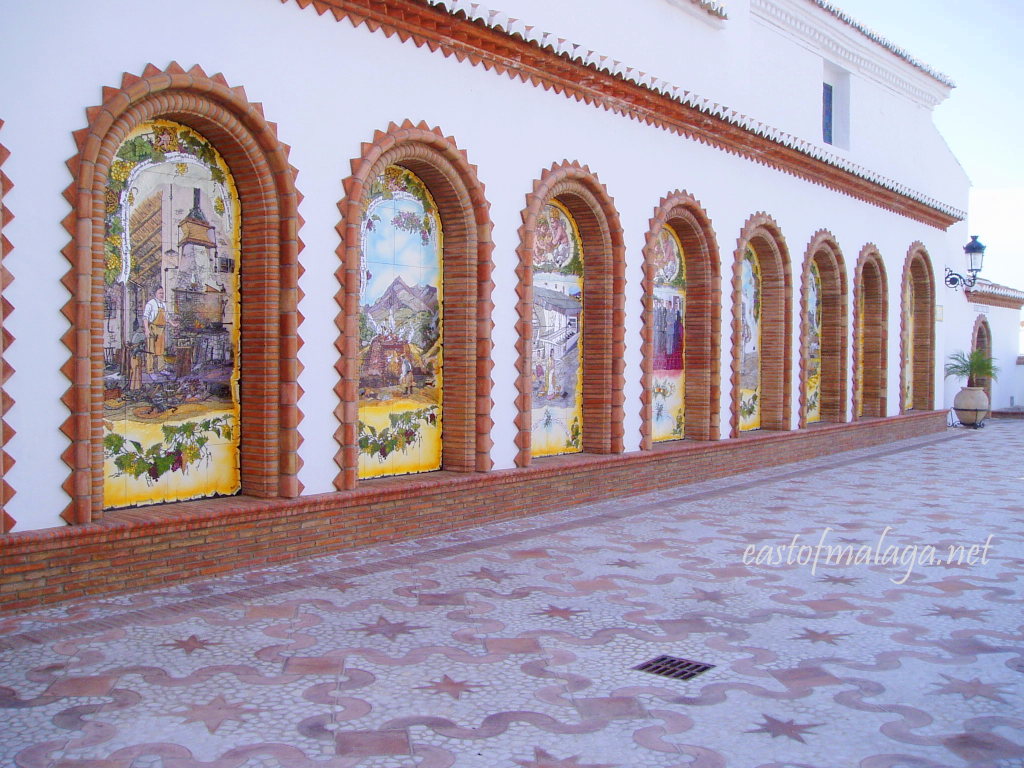
Alcoves in El Paseo de Las Tradiciones, Cómpeta, Spain

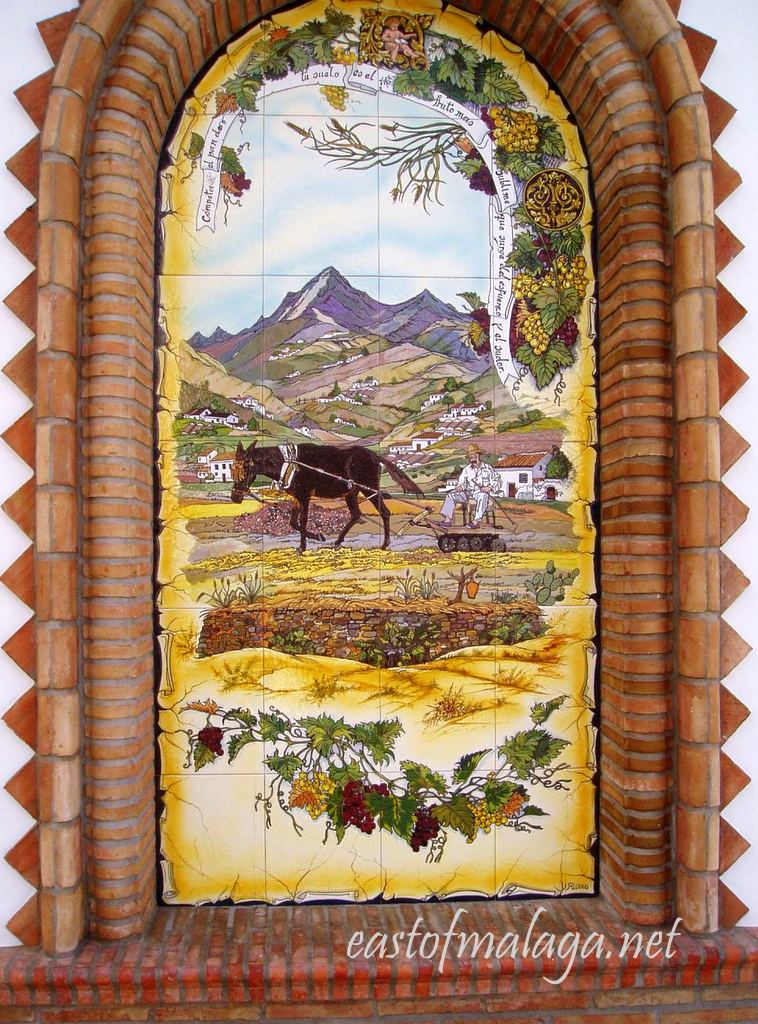
One wall of the Paseo de las Tradiciones pays testament to the trades and deeply rooted traditions of the people of Cómpeta through the ages. The beautifully modern, brightly coloured tiling in each of the alcoves was developed in the workshop of potter and sculptor, José Antonio Rivas.

The nine alcoves, each 3 metres high and 2 metres wide, not only depict the history of the collecting of the local vines, the muleteers and village smithy, old olive oil factory and the public laundry, but also recognize the contribution made by the Moors, who for 800 years did so much to improve the cultivation of the summer-dry, winter-wet sierras, bringing the first prosperity to the village.

East of Malaga: Competa´s Paseo de las Tradiciones Alcove

The past 500 years since the building of the Church of Our Lady of the Assumption have not been easy for the people of Cómpeta.  The expulsion of the Moors, two great earthquakes followed shortly by a cholera epidemic, and the vine disease phylloxera,which devastated crops all over Europe in the mid-19th century, have all taken their toll, but the spirit of the villagers continues to thrive, as epitomized throughout the Paseo de las Tradiciones.

Where is your “oasis of calm”?

Whilst you´re here, why not have a look at:

The elegant,  main shopping street of Málaga

I can see Africa from my terrace!

All at sea with the Virgen del Carmen


Slice of Life: Spanish bars

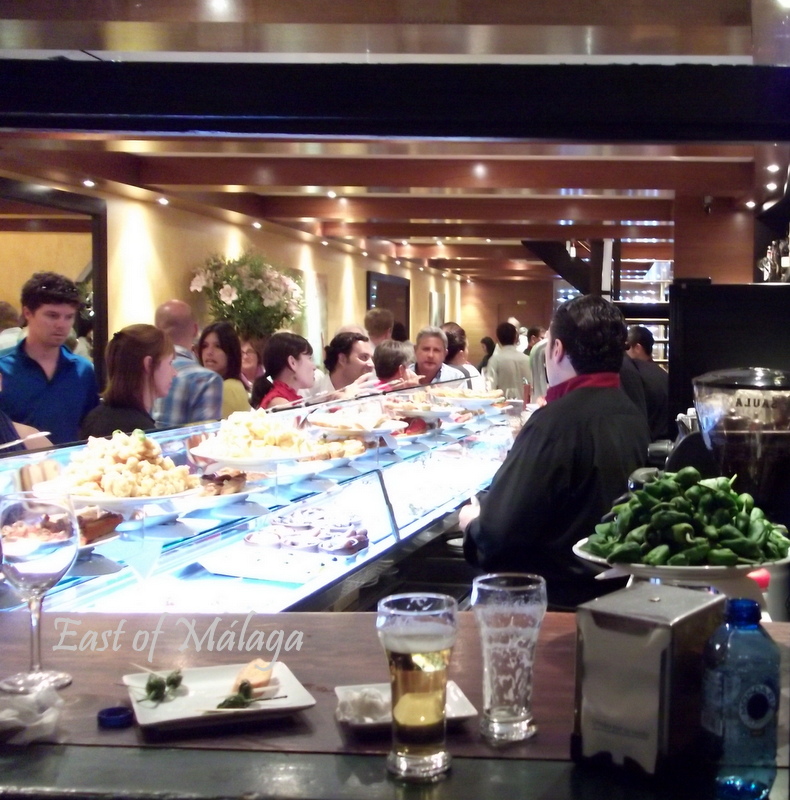
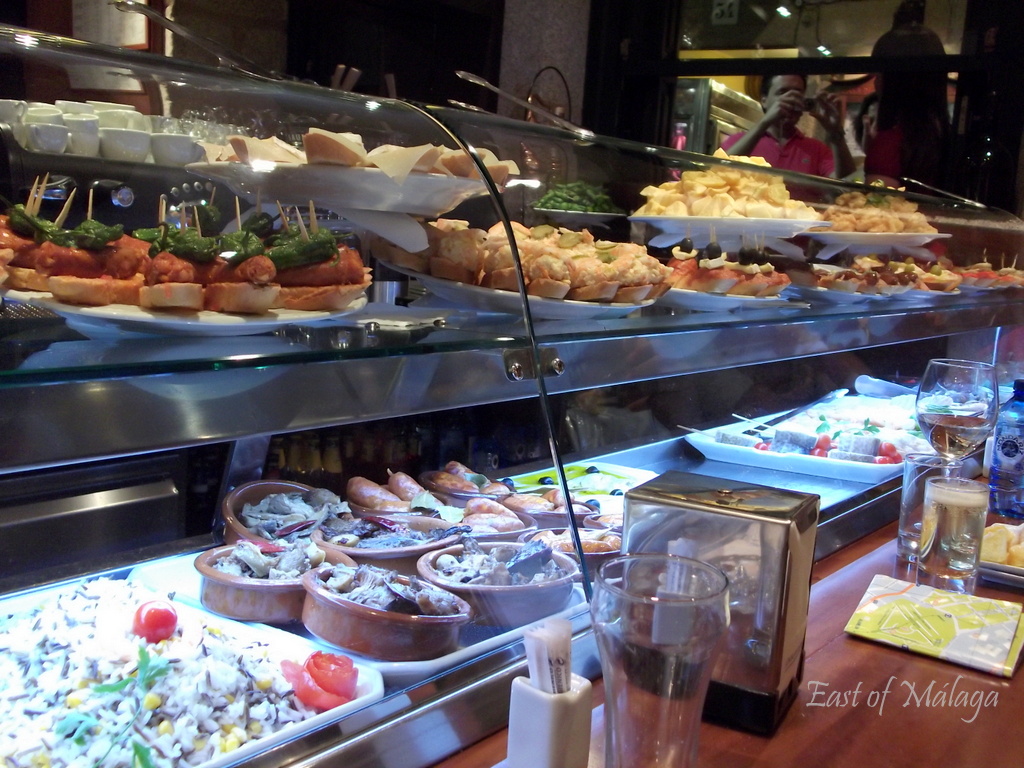
A bar here in southern Spain is very different from a typical British pub.  Although layouts may vary, what you will usually find will be a bar counter, with tall seats around, often with a covered tapas display. This will likely be in two parts, one containing meats and tortillas ready to be heated up and served with your drink, the other with cold tapas and salads. Many bars still serve tapas at an inclusive price with the drink, whilst others serve rather more elaborate nibbles which are charged for individually.

typical tapas bar
One of the main differences with a British pub will be the size of drink. Normally if you ask for a beer (una cerveza) it will be in a smaller glass, either a “tubo” which is a tall tumbler or in a glass not dissimilar to a large wine glass. The only time you will see anyone with a “pint” glass, they will usually be a tourist on the coast.  You will be just as likely to see people at the bar drinking coffee (un café) or a glass of wine (una copa de vino).

Tables away from the bar counter, either inside or outside, are typical café tables with upright chairs, not lounge-type tables and chairs like in British pubs .

There is usually a large display of spirit bottles behind the bar and invariably a leg of Serrano ham on a carving frame.  You should try this typical Spanish  delicacy –  it´s delicious!

Almost everywhere,  customers take all their food and drink and only pay when they are ready to leave.  In busy big city bars, the tapas, usually more sophisticated, will each come with a small wooden skewer and, when you have finished, the barman will count the skewers and charge accordingly.

Tapas to choose

I would recommend you to visit as many bars and cafeterías as possible, especially away from the tourist haunts. Look for places full of Spaniards and litter, in the form of till receipts, on the floor signifying that you have found a good spot.

Some bars, especially on the coast, offer more seafood, but try different ones and you will inevitably find a handful that will become part of your regular tapas trail.

Where´s your favourite Spanish bar?


If you like this article….try also looking here:

The heart of Cómpeta: El Paseo de las Tradiciones

Photographs I love …. and why!

A flowering snapshot of a January day


Street Markets around the Axarquía

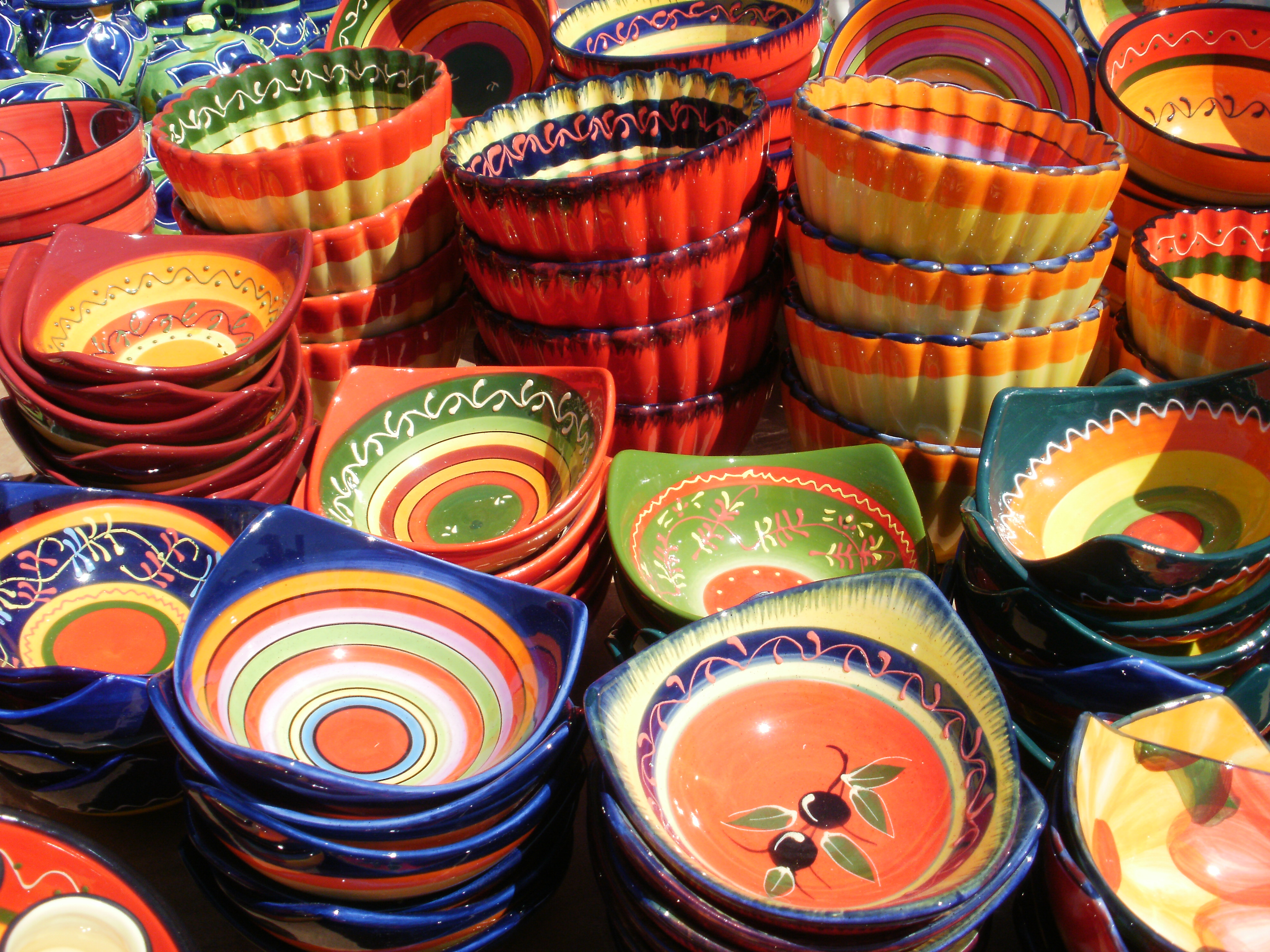
Colourful, bustling street-markets are very much a part of everyday life here in Andalucía, for both locals and tourists alike. Every day of the week there is an open-air market in one or other of the pretty white villages or towns in the area.


Items for sale include brightly painted pottery, locally grown fruit and sometimes irregularly-shaped vegetables, spices, olives and nuts, as well as clothing, handbags, shoes and jewellery.

Often the slowly shuffling crowd will come to a complete standstill, as a new baby (much to the delight of his young mother) is fussed over and kissed by a multitude of Spanish women, amid cries of “guapo” (which means that the baby is gorgeous!), totally oblivious to all around them.
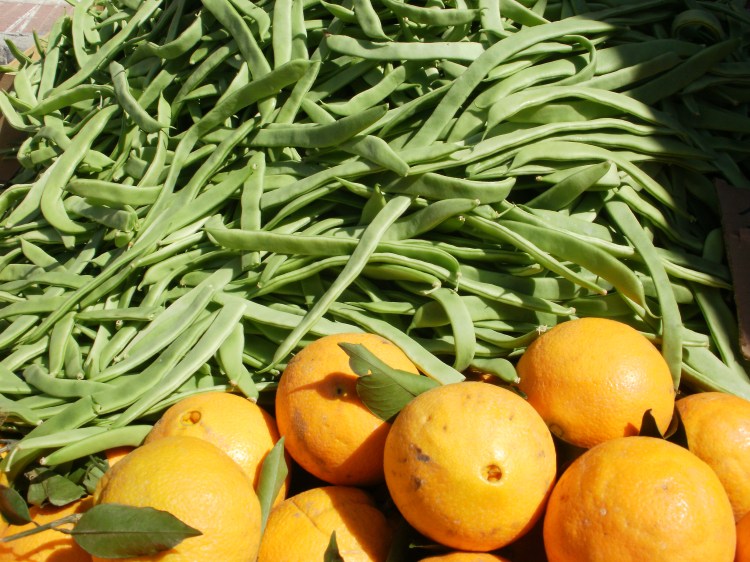

When waiting to be served at a busy fruit and vegetable stall,  with customers standing several deep all around, you just have to stand your ground and shout up when you think it´s your turn, or the little old ladies wearing black will surely push their way in front of you!

These photos were taken at the street-market at Caleta de Vélez, but this is a fairly typical scene across the Axarquía.  It is wonderful to buy such fresh, locally-grown fruit and vegetables.

Beats the supermarkets any day, with good prices too!

Why not visit a local market today? There’s sure to be one!

MONDAY:         Torrox pueblo and Torrox Costa

TUESDAY:        Nerja,  Trapiche (Farmers Market)

WEDNESDAY:    Algarrobo Costa,  Rincón de la Victoria

THURSDAY:  Frigiliana,  Torre Del Mar,   Vélez-Málaga

FRIDAY:   Almuñecar, La Cala Del Moral (Rincón de la Victoria)

SATURDAY:   Cómpeta, Caleta de Vélez, El Palo (Málaga)

SUNDAY:   Nerja (Car Boot)

Where’s your favourite street-market, and why?  Do you know of any others in the Axarquía?

Related posts:

Playing the Spanish Markets

When life gives you curves, flaunt them!

The Buddhist Stupa of the Eastern Costa del Sol

Balcón de Europa, Nerja

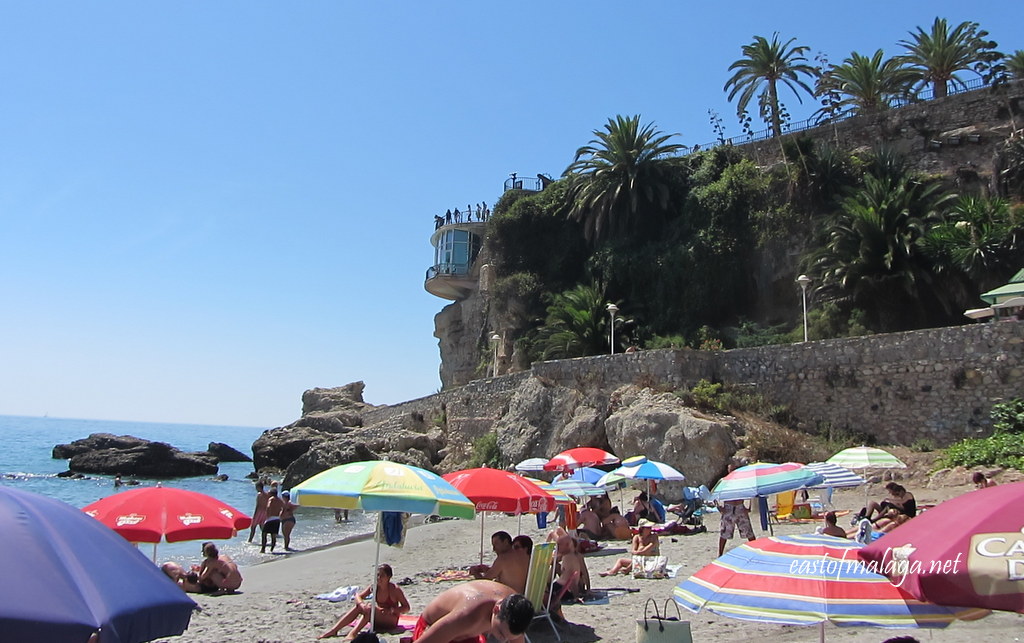
Balcony of Europe, Nerja viewed from Calahonda Beach

In the heart of the old town of Nerja on the eastern Costa del Sol, the Balcony of Europe (Balcón de Europa) stretches out into the sparkling Mediterranean Sea.

History books show that in the 9th century this was the placement of a Moorish castle, with a fortress being erected on the same site in the early 16th century to provide coastal defences.  The fortress was completely destroyed in 1812 by the English navy during the Peninsular War.

On the Balcony of Europe, Nerja, Spain
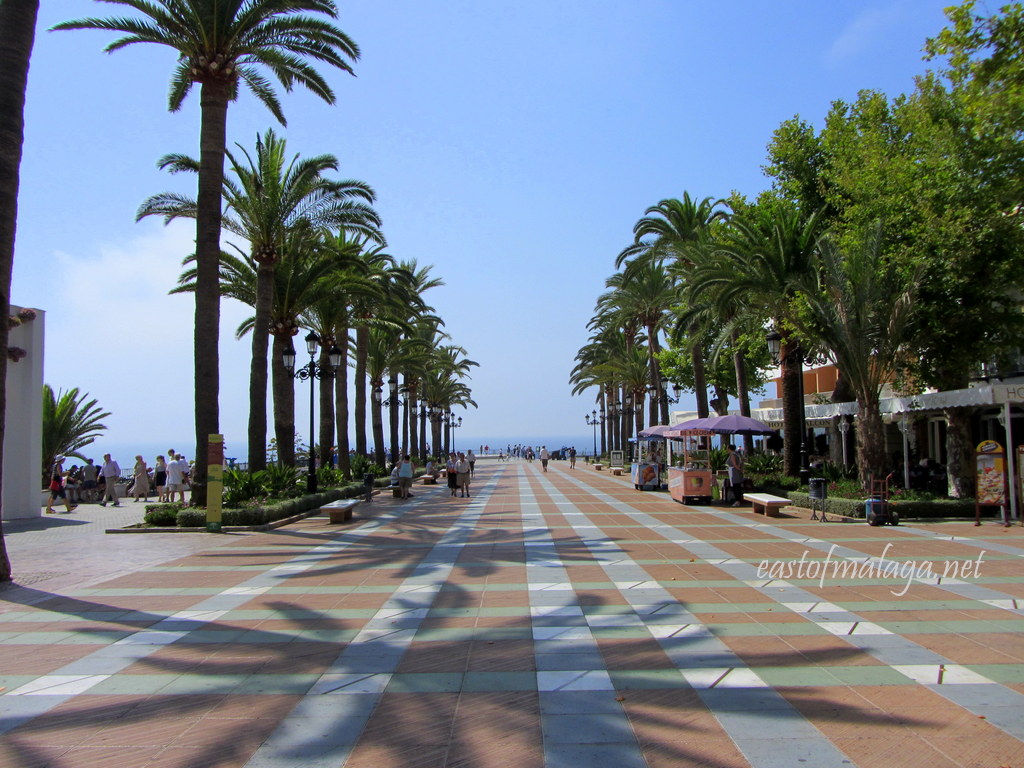
The scenic promenade adorned with palm trees and exotic plants is paved with marble, and is the focus of many local cultural activities and a popular meeting place.  Pavement artists, buskers and groups of talented local artistes can be found here most evenings, making it popular with locals and tourists alike.

Palmed lined paseo leading to the Balcony of Europe, Nerja

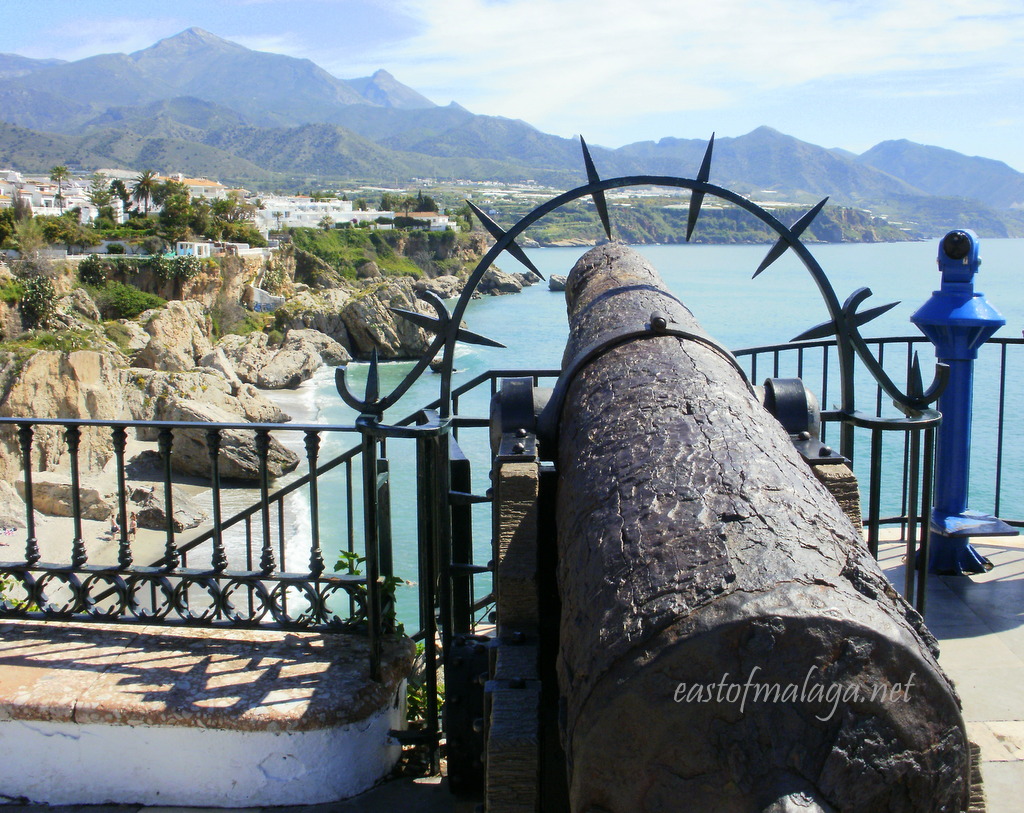
The Balcón de Europa is usually buzzing with activity as visitors wander along the promontory to the mirador or viewpoint which affords panoramic views along the rocky coastline to the east, with their backdrop of the magnificent Sierra Almijara mountains.

Looking east from the Balcon de Europa, Nerja

In 1885 King Alfonso XII visited the area to see the damage caused by a disastrous earthquake on Christmas Day 1884.  The King was captivated by the beauty of the area and legend has it that he was responsible for naming it “Balcón de Europa” however, local archive documents are said to show that its name predated this visit.

A bronze statue of King Alfonso XII has been erected to commemorate his visit to the town.  The statue depicting the King leaning on the railings enjoying the magnificent view has become a focal point for many souvenir photographs, along with two iron cannons which provide a significant reminder of the Balcon de Europa‘s strategic past.

You might also like to visit:

The beautiful Lake Viñuela

Capture the Colour: Red, Green, Blue, Yellow and White

In Plane View: Inside Out