Sweet memories: San Joaquín sugar mill

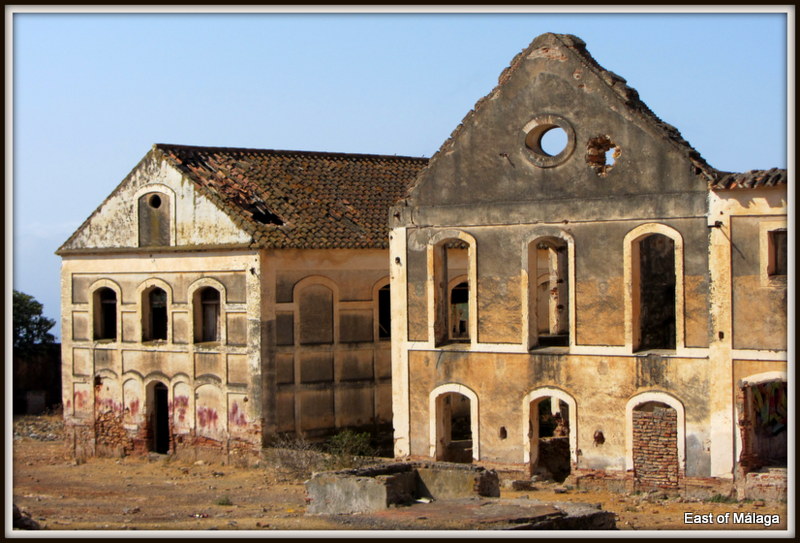
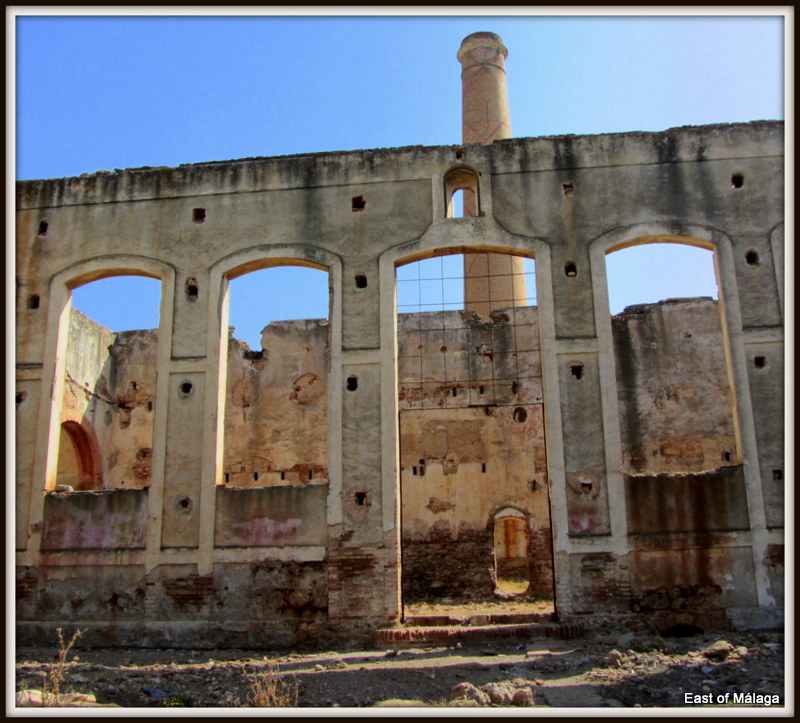
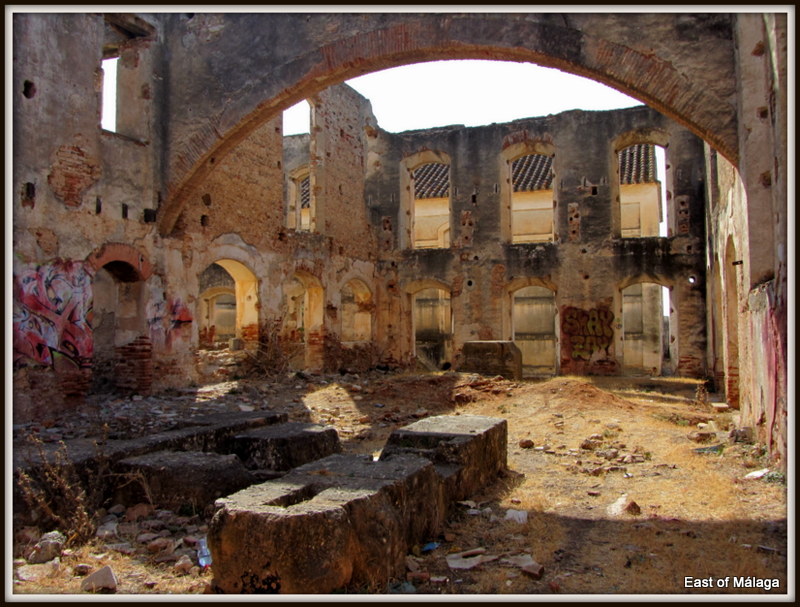
Located on the old N340 coast road between Nerja and Maro, the San Joaquín sugar mill´s ruined buildings serve as a reminder of the importance that the sugar industry played in local history.

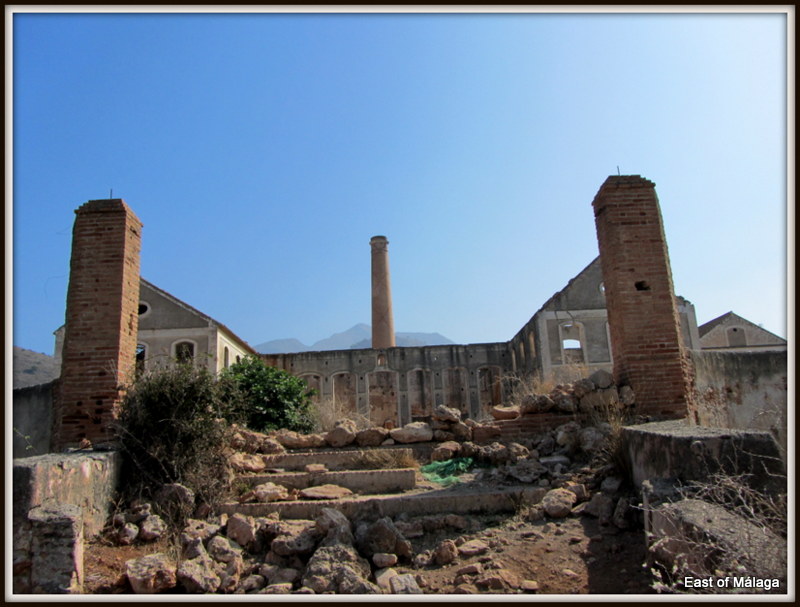
San Joaquín sugar Mill, Maro

San Joaquín sugar Mill, Maro

San Joaquín sugar Mill, Maro

Sugar manufacturing has been part of the Mediterranean way of life for centuries.  Earliest records of sugar cultivation in Andalucía date from the 10th century on the coast of Granada province, due to its exceptional climate.

San Joaquín sugar Mill, Maro

San Joaquín sugar Mill, Maro

In 1585, the first mechanical sugar mill in the area was built in Maro, the ruins of which still form a central part of the old village, today.  Further mills followed in Nerja and Frigiliana, before the San Joaquín sugar mill and distillery was erected in 1884 by master builder, Francisco Cantarero, for the Marquis de Tous.

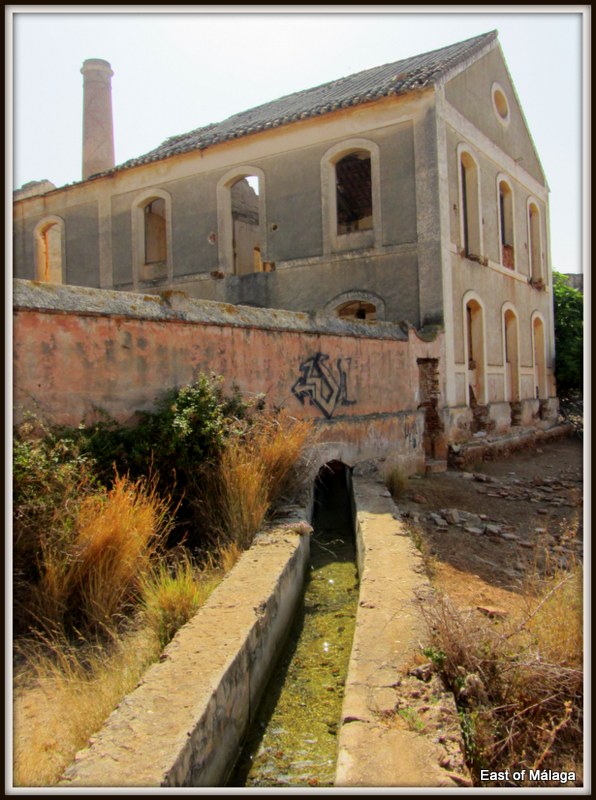
Irrigation channel at the San Joaquín sugar mill, Maro

Irrigation channel at the San Joaquín sugar mill, Maro

To supply the factory, large areas of sugar cane were planted nearby with water flowing through irrigation channels from the newly-built Eagle Aqueduct (Acueducto del Aquila).  This established a close relationship between the cultivation and industrial processes, a project that became known as The Agricultural Colony of Las Mercedes and Maro (La Colonia Agrícola de las Mercedes y Maro) and which continued until 1911 when the San Joaquín sugar mill closed.   The Larios sugar company acquired the mill in 1930 and production continued until the second half of the 20th century.  Since then, buildings have fallen into disrepair.
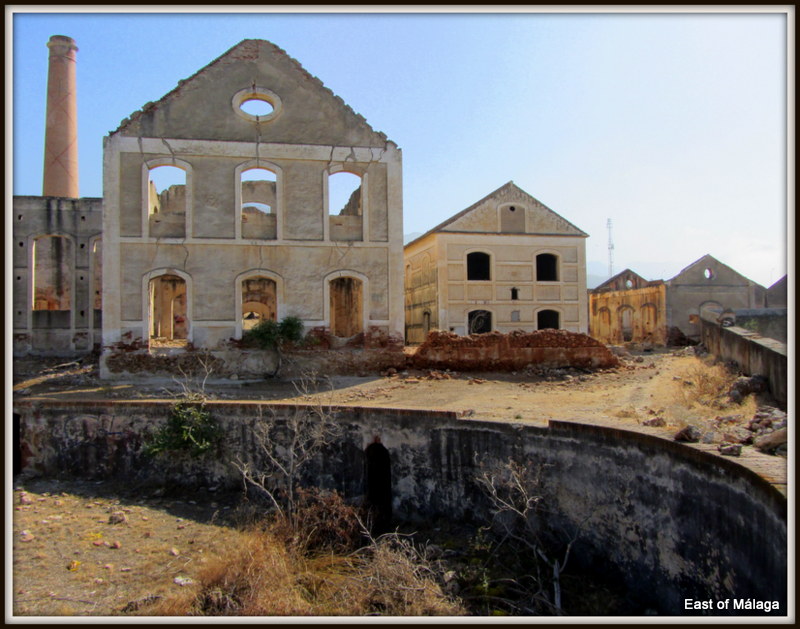
San Joaquín sugar Mill, Maro

San Joaquín sugar Mill, Maro

San Joaquín sugar Mill, Maro

San Joaquín sugar Mill, Maro

San Joaquín sugar Mill, Maro

San Joaquín sugar Mill, Maro

Whilst you´re here, why not have a look at:

The Alhambra Palace, Granada

La Noche de San Juan: Families, fires and football!

Churros served with thick hot chocolate

Travel theme: Night

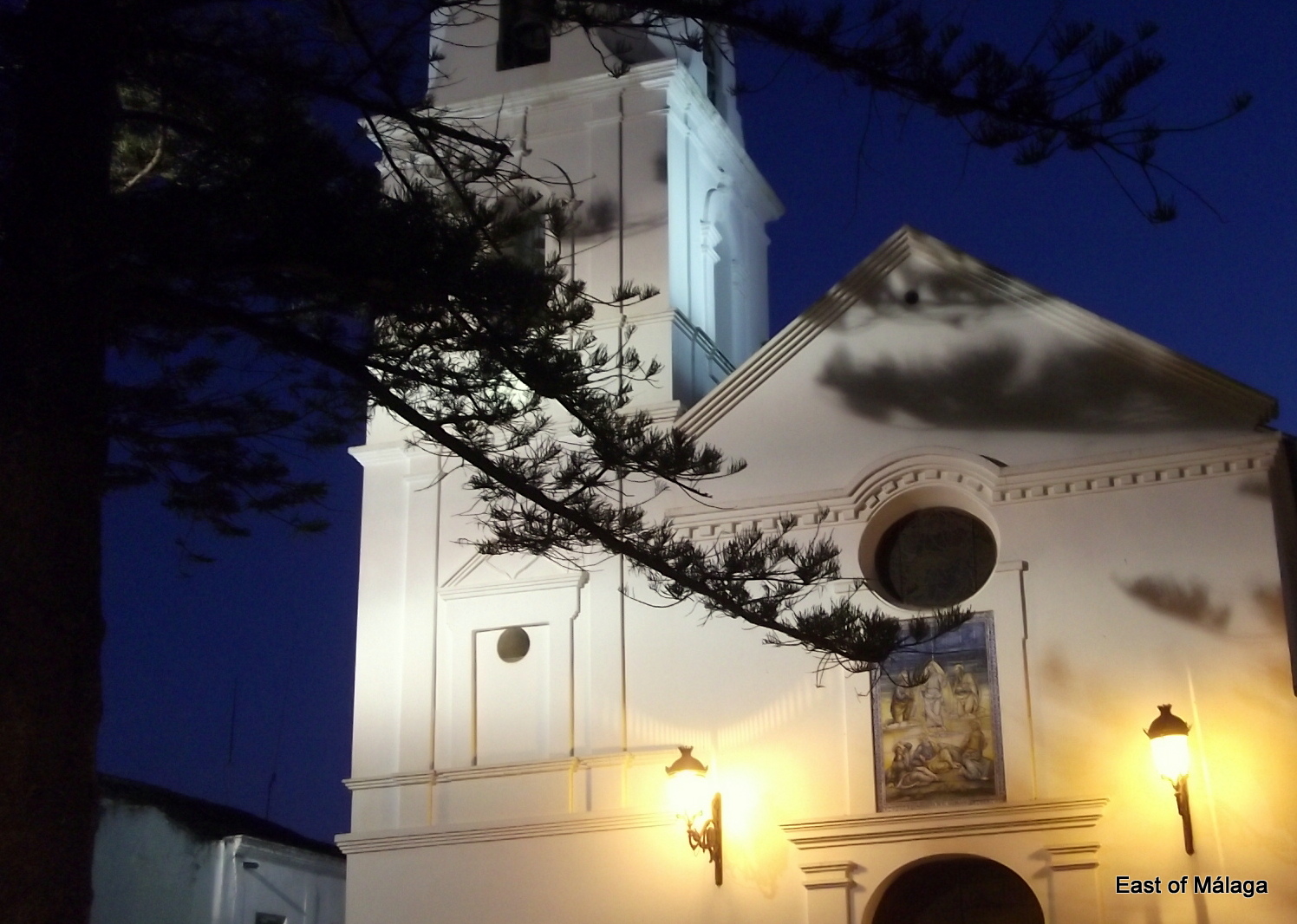
El Salvador Church, Nerja

Here is the pretty 17th century Church of El Salvador (Iglesia de El Salvador), situated beside the Balcón de Europa in the heart of Nerja.  Although a religious site since 1505, the existing structure was not completed until 1697.

One of the tallest trees in Nerja, towering high above the church itself, stands outside, casting wonderful shadows on the exterior of the building during the hours of darkness.

Because of it´s picturesque location, the Church of El Salvador is a very popular venue for weddings.

This post is my response to the Travel Theme photo challenge – Night


You might also enjoy reading:

Following in the footsteps around Comares

Photographs I love …. and why!


Live webcams around La Axarquía

La Herradura Bay, Spain

It´s always great to have an up-to-the-minute view of what´s happening here, east of Málaga. 

Just click on the link to view…..

Lake Viñuela

Torrox

Nerja –  Capistrano

Nerja – Burriana Beach


Do you know of any other webcams that readers can link to?  Please share them in the comments section….thanks!


Let’s talk about tapas!

First of all, what are tapas?

It is thought that originally in the wine-making regions of Andalucia una tapa (the word “tapar” in Spanish means“to cover”), in the form of a small plate or lid was placed over glasses of wine to keep fruit flies away.  Titbits of food were then placed on the dish to be eaten with the wine.   How I so love the Spanish that it is unacceptable that a fly ends up in your drink, but it´s fine if it lands on the accompanying snack!

Tapas selection at a bar in Santiago de Compostela

Other stories suggest that tapas were invented by a bar owner in Seville, who decided to put a cover (tapa) over his guests´ glasses of wine, using a slice of bread to keep out flies. He later put a piece of ham or cheese on top, so that his customers could have a bite to eat with their drink.

Either way, the idea spread, so that nowadays the types of food served as tapas are limitless.  Most Spaniards don´t drink alcohol without a tapa and many bars provide them free of charge.


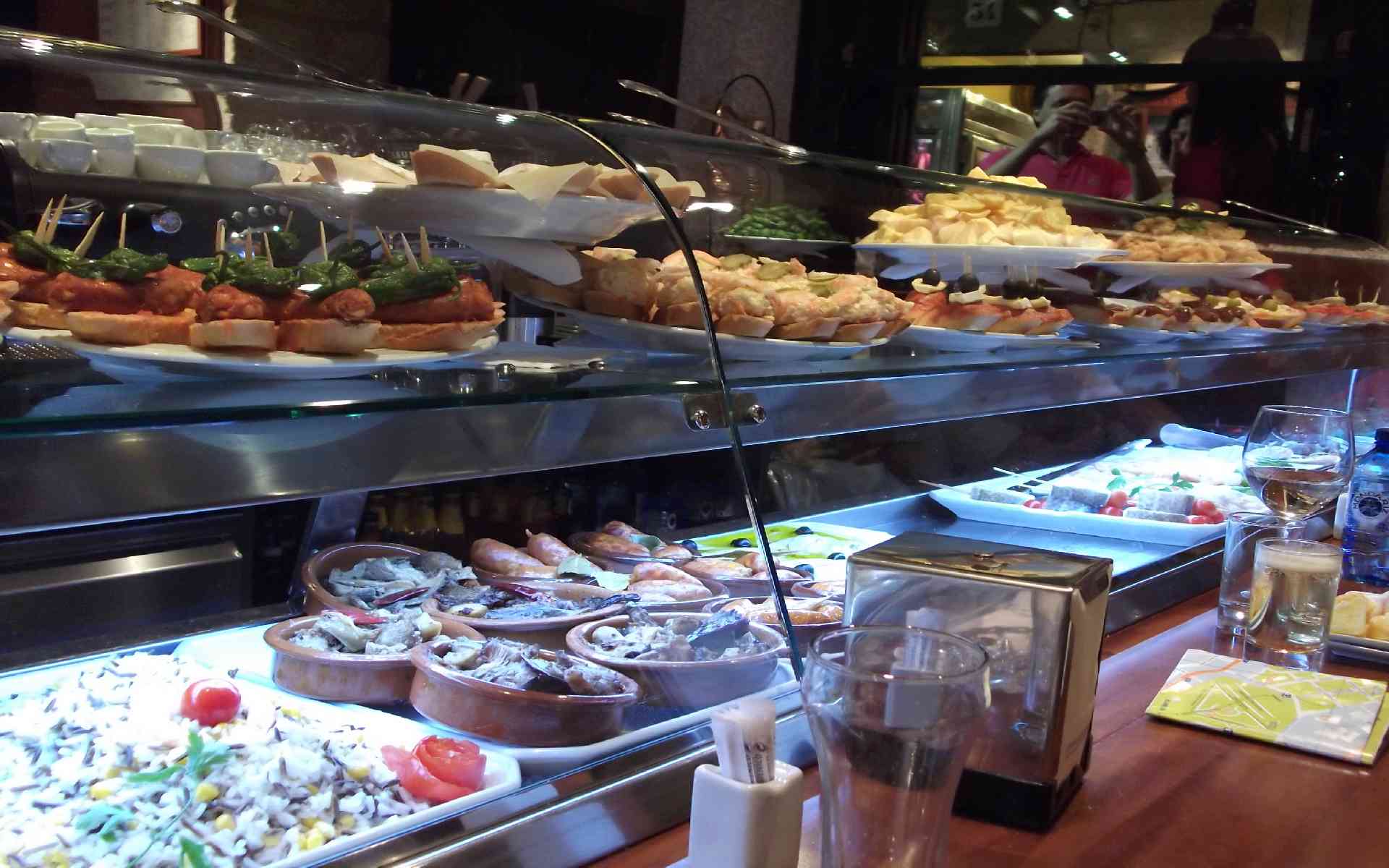
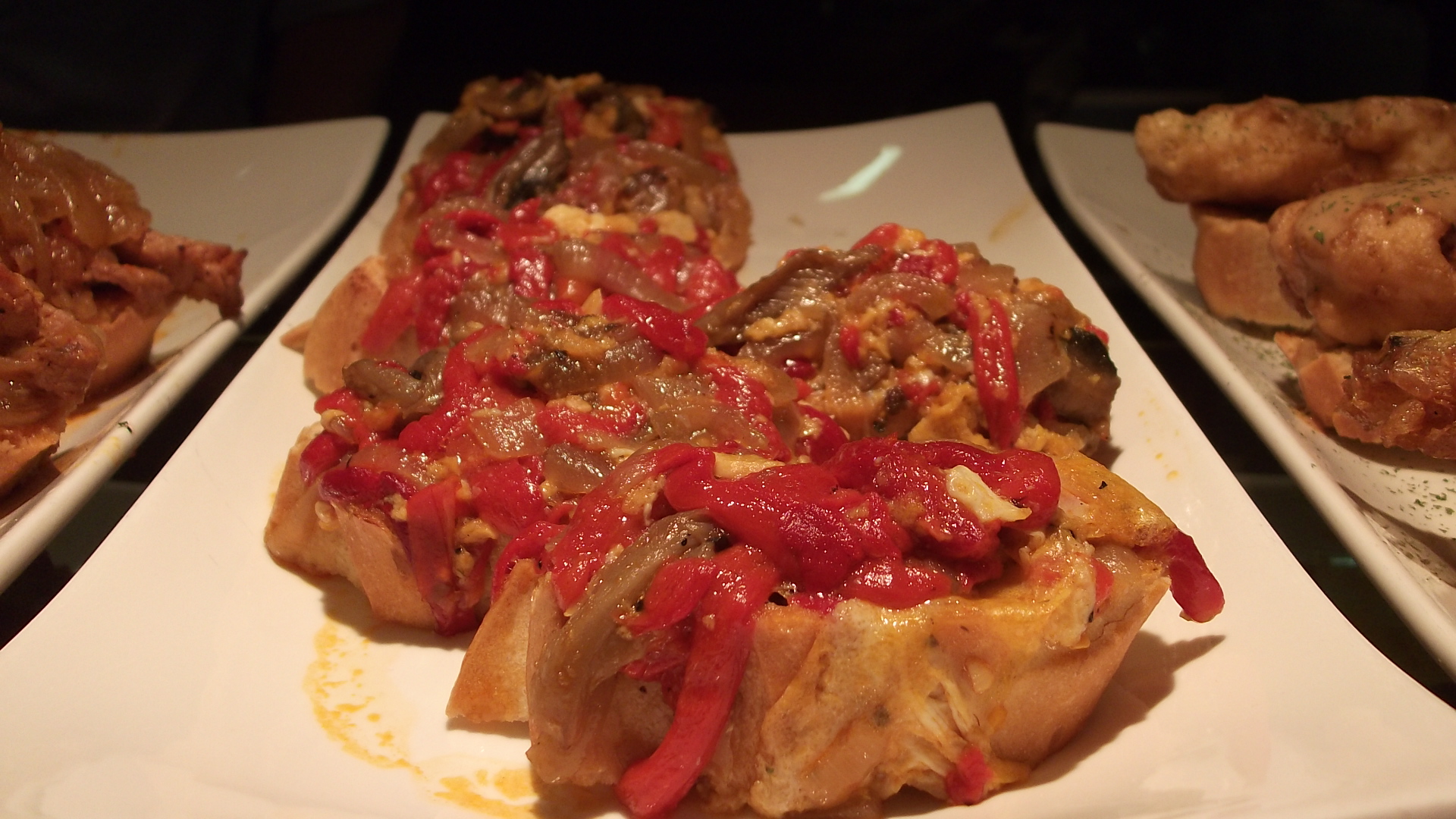
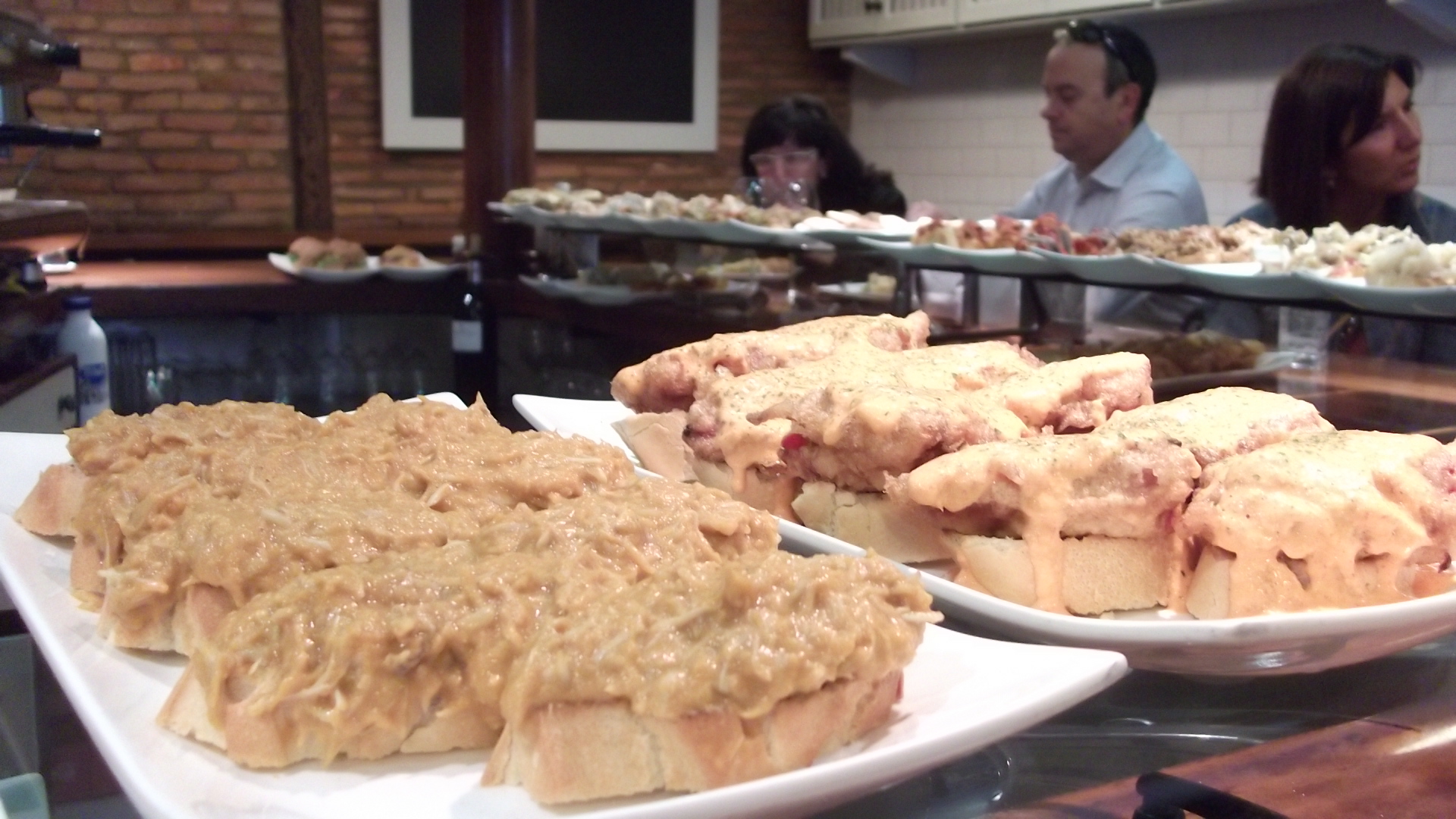
The Spanish equivalent of “fast food” is usually displayed in refrigerated glass units on the bar and served in small terracotta glazed dishes. Some examples of the type of tapas normally available include gambas (whole cooked prawns in their shells), boquerones (fresh anchovies in olive oil, vinegar and garlic), chorizo (spicy Spanish sausage), albondigas (meatball…often in a creamy almond sauce), queso (cheese…often manchego), habas con jamon (broad beans with ham), ensalada rusa (Russian salad) or just a few olives.

Your choice of tapas is usually accompanied by a small piece of crusty bread which helps to counteract the adverse effects of the alcohol through drinking on an empty stomach.

In many establishments, if you stand at the bar along with the locals you will be given one tapa free with each drink you buy.   That’s right …. free food!

Should you choose to sit away from the bar, you can pay for a tapas or two (usually for one euro or less in this part of Spain), or opt for a larger serving known as a ración (ration) or medio ración (half ration). This is a great way to eat a variety of dishes, and a pretty sociable activity as groups generally tend to share their dishes.

The food is generally very good, even in remote villages around the Axarquia.

Where is your favourite tapas bar?   Which tapa do you choose, time and time again?


You might also like to look at:

All at sea with the Virgen del Carmen

La Noche de San Juan: Families, fires and football!

Bus Services: East of Málaga


Photographs I love …. and why! [Part 9]

This is just one of a series of photos I have taken, and will share with you over time, capturing the essence of living east of Málaga.   Each one, in it’s own unique way, reminds me of why I love living in southern Spain, and in particular the Axarquía.

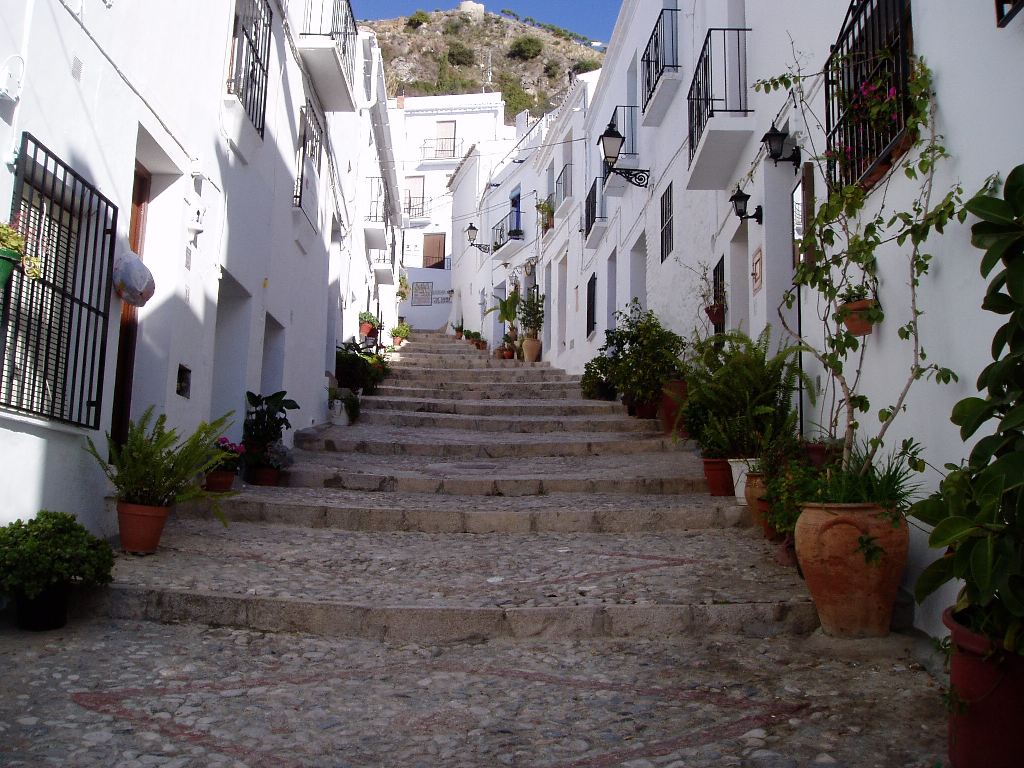
This is Calle El Zacatín, a street in the beautiful, white, mountain village of Frigiliana.  Here, the typical architecture of the village can be seen at its bestThe steep climb, profusely decorated with flowers and flowerpots reveal some of the original Arab layout of the village – winding streets, secret corners and adarves (little squares shared by a few houses and belonging only to them).

Calle El Zacatín leads to another gem in town: Barribarto, or the higher part of village, which can only be toured on foot, for its impossibly narrow streets make it impossible to drive.

El Zacatín is one of the most photographed streets in Frigiliana and is the original site of a Moorish street market, filled with merchants and artisans, over a thousand years ago.


You might also enjoy:

Other Photographs I love …. and why!

Fresh Figs Stuffed with Goat´s Cheese and wrapped in Smoked Bacon