Playing the Spanish Markets

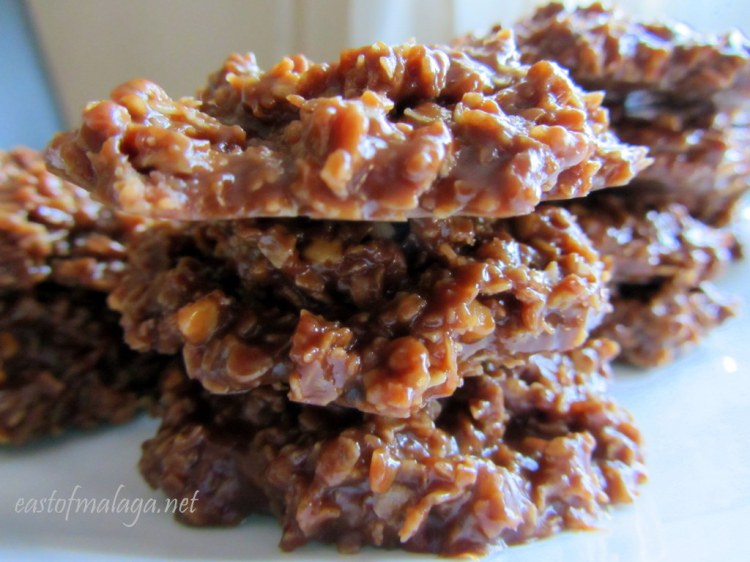
Busy market stall at streetmarket in Spain

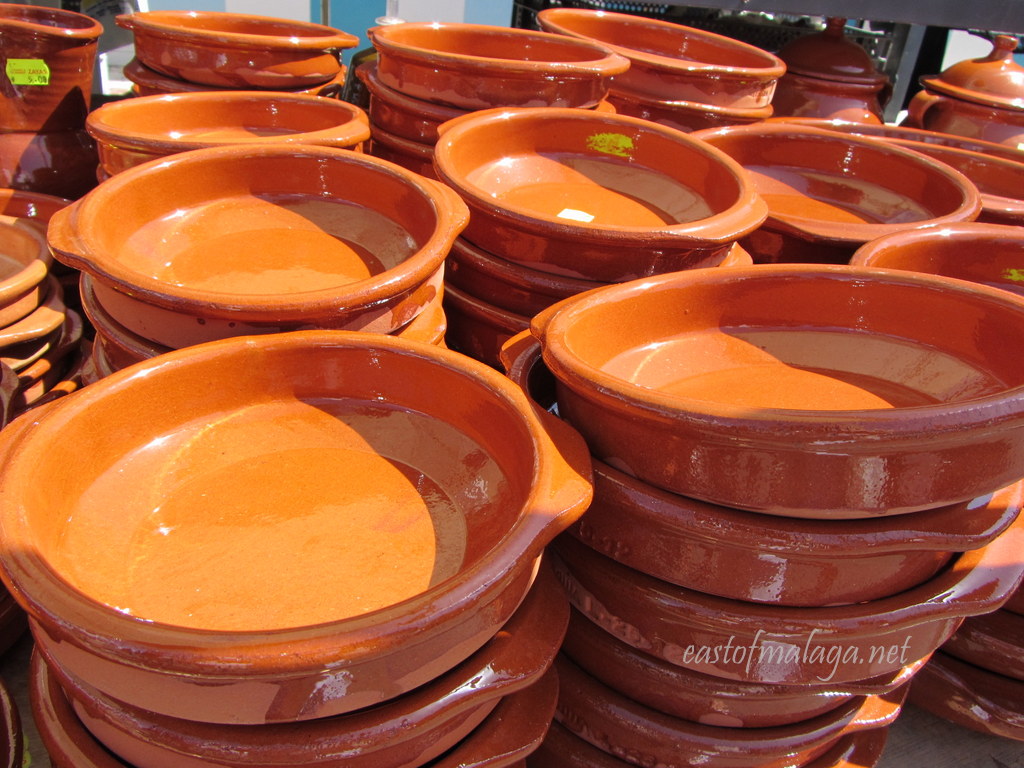
Terracotta cazuelas at a Spanish streetmarket

Colourful purses and handbags for sale at a Spanish streetmarket

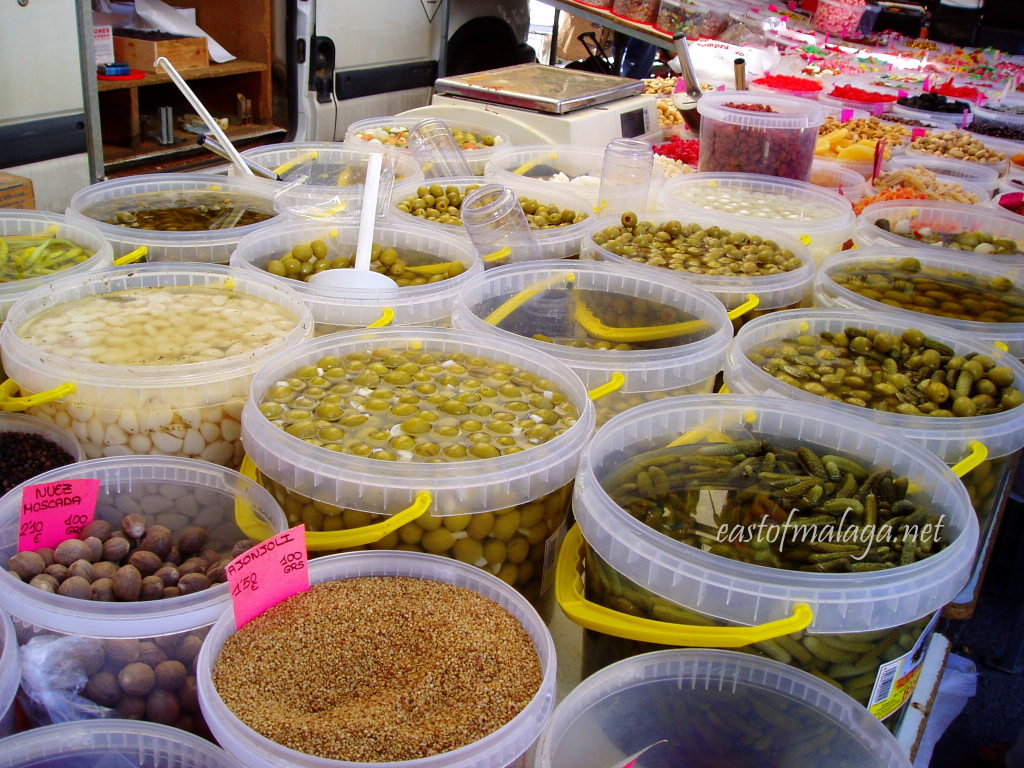
Olives for sale at Spanish market

Especially in these times of austerity, everyone is searching for a bargain. 

Open-air street markets offer a true cultural experience, where you can really get amongst the locals whilst trying to make your euros stretch that bit further.   Prices may not always be clearly marked so you may be able to negotiate a lower price.  It´s worth a try – you can always walk away.

The stalls are often covered with makeshift shades to protect the goods and customers from the fierce heat of the sun.

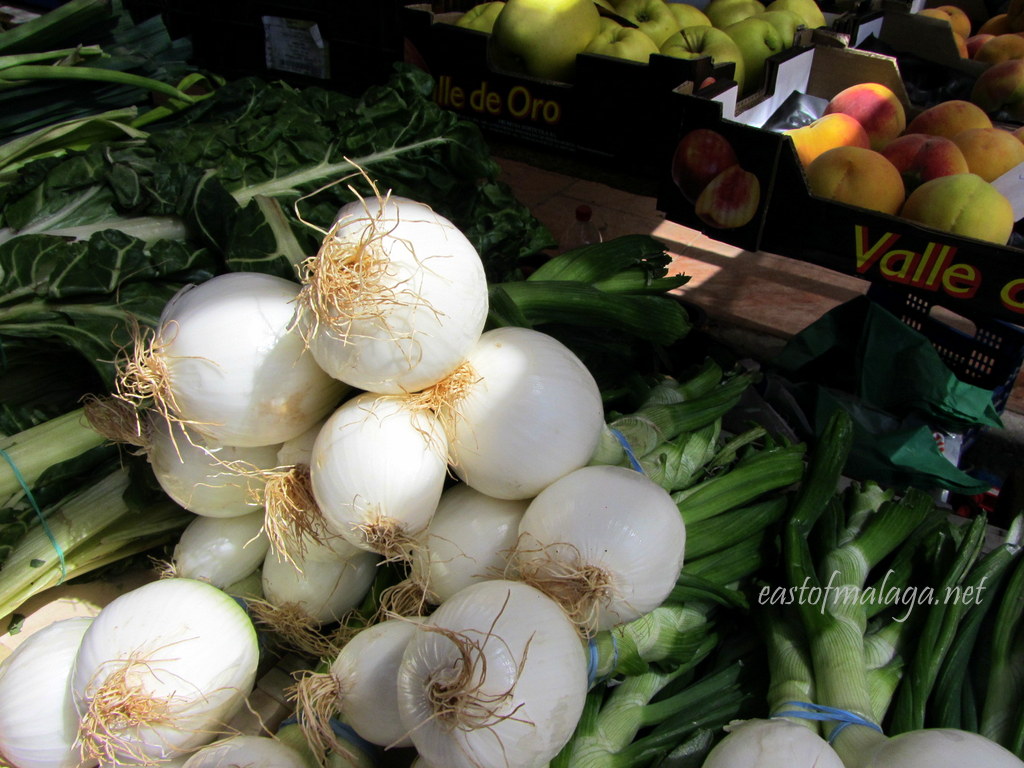
Huge fat onions at the Spanish streetmarket

Herbs and spices at a Spanish streetmarket

Many coloured tee-shirts on sale at the Spanish market

Fresh cherries only €2 per kilo at Spanish streetmarket

Spanish street markets are more informal than supermarkets, but bear in mind that the vendors are salespeople, not just cashiers, so they may approach you to sell goods you may or may not want.  Keep smiling!

Click HERE to discover where and when there are street markets in the Axarquía area, east of Málaga. 

Girls flamenco shoes for sale at a Spanish streetmarket

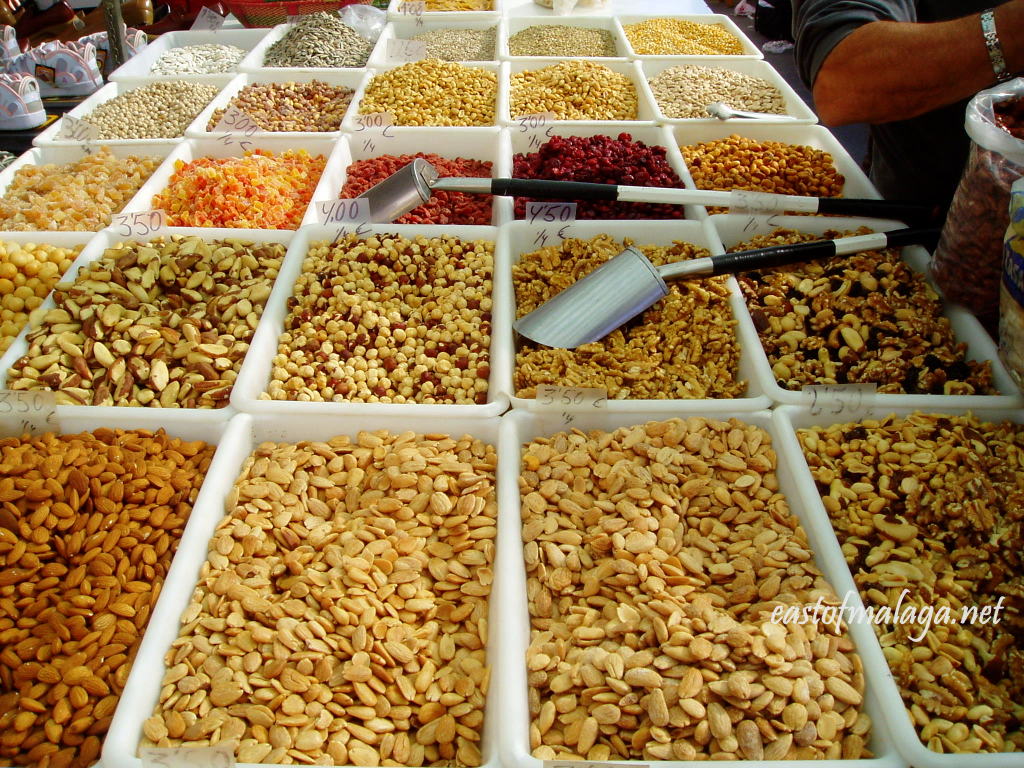
Nuts and dried fruits for sale at Spanish streetmarket

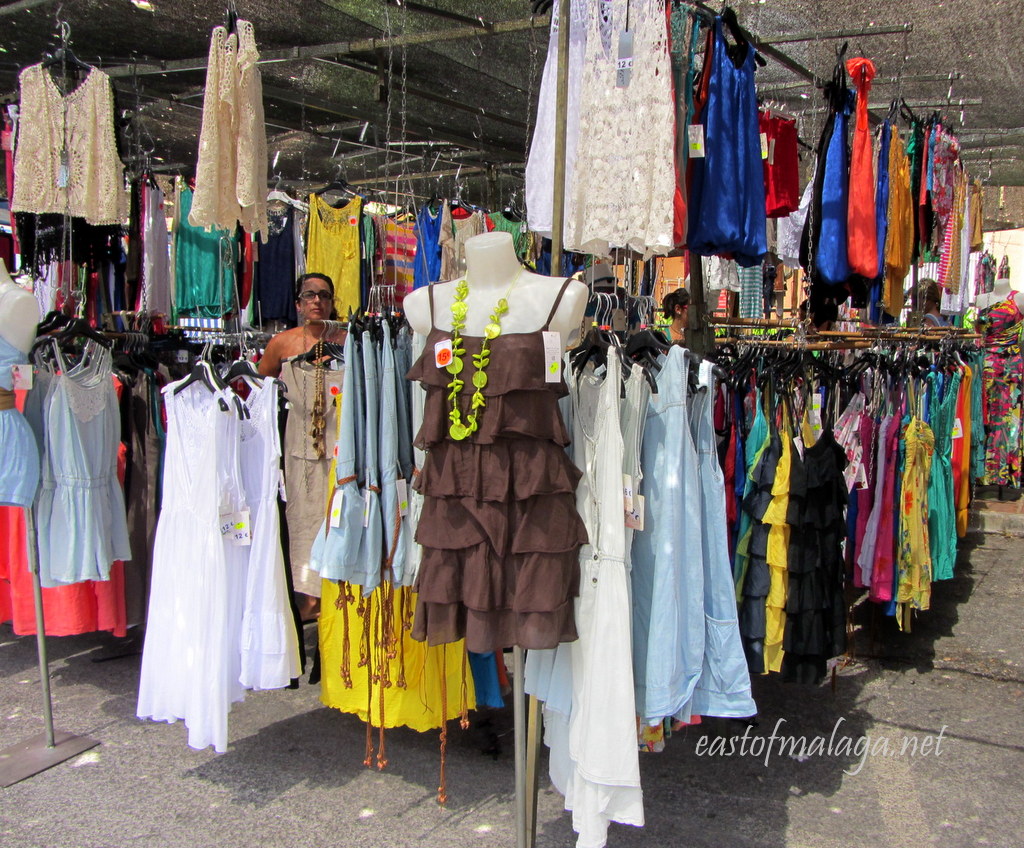
Lots of ladies clothing for sale at the Spanish streetmarket

Fresh fruit and veg for sale at a Spanish streetmarket

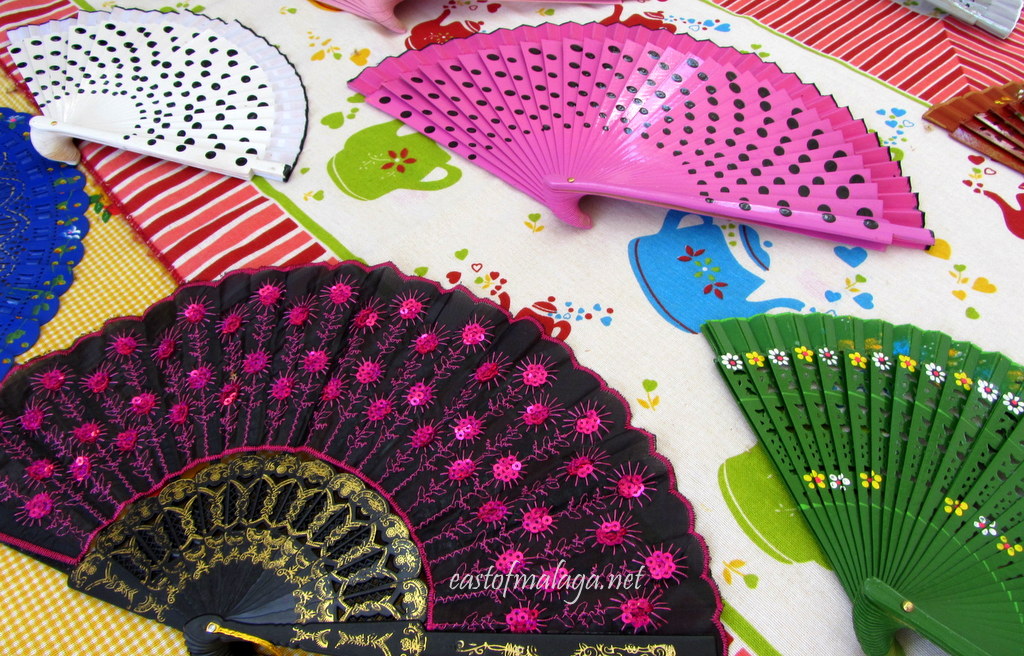
Colourful Spanish fans at the streetmarket

This post is my response to the Travel Theme: On Display

Related posts:

Streetmarkets around the Axarquía – when and where

Cost of Living in Spain – east of Málaga

Photographs I love, and why

Venturing further afield: A long weekend in Santander

We love to travel not only locally, but throughout Spain, so I will also include information, from time to time, about where we have visited.  Usually these places can either be driven to within a few hours of our home, east of Málaga, or we will have flown there from Málaga (AGP) airport.

Banco de Santander

It´s pretty easy to pick up some cheap flights from Mágaga to Santander, the elegant capital city of the province of Cantabria, which is located on the northern coast of Spain, between Asturias and the Basque Country, overlooking the Bay of Biscay.

The port city of Santander has many clean, golden beaches and is home to the magnificent coastal resort of El Sardinero, which became popular with the Spanish upper classes during the late 19th century.  The wonderful beaches together with the promenade and the Magdalena Peninsula are some of the main attractions for tourists.

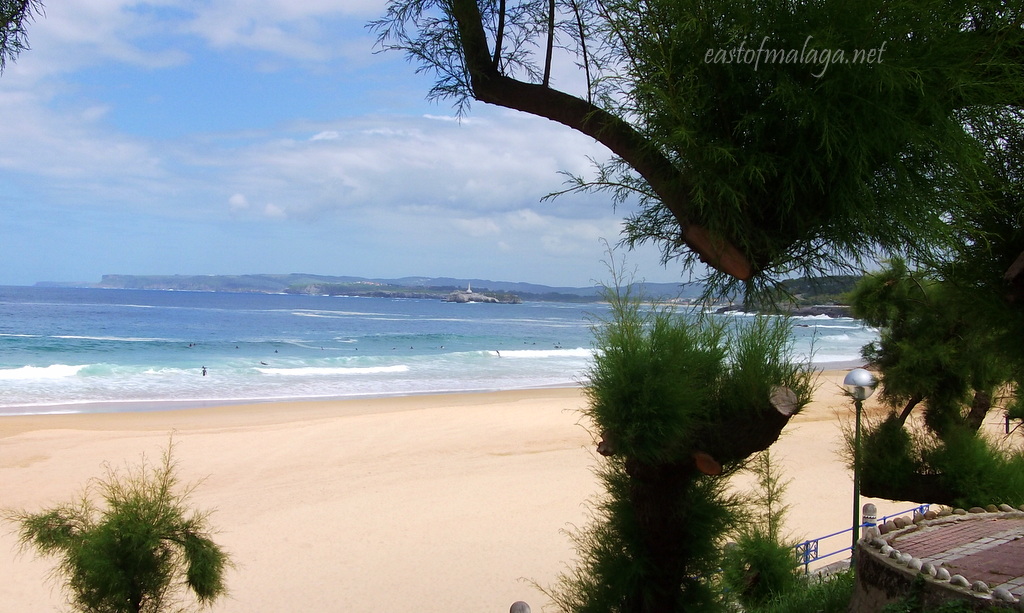
El Sardinero Beach, Santander, Spain

El Sardinero Beach views, Santander, Spain

Santander fell victim to a great fire in 1941.   Fanned by a strong southerly wind, the fire burned for two days, destroying the greater part of the medieval town centre and gutting the city’s Romanesque cathedral.  The historic quarter includes a number of majestic buildings which are situated against an incredible natural backdrop of sea and mountains.

In the early part of the 20th century King Alfonso XIII chose this part of the Cantabrian coast as his summer retreat and many fine buildings sprung up to accommodate the needs of the aristocracy and court officials who followed the King and Queen.

Elegant buildings in Santander, Spain

Santa Iglesia Cathedral, Santander, Spain

Town Hall, Santander, Spain

Of course, one of the more pleasant things to do in Santander is to bustle along with the locals towards the many superb tapas bars in the old part of the city.  It´s amazing what a good glass of Rioja Crianza and a mouthful of seafood can do for you!

We spent our evenings strolling along the streets seeking out the busiest tapas bars – with their customers spilling out onto the pavements outside –  and diving straight in there, to try out our next round of  scrummy pintxos.

Rioja and scrummy tapas at a bar in Santander, Spain

Santander also provides a great base for touring many well-known cities and sights in northern Spain, which are located right on it´s doorstep.   There´s the  Guggenheim Museum in Bilbao, the Picos de Europa – wheresome of the highest mountains in Europe are to be found, as well as the gastronomic delights of the picturesque city of San Sebastian in the heart of Basque country – but you´ll have to wait for me to tell you about those another time!

You might also enjoy:

The heart of Cómpeta: El Paseo de las Tradiciones

A Weekend Away: Santiago de Compostela

Don´t fret about the missing WPC: Two Photo Challenges in Two Days!

Fresh vegetables on display at Atarazanas market, Málaga

I wonder what happened to the WordPress Photo Challenge for this week?

If you like regular Photo Challenges and you´re tired of waiting, why not join in with TWO CBBH Monthly Photo Challenges in TWO days? 

Today is the last day for entries in the CBBH September Challenge on REPETITION and, as tomorrow is the start of another month, October´s brand-new CBBH Photo Challenge will be posted first thing in the morning.

YOU´RE GOING TO LOVE IT – I PROMISE!

Anchovies in vinegar in Atarazanas Market, Málaga

Find out how the CBBH Monthly Photo Challenge works here.

What are you waiting for?

Other photo challenges you might enjoy:

Travel theme: Curves

Sunday Post: From a Distance

Weekly Image of Life: Colours

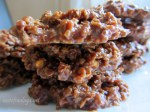
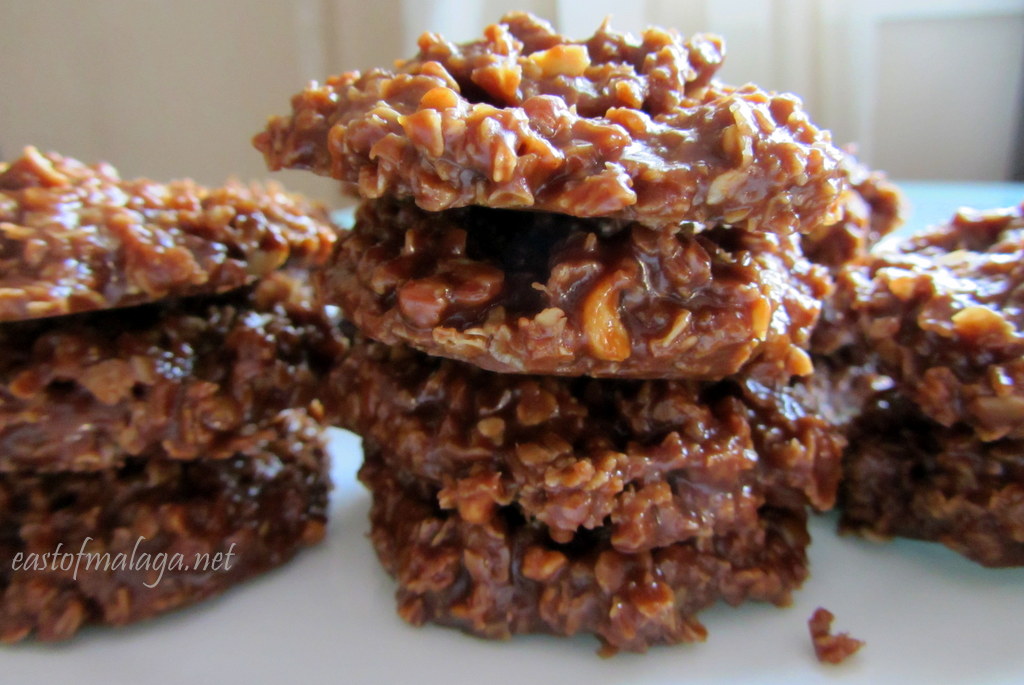
Easy No-Bake Chocolate, Peanut Butter and Oatmeal Cookies


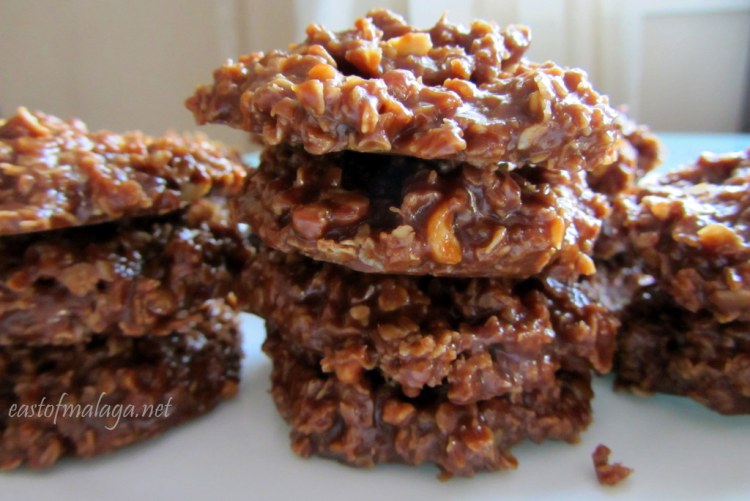
Easy No-Bake Chocolate, Peanut Butter and Oatmeal Cookies

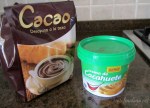
I haven´t posted a recipe for a while, but I´ve got a delicious treat to share with you today. It´s not a Spanish creation, but you do get to see a photograph of some Spanish ingredients – does that count?

These cookies are quick and easy to make, using just one pan.  Waiting for them to set is the hardest part!

It´s a good job the oatmeal needs chewing or otherwise you could just inhale these little beauties!

Although I´d heard of no-bake cookies I´d never made them, but when I saw these chewy, sticky bundles of goodness at Sweet Dreaming I just knew I had to make them straight away!

They take only a few minutes to prepare and are great to make with kids if you have any little hands eager to help in the kitchen.   I’m sure they’ll love scraping the saucepan afterwards, (which is quite safe  as there are no raw eggs to worry about)!

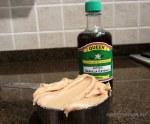
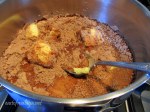
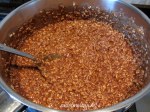
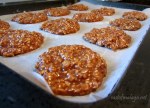
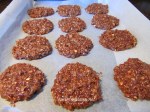
I´ve photographed the whole process, so if you just click on each of the photos in the gallery you can follow, step-by-step.

Easy No-Bake Chocolate, Peanut Butter and Oatmeal Cookies  (Galletas de avena con chocolate y crema de cacahuete)

½ cup (1 stick) butter
1½ cups granulated sugar
½ cup milk
4 tablespoons cocoa powder
½ cup peanut butter
2 teaspoons vanilla extract
3 cups quick-cooking oats

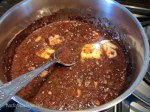
1. Add the first four ingredients (including the cocoa powder) to a large saucepan.

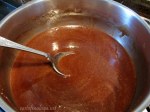
2. Stir, whilst bringing to the boil, then let the mixture simmer for 1 minute only.

3. Remove from heat.

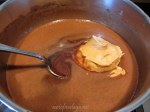
4. Add the peanut butter and vanilla extract and stir until smooth.

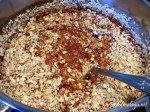
5. Add the oats and stir until coated.

6. Drop by heaping tablespoons onto wax paper-lined baking sheets.

7. Use the back of the spoon to smooth them out and flatten into more of a “cookie” shape.

8. Set aside to cool until set, which takes about 45 minutes.   I usually pop the trays into the fridge because they don´t set so well if it´s hot in the kitchen – and I do live in Spain!

This mixture will make around 25-30 cookies depending on how big you make each of them.
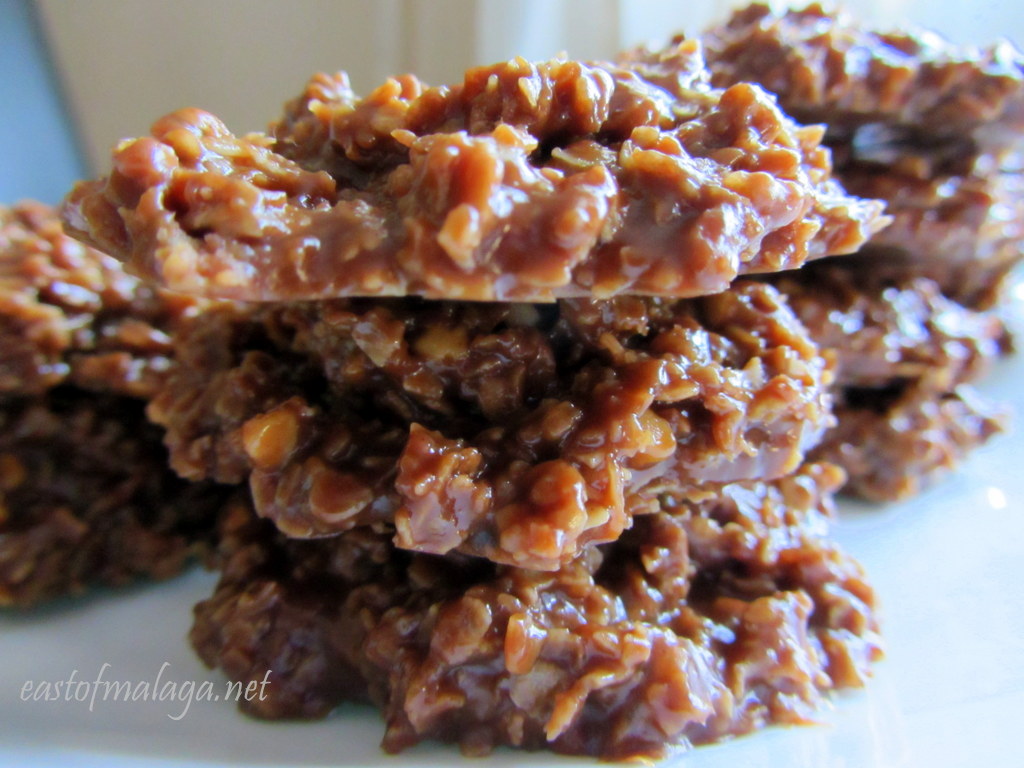
Easy No-Bake Chocolate, Peanut Butter and Oatmeal Cookies

What are you waiting for?  Go and make some and tell me what you think!

You might also like to look at some of my other recipes:

Andalucían sizzling hot spicy prawns

Patatas a lo pobre: Poor man´s potatoes

Let’s talk about tapas!
Slice of Life: Spanish bars

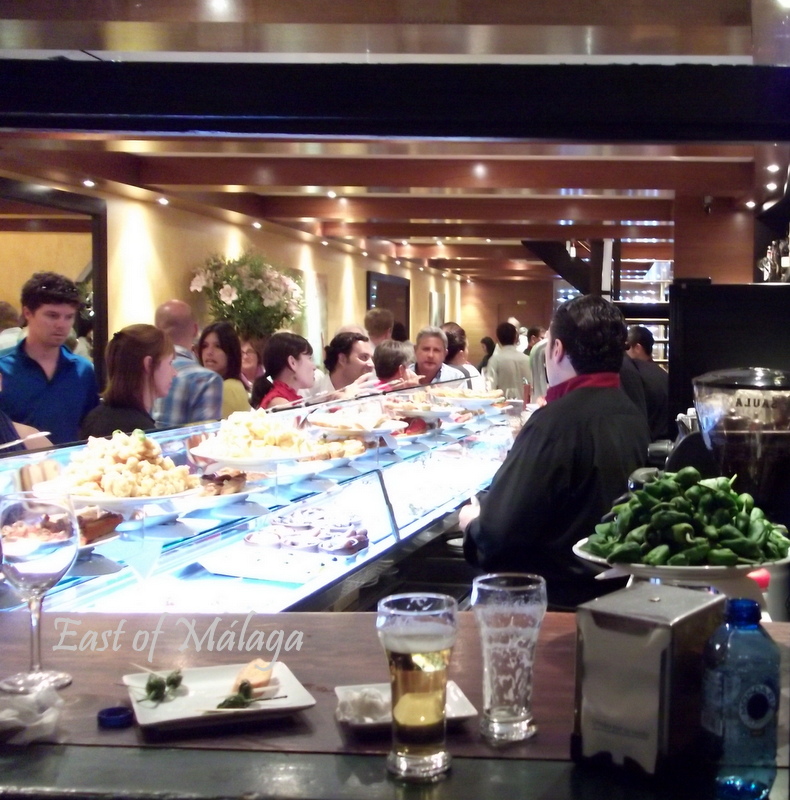
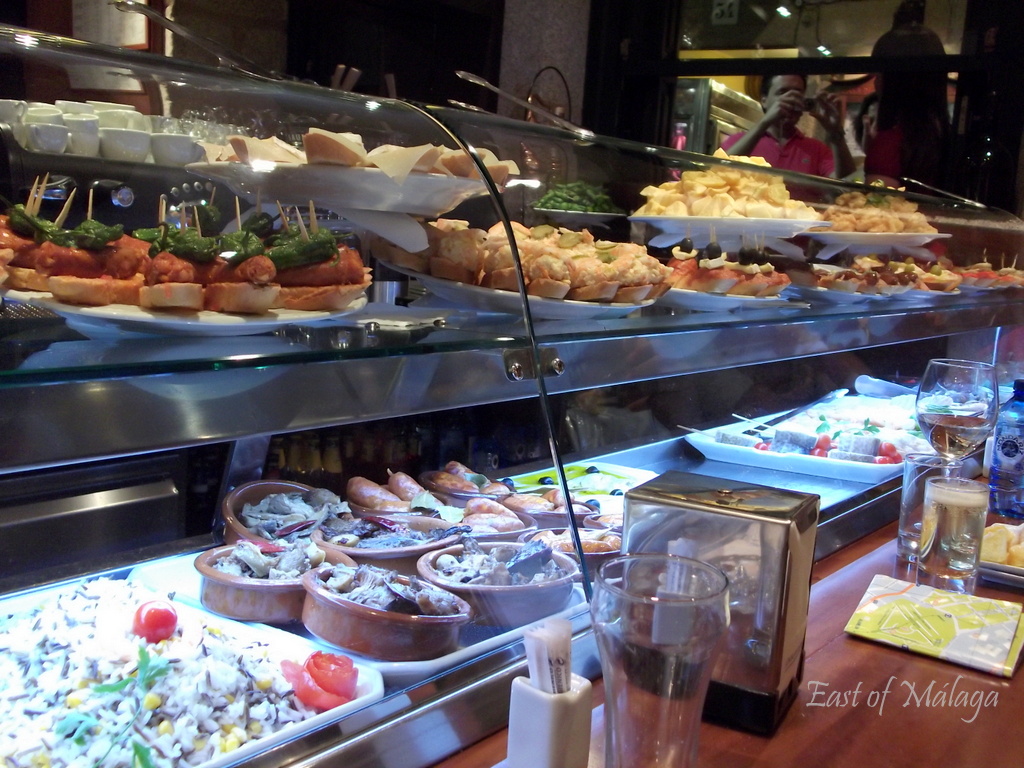
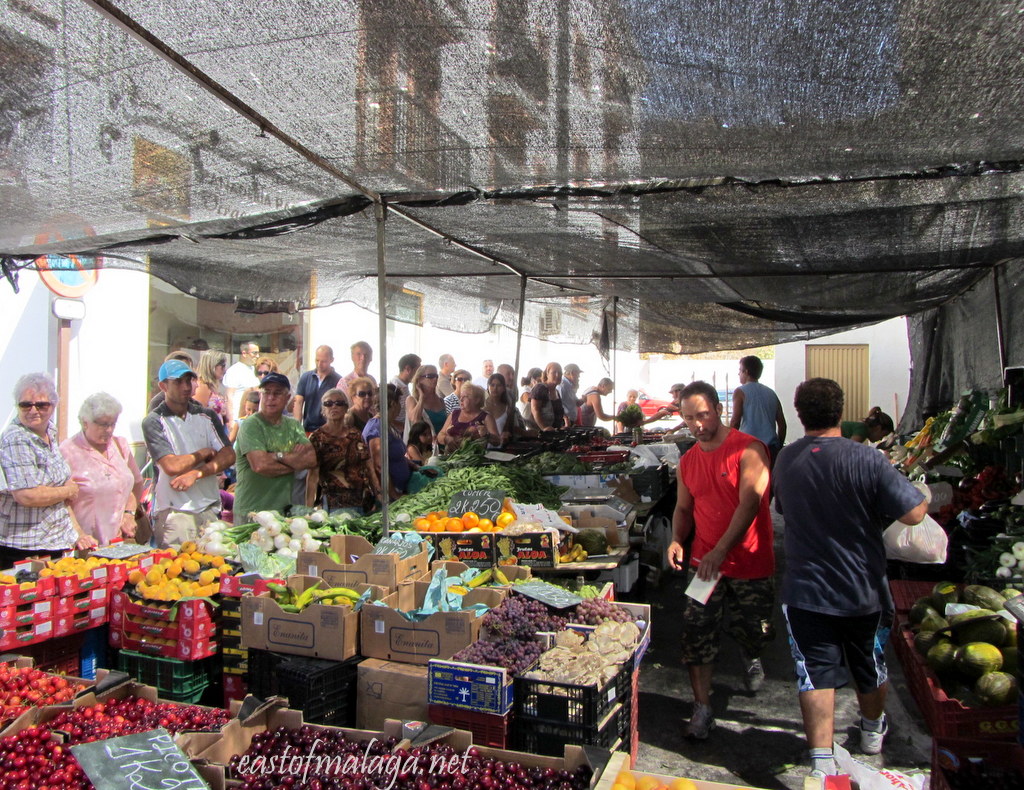
A bar here in southern Spain is very different from a typical British pub.  Although layouts may vary, what you will usually find will be a bar counter, with tall seats around, often with a covered tapas display. This will likely be in two parts, one containing meats and tortillas ready to be heated up and served with your drink, the other with cold tapas and salads. Many bars still serve tapas at an inclusive price with the drink, whilst others serve rather more elaborate nibbles which are charged for individually.

typical tapas bar
One of the main differences with a British pub will be the size of drink. Normally if you ask for a beer (una cerveza) it will be in a smaller glass, either a “tubo” which is a tall tumbler or in a glass not dissimilar to a large wine glass. The only time you will see anyone with a “pint” glass, they will usually be a tourist on the coast.  You will be just as likely to see people at the bar drinking coffee (un café) or a glass of wine (una copa de vino).

Tables away from the bar counter, either inside or outside, are typical café tables with upright chairs, not lounge-type tables and chairs like in British pubs .

There is usually a large display of spirit bottles behind the bar and invariably a leg of Serrano ham on a carving frame.  You should try this typical Spanish  delicacy –  it´s delicious!
Almost everywhere,  customers take all their food and drink and only pay when they are ready to leave.  In busy big city bars, the tapas, usually more sophisticated, will each come with a small wooden skewer and, when you have finished, the barman will count the skewers and charge accordingly.

Tapas to choose

I would recommend you to visit as many bars and cafeterías as possible, especially away from the tourist haunts. Look for places full of Spaniards and litter, in the form of till receipts, on the floor signifying that you have found a good spot.

Some bars, especially on the coast, offer more seafood, but try different ones and you will inevitably find a handful that will become part of your regular tapas trail.

Where´s your favourite Spanish bar?

If you like this article….try also looking here:

The heart of Cómpeta: El Paseo de las Tradiciones

Photographs I love …. and why!
A flowering snapshot of a January day