The Festival of Virgen del Carmen

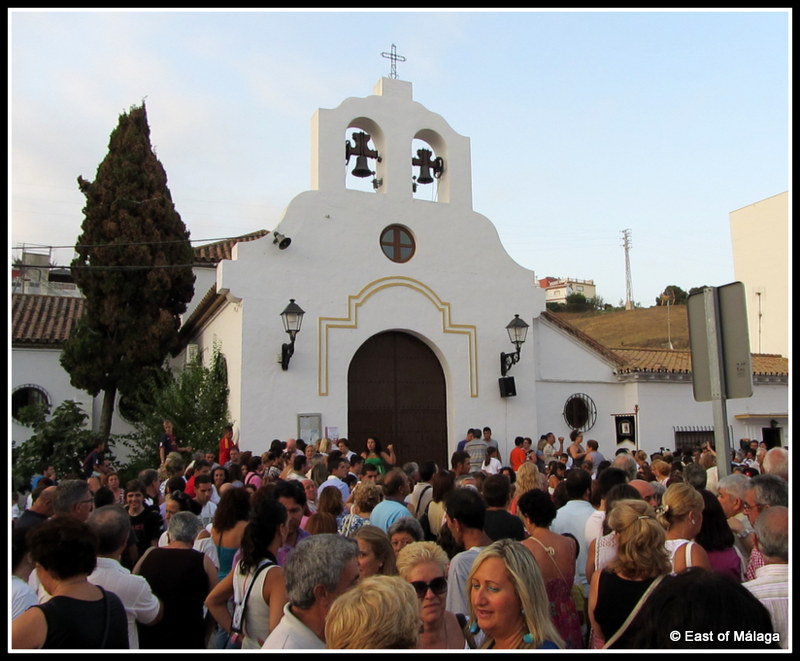
Crowd outside the church waiting for the doors to open

In a festival that dates back several hundred years, many coastal towns and fishing villages in Spain celebrate the Fiesta del Día de Virgen del Carmen as the protector of mariners and fishermen.

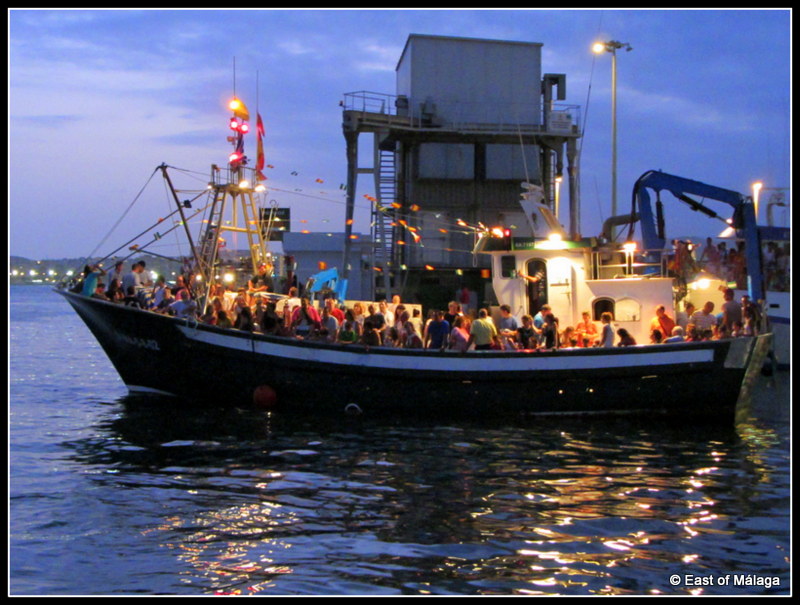
Every year around 16th July, spectacular maritime processions of decorated fishing boats known as jabegas head out to sea carrying their precious cargo – an effigy of the Virgen del Carmen, to bless their fishing grounds.

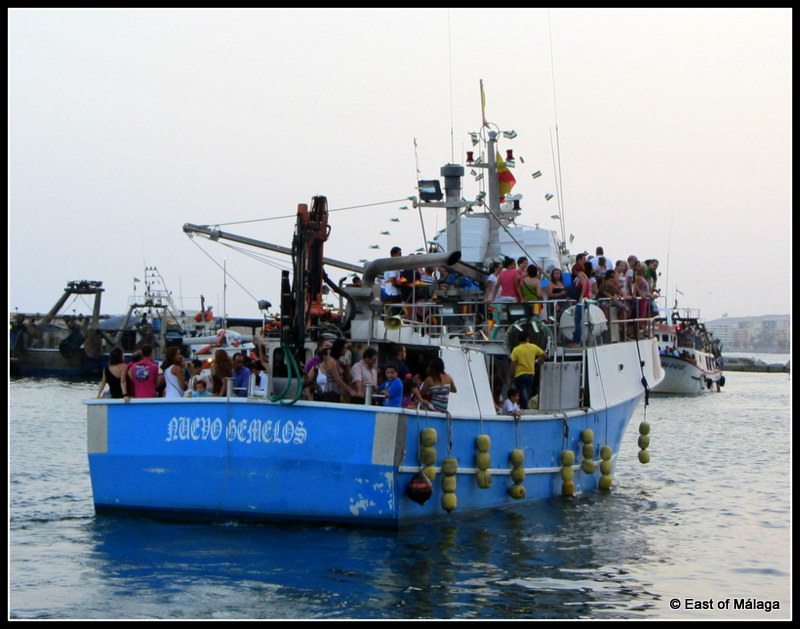
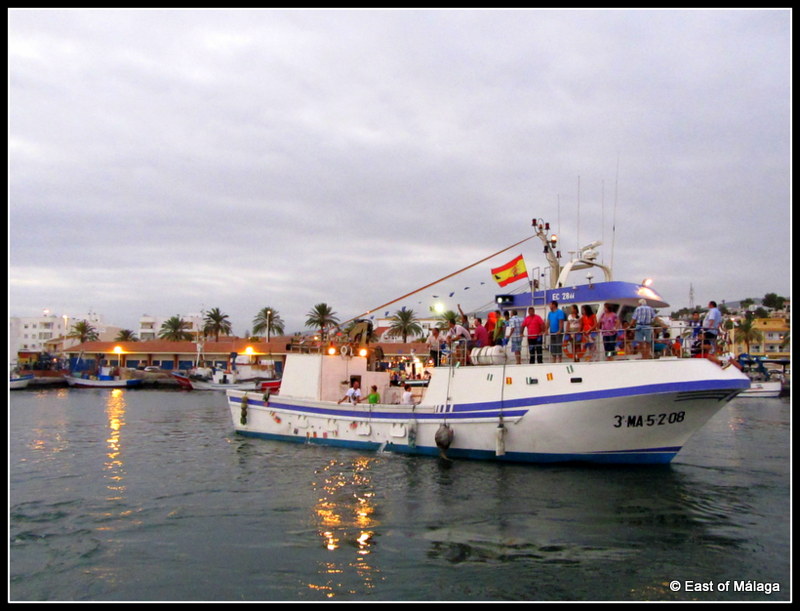
The vessels, many decorated with brightly coloured flags and bunting, each crowded with people, gather under the late dusk sky patiently waiting for the official party of sailors, fishermen, clergy and authorities to bring the Statue of the Virgin on board the boat that will lead the procession.

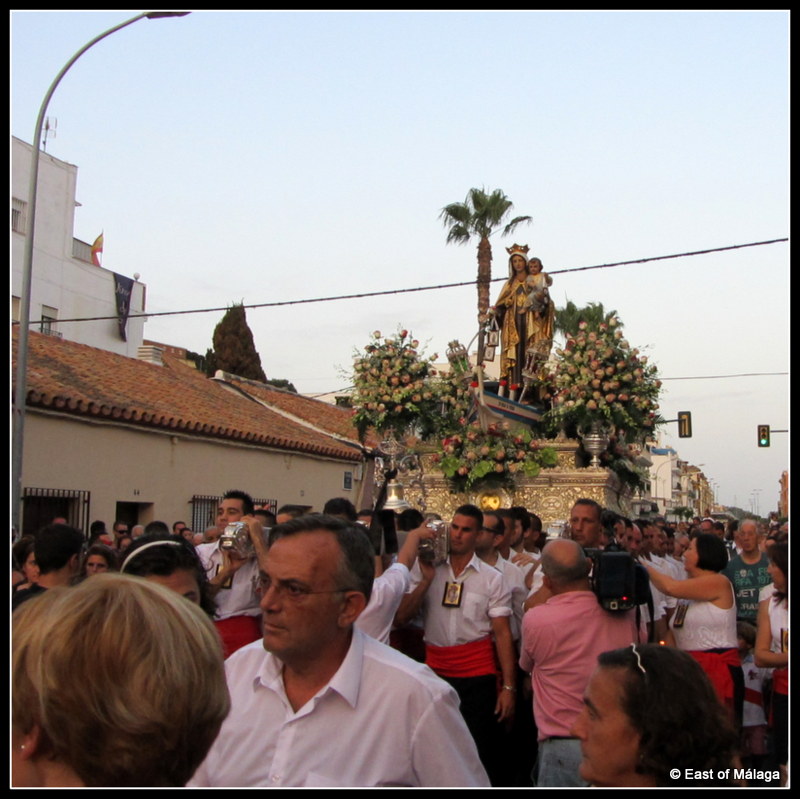
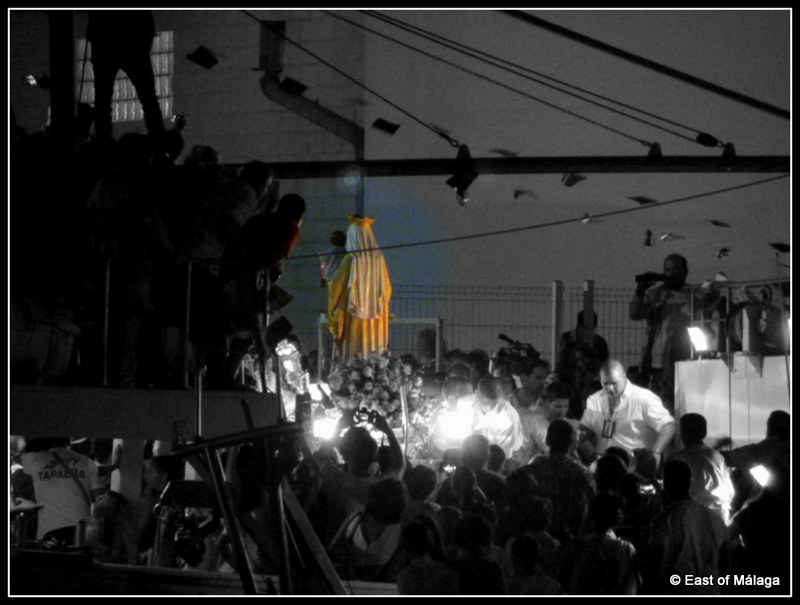
But before that, the Virgen del Carmen is paraded through the streets for all to see.  There is an air of excitement with people surging forward for the best views as the parade passes by, before making its way to the water´s edge.
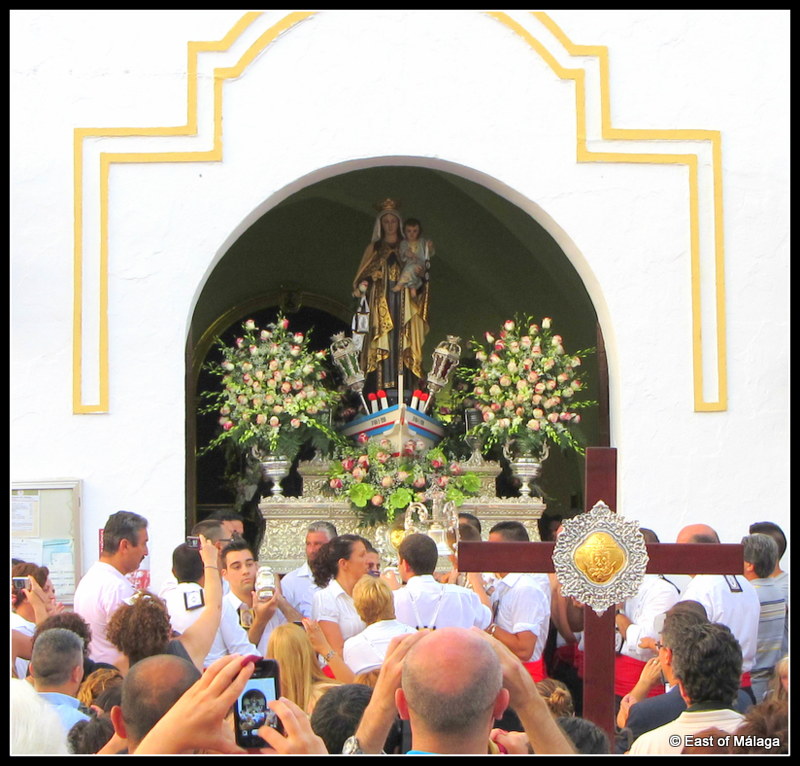
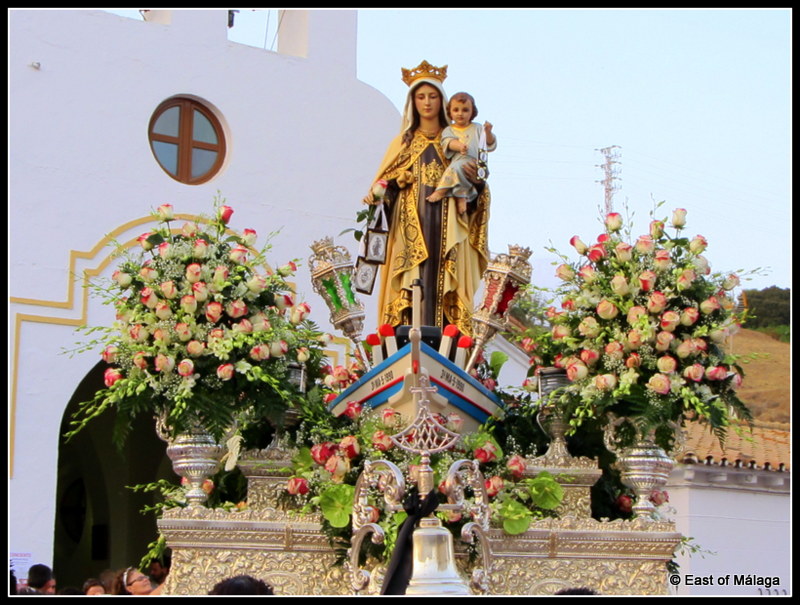
Doors open - and there she is!

Virgen del Carmen 2012

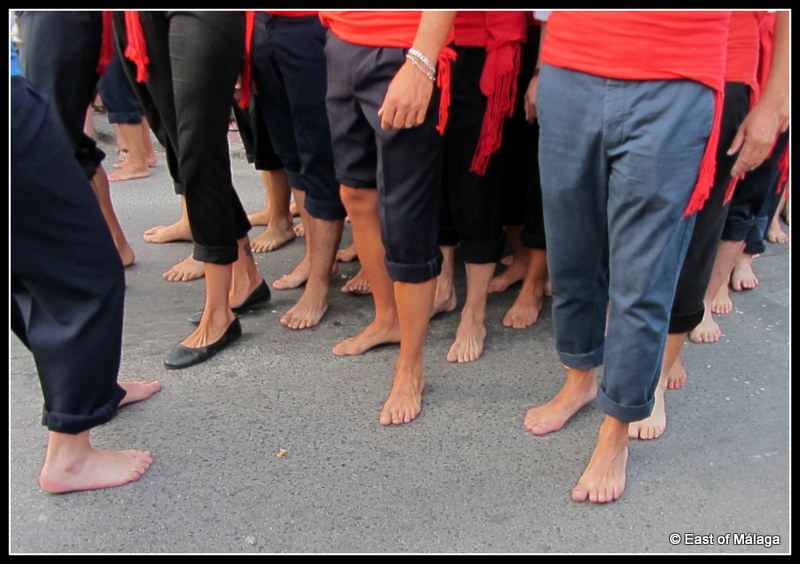
Carrying the statue with bare feet

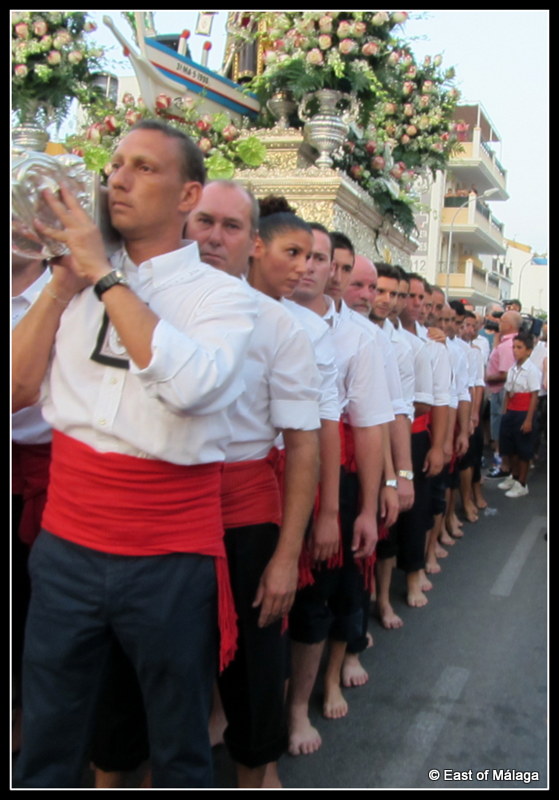
The line of bearers carrying the Virgen del Carmen

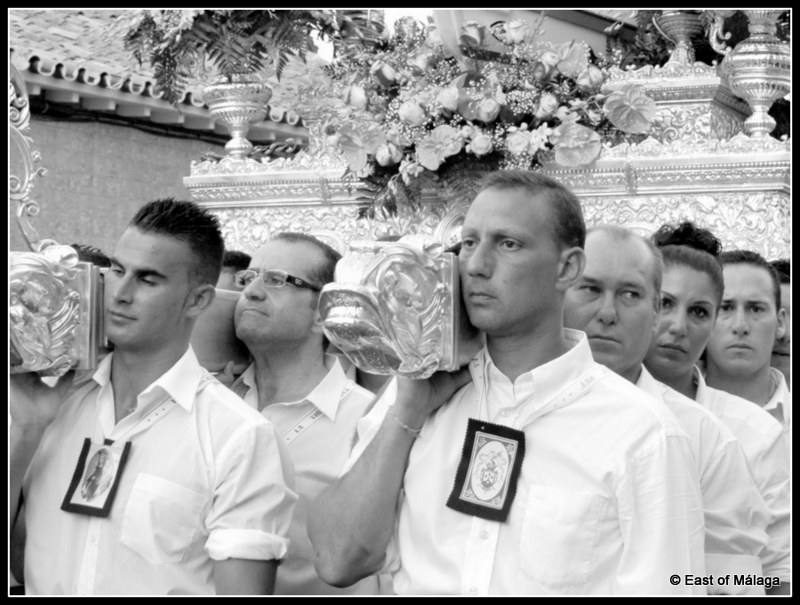
Solemn faces as they carry the statue through the streets

The crowds jostle for position to get the best view

Crowded boats waiting for the Virgen del Carmen to arrive at the harbourside

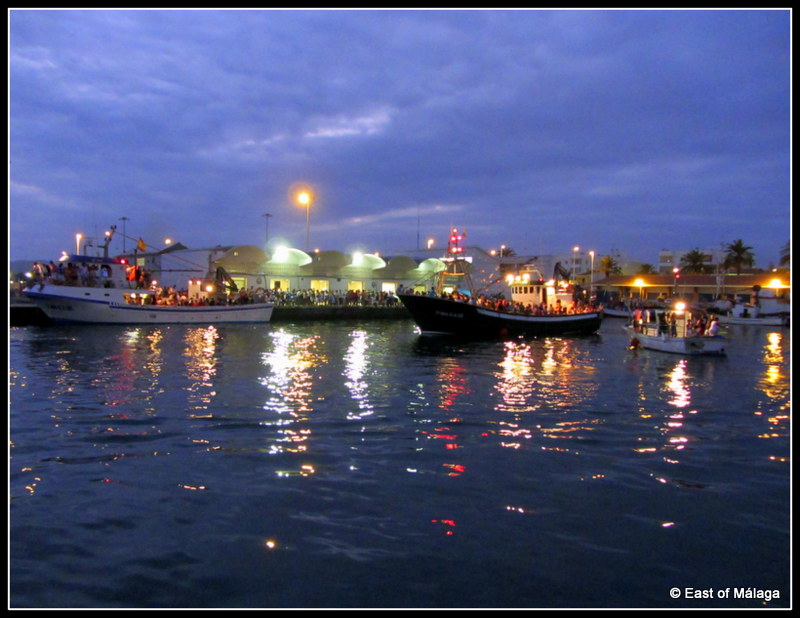
Caleta de Velez harbour as dusk falls

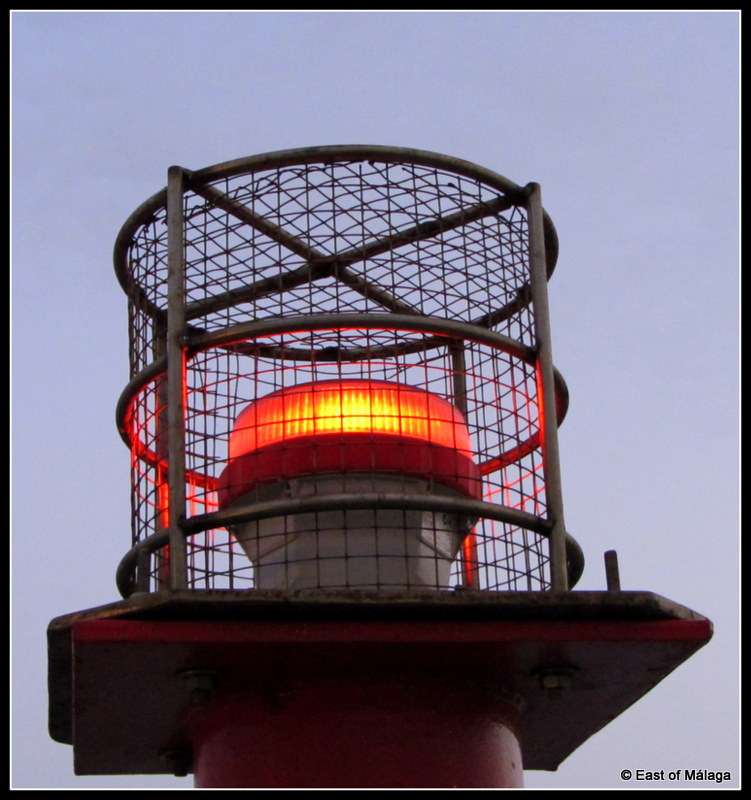
Harbour marker beacon flashes

Boats awaiting the arrival of the Virgen del Carmen

Excited people crowd onto the boats

The statue of Virgen del Carmen being loaded onto the boat

Celebrations vary slightly from town to town along the coast, east of Málaga.  In La Caleta de Vélez the parade is held each year on the feast day of the Virgen del Carmen, 16th July.   Some towns and villages celebrate the following weekend, but there will be posters displayed in local shops, announcing the day and time, if you want to join in the festivities.

My photographs show last year´s celebrations in La Caleta de Vélez, situated at the mid-coastal point of La Axarquía region.

In the video below, you can see the festivities held in 2011 in the town of Torre del Mar, just along the coast from La Caleta de Vélez.

Which is your favourite Spanish festival or fiesta?


Whilst you´re here, why not have a look at the following articles too?

The heart of Cómpeta: El Paseo de las Tradiciones

Patatas a lo pobre: Poor man´s potatoes

Weekly Photo Challenge: The Golden Hour

Death in the Afternoon: The Round Cemetery of Sayalonga

I love discovering and exploring burial sites wherever I am in the world, not because of any morbid fascination with death, but in the expectation of visually recording their beauty, history and existence.  To me, cemeteries are places where art, history and world religion meet. 

Of course, visiting the graves of our ancestors is a ritual dating back as long as bodies have been buried, allowing families not only to grieve but also to honour and celebrate lives that have passed. 

In Spain, cemeteries still form an integral part of community life.

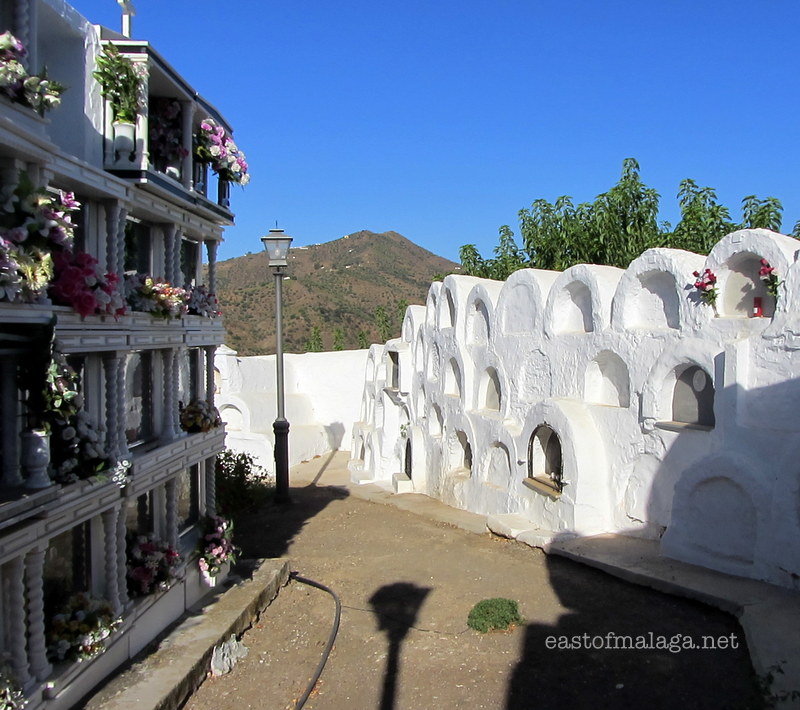
The Round Cemetery, Sayalonga, Spain

The only round cemetery in Spain can be found in Sayalonga, a typical whitewashed village some 40 kilometres east of the city of Málaga and 9 kilometres from the coast, deep in the heart of the Axarquía region.  You might remember Sayalonga from my recent post about the narrowest street in the Axarquía.

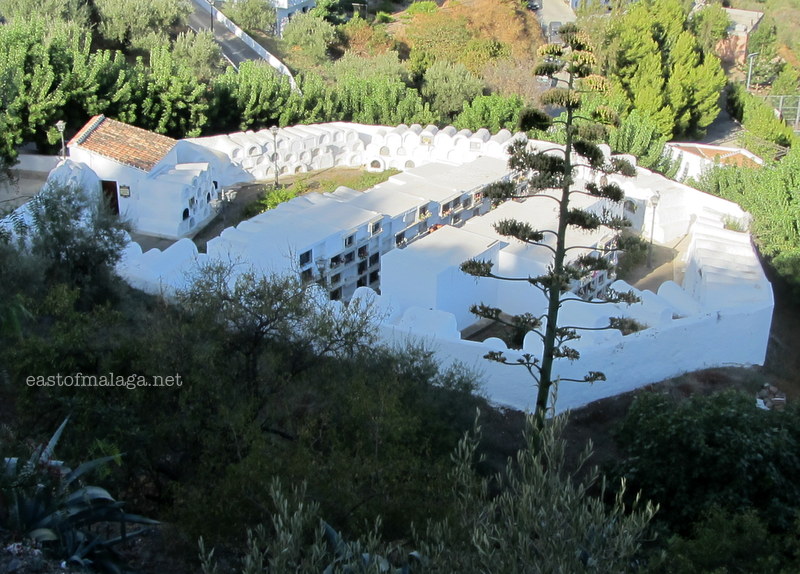
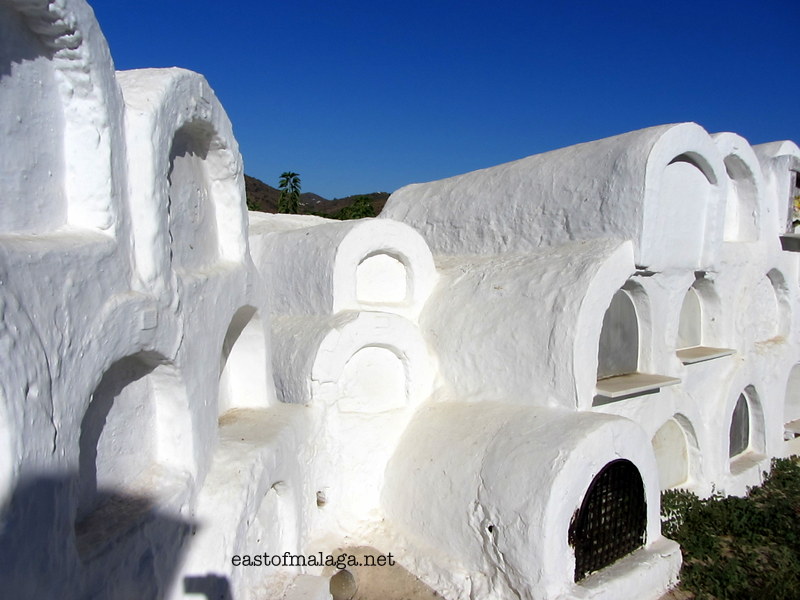
Despite it’s name, the outer walls of Cementerio Redondo, as you can see from the photos, are actually octagonal with rows of parallel, oblong traditional graves added more recently, in the centre.  The older, individual dome-shaped tombs are constructed on top of each other giving the impression of a giant, white honeycomb.

The Round Cemetery, Sayalonga, Spain

Originally, the village cemetery was in the courtyard of the local church of Santa Catalina, however, the Round Cemetery was constructed during the first half of the 19th century and, for hygiene reasons, placed just outside of the village limits.

The motive for this curious shaped cemetery isn’t known, but one explanation is that it was built in imitation of the old cemetery.  I prefer the more romantic interpretation that it was so that the dead could not turn their backs on one another.

There is a small visitor centre at the entrance, which shows and explains the history of the cemetery to more than 3000 tombstone tourists each year.

So, where is Sayalonga’s Cementerio Redondo?

About a forty minute drive east of the city of Málaga along the A7-E15 Autovía del Mediterraneo to km 277, take the exit signposted A 7206 inland towards Algarrobo (pueblo), Sayalonga and Cómpeta.  Stay on the A7206 through the village of Algarrobo and drive up the winding mountain road for a further five minutes until you reach Sayalonga.

There is a mirador (viewpoint) on your left as you are leaving the village heading towards Cómpeta, which gives a good view of the Round Cemetery.

The Round Cemetery, Sayalonga, Spain

Are you a fellow taphophile?  Do you enjoy visiting cemeteries when you are on vacation?  Where’s the most unusual cemetery you’ve ever visited?

Related posts:

Weekly Photo Challenge: Curves

The Day of the Dead: A Celebration of Life

Sayalonga: The narrowest street in the Axarquía

Zafarraya Pass: Walking with Neanderthal Man

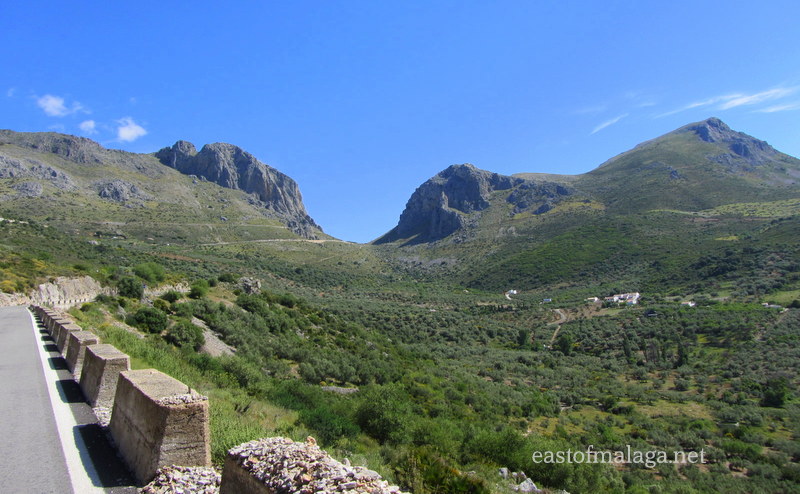
Zafarraya Pass, Spain

The spectacular U-shaped Zafarraya Pass (El Boquete de Zafarraya) which marks the boundary between the provinces of Málaga and Granada can be seen for miles around.   Standing impressively over 900 metres above sea level, the Pass has been used for centuries as a key route through the sierras, linking lands south-west of Granada, with the towns and villages along the coast, east of Málaga.

Although I have made the journey through the Pass many times, I never fail to be impressed by this ancient route through a huge cleft in the mountain spine of the Sierra de Alhama.

The name Zafarraya may have come from the Arab Fahs al-raiyya meaning “field of shepherds”, although there are people who think it derives from Saiarraya, meaning “territory limit”, referring to the fact that at one time Zafarraya belonged to the province of Málaga.

To get there, we drove north from the A7/E15 Autovía del Mediterraneo, past the town of Vélez-Málaga and briefly alongside Lake Vinuela, before heading up the A402, a winding mountain road towards the Pass.

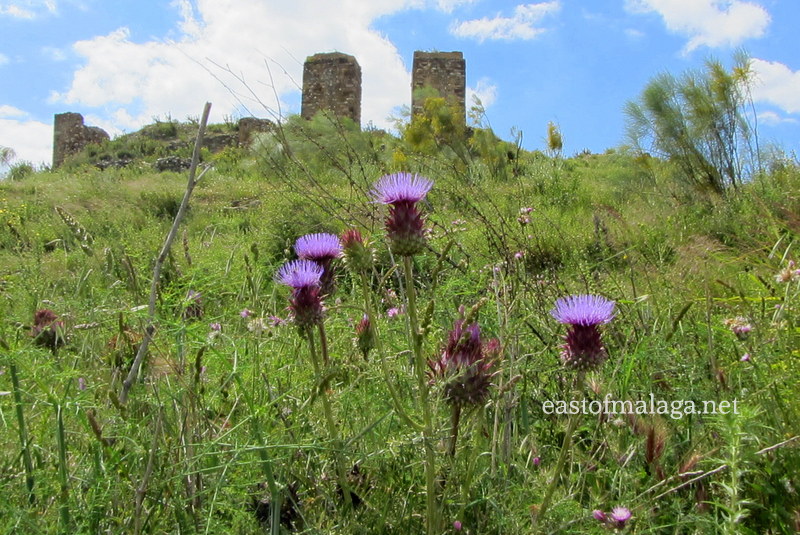
Zalia castle near Zafarraya, Spain

Along the way we stopped at the ruins of Zalía castle (castillo de Zalía) which sits on a hill opposite the white Andalucían village of Alcaucín.  It is thought that the Phoenicians established the foundations of the fortress, but the castle was later built by the Moors around the 10th century to guard the ancient Nasrid Route through the Zafarraya Pass from Granada to Málaga.

Even though many of the wildflowers I have told you about over recent weeks have now started to die back near to where I live, they are still flourishing in abundance further inland, so we stopped many times to take in the natural beauty as well as many photographs.

In 1979, a cave was discovered near to the Zafarraya Pass (Cueva del Boquete de Zafarraya), with a subsequent archaeological dig unearthing the best preserved remains of Neanderthal man (radiometrically dating back 30000 years) ever found in Western Europe.

Importantly, the find was one of the first pieces of definite evidence showing that Neanderthals co-existed with modern humans for almost 10,000 years, disproving earlier theories that they had been quickly replaced by modern man.

Mandible and femur from ZafarrayaImage from: Museo de Málaga

Tunnel through the rock, Zafarraya

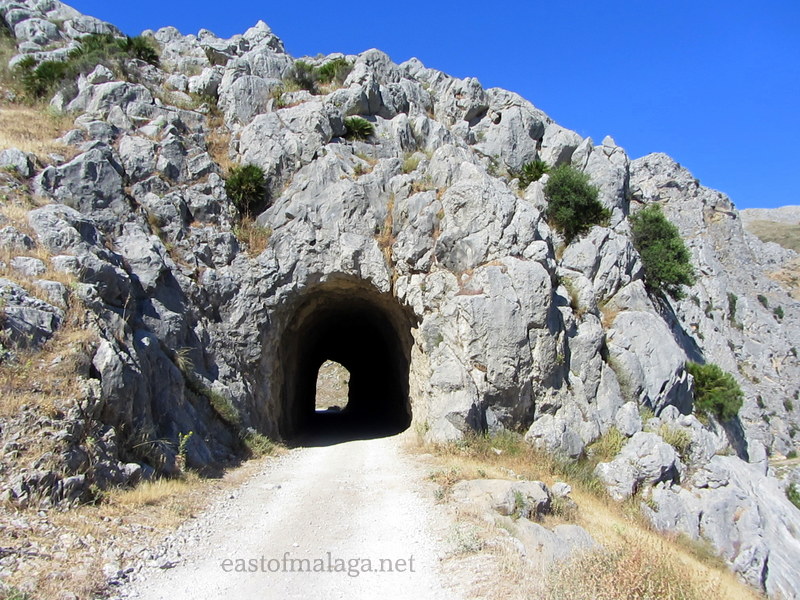
As we approached the gap in the mountains, the entrance to a small tunnel through the rock can be seen, which was once part of the former Periana to Zafarraya railway line, abandoned fifty years ago.  The tunnel is now used by walkers who enjoy strolling along the former railway line, which is now a dirt road.

Old railway bridge, Zafarraya, Spain

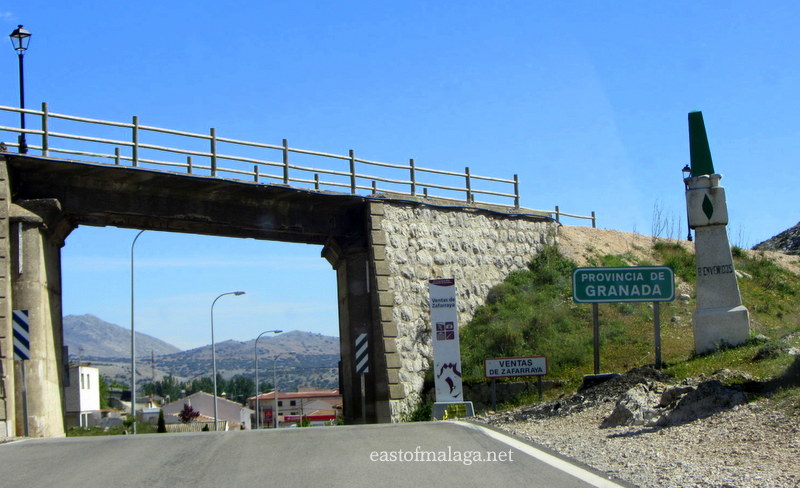
The old railway bridge across the road as you drive through the Zafarraya Pass is a more obvious relic of the old railway line.

It is here that you can find the village of Ventas de Zafarraya, so named because in times long past, travellers would stop for food and shelter at one of the local inns (ventas), where they could also exchange and refresh their weary horses and oxen, before continuing on their long journeys.

These days, Ventas de Zafarraya is almost entirely dedicated to vegetable growing on the fertile, flat land just beyond the village, where many different vegetables including lettuces, artichokes and beans are grown up rustic canes cut from nearby river banks.

Many of them are not much bigger than my little veggie plot at home!

Related articles:

Classic Andalucía: La Alhambra, Granada

Wildflowers of Andalucía: Dutchman’s Pipe

The Green, Green Vegetables of Home

Seriously: Would you buy these products?

I often have a little chuckle to myself when I am shopping in a Spanish supermarket.

Seriously, would YOU buy some of these products?

Nelly hairspray

Nelly hairspray

Bonka coffee Bonka coffee

Bimbo bread

Bimbo bread

Colon detergent

Now, call me fussy, but I can’t bring myself to wash my clothes in Colon Vanish washing detergent!

Flota washing powder

or (possibly) even worse, Flota Spa washing powder!

Somat diswasher tablets

But, being a northern lass (originally from Lancashire in England), I always find some consolation knowing that at least I can always find Somat f’ert dishwasher!  LOL


Have you spotted any products in other countries that sound strange or amusing in your own language?  You will let me know, won’t you?  LET’S HAVE SOME FUN!

Other posts you might enjoy:

Roadside Advertising: Not just a Load of Bull

Travel Theme: Signs

Classic Andalucía: La Alhambra, Granada

East of Málaga: Old men on benches

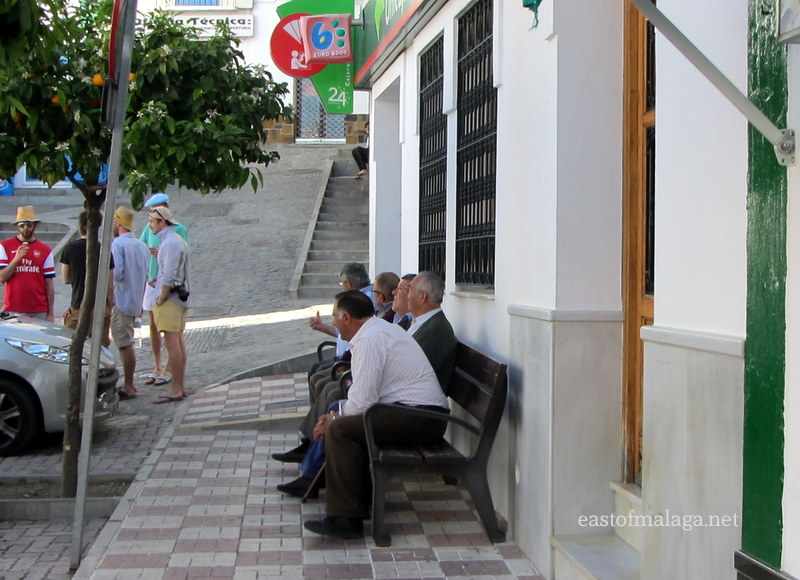
Old men sitting on a bench - Competa, Spain

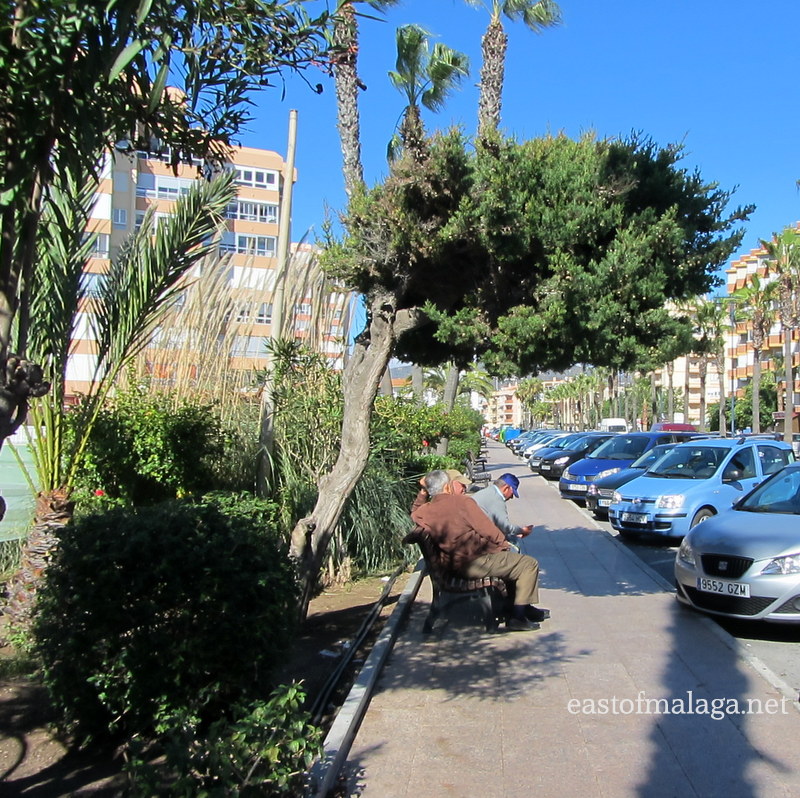
Old men on bench - Torrox Costa, Spain

Sometimes they will be wearing cardigans.   Often they have on their hats.

Sometimes they sit in the shade and other times in the sun (depending on the time of year).

One thing´s for sure – if there´s a bench in one of the white villages of Andalucíathere will be some old men sitting on it!

Bless ´em!

Related posts:

Travel Theme: Benches