Foreign: Not all those who wander are lost

There are no foreign lands. It is the traveller only who is foreign. ~ Robert Louis Stevenson

map of the world sculpture

This simple sculpture of a world map (mapa mundi) can be found within the grounds of Málaga´s Botanical Gardens.

Being an English expat living in Spain, many things that I once might have considered foreign, have now become the norm.

Besides, the concept of “foreign” is all relative, isn´t it?

So, here are some things that you might think are foreign, but which are now part of everyday life here in amazing Andalucía!

Spanish writing on tee shirt

This young girl was wearing her Yo Soy Español  (I am Spanish) tee shirt to watch the Spanish national team play football on TV during Euro 2012, at the La Noche de San Juan celebrations.

Sunshine, sea and palm trees

Sunshine, the blue Mediterranean Sea and palm trees off the Balcón de Europa in Nerja, Spain.

cactus flowers

Stunning yellow blooms of a cactus plant.

Spices at a Spanish streetmarket

Herbs and spices for sale at a Spanish street market.

Delicious paella, freshly-made each day over wooden fires.

Spanish street sign

Street sign in the village of Torrox, which claims to have the best climate in Europe (mejor clima de Europa).

This post is my response to the Weekly Photo Challenge: Foreign.


Other photo challenges you might enjoy:

CBBH monthly Photo challenge: Windows

Travel Theme: Curves

Weekly Photo challenge: Near and Far
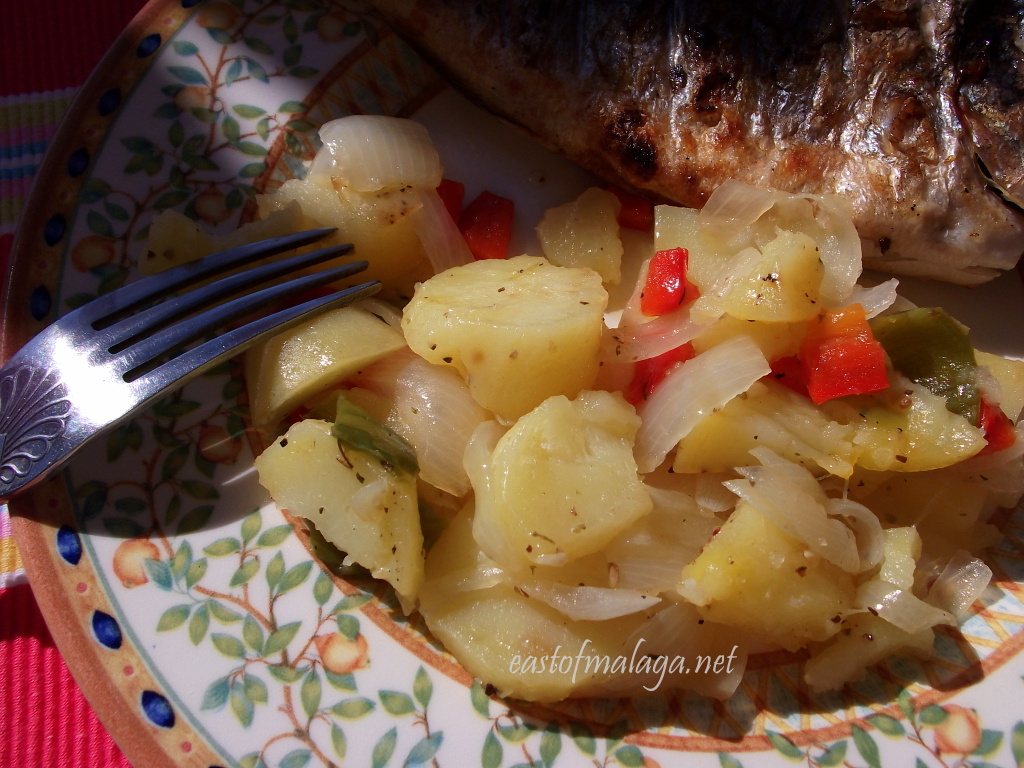
 

Patatas a lo pobre: Poor man´s potatoes

Patatas a lo pobre is a classic Andalucían dish that can be served either as tapas, or to accompany a wide variety of fish and chicken dishes.

I have my own version that I sometimes cook in the microwave, using less olive oil than in the traditional way of cooking in a frying pan.  It is just as delicious!

Ingredients (adjust according to taste/numbers):

Potatoes, sliced

Onions, sliced

Garlic, chopped

Green peppers (Italian), sliced

Red pepper, sliced  (I just add a small amount for the colour)

Salt and pepper

Mixed herbs

Extra virgin Olive oil

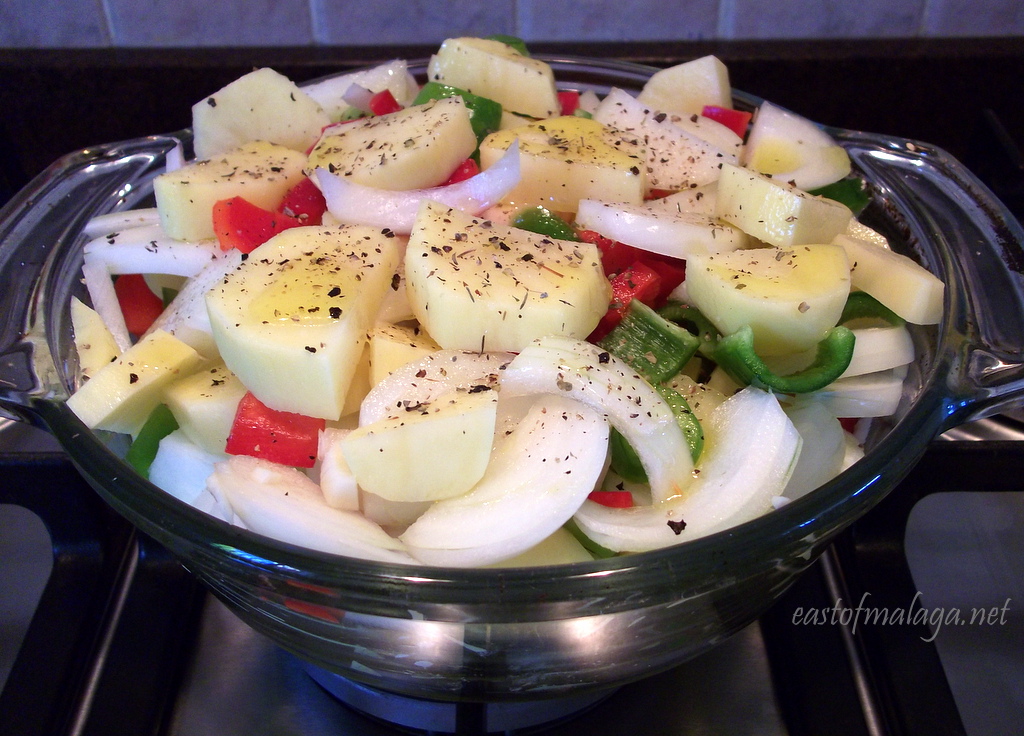
Patatas a lo pobre - ingredients

Layer the ingredients into a glass Pyrex-type dish, drizzle with olive oil, cover with pierced cling-film and microwave on full power for approximately 20 minutes (or until potatoes are cooked).  I usually check about halfway through, give it a little mix around and add more olive oil if I feel I need to.

Que aproveche!

Have you ever tried cooking tapas, at home?

You might also enjoy these posts too:

Fresh Figs Stuffed with Goat´s Cheese and wrapped in Smoked Bacon

Let’s talk about tapas!

All at sea with the Virgen del Carmen

Roadside Advertising: Not just a Load of Bull

Toro de Osborne, Spain

Around many parts of Spain, you will see the famous Osborne Bull (Toro de Osborne) silhouetted against the impossibly blue sky.  The 14 metre high black image of a bull in semi-profile, has come to be regarded as the unofficial national symbol of Spain.

First created in 1956 and erected close to major roads by the Osborne Sherry Company to advertise their Brandy de Jerez, the bulls used to feature the brand name “Veterano” in red, emblazoned across them.   In 1994, a law in Spain was passed which prohibited roadside advertising which meant that the hoardings would have to be removed.  However, there was a public outcry as the bulls had become much loved, so in order to comply with the law, the bulls were completely blacked out to remove all reference to the original advertisers.

Only two bulls remain in Spain with the word “Osborne” still written on them.  One is at the airport of Jerez de la Frontera in Cadiz province,  and the other is in the nearby town of El Puerto de Santa María, where the headquarters of the Osborne company can be found.

The image of the bull is now proudly displayed in stickers, key rings and memorabilia throughout Spain, and at sports events where a Spanish team or individual take part, the bull is embedded by supporters into the Spanish flag in the manner of a coat of arms.

Flag of Spain with Osborne´s bull

       [Image credit:  CC Wikipedia]

There are 23 of these bulls to be found within the region of Andalucía – so keep your eyes peeled on your travels!

This is my response to the WordPress Photo Challenge: Silhouette

You might also like to look at:

The Buddhist Stupa of the Eastern Costa del Sol

When life gives you curves, flaunt them!

The heart of Cómpeta: El Paseo de las Tradiciones

Playing the Spanish Markets

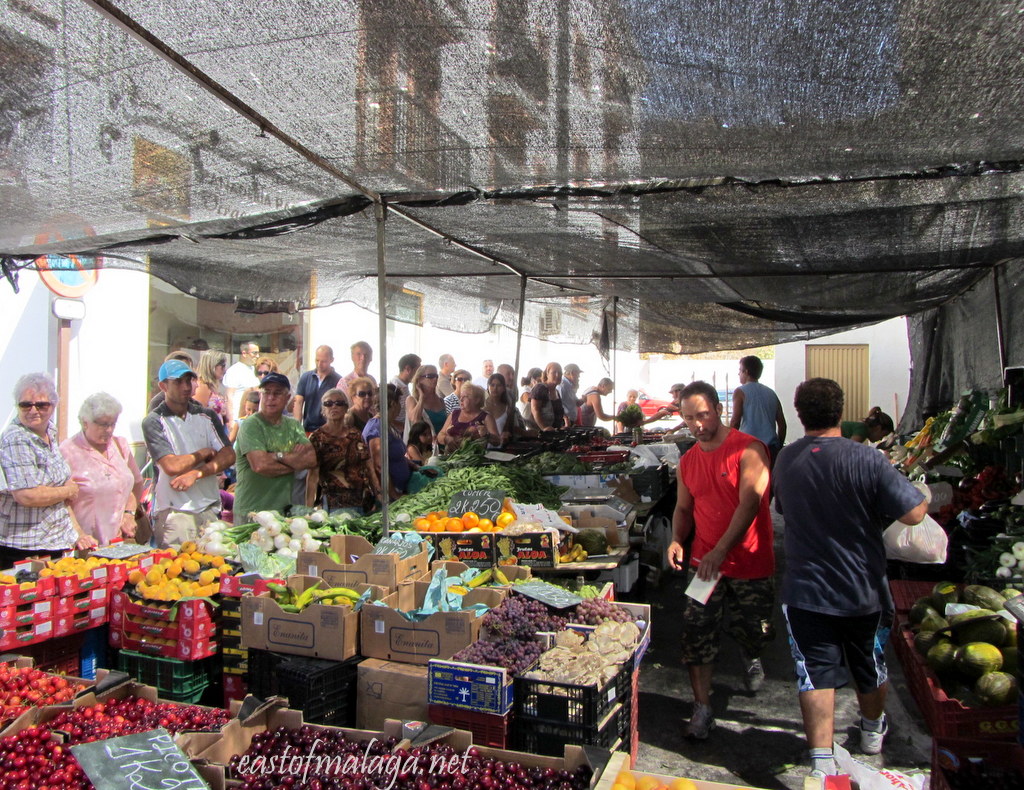
Busy market stall at streetmarket in Spain

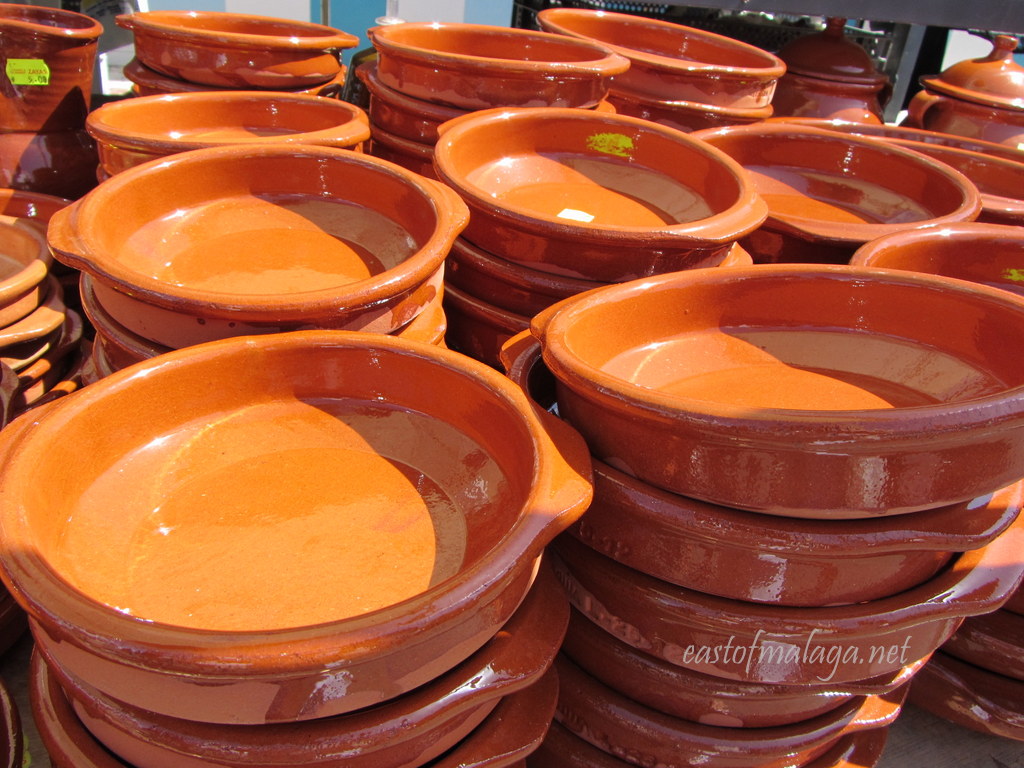
Terracotta cazuelas at a Spanish streetmarket

Colourful purses and handbags for sale at a Spanish streetmarket

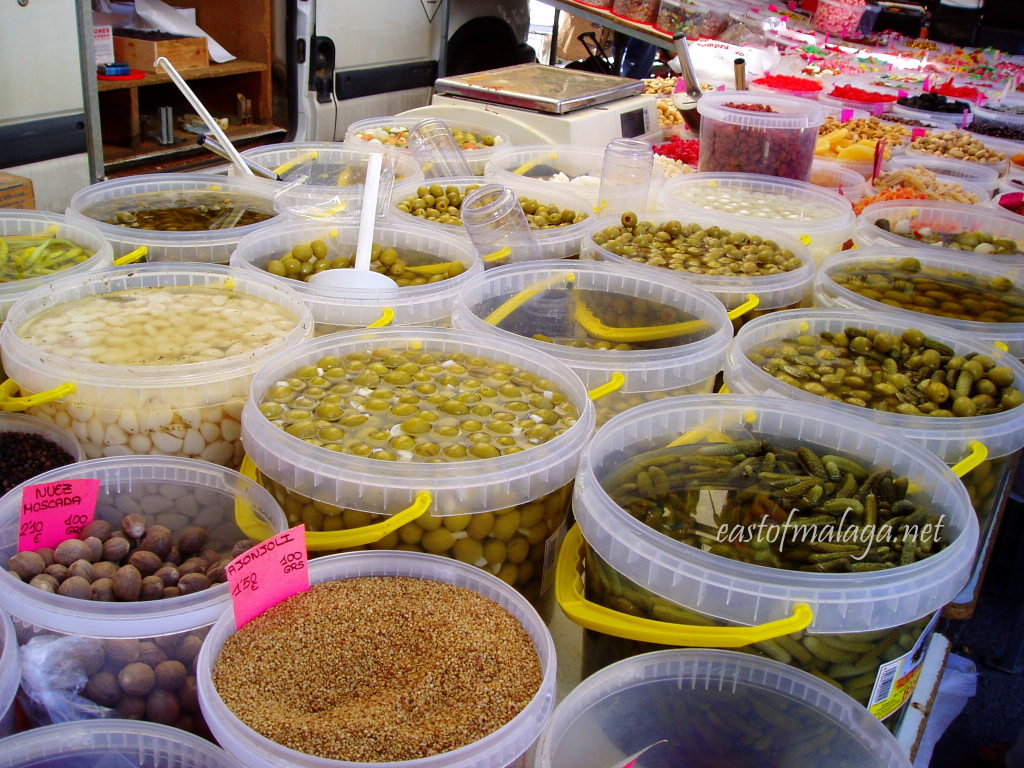
Olives for sale at Spanish market

Especially in these times of austerity, everyone is searching for a bargain. 

Open-air street markets offer a true cultural experience, where you can really get amongst the locals whilst trying to make your euros stretch that bit further.   Prices may not always be clearly marked so you may be able to negotiate a lower price.  It´s worth a try – you can always walk away.

The stalls are often covered with makeshift shades to protect the goods and customers from the fierce heat of the sun.

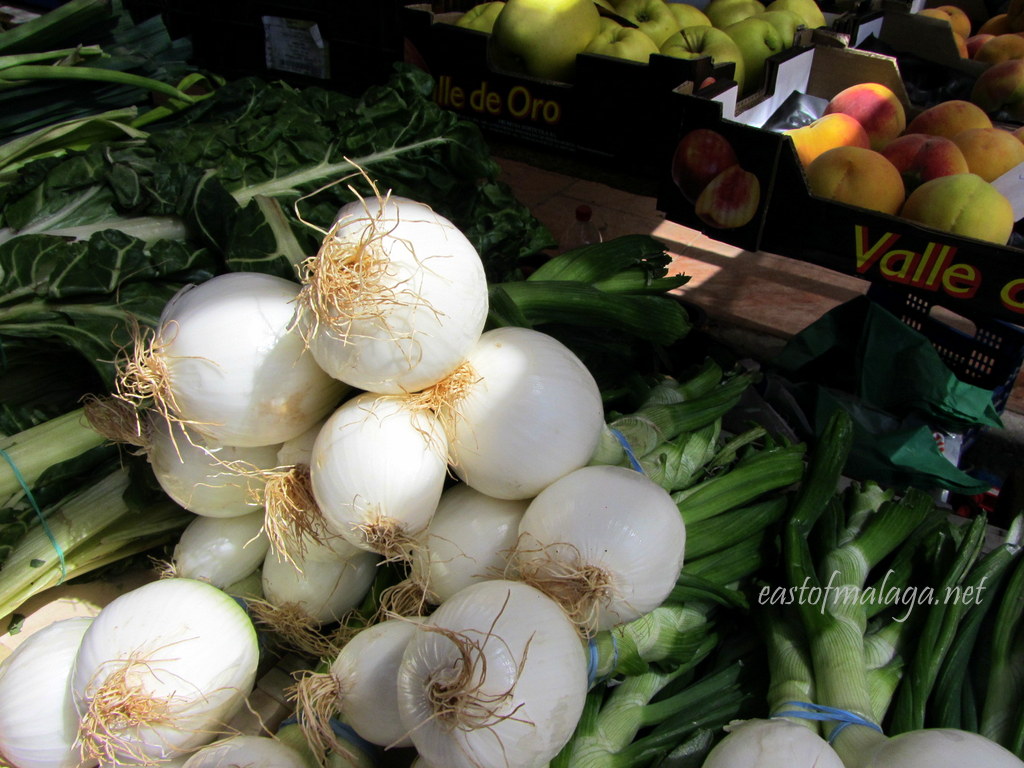
Huge fat onions at the Spanish streetmarket

Herbs and spices at a Spanish streetmarket

Many coloured tee-shirts on sale at the Spanish market

Fresh cherries only €2 per kilo at Spanish streetmarket

Spanish street markets are more informal than supermarkets, but bear in mind that the vendors are salespeople, not just cashiers, so they may approach you to sell goods you may or may not want.  Keep smiling!

Click HERE to discover where and when there are street markets in the Axarquía area, east of Málaga. 

Girls flamenco shoes for sale at a Spanish streetmarket

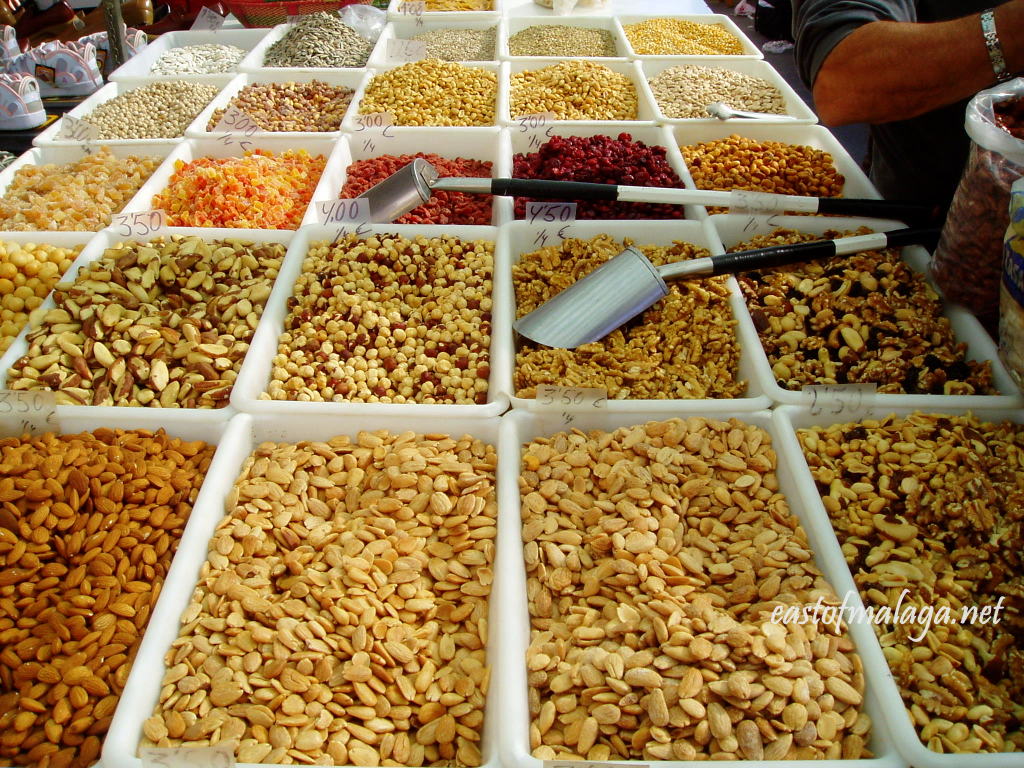
Nuts and dried fruits for sale at Spanish streetmarket

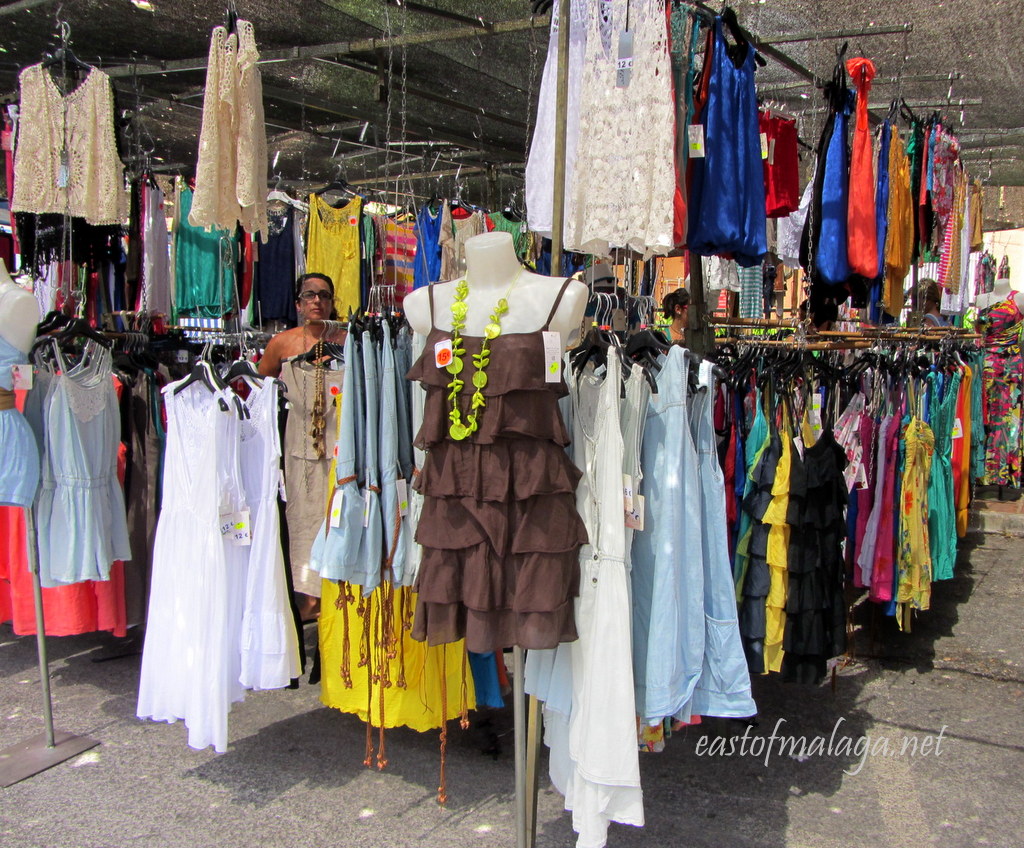
Lots of ladies clothing for sale at the Spanish streetmarket

Fresh fruit and veg for sale at a Spanish streetmarket

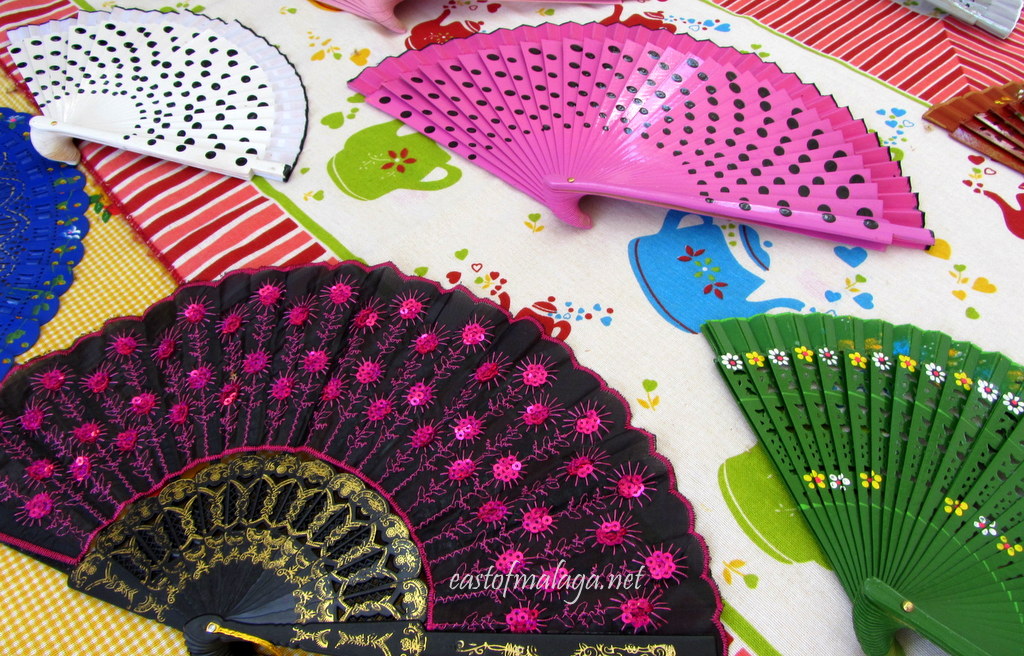
Colourful Spanish fans at the streetmarket

This post is my response to the Travel Theme: On Display

Related posts:

Streetmarkets around the Axarquía – when and where

Cost of Living in Spain – east of Málaga

Photographs I love, and why

Goats on the road: I kid you not

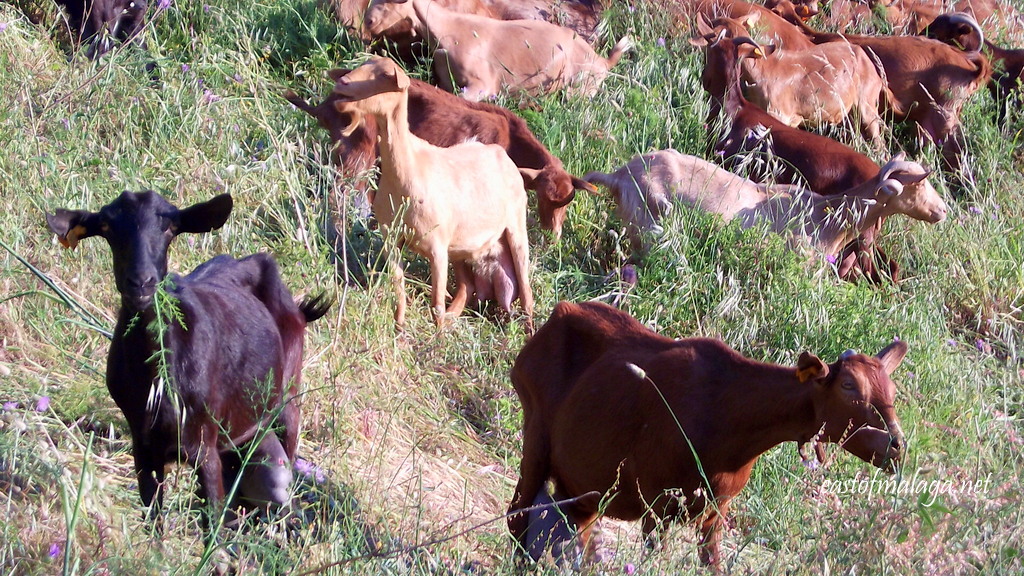
One of the unexpected delights of living east of Málaga, is coming across herds of goats whilst negotiating the picturesque, curvy mountain roads.   The beauty and tranquility of the local landscape is enough to lift the spirits, even on the greyest of days, especially when you come face to face with a herd of ninety goats meandering along the road.

I love meeting the goats and always wind down my car window to say “hola” and pass the time of day with the goatherd, as well as telling the goats what good girls they are!

It´s amazing how even though some of the goats climb up the rocks above the road to nibble at whatever plants take their fancy, and some stray perilously close to the edge, they all stay pretty much together.   I dread to think how many would be left in the herd if I was in charge of them!

The sight of a herd of goats never fails to make me smile – no matter how often I see them!

Goats on the road to Cómpeta, Andalucía, Spain

Goats on the hillside outside Cómpeta, Andalucía, Spain

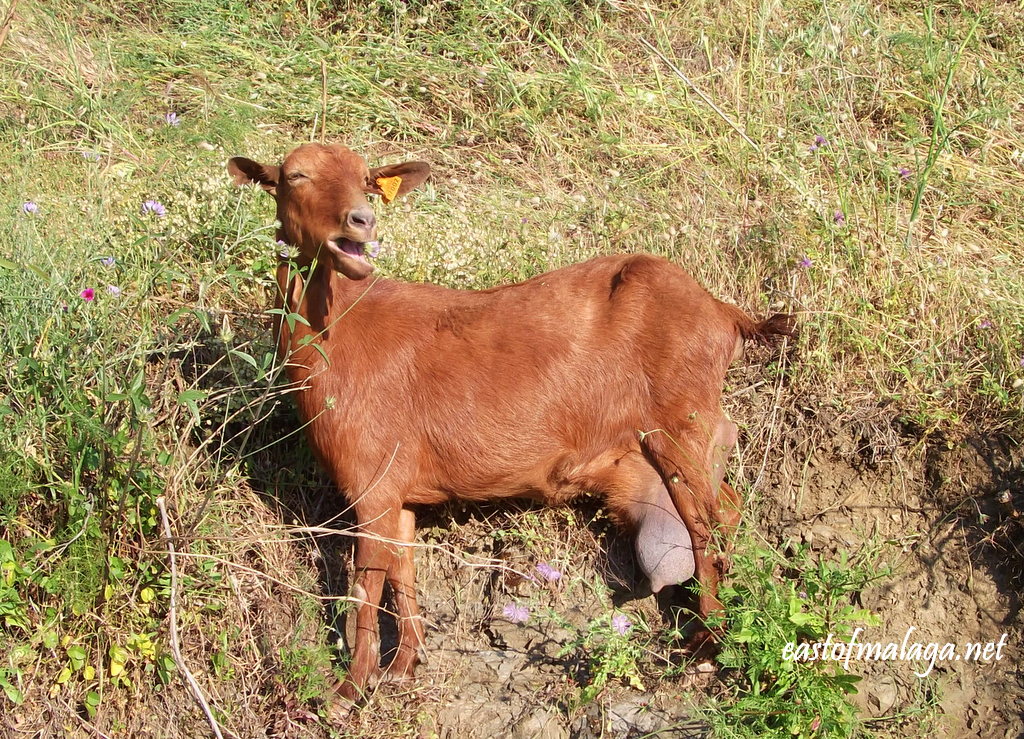
Goat on a hillside outside Cómpeta, Andalucía, Spain

This post is my contribution to the WordPress Photo Challenge: Happy and to Travel Theme: Animals


Whilst you´re here, why not have a look at:

East of Málaga: So near, yet so far away

All at sea with the Virgen del Carmen

Photographs I love …. and why!