The Fat One beckons

[Image: alvy]

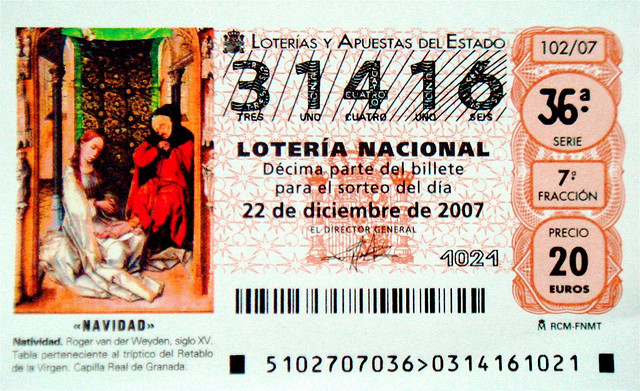
On December 22nd each year, all Spanish eyes are focused on El Gordo (the Fat One) Christmas lottery draw.

The three-hour televised event for ‘The Fat One‘  will bring the whole country to a near standstill as millions will leave work and pack bars to watch it.

The winning numbers are drawn by school children, from two large gold drums in the Grand Salon of the Spanish National Lottery in Madrid.

Tough economic times have resulted in an increase in the number of people buying tickets for this year´s lottery draw.  Ticket sales are reported to be 29% higher than last year, with  each Spanish citizen spending an average of €70 in an effort to win the top prize.
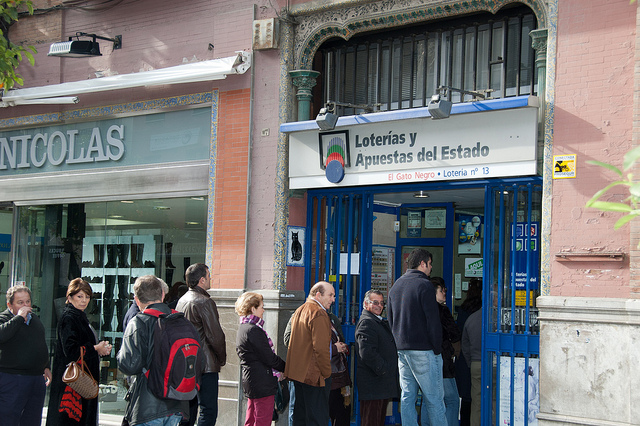
[Image: (cc) Paul and Jill ]

El Gordo, the biggest lottery in the world, will sprinkle €2.5 billion in holiday cheer across the country today, handing out winnings eagerly welcomed by a nation facing 20 percent unemployment.

Have you got your ticket?

Buena suerte!

You might also enjoy:

Christmas in Spain: Féliz Navidad

Spain’s Christmas Lottery: ‘El Gordo’ or ‘The Fat One’

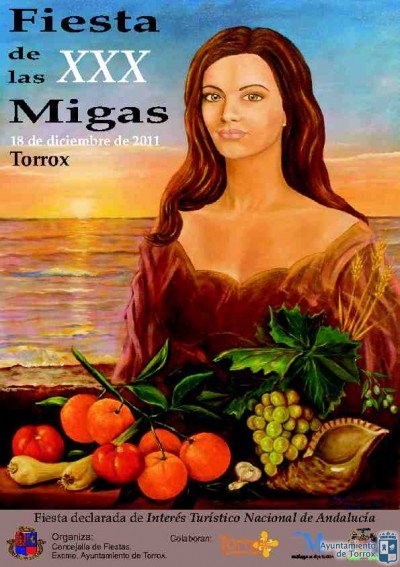
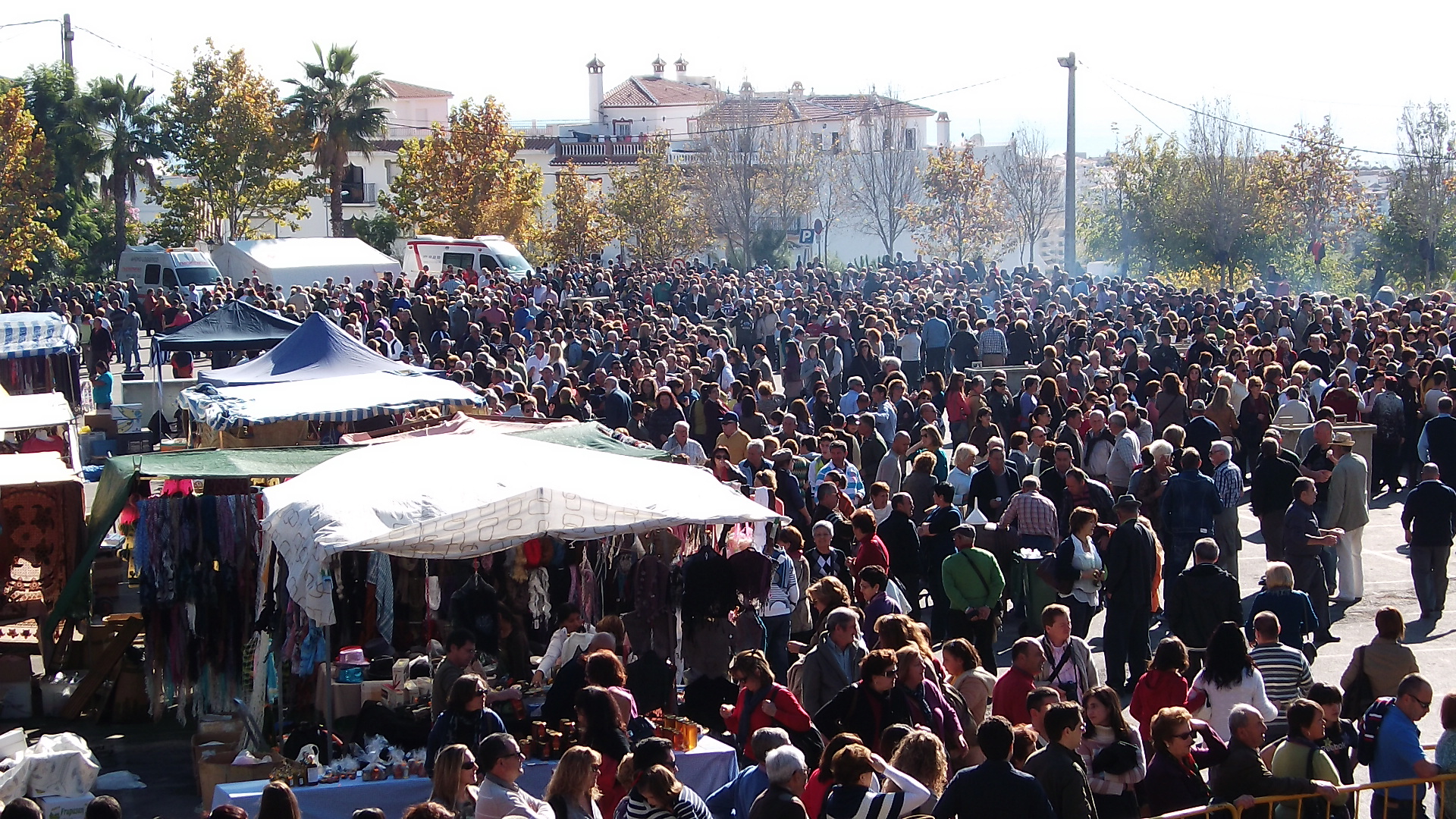
A Celebration of Fried Breadcrumbs: The 30th Annual Migas Festival

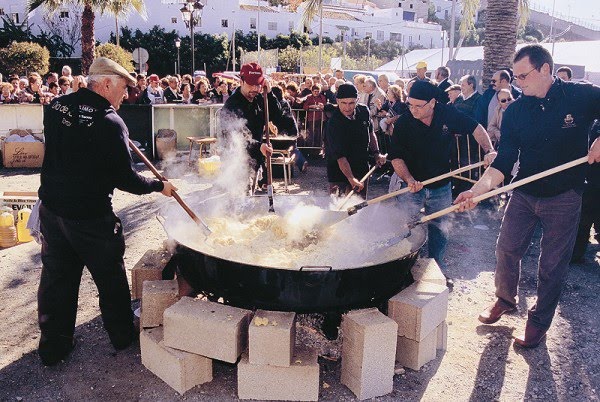
You might not expect ingredients for the perfect Christmas party to include 2000 kilos of flour, 500 litres of olive oil and 3000 litres of sweet Moscatel wine, but that´s exactly what´s required  to cater for the 40,000 guests who visit the Migas Festival in the village of Torrox.

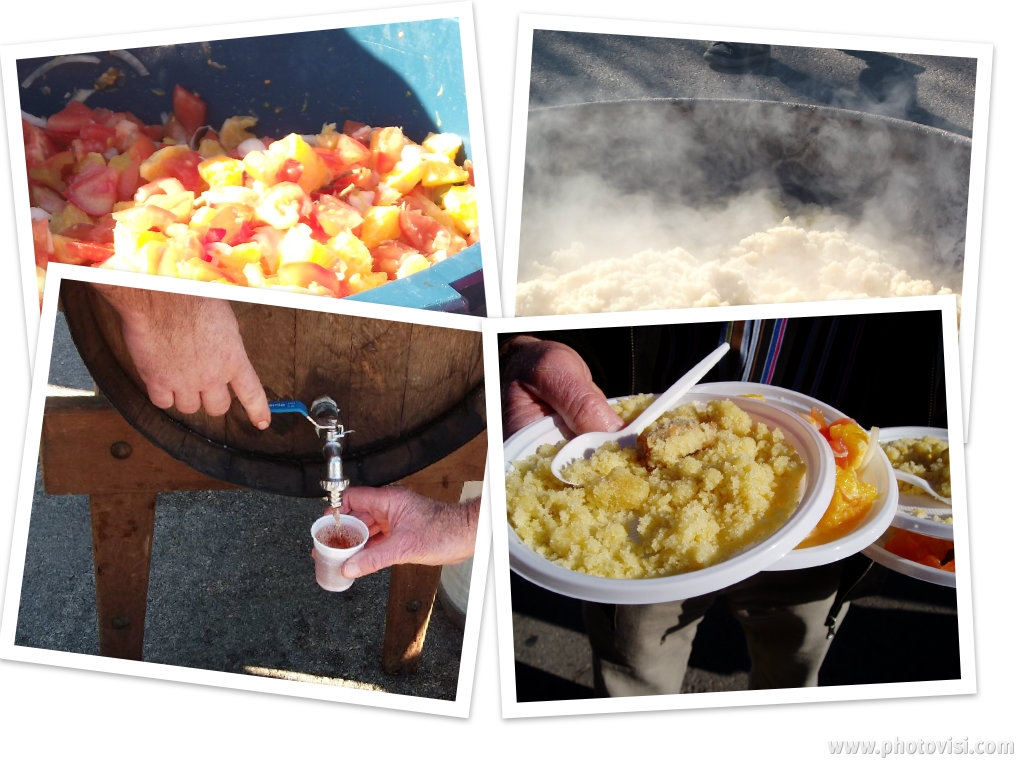
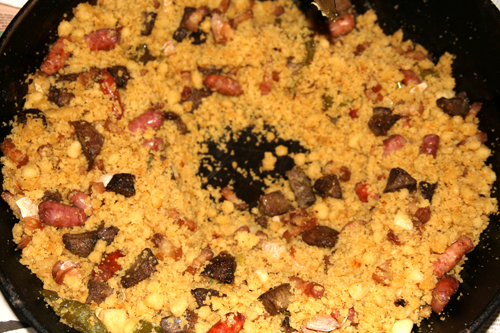
Many towns and cities throughout the world have unique dishes that encompass their overall culture and tradition.  Migas is a traditional Andalucían peasant dish often made from breadcrumbs, although in Torrox the migas are made with flour.  Normally served as an accompaniment to a main dish, of fried fish for instance, migas comprises of fried bread crumbs liberally laced with garlic, and may also contain small pieces of chorizo, ham or peppers.

Each year, on the last Sunday before Christmas, this gastronomic festival which has been declared of “National Tourist Interest” by the Junta de Andalucía, will serve more than 40,000 visitors.

From early in the morning, teams of cooks prepare the migas for free distribution to local residents and visitors to the festival.  The ringing of a bell is the signal for everyone to come and collect their plate of migas, which is served with a glass of local wine and an “arriera” salad  (made with oranges,  tomatoes, potatoes, onions and olives) to accompany the meal.

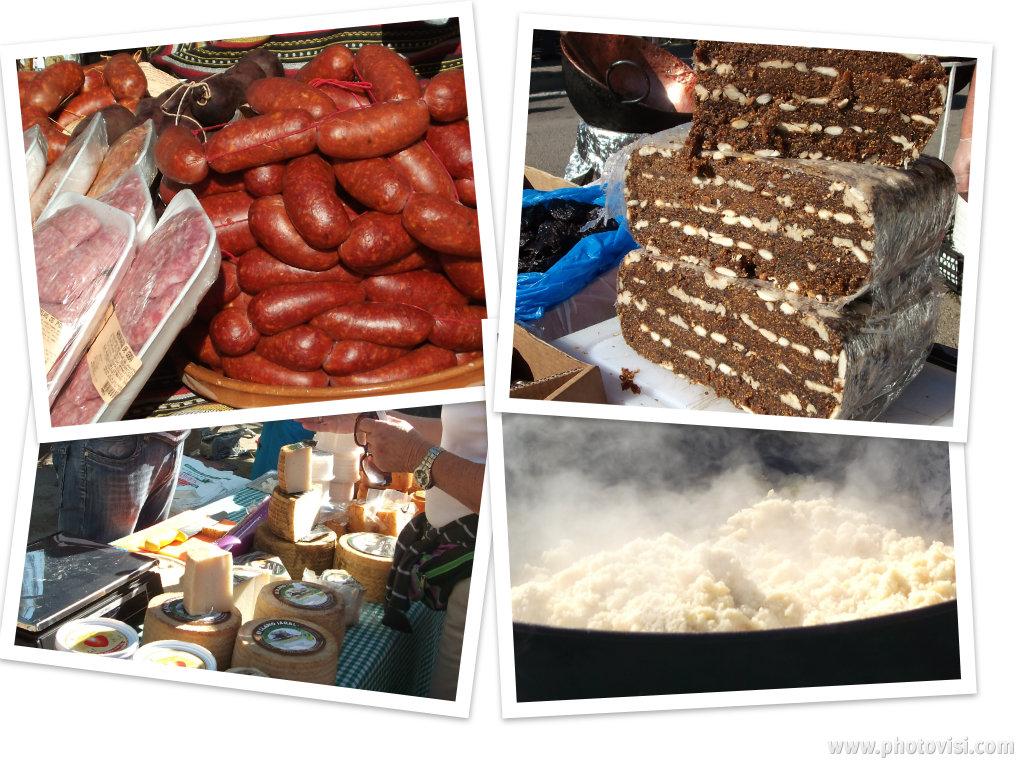
There is plenty to do during a day at the Migas festival  because as well as free food and drink there are many craft stalls, traders selling fine cheeses, chorizo, cakes, nuts and sweets, the opportunity to enjoy guided walks through the village, and street artists, as well as choirs and local dance groups, who all help to create a wonderful festive atmosphere.

Of course, in true Spanish tradition, this is just another excuse for a party, but on a warm, sunny December day, why would you not pursue that with some vigor?

(BTW – didn´t they do well getting Angeline Jolie to pose for this year´s poster?  LOL

You might also enjoy:

La Noche de San Juan: Beaches and Bonfires

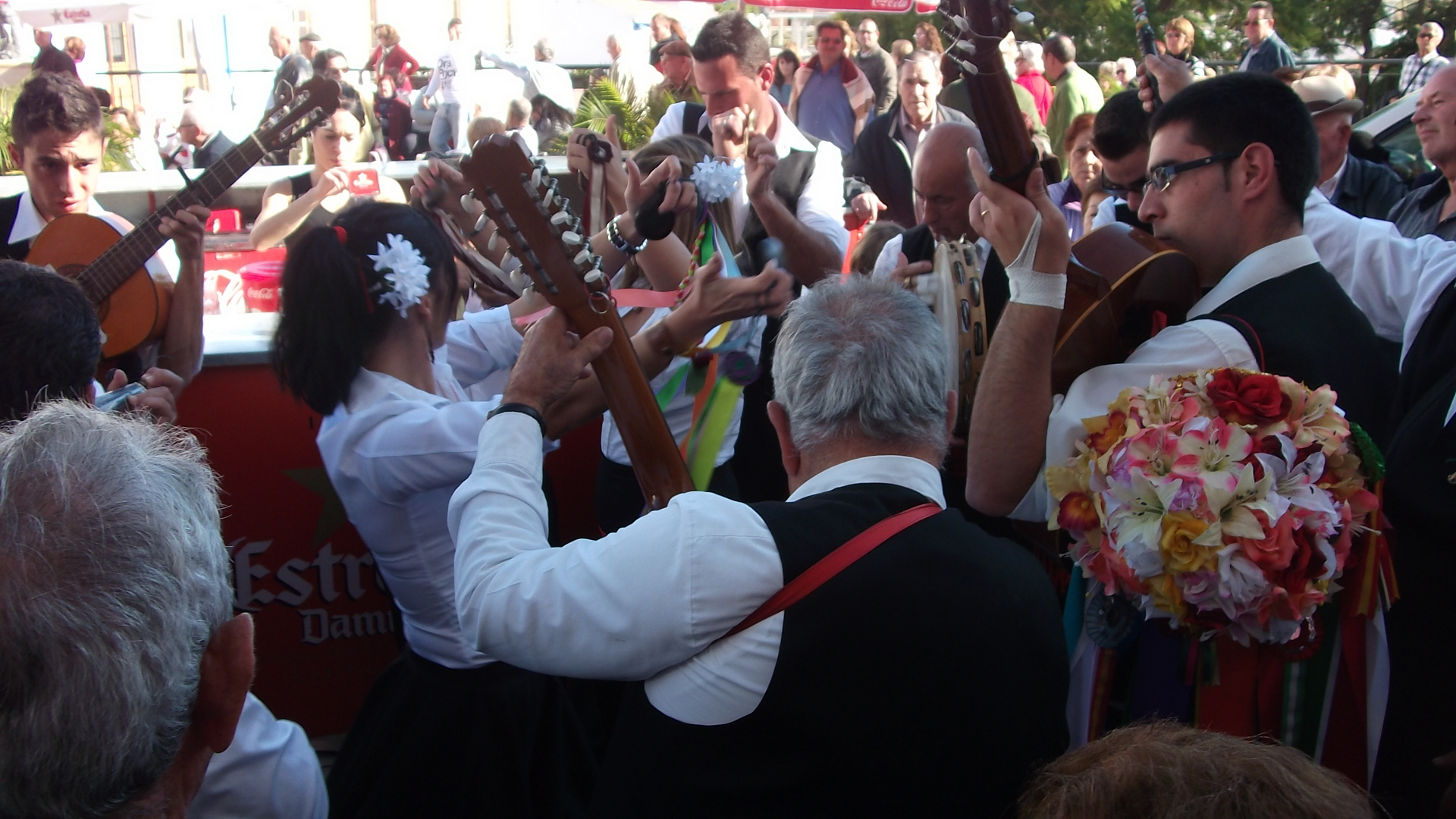
The heart of Cómpeta: El Paseo de las Tradiciones


Todos los Santos: All Saints´ Day

Customs and celebrations to honour the end of the harvest, the change of the seasons and the passage of life into death come together in many traditions celebrated at this time of the year.

The festival of Todos los Santos, sometimes shortened to Tosantos (All Saints´ day)  is celebrated throughout Spain as a national holiday on November 1st each year.

Although the American-style “ghosts and ghouls” type of Halloween is now beginning to creep into the Spanish calendar each year, traditionally this time is celebrated here in a different form, as  “El Día de los Muertos” or the “Day of the Dead” .  The three-day event, beginning on the night of October 31 and ending on November 2 (All Souls´ day) sees cemeteries packed with families paying homage to their dead.   Family members tend the gravestones of their loved ones by weeding and cleaning them and by placing fresh flowers and candles.


We visited our local cemetery this morning and apart from the sheer number of people, the first thing that stuck me was the overwhelming fragrance of fresh flowers.  Families of all ages were arriving carrying vases, buckets, bottles of water, cleaning items, candles and armsful of flowers.   The atmosphere was not solemn and the sound of chatter was everywhere, with people greeting each other with kisses and hugs.  Each member of the family played their part in the cleaning and tending of the grave and, when they were finally satisfied, they wandered around the cemetery before leaving.


What I particularly like about this lovely Spanish tradition is that all of the frightening aspects of the afterlife are taken out of it. This is a commemoration for loved ones with nothing ghoulish or scary involved.


52nd Annual Nerja Caves Music Festival


This week, the 52nd annual Festival of Music and Dance (Festival de Música y Danza) takes place at the Nerja Caves (Cuevas de Nerja).

If you haven´t visited the Caves, then watch this fantastic YouTube video which will really set the stage for you.

Over the years, the Festival which is one of the most important cultural events of the year in Málaga province, has attracted international artists and musicians from all over the world including Sir Yehudi Menuhin, Montserrat Caballé, Dame Kiri Te Kanawa and José Carreras.

http://www.youtube.com/watch?v=HQ83_poSnkc&feature=related

The natural amphitheatre is a memorable venue for the concerts, with Queen Sofia of Spain, on a couple of occasions, arriving unannounced by helicopter to attend one of  the performances in the la Sala de las Cascadas, which has one of the best acoustic chambers in the world – carved out of the rock by nature herself.


La Noche de San Juan: Beaches and Bonfires

Image: To Uncertainty and Beyond

The Spanish tribute to the summer solstice is the Fiesta of San Juan (St John the Baptist), celebrated each year on the night of June 23rd.   This is not a traditional, religious festival when effigies are paraded through the streets.   San Juan is less about costumes, finery and organised events and more about meeting friends and loved ones, eating and drinking together, and having fun.

Many towns and villages along the coast, east of Málaga, allow the beaches to be used as campsites for a single night, turning La Noche de San Juan into one of the biggest fiestas of the year.  So, as the sun sets on the evening of 23rd June, people head down to the beaches to put up their tents, build bonfires, light barbeques, and prepare food – including fresh sardines on skewers. The sound of Spanish guitars and smoke from the many bonfires fill the air.

Image: gildemax

The roots of the Feast of San Juan have their origin in ancient Pagan tradition, as man has long ascribed importance to certain days of the year, with mid-summer´s eve being no exception.  These days, of course, the celebration and parties are more of an excuse for a good time!  There is a friendly atmosphere that crosses age, culture and background, with visitors invited to join in the fun.

You might also see large papier-mâché caricatures being burned, to bring good luck.  Originally these effigies were meant to represent Judas Iscariot, but nowadays the religious significance seems to largely have been lost.  The caricature could just as easily be of a local or national, famous or indeed infamous figure.

Midnight is the climax of the San Juan festival when many town halls arrange huge firework displays, although tradition has it that once the clock strikes twelve you should jump over the bonfire to cleanse the body and soul, and then rush into the sea to wash away evil spirits and be granted eternal beauty.


Image: John_DL

Certain festivals seem to summarize life in Spain, with its love of having a good time in the company of friends and loved ones. The magical night of San Juan is one such event. It is a celebration that is all about change – night to day and fire to water.  The fire to purify, and water to recuperate, refresh, and rejuvenate.

La Noche de San Juan always promises to be a memorable evening and one that certainly needs to be experienced, given half a chance.

Where would you like to be partying the night away on La Noche de San Juan?

If you enjoyed this article, why not have a look at:

Day of the Cross: Día de la Cruz