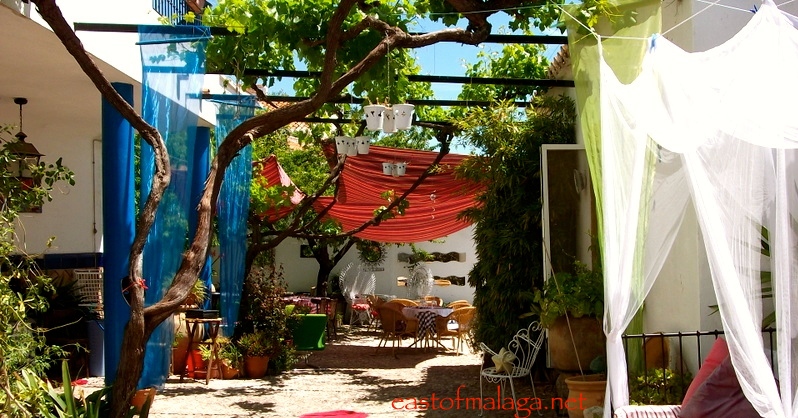
CBBH Photo Challenge: ACROSS THE ROOFTOPS

I put off using this challenge because of the spelling of the plural of the word ROOF.

When I was a girl back in England, the plural of roof was rooves.  Nowadays, whilst still being correct, it seems that rooves is considered archaic, with the preference being for roofs.  Whatever next?!

Anyway, however you say it, or spell it in your part of the world, the CBBH Challenge for February is the plural of the word ROOF!  
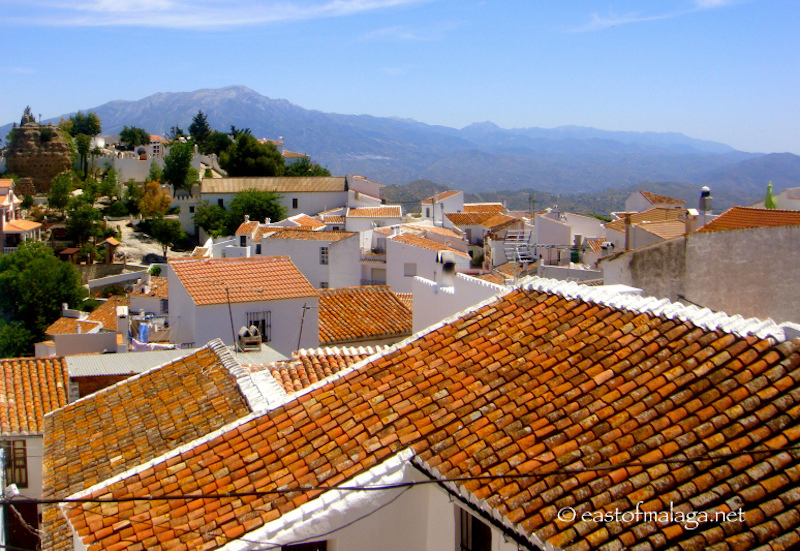
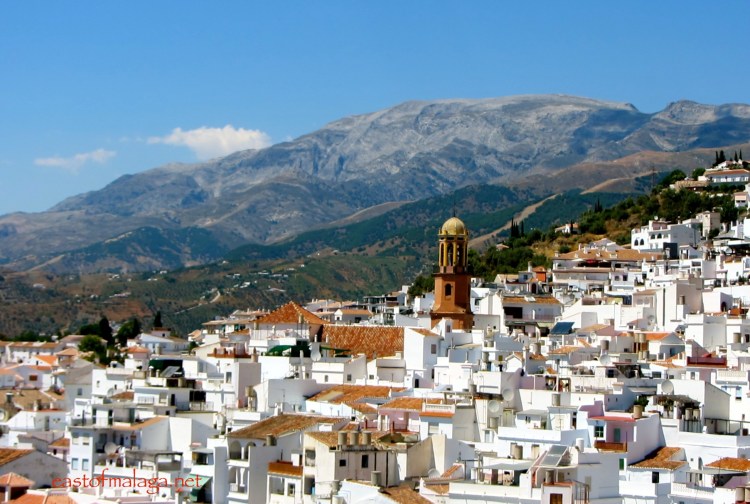
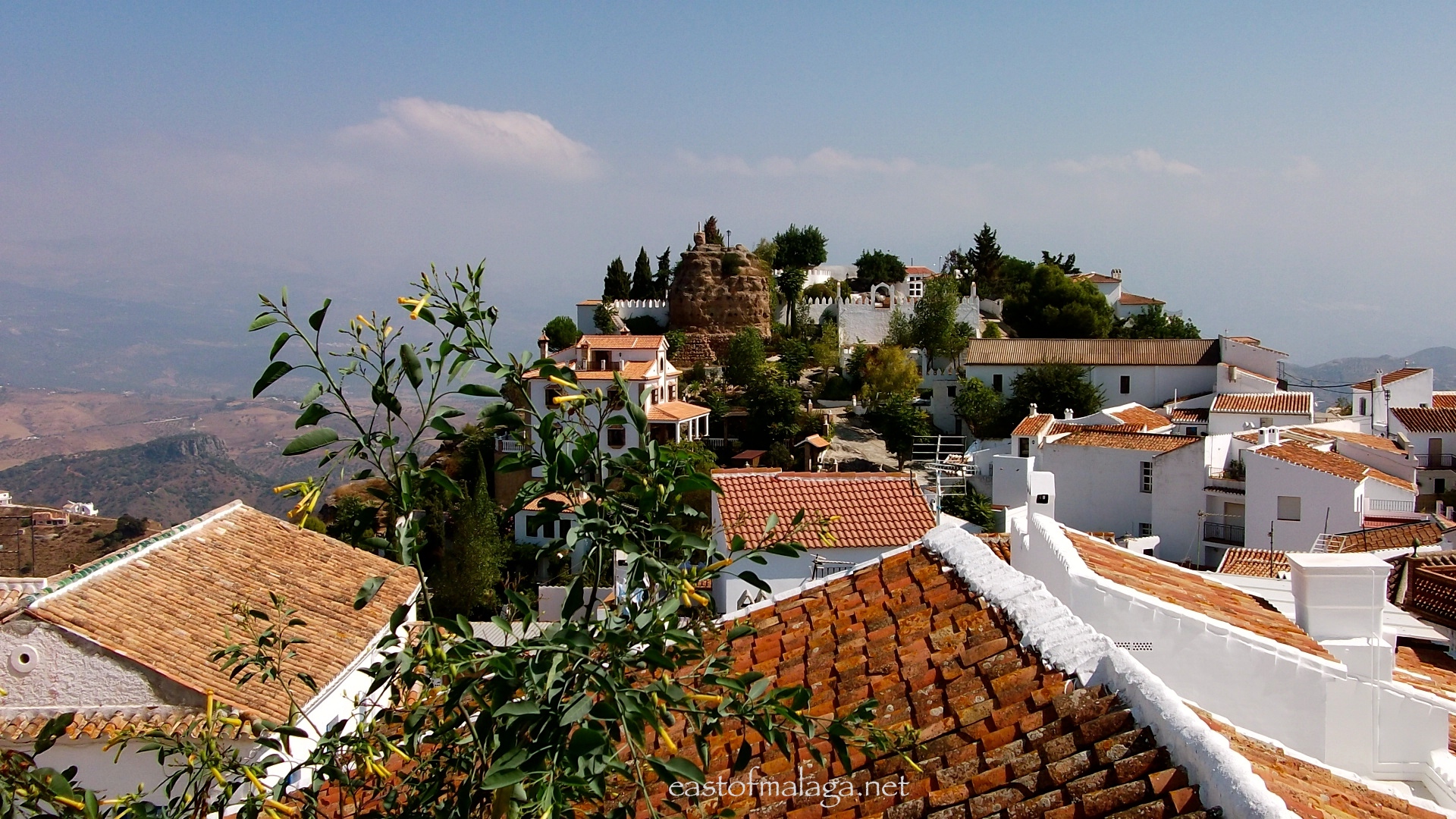
Looking across the rooftops in the village of Comares, Spain

We have some very pretty, and sturdy rooves in Spain.  You might remember that this is the view from the top of the village of Comares, looking across the rooftops.
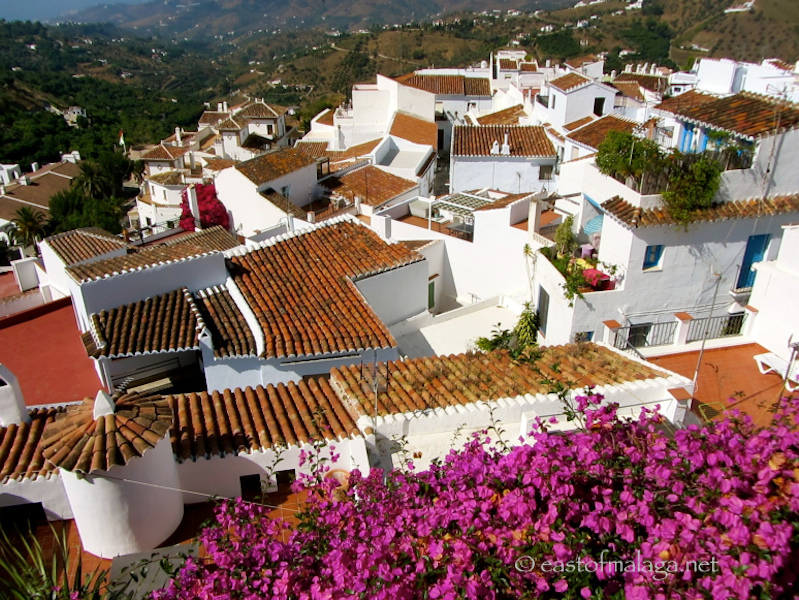
Rooftops of Frigiliana, Spain

And here is the view across the rooftops of Frigiliana, with a photo taken from Calle Alta, the highest street in the village.  It’s a fabulous view!

Don’t forget that the CBBH Photo Challenge is a little different from some other challenges, in two ways.  First, it’s only once a month – giving you lots of time to consider your entry before the end of the calendar month.  Second, and most important, this is a BLOG HOP (after all, it is the CBBH – Conejo Blanco Blog Hop, meaning white rabbit in Spanish), so DON’T FORGET that in your post you need to add links to two blogs that you have visited and commented on during the past month.  That way, when we visit each other, we can HOP OVER to your links, connect with others and share a little blog love around!

Conejo Blanco BLOG HOP Photo Challenge

My Featured Blog Links for this month:

*** Dianne Gray is an Australian author and self-professed mosquito magnet, currently living in Queensland, Australia.  Last year Dianne moved a derelict  former Rugby Union club-house building to her farm and has transformed it.  I don’t know where she finds the energy!  OH … and if you ever wondered how cyclones or hurricanes are named – this is the woman to ask.

*** Every week I get messages from people (often in the US) asking about obtaining residency visas, taxes or healthcare.  Because I am English and originally lived in the UK, it was a relatively simple process for me to move to live in Spain, because I already lived within the European Union.  The Wagoner’s Abroad however, are an American family of four, currently living down the road, in the Spanish town of Almuñecar.  They’ve been through the process, and are in a much better position than I to tell you all about the lessons they’ve learned.

Please HOP over and say HELLO to both of my featured links, and tell them Marianne sent you!

So that´s the CBBH Photo Challenge for February, guys.

Remember, all you have to do is post your entry by the end of the month, tag your entry ‘CBBH Photo Challenge’,  link back to this blog and, most importantlydon´t forget to add links to any two blogs that you´ve commented on during the past month, so that we can all HOP OVER and have a look.  Make sure you FOLLOW THIS BLOG so you don´t miss next month’s exciting challenge!

For more information on how the CBBH Photo Challenge works click here.

I hope everyone taking part enjoys the exposure the CBBH Photo Challenge offers to featured blogs and, who knows, you may end up finding a new favourite!  I´m looking forward to seeing your interpretations.

[CBBH logo Image credit: (cc) Mostly Dans]

PS:  DO LET ME KNOW WHAT YOU CALL MORE THAN ONE ROOF, WONT YOU?

Hark! Orange Trumpets herald the warm winter weather

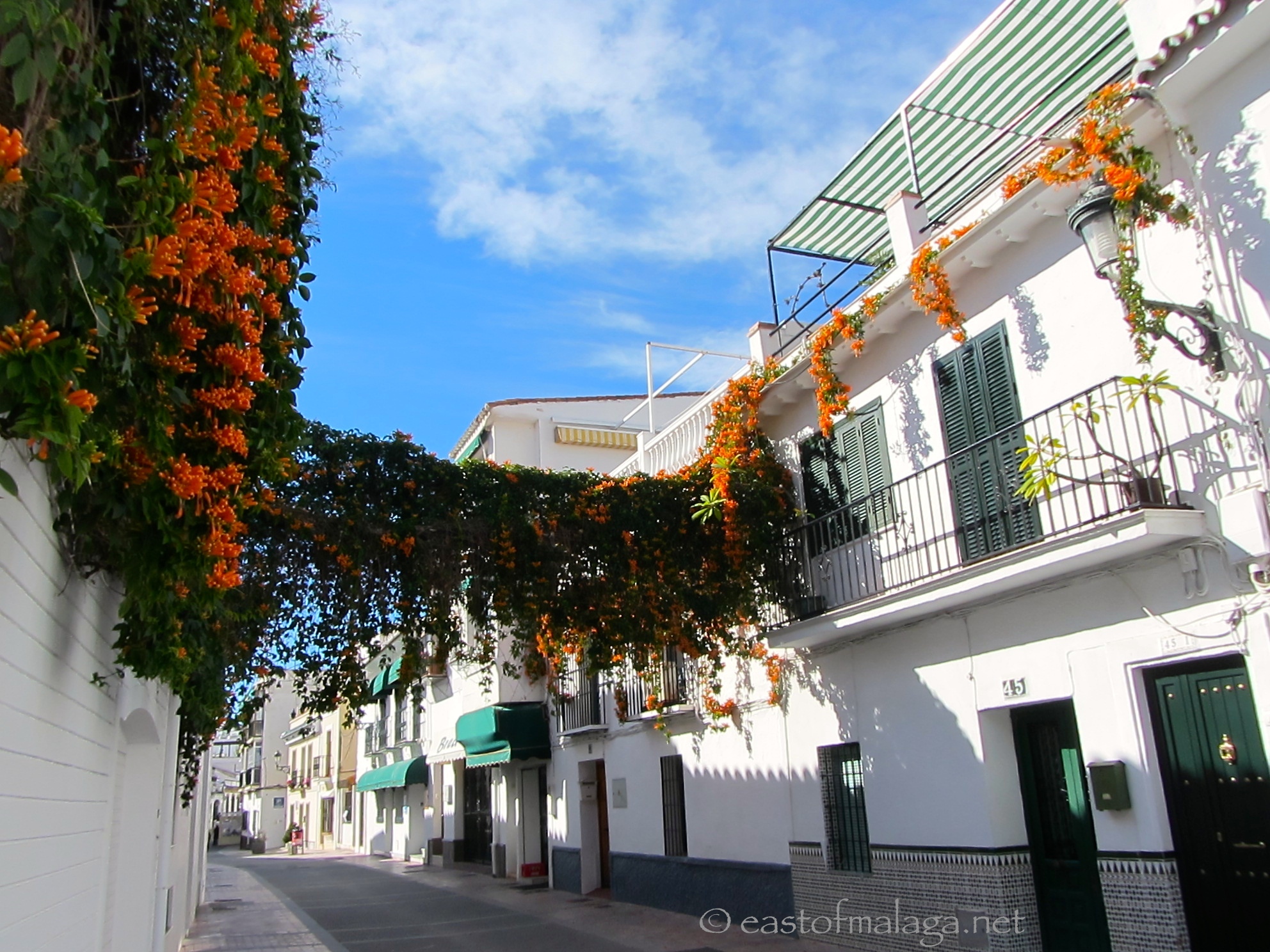
PYROSTEGIA VENUSTA (Orange trumpet vine)Just look at this Orange Trumpet Creeper – sometimes known as the Flame Vine  (Botanic name: Pyrostegia Venusta; pyro = flame, stege = covering, venusta = pleasing).  

This particular magnificent flowering vine with it’s brilliant orange flowers can be found draped across Calle Carabeo in Nerja.    The Orange Trumpet Creeper is a vigorous evergreen climber which grows well in a warm climate, needing shelter from cold winds or frost.

As I wandered around Nerja in the warm sunshine, I discovered several examples of this spectacular plant.  You can see them in the gallery below.

I see these beautiful blooms every year, though for some reason haven’t stopped to take photos and really enjoy their beauty, before.  My new challenge: One Trip EVERY Month gave me the perfect opportunity to get out and about with my camera.

One trip EVERY month

Tell me where you are going this month that you’ve never got around to visiting before.

You might also enjoy: 

Balcón de Europa, Nerja

AVE: Taking the Fast Track from Málaga to Madrid

VOTE, VOTE, VOTE for David against Goliath!

Cómpeta, Andalucía, Spain

OK, OK …. I admit, it’s not really for David – it’s for ME!  But we ALL love an underdog, don’t we?  🙂

In my analogy, Goliath is a professional photographer currently leading the vote in a photographic competition I have entered on Facebook.   So, even though I AM that underdog, I’m running a close second, only a few “Likes” behind, but with only five more days left to vote.

Faithful followers: I NEED YOUR HELP TO DEFEAT THIS GOLIATH!

If you are logged into your FB account, click on the photo above (it’s of my home village of Cómpeta) and you will be taken through to to my voting page.  All you need to do is LIKE and COMMENT on that post.

THE PRIZE is a day trip for 4 people (with lunch), to one of the most picturesque parts of Andalucía along a scenic train line known as Mr Henderson’s Railway – a British-built Victorian train line from Algeciras to Ronda.

If I’m lucky enough to win this competition, there are two further benefits:

1.   I will SHARE MY PRIZE by inviting two local bloggers to join me for the day.

2.   You will be able to read all about my trip in a blog post, where I will include lots of lovely photos.

Will you help me to share the joy by voting for my photograph?  

Thank you.

EDITED TO ADD:    So many of you clicked through to my photograph and added your vote that I am delighted (and amazed) to tell you that David did indeed defeat Goliath.  I WON!  I have invited two local bloggers to join me and sometime over the next three months we will be enjoying the prize of a trip on Mr Henderson’s Railway.  I’ll let you know all about it.    Thank you to each and every one of you who took the time to vote.  I am truly grateful for your continuing support.  You are AMAZING!

The Old Railway Line at Zafarraya

Zafarraya Pass, Spain

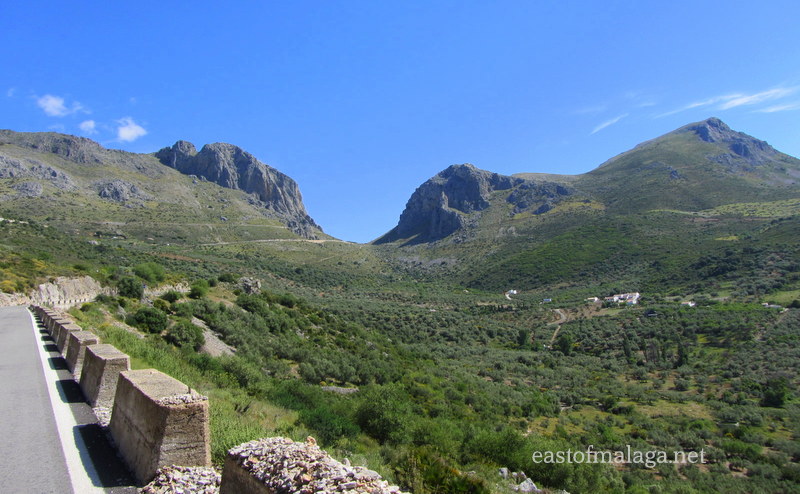
You might remember, I’ve told you before about the spectacular U-shaped Zafarraya Pass (El Boquete de Zafarraya) marking the boundary between the provinces of Málaga and Granada, and which can be seen for miles around.

Standing over 900 metres above sea level, the Pass has been used for centuries as a key route through the sierras, linking lands south-west of Granada, with the towns and villages along the coast, east of Málaga.

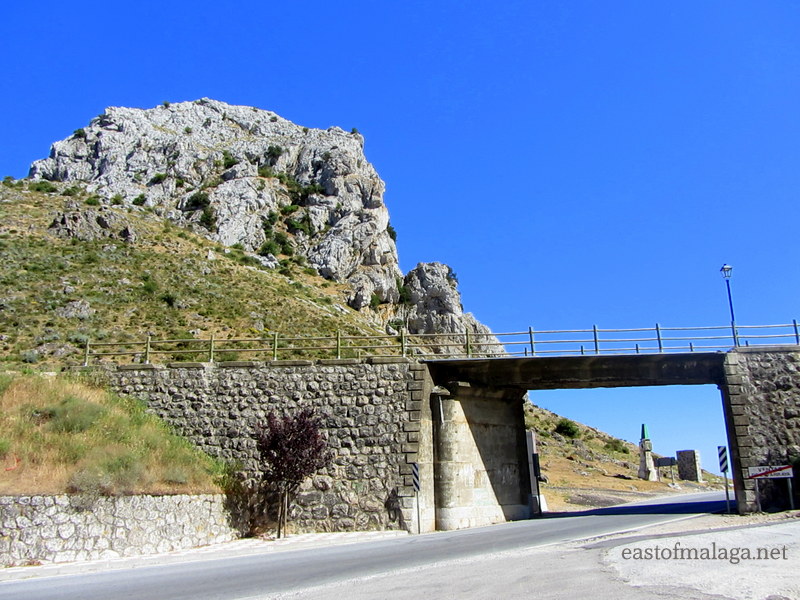
Old railway bridge at Zafarraya

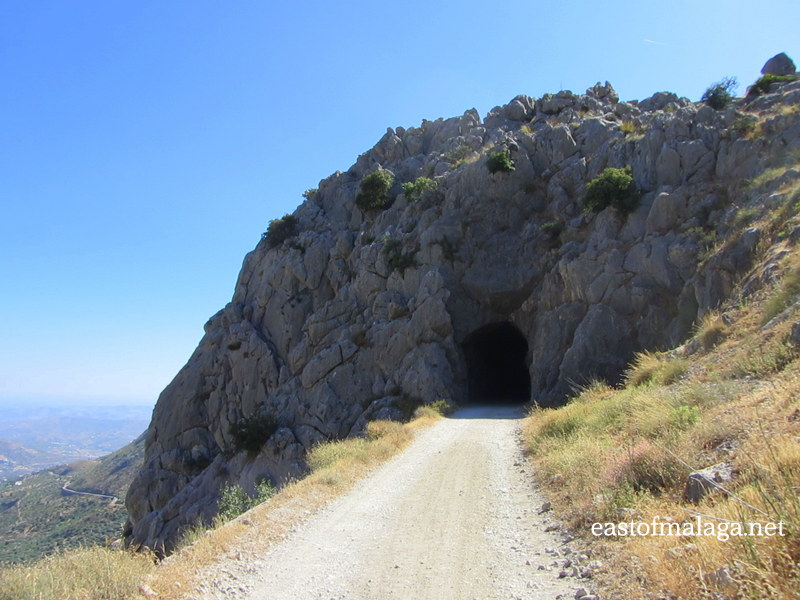
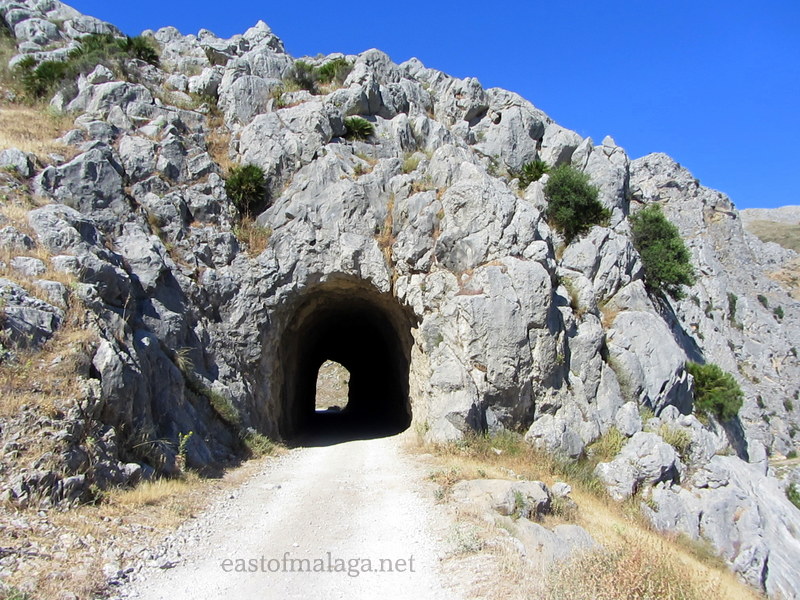
On the approach to the gap in the mountains, above the road on the left, a small tunnel through the rock can be seen.   This once formed part of the Periana to Zafarraya railway line, abandoned fifty years ago.  The tunnel is now used by horse-riders and walkers who enjoy strolling along the dirt road where the railway once ran.

Last time I went through the Zafarraya Pass, instead of whizzing by, I decided to stop and have a look.  After driving under the the old iron railway bridge, I parked in the small car park on the left side of the road.

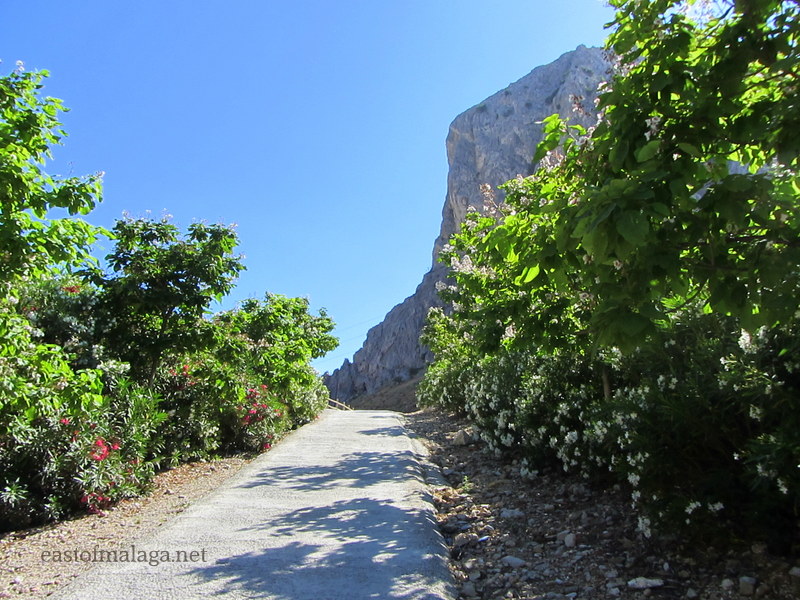
Pathway to the railway

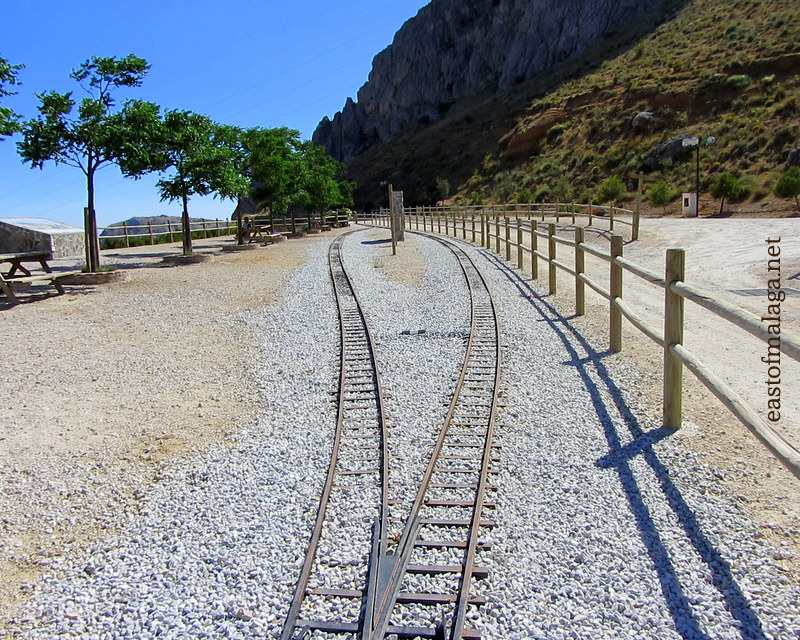
It’s only a few steps up the gentle slope to where the narrow gauge railway once ran.  The main tracks were removed long ago, but there is still a short length remaining to illustrate what it must have looked like.

Narrow gauge line running towards Zafarraya, Spain

Old train line, Zafarraya

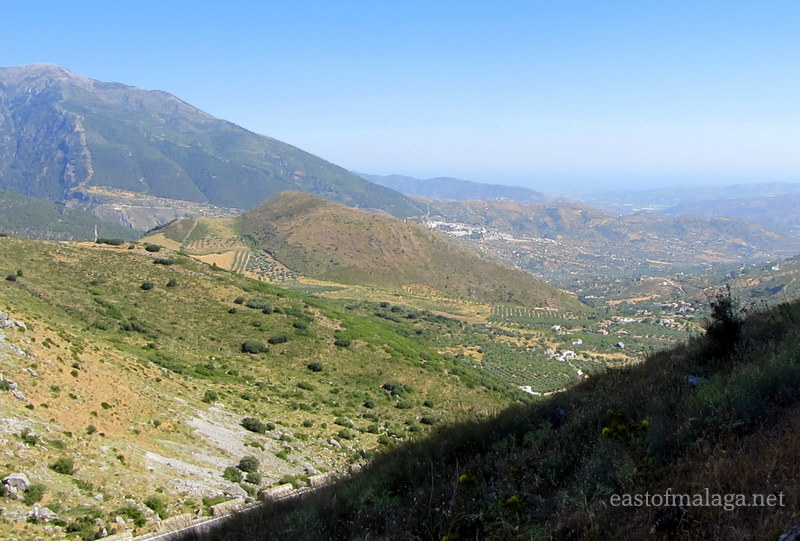
The views from the Mirador El Boquete (lookout point) both across the Pass and down towards the coast are stunning.  This is a lovely peaceful place to stop for a picnic, and there are a couple of picnic tables for public use.

From here you can see the peaks of Tajo de la Cueva and El Morron de La Cuña, the hamlets of Espino, Los Cortijillos, Los Pavitos and Los Morales as well as numerous white houses, dotted like paint spots on a canvas, as far as the eye can see.  The village of Alcaucín and the Parque Natural lie ahead, overseen by La Maroma, the highest mountain in the Axarquía region at 2066 metres.

If you cast your eyes further down the valley, La Viñuela reservoir and the Mediterranean Sea glimmer in the distance.

El Boquete de Zafarraya, Spain

Mirador del Boquete, Zafarraya

View towards the coast from Zafarraya

I wandered along the dirt track, and ahead of me I could see the old narrow railway tunnel.  

As I approached, the enormity of the task in building the tunnel was obvious.  It had been hewn through the rock by hand.   What a job!

Entrance to old railway tunnel, Zafarraya, Spain

Inside the old railway tunnel, Zafarraya

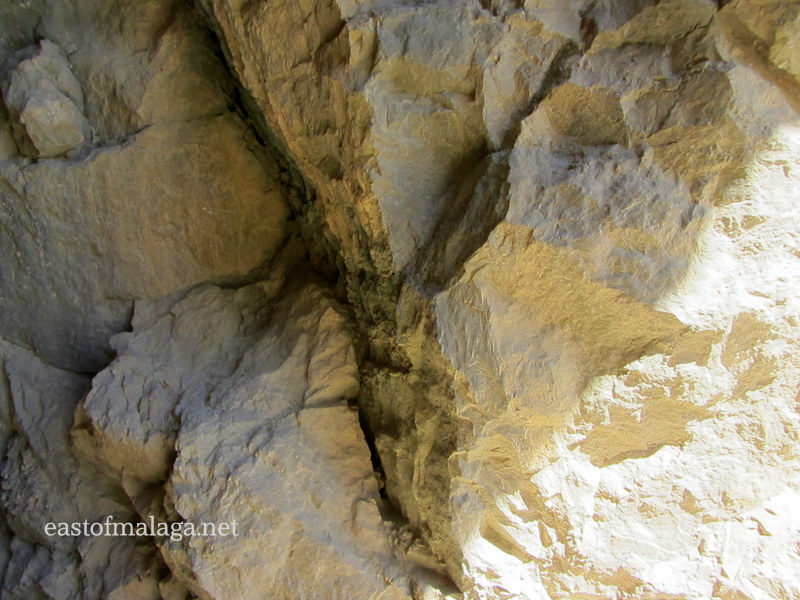
Hand carved stone inside the tunnel

Tunnel through the rock, Zafarraya

Rather than just strolling as I did, and depending on how fit you are, you might enjoy an adventurous walk or a more gentle ramble from Periana, the source of the old railway line, back to the Boquete de Zafarraya.  

Whatever you choose, be sure to watch out for the fabulous birds.

Views along the track towards the coast

How to get there

To get to the Zafarraya Pass, drive north from the A7/E15 Autovía del Mediterraneo, past the town of Vélez-Málaga and briefly alongside Lake Vinuela, before heading up the A402, a winding mountain road.  

You will see the gap in the mountains ahead, getting closer and closer the higher you climb.

Where do you enjoy walking when you need to find some peace and quiet?

Following in the footsteps around Comares

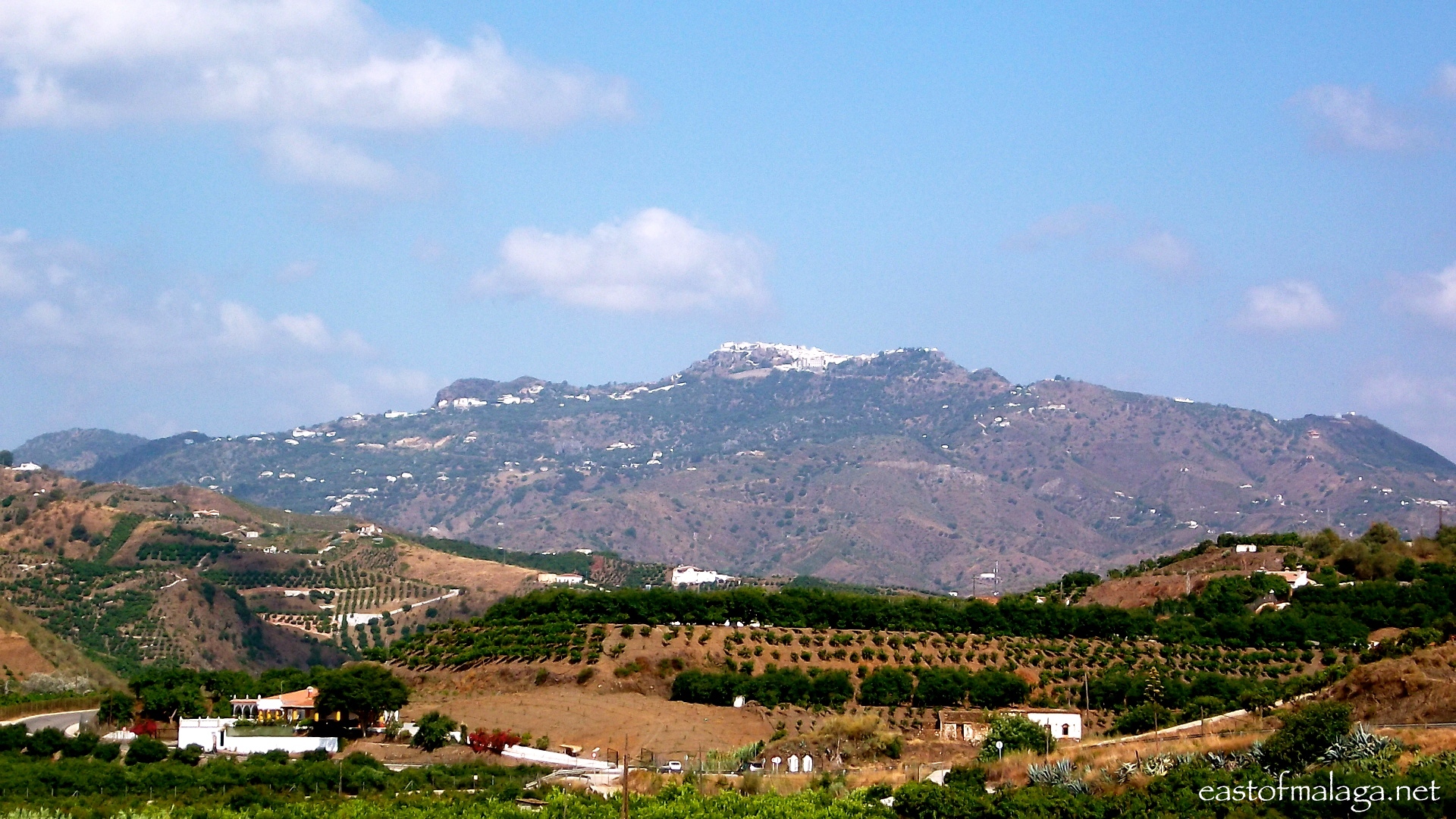
Comares perched on a hilltop, Spain

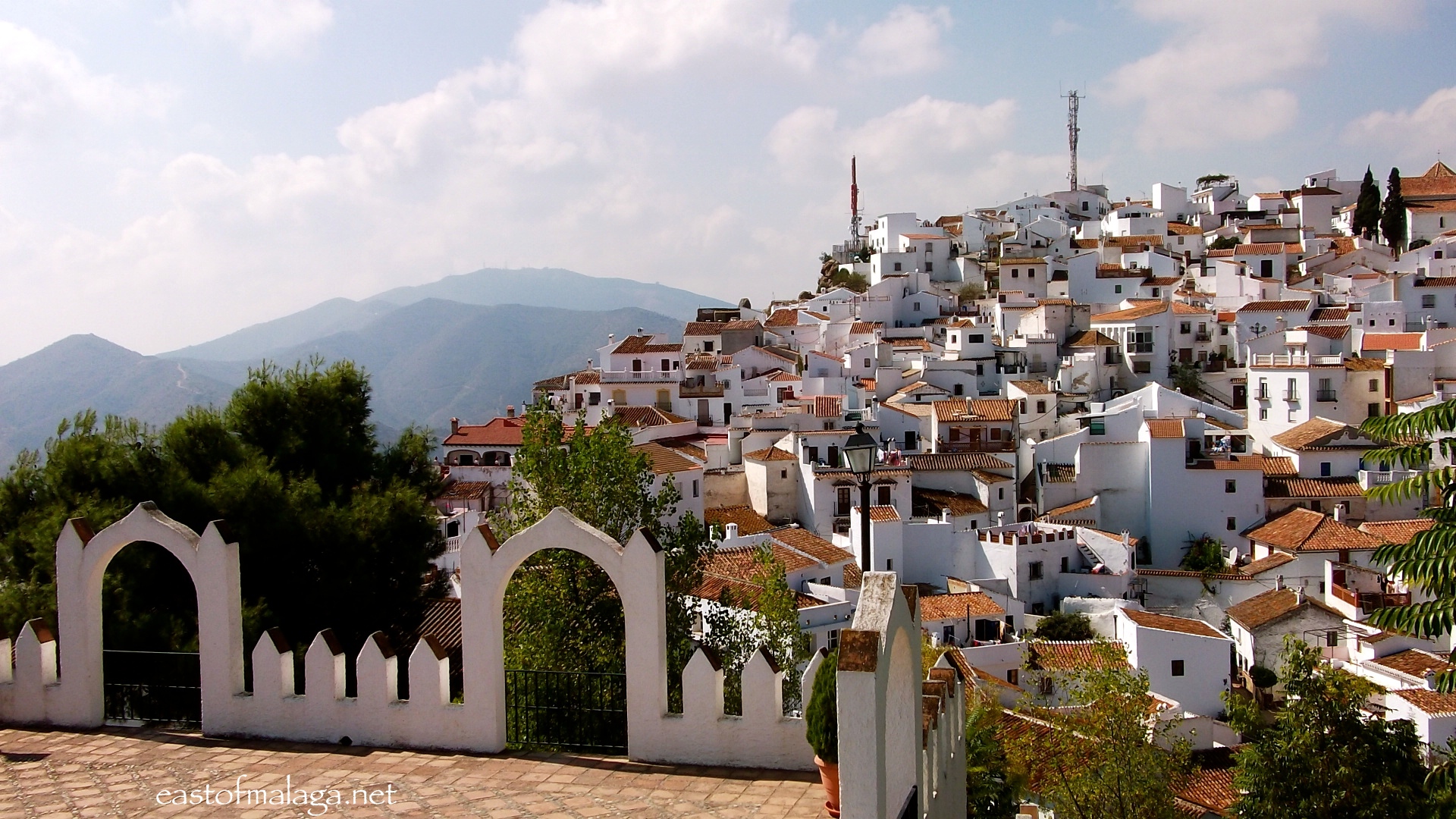
Being one of the highest white villages (pueblos blancos) in Andalucía at 739 metres above sea level,  the village of Comares can be seen for miles around, perched high on its cliff-top position, keeping a watchful eye over the surrounding countryside.

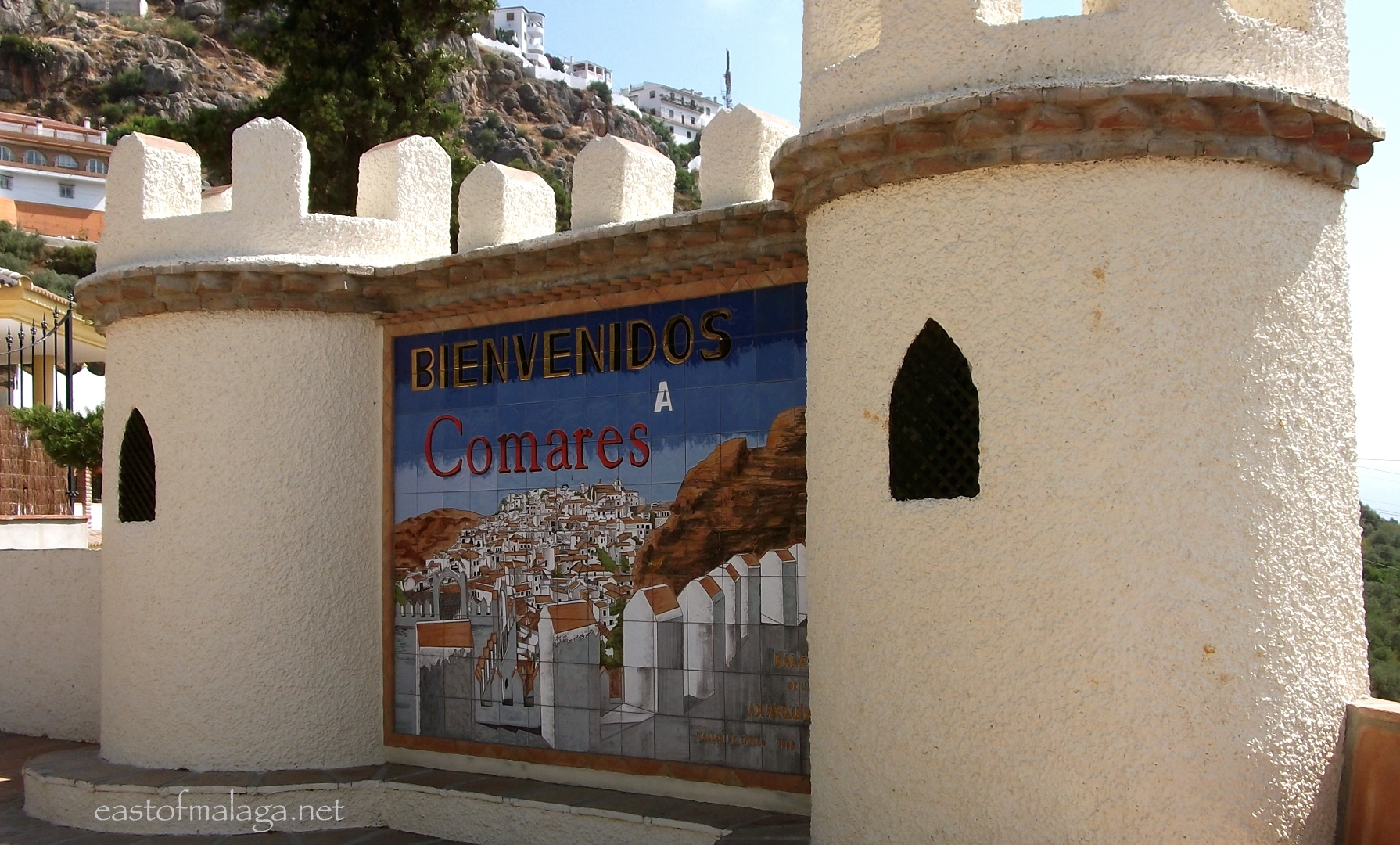
Welcome to Comares, Spain

As you wind your way up the road towards Comares, the village keeps appearing and disappearing from view, tantalisingly getting closer and closer with every kilometre – until finally you reach the “Welcome to Comares” sign.

You’re almost there!

Once you reach the main square (Plaza del Balcón) you will see a series of beautiful tiled murals depicting the history of Comares and, it’s from here that you can follow a circular walk around the village marked by ceramic footsteps set into the stone paving.

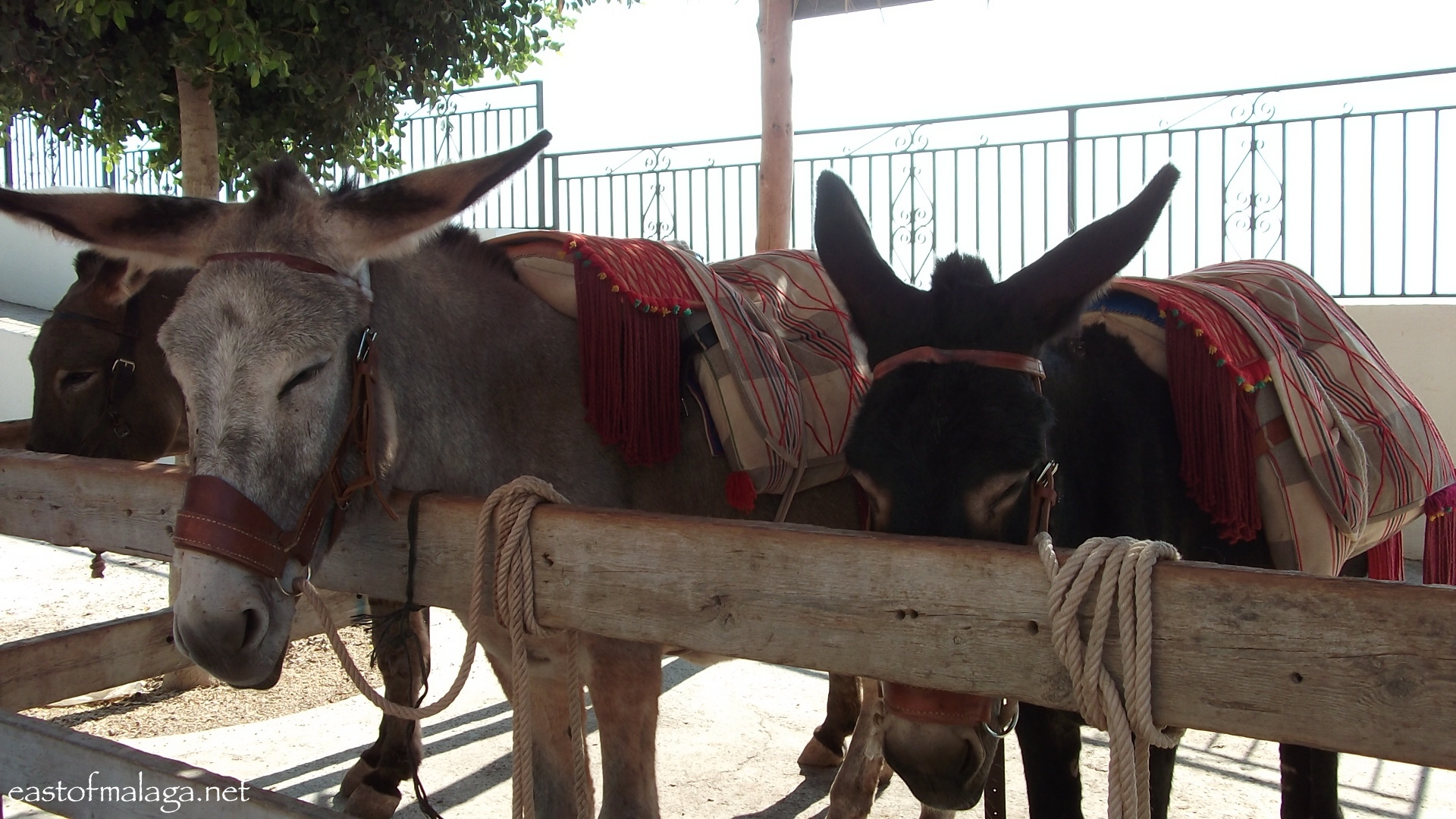
The footsteps lead to the main historic sites of Comares and to spectacular viewing points.  The walking route takes around an hour, and is steep in places but, if you don´t want to walk, you could always take a donkey taxi (burro taxi) ride around the village!

DSCF5948

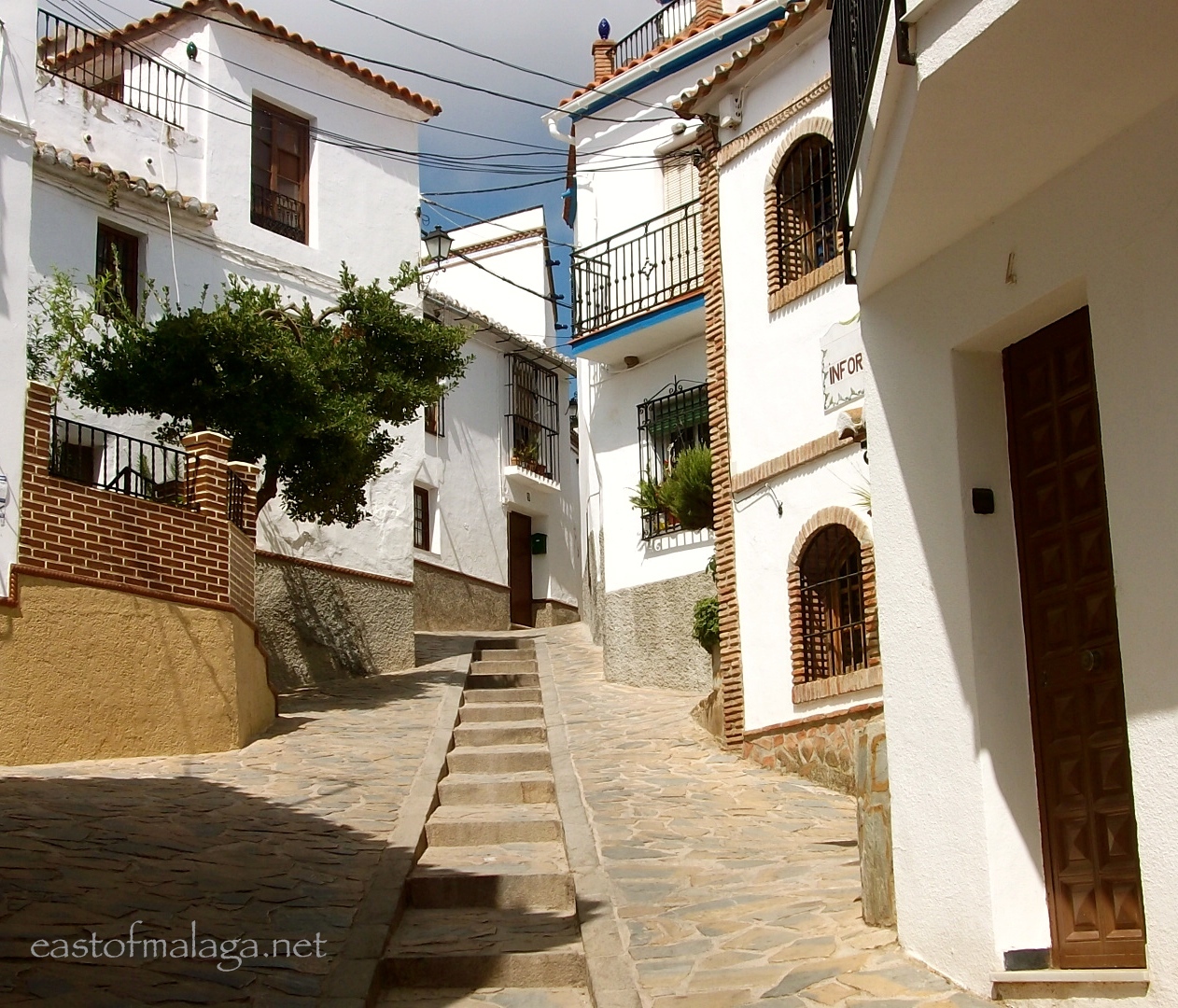
As you wander around the narrow streets you may find yourself invited into the home of one of the Spanish ladies who sell local produce such as wine, almonds, avocados, raisins, olives or honey.  Some of them are very persistent sales-women!

DSCF4773

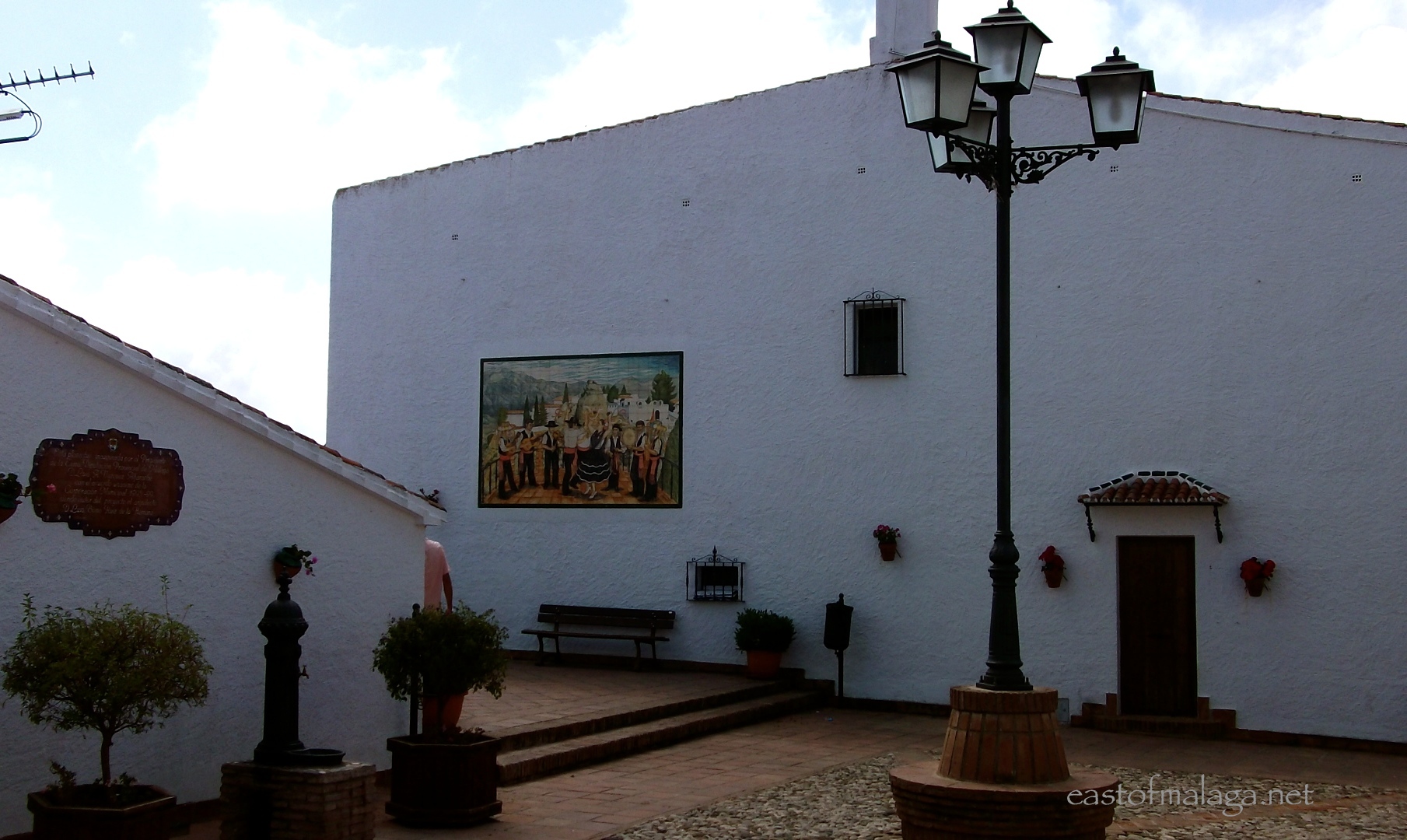
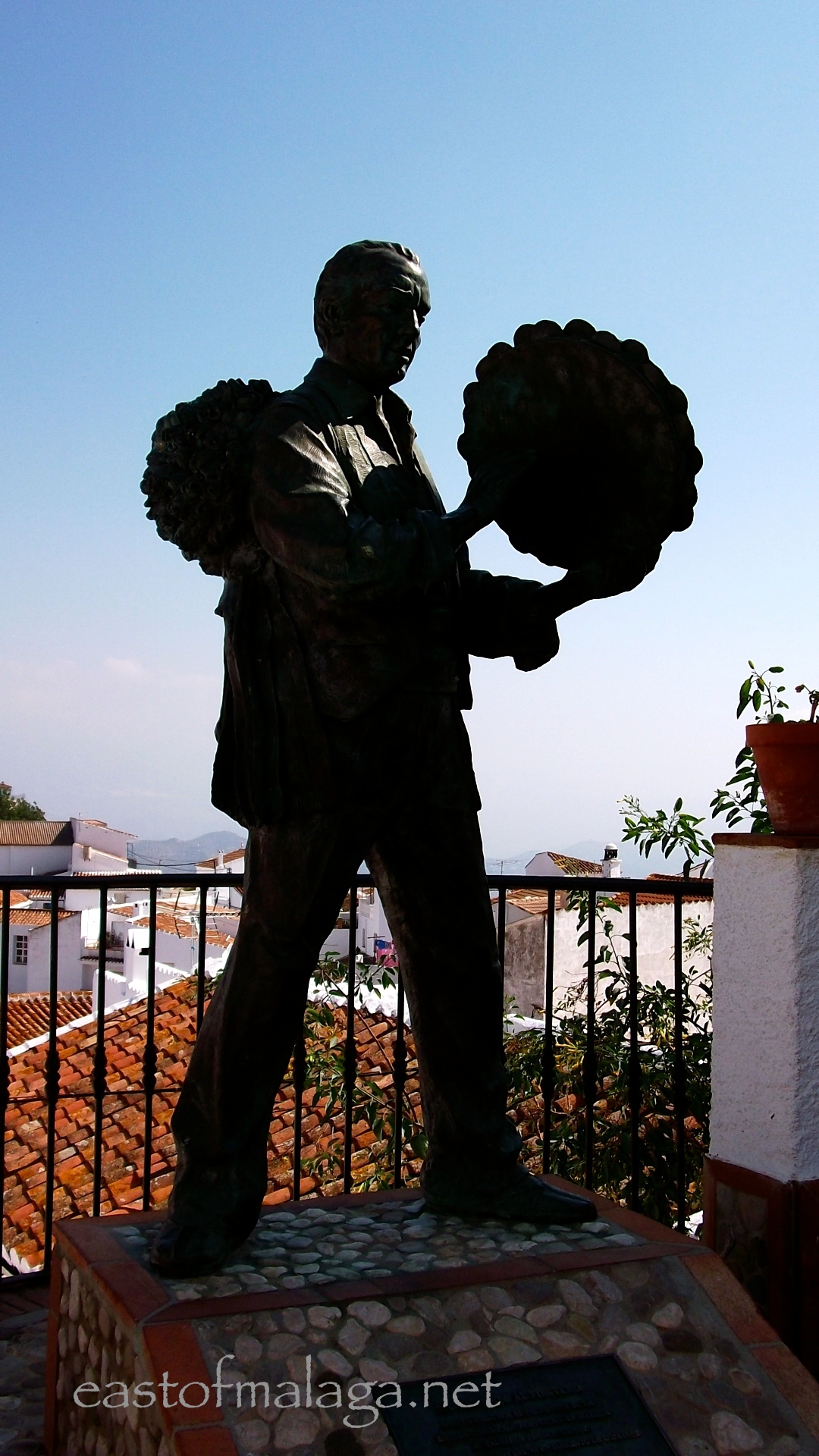
One of the interesting places the ceramic footprints lead you to is the Plaza de los Verdiales, where there is a beautiful tiled mural, plaque and statue to commemorate the Panda de Verdiales – a band of local men playing lively music.

Plaza de los verdiales, Comares

DSCF5953

The village name Comares originates from the Arab word for castle – Qumarix.    The first fortress was built here by the Romans, but the history of the village is pre-Roman with the main traces of occupation being Arabic

When the Moors invaded Comares they made full use of its excellent location and developed the town into one of the areas principle defensive strongholds.

Looking towards Comares castle

Comares is known with good cause as the “Balcony of La Axarquía”.

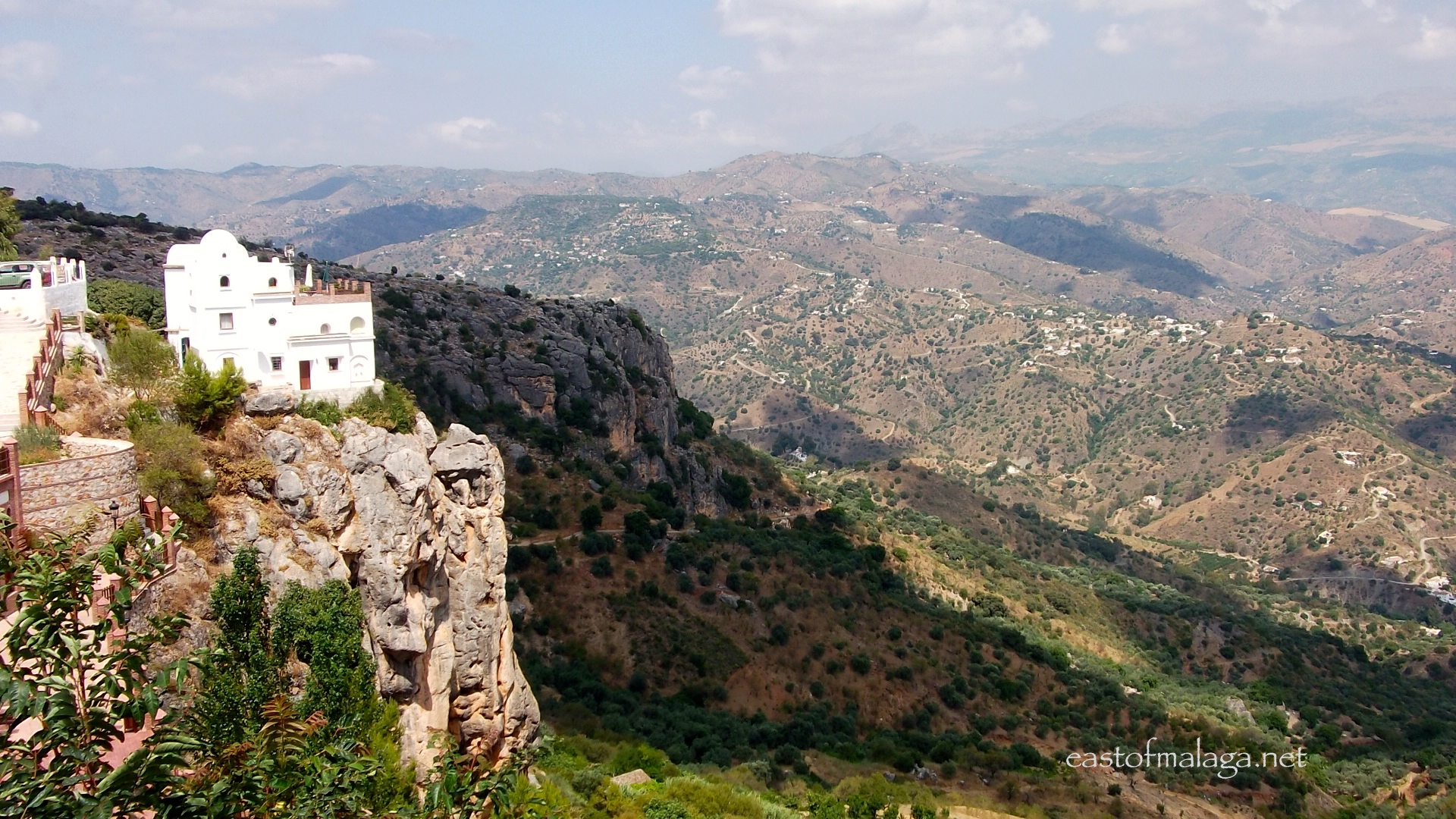
Stunning views from Comares

Views across the village of Comares from the castle

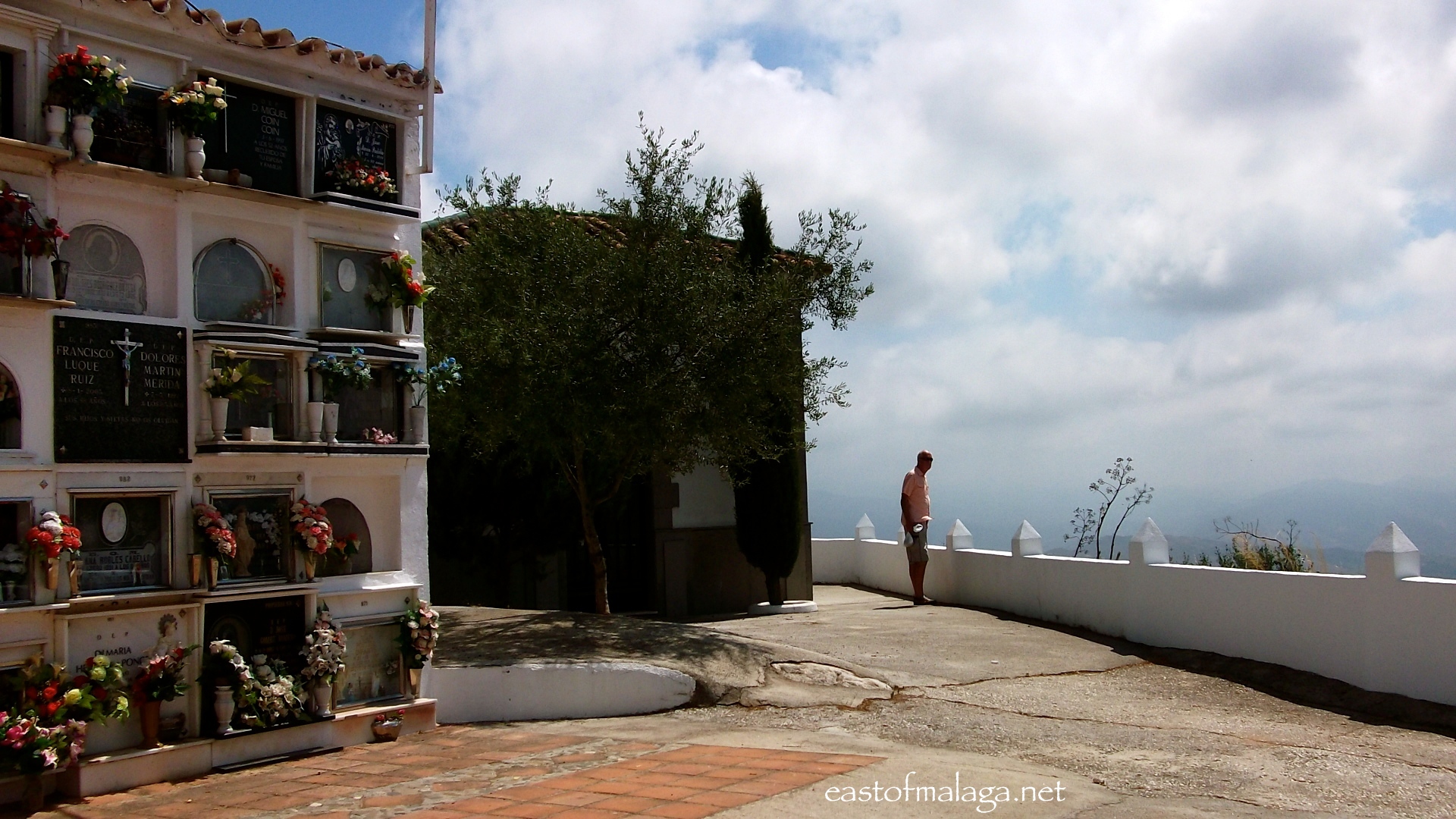
One of the highest points of the village is the cemetery (cementerio municipal), from where there are magnificent views over the surrounding countryside.  It´s well worth a look!

Comares cemetery with views

Finally, if the steep streets have taken their toll, you could always stop and have lunch or a cool drink in the beautiful courtyard of El Molino de los Abuelos in the main square.

Courtyard of El Molino de los Abuelos, Comares

To really enjoy the views that Comares has to offer, make sure to go on a clear day.  Summer skies are often hazy, so an autumn or winter day is probably best for a visit – though if you´ve been to Comares once, you´ll want to go back again!

You can read more about the village of Comares, HERE.

How to get there:

Follow the A7/E15 autovía, east of Málaga, to km 272 and take the exit signposted for the A356 towards Vélez-Málaga.  Stay on the A356, bypassing the town and, after a few kilometres, turn left at the junction signed towards El Trapiche.  You’ll see the first sign-post for Comares as you approach that turn off – then just follow the signs – though, be warned, there aren´t many!

http://www.youtube.com/watch?v=J6xFMlMxTXo


Other articles you might enjoy:

Apocalyptic skies over southern Spain

Málaga’s Urban Street Art

Fresh Figs Stuffed with Goat´s Cheese and wrapped in Smoked Bacon