Sweet memories: San Joaquín sugar mill

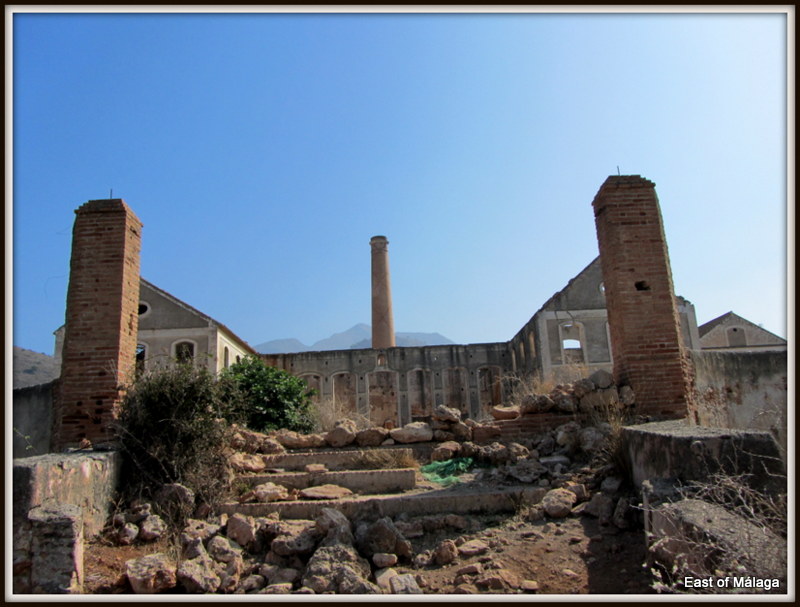
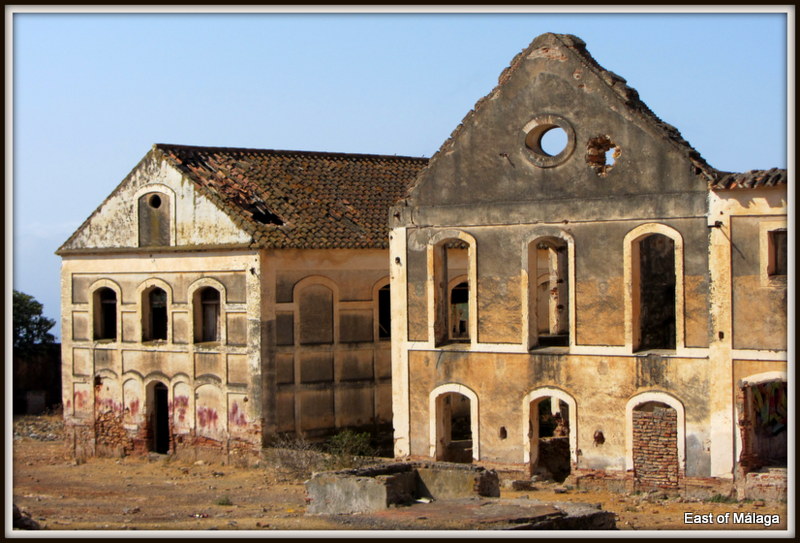
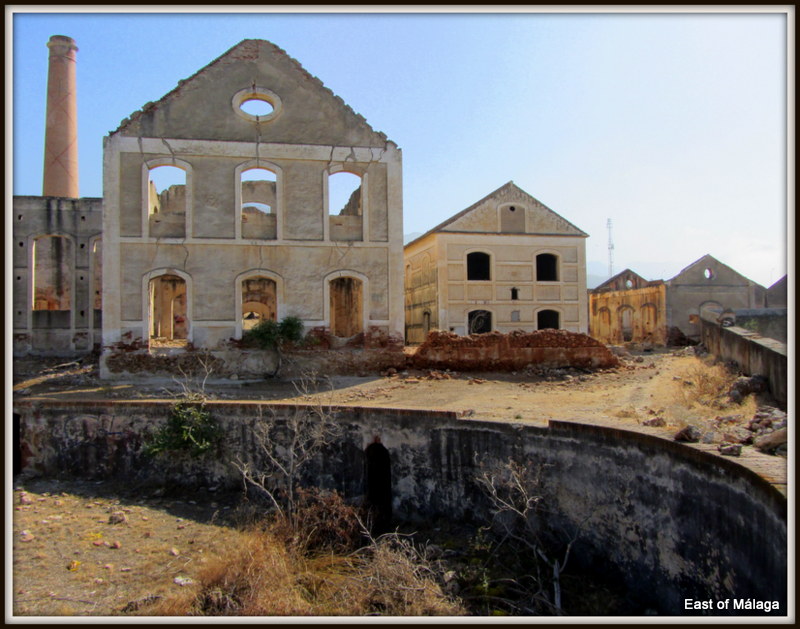
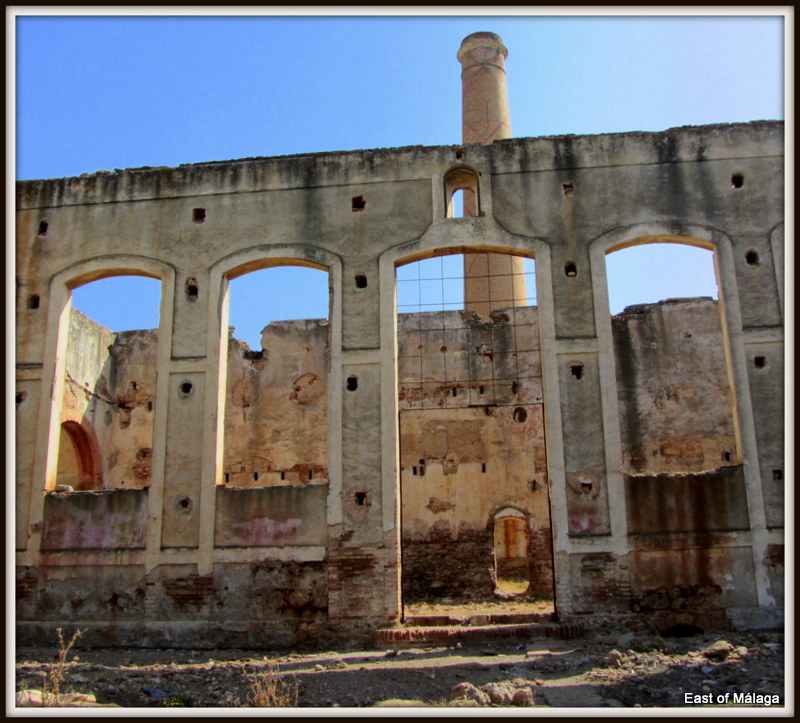
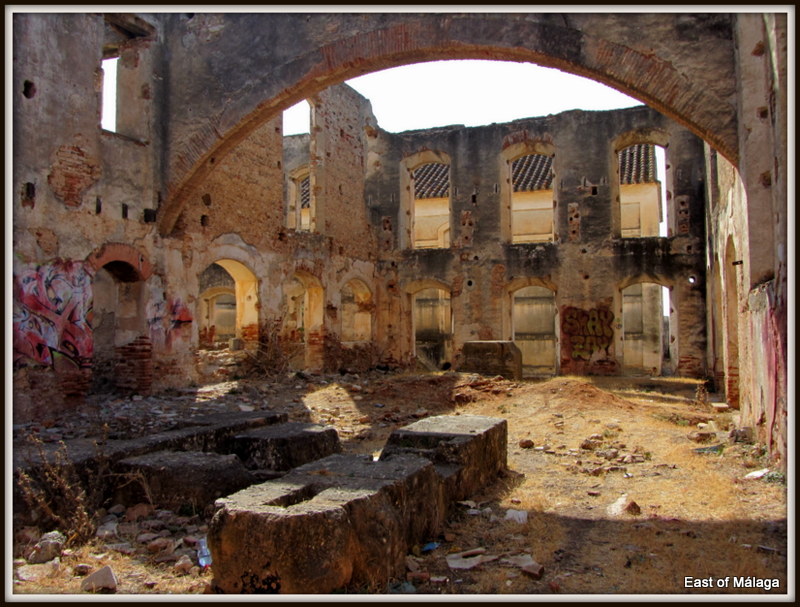
Located on the old N340 coast road between Nerja and Maro, the San Joaquín sugar mill´s ruined buildings serve as a reminder of the importance that the sugar industry played in local history.

San Joaquín sugar Mill, Maro

San Joaquín sugar Mill, Maro

San Joaquín sugar Mill, Maro

Sugar manufacturing has been part of the Mediterranean way of life for centuries.  Earliest records of sugar cultivation in Andalucía date from the 10th century on the coast of Granada province, due to its exceptional climate.

San Joaquín sugar Mill, Maro

San Joaquín sugar Mill, Maro

In 1585, the first mechanical sugar mill in the area was built in Maro, the ruins of which still form a central part of the old village, today.  Further mills followed in Nerja and Frigiliana, before the San Joaquín sugar mill and distillery was erected in 1884 by master builder, Francisco Cantarero, for the Marquis de Tous.

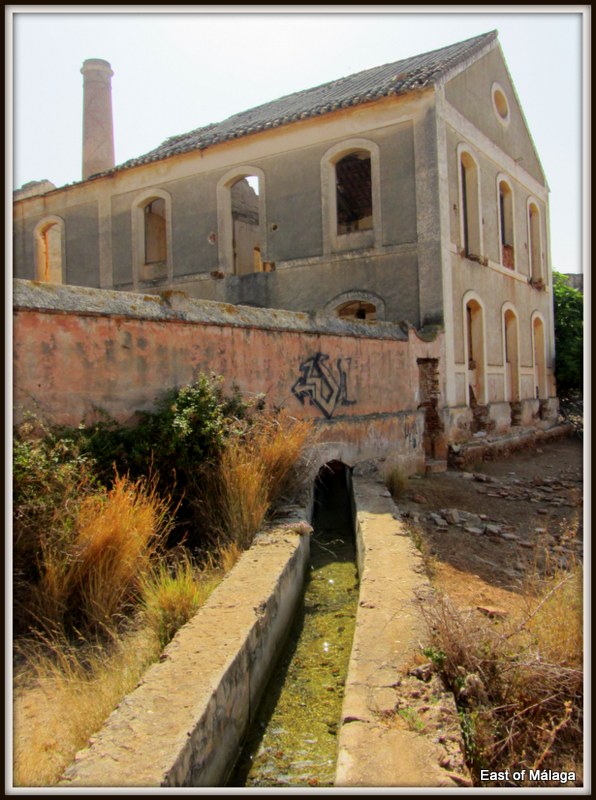
Irrigation channel at the San Joaquín sugar mill, Maro

Irrigation channel at the San Joaquín sugar mill, Maro

To supply the factory, large areas of sugar cane were planted nearby with water flowing through irrigation channels from the newly-built Eagle Aqueduct (Acueducto del Aquila).  This established a close relationship between the cultivation and industrial processes, a project that became known as The Agricultural Colony of Las Mercedes and Maro (La Colonia Agrícola de las Mercedes y Maro) and which continued until 1911 when the San Joaquín sugar mill closed.   The Larios sugar company acquired the mill in 1930 and production continued until the second half of the 20th century.  Since then, buildings have fallen into disrepair.

San Joaquín sugar Mill, Maro

San Joaquín sugar Mill, Maro

San Joaquín sugar Mill, Maro

San Joaquín sugar Mill, Maro

San Joaquín sugar Mill, Maro

San Joaquín sugar Mill, Maro

Whilst you´re here, why not have a look at:

The Alhambra Palace, Granada

La Noche de San Juan: Families, fires and football!

Churros served with thick hot chocolate

The Alhambra Palace, Granada

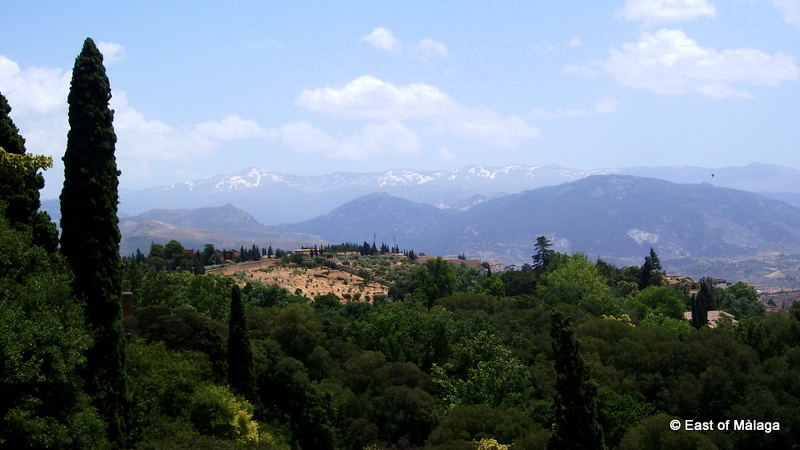
Within Andalucía, our neighbouring province is Granada, meaning that we only live about a 90 minute drive from Granada,  one of Spain’s most beautiful cities.  Granada offers great architecture, wonderful views of the Sierra Nevada mountains and a lively cosmopolitan atmosphere.  The city is well worth of a few days of anyone´s time.

Snow on the Sierra Nevada mountains, Granada - even in July

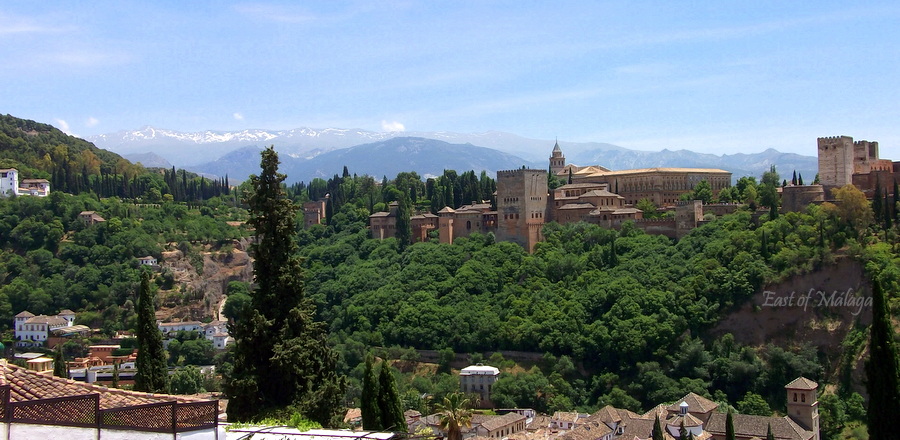
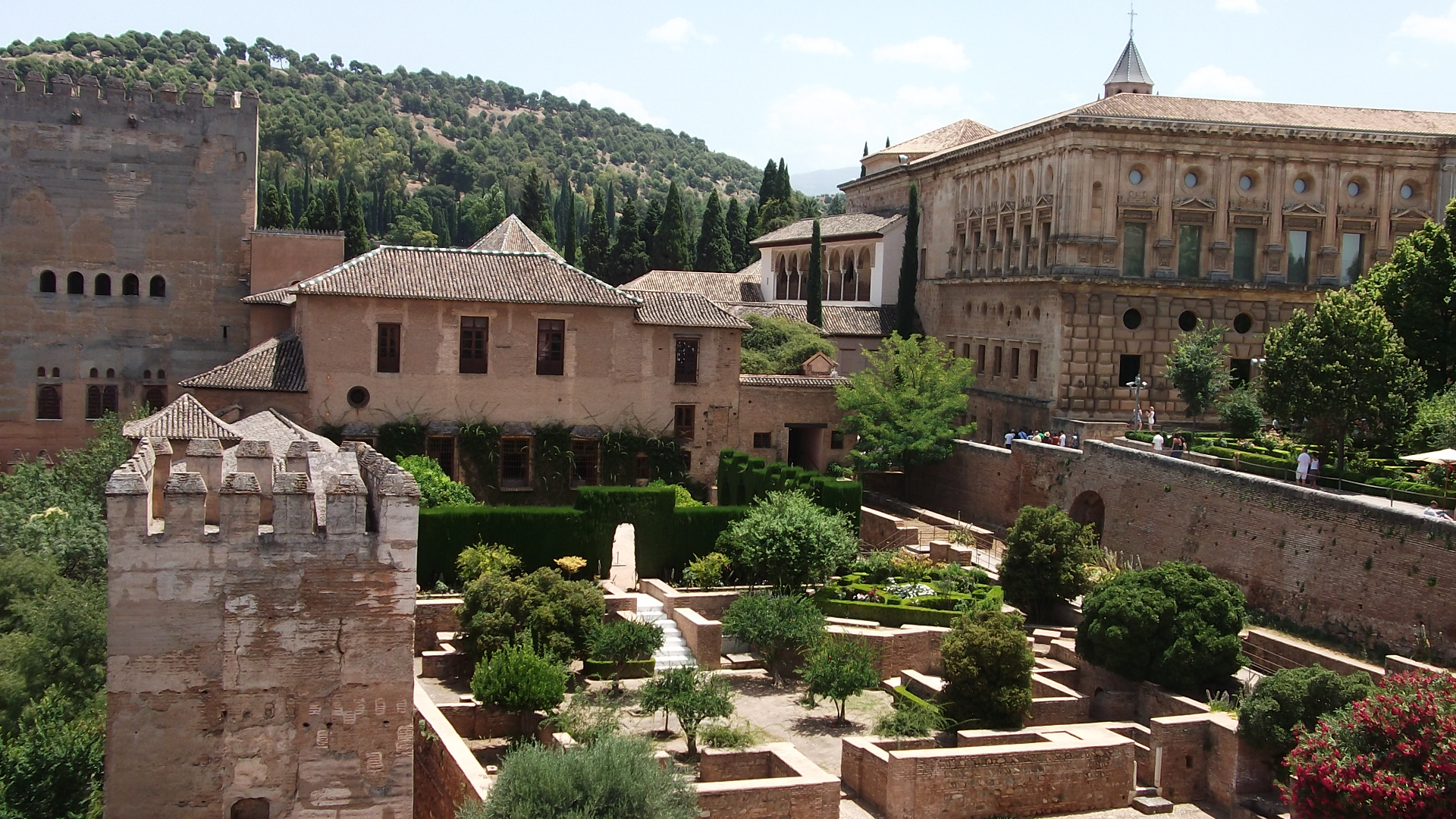
What I want to tell you about in this post, is the amazing Alhambra Palace, constructed during the mid 14th century by the Moorish rulers of the Emirate of Granada in al-Andalus, and  occupying the top of the hill of the Assabica, on the south-eastern border of the city of Granada.

Alhambra from San Nicolas

After being allowed to fall into disrepair for centuries, the Alhambra was “re-discovered” in the 19th century by European scholars and travellers, when restorations commenced.  It is now one of Spain’s major tourist attractions, exhibiting the country’s most significant and well known Islamic architecture, together with 16th-century and later Christian building and garden interventions.  As you might expect, the Alhambra is a UNESCO World Heritage Site.

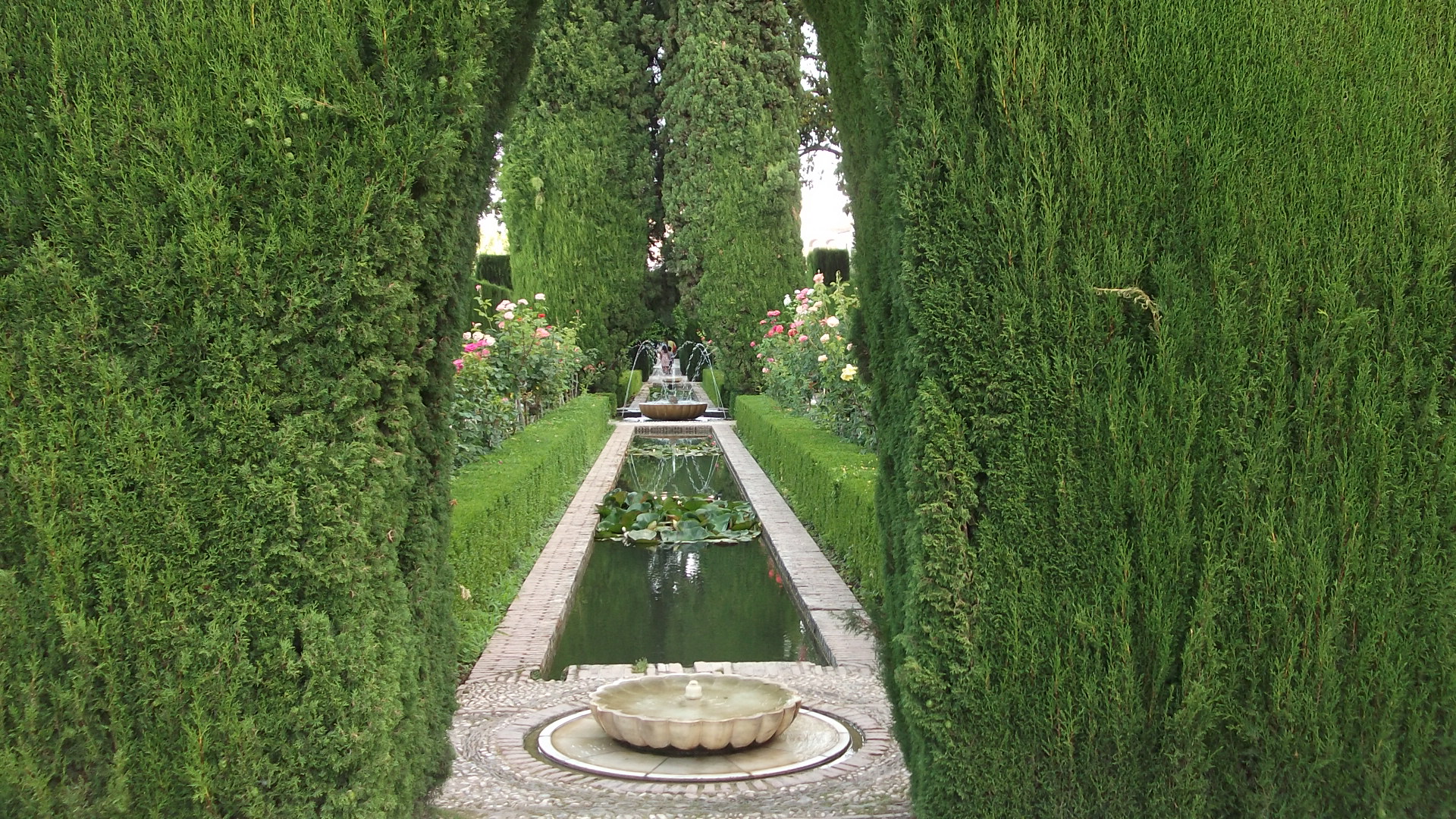
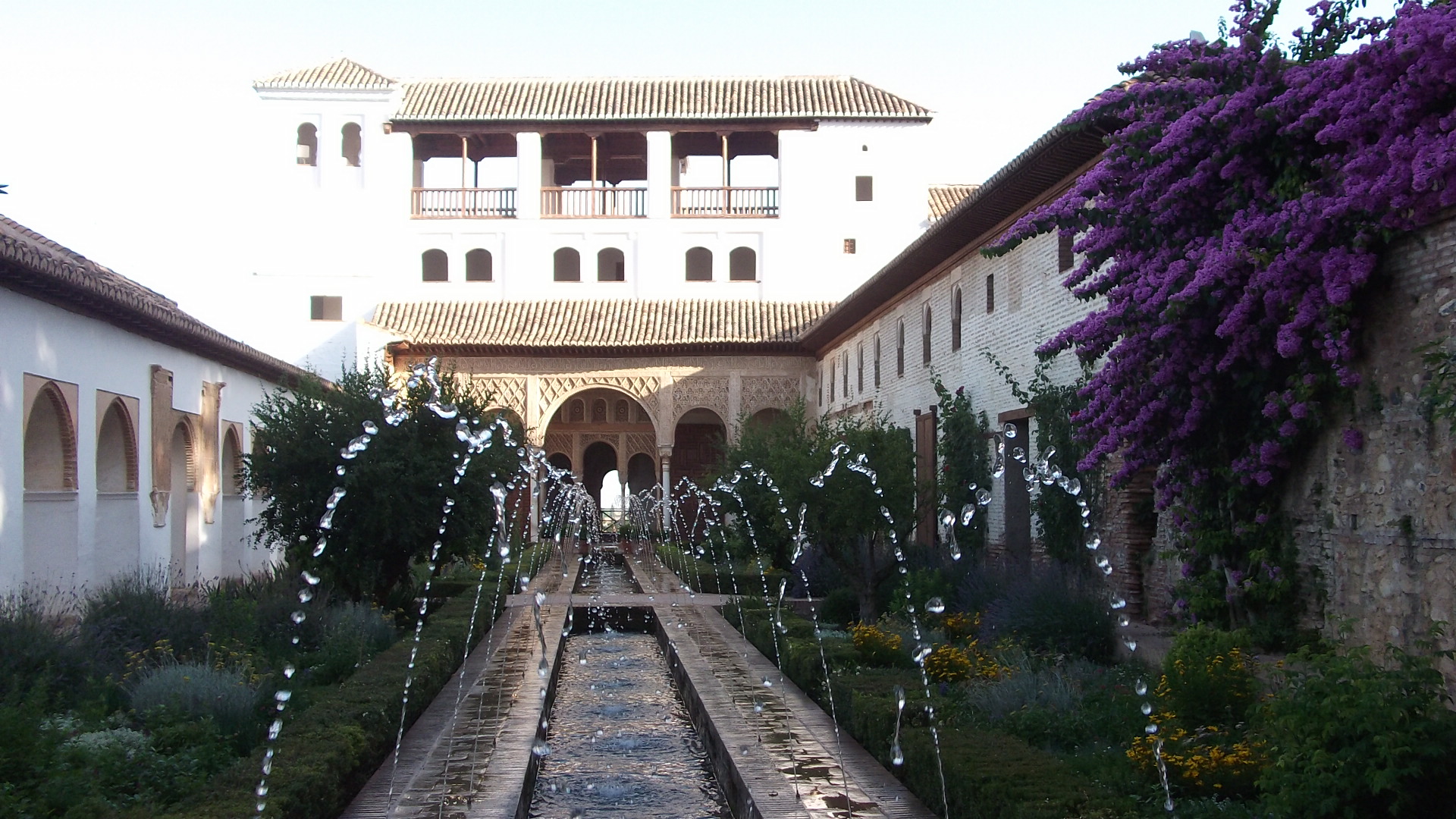
Generalife Gardens, Alhambra Palace, Granada

During our visit last summer, we opted for early morning entry into the Alhambra, to escape the fierce heat of the coming day, so it made sense to start off outside in the beautiful Generalife Gardens (the name is pronounced heneraliffi, and definitely not general life!)

Generalife Gardens, Alhambra Palace

Within the Alhambra Palace, Granada

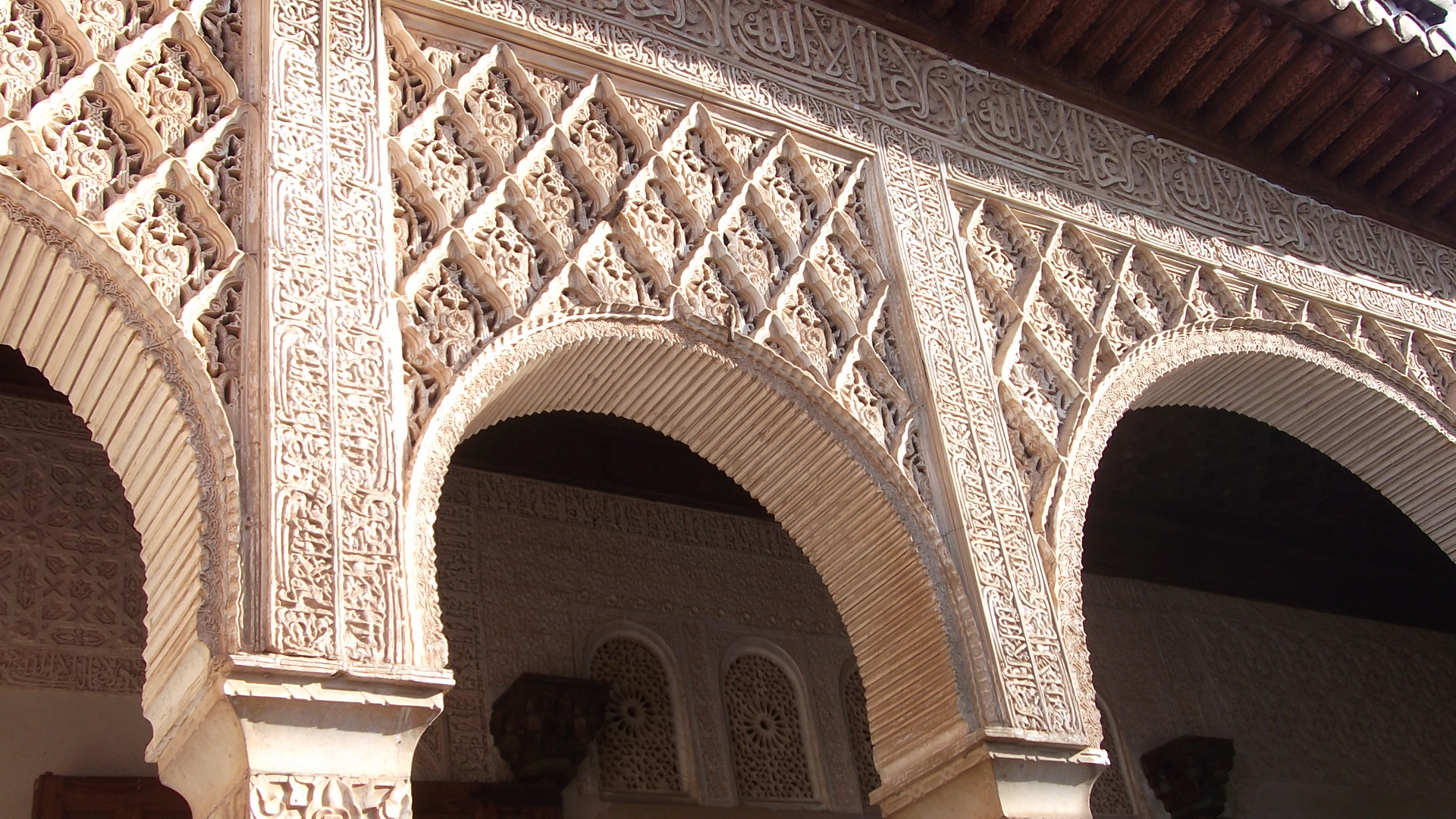
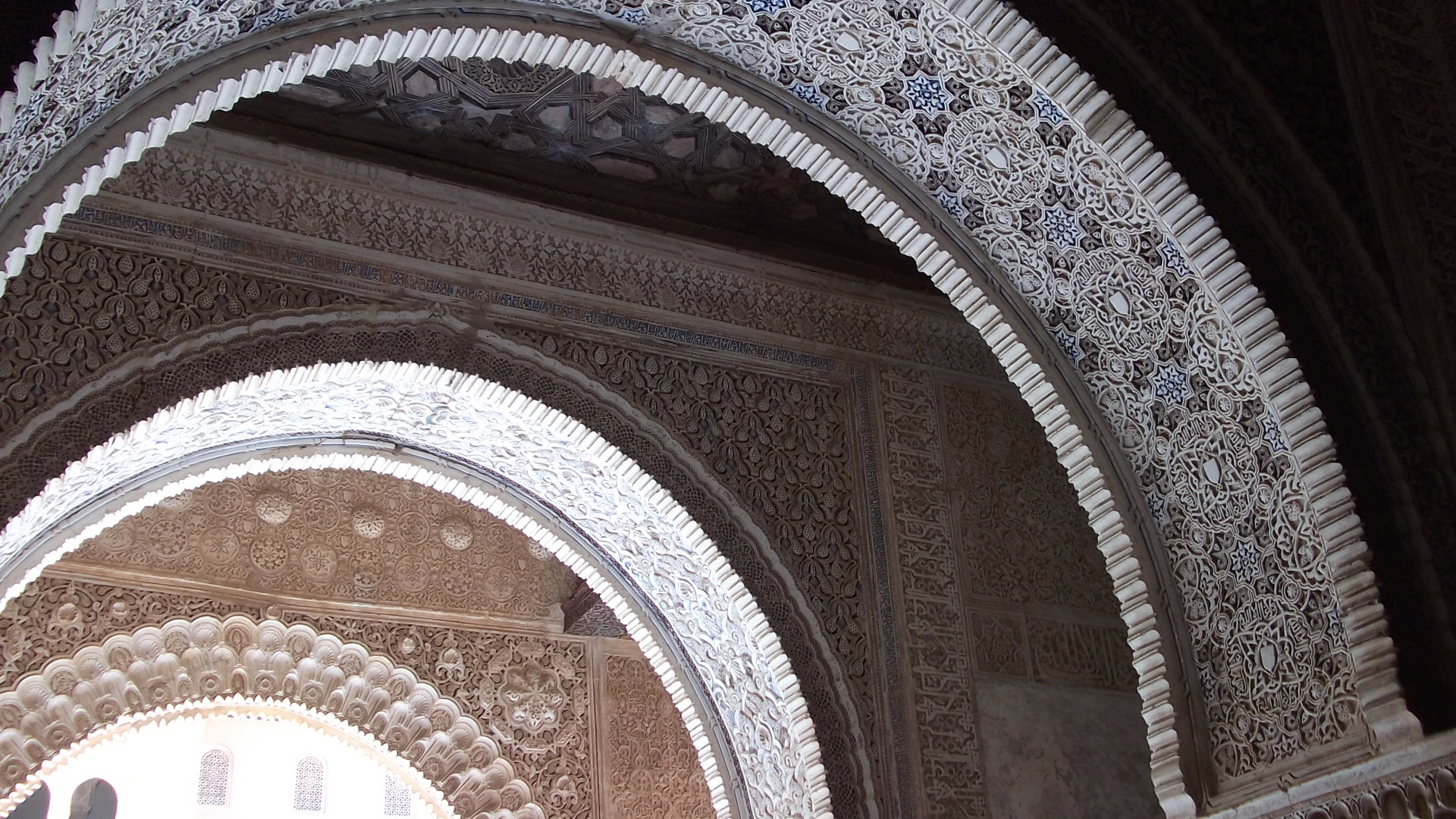
The decorations within the palaces typify the remains of Moorish dominion within Spain, which ushered in the last great period of Andalusian art in Granada.  Take a look at the stunning Islamic arches in the photos.

Islamic arches in the Alhambra Palace, Granada

Stunning arches in the Alhambra Palace, Granada

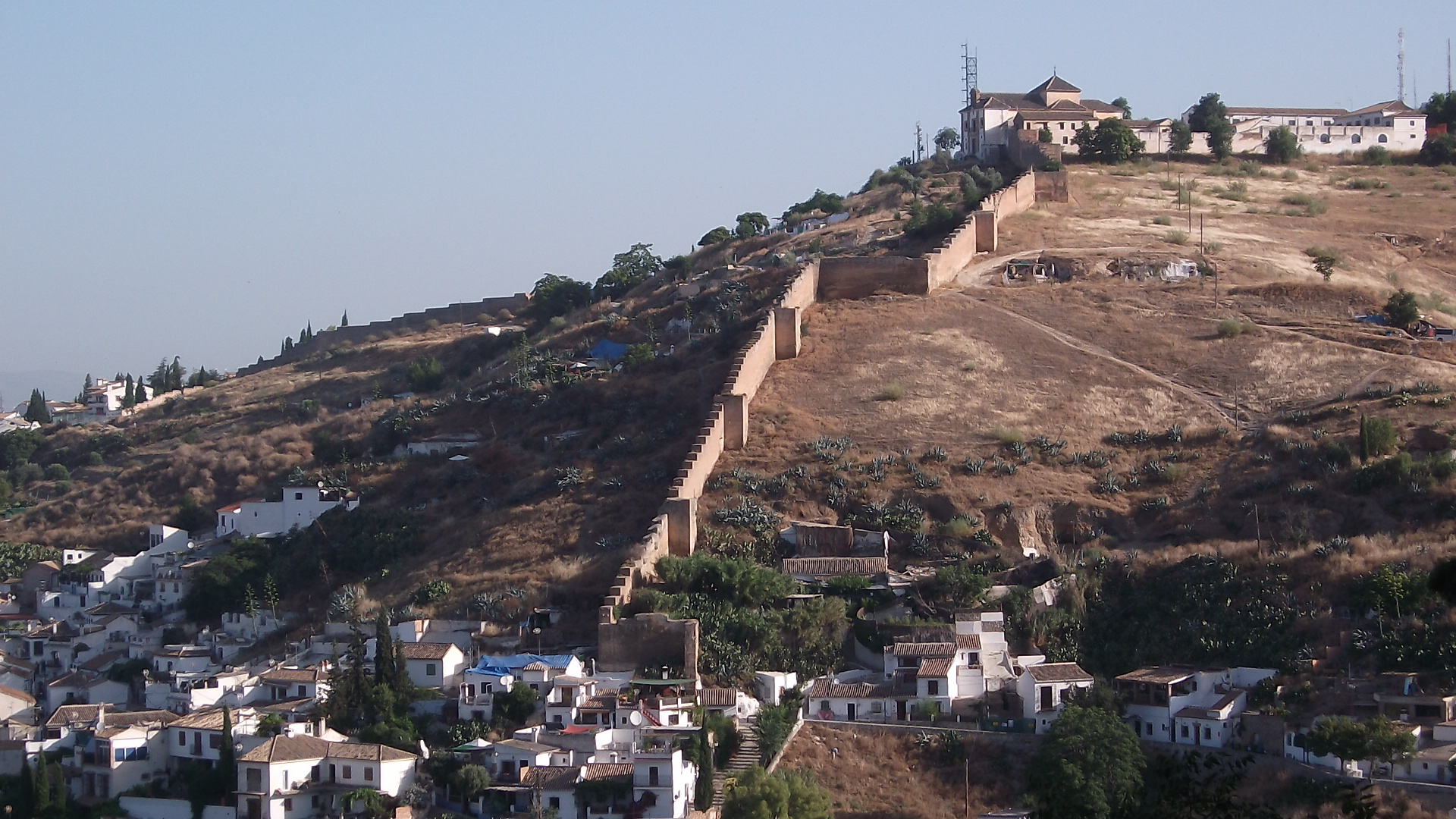
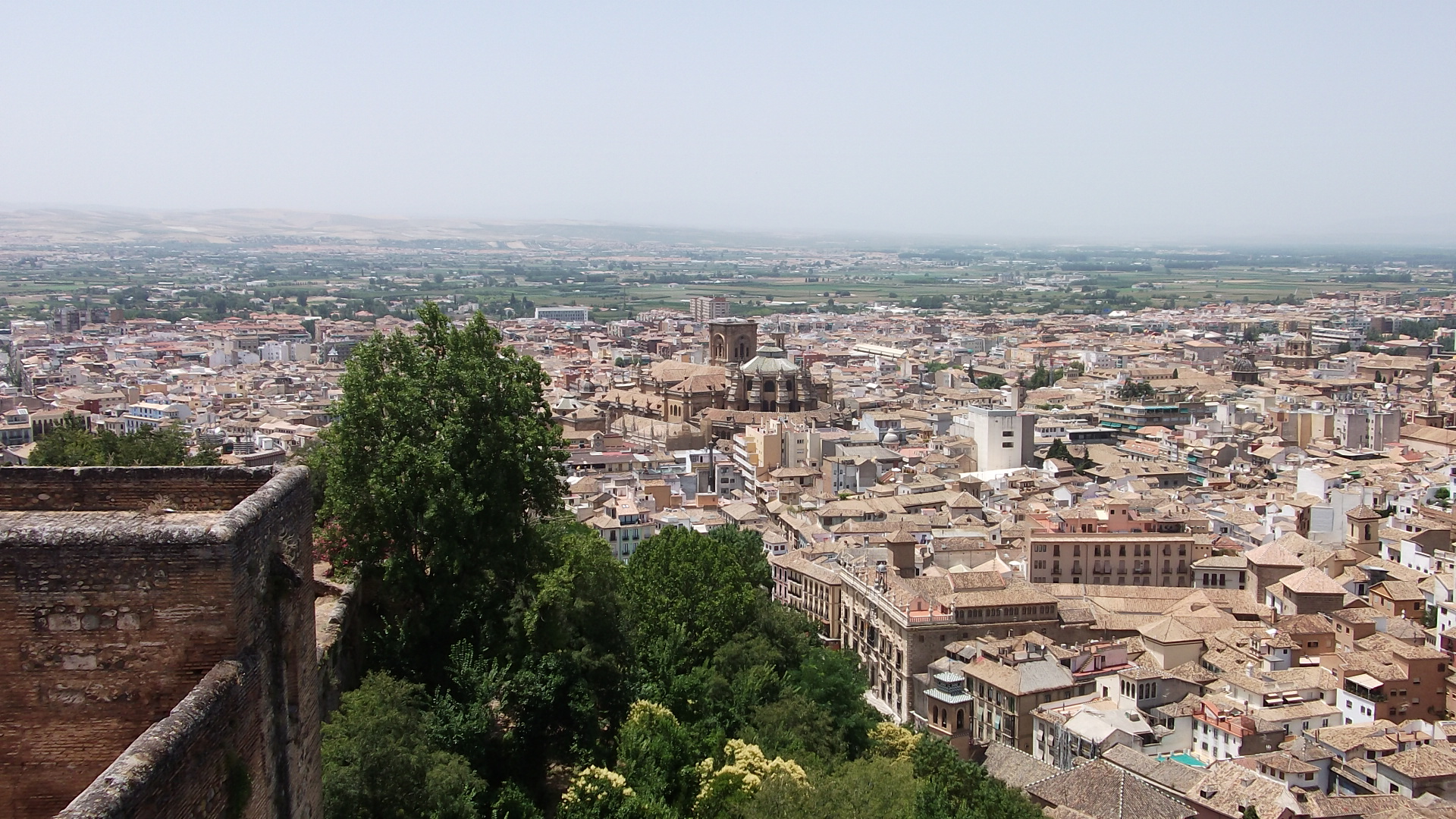
The Alhambra resembles many medieval Christian strongholds in its threefold arrangement as a castle, a palace and a residential annex for subordinates, with the  alcazaba being its oldest part.  Only the massive outer walls, towers and ramparts are left. We climbed the watchtower of the Alcazaba, the Torre de la Vela, 25 m (85 ft) high, for magnificent views over the city, including the old fortified walls of the city of Granada.

Old city walls, Granada

Granada city viewed from the Alhambra Palace

Whilst you´re here, why not have a look at:

Venturing further afield: A long weekend in Zaragoza

The Buddhist Stupa of the Eastern Costa del Sol

A Weekend Away: Santiago de Compostela

Venturing further afield: A day trip to Gibraltar

We love to travel not only locally, but throughout Spain, so I will also include information, from time to time, about where we have visited.  Usually these places can either be driven to within a few hours of our home, east of Málaga, or we will have flown there from Málaga (AGP) airport.

This week we have family from England staying with us.  As they are very familiar with the area east of Málaga, we took the opportunity to venture out of the Axarquía.

Driving west from Málaga along the E15/A7, not a single road-sign mentions the British territory of Gibraltar. You just have to figure out when to exit the highway (at La Linea de la Concepción, the Spanish town close to the foot of the Rock). By the time you see a sign for Gibraltar, you are within walking distance!


Photographs cannot prepare you for the physical reality of Gibraltar. The scale of the 430 metre high boulder – sheer on one side, a city of 30,000 people clinging to the bottom third of the other – still causes a jolt when you come over the last ridge to find it looming in front of you.

Gibraltar is a British Overseas Territory located on the southern end of the Iberian Peninsula. The Rock of Gibraltar, one of the Pillars of Hercules in Greek mythology, has a strategic location on the Strait of Gibraltar where the Atlantic Ocean meets the Mediterranean Sea, with Europe to the north and the continent of Africa to the south.

Both famous and enigmatic, Gibraltar contains some of the most extensive military fortifications in Europe, spanning over 1200 years of Moorish, Spanish and British history.   The territory covers just over 6.5 square kilometers and shares a 1.2 kilometre land border with Spain.

Of course, what traditionally attracts the  tourist to Gibraltar doesn´t disappoint either: stunning views of the entrance to the Mediterranean and the mountains of Morocco (including Jebel Musa, the other Pillar of Hercules), St Michael’s Cave, tunnels from the Great Siege of 1779-83 and, of course, the famous Barbary apes – Europe’s only wild monkeys.   Local legend has it that as long as the Barbary Macaque population exists on Gibraltar, the territory will remain under British rule.


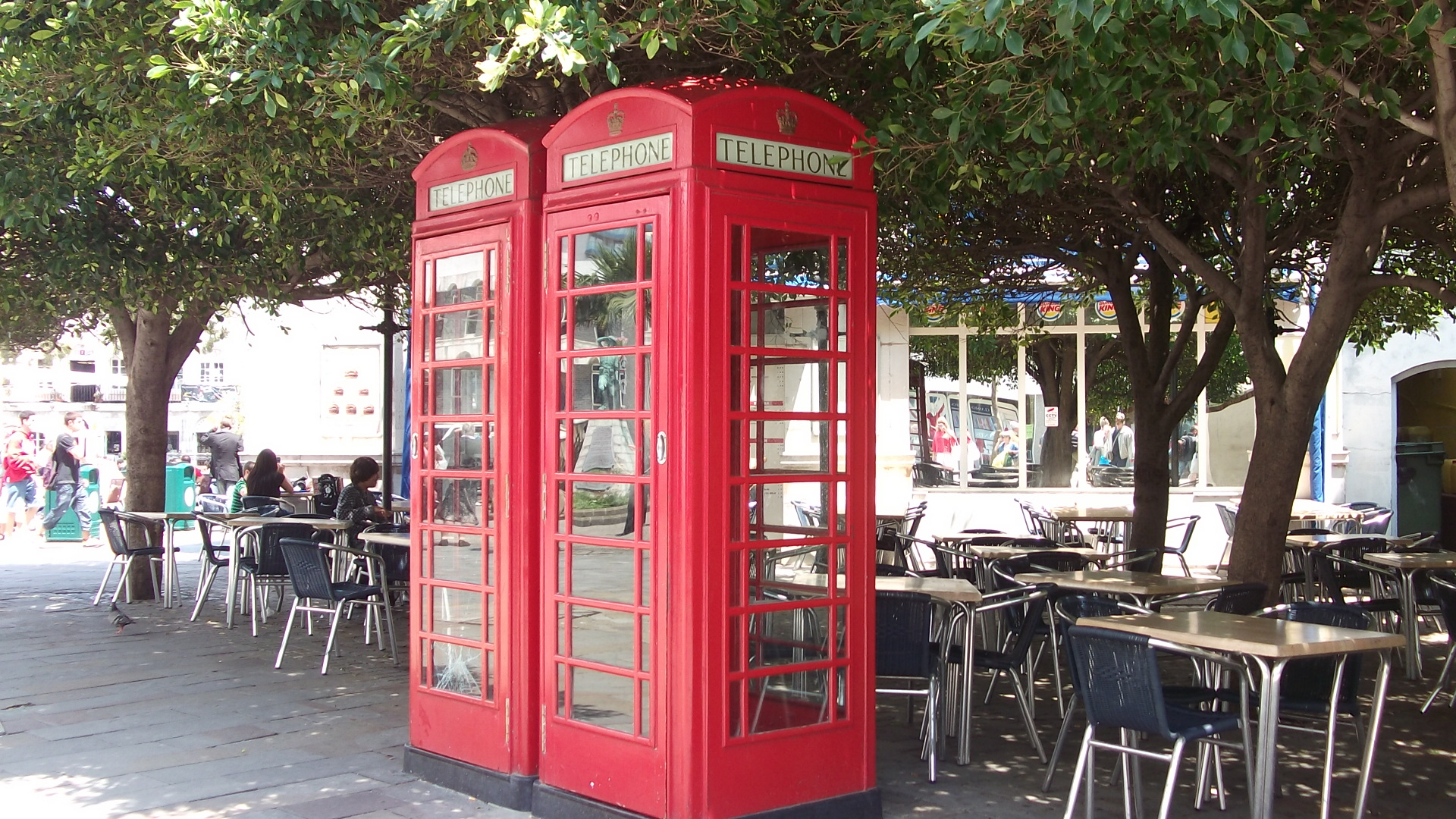
Being so close to Spain, Gibraltar shares the best of both cultures.  You can see Spanish-style houses adorned with Victorian cast-iron balconies from England. The labyrinthine streets and alleys of the old town, reminiscent of nearby Spanish cities such as Cadiz, are dotted with iconic English phone booths, red Royal Mail boxes, bars with names like Lord Nelson and The Angry Friar as well as good old Marks and Spencer!


The old Gibraltar Airport building is shortly to be replaced with a new glitzy glass-fronted one, but the runway, the shortest in the world, will remain the same.  The landing strip crosses the main road into the city, with traffic and passengers being halted to allow aircraft to take off and land.

One of the main reasons we travel the three hours to Gibraltar is to visit Morrison´s, the British supermarket, to buy groceries we can´t find in our local Spanish stores.  We can also pay in Sterling, saving the need to change our money into Euros, as we have to do for our everyday living here in Spain.  Our visitors meanwhile, took advantage of the cheap duty free cigarettes available at a fraction of the cost in the UK.

A good day was had by all!

What do you think about Gibraltar being a British territory?