All at sea with the Virgen del Carmen

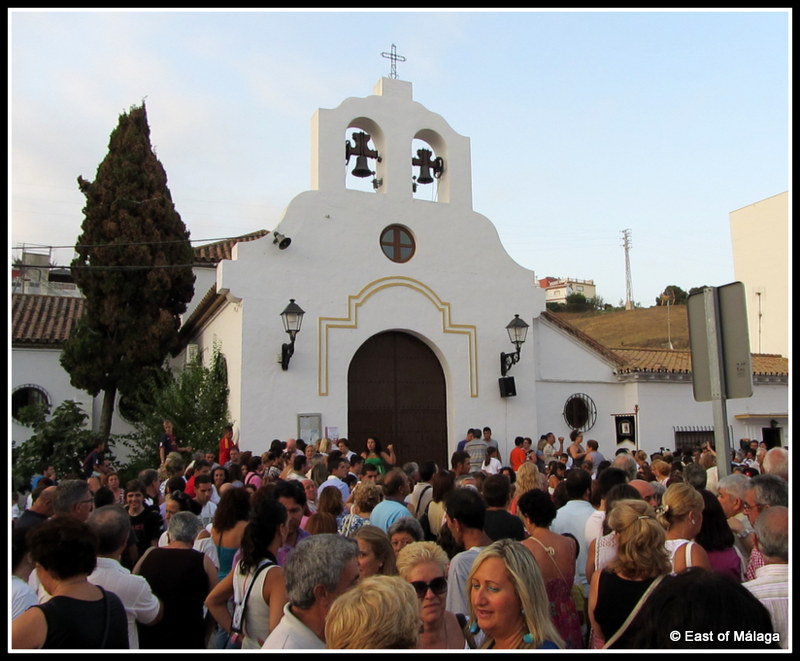
Crowd outside the church waiting for the doors to open

In a festival that dates back several hundred years, many coastal towns and fishing villages in Spain celebrate the Fiesta del Día de Virgen del Carmen as the protector of mariners and fishermen.

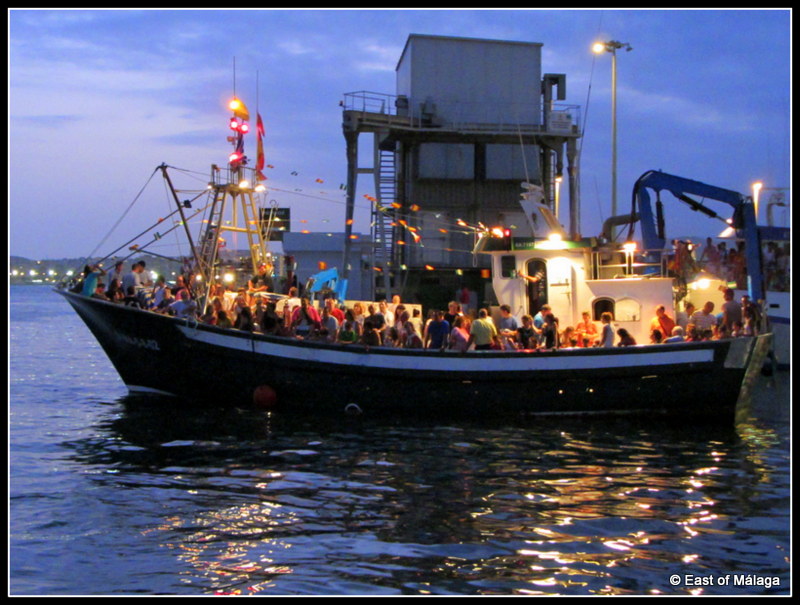
Every year on 16th July, spectacular maritime processions of decorated fishing boats known as jabegas head out to sea carrying their precious cargo, an effigy of the Virgen del Carmen, to bless their fishing grounds.

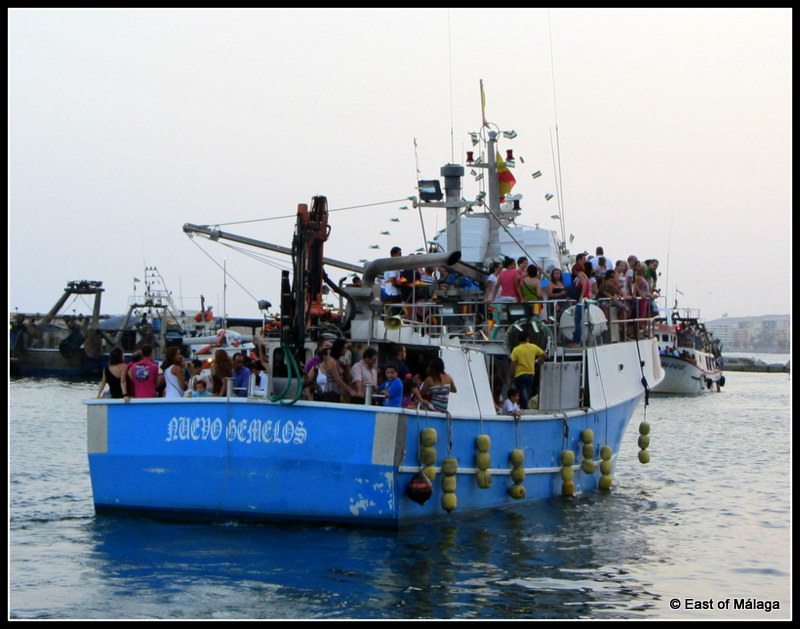
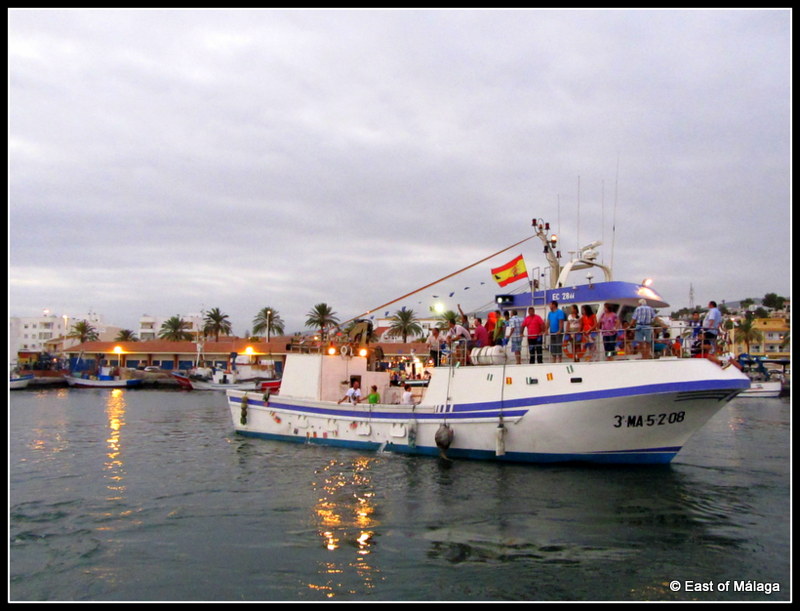
The vessels, many decorated with brightly coloured flags and bunting, each crowded with people, gather under the late dusk sky patiently waiting for the official party of sailors, fishermen, clergy and authorities to bring the Statue of the Virgin on board the boat that will lead the procession.

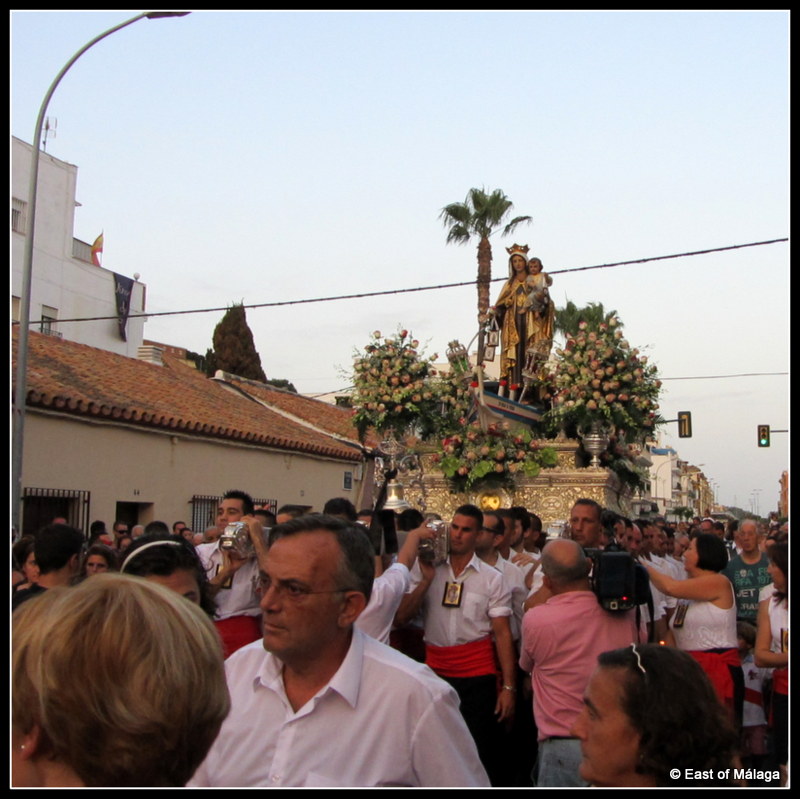
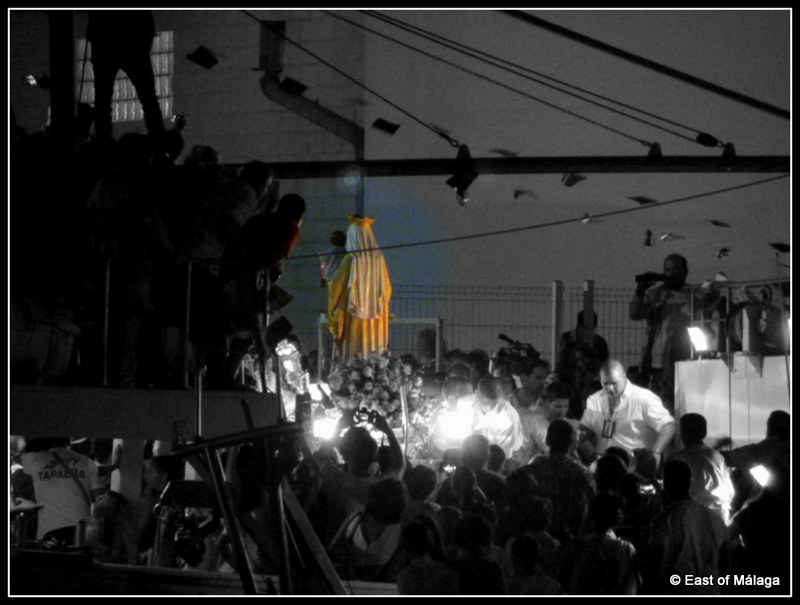
But before that, the Virgen del Carmen is paraded through the streets for all to see.  There is an air of excitement with people surging forward for the best views as the parade passes by, before making its way to the water´s edge.
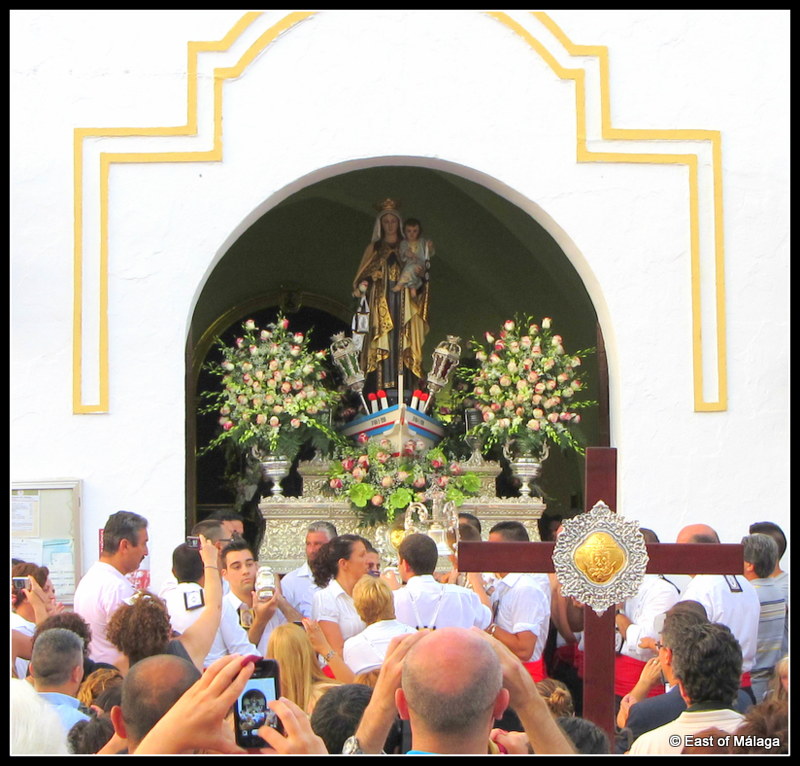
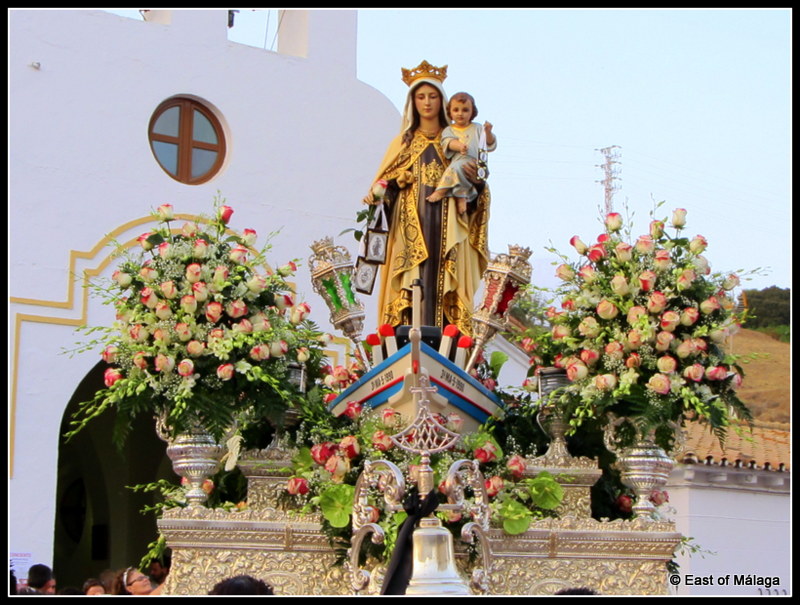
Doors open - and there she is!

Virgen del Carmen 2012

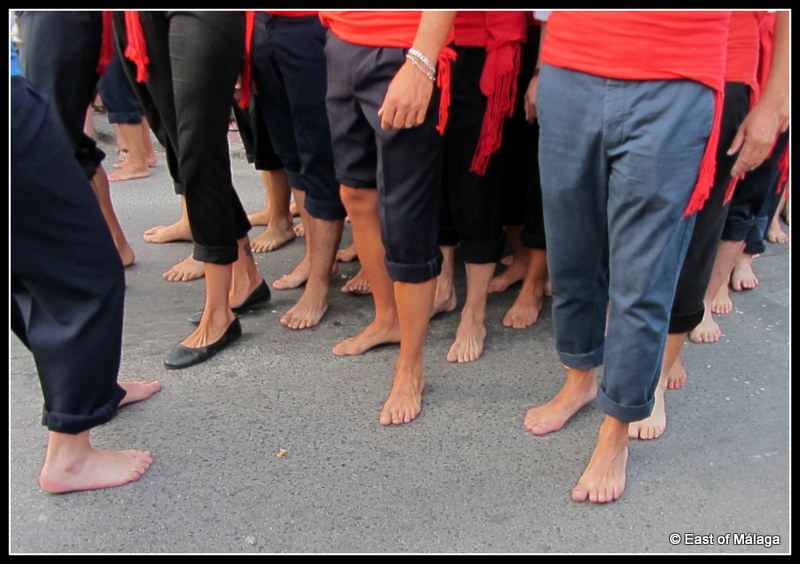
Carrying the statue with bare feet

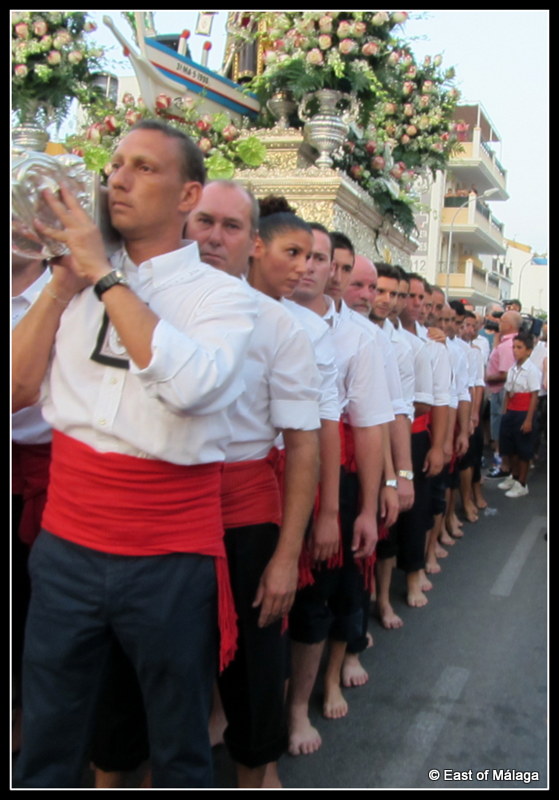
The line of bearers carrying the Virgen del Carmen

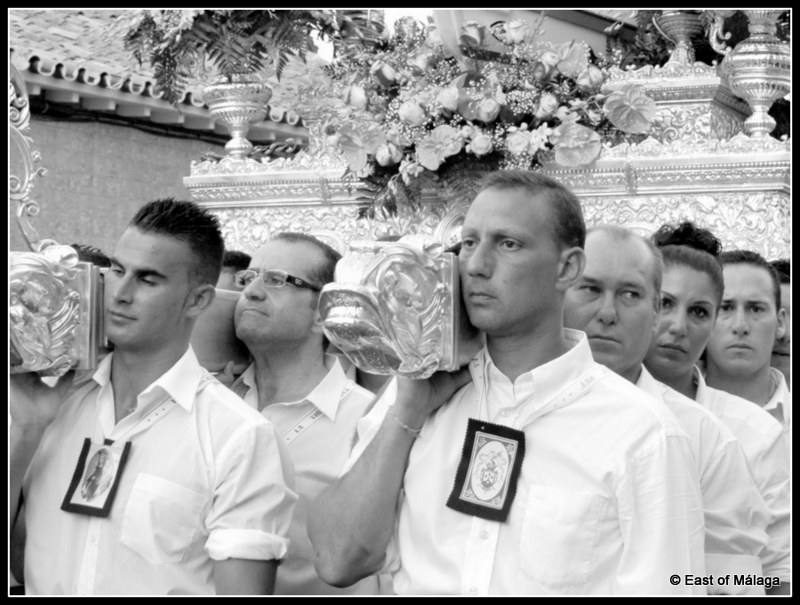
Solemn faces as they carry the statue through the streets

The crowds jostle for position to get the best view

Crowded boats waiting for the Virgen del Carmen to arrive at the harbourside

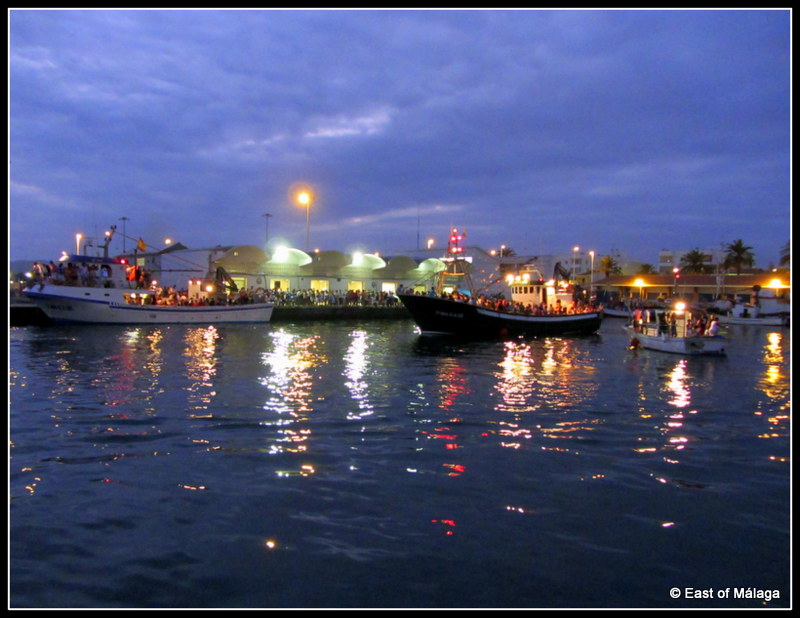
Caleta de Velez harbour as dusk falls

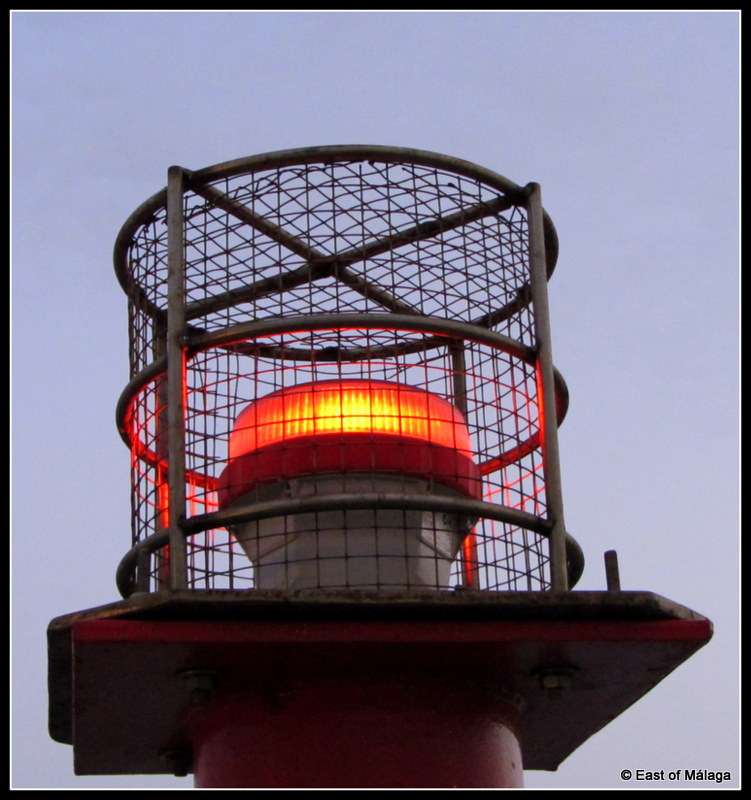
Harbour marker beacon flashes

Boats awaiting the arrival of the Virgen del Carmen

Excited people crowd onto the boats

The statue of Virgen del Carmen being loaded onto the boat

Celebrations vary slightly from town to town along the coast, east of Málaga.  My photographs show last night´s celebrations in La Caleta de Vélez, situated at the mid-coastal point of La Axarquía.

The video below shows the celebrations held last year in the town of Torre del Mar, just along the coast from La Caleta de Vélez.

Which is your favourite Spanish festival or fiesta?

Whilst you´re here, why not have a look at the following articles too?

The heart of Cómpeta: El Paseo de las Tradiciones

Patatas a lo pobre: Poor man´s potatoes

Photographs I love …. and why! [Part 10]

This is just one of a series of photos I have taken, and will share with you over time, capturing the essence of living east of Málaga.   Each one, in it’s own unique way, reminds me of why I love living in southern Spain, and in particular the Axarquía.

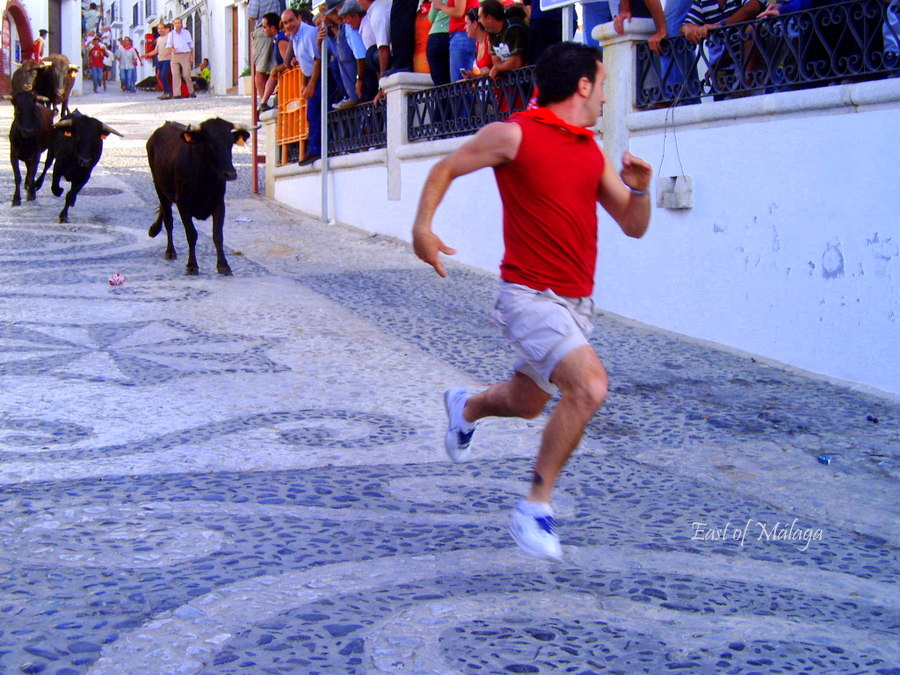
Bull run in Frigiliana, Spain

I took this photograph a couple of years ago during the Bull Run in the village of Frigiliana.  This event is held each year, early on the Sunday morning of the Feria weekend in June.

A smaller version than the Bull Run held in Pamplona, both in size of attractions and certainly in the size and age of the bulls, but nonetheless no less exciting for those participating.  No bulls are harmed at this annual festival.

You might also like to have a look at:

More Photographs I love …. and why!

A Celebration of Fried Breadcrumbs: The 30th Annual Migas Festival

The heart of Cómpeta: El Paseo de las Tradiciones

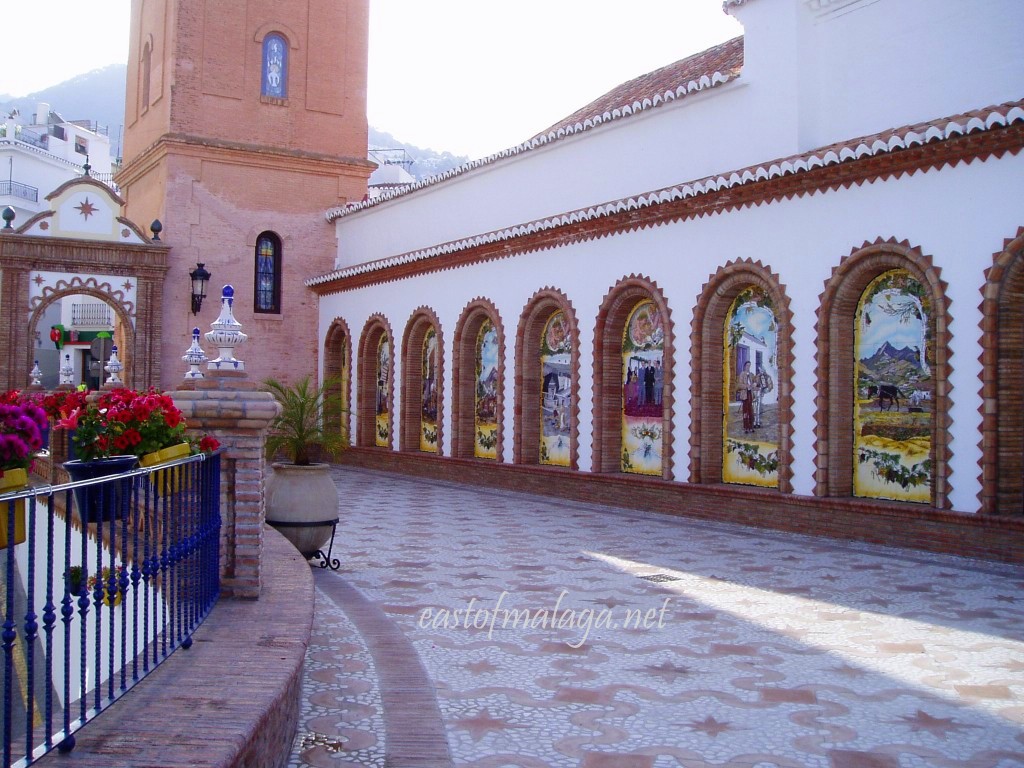
Paseo de Las Tradiciones, Competa, Spain

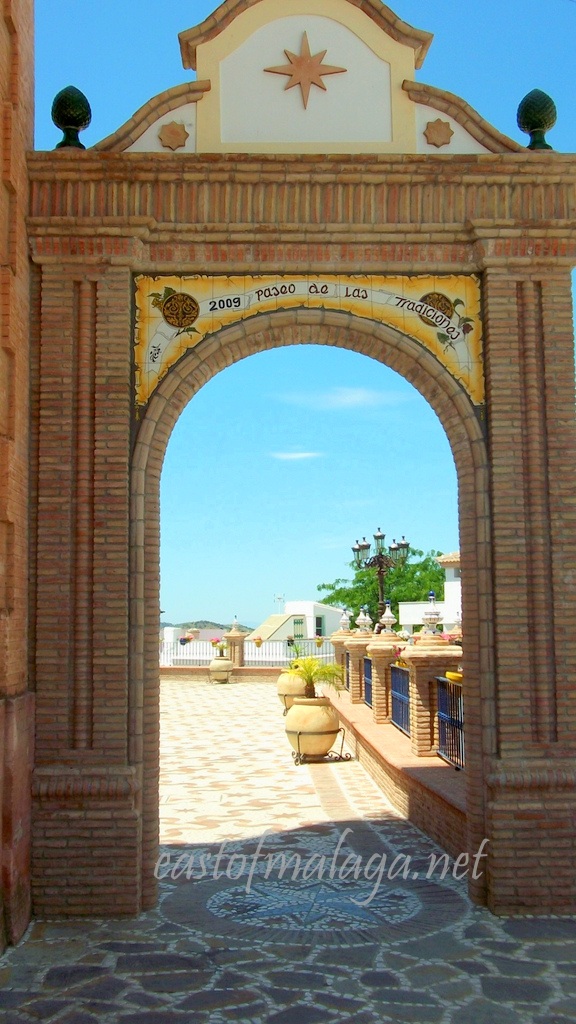
You can find El Paseo de las Tradiciones (The Walk of the Traditions) in the main square, Plaza Almijara, of the white, mountain village of Cómpeta. Completed in 2009 on the site of the old municipal market, El Paseo de las Tradiciones is annexed to the Church of Our Lady of the Assumption (La Iglesia de Nuestra Señora de la Asunción).

Archway into El Paseo de las Traditiones, Cómpeta, Spain

As you stroll from the busy square, through the archway into the Paseo de las Tradiciones you will discover an oasis of calm.   The floor is decorated with an intricate Moorish pattern of terracotta and white tiles, alongside a series of ceramic murals celebrating the lives of generations of the ordinary working people of the village.

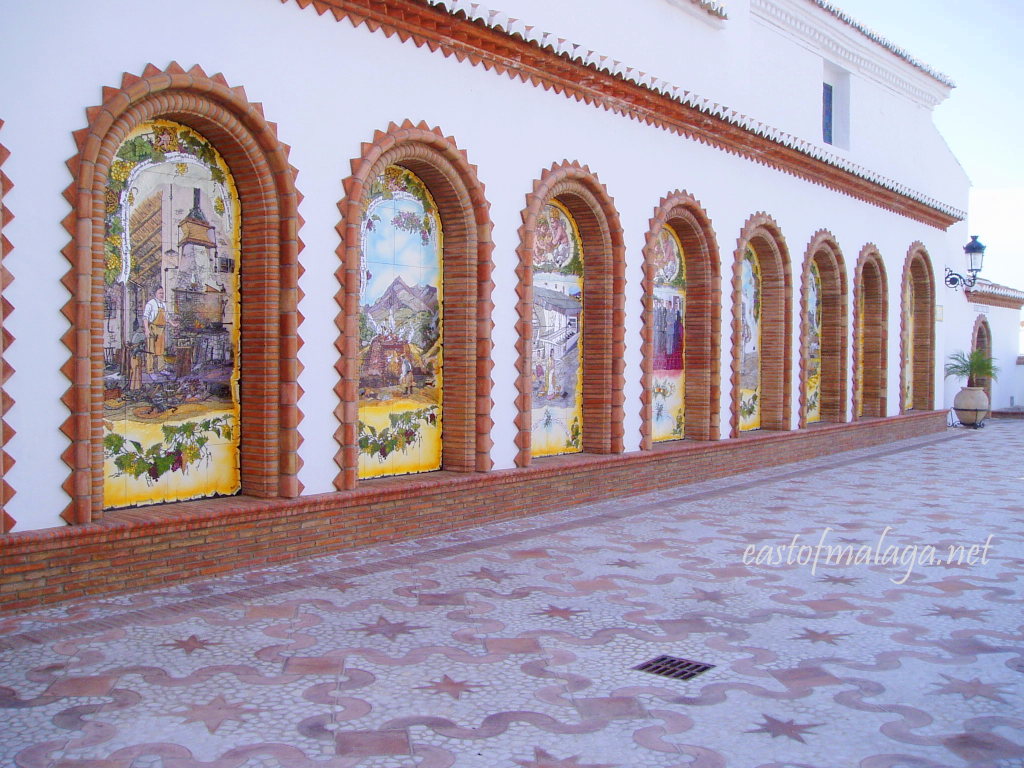
Alcoves in El Paseo de Las Tradiciones, Cómpeta, Spain

One wall of the Paseo de las Tradiciones pays testament to the trades and deeply rooted traditions of the people of Cómpeta through the ages. The beautifully modern, brightly coloured tiling in each of the alcoves was developed in the workshop of potter and sculptor, José Antonio Rivas.

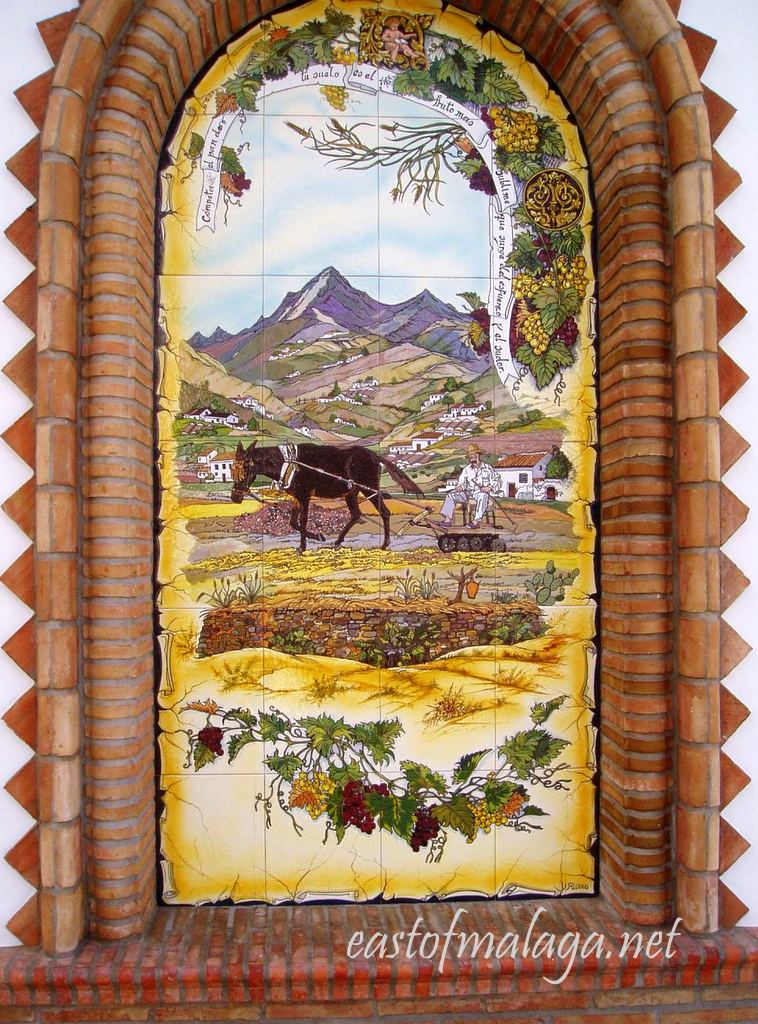
The nine alcoves, each 3 metres high and 2 metres wide, not only depict the history of the collecting of the local vines, the muleteers and village smithy, old olive oil factory and the public laundry, but also recognize the contribution made by the Moors, who for 800 years did so much to improve the cultivation of the summer-dry, winter-wet sierras, bringing the first prosperity to the village.

East of Malaga: Competa´s Paseo de las Tradiciones Alcove

The past 500 years since the building of the Church of Our Lady of the Assumption have not been easy for the people of Cómpeta.  The expulsion of the Moors, two great earthquakes followed shortly by a cholera epidemic, and the vine disease phylloxera,which devastated crops all over Europe in the mid-19th century, have all taken their toll, but the spirit of the villagers continues to thrive, as epitomized throughout the Paseo de las Tradiciones.

Where is your “oasis of calm”?

Whilst you´re here, why not have a look at:

The elegant,  main shopping street of Málaga

I can see Africa from my terrace!

All at sea with the Virgen del Carmen