Roadside Advertising: Not just a Load of Bull

Toro de Osborne, Spain

Around many parts of Spain, you will see the famous Osborne Bull (Toro de Osborne) silhouetted against the impossibly blue sky.  The 14 metre high black image of a bull in semi-profile, has come to be regarded as the unofficial national symbol of Spain.

First created in 1956 and erected close to major roads by the Osborne Sherry Company to advertise their Brandy de Jerez, the bulls used to feature the brand name “Veterano” in red, emblazoned across them.   In 1994, a law in Spain was passed which prohibited roadside advertising which meant that the hoardings would have to be removed.  However, there was a public outcry as the bulls had become much loved, so in order to comply with the law, the bulls were completely blacked out to remove all reference to the original advertisers.

Only two bulls remain in Spain with the word “Osborne” still written on them.  One is at the airport of Jerez de la Frontera in Cadiz province,  and the other is in the nearby town of El Puerto de Santa María, where the headquarters of the Osborne company can be found.

The image of the bull is now proudly displayed in stickers, key rings and memorabilia throughout Spain, and at sports events where a Spanish team or individual take part, the bull is embedded by supporters into the Spanish flag in the manner of a coat of arms.

Flag of Spain with Osborne´s bull

       [Image credit:  CC Wikipedia]

There are 23 of these bulls to be found within the region of Andalucía – so keep your eyes peeled on your travels!

This is my response to the WordPress Photo Challenge: Silhouette

You might also like to look at:

The Buddhist Stupa of the Eastern Costa del Sol

When life gives you curves, flaunt them!

The heart of Cómpeta: El Paseo de las Tradiciones

The heart of Cómpeta: El Paseo de las Tradiciones
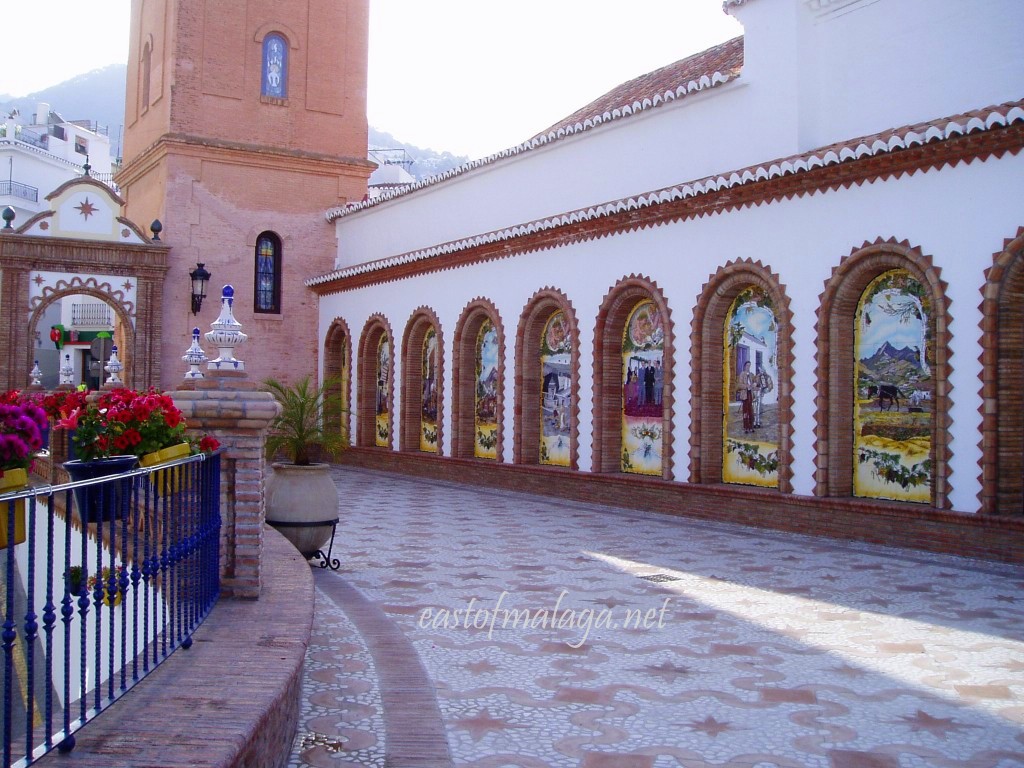
Paseo de Las Tradiciones, Competa, Spain

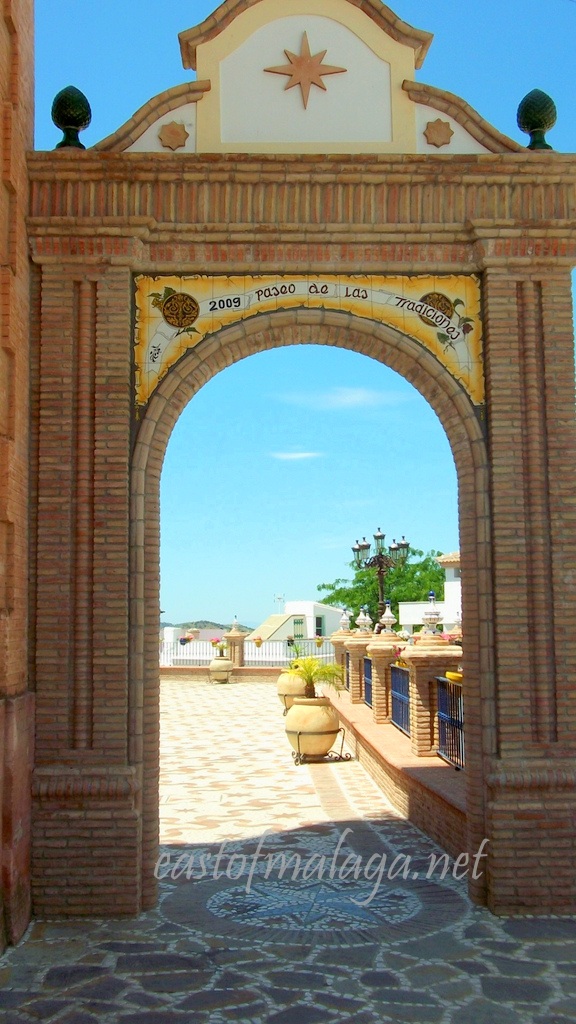
El Paseo de las Tradiciones (The Walk of the Traditions) is just off  the main square, Plaza Almijara, of the white, mountain village of Cómpeta.  Completed in 2009 on the site of the old municipal market, El Paseo de las Tradiciones is annexed to the Church of Our Lady of the Assumption (La Iglesia de Nuestra Señora de la Asunción).
Archway into El Paseo de las Traditiones, Cómpeta, Spain

As you stroll from the busy square, through the archway into the Paseo de las Tradiciones you will discover an oasis of calm.   The floor is decorated with an intricate Moorish pattern of terracotta and white tiles, alongside a series of stunning ceramic murals celebrating the lives of generations of the ordinary working people of the village.
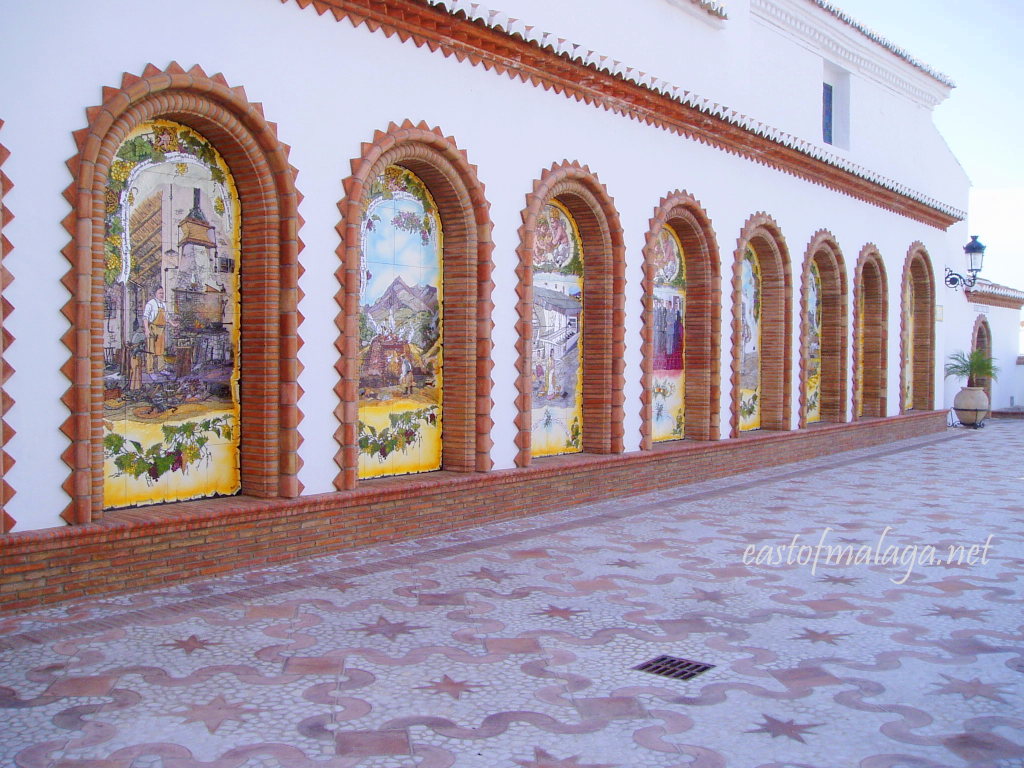
Alcoves in El Paseo de Las Tradiciones, Cómpeta, Spain

One wall of the Paseo de las Tradiciones pays testament to the trades and deeply-rooted traditions of the people of Cómpeta through the ages. The beautifully modern, brightly-coloured tiling in each of the alcoves was developed in the workshop of potter and sculptor, José Antonio Rivas.
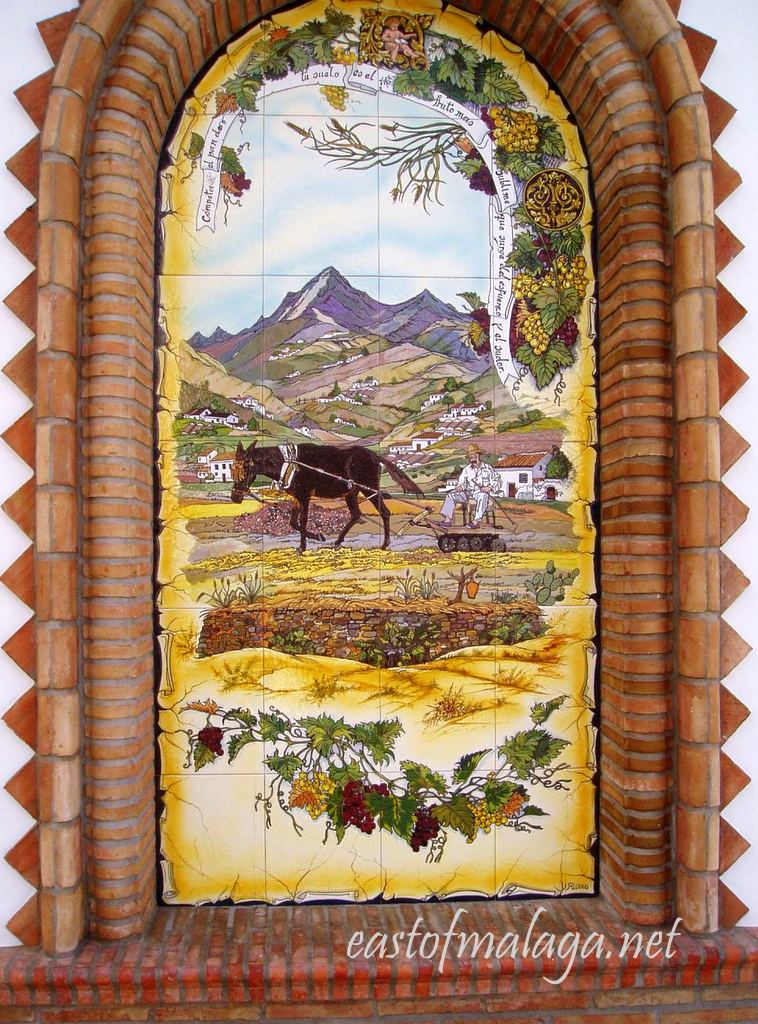
The nine alcoves, each 3 metres high and 2 metres wide, not only depict the history of the collecting of the local vines, the muleteers and village smithy, old olive oil factory and the public laundry, but also recognize the contribution made by the Moors, who for 800 years did so much to improve the cultivation of the summer-dry, winter-wet sierras, bringing the first prosperity to the village.

East of Malaga: Competa´s Paseo de las Tradiciones Alcove
The 500 years since the building of the Church of Our Lady of the Assumption have not been easy for the people of Cómpeta.

The expulsion of the Moors, two great earthquakes followed shortly afterwards by a cholera epidemic, and the vine disease phylloxera, which devastated crops all over Europe in the mid-19th century, have all taken their toll.   But the spirit of the villagers continues to thrive, as epitomized throughout the Paseo de las Tradiciones.

Where is your “oasis of calm”?

Whilst you´re here, why not have a look at:

The elegant,  main shopping street of Málaga

I can see Africa from my terrace!

All at sea with the Virgen del Carmen

Ready now: The Green, Green Grapes of Home!

A couple of weeks ago, I told you about our visit to the white village of Cómpeta for the  Night of  Wine (Noche del Vino).

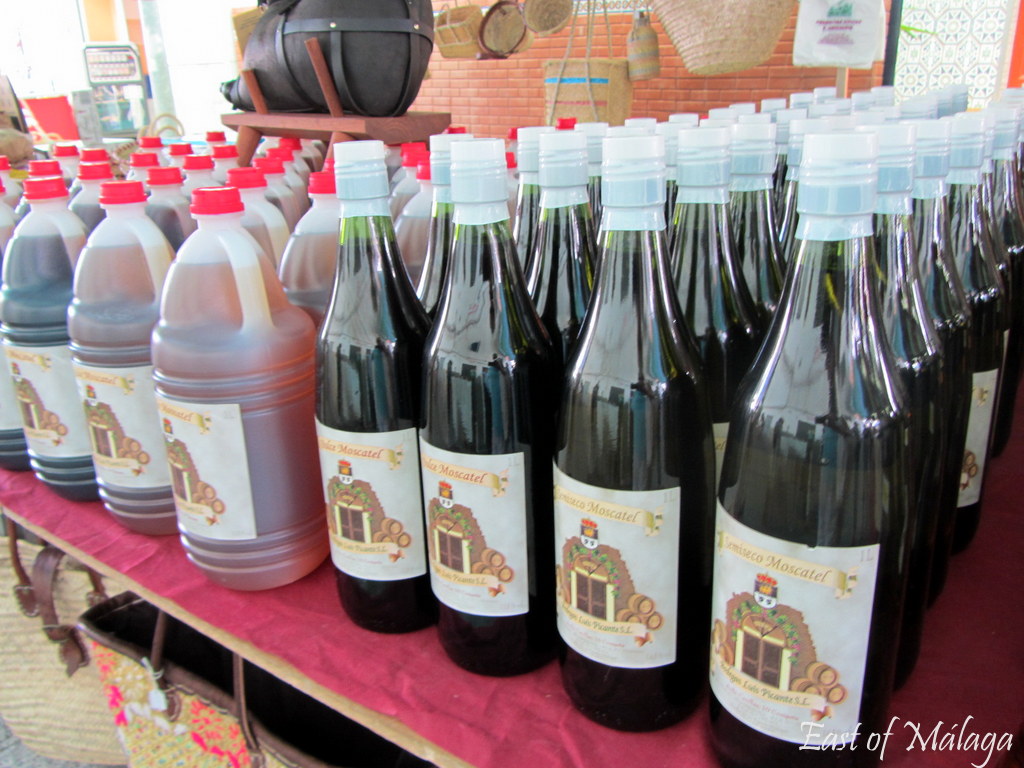
Whilst we were there, I noticed a very interesting stall that had lots of local produce for sale.  There were not only locally-grown grapes and pasas (grapes left out in the sun to shrivel and sweeten on drying beds), but also an old vine root on display along with the bottled Moscatel wine available in sweet, semi-sweet and dry varieties.

Cómpeta grapes and old vine root


Grapes dried out in the sun, known as pasas


Sweet Moscatel wine for sale in Cómpeta

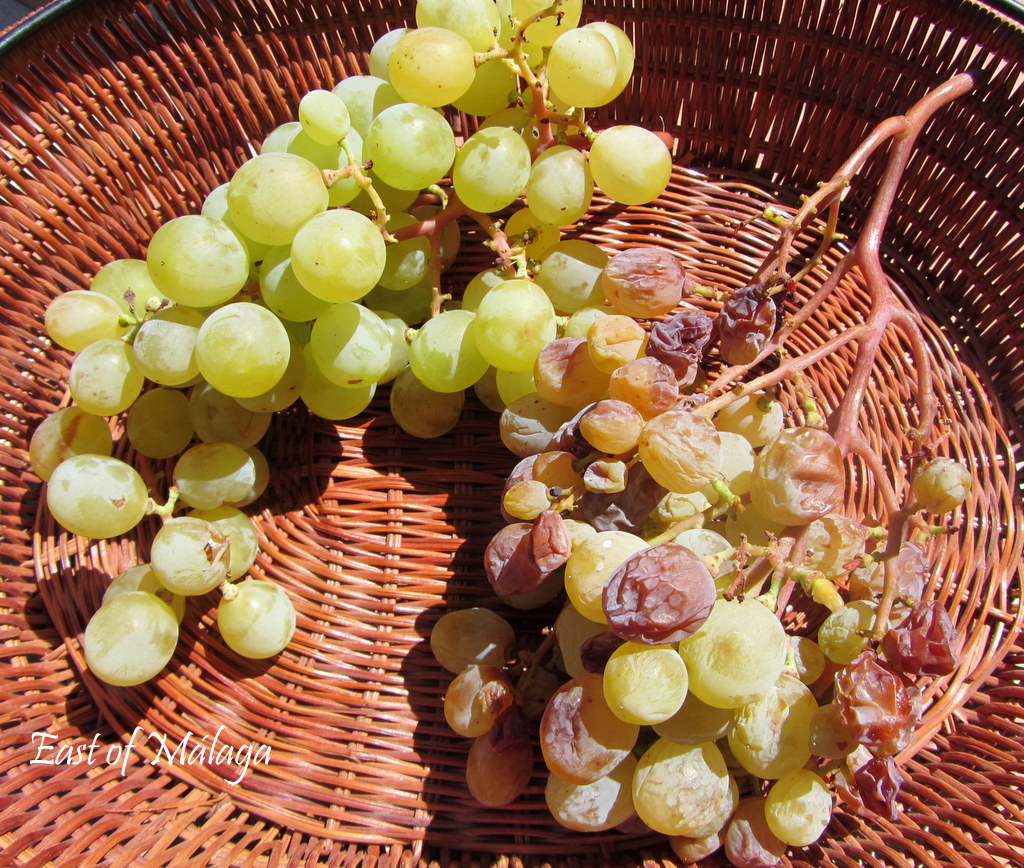
Best of all, look what I´ve just picked from the vines on our land!  In the photograph below, you can see that the bunch of grapes on the left is pretty much as you might imagine them to look, but the one on the right has grapes that have started to go brown as they shrivel and sweeten in the sun.

Some people might say that these are best of all to eat right now.   Not me, of course!  😉

Just-picked grapes from our own vines


You might also like to look at these posts:

Competa´s Noche del vino: Night of wine

Bus Services: East of Málaga

Patatas a lo pobre: Poor man´s potatoes


Competa´s Noche del vino: Night of wine

This slideshow requires JavaScript.

La Noche del Vino (Night of Wine) is held each year on August 15th in the mountain village of Cómpeta and has become one of the Axarquía´s most important events.

Every year, thousands of people descend on the village to witness the ritual treading of the grapes and share in the fun and festivities to herald the start of the grape harvest.  There is a free lunch of migas (fried breadcrumbs), salad and, most importantly, a glass of the locally-produced muscatel wine for everyone.

You might also like to have a look at:

La Noche de San Juan: Families, fires and football!

Eating your Greens: Acelgas

Fifty Shades of Grey: What´s going on?

Back to the Future: An Evening at the Medieval Market

medieval market  in torrox pueblo

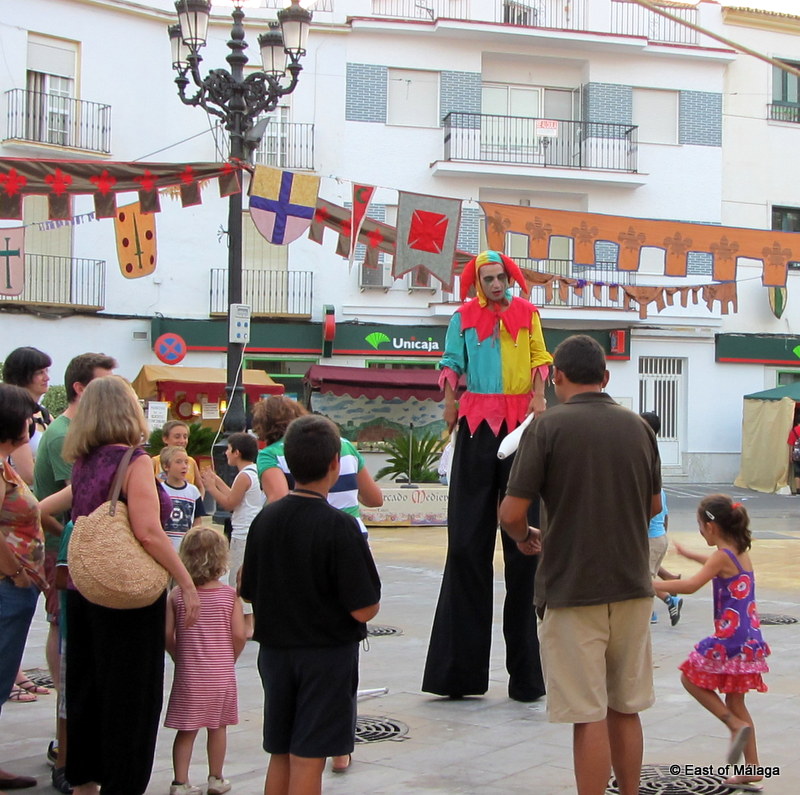
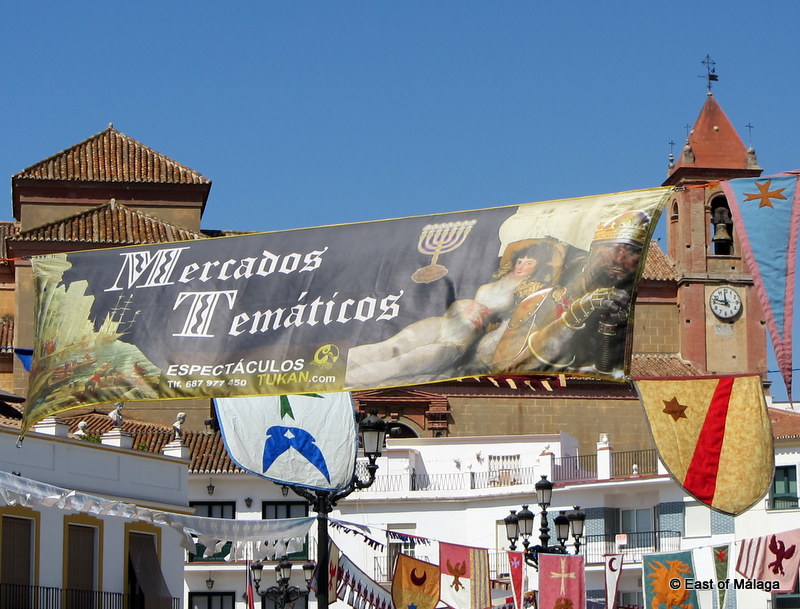
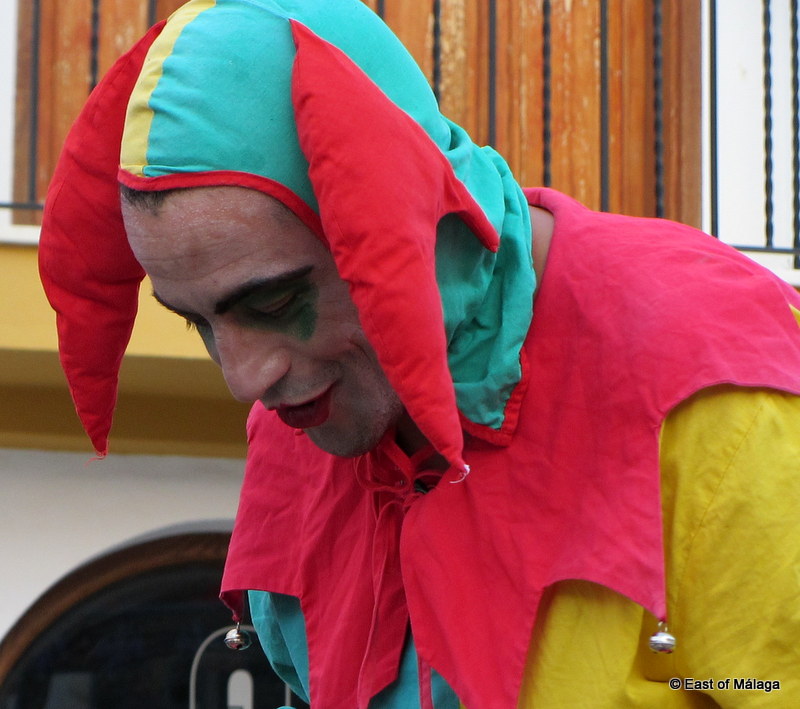
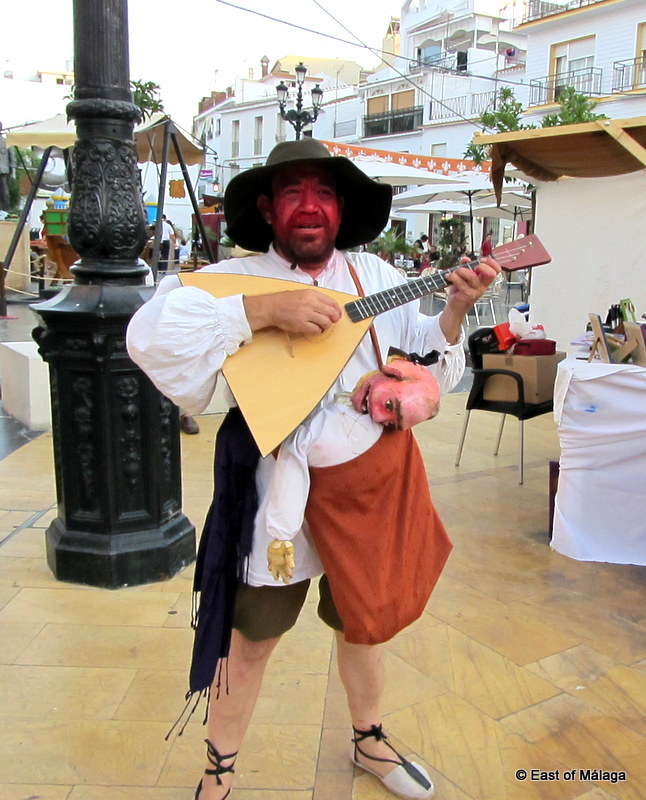
During the past weekend, a Medieval-themed market took over the main square of the white village of Torrox in the heart of the Axarquía region.  Organized by the Ayuntamiento (town hall), there was lots of medieval bunting to transport you back to the 15th century, with suitably dressed character actors to set the mood.

Jester on stilts entertains at the medieval market in Torrox pueblo

Jester at the medieval market in Torrox pueblo

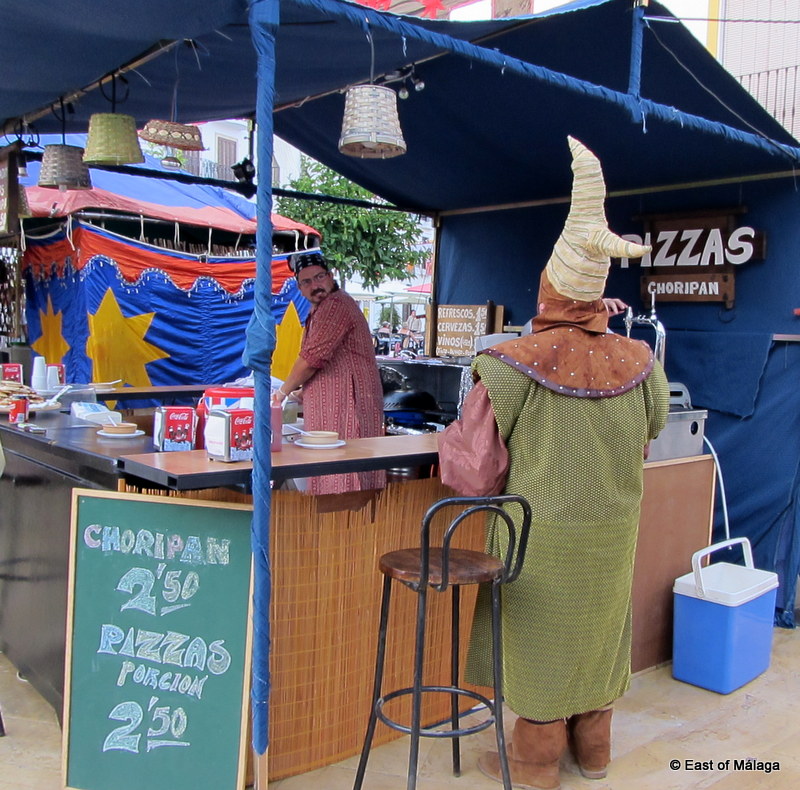
Character actors at the medieval market in Torrox pueblo

Character actor at the medieval market in Torrox pueblo

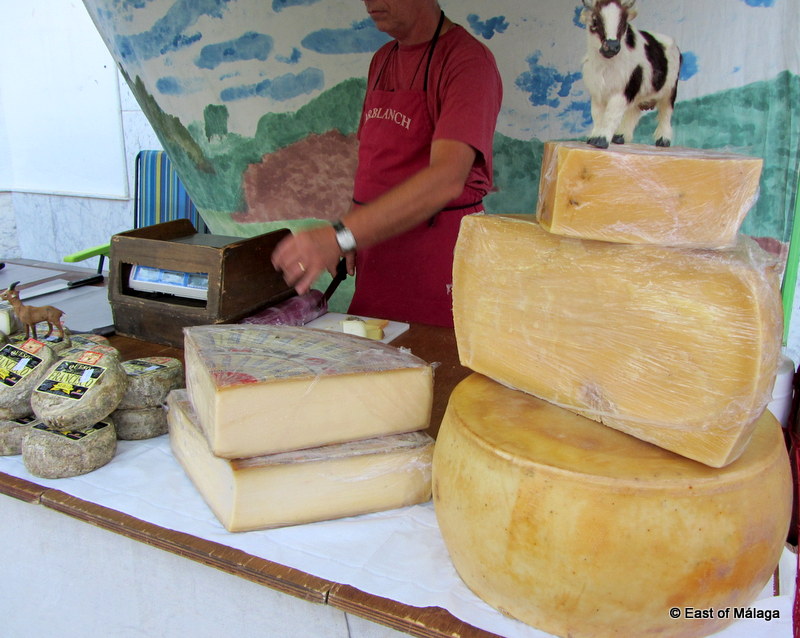
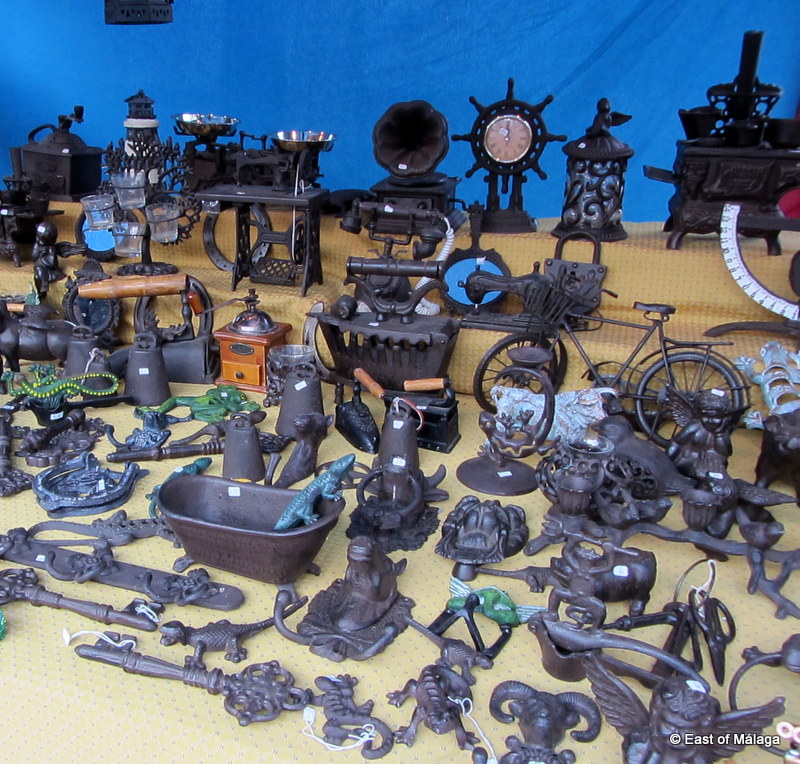
There were various stalls selling crafts, jewellery,  cheeses, traditional craftwork in metal and wood, as well as lots of food.

Cheeses for sale at the medieval market in Torrox pueblo

One of the stalls at the medieval market in Torrox pueblo

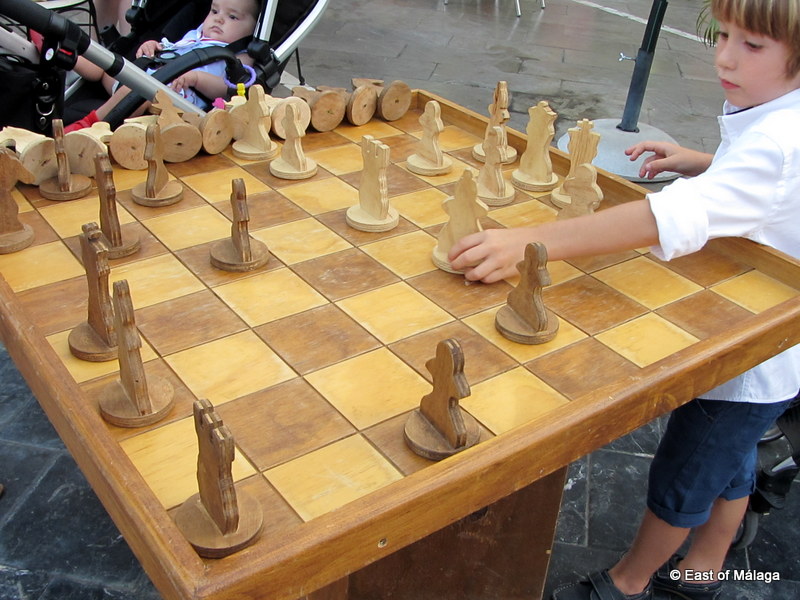
Huge wooden chess tables had been set up for anyone to enjoy a game of chess in the evening sunshine.

Child plays on wooden chess table at medieval market in Torrox pueblo

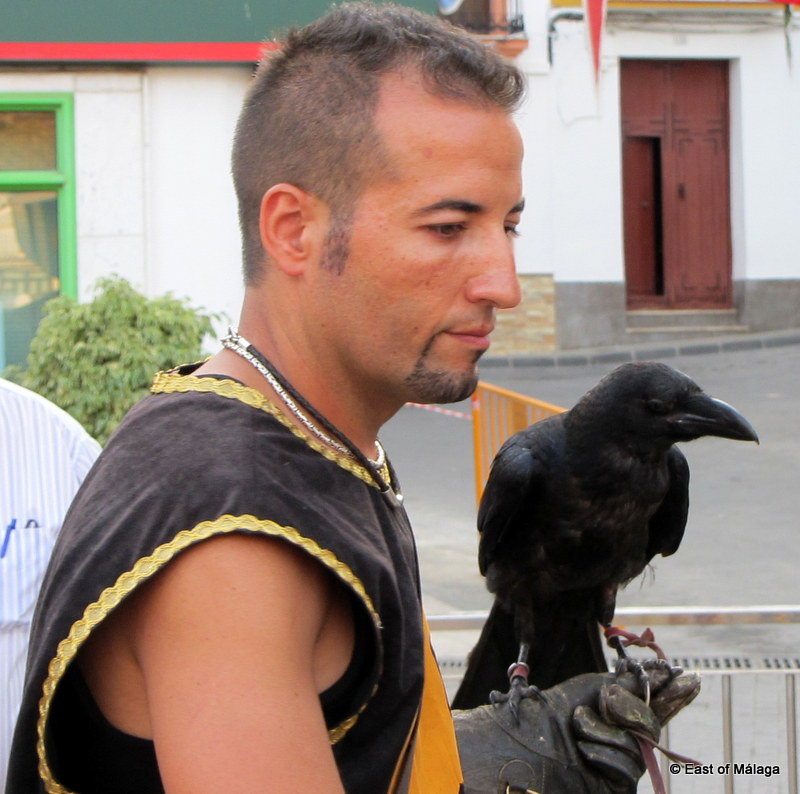
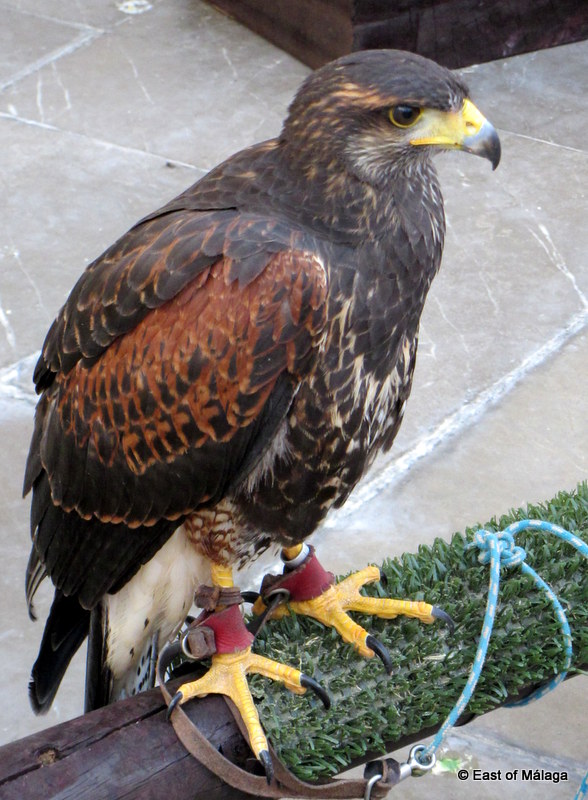
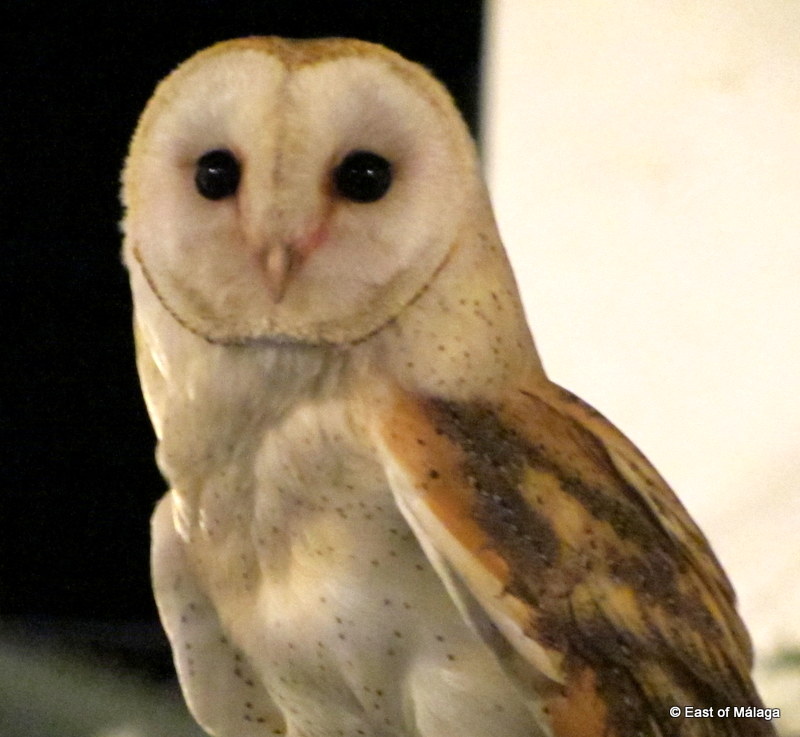
The most popular attraction was in one corner of the square where there was a roped-off area with many different birds of prey on display. Their handler gave a demonstration of the birds´ hunting prowess, which thrilled and delighted the crowd, especially the many children. The birds appeared to be well cared for and made an impressive sight sitting on their perches, patiently waiting their turn to swoop over the gathered crowd.

Bird of prey handler at the medieval market in Torrox, east of Malaga

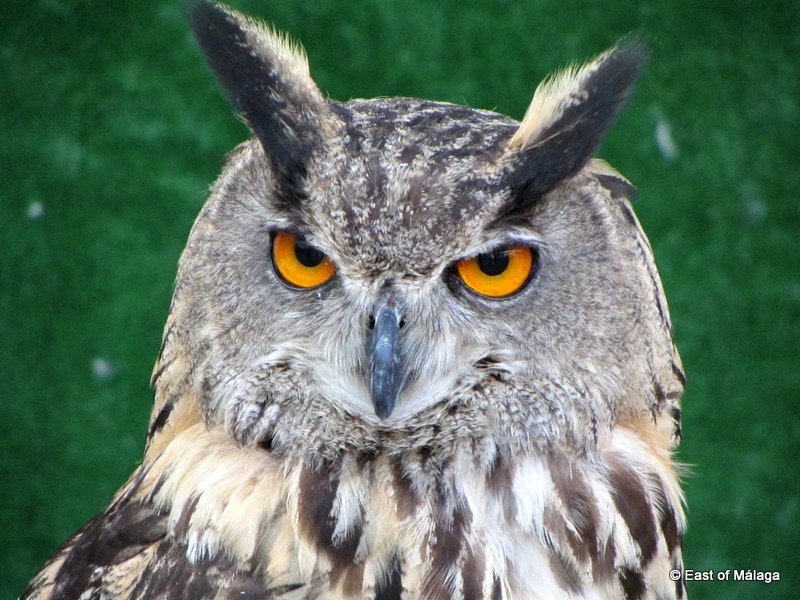
Eagle Owl at medieval market in Torrox pueblo

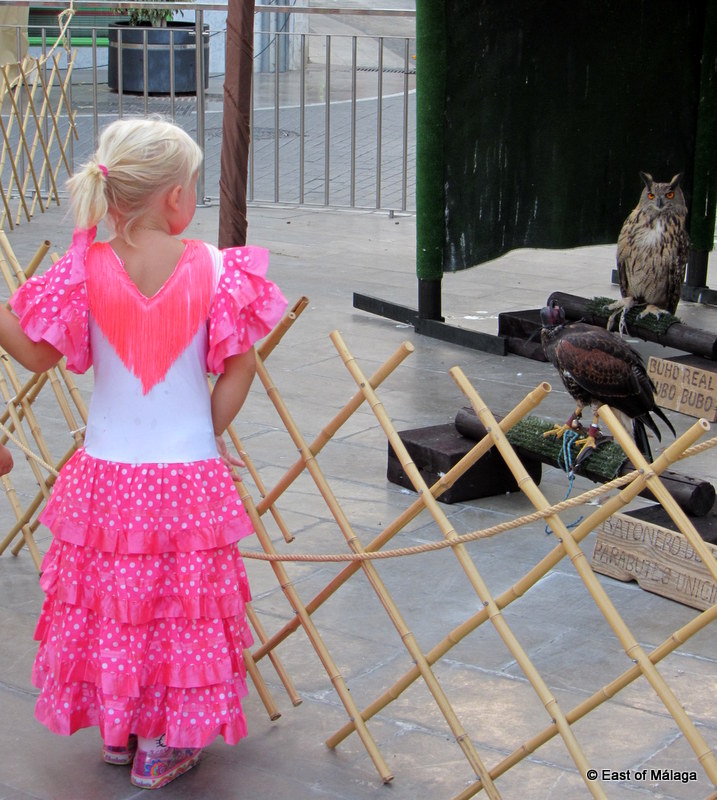
Little girl in traditional flamenco dress at the medieval market, Torrox pueblo.

Bird of prey at the medieval market in Torrox, east of Malaga

Flying free: Barn owl at medieval market in Torrox pueblo

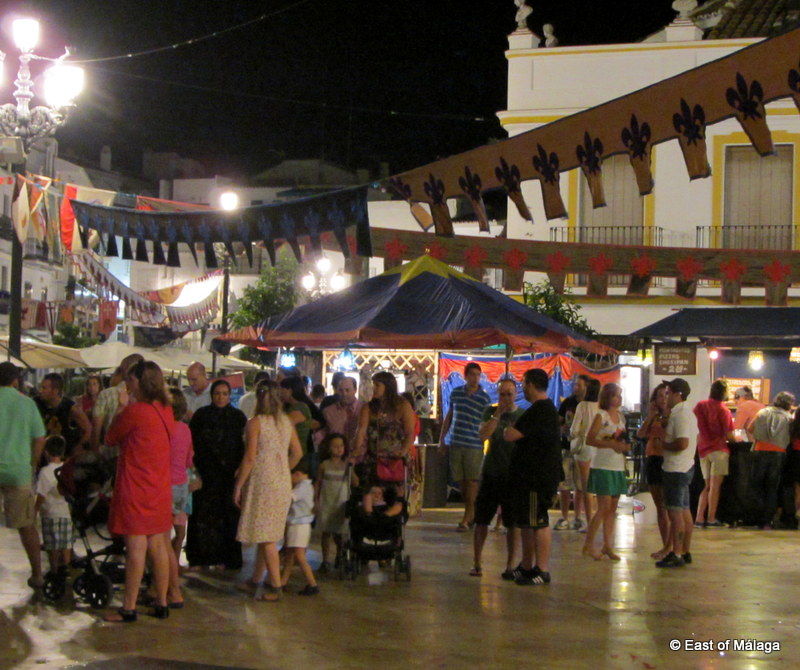
All of the bars and restaurants in Plaza de la Constitución had their outdoor seating areas overflowing with people all eating, drinking and enjoying this year´s Medieval Fiesta!

Evening falls at the medieval market, Torrox pueblo

I have merged my responses to this week´s Photo Challenges:  Travel Theme: Tradition as well as the Weekly Image of Life: Colours.

Whilst you´re here, why not have a look at:

All at sea with the Virgen del Carmen

Photographs I love …. and why!

Flowering snapshot of a January day around the garden