Tracks to country houses: How accessible are they?

In Britain they are known as lanes but here in this area East of Málaga they are known by English residents as tracks or by the Spanish as un carril.

At all events they are the way to connect your country house to a proper tarmac roadway and these tracks vary considerably in length and ease of use.

Some country properties may be quite some way from the highway but, if you are lucky, your house may be within 500 metres or so of the roadway.

What you need to consider when buying a house in the countryside is how easy it will be to drive along your track all year round. Some of these rural access tracks are quite steep or have very sharp bends, while others have a more gradual slope. Bear in mind that most of this area to the east of Málaga is hilly countryside, so straight and flat access will be rare indeed.


What of the surface? The best of all is well-made reinforced concrete, about 4 metres wide and substantial enough to carry large lorries should deliveries or work be needed.

A commonly found, but not as good as a concrete track, is one made from a mixture of stone, gravel and soil, although this surface should be adequate for fairly level tracks.

It is worth being aware that in this region, known for long, hot and sunny weather during much of the year, winter rains can be quite ferocious and can quickly ruin the stone and gravel surface just described, if there is a substantial slope. The greater the incline, the faster the water flows and it is not uncommon to see storm water forming meandering channels 10 to 30 centimetres deep, cutting away any loose earth, making access for cars very difficult.

For this reason many people living in the countryside opt for a 4-wheel drive vehicle and this includes most of the Spanish rural crop growers. These tough vehicles give added confidence for those who must traverse difficult terrain, but it is important to remember that 98 percent of all your driving will be on normal roads, so only think about a heavy 4-wheel drive vehicle if it seems necessary, or you are inclined to have a liking for them anyway.

Heavy winter rain can also bring down earth and stones in the form of a landslip from ground above the track, especially if the access has been cut into a hillside by a JCB-type digging machine, which is usually the case here in the Axarquía.
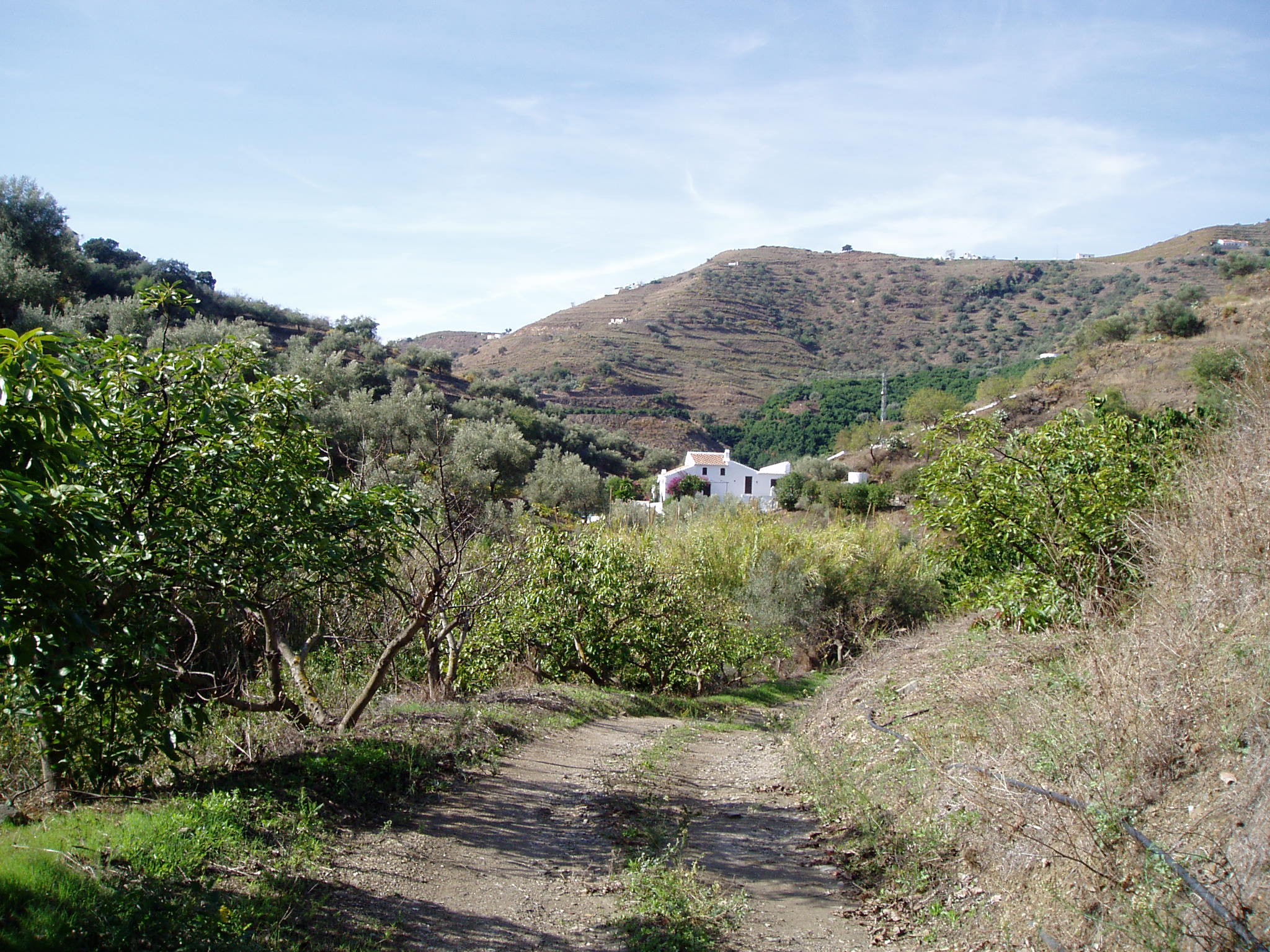

Until you get used to this sort of thing, it can seem quite daunting at first to drive on some country tracks that may have a near vertical cliff above you on one side and a hair-raising drop of many metres on the other side.  Fear not! Your confidence will grow and soon it will be second nature dealing with the track to your house.

Among other considerations, always remember that good access that will remain open for use all year round is a valuable asset.

Where is the worse/best track you have driven down?

You might also enjoy:

Coast, Villages or Countryside:  The Open Countryside

A Weekend Away: Santiago de Compostela

The heart of Cómpeta: El Paseo de las Tradiciones

Summer Sales: Rebajas

Image credit: (cc) Claudio Lobos

YES – it´s that time of year again!  The Summer Sales (Rebajas) in the shops officially begin on 1st July and run through to the 31st August 2011.

Discounts will vary, but you can expect to get at least a 20% – 40% price reduction.

Most shopping centres are open from 10am to 10pm, though the hours of High Street shops will vary.

You will have to wait until the day after the Three Kings celebration, 7th January 2012, for the start of the Winter Sales, which normally run until the end of February.

Are you waiting for a particular item to come on sale?  On your marks …..!

Whilst you´re here, why not have a look at:

Shopping Centre: El Ingenio

Slice of Life: Spanish bars

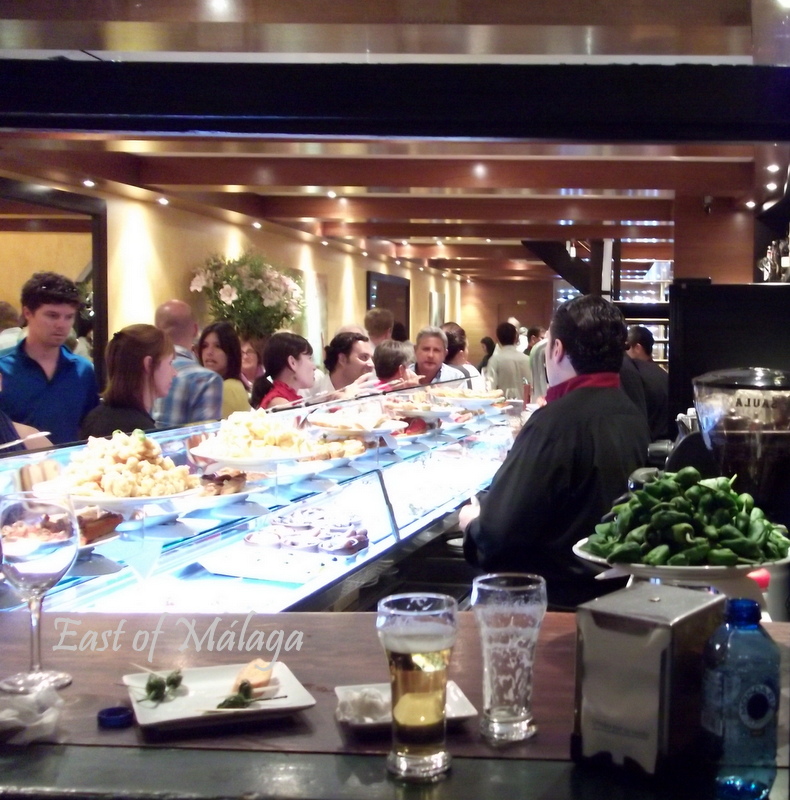
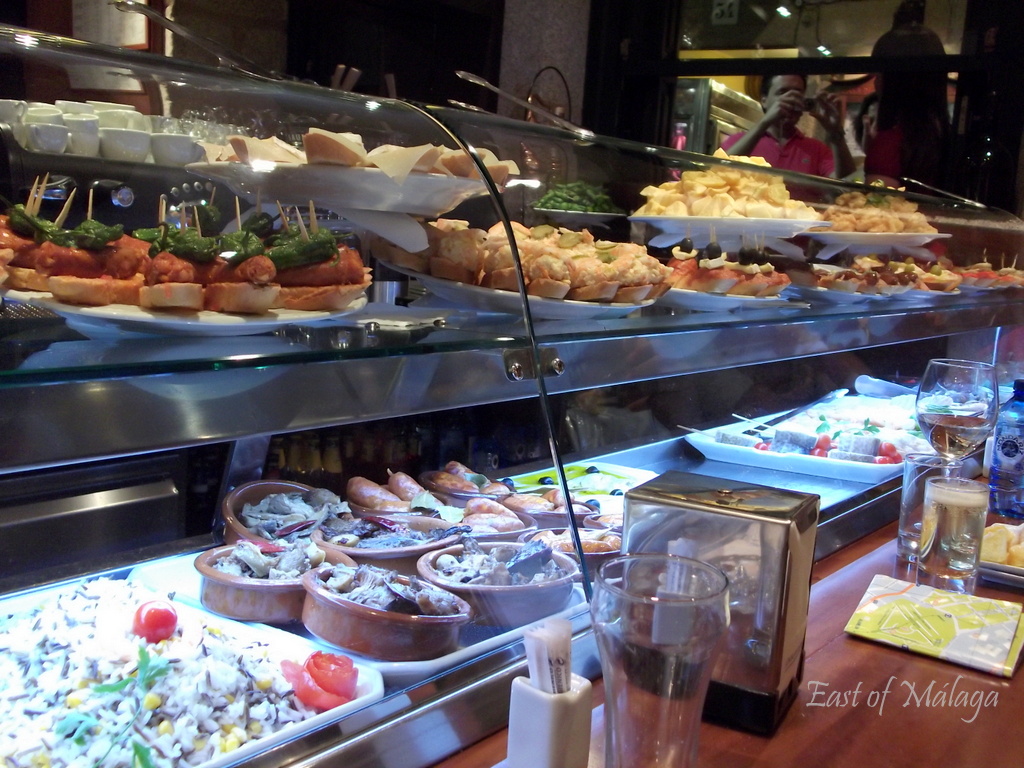
A bar here in southern Spain is very different from a typical British pub.  Although layouts may vary, what you will usually find will be a bar counter, with tall seats around, often with a covered tapas display. This will likely be in two parts, one containing meats and tortillas ready to be heated up and served with your drink, the other with cold tapas and salads. Many bars still serve tapas at an inclusive price with the drink, whilst others serve rather more elaborate nibbles which are charged for individually.

typical tapas bar
One of the main differences with a British pub will be the size of drink. Normally if you ask for a beer (una cerveza) it will be in a smaller glass, either a “tubo” which is a tall tumbler or in a glass not dissimilar to a large wine glass. The only time you will see anyone with a “pint” glass, they will usually be a tourist on the coast.  You will be just as likely to see people at the bar drinking coffee (un café) or a glass of wine (una copa de vino).

Tables away from the bar counter, either inside or outside, are typical café tables with upright chairs, not lounge-type tables and chairs like in British pubs .

There is usually a large display of spirit bottles behind the bar and invariably a leg of Serrano ham on a carving frame.  You should try this typical Spanish  delicacy –  it´s delicious!

Almost everywhere,  customers take all their food and drink and only pay when they are ready to leave.  In busy big city bars, the tapas, usually more sophisticated, will each come with a small wooden skewer and, when you have finished, the barman will count the skewers and charge accordingly.

Tapas to choose

I would recommend you to visit as many bars and cafeterías as possible, especially away from the tourist haunts. Look for places full of Spaniards and litter, in the form of till receipts, on the floor signifying that you have found a good spot.

Some bars, especially on the coast, offer more seafood, but try different ones and you will inevitably find a handful that will become part of your regular tapas trail.

Where´s your favourite Spanish bar?


If you like this article….try also looking here:

The heart of Cómpeta: El Paseo de las Tradiciones

Photographs I love …. and why!

A flowering snapshot of a January day


Street Markets around the Axarquía

Colourful, bustling street-markets are very much a part of everyday life here in Andalucía, for both locals and tourists alike. Every day of the week there is an open-air market in one or other of the pretty white villages or towns in the area.


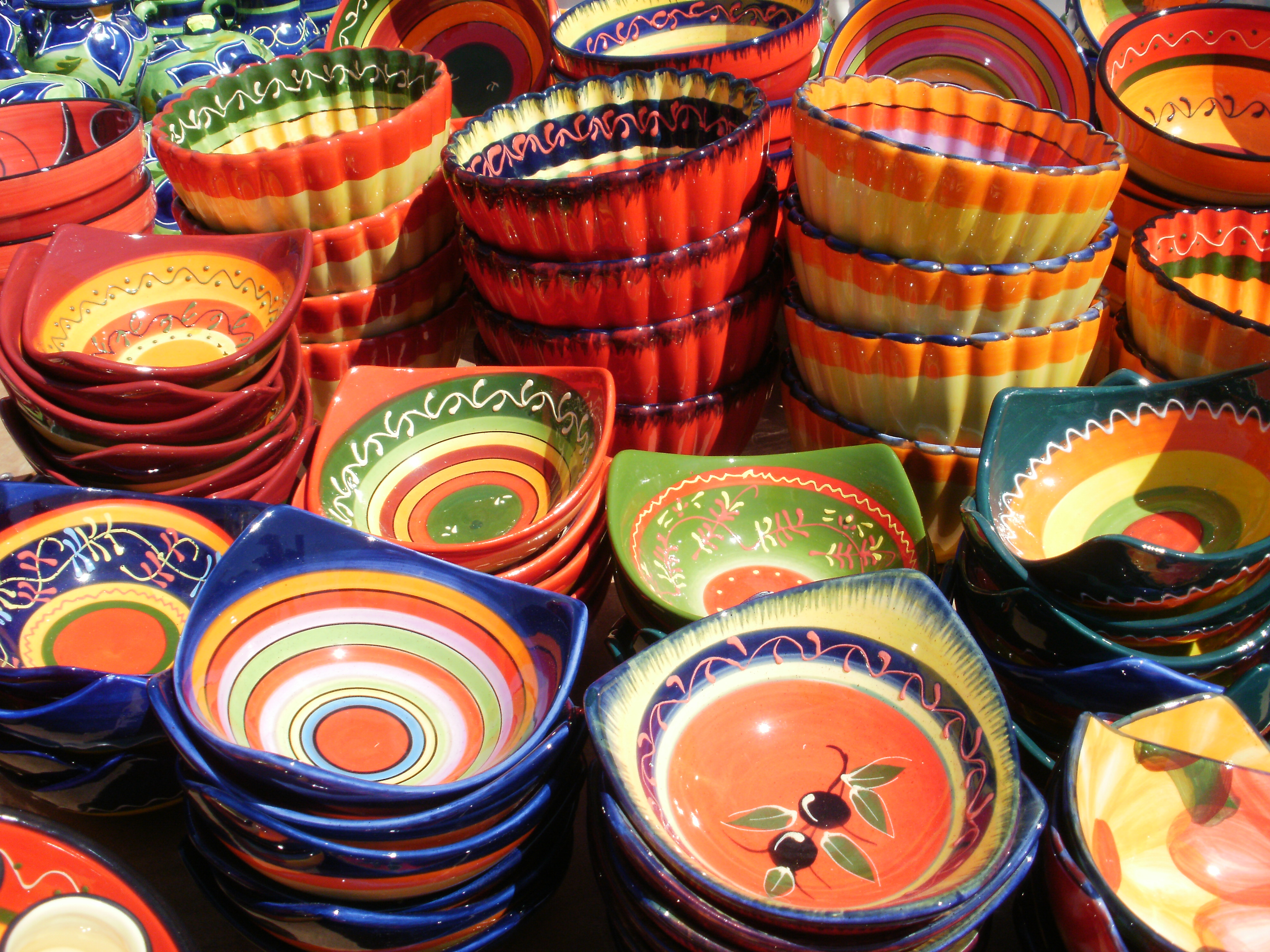
Items for sale include brightly painted pottery, locally grown fruit and sometimes irregularly-shaped vegetables, spices, olives and nuts, as well as clothing, handbags, shoes and jewellery.

Often the slowly shuffling crowd will come to a complete standstill, as a new baby (much to the delight of his young mother) is fussed over and kissed by a multitude of Spanish women, amid cries of “guapo” (which means that the baby is gorgeous!), totally oblivious to all around them.


When waiting to be served at a busy fruit and vegetable stall,  with customers standing several deep all around, you just have to stand your ground and shout up when you think it´s your turn, or the little old ladies wearing black will surely push their way in front of you!

These photos were taken at the street-market at Caleta de Vélez, but this is a fairly typical scene across the Axarquía.  It is wonderful to buy such fresh, locally-grown fruit and vegetables.

Beats the supermarkets any day, with good prices too!

Why not visit a local market today? There’s sure to be one!

MONDAY:         Torrox pueblo and Torrox Costa

TUESDAY:        Nerja,  Trapiche (Farmers Market)

WEDNESDAY:    Algarrobo Costa,  Rincón de la Victoria

THURSDAY:  Frigiliana,  Torre Del Mar,   Vélez-Málaga

FRIDAY:   Almuñecar, La Cala Del Moral (Rincón de la Victoria)

SATURDAY:   Cómpeta, Caleta de Vélez, El Palo (Málaga)

SUNDAY:   Nerja (Car Boot)

Where’s your favourite street-market, and why?  Do you know of any others in the Axarquía?

Related posts:

Playing the Spanish Markets

When life gives you curves, flaunt them!

The Buddhist Stupa of the Eastern Costa del Sol

Try Before You Buy: Renting a house for a while

Once you have fallen in love with our beautiful area, east of Málaga, and the associated agreeable lifestyle, you may decide that this is a wonderful place to come to live.

There are many important things to consider though.

What will it be like to leave family and friends in another country?  Will the long-term reality compare to the holiday experience?  It isn’t summer all year, so what will the changing seasons be like?

Many other considerations may also arise, and the best way to discover the answers, with the least commitment, is to find the area that you think will suit you best, and rent a property for a period.

This will give you the chance to immerse yourself in the reality of living in another country.


One suggestion would be to rent for a full year, so you can see the effects of the passage of the seasons, with the changing weather. You will also get some idea of the Spanish fiestas and festivals, especially around Christmas and Easter time.

If you would prefer your rental period to be for only six months, perhaps you should try midwinter to midsummer, rather than over the summertime only.  This way you will still experience the changing weather.

Hopefully during this time of easing yourself into life in a new country, you will get a feel for how often you have the need to return to visit your family and friends.

Fortunately the combination of the proximity of Málaga airport and the ability to book flights on the internet,  will give good prices combined with an easy journey back to the UK.

Do you think it’s a good idea to rent before you buy, or do you have other ideas?

You might also like to look at:

Coast, villages or countryside:  The Inland Villages