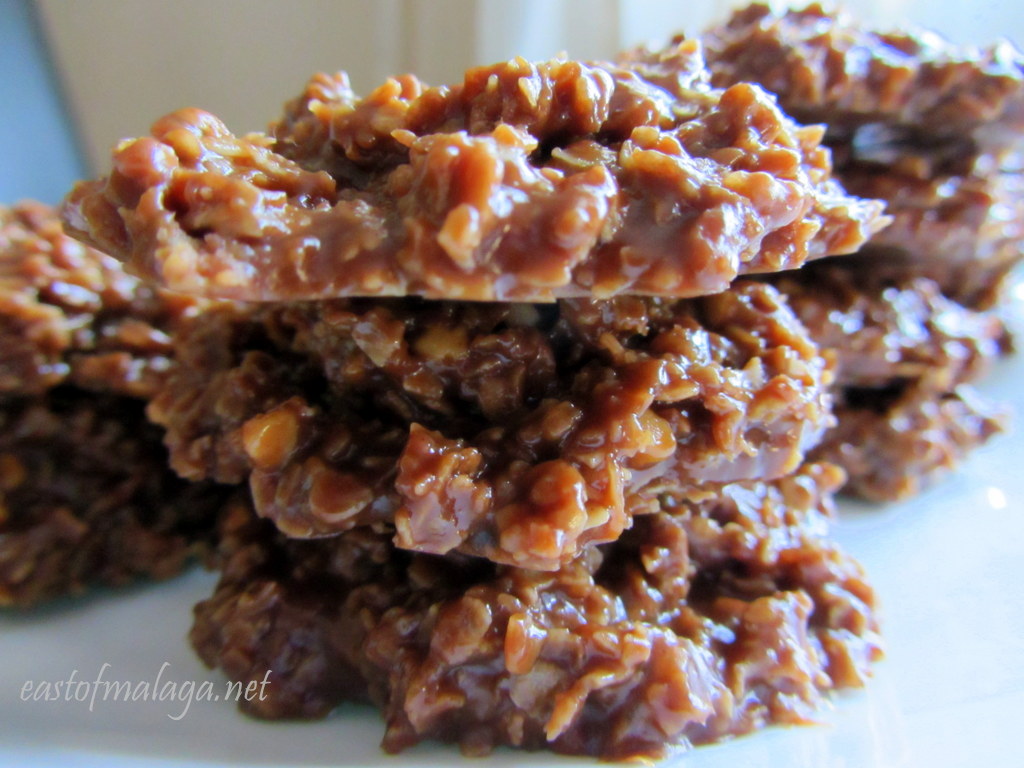
Easy No-Bake Chocolate, Peanut Butter and Oatmeal Cookies


Easy No-Bake Chocolate, Peanut Butter and Oatmeal Cookies

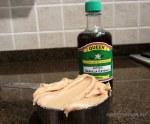
I haven´t posted a recipe for a while, but I´ve got a delicious treat to share with you today. It´s not a Spanish creation, but you do get to see a photograph of some Spanish ingredients – does that count?

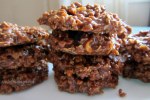
These cookies are quick and easy to make, using just one pan.  Waiting for them to set is the hardest part!

It´s a good job the oatmeal needs chewing or otherwise you could just inhale these little beauties!

Although I´d heard of no-bake cookies I´d never made them, but when I saw these chewy, sticky bundles of goodness at Sweet Dreaming I just knew I had to make them straight away!

They take only a few minutes to prepare and are great to make with kids if you have any little hands eager to help in the kitchen.   I’m sure they’ll love scraping the saucepan afterwards, (which is quite safe  as there are no raw eggs to worry about)!

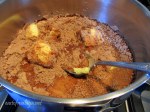
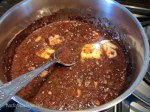
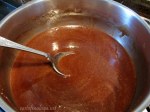
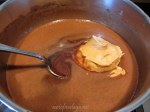
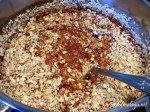
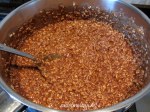
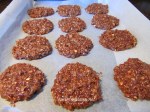
I´ve photographed the whole process, so if you just click on each of the photos in the gallery you can follow, step-by-step.
Easy No-Bake Chocolate, Peanut Butter and Oatmeal Cookies  (Galletas de avena con chocolate y crema de cacahuete)

½ cup (1 stick) butter
1½ cups granulated sugar
½ cup milk
4 tablespoons cocoa powder
½ cup peanut butter
2 teaspoons vanilla extract
3 cups quick-cooking oats

1. Add the first four ingredients (including the cocoa powder) to a large saucepan.

2. Stir, whilst bringing to the boil, then let the mixture simmer for 1 minute only.

3. Remove from heat.

4. Add the peanut butter and vanilla extract and stir until smooth.

5. Add the oats and stir until coated.

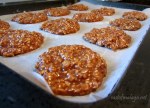
6. Drop by heaping tablespoons onto wax paper-lined baking sheets.

7. Use the back of the spoon to smooth them out and flatten into more of a “cookie” shape.

8. Set aside to cool until set, which takes about 45 minutes.   I usually pop the trays into the fridge because they don´t set so well if it´s hot in the kitchen – and I do live in Spain!

This mixture will make around 25-30 cookies depending on how big you make each of them.
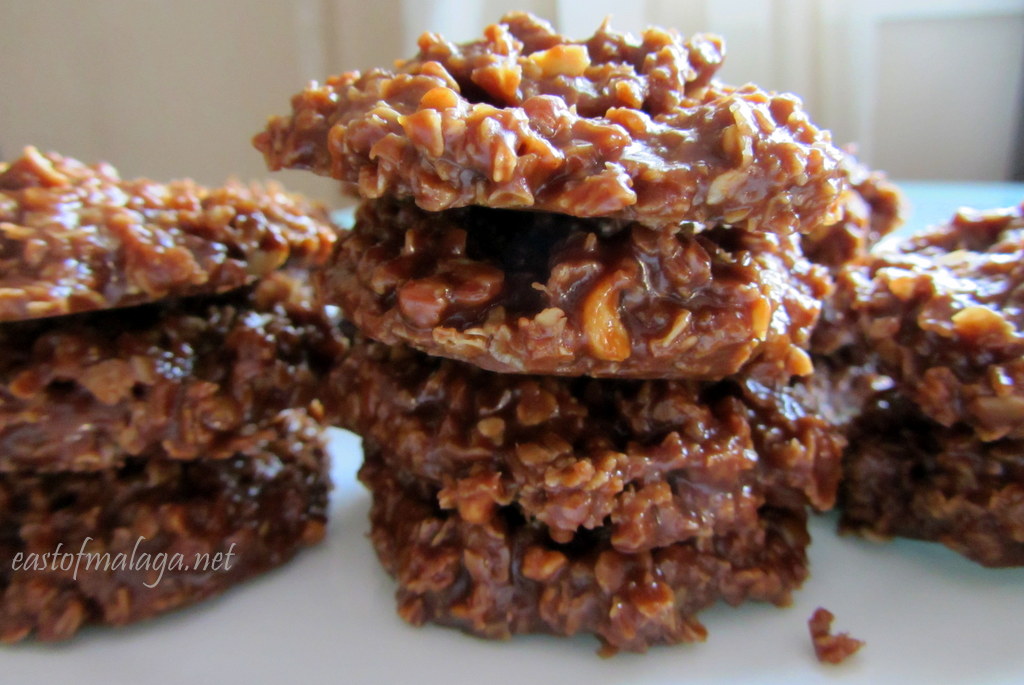
Easy No-Bake Chocolate, Peanut Butter and Oatmeal Cookies

What are you waiting for?  Go and make some and tell me what you think!

You might also like to look at some of my other recipes:

Andalucían sizzling hot spicy prawns

Patatas a lo pobre: Poor man´s potatoes

Let’s talk about tapas!

Fresh Figs Stuffed with Goat´s Cheese and wrapped in Smoked Bacon

Because our fig trees have more ripe figs than we know what to do with – I decided to re-post a great recipe that always goes down well in our house, every August.

Serve as a starter or as a main course.   Delicious!

Simply pluck the fresh figs from the tree and slice off the top and bottom of each fruit.  Cut a cross into the top of each fig and stuff with a square of goat´s cheese.  Wrap in a rasher of smoked bacon and skewer with a cocktail stick.

Bake in a hot oven for approx 20 minutes.


That´s it – enjoy!


If you like the look of this recipe, you might also enjoy:

Patatas a lo Pobre: Poor Man´s potatoes

Lemon Chicken for a Summer´s Day Lunch

I can see Africa from my terrace!


Andalucían sizzling hot spicy prawns

Gambas al pil-pil

Gambas pil-pil: There is nothing more typical in Andalucían cookery than spicy prawns served sizzling hot with crusty bread to mop up the juices – together with a glass of chilled white wine or manzanilla, of course!

This quick and easy dish uses three classic ingredients of Spanish cookery – shellfish, garlic and olive oil.   Why …. you’ll even hear sound effects as the sizzling prawns pop and splutter in the hot oil as you bring this time-honoured Andalucían dish to your table.

Maybe you’ve returned home from Andalucía and want to recreate memories of a perfect lunch under the shade of the trees in a quiet plaza. Or you dream of sitting on a sunny terrace overlooking the Mediterranean Sea, watching the palm trees sway in the gentle breeze as the waiter serves your tapas.

Now, what could be more evocative than that?


Here´s what you need for each person:

  • 10-12 large peeled prawns (uncooked) per person for a starter, or 15-17 for a light main course (gambas)
  • 2-3 tablespoons of olive oil (aceite de oliva)
  • A few stems of flat-leaf parsley (perejil)
  • 2 plump cloves of garlic (ajo)
  • 2 teaspoons of paprika spice, adjust according to taste.  Alternatively, if you can find it, use specially prepared pil-pil spice, sold at most Spanish street-markets on the spice stall. Most recipes omit this ingredient, but without it the dish lacks the classic colour and depth of flavour.
  • 1 small dried hot chilli pepper
  • Fresh, crusty bread or rolls
  1. Heat the oven to 220 degrees C.
  2. Peel, clean and de-vein the prawns. Wash them in cold water and dry thoroughly.
  3. Chop the garlic into small slices.
  4. Finely chop the parsley reserving some for the garnish.
  5. Chop the dried chilli pepper, discarding the seeds if you prefer a less fiery flavour.
  6. When the oven comes to temperature put the olive oil into a small ovenproof dish (use one per person), and put in the oven for 3-4 minutes or until the oil starts to bubble.
  7. Remove the dish or dishes from the oven, stir in the paprika powder, peppers, garlic and most of the parsley.
  8. Add the prawns, ensuring they are well coated with the mix.
  9. Return to the oven for 4-5 minutes, until the oil is bubbling vigorously and the prawns have just turned pink. Don´t overcook them as they will become rubbery.
  • Garnish with remaining parsley, and serve immediately, still in the ovenproof dishes, while the oil is still bubbling.
  • Serve with a well-chilled white wine and fresh crusty white bread to mop up the spicy oil.

Churros served with thick hot chocolate

East of Malaga: Chocolate with churros

Churros  con chocolate, a fried dough pastry-based snack dipped in thick, hot chocolate, is a great favourite with Spaniards for breakfast.

Churros are typically fried until they become crunchy, and may be sprinkled with sugar. The surface of a churro is ridged due to having been piped from a churrera, a syringe with a star-shaped nozzle.

Try them – they´re delicious!

East of Malaga: Chocolate con churros

Whilst you´re here, why not have a look at:

Fresh figs stuffed with goat´s cheese

Lemon chicken for a summer´s day lunch


Let’s talk about tapas!

First of all, what are tapas?

It is thought that originally in the wine-making regions of Andalucia una tapa (the word “tapar” in Spanish means“to cover”), in the form of a small plate or lid was placed over glasses of wine to keep fruit flies away.  Titbits of food were then placed on the dish to be eaten with the wine.   How I so love the Spanish that it is unacceptable that a fly ends up in your drink, but it´s fine if it lands on the accompanying snack!

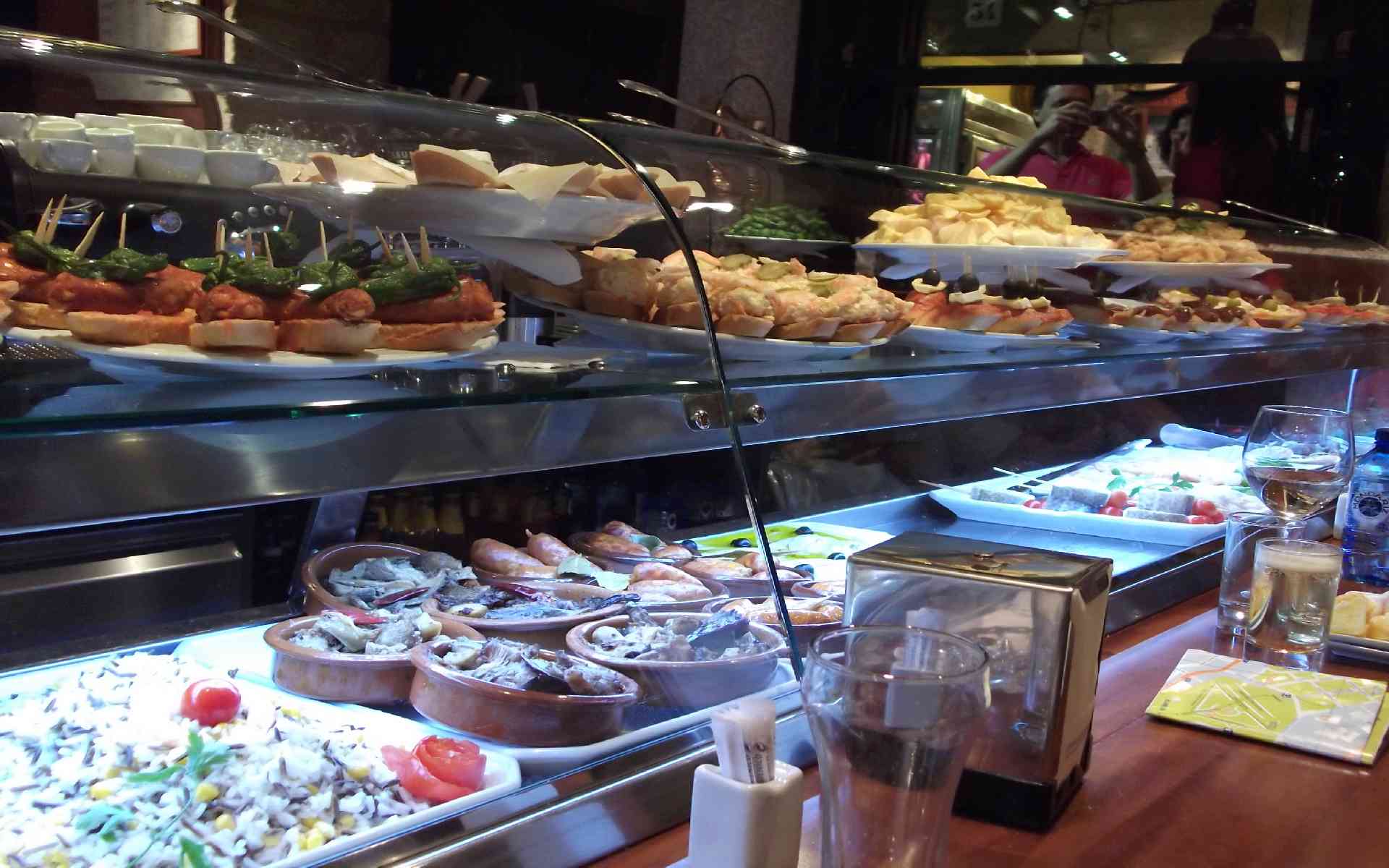
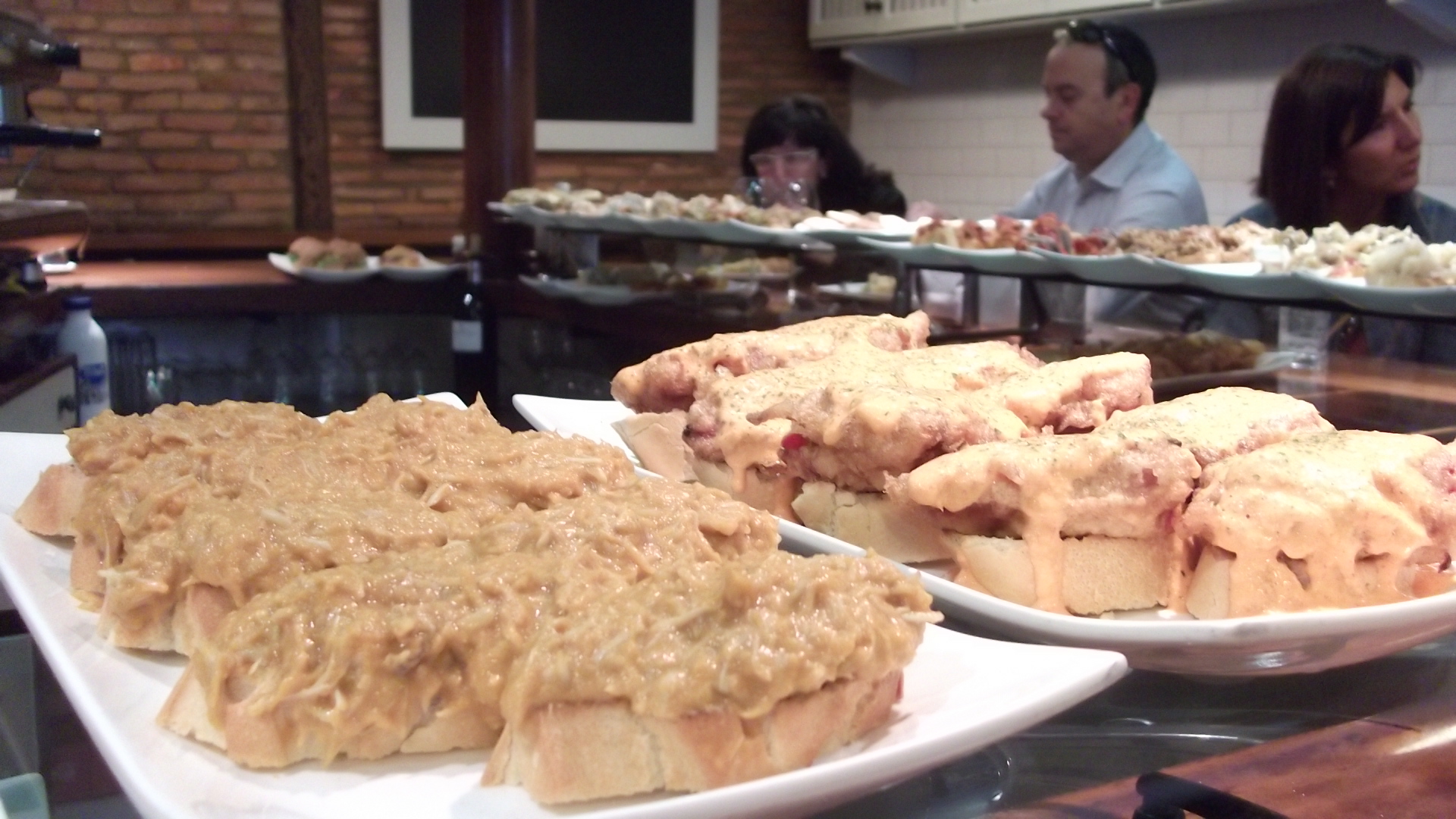
Tapas selection at a bar in Santiago de Compostela

Other stories suggest that tapas were invented by a bar owner in Seville, who decided to put a cover (tapa) over his guests´ glasses of wine, using a slice of bread to keep out flies. He later put a piece of ham or cheese on top, so that his customers could have a bite to eat with their drink.

Either way, the idea spread, so that nowadays the types of food served as tapas are limitless.  Most Spaniards don´t drink alcohol without a tapa and many bars provide them free of charge.


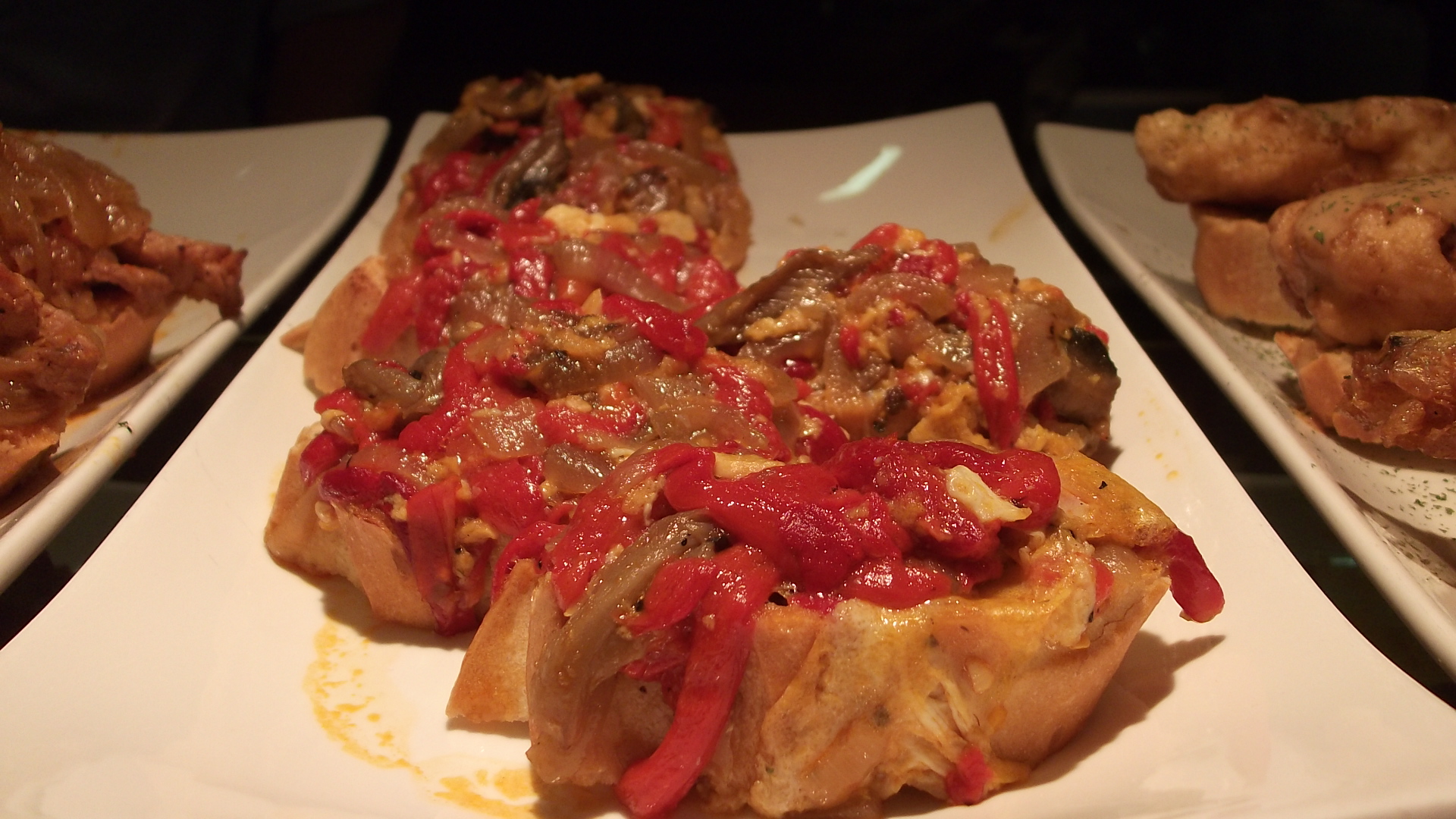
The Spanish equivalent of “fast food” is usually displayed in refrigerated glass units on the bar and served in small terracotta glazed dishes. Some examples of the type of tapas normally available include gambas (whole cooked prawns in their shells), boquerones (fresh anchovies in olive oil, vinegar and garlic), chorizo (spicy Spanish sausage), albondigas (meatball…often in a creamy almond sauce), queso (cheese…often manchego), habas con jamon (broad beans with ham), ensalada rusa (Russian salad) or just a few olives.

Your choice of tapas is usually accompanied by a small piece of crusty bread which helps to counteract the adverse effects of the alcohol through drinking on an empty stomach.

In many establishments, if you stand at the bar along with the locals you will be given one tapa free with each drink you buy.   That’s right …. free food!

Should you choose to sit away from the bar, you can pay for a tapas or two (usually for one euro or less in this part of Spain), or opt for a larger serving known as a ración (ration) or medio ración (half ration). This is a great way to eat a variety of dishes, and a pretty sociable activity as groups generally tend to share their dishes.

The food is generally very good, even in remote villages around the Axarquia.

Where is your favourite tapas bar?   Which tapa do you choose, time and time again?


You might also like to look at:

All at sea with the Virgen del Carmen

La Noche de San Juan: Families, fires and football!

Bus Services: East of Málaga