A Celebration of Fried Breadcrumbs: Migas Festival in Torrox pueblo

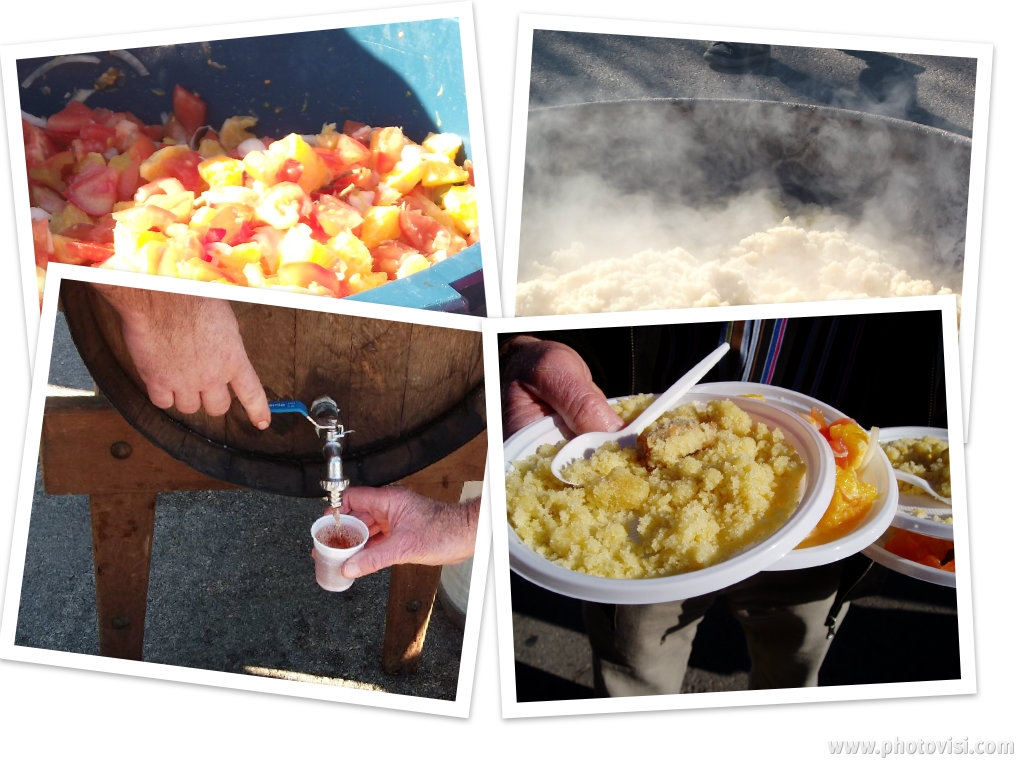
You might not expect ingredients for the perfect Christmas party to include 2000 kilos of flour, 500 litres of olive oil and 3000 litres of sweet Moscatel wine, but that´s exactly what´s required  to cater for the 40,000 guests who visit the annual  Migas Festival in the village of Torrox.
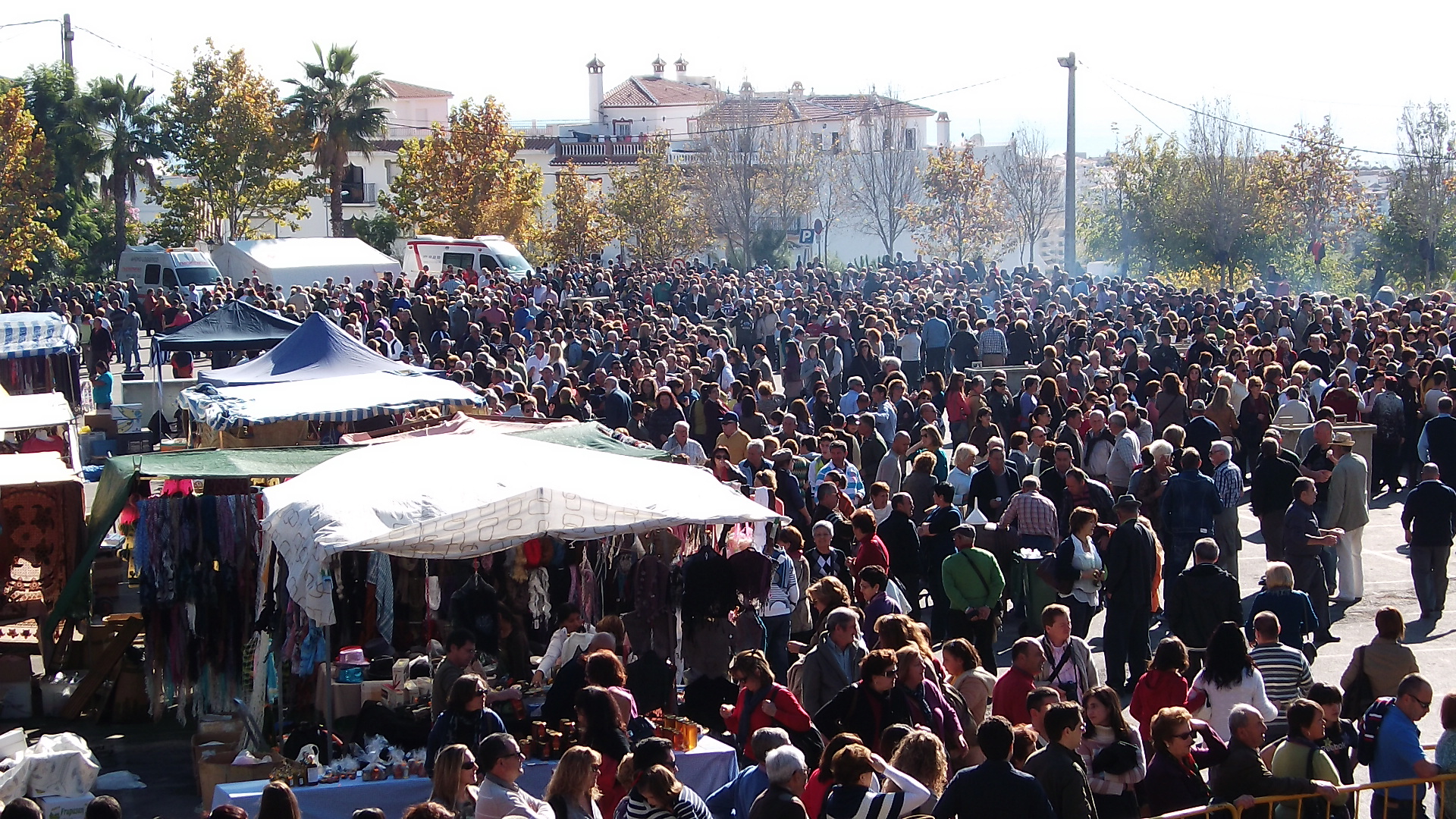
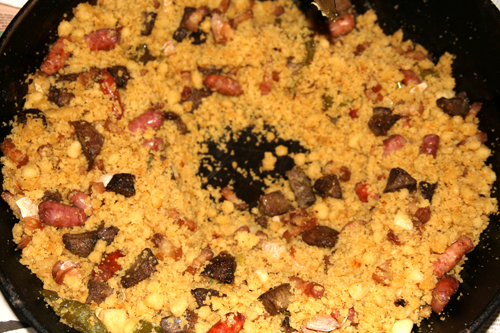
Many towns and cities throughout the world have unique dishes that encompass their overall culture and tradition.  Migas is a traditional Andalucían peasant dish often made from breadcrumbs, although in Torrox the migas are made with flour.  Normally served as an accompaniment to a main dish, of fried fish for instance, migas comprises of fried bread crumbs liberally laced with garlic, and may also contain small pieces of chorizo, ham or peppers.

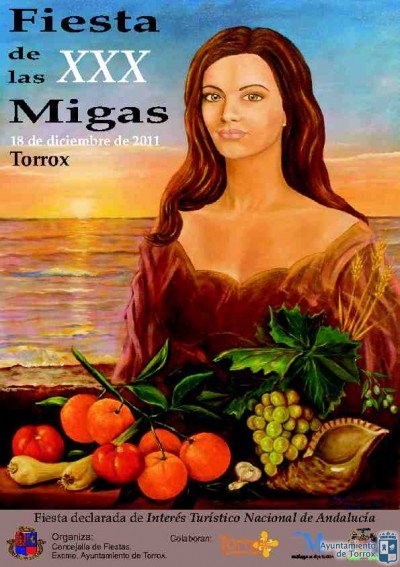
Each year, on the last Sunday before Christmas, (so, this coming Sunday – December 23rd 2012)  this gastronomic festival which has been declared of “National Tourist Interest” by the Junta de Andalucía, will serve more than 40,000 visitors. 

Whoever said “there is no such thing as a free lunch”,  obviously had never visited Torrox pueblo!
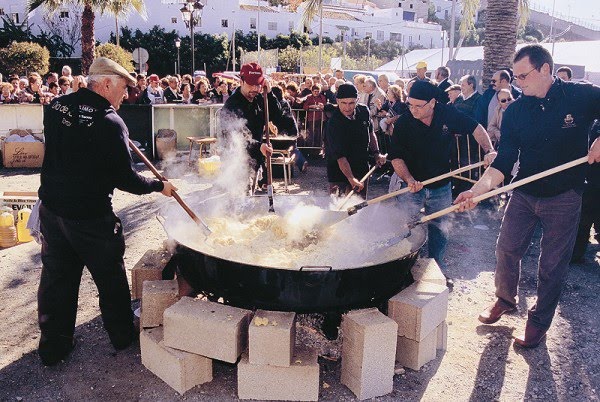
From early in the morning, teams of cooks prepare the migas for free distribution to local residents and visitors to the festival.  The ringing of a bell is the signal for everyone to come and collect their plate of migas, which is served with a glass of local wine and an “arriera” salad  (made with oranges,  tomatoes, potatoes, onions and olives) to accompany the meal.
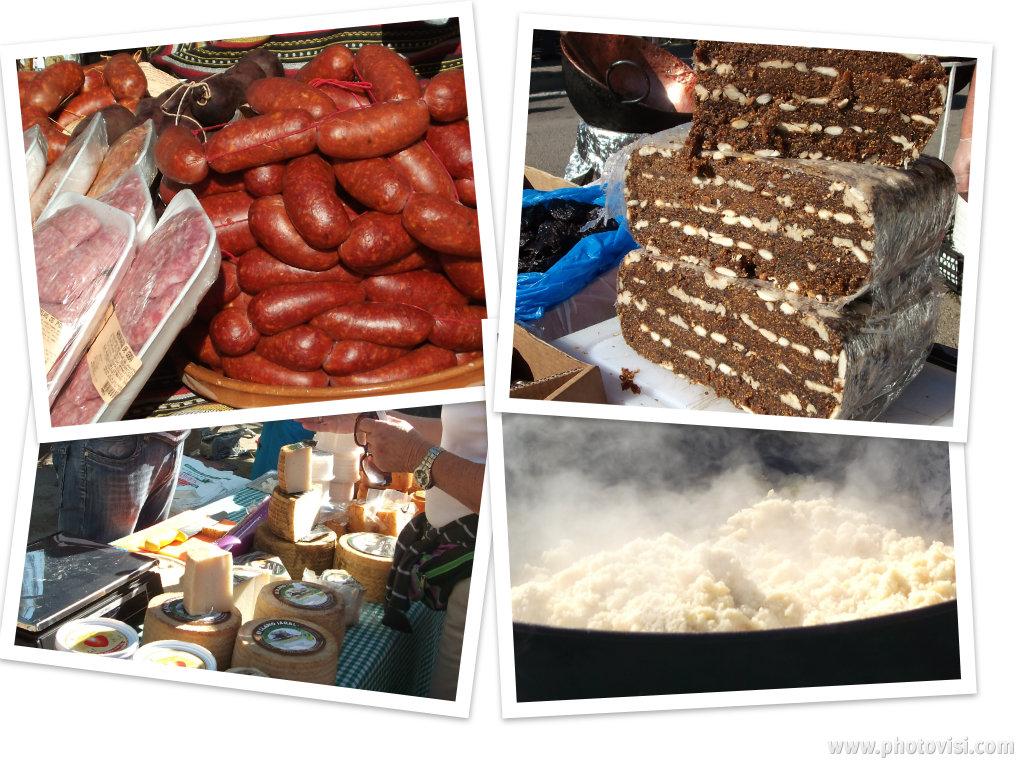
There is plenty to do during a day at the Migas festival  because as well as free food and drink there are many craft stalls, traders selling fine cheeses, chorizo, cakes, nuts and sweets, the opportunity to enjoy guided walks through the village, and street artists, as well as choirs and local dance groups, who all help to create a wonderful festive atmosphere.
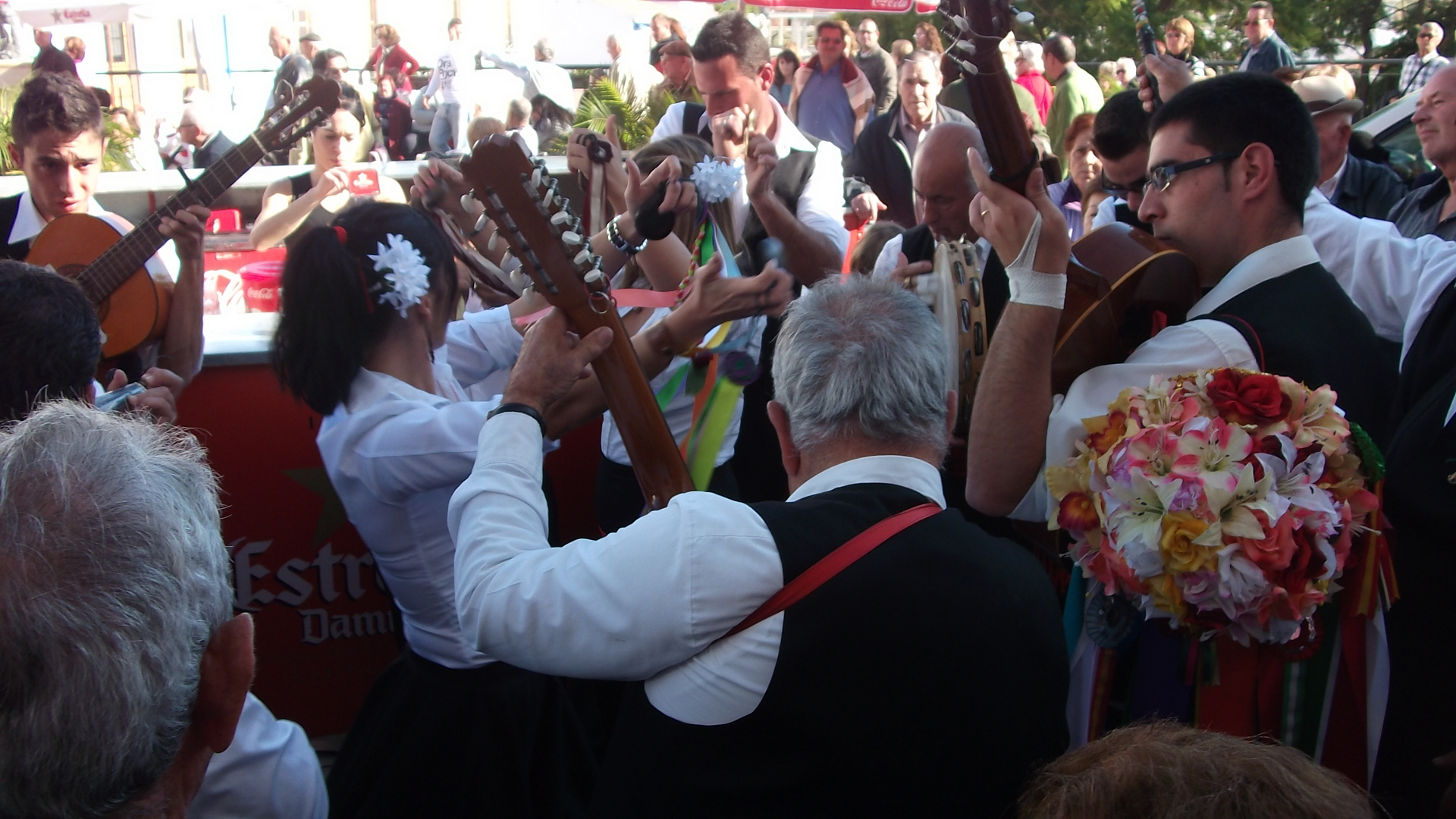
Of course, in true Spanish tradition, this is just another excuse for a party, but on a warm, sunny December day, why would you not pursue that with some vigor?

(BTW – didn´t they do well getting Angeline Jolie to pose for last  year´s poster?  😉
You might also enjoy:

La Noche de San Juan: Families, fires and football!

The heart of Cómpeta: El Paseo de las Tradiciones

CBBH Photo Challenge: Simple Pleasures


Menú del Día: Great food at a budget price

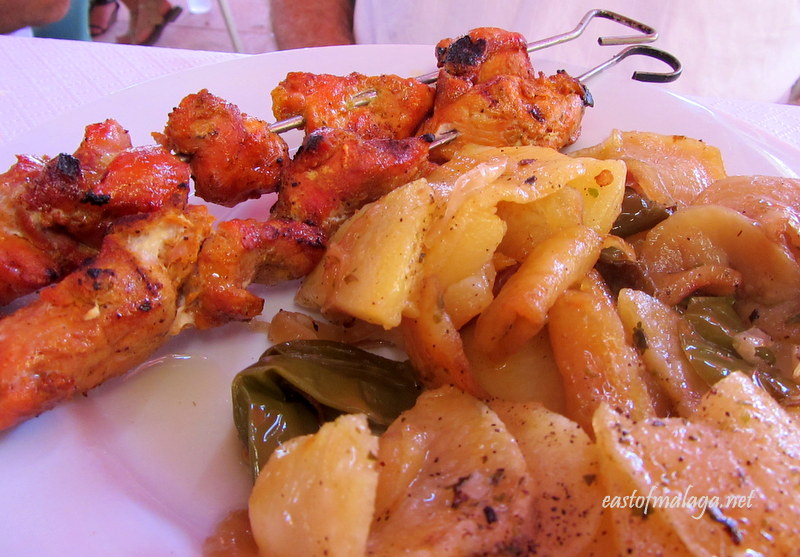
Pinchitos at Ferrara Asador, Torrox Costa

For much less than the cost of an evening dinner, most restaurants in La Axarquía have a cheap, fixed-price meal available at lunchtime only.

Because the normal Spanish working day has a 3 hour break in the middle, many Spanish workers take advantage of this time (often referred to as a siesta) by catching up with friends or colleagues over lunch.

Why eat a sandwich at your desk when you can enjoy a leisurely lunch with friends?

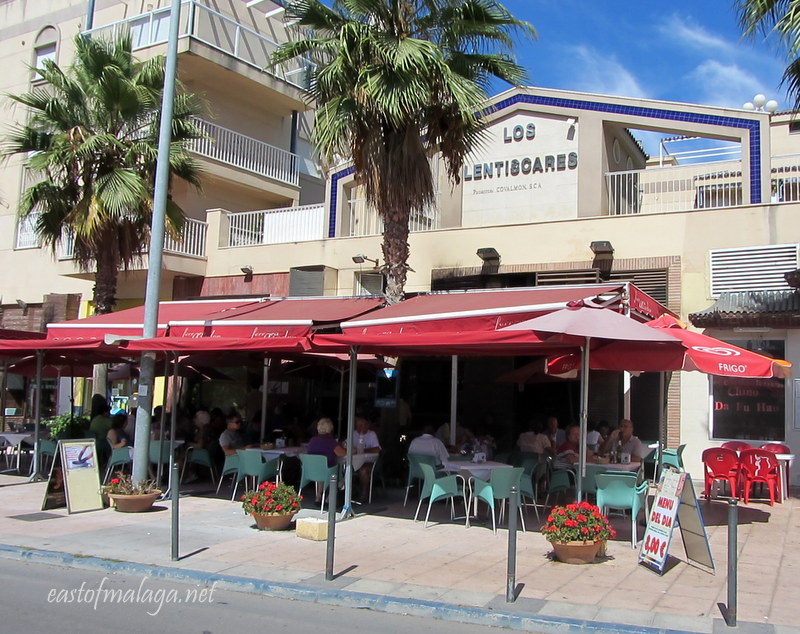
Ferrara Asadaor, Torrox Costa, Spain

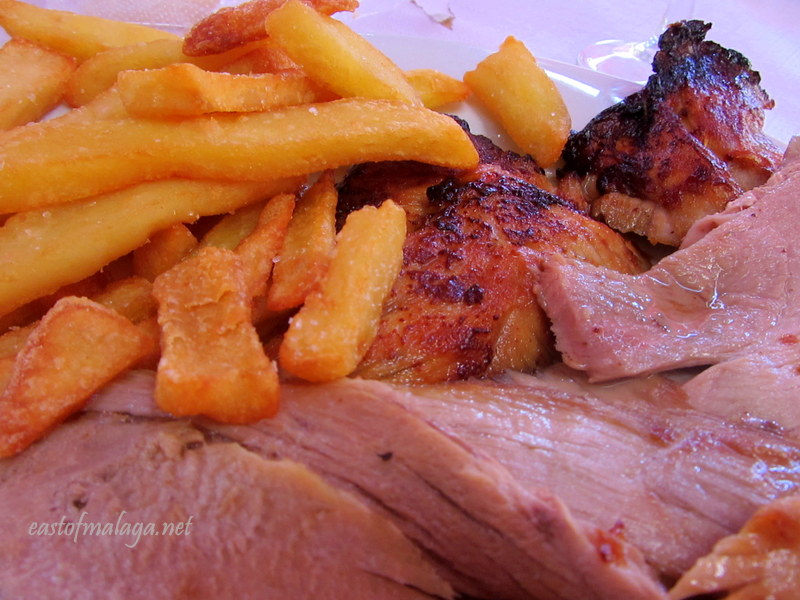
Roast pork at Ferrara Asador, Torrox Costa

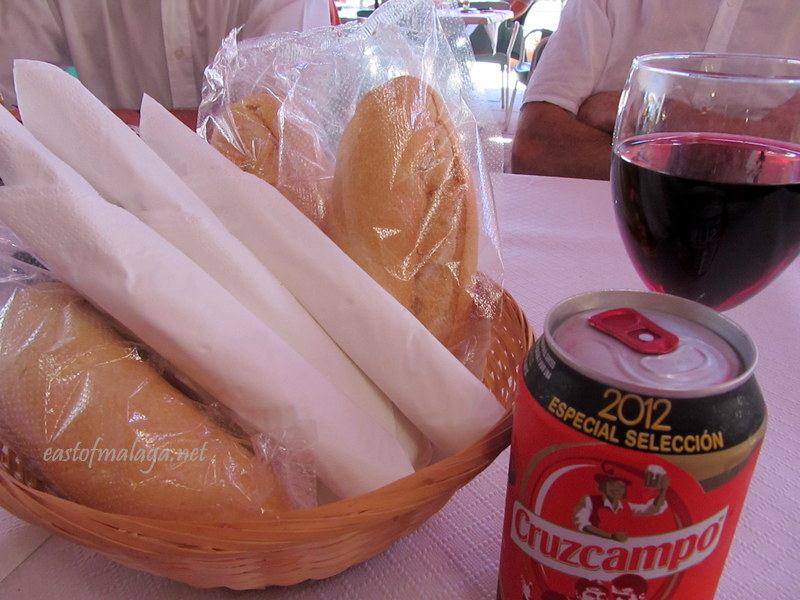
Drinks and bread included

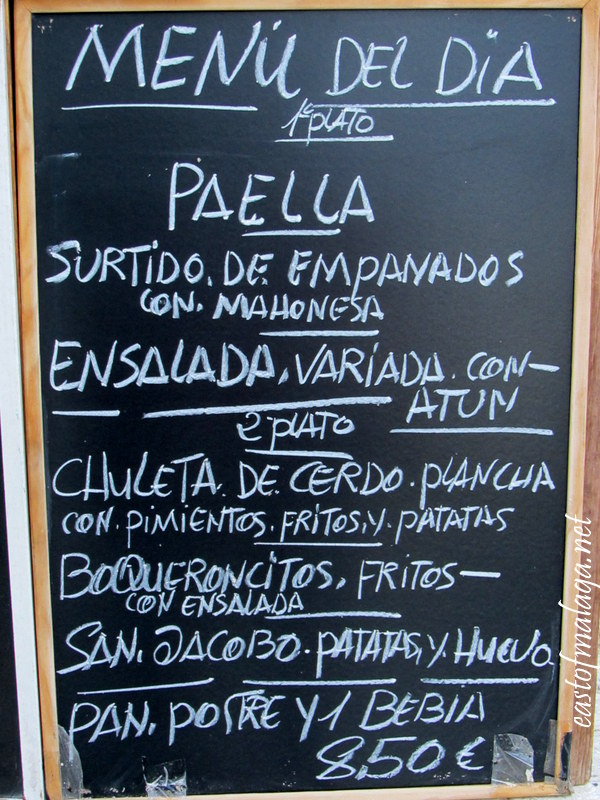
Known as Menu del Día, you can usually enjoy a two or three course meal, including bread and your first drink, for around 8 – 10 euros.  It´s usually a set menu, though there is often a choice of three or four dishes for each course.

A typical menu might include soup or salad to start, followed by fish or pork with flan or coffee to finish.  Bread, plus your choice of first drink (beer, wine or water) are usually included in the price.

Typical board advertising Menu of the Day, Spain

Look out for a board outside the restaurant, advertising the Menu del Día, which will usually be written in Spanish, and always remember to look out for restaurants and bars frequented by locals rather than tourists.

My choice in Torrox Costa:

** Ferrara Asador on the N340, near to the Repsol garage.  At only €8 with great service, good choice and quality of food, it´s well worth a visit, but go before 2.00pm as it gets very busy, especially in August.

** Fancy something a bit different ?  Try the Jing Chinese restaurant on the Paseo Maritimo along Ferrara Beach.  Their menu del día is even cheaper at €6, but drinks cost extra.  Again, excellent food and service.

Where´s your favourite place to eat, east of Málaga?

Love food?  You might like to drool over these posts:

Slice of Life:  Spanish bars

Let´s talk about tapas!

Fresh Figs Stuffed with Goat´s Cheese and wrapped in Smoked Bacon

The Day of the Dead: A Celebration of Life

Entrance to the cemetery at Comares, Spain

Customs and celebrations to honour the end of the harvest, the change of the seasons and the passage of life into death come together in many notable traditions at this time of the year.

The festival of Todos los Santos (All Saints´ day)  is celebrated throughout Spain as a national holiday on November 1st each year.

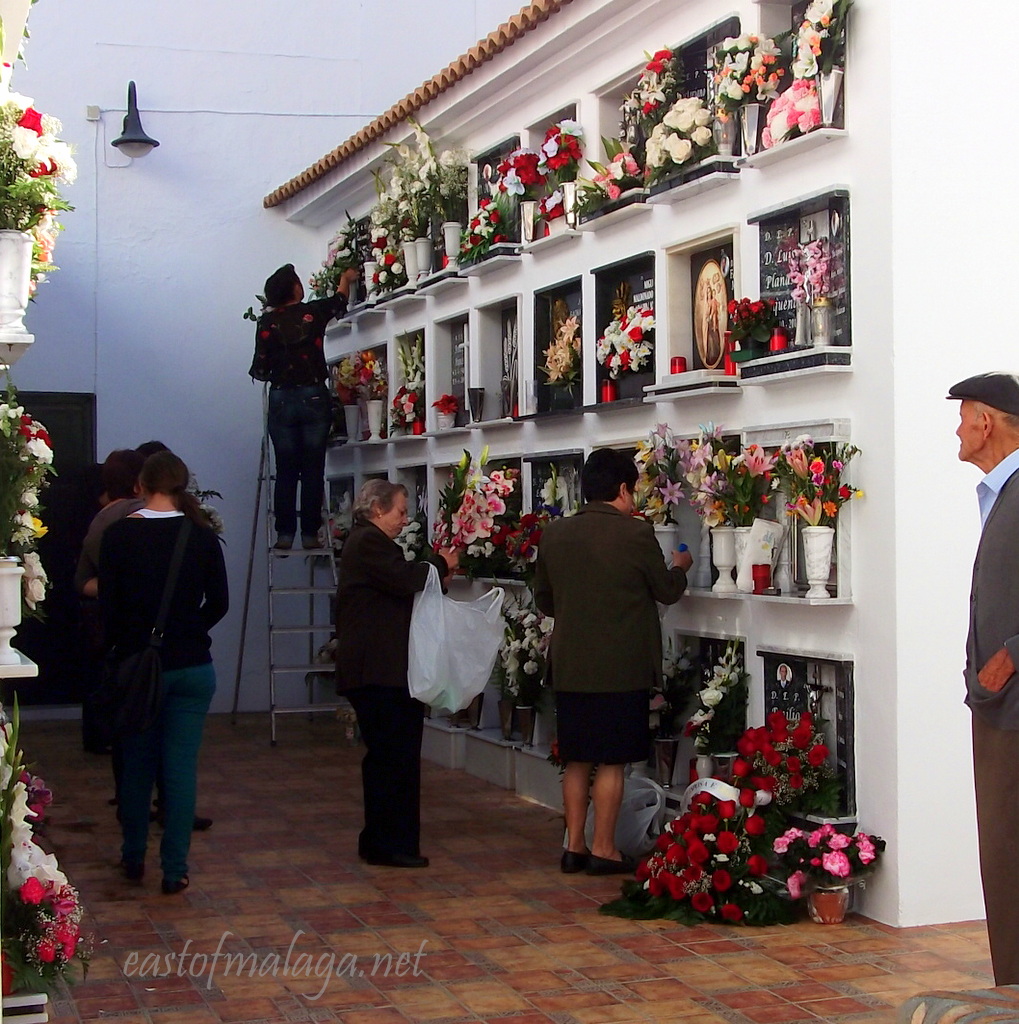
Tending the graves in Competa cemetery for Todos Los Santos

Although the American-style “ghosts and ghouls” type of Halloween is now creeping into the Spanish calendar each year (sadly), traditionally this time is celebrated here in a different form, as “El Día de los Muertos” or the “Day of the Dead” .

The three-day event, beginning on the evening of October 31 and ending on November 2 (All Souls´ day) sees cemeteries packed with families paying homage to their dead.   Family members tend the gravestones of their loved ones by painting, weeding and cleaning them, and by placing fresh flowers and candles.

Cleaning the gravestones in Competa cemetery, Spain

Climbing up the steps to tend the grave in Competa, Spain

We often visit our local cemetery on November 1st, and apart from the sheer number of people, the first thing that always strikes me is the overwhelming fragrance of fresh flowers.

Family members of all ages arrive carrying vases, buckets, bottles of water, cleaning items, candles and arms full of flowers.   The atmosphere is not at all solemn and the sound of chatter is everywhere, with people greeting each other with kisses and hugs.  Each member of the family plays their part in the cleaning and tending of the grave and, when they were finally satisfied, they wandered around the cemetery, looking at other graves to remember the dead,  before leaving.

Fresh flowers on all the newly-tended graves in Competa, Spain

Cómpeta cemetery, Spain

What I particularly like about this lovely Spanish tradition is that all of the frightening aspects of the afterlife are taken out of it.  This is a commemoration for loved ones with nothing ghoulish or scary involved.   Exactly as it should be, in my opinion.

How do you honour loved ones who have passed away, in your part of the world?  

Here are some other posts that I hope you might enjoy:

The heart of Cómpeta: El Paseo de las Tradiciones

The Buddhist Stupa of the Eastern Costa del Sol

Roadside Advertising: Not just a Load of Bull

Toro de Osborne, Spain

Around many parts of Spain, you will see the famous Osborne Bull (Toro de Osborne) silhouetted against the impossibly blue sky.  The 14 metre high black image of a bull in semi-profile, has come to be regarded as the unofficial national symbol of Spain.

First created in 1956 and erected close to major roads by the Osborne Sherry Company to advertise their Brandy de Jerez, the bulls used to feature the brand name “Veterano” in red, emblazoned across them.   In 1994, a law in Spain was passed which prohibited roadside advertising which meant that the hoardings would have to be removed.  However, there was a public outcry as the bulls had become much loved, so in order to comply with the law, the bulls were completely blacked out to remove all reference to the original advertisers.

Only two bulls remain in Spain with the word “Osborne” still written on them.  One is at the airport of Jerez de la Frontera in Cadiz province,  and the other is in the nearby town of El Puerto de Santa María, where the headquarters of the Osborne company can be found.

The image of the bull is now proudly displayed in stickers, key rings and memorabilia throughout Spain, and at sports events where a Spanish team or individual take part, the bull is embedded by supporters into the Spanish flag in the manner of a coat of arms.

Flag of Spain with Osborne´s bull

       [Image credit:  CC Wikipedia]

There are 23 of these bulls to be found within the region of Andalucía – so keep your eyes peeled on your travels!

This is my response to the WordPress Photo Challenge: Silhouette

You might also like to look at:

The Buddhist Stupa of the Eastern Costa del Sol

When life gives you curves, flaunt them!

The heart of Cómpeta: El Paseo de las Tradiciones

The Buddhist Stupa of the Eastern Costa del Sol

If you are visiting the eastern Costa del Sol, you might not anticipate that there is a beautiful Buddhist Stupa within easy reach of the Mediterranean coast.

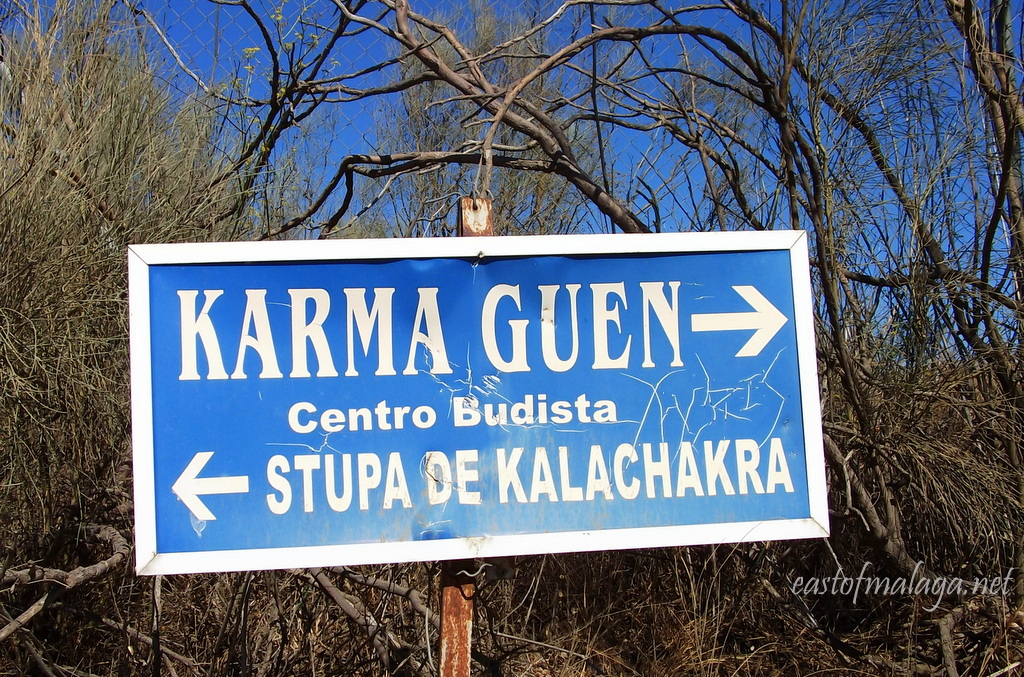
The first Buddhist Kalachakra stupa built in the western hemisphere can be visited about 40 kilometres east of Málaga, north of the town of Vélez-Málaga, near to the Karma Guen Buddhist meditation centre.

Signpost to the Kalachara Stupa in Velez-Malaga

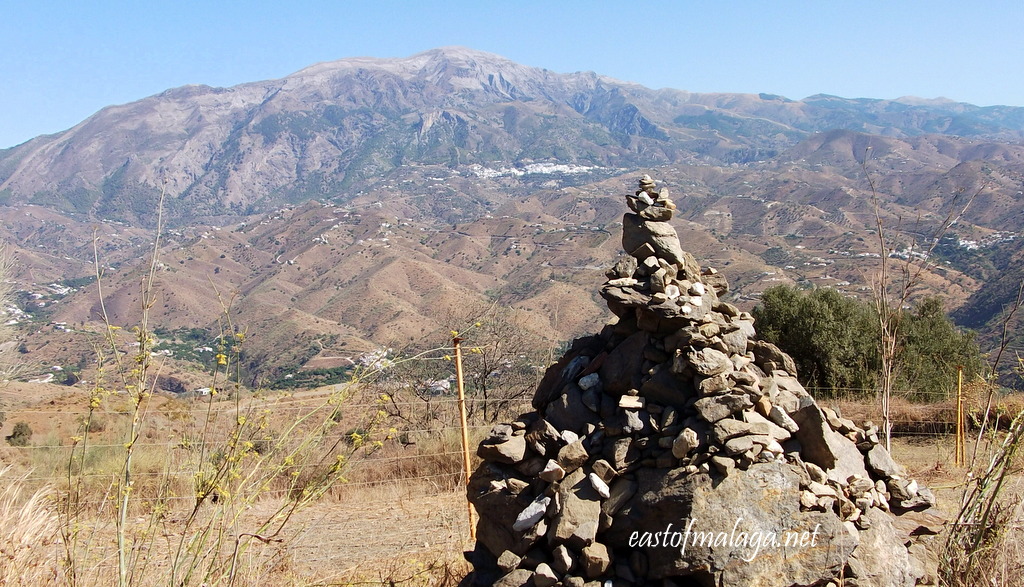
At the entrance to the Buddhist Stupa, with Monte Maroma behind

The stupa is not easily seen from the surrounding countryside, so where is it?

About a forty minute drive east of the city of Málaga along the A7-E15 Autovía del Mediterraneo to km 272,  take the exit signposted A 356 towards Vélez-Málaga, Viñuela, Colmenar and Zafarraya.  Stay on the A356, bypassing the town of Vélez-Málaga and, after about 7 kilometres, turn left at the junction signed towards El Trapiche.  Approximately one kilometre further, (opposite the Jardines del Trapiche) there is a small sign on the right for the Karma Guen Buddhist centre.  Take this concrete and tarmac road for two kilometres, and then the unmade track up the hill for another two kilometres.

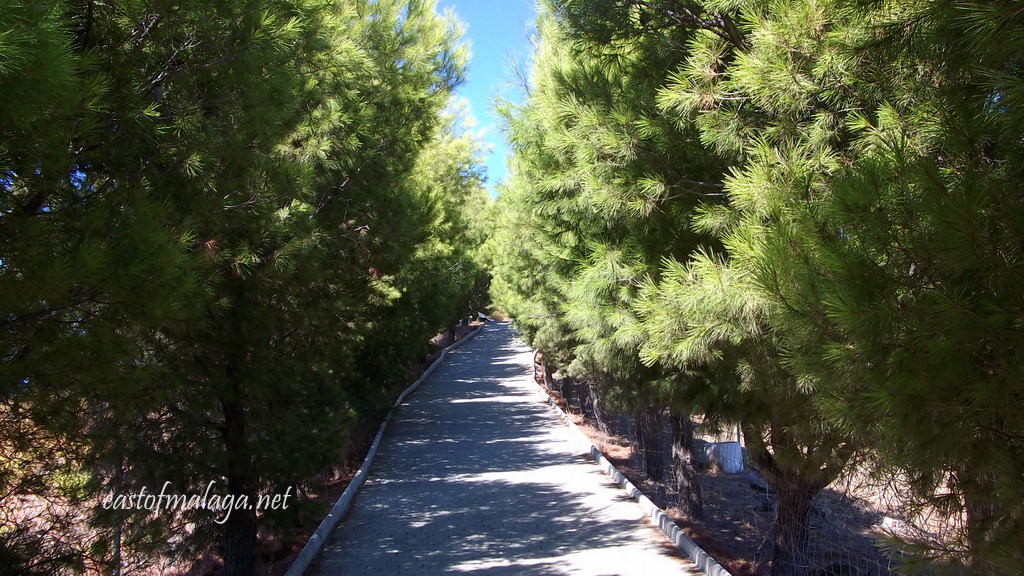
Park and walk through the avenue of pine trees and, all of a sudden, there it is!

Avenue of pine trees leading to the Buddhist Stupa, Vélez-Málaga, Spain

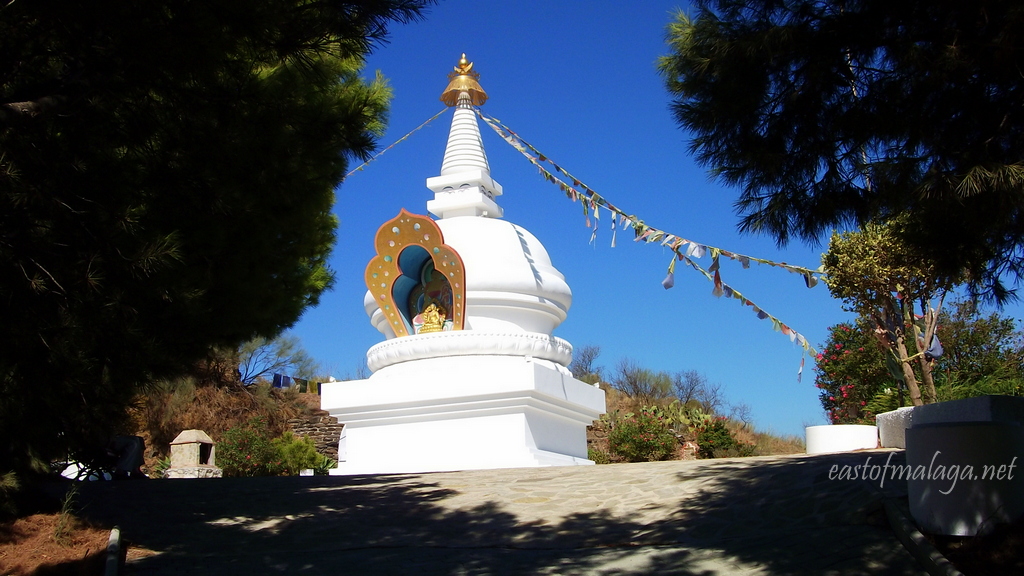
First sight of the Buddhist Stupa in Vélez-Málaga, Spain

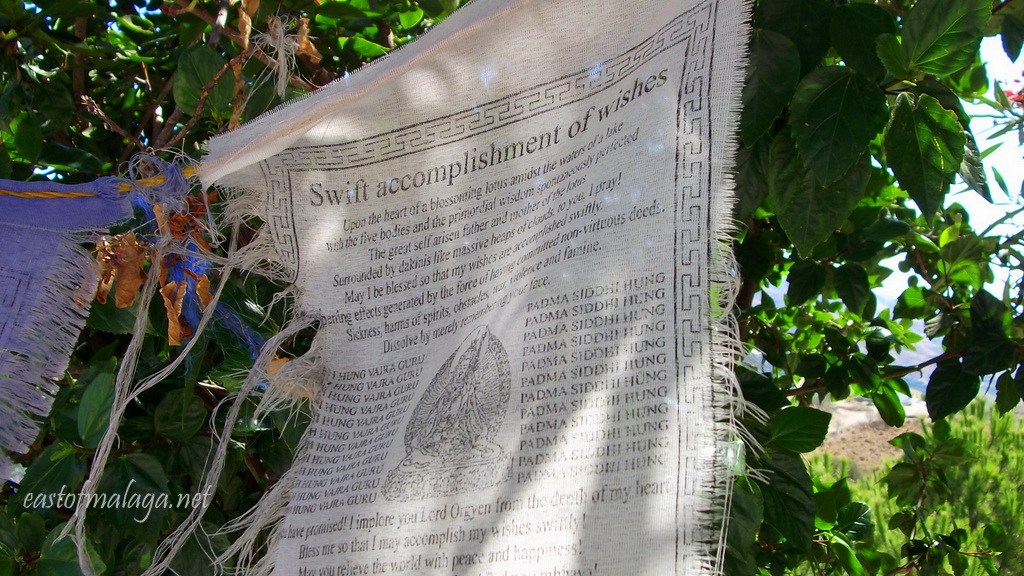
Swift accomplishment of Wishes

Sign at the Buddhist Stupa, Vélez-Málaga, Spain

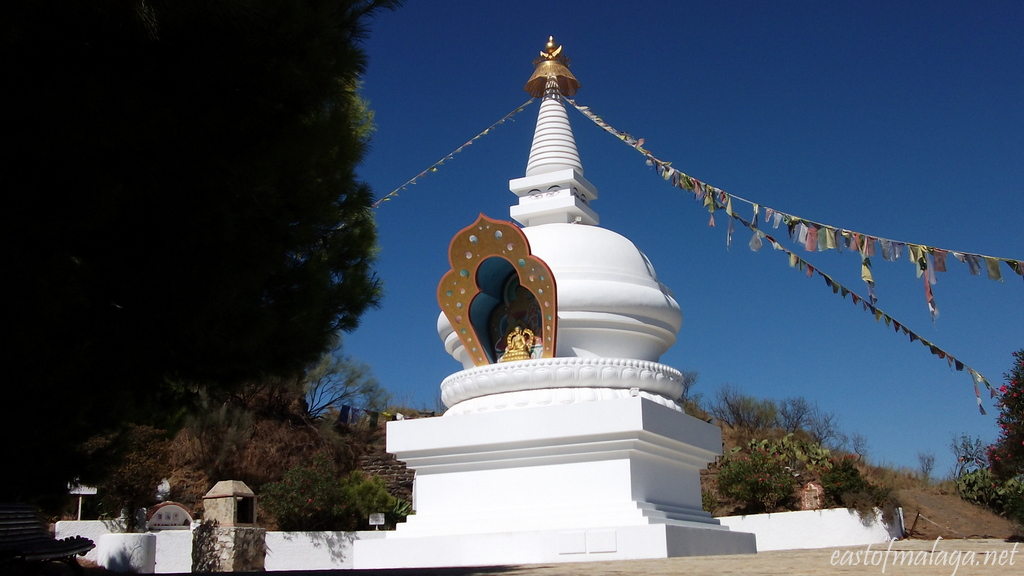
Within Buddhism, the Stupa is a symbol of universal peace and unity.  It is claimed that they have protective powers and bring about compassion, love and happiness, as well as social, physical and spiritual well-being.

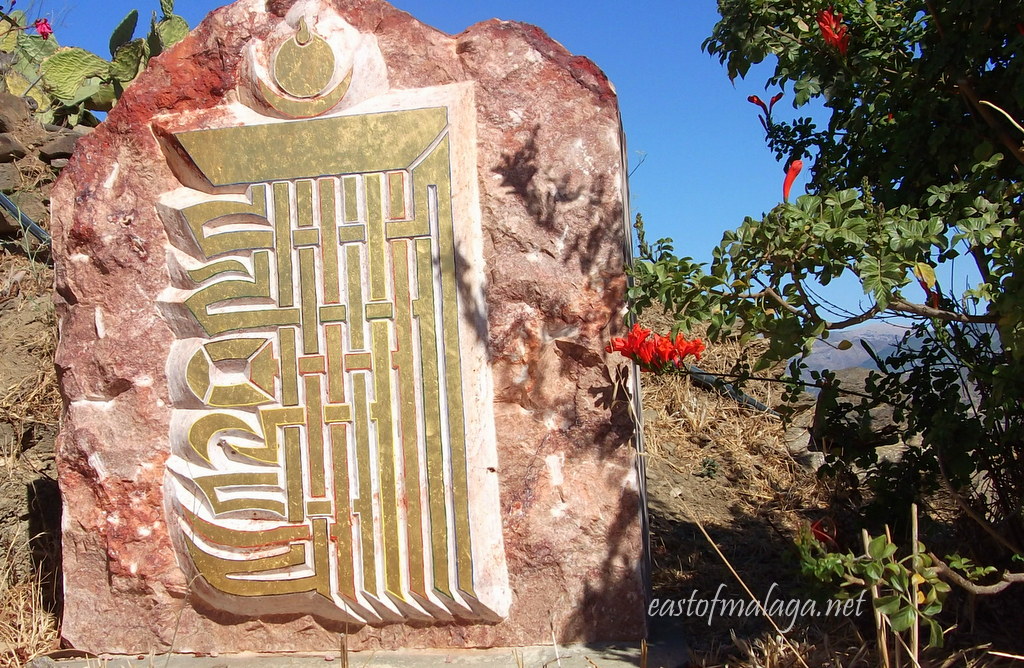
The Kalachakra is the rarest type of stupa.  At the present time, there are only five Kalachakra stupas in the world and this one, near to Vélez-Málaga, was the first to be built in the West.  It was hoped that building this stupa would help to protect Europe against negative energies.

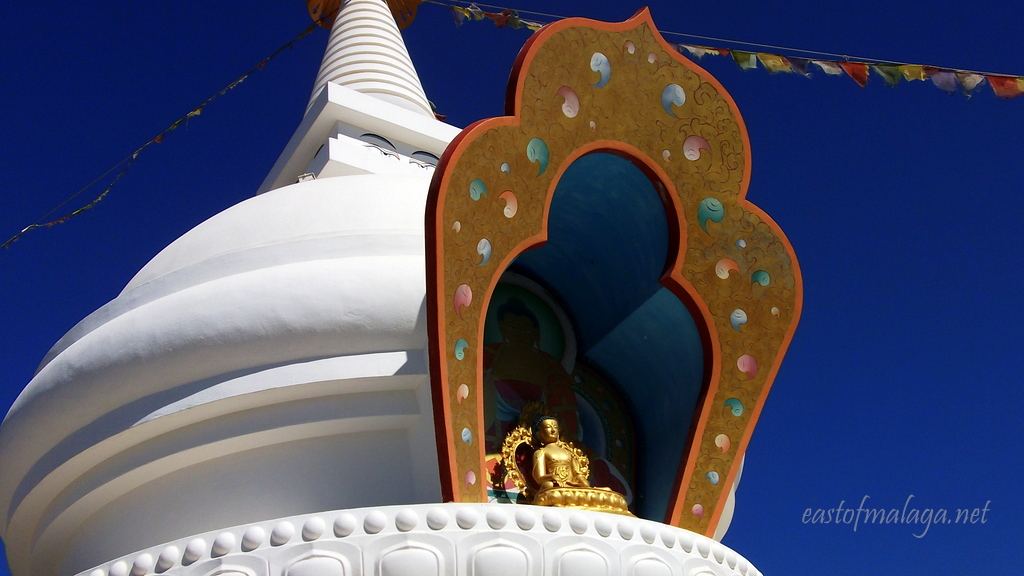
The Golden Buddah statue at the Stupa at Vélez-Málaga, Spain

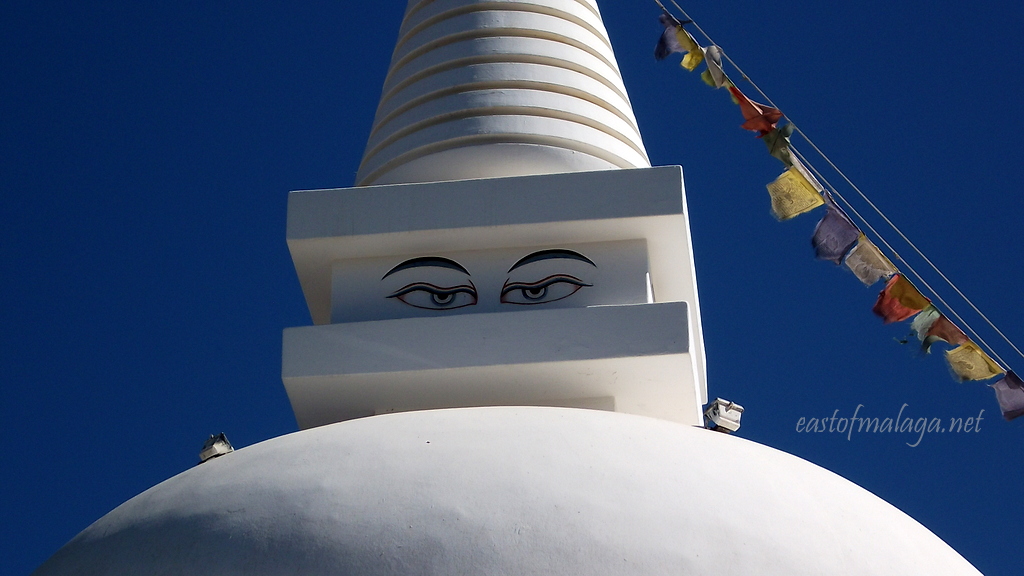
The eyes of the Buddhist Stupa, Vélez-Málaga, Spain

Just like the famous Boudhanath stupa in Kathmandu, this Kalachakra stupa has eyes painted on it, which is a Nepalese custom.

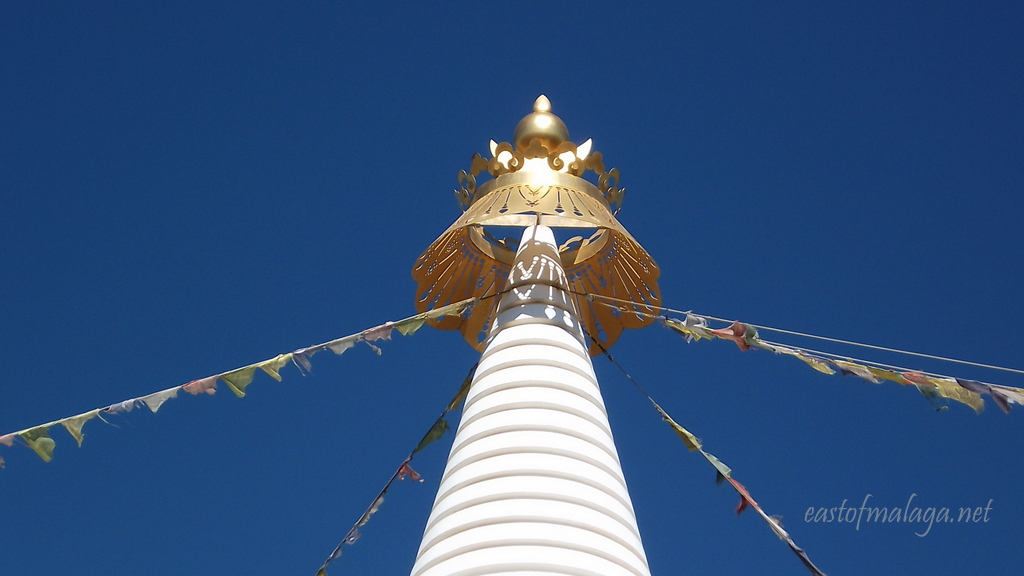
The golden dome of the Stupa glistens in the beautiful sunshine

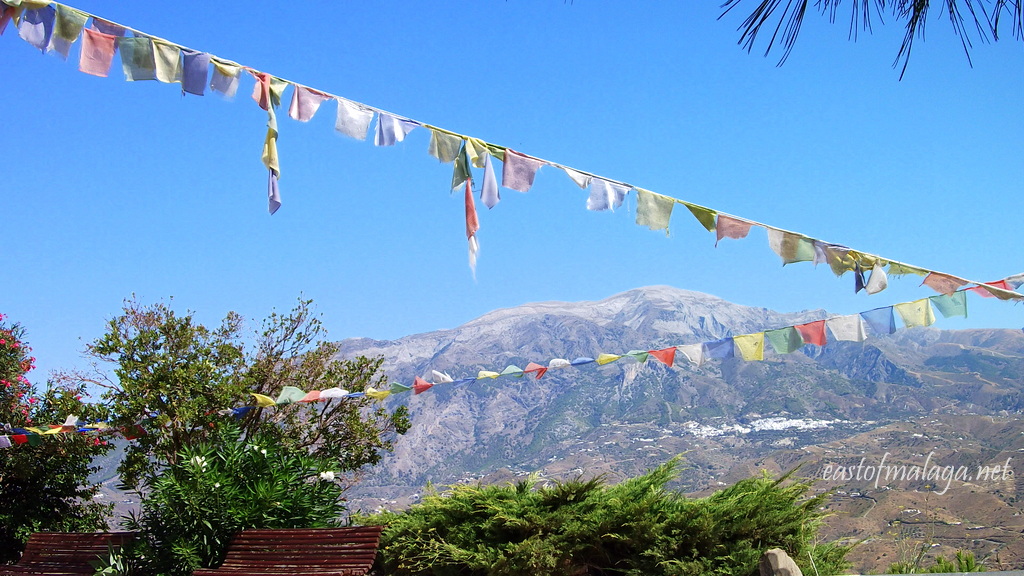
View across to Monte Maroma from the Buddhist Stupa, eastern Costa del Sol

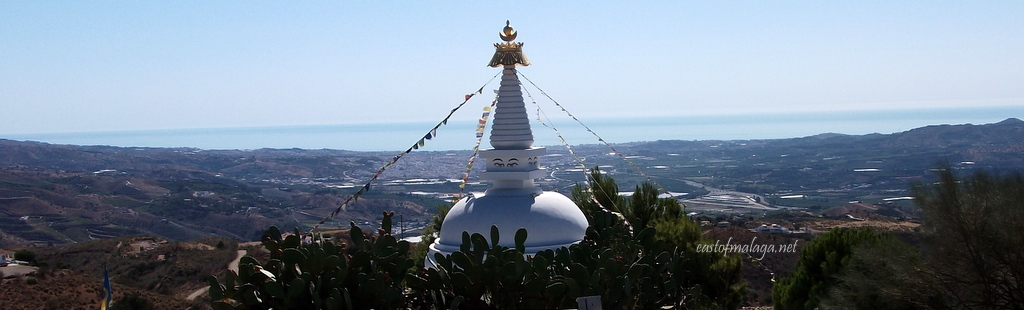
The Buddhist Stupa overlooks the eastern Costa del Sol

The journey to see the Kalachakra stupa at Karma Guen is a relatively easy one (bearing in mind the mountain roads) but the views on arrival both towards the mountains and the sea are magnificent.

The stunning Stupa of Kalachakra at Vélez-Málaga, Spain

I often take visitors to see the Stupa because it´s an unusual and memorable place to visit. 

Where do you take your visitors that surprises them?

This peaceful post is my contribution to this week´s Travel Theme: White and to celebrate the 30th Anniversary of the UN International Day of Peace.

If you enjoyed this post, you might also like to look at:

Bus Services: East of Málaga

A Weekend Away: Santiago de Compostela

Slice of Life: Spanish bars