All at sea with the Virgen del Carmen

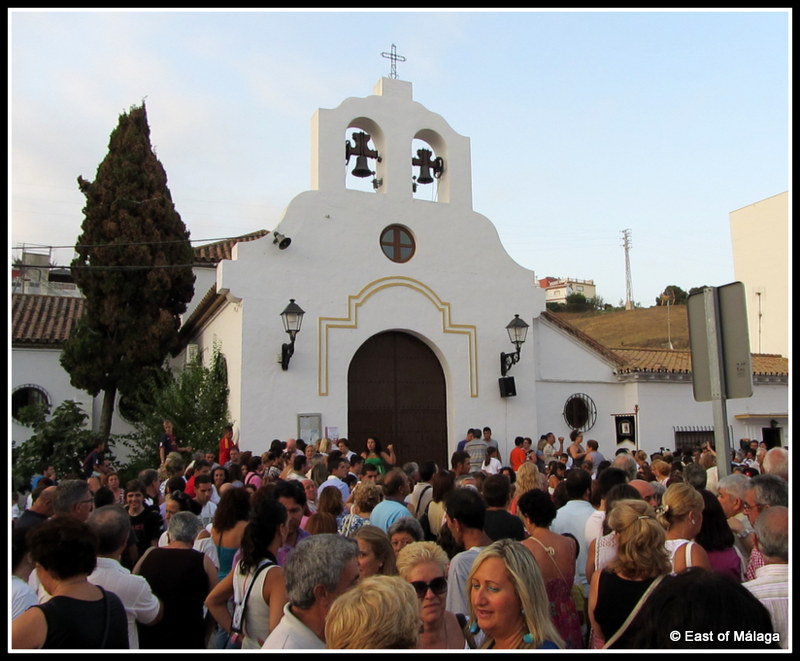
Crowd outside the church waiting for the doors to open

In a festival that dates back several hundred years, many coastal towns and fishing villages in Spain celebrate the Fiesta del Día de Virgen del Carmen as the protector of mariners and fishermen.

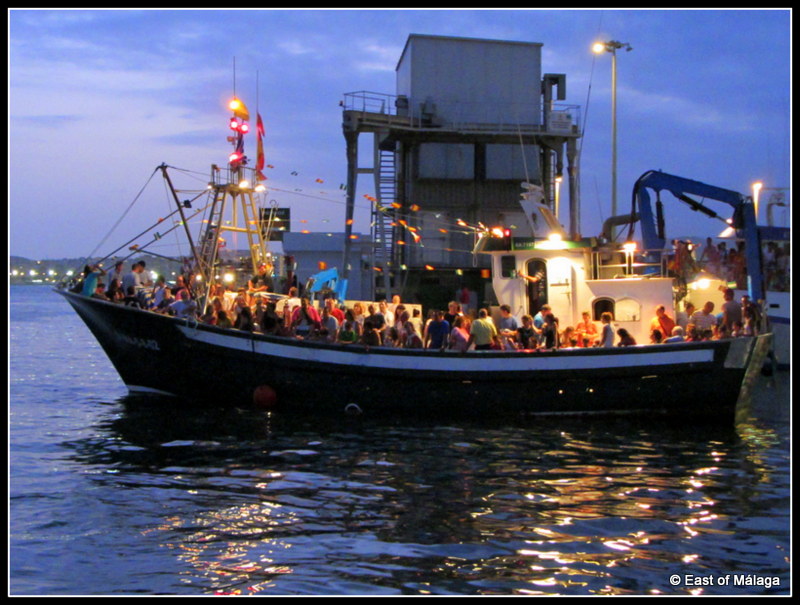
Every year on 16th July, spectacular maritime processions of decorated fishing boats known as jabegas head out to sea carrying their precious cargo, an effigy of the Virgen del Carmen, to bless their fishing grounds.

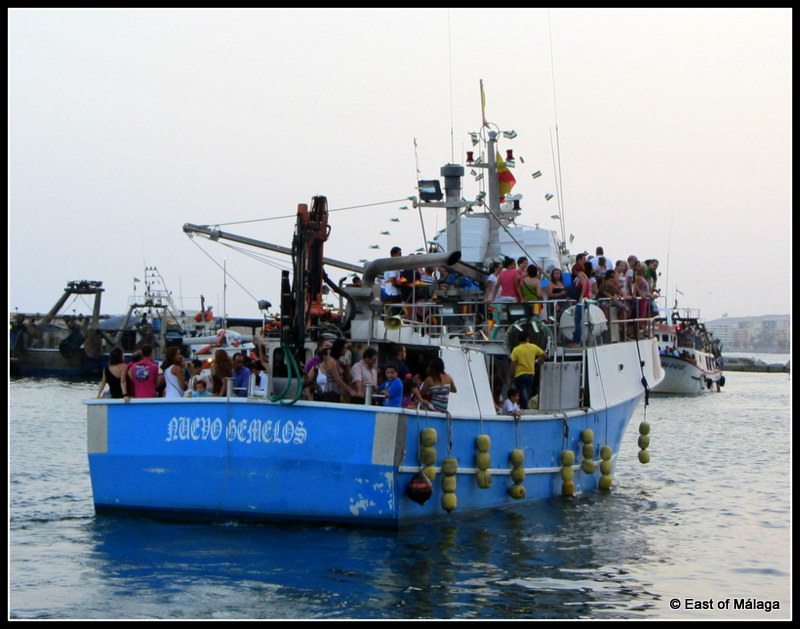
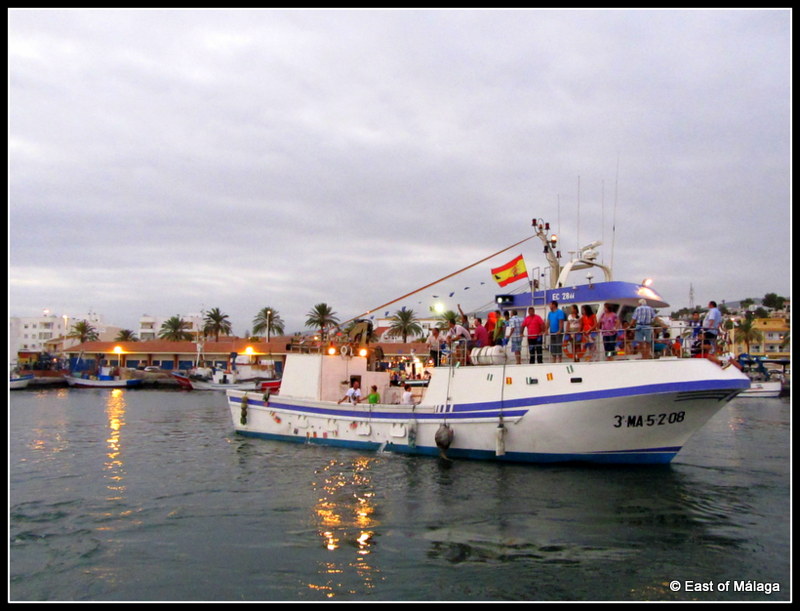
The vessels, many decorated with brightly coloured flags and bunting, each crowded with people, gather under the late dusk sky patiently waiting for the official party of sailors, fishermen, clergy and authorities to bring the Statue of the Virgin on board the boat that will lead the procession.

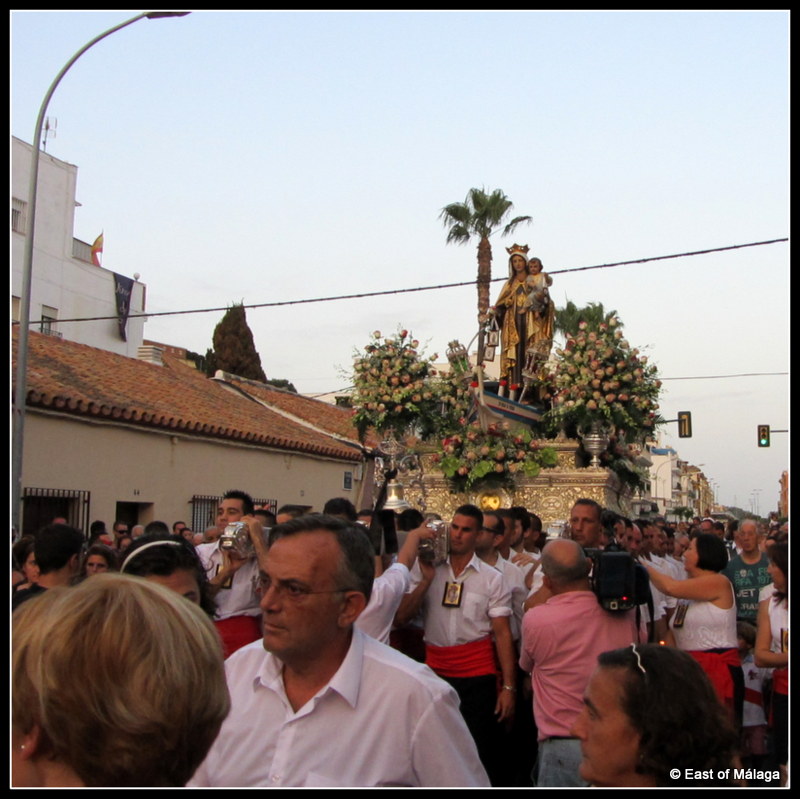
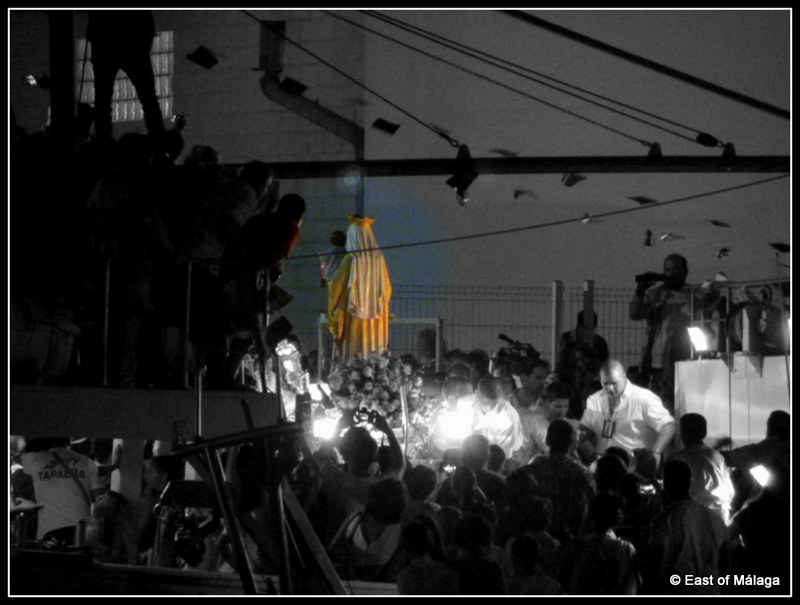
But before that, the Virgen del Carmen is paraded through the streets for all to see.  There is an air of excitement with people surging forward for the best views as the parade passes by, before making its way to the water´s edge.
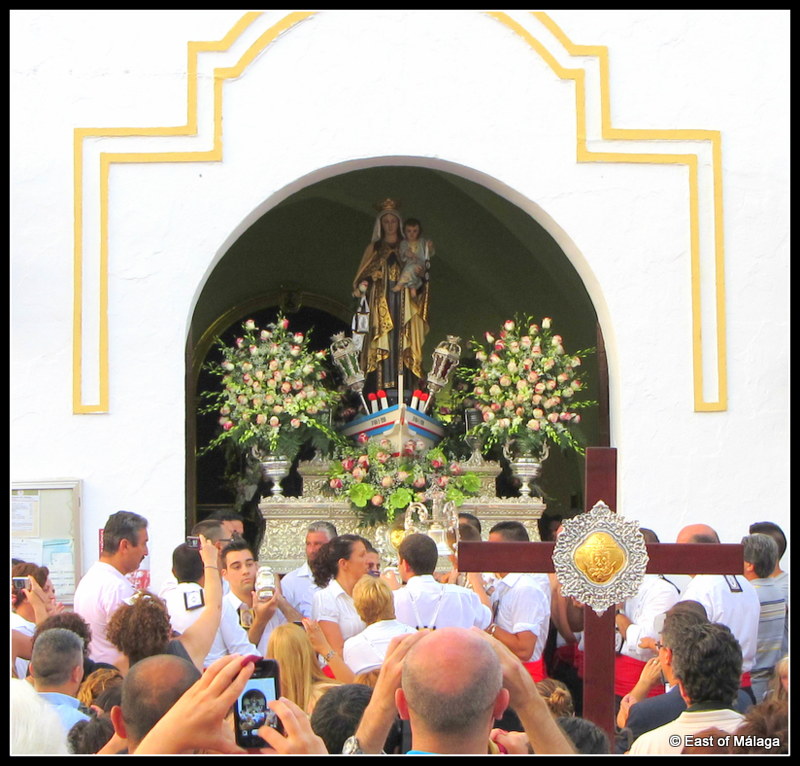
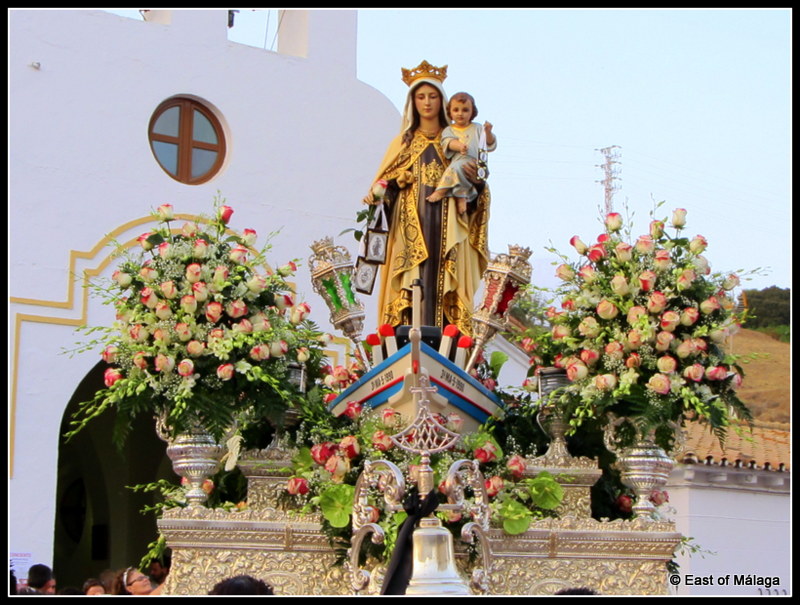
Doors open - and there she is!

Virgen del Carmen 2012

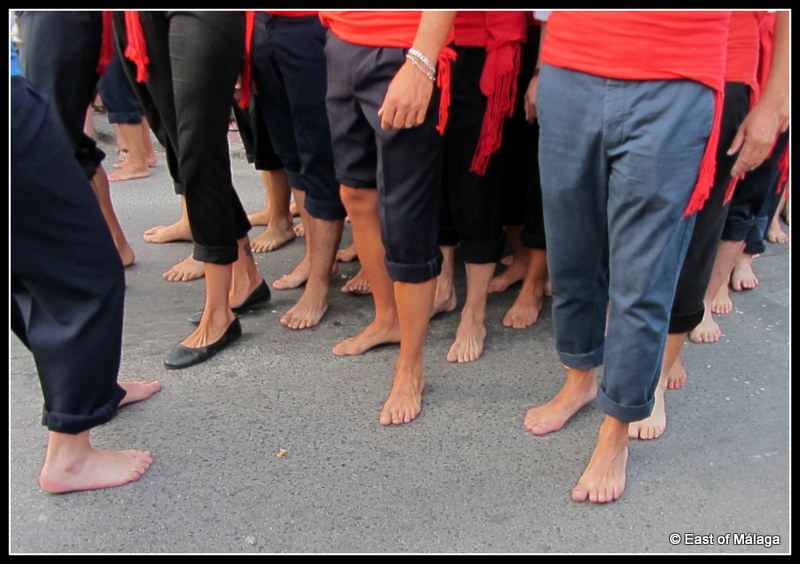
Carrying the statue with bare feet

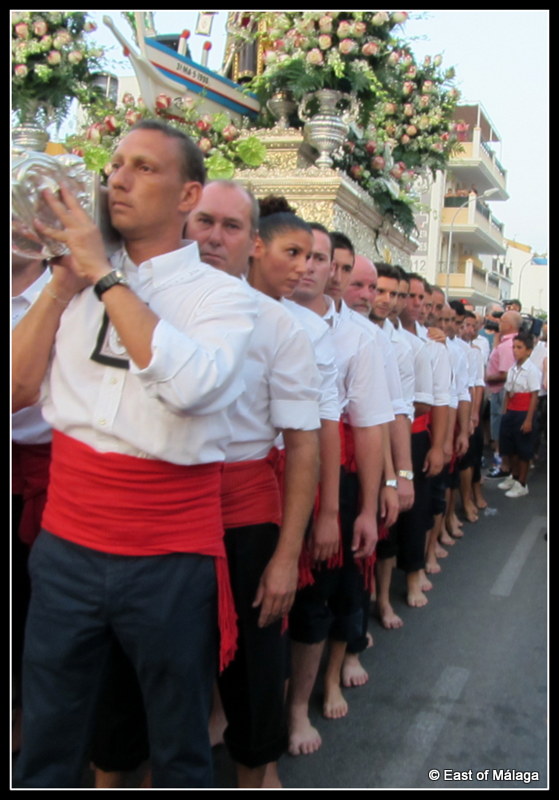
The line of bearers carrying the Virgen del Carmen

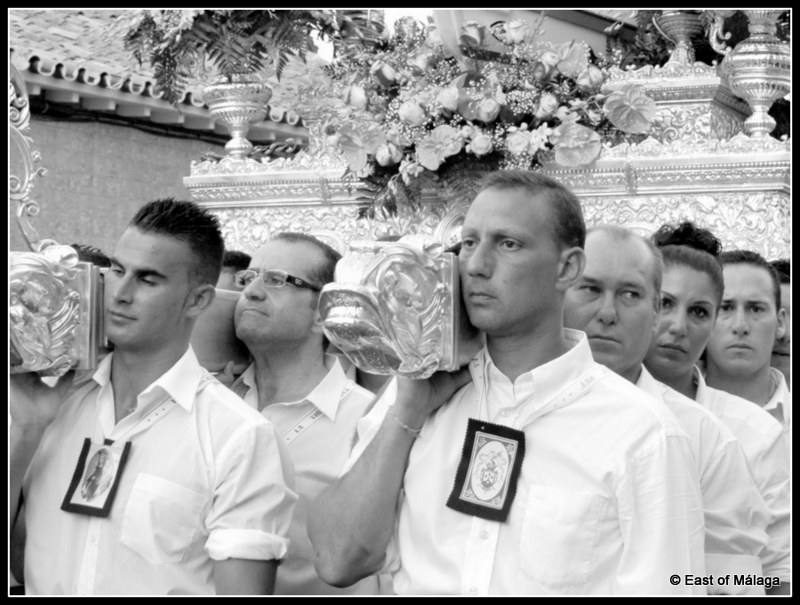
Solemn faces as they carry the statue through the streets

The crowds jostle for position to get the best view

Crowded boats waiting for the Virgen del Carmen to arrive at the harbourside

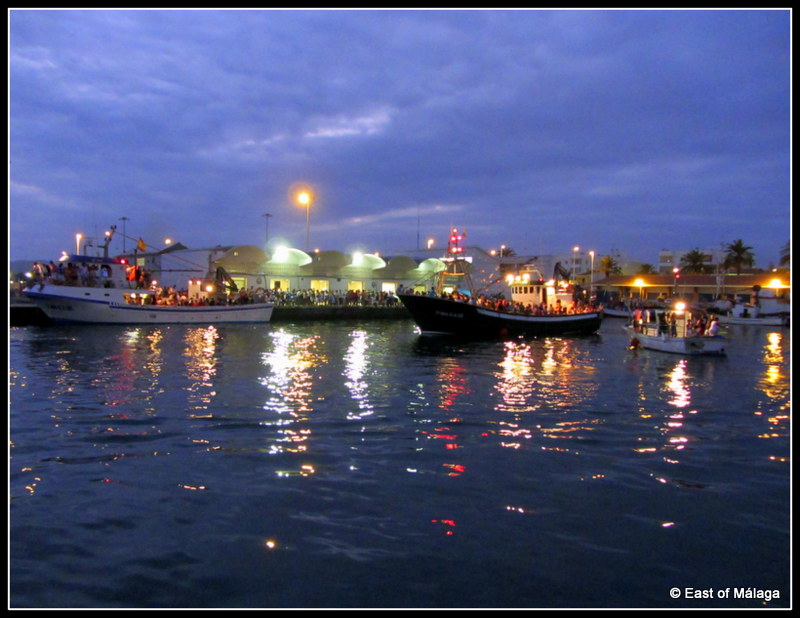
Caleta de Velez harbour as dusk falls

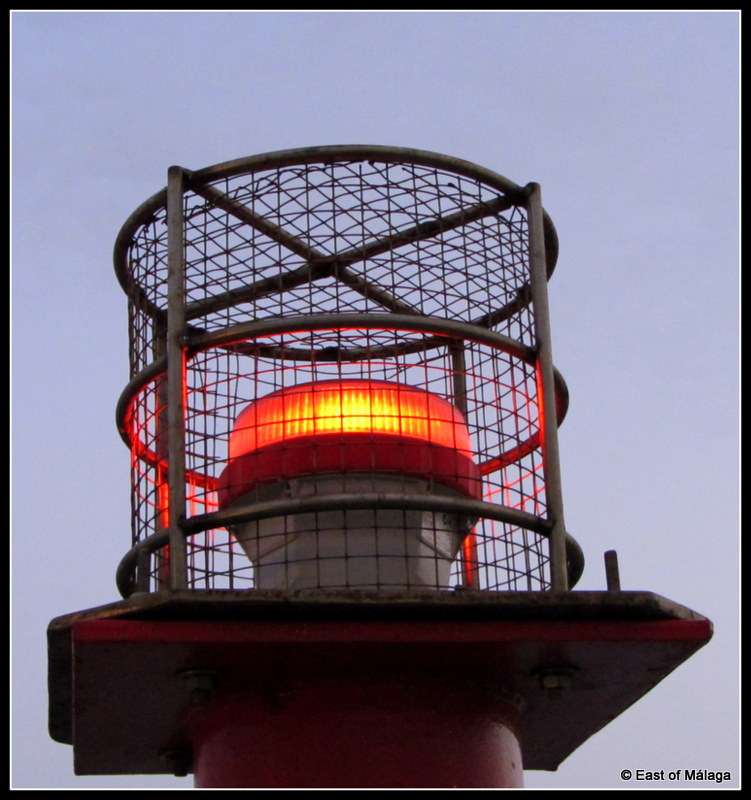
Harbour marker beacon flashes

Boats awaiting the arrival of the Virgen del Carmen

Excited people crowd onto the boats

The statue of Virgen del Carmen being loaded onto the boat

Celebrations vary slightly from town to town along the coast, east of Málaga.  My photographs show last night´s celebrations in La Caleta de Vélez, situated at the mid-coastal point of La Axarquía.

The video below shows the celebrations held last year in the town of Torre del Mar, just along the coast from La Caleta de Vélez.

Which is your favourite Spanish festival or fiesta?

Whilst you´re here, why not have a look at the following articles too?

The heart of Cómpeta: El Paseo de las Tradiciones

Patatas a lo pobre: Poor man´s potatoes

Sweet memories: San Joaquín sugar mill

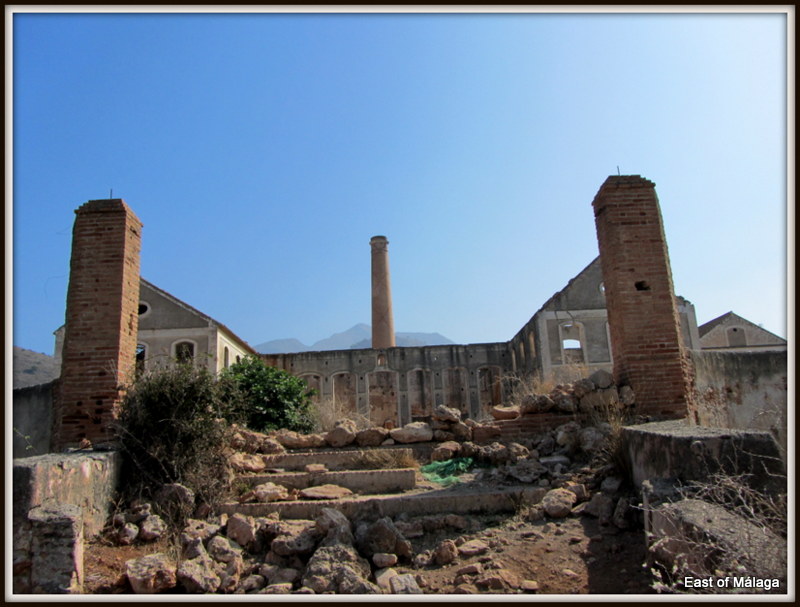
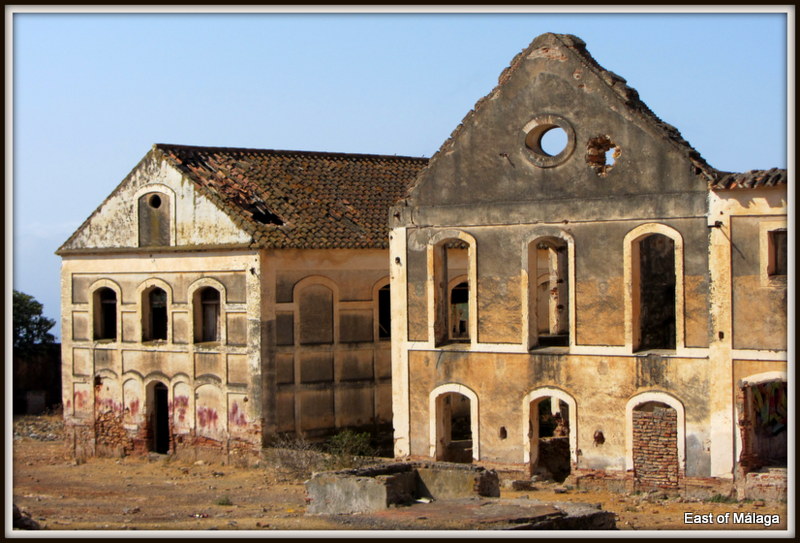
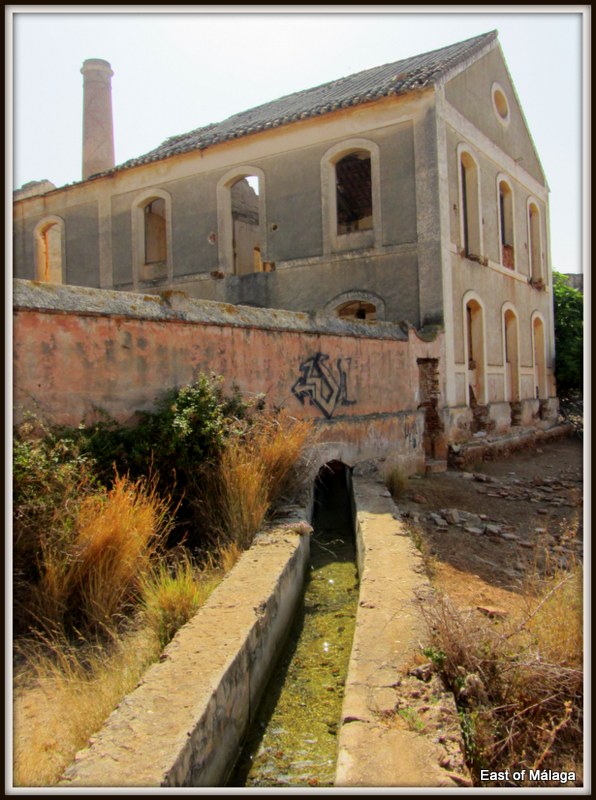
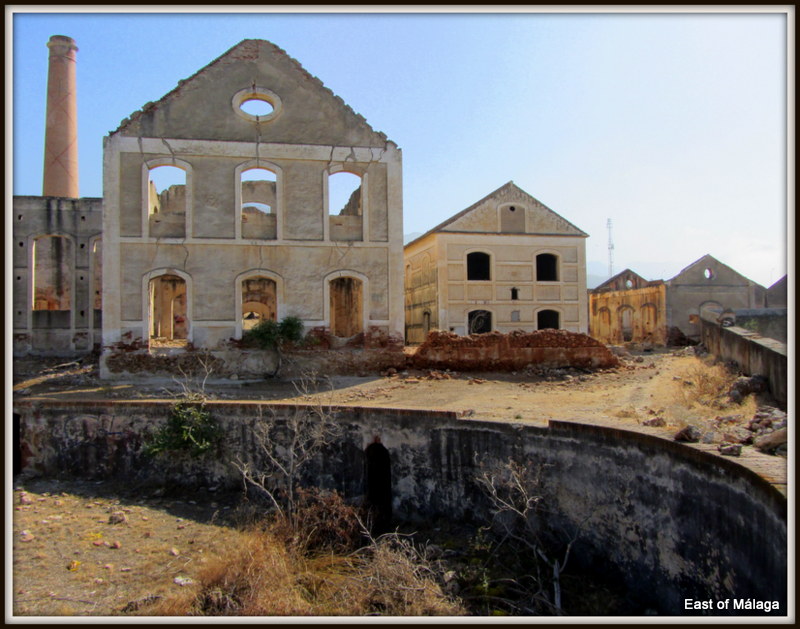
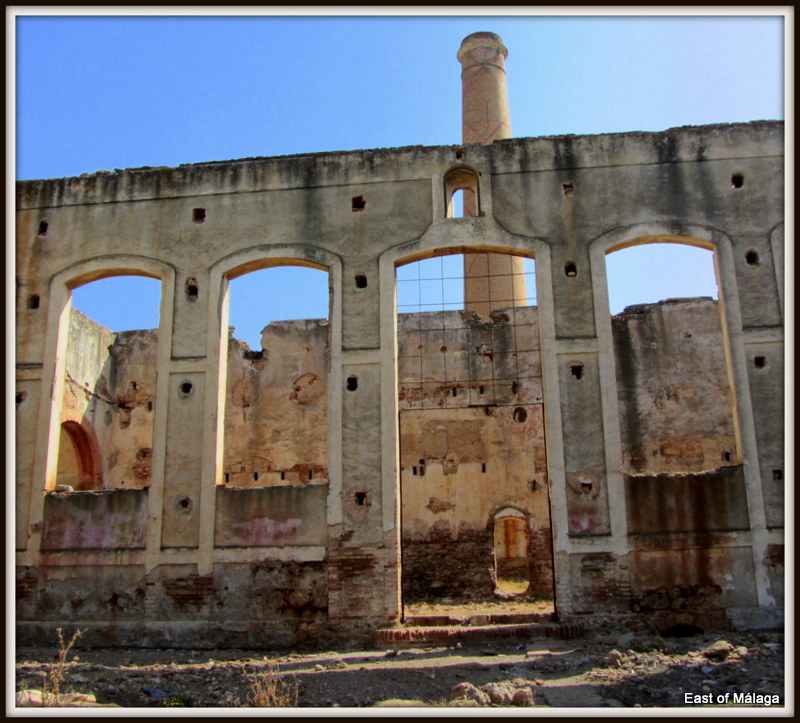
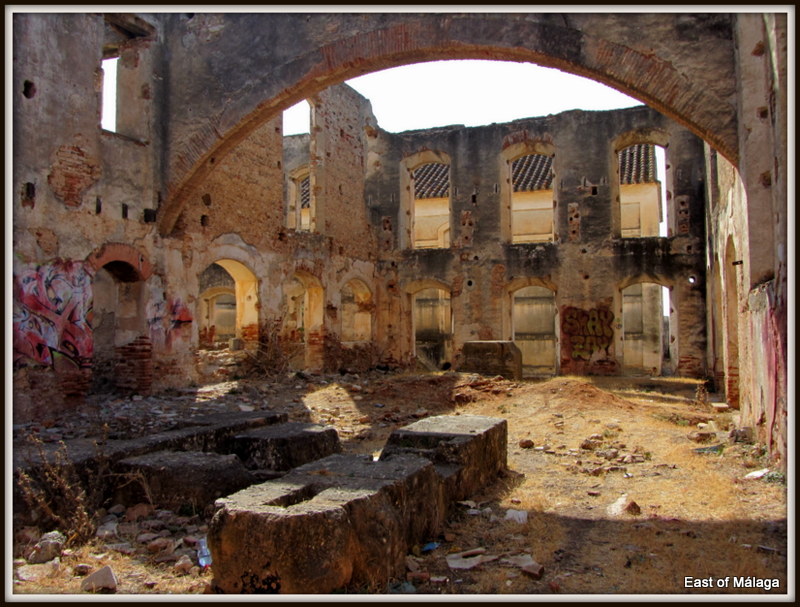
Located on the old N340 coast road between Nerja and Maro, the San Joaquín sugar mill´s ruined buildings serve as a reminder of the importance that the sugar industry played in local history.

San Joaquín sugar Mill, Maro

San Joaquín sugar Mill, Maro

San Joaquín sugar Mill, Maro

Sugar manufacturing has been part of the Mediterranean way of life for centuries.  Earliest records of sugar cultivation in Andalucía date from the 10th century on the coast of Granada province, due to its exceptional climate.

San Joaquín sugar Mill, Maro

San Joaquín sugar Mill, Maro

In 1585, the first mechanical sugar mill in the area was built in Maro, the ruins of which still form a central part of the old village, today.  Further mills followed in Nerja and Frigiliana, before the San Joaquín sugar mill and distillery was erected in 1884 by master builder, Francisco Cantarero, for the Marquis de Tous.

Irrigation channel at the San Joaquín sugar mill, Maro

Irrigation channel at the San Joaquín sugar mill, Maro

To supply the factory, large areas of sugar cane were planted nearby with water flowing through irrigation channels from the newly-built Eagle Aqueduct (Acueducto del Aquila).  This established a close relationship between the cultivation and industrial processes, a project that became known as The Agricultural Colony of Las Mercedes and Maro (La Colonia Agrícola de las Mercedes y Maro) and which continued until 1911 when the San Joaquín sugar mill closed.   The Larios sugar company acquired the mill in 1930 and production continued until the second half of the 20th century.  Since then, buildings have fallen into disrepair.

San Joaquín sugar Mill, Maro

San Joaquín sugar Mill, Maro

San Joaquín sugar Mill, Maro

San Joaquín sugar Mill, Maro

San Joaquín sugar Mill, Maro

San Joaquín sugar Mill, Maro

Whilst you´re here, why not have a look at:

The Alhambra Palace, Granada

La Noche de San Juan: Families, fires and football!

Churros served with thick hot chocolate

Travel theme: Night

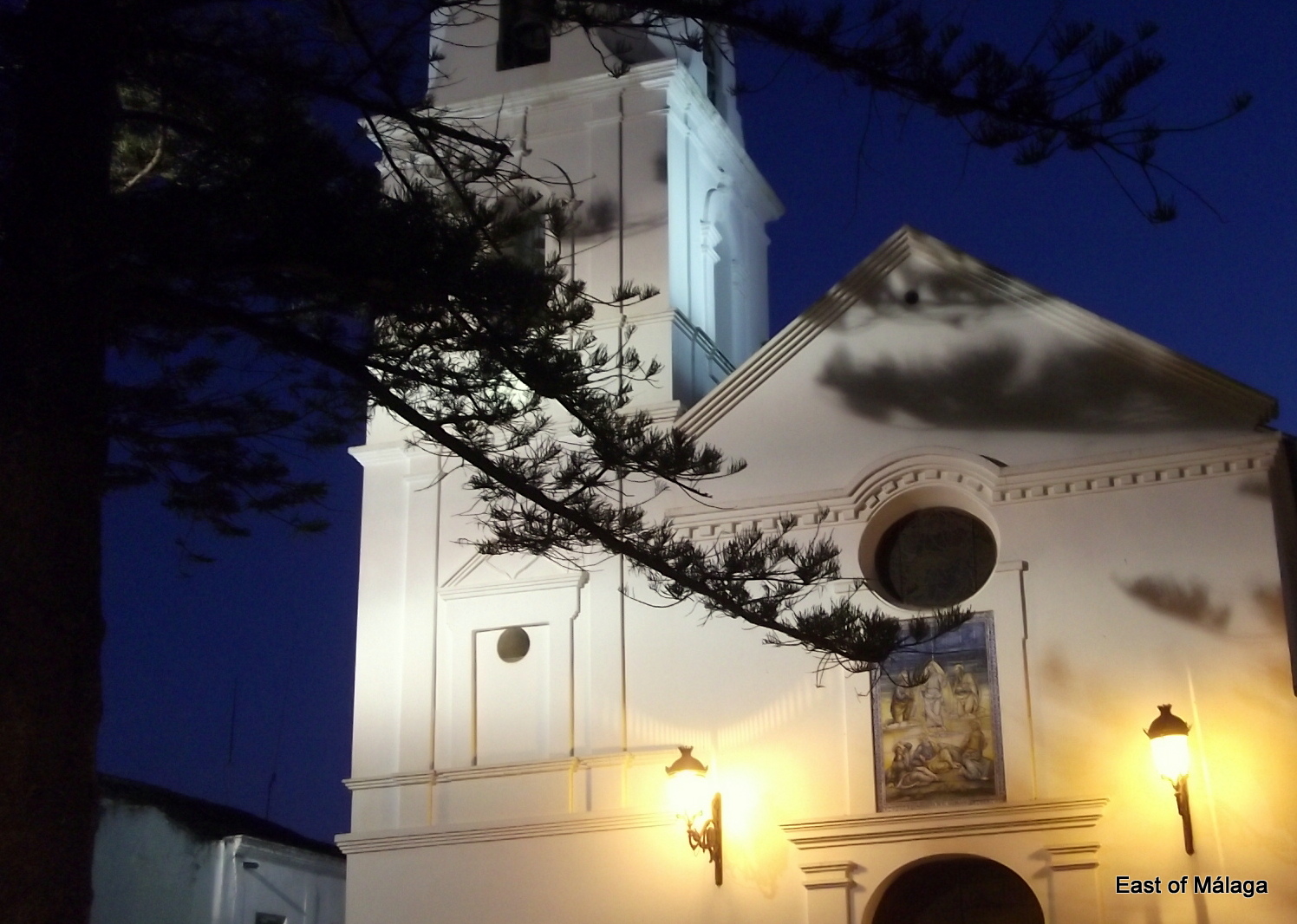
El Salvador Church, Nerja

Here is the pretty 17th century Church of El Salvador (Iglesia de El Salvador), situated beside the Balcón de Europa in the heart of Nerja.  Although a religious site since 1505, the existing structure was not completed until 1697.

One of the tallest trees in Nerja, towering high above the church itself, stands outside, casting wonderful shadows on the exterior of the building during the hours of darkness.

Because of it´s picturesque location, the Church of El Salvador is a very popular venue for weddings.

This post is my response to the Travel Theme photo challenge – Night


You might also enjoy reading:

Following in the footsteps around Comares

Photographs I love …. and why!


Andalucían sizzling hot spicy prawns

Gambas al pil-pil

Gambas pil-pil: There is nothing more typical in Andalucían cookery than spicy prawns served sizzling hot with crusty bread to mop up the juices – together with a glass of chilled white wine or manzanilla, of course!

This quick and easy dish uses three classic ingredients of Spanish cookery – shellfish, garlic and olive oil.   Why …. you’ll even hear sound effects as the sizzling prawns pop and splutter in the hot oil as you bring this time-honoured Andalucían dish to your table.

Maybe you’ve returned home from Andalucía and want to recreate memories of a perfect lunch under the shade of the trees in a quiet plaza. Or you dream of sitting on a sunny terrace overlooking the Mediterranean Sea, watching the palm trees sway in the gentle breeze as the waiter serves your tapas.

Now, what could be more evocative than that?


Here´s what you need for each person:

  • 10-12 large peeled prawns (uncooked) per person for a starter, or 15-17 for a light main course (gambas)
  • 2-3 tablespoons of olive oil (aceite de oliva)
  • A few stems of flat-leaf parsley (perejil)
  • 2 plump cloves of garlic (ajo)
  • 2 teaspoons of paprika spice, adjust according to taste.  Alternatively, if you can find it, use specially prepared pil-pil spice, sold at most Spanish street-markets on the spice stall. Most recipes omit this ingredient, but without it the dish lacks the classic colour and depth of flavour.
  • 1 small dried hot chilli pepper
  • Fresh, crusty bread or rolls
  1. Heat the oven to 220 degrees C.
  2. Peel, clean and de-vein the prawns. Wash them in cold water and dry thoroughly.
  3. Chop the garlic into small slices.
  4. Finely chop the parsley reserving some for the garnish.
  5. Chop the dried chilli pepper, discarding the seeds if you prefer a less fiery flavour.
  6. When the oven comes to temperature put the olive oil into a small ovenproof dish (use one per person), and put in the oven for 3-4 minutes or until the oil starts to bubble.
  7. Remove the dish or dishes from the oven, stir in the paprika powder, peppers, garlic and most of the parsley.
  8. Add the prawns, ensuring they are well coated with the mix.
  9. Return to the oven for 4-5 minutes, until the oil is bubbling vigorously and the prawns have just turned pink. Don´t overcook them as they will become rubbery.
  • Garnish with remaining parsley, and serve immediately, still in the ovenproof dishes, while the oil is still bubbling.
  • Serve with a well-chilled white wine and fresh crusty white bread to mop up the spicy oil.

Travel Theme: Art

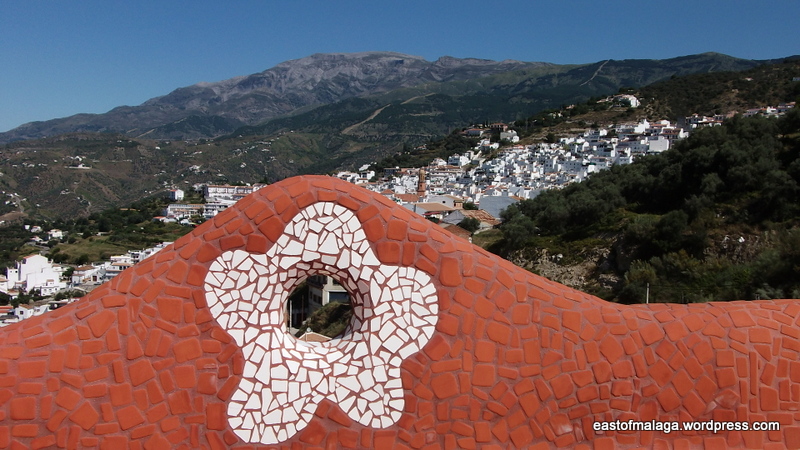
View of Cómpeta from the Mirador

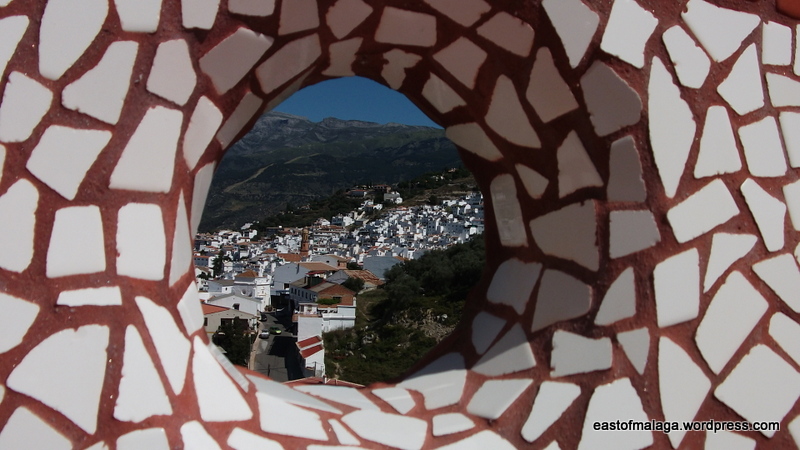
Village of Cómpeta through the Mirador


Here is the view of the mountain village of Cómpeta taken from (and through) the Mirador.  The village is situated at 638 metres above sea level in the foothills of La Maroma (the highest peak of the Sierra Tejeda).

The Mirador panorámico (look-out point) is a Gaudi-esque balcony, marking the entrance to the village, and a place to marvel at the sight of the white village tumbling down the hillside overshadowed by the majestic backdrop of Monte Maroma.

This post is my response to the Travel Theme photo challenge – Art


You might also be interested in these articles:

The heart of Cómpeta: El Paseo de las Tradiciones

Photographs I love …. and why!

The Alhambra Palace, Granada