CBBH Photo Challenge: CURVES IN NATURE

The theme for this month’s CBBH Photo Challenge is CURVES IN NATURE.  Curved shapes in nature are all around us – animals and birds, trees and flowers, mountains, seas and skies.

Show me what you see.  Be creative.  Just be sure it’s a natural curve rather than man-made.  OOHHH …. and, have fun with it!

Don’t forget that the CBBH Photo Challenge is a little different from some other challenges, in two ways.  First, it’s only once a month – giving you lots of time to consider your entry before the end of the calendar month.  Second, and most important, this is a BLOG HOP (after all, it is the CBBH – Conejo Blanco Blog Hop, meaning white rabbit in Spanish), so DON’T FORGET that in your post you need to add links to two blogs that you have visited and commented on during the past month.  That way, when we visit each other, we can HOP OVER to your links, connect with others and share a little blog love around!

My CURVES IN NATURE come to you from New Zealand, where I was fortunate to spend seven glorious weeks during January and February 2013.  Without doubt, New Zealand is one of my favourite countries in the world.
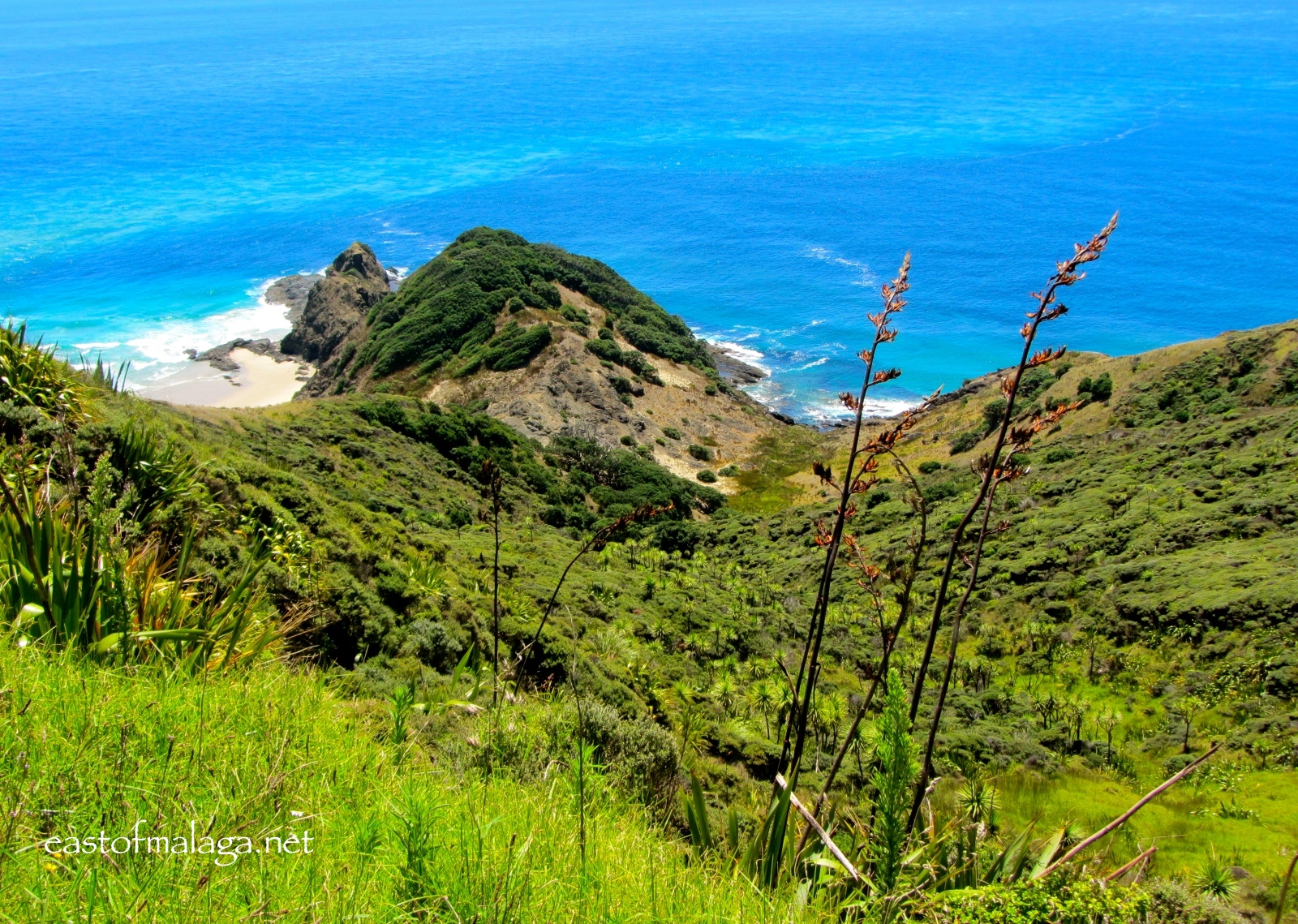
Te Reinga, New Zealand

Right at the top of the North Island is Cape Reinga (or Te Rerenga Wairua in Maori), one of the most significant sites in New Zealand.  For Maori people, this is where a person’s spirit comes after death and departs for their eternal home.  The rocky point jutting out to sea is Te Reinga and, according to Maori legend, the place where the spirits of the newly departed enter the underworld.  Clinging to the rock, there is an ancient kahika tree, named Te Aroha.  The spirits descend to the water on steps formed by the tree’s roots and then continue their journey to Hawaiki, the spiritual homeland.  What a lovely idea – I like that, very much.

Te Rerenga Wairua also marks the point where the Tasman Sea collides with the Pacific Ocean, and often this division can be clearly seen in the colour and turbulence of the water.
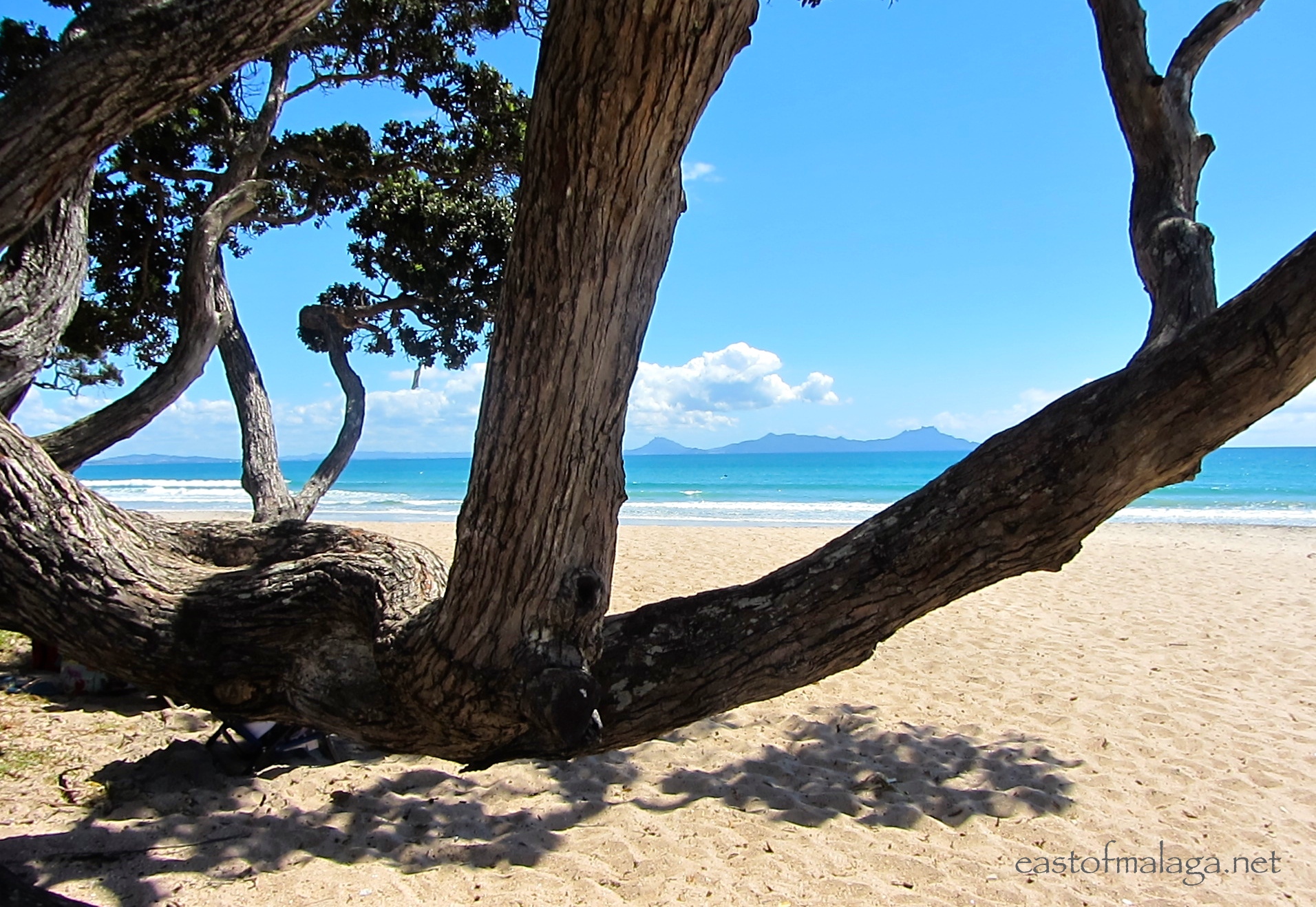
IMG_6206

The Northland region is renowned for its beautiful beaches, secluded bays and accessible islands.   We found Langs Beach to be the ultimate destination for simple relaxation.   Gorgeous, isn’t it?
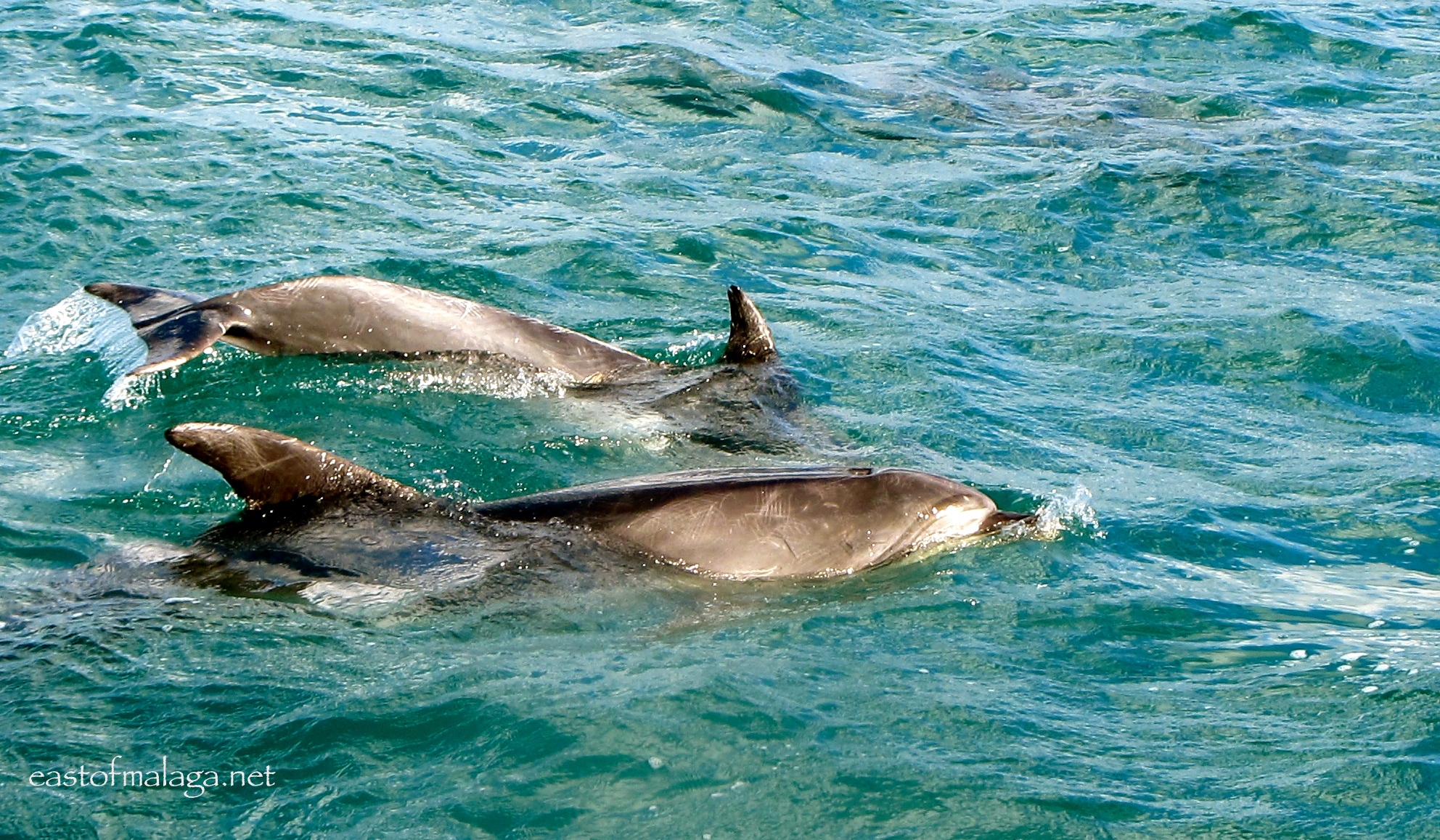
Dolphins in the Bay of Islands, New Zealand

These dolphins were just two of many surrounding our boat during a tour of the Bay of Islands.  They loved showing off, playing and jumping in the wake of the boat.  I have very happy memories of this day. 
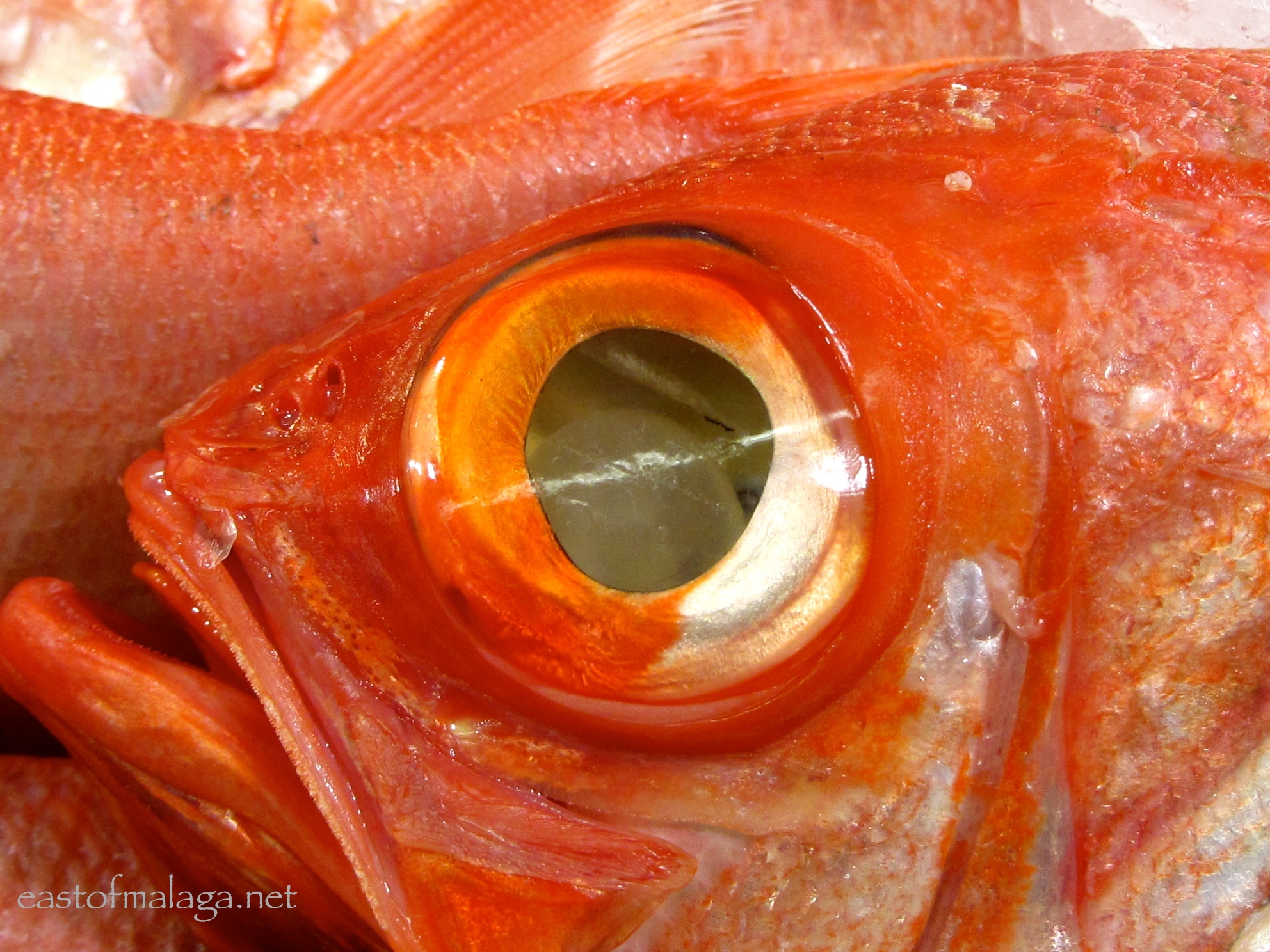
Alfonsino fish, New Zealand

What do you make of this big-eyed Alfonsino fish displayed on crushed ice in the Fish Market in the up-and-coming trendy Wynyard Quarter on the Auckland waterfront?
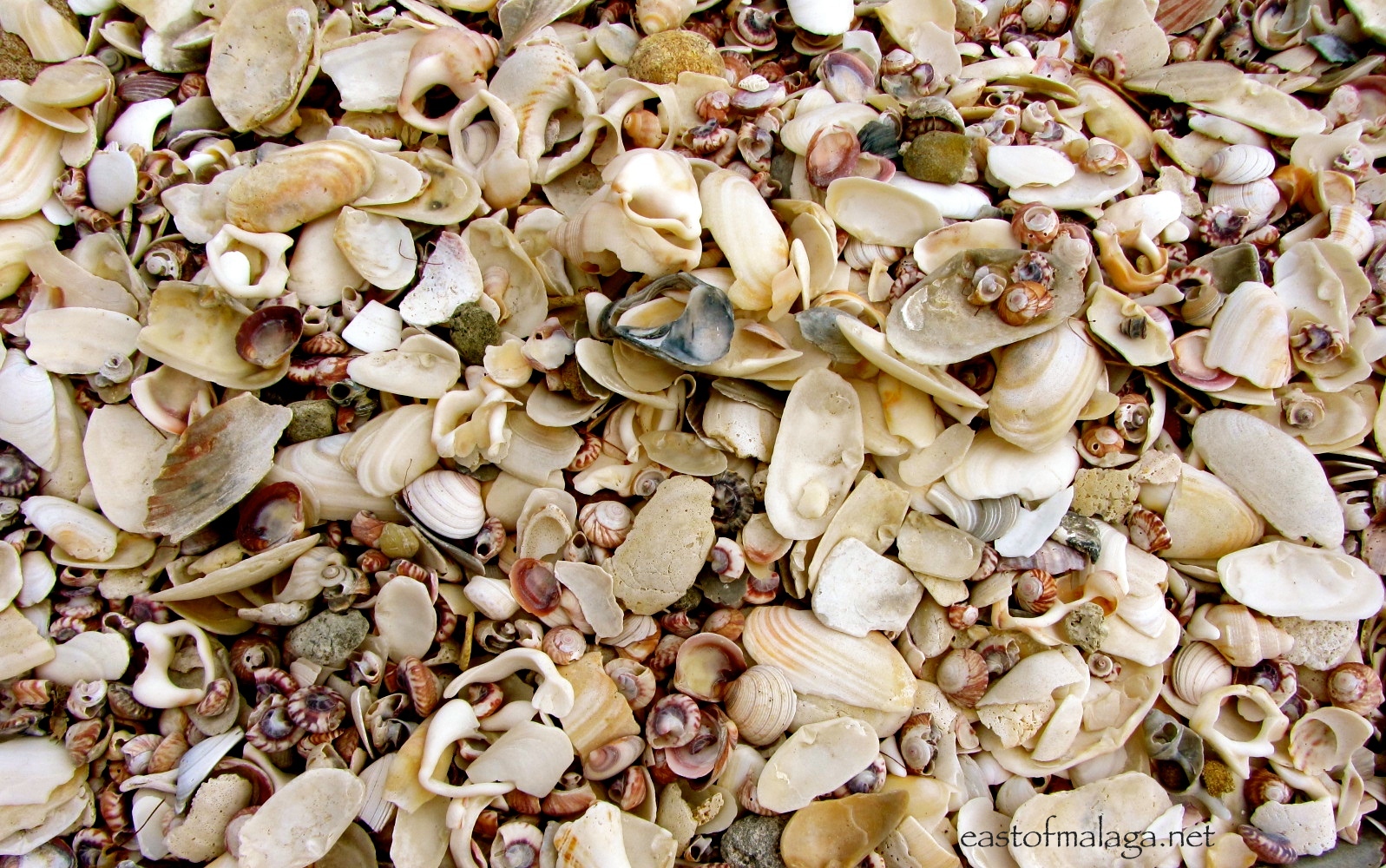
Shell beach, New Zealand

Mount Maunganui is a dormant volcanic cone and focal point of the coastal Bay of Plenty.  As we followed the walking track around the base of the cone we came across a small bay and instead of sand, the surface was made entirely of multi-coloured shells.
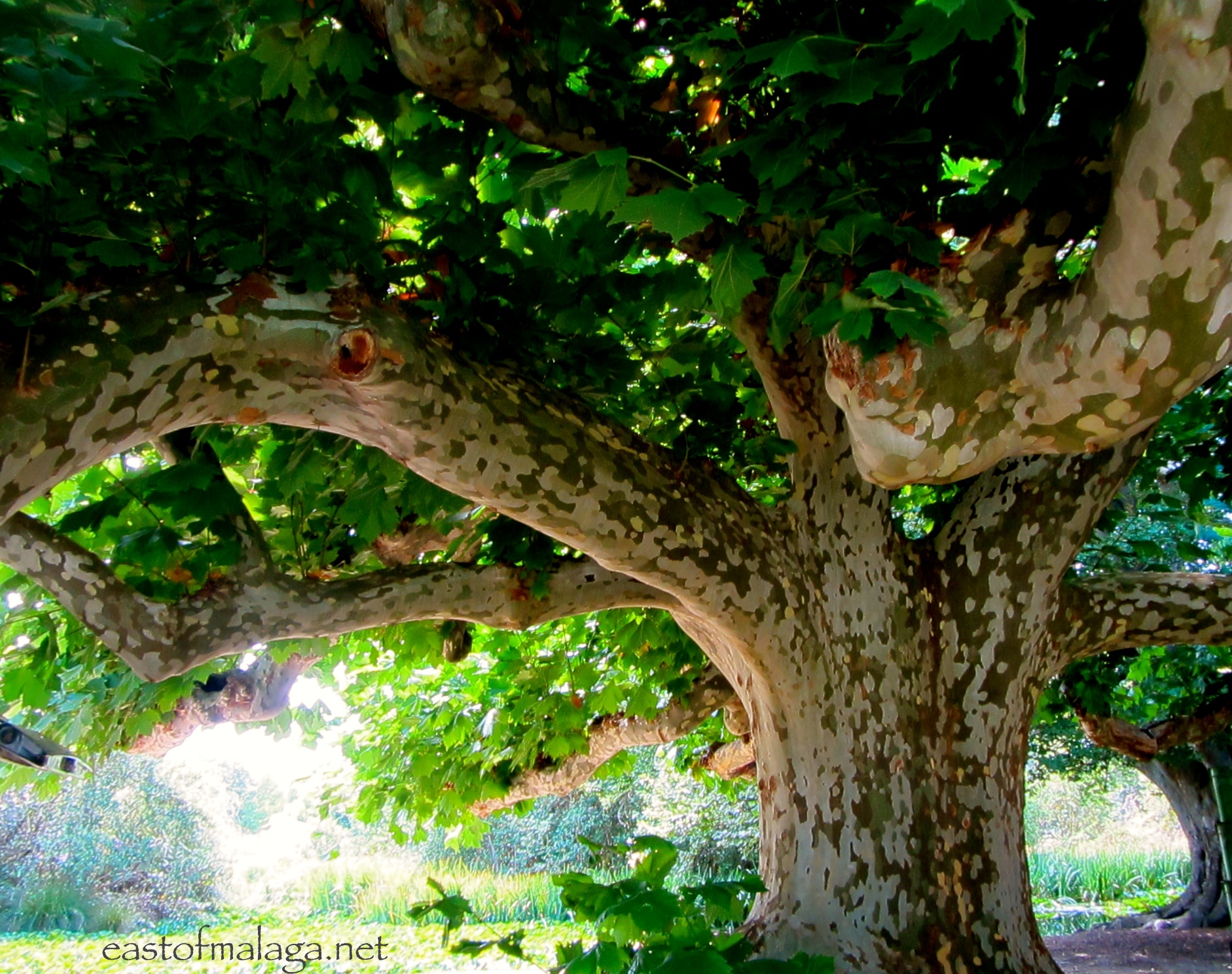
Gorgeous tree and bark

The Sunday morning Hawke’s Bay Farmers’ market at Hastings was a real treat and this was where I bought some delicious cheeses and tasty bread for our picnic later in the day.  It was a glorious day and at one point I took shelter from the heat of the sun beneath this wonderful old tree.  It had such a great shape with a mottled trunk and branches.  I wonder how many years it has stood there?

I love travel!

Yes, I love to travel – and am lucky enough to have visited more than one quarter of all the countries in the world.  In fact, as this post is published I will be in Nuremberg, Germany for the wonderful Christmas markets 🙂

How many countries have you visited?  If I asked you to name one favourite – which would it be?

CBBH Blog Hop

My Featured Blog Links for this month:

*** Molly at Piccavey.com is a British expat blogger, living and writing about her adopted home city of Granada in Andalucía, Spain.  Many people are familiar with the Alhambra Palace or the free tapas on offer in Granada, but Molly offers practical information that you may not read in tourist guide books – from the perspective of someone who actually lives there.  If you are considering a visit to Granada, follow Molly’s advice if you want to buy tickets to see the Alhambra,  discover the difference between pintxos, tapas and raciones or find out the main festivites and most popular dates in Granada’s annual calendar.  

*** The Scribbler in Seville is a journalist, translator, teacher, wife and mother living in southern Spain.  Fiona writes with a passion about her home city of Seville as well as about Andalucia as a whole.  She recently told us about the olive oil producing region of Jaen, the fabulous ceramic tiles to be found around Seville and a gourmet hiking adventure aboard Mr Henderson’s Railway in the heart of Andalucía (parts of which were featured on a UK TV programme by Michael Portillo called Great Continental Railway journeys).

So that´s the CBBH Photo Challenge for December, guys!

Remember, all you have to do is post your entry by the end of the month, tag your entry ‘CBBH Photo Challenge’,  link back to this blog and, most importantlydon´t forget to add links to any two blogs that you´ve commented on during the past month, so that we can all HOP OVER and have a look.  Make sure you FOLLOW THIS BLOG so you don´t miss next month´s exciting challenge!

For more information on how the CBBH Photo Challenge works click here.

I hope everyone taking part enjoys the exposure the CBBH Photo Challenge offers to featured blogs and, who knows, you may end up finding a new favourite!  I´m looking forward to seeing your interpretations.

[CBBH logo Image credit: (cc) Mostly Dans]

How to get three-times the benefit from your log fire

Contrary to popular belief – YES, it does get cold here in sunny Spain in winter!

Don’t get me wrong – even in the depths of February we usually have sunny days with blue skies, but as soon as the sun begins to drop behind the nearest hillside, it’s time to change into jeans and thick socks ready for the cold evenings and nights.  By European standards, the temperature doesn’t drop very low (around 6 Celsius) – after all, that’s one of the main reasons we moved here from England’s perishing winters, but it surely feels cold.

Houses around here are built to keep out the warmth of the sun during the long, hot summer months rather than for keeping warm in winter.  Village houses are built close together (causing shade), and with small windows.  More modern houses, like ours. might have patio doors and larger windows, with insulation in the walls – but we still have tiled floors rather than carpeted ones and inadequate heating (by UK standards).

Top path on our land

Fortunately, on our land we have 47 almond trees, which come in handy when pruning time comes around during the autumn months.  Branches here and there are  selected for firewood – after which I send my hubby out with the saw.

Here cometh the first benefit!

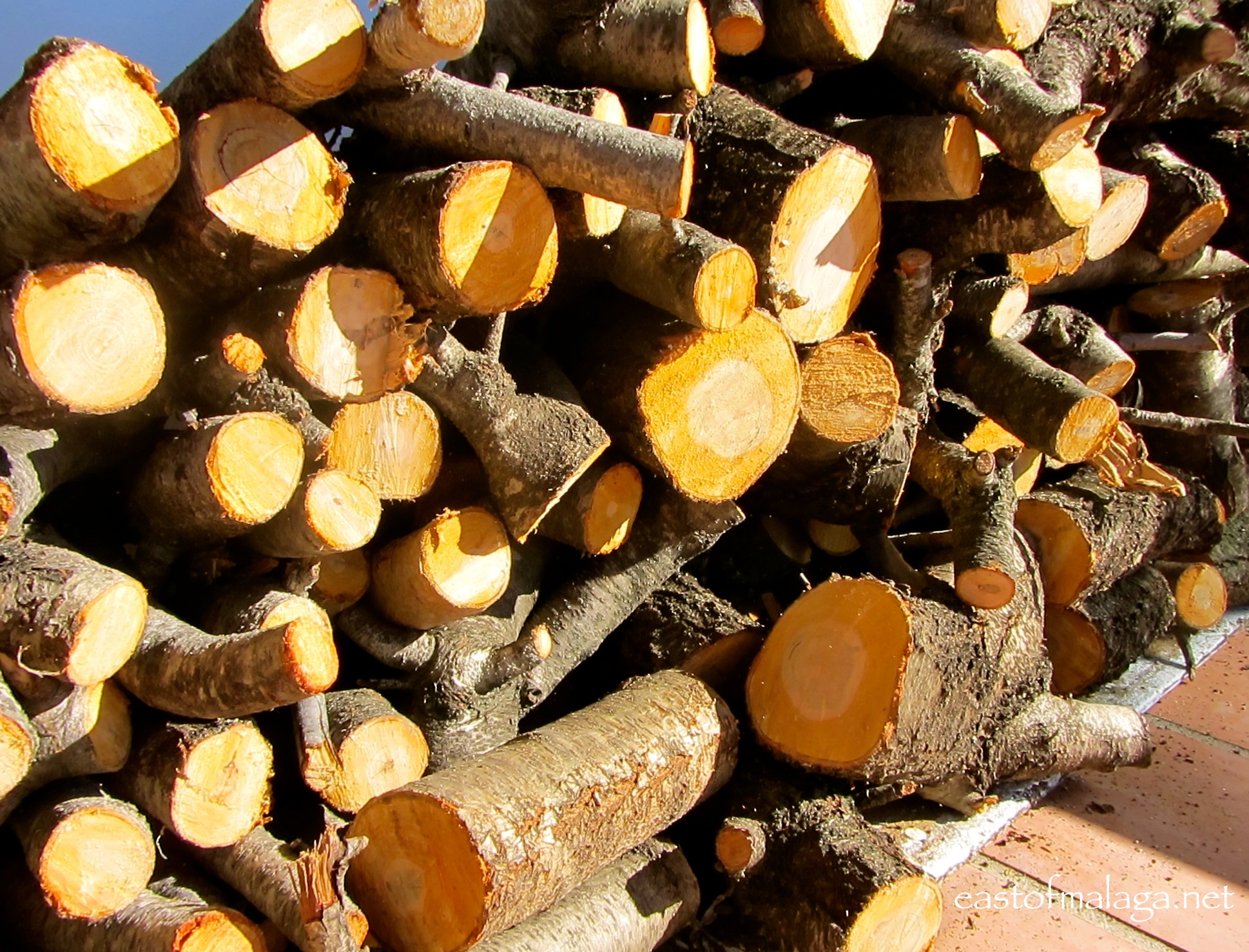
Stacking the almond logs

On another day, the branches need chopping into smaller logs to fit in the fireplace, before being stacked in a dry place.

Thus comes the second benefit of the log fire – and still without a match being lit.   (Well, my hubby certainly always leaves me in no doubt how warm he gets whilst sawing, chopping and stacking!)

Stacked logs

Later follows the third, warming benefit ….. and the bit I like best – the log fire!

Roaring log fire

See how much better warming value we get, rather than telephoning a local supplier for yet another load of logs to be delivered.

WHAT???

Do you have a log fire and do you get such good value from yours?


Other posts you might enjoy:

The Green, Green Vegetables of Home

East of Málaga: The Weather in Winter

Chickpea and chorizo soup with smoky paprika bread


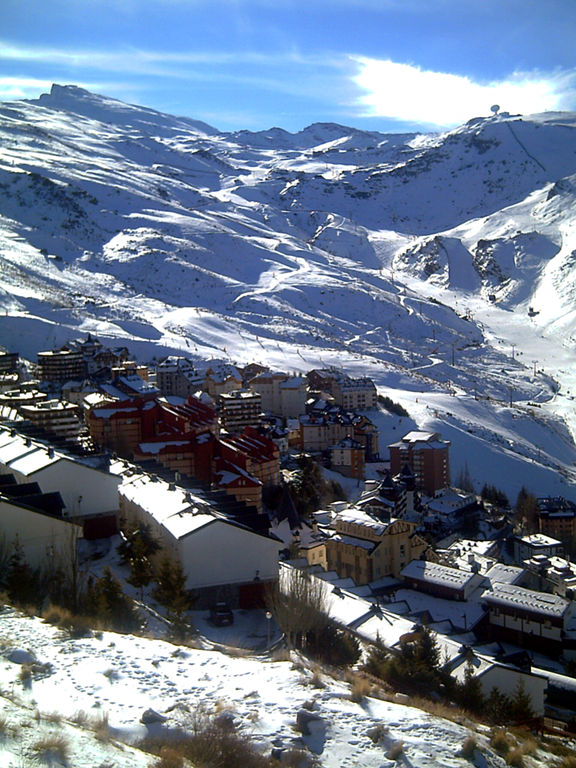
Ski-ing in the Sierra Nevada mountains, Granada, Spain

Sierra Nevada, SpainImage credit: Javier Martin (Wikipaedia CC)

The 2013-2014 winter season opens tomorrow, November 23rd, at the Sierra Nevada Ski Station in the province of Granada, Spain.

The Sierra Nevada (snowy mountain) is Europe’s most southerly and sunniest ski resort with more than 80% of sunny days each year.   There are more than 104 kilometres of trails, 116 ski runs and 22 ski lifts to ensure you enjoy the biggest snow park in Spain!

The lower end of the resort village, Pradollano, lies 2100 metres above sea level with the top station at 3300m.

The Sierra Nevada Ski Station also boasts the greatest skiable vertical drop in Spain at 1200 metres.  

The resort is situated 27 kilometres from the city of Granada and, with ski-ing available from late November to early May, it’s possible to enjoy ski-ing and swimming in the Mediterranean Sea (only 100 kilometres away) on the same day.  

Now there’s a challenge for you!

Where’s your favourite ski resort?


Related articles:

Project Piste 2 Playa: Granada’s Ultimate Day-trip

Classic Andalucía: La Alhambra, Granada

The Alhambra Palace, Granada

Following in the footsteps around Comares

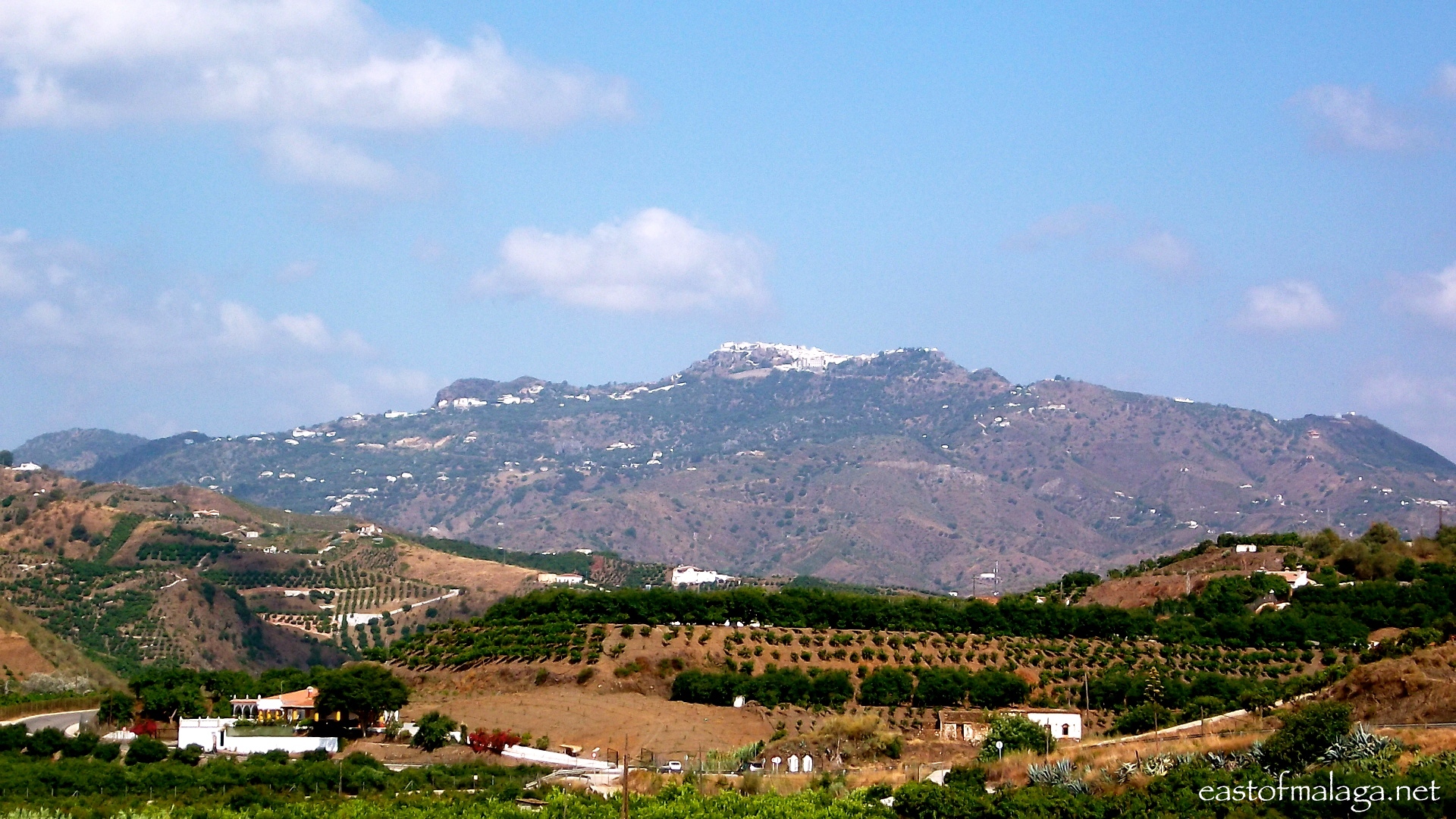
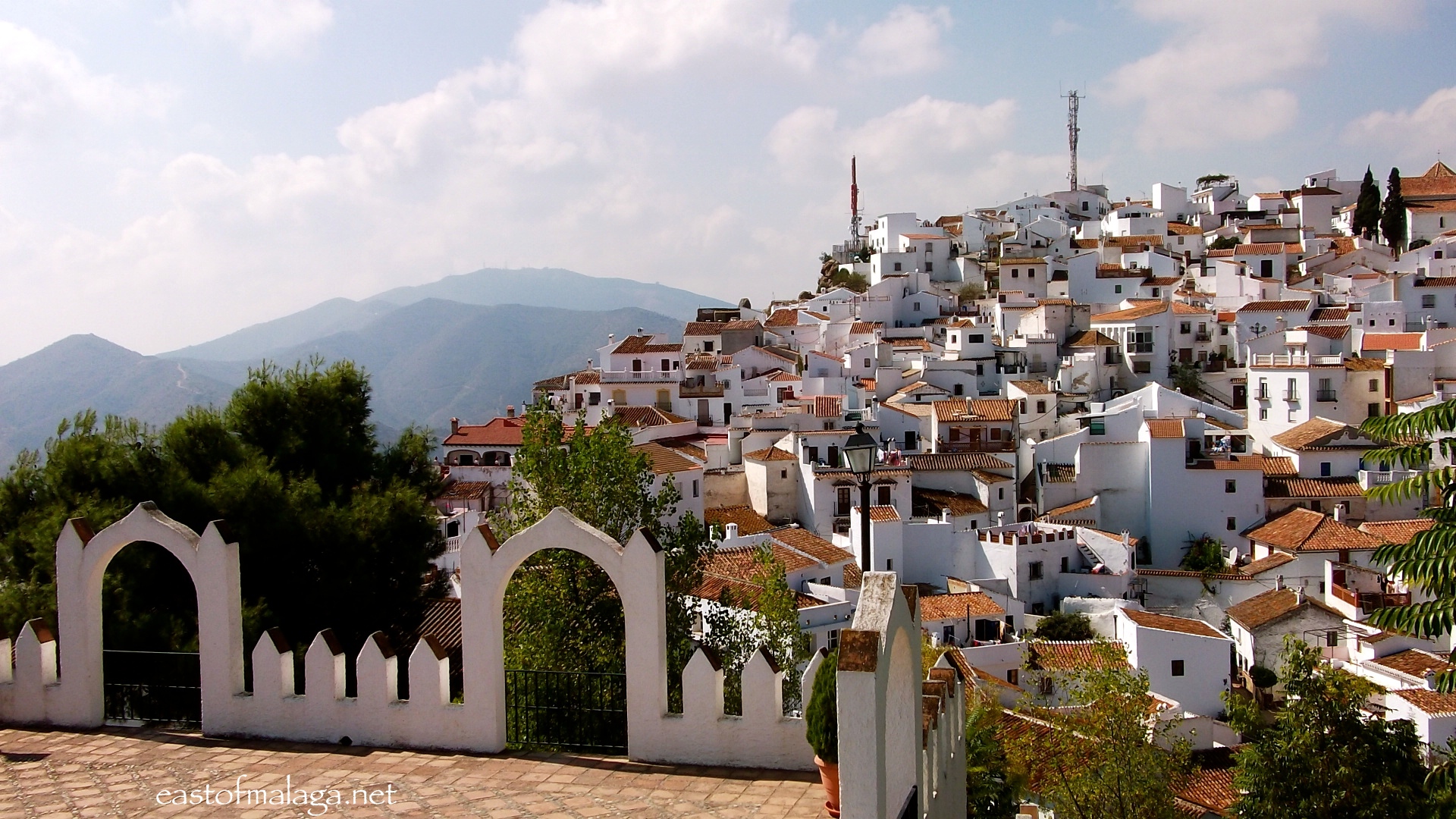
Comares perched on a hilltop, Spain

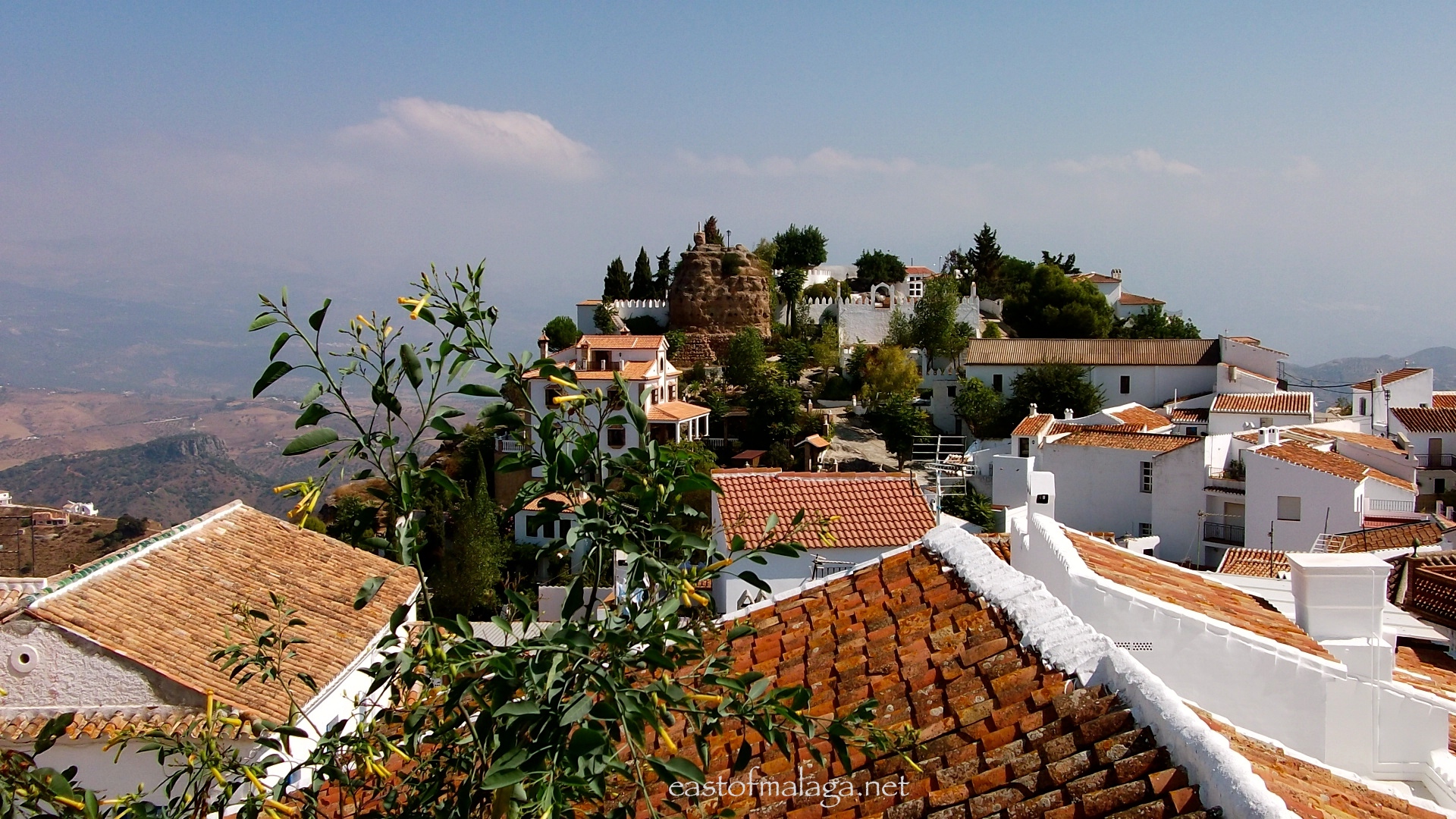
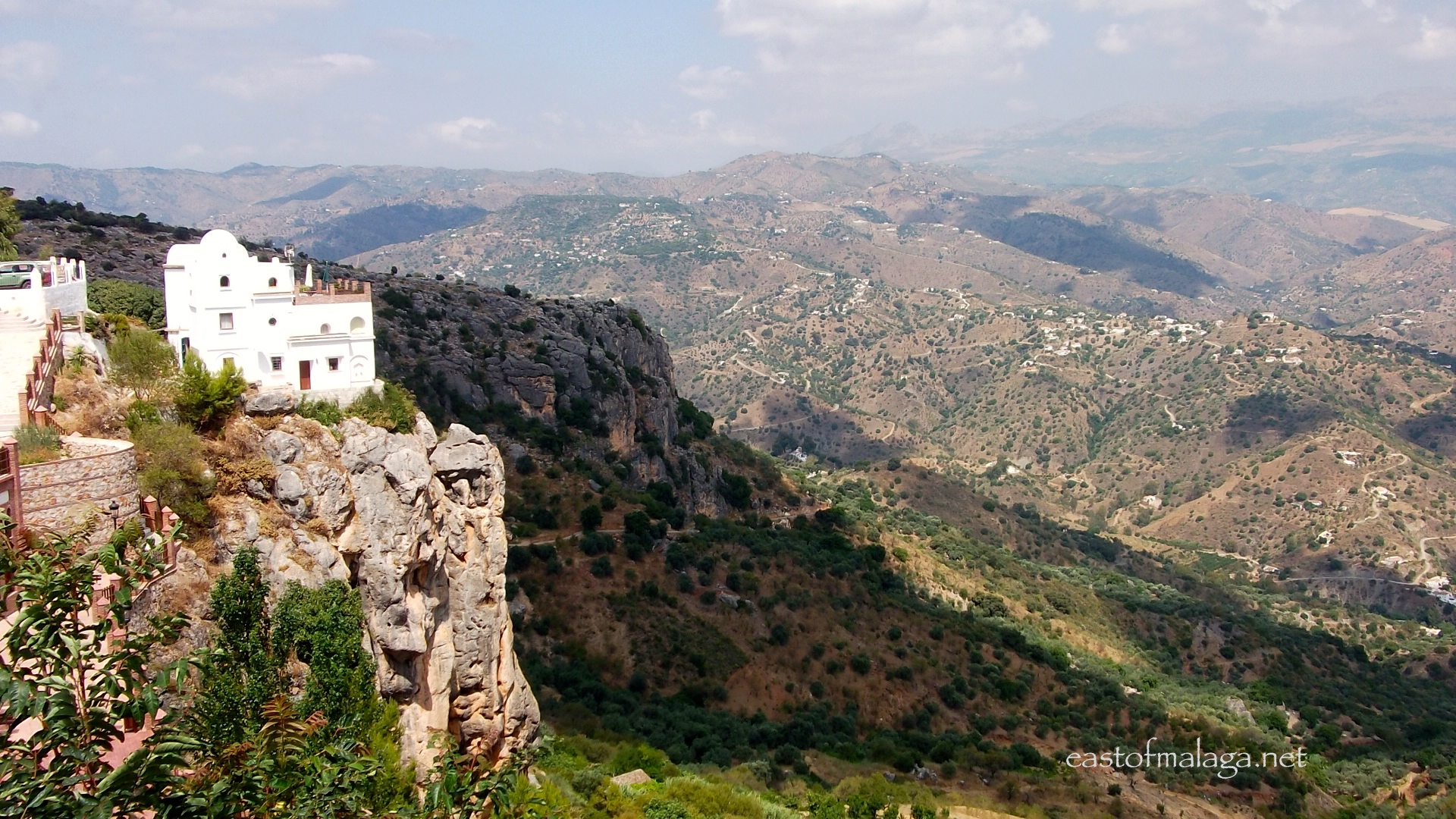
Being one of the highest white villages (pueblos blancos) in Andalucía at 739 metres above sea level,  the village of Comares can be seen for miles around, perched high on its cliff-top position, keeping a watchful eye over the surrounding countryside.

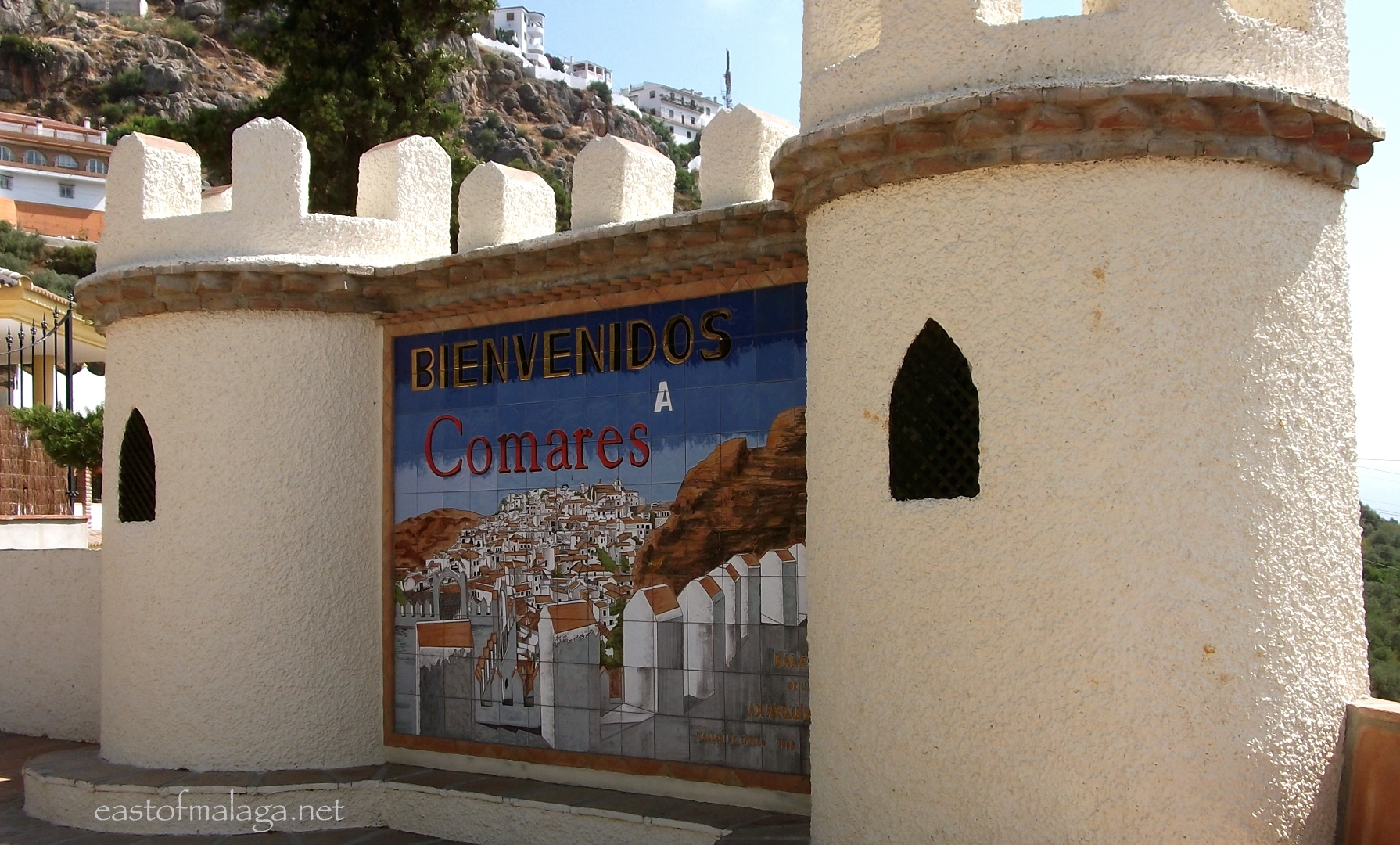
Welcome to Comares, Spain

As you wind your way up the road towards Comares, the village keeps appearing and disappearing from view, tantalisingly getting closer and closer with every kilometre – until finally you reach the “Welcome to Comares” sign.

You’re almost there!

Once you reach the main square (Plaza del Balcón) you will see a series of beautiful tiled murals depicting the history of Comares and, it’s from here that you can follow a circular walk around the village marked by ceramic footsteps set into the stone paving.

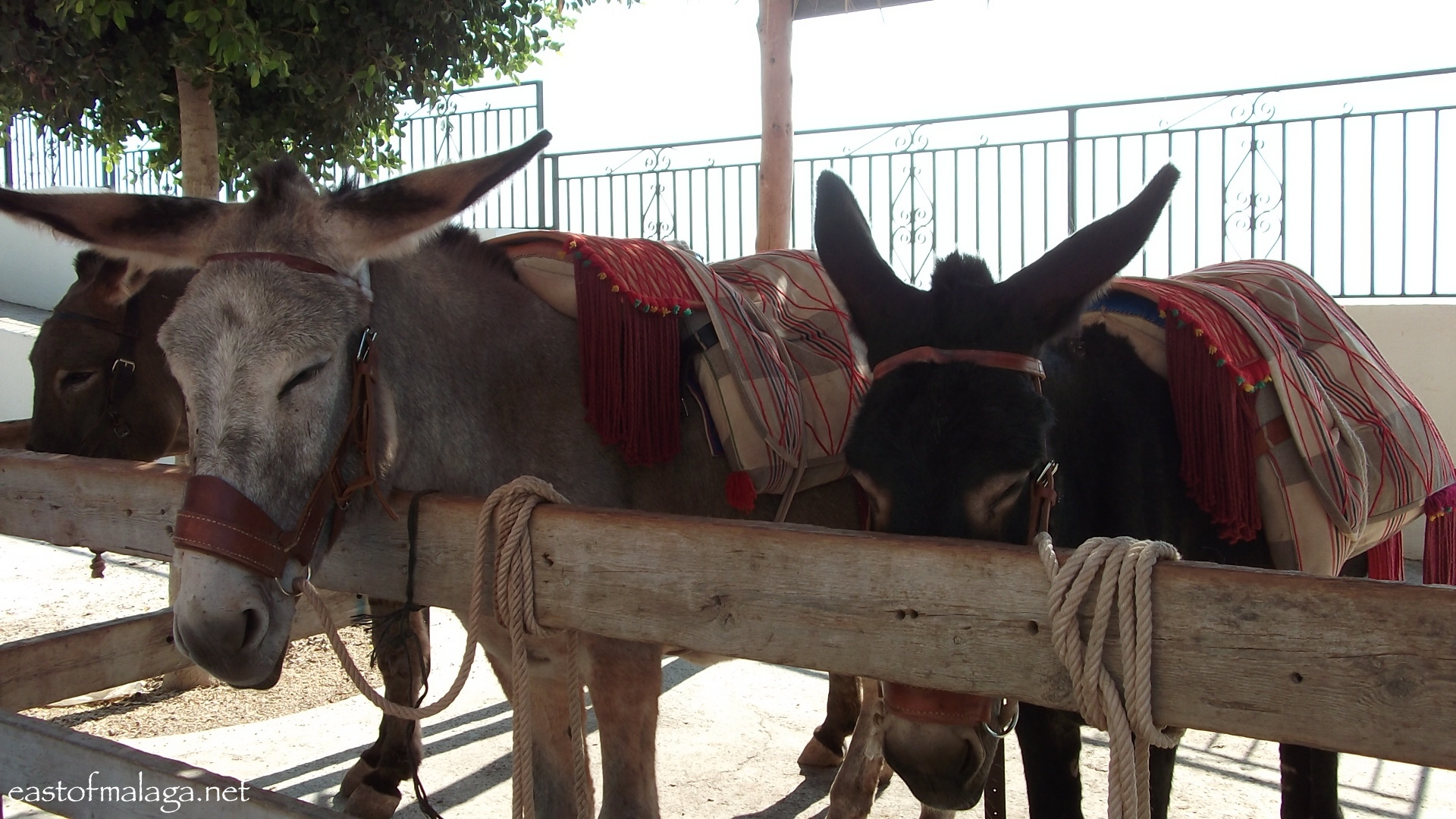
The footsteps lead to the main historic sites of Comares and to spectacular viewing points.  The walking route takes around an hour, and is steep in places but, if you don´t want to walk, you could always take a donkey taxi (burro taxi) ride around the village!

DSCF5948

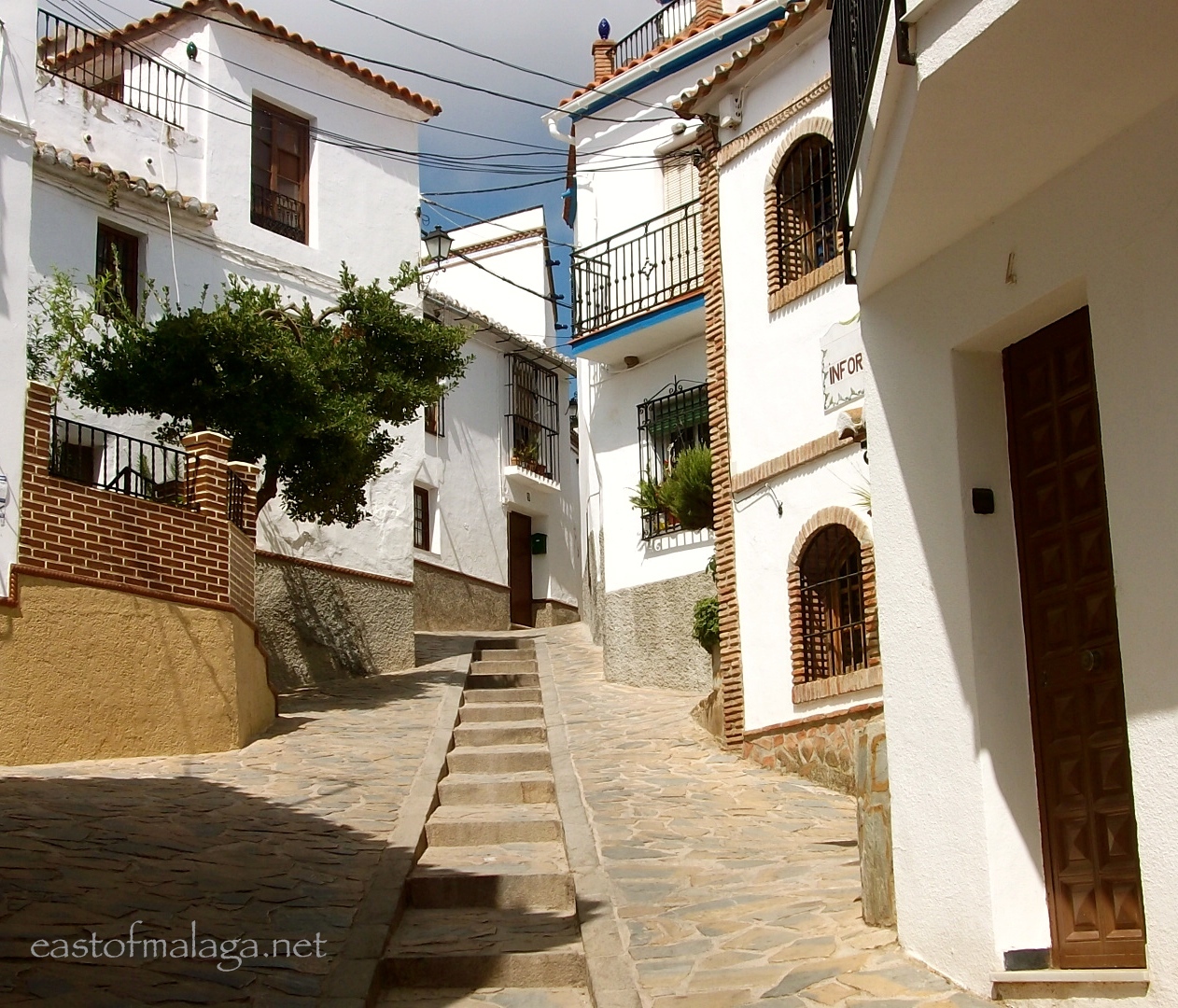
As you wander around the narrow streets you may find yourself invited into the home of one of the Spanish ladies who sell local produce such as wine, almonds, avocados, raisins, olives or honey.  Some of them are very persistent sales-women!

DSCF4773

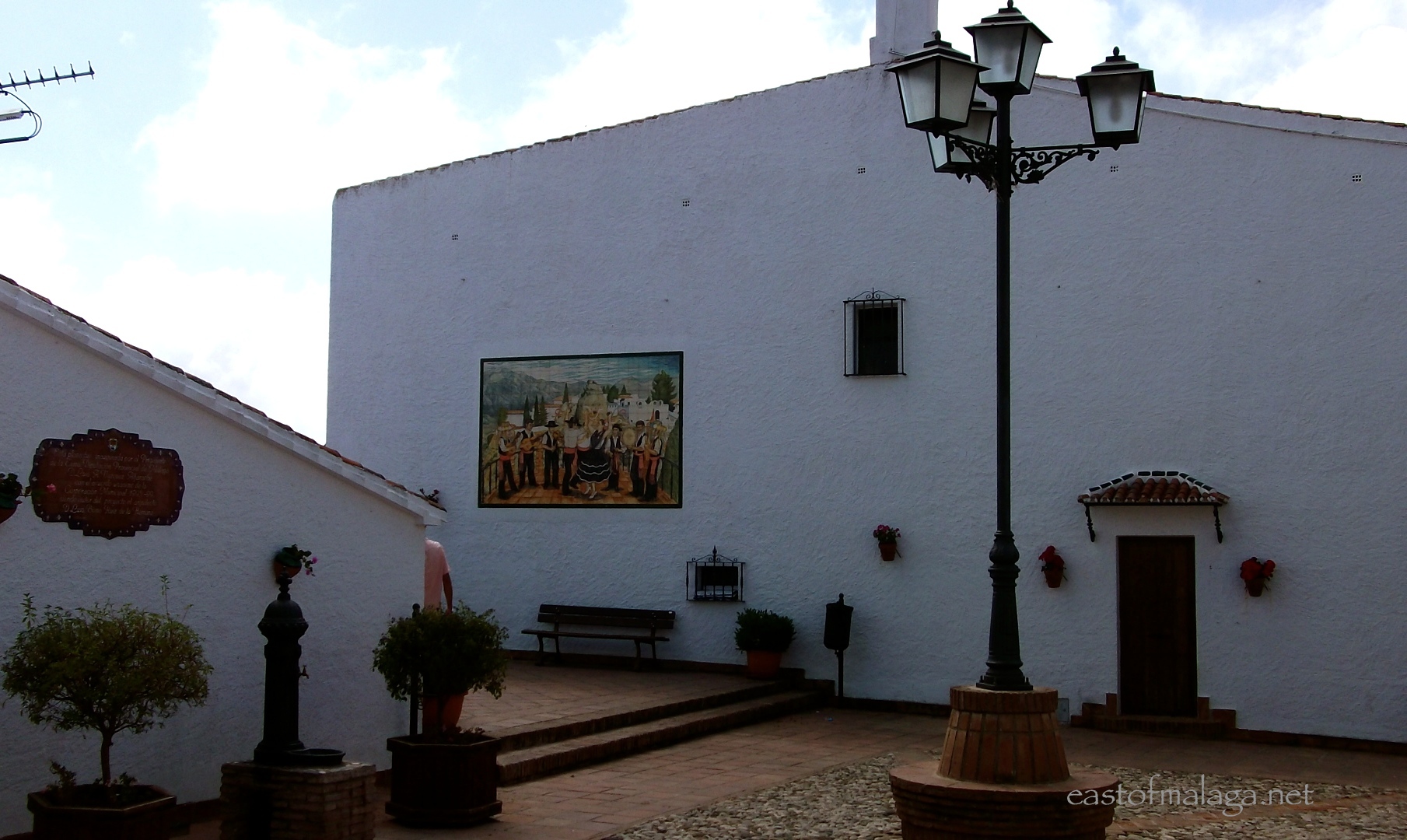
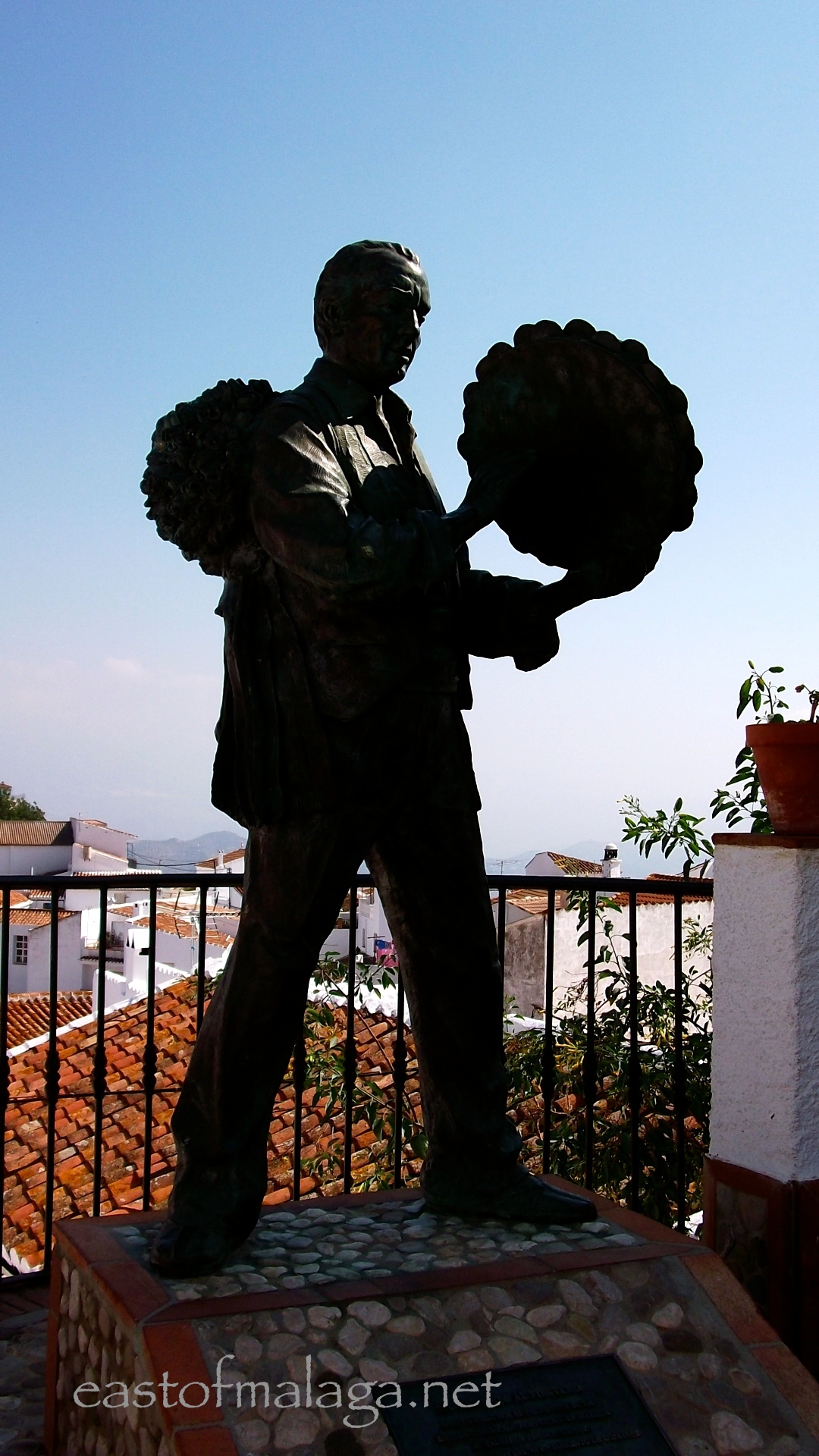
One of the interesting places the ceramic footprints lead you to is the Plaza de los Verdiales, where there is a beautiful tiled mural, plaque and statue to commemorate the Panda de Verdiales – a band of local men playing lively music.

Plaza de los verdiales, Comares

DSCF5953

The village name Comares originates from the Arab word for castle – Qumarix.    The first fortress was built here by the Romans, but the history of the village is pre-Roman with the main traces of occupation being Arabic

When the Moors invaded Comares they made full use of its excellent location and developed the town into one of the areas principle defensive strongholds.

Looking towards Comares castle

Comares is known with good cause as the “Balcony of La Axarquía”.

Stunning views from Comares

Views across the village of Comares from the castle

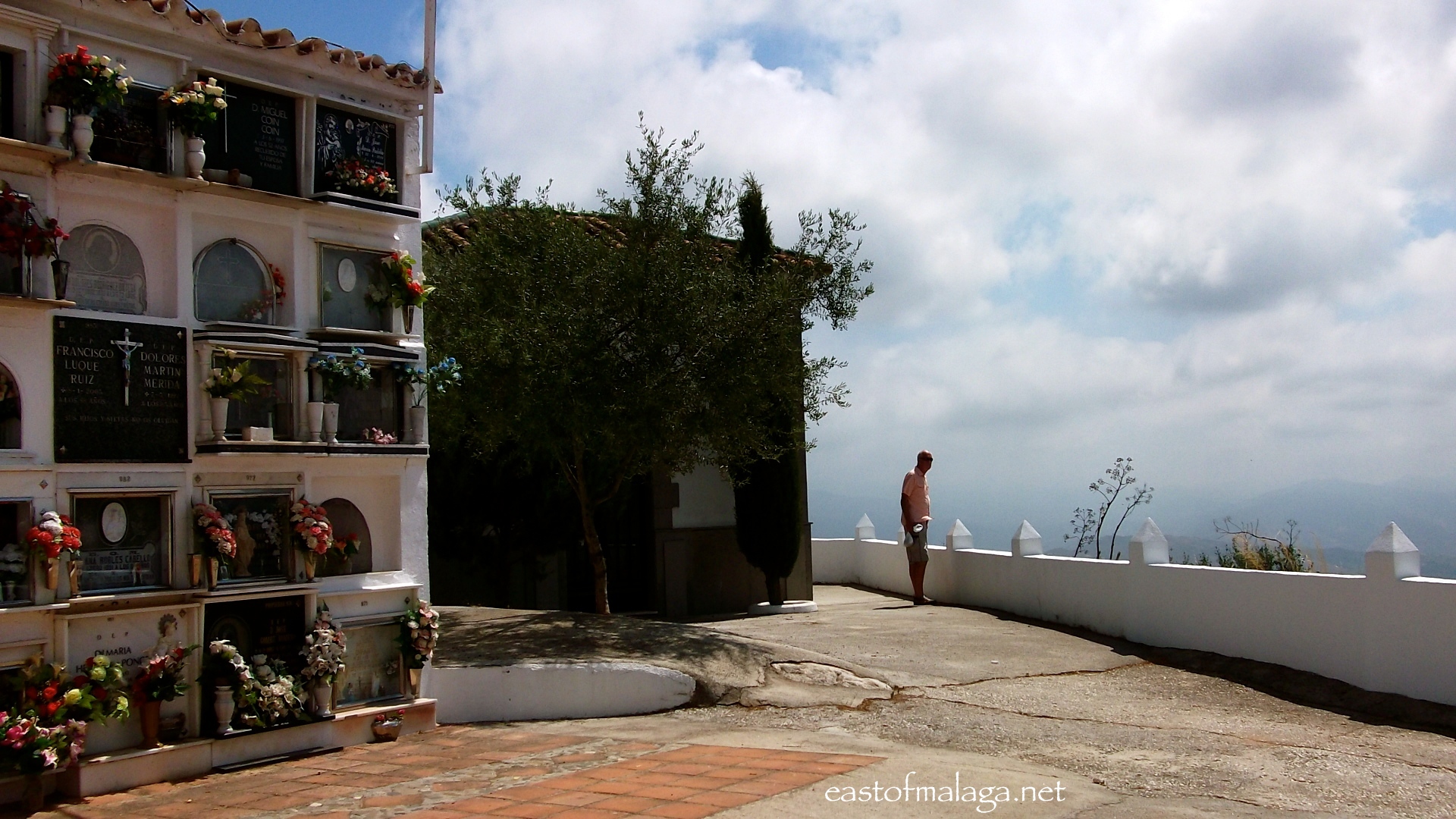
One of the highest points of the village is the cemetery (cementerio municipal), from where there are magnificent views over the surrounding countryside.  It´s well worth a look!

Comares cemetery with views

Finally, if the steep streets have taken their toll, you could always stop and have lunch or a cool drink in the beautiful courtyard of El Molino de los Abuelos in the main square.

Courtyard of El Molino de los Abuelos, Comares

To really enjoy the views that Comares has to offer, make sure to go on a clear day.  Summer skies are often hazy, so an autumn or winter day is probably best for a visit – though if you´ve been to Comares once, you´ll want to go back again!

You can read more about the village of Comares, HERE.

How to get there:

Follow the A7/E15 autovía, east of Málaga, to km 272 and take the exit signposted for the A356 towards Vélez-Málaga.  Stay on the A356, bypassing the town and, after a few kilometres, turn left at the junction signed towards El Trapiche.  You’ll see the first sign-post for Comares as you approach that turn off – then just follow the signs – though, be warned, there aren´t many!

http://www.youtube.com/watch?v=J6xFMlMxTXo


Other articles you might enjoy:

Apocalyptic skies over southern Spain

Málaga’s Urban Street Art

Fresh Figs Stuffed with Goat´s Cheese and wrapped in Smoked Bacon


Málaga’s Urban Street Art

Street Art in Malaga by ROA  - Málaga Arte Urbano en el SoHo (MAUS)

There’s something fabulous happening in Málaga – stunning street art – and I’m not talking about graffiti.

Málaga Arte Urbano en el Soho” (otherwise known as MAUS) has invited international urban street artists to create fabulous pieces of art on the walls around Málaga’s “Barrio de las Artes“, the bohemian Soho district.

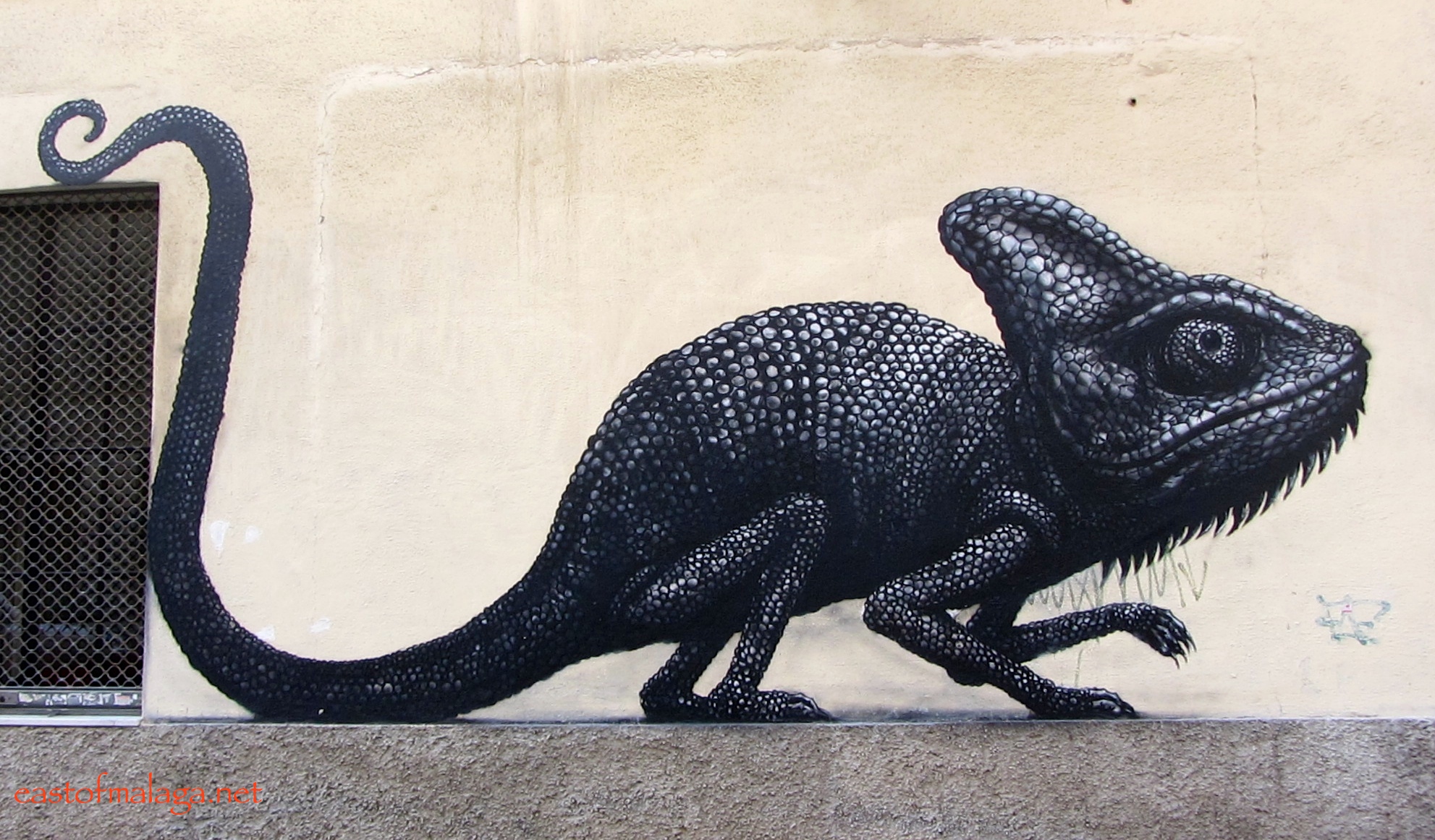
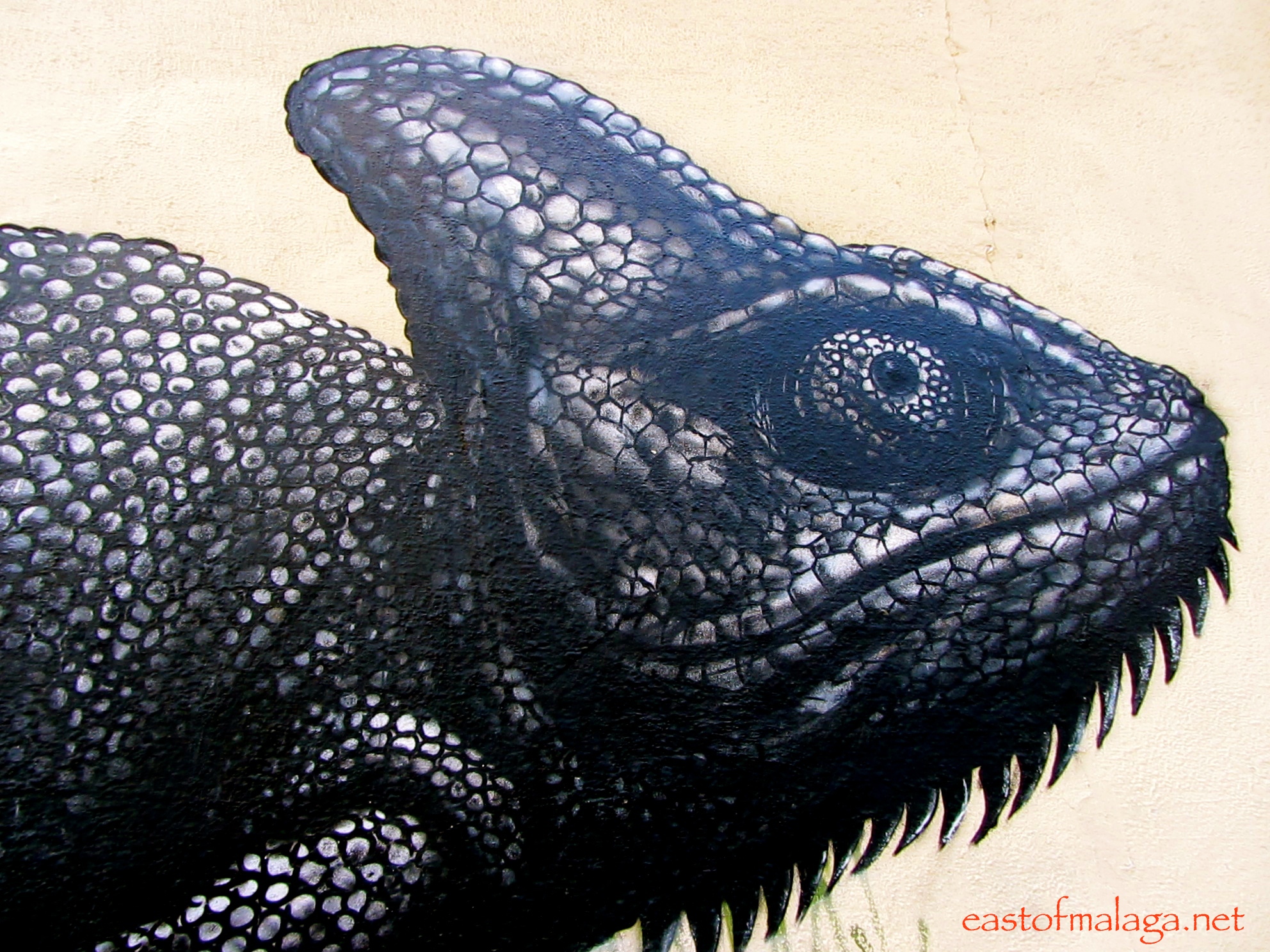
Artists include Dadi Dreucol, the Madrid-based Boa Mistura collective, José Medina Galeote,  Andi Rivas and my personal favourite, ROA, who is responsible for the amazing chameleon above.

There are many more images than I can display here, so if you want to have a look for yourself, head to the Soho district of Málaga, situated on the port side of the Alameda Principal and east of the River Guadalmedina.

Whilst you’re there, you might also want to also look into the Contemporary Art Centre by the river, which is free of charge and well worth an hour of your time.

Chameleon by ROA in Malaga, Spain

What’s your opinion about street art?  Which is your favourite photo?

Do let me know in the comment section, and if you like this post, feel free to share it using the social media buttons below.


You might also enjoy these posts:

Apocalyptic skies over southern Spain

CBBH Photo Challenge: LOOKING DOWN

Let’s Talk About Tapas: Boquerones