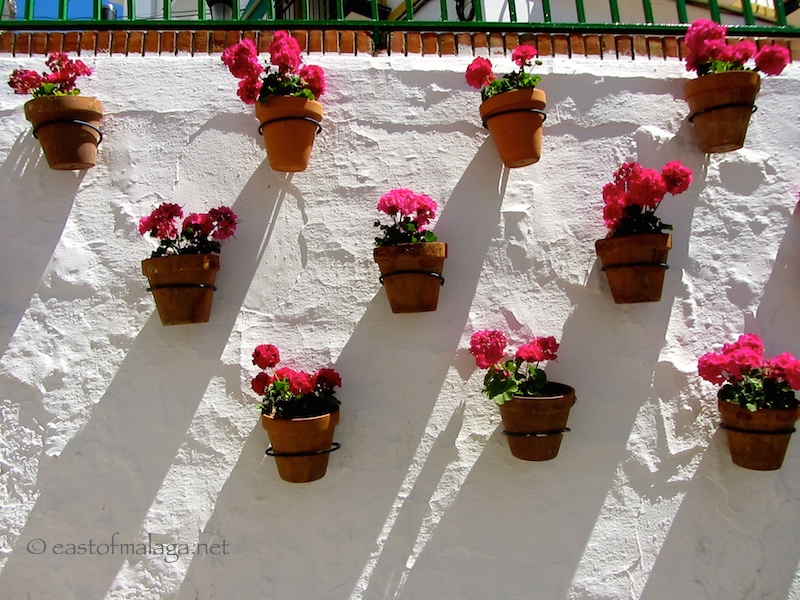
Wordless Wednesday: Flower-filled pots in Torrox pueblo
We all need it. Most of us love it – some maybe a little too much! But, whatever your relationship with it, FOOD is the subject of this month’s CBBH Photo Challenge.
Is there a food typical of your country or area where you live? How about your favourite recipe or something you once ate that you would never try again?
Well, show me with a photograph!

Most people know that Spain is well known for it’s tapas – the tasty treats offered along with your drink. I enjoyed these delicious prawns and tuna in the Atarazanas market on a trip to Málaga city, recently. There are two tapas bars, one at either end of the market, both offering ultra-fresh ingredients, cooked to perfection, from the market.

During May, I’ve been following the tapas route around Torre del Mar. One of my favourites has been this vegetable stack with a cranberry jus. Yummy!

Talking of yummy, how about this dish made with fresh figs plucked straight from the tree, stuffed with goat cheese and wrapped with smoked bacon?

And, to finish, a piece of my easy, chocolate fudge that will make you drool, which you might remember I took on a recent trip with friends when we rode on Mr Henderson’s Railway!
So, now it’s YOUR turn.
Don’t forget that the CBBH Photo Challenge is a little different from some other challenges, in two ways. First, it’s only once a month – giving you lots of time to consider your entry before the end of the calendar month. Second, and most important, this is a BLOG HOP (after all, it is the CBBH – Conejo Blanco Blog Hop, conejo blanco means white rabbit in Spanish), so DON’T FORGET that in your post you need to add links to two blogs that you have visited and commented on during the past month.
That way, when we visit each other, we can HOP OVER to your links, connect with others and share a little blog love around!

Before I move on to my two featured bloggers for this month, I want to offer my CONGRATULATIONS to Maggie Woodward who’s blog The Trepidatious Traveller I featured in May. Maggie was about to commence walking the Camino Portuguese from Lisbon, Portugal to Santiago de Compostela, Spain. I can report that during the month of May, she has walked a total distance of 669.9 km, completing her Camino walk on May 28th, and is now safely back home in Spain, only a few kilometres away from me. I know that a few of you have been following Maggie’s progress as I’ve seen your comments on her blog posts. VERY WELL DONE, MAGGIE – you are an inspirational woman!
My Featured Blog Links for this month:
*** Christine of Dadirridreaming, lives near to the sea in Australia, surrounded by bushland and beautiful wild beaches. Kangaroos and wallabies graze all around her house and red bellied black snakes hunt the frogs in the dams nearby. Christine takes time to explore the spiritual side of life, which is reflected in her lovely blog posts, all of which have stunning photographs. She is currently exploring my part of the world, and has visited Ronda, Seville and Córdoba, amongst many other places. We will be meeting up in Málaga city on Thursday June 5th. Can’t wait!
*** Another blogger I always enjoy visiting is Kathryn at Vastly Curious. Her recent post in the WordPress Photo challenge had me amazed! She showed a photograph of the buds of a plant that looked like liquorice twists and wanted to identify it. It was only when I looked at Kathryn’s later photos of the flower fully opened that I realised that I have one!! She has also been travelling recently to The Netherlands, from where you can see her wonderful photos.
Please HOP over and say HELLO to both of my featured links, and tell them Marianne sent you!
So that´s the CBBH Photo Challenge for June, folks.
Remember, all you have to do is post your entry by the end of the month, tag your entry ‘CBBH Photo Challenge’, link back to this blog and, most importantly, don´t forget to add links to any two blogs that you´ve commented on during the past month, so that we can all HOP OVER and have a look.
Make sure you follow this blog so you don´t miss next month’s exciting challenge!
For more information on how the CBBH Photo Challenge works click here.
I hope everyone taking part enjoys the exposure the CBBH Photo Challenge offers to featured blogs and, who knows, you may end up finding a new favourite!
I´m looking forward to seeing your interpretations.
[CBBH logo Image credit: (cc) Mostly Dans]
SSSHHHH! For all of you Game of Thrones (“Juego de Tronos” in Spanish) fans out there, I’ll let you into a little secret.
The Andalucía Film Commission has been showing representatives of the Game of Thrones’ production company around filming locations in Andalucía during the past two months, as they gear up for season 5.
And, I can reveal the three top locations in Andalucía to you, in no particular order:

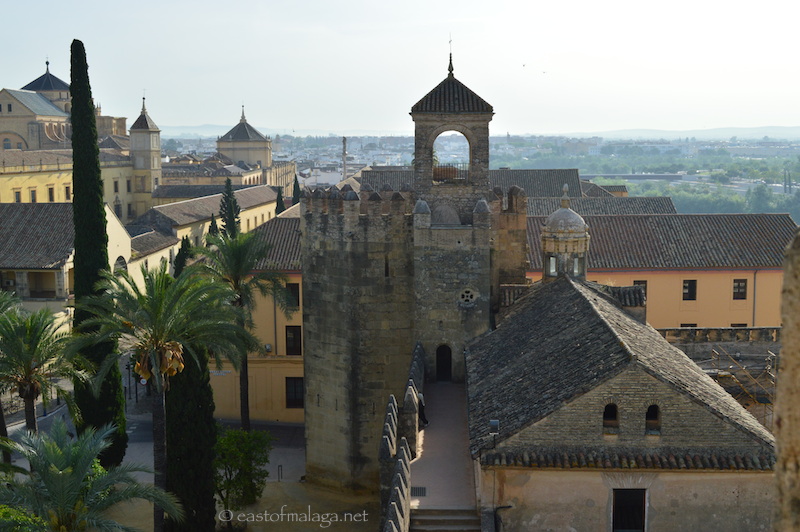
Alcázar de los Reyes Cristianos (also known as the Alcázar of Córdoba)
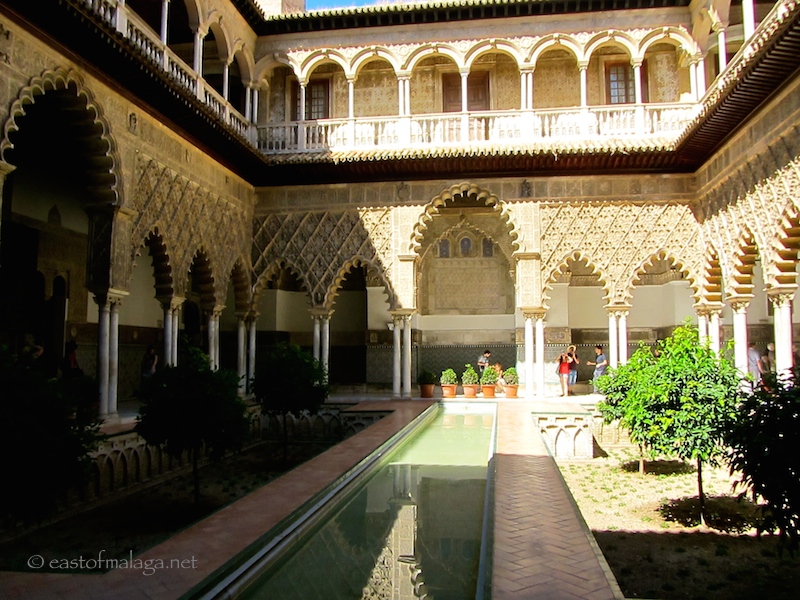

El Real Alcázar de Sevilla (also known as the Alcázar of Seville)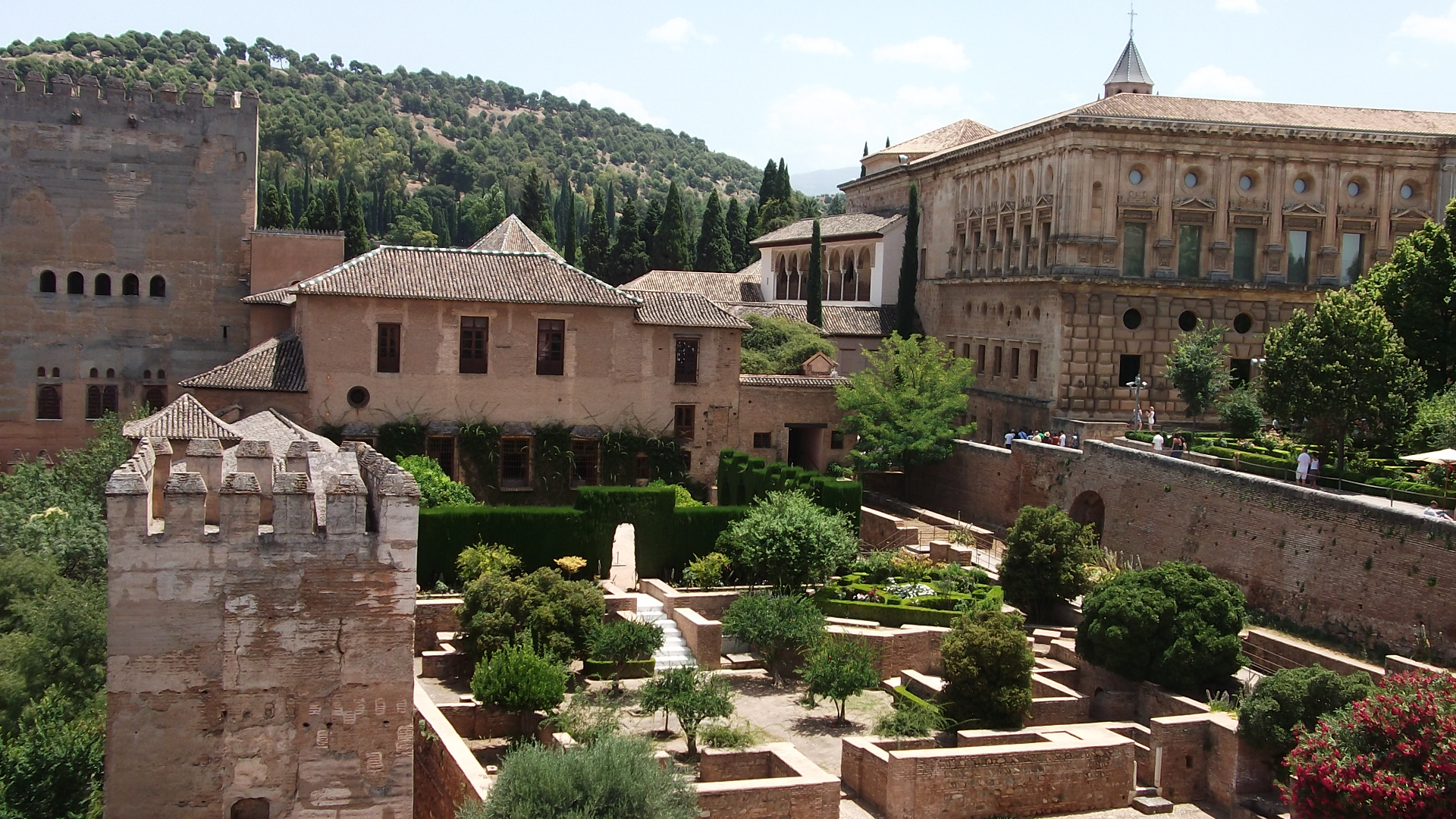
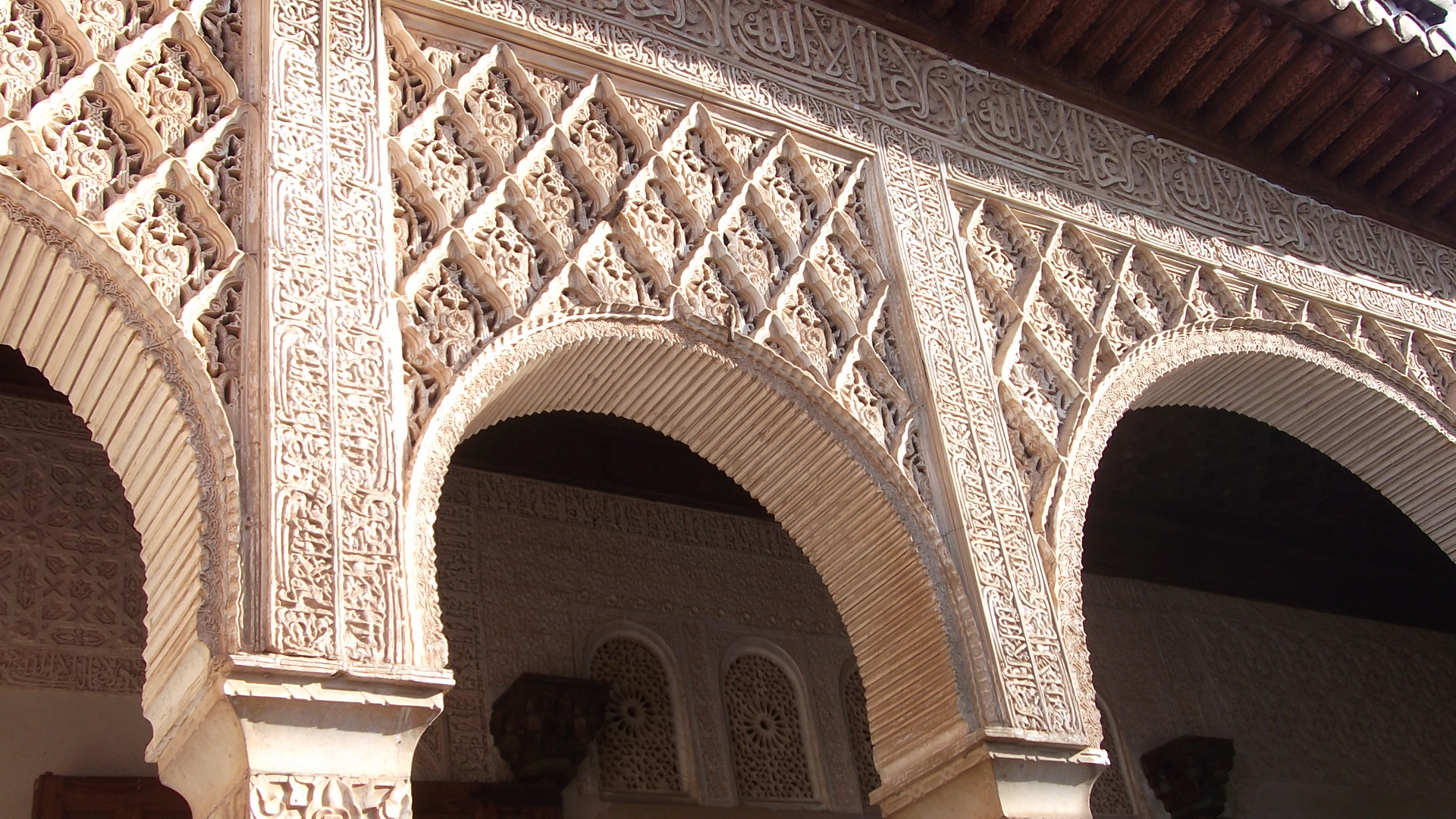
La Alhambra de Granada (also known as The Alhambra Palace of Granada)
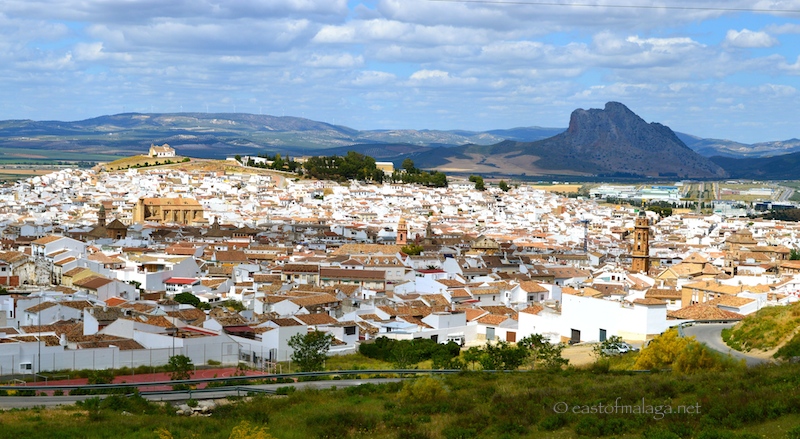
The city of Antequera is known as “the heart of Andalucía” (el corazón de Andalucía) due to its central location between the major cities of Seville, Córdoba, Granada and, of course, Málaga, which lies only 45 kms to the south.
Because of the sedimentary basin forming extensive plains that begin where the mountains of Málaga dramatically end, Antequera is a bustling, agricultural centre where farmers from the surrounding fertile land in the Guadalhorce Valley, go to stock up on everything from seeds to tractor tyres.
The city owes its main origins to the Romans, who named it Antikaria, meaning “the Ancient City”, because they recognised several pre-historic sites located in the town, which indicated that the area had been previously inhabited.
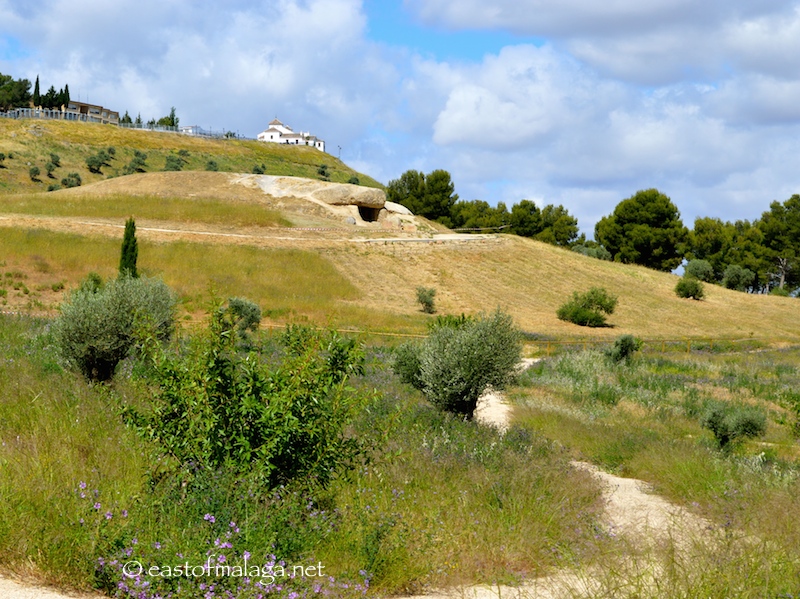
On the northern outskirts of the city there are two Bronze Age burial mounds (barrows or dolmens), the Dólmen de Menga and the Dólmen de Viera, dating from the 3rd millennium BC. They are the largest such structures in Europe. The larger one, Dólmen de Menga, is twenty-five meters in diameter and four meters high, and was built with thirty-two megaliths (huge stones), the largest weighing about 180 tons. After completion of the chamber (which probably served as a grave for the ruling families) and the path leading into the center, the stone structure was covered with earth and built up into the hill that can be seen today (Wikipedia: Antequera).
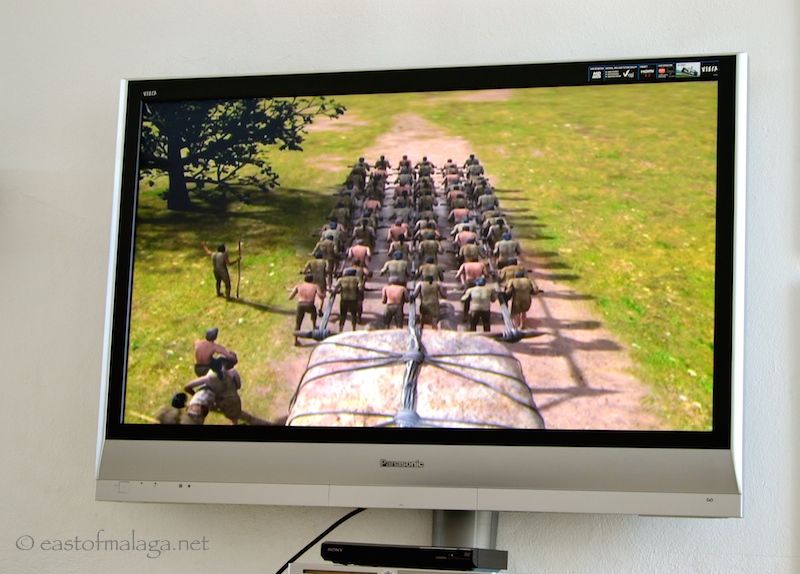
When we arrived at the visitor centre last Thursday, there were two coach loads of Spanish school children outside, waiting to see the 10 minute animated film showing how the dolmens were probably constructed. We nipped in ahead of them to watch the film being shown in French, which was easy to follow, but it can also shown in English on request.
We then followed the newly-laid path from the Visitor Centre to the Dólmen de Menga.

The entrance to the grandest of these megalithic monuments, the Dólmen de Menga, faces the prominent rock formation known as Peña de los Enamorados, (“The Lovers’ Rock”), which you might remember I wrote about last year.


It is clearly no accident that if you stand just inside the entrance to the Menga dolmen you can see the head of the Sleeping Giant perfectly framed in the portal, suggesting that the rock may have had some cultural, ritual or religious significance.
Indeed, during the summer solstice, as the sun rises behind the mountain, it penetrates right into the mouth of the burial chamber.


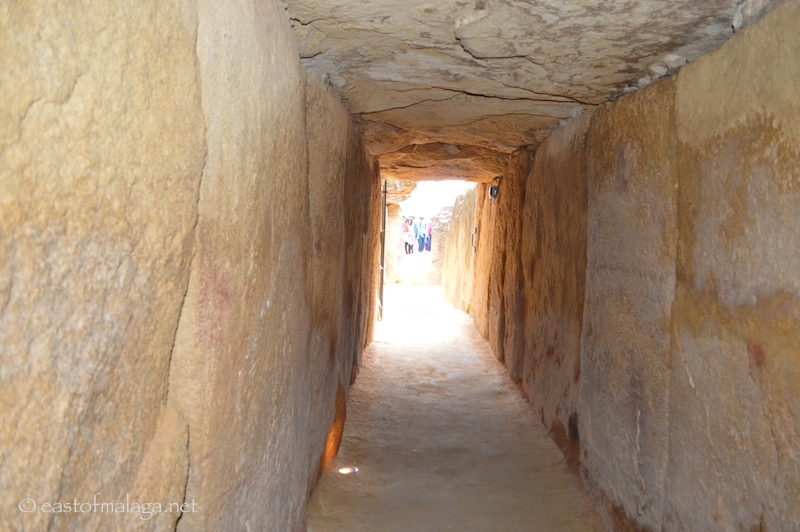
The Dólmen de Viera is a corridor tomb with better-cut stones, consisting of a long narrow passage, barely two metres in height, leading to a smaller burial chamber. The Viera dolmen is not as impressive as the Menga dolmen, but still well-worth a look.
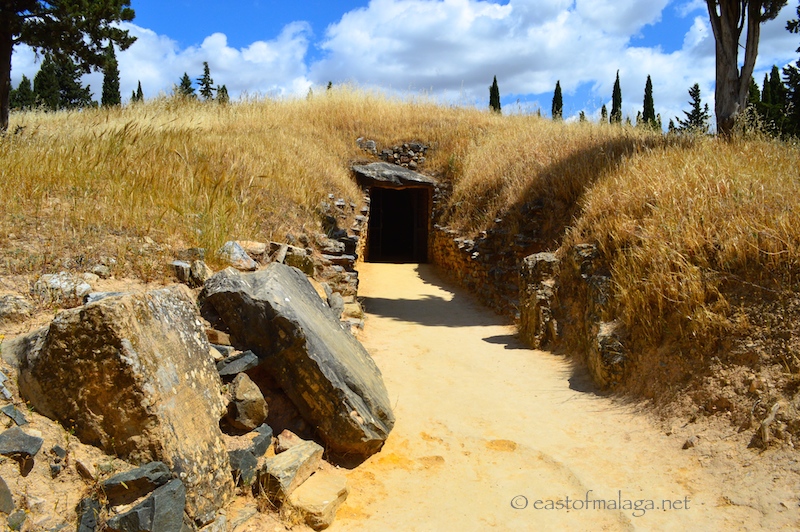


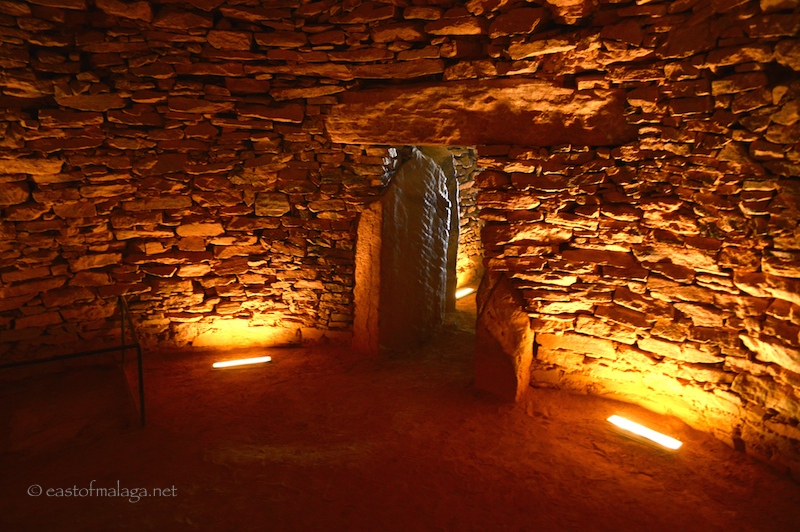
We had to jump back into the car and drive a further three kilometres to the third megalithic sepulchre, the Tholos of El Romeral, built five hundred years later than the other two dolmens. In many ways, this was my favourite tomb and bears a striking resemblance to the tholos tombs built by the Minoans in Crete, also during the Bronze Age.
A large number of smaller stones were used in the construction of El Romeral dolmen which, unusually for this type of monument, faces west.
As with many Spanish monuments, the directional signage to the Dolmens sometimes leaves a little to be desired, but if you’re persistent you’ll find them once you’ve turned off the A45 from Málaga.
Entrance is free, with opening times being Tuesday-Saturday 9am – 6pm and Sunday 9.30am – 2.30pm. Closed Monday.
This post is my contribution to the One Trip EVERY Month Challenge.
If you’d like to join me, here’s how:
Are you ready to join me by taking ONE TRIP EVERY MONTH? What are you waiting for?
GO!


 East of Málaga