Venturing further afield: San Sebastián in the heart of Basque country

We love to travel not only locally, but throughout Spain, so I will also include information, from time to time, about where we have visited.  Usually these places can either be driven to within a few hours of our home, east of Málaga, or we will have flown there from Málaga (AGP) airport.

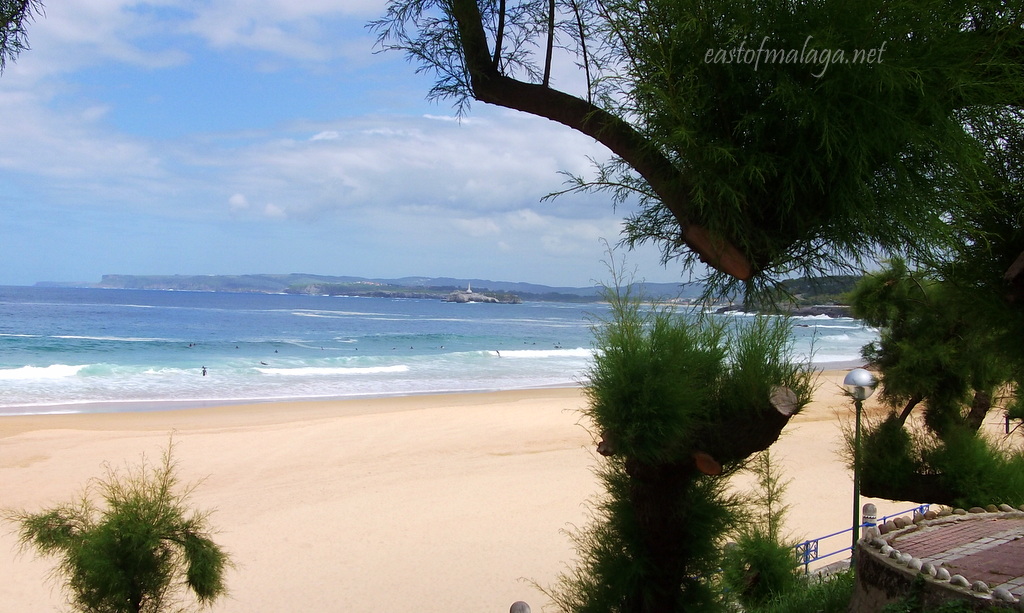
Overlooking La Concha Bay, San Sebastian, Spain

You might remember, a while ago, I told you about a trip we had taken to Santander, on the northern coast of Spain.  In that post, I promised to tell you more about the rest of our journey, so here it is!

After a great overnight stay at a little gem of a hotel (the Jardin Secreto in Santander), we hired a car and travelled along the northern coast of Spain to San Sebastián, only 20 kilometres from the French border.

On the way to San Sebastian, Spain

There is much more rainfall here than where we live on the south coast of Spain, making the landscape generally much greener.

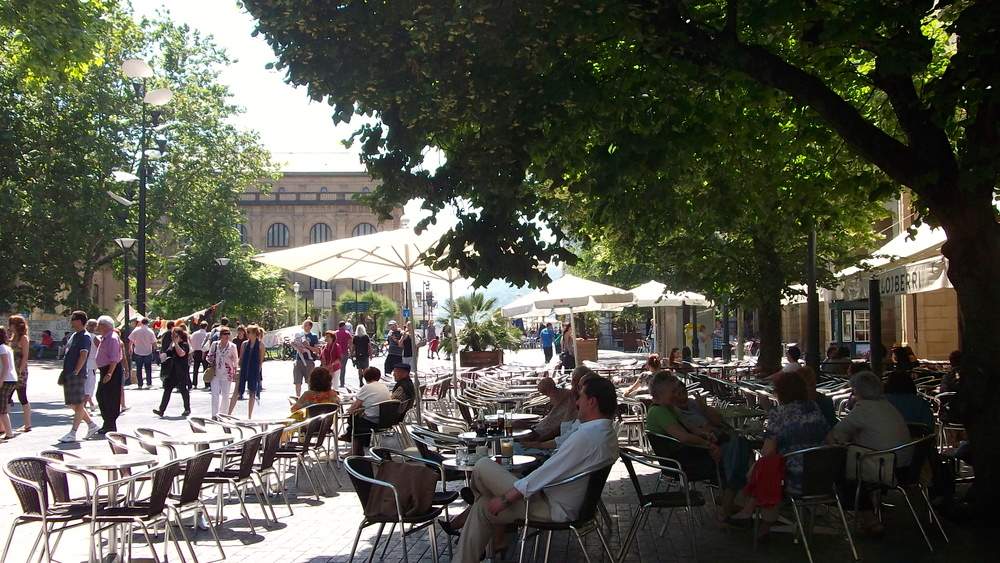
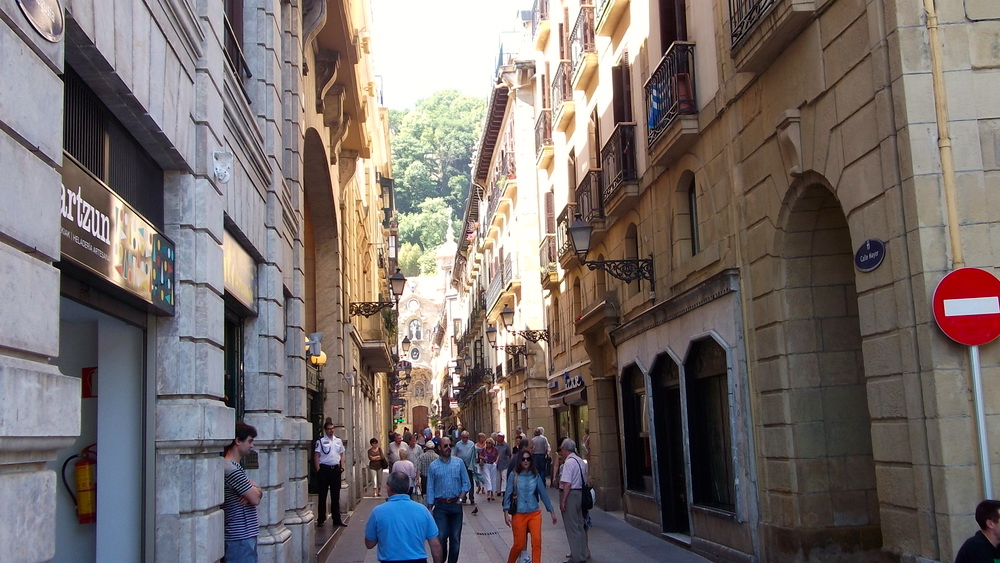
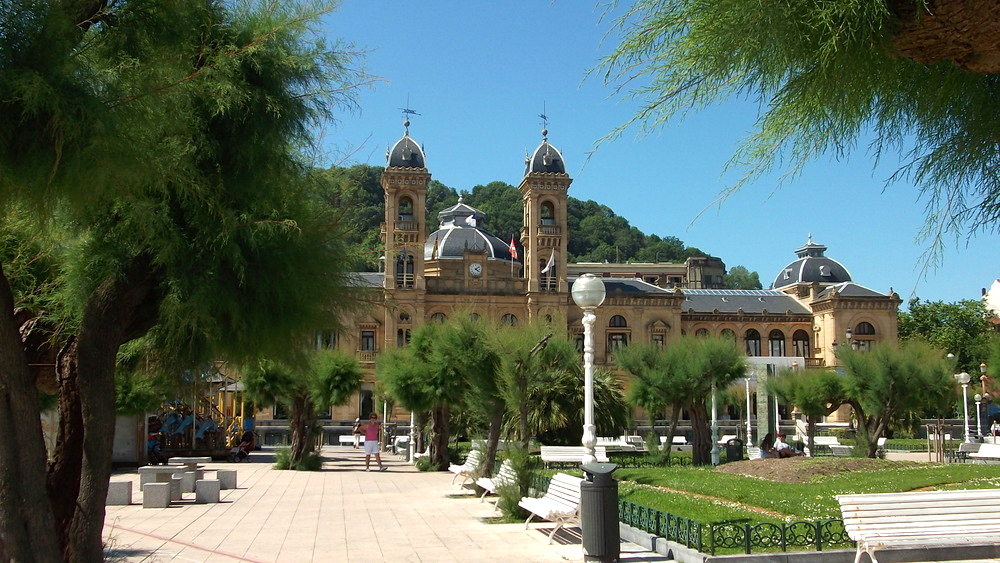
San Sebastián, also known as Donostia, lies along a white, sandy bay in the heart of Basque Country.   It’s easy to fall in love with San Sebastián as the streets unfold to overlook La Concha Bay, with Monte Igeldo offering a wonderful vantage point for enjoying views over the city, as you can see in the first photograph.
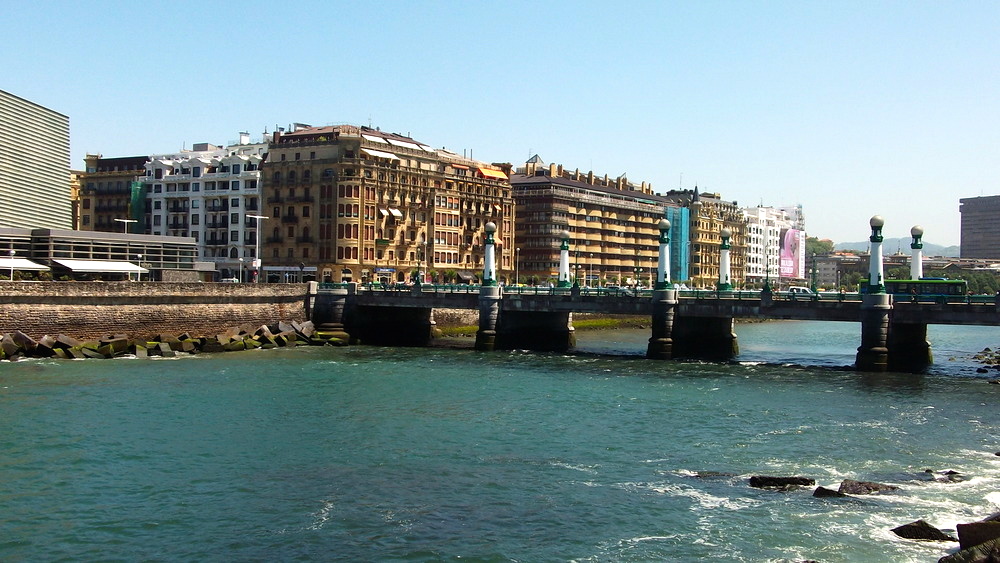
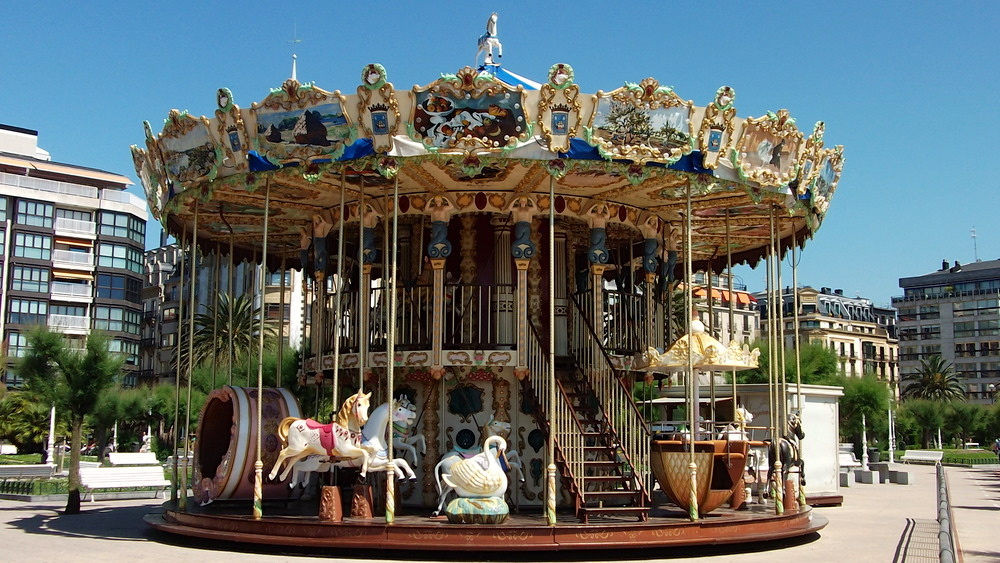
San Sebastian

San Sebastian

San Sebastian

San Sebastian

San Sebastian

There is a lovely promenade with elegant railings and street lamps, as well as wonderful bridges crossing the Rio Urumea as it meanders along to the Bay of Biscay.

San Sebastián is a cosmopolitan city with a strong Basque character, which is as evident in cultural events as well as in cuisine.      The city is renowned for its Basque cuisine with a trio of 3-starred Michelin restaurants to be found nearby – compare that to only four be found in the whole of the UK!
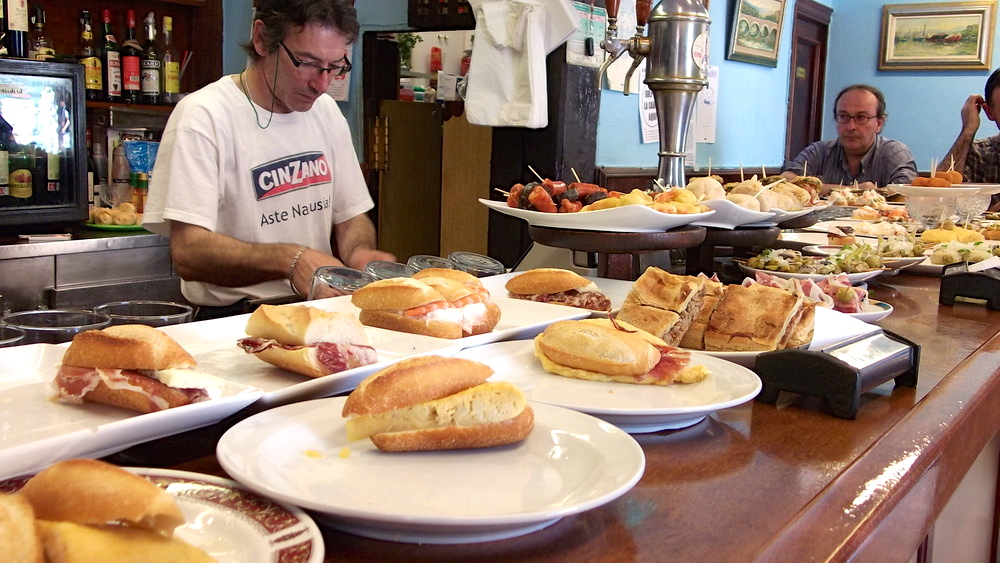
Tapas in a San Sebastian bar, Spain

The city is the epicentre of Basque gastronomy, where food makes a major contribution to the social life of the Basque people.  To share and to enjoy it with them is a truly unique experience.  Just take a look at all the tapas set out on the counter in the photograph, and this was just a little bar down a side street!
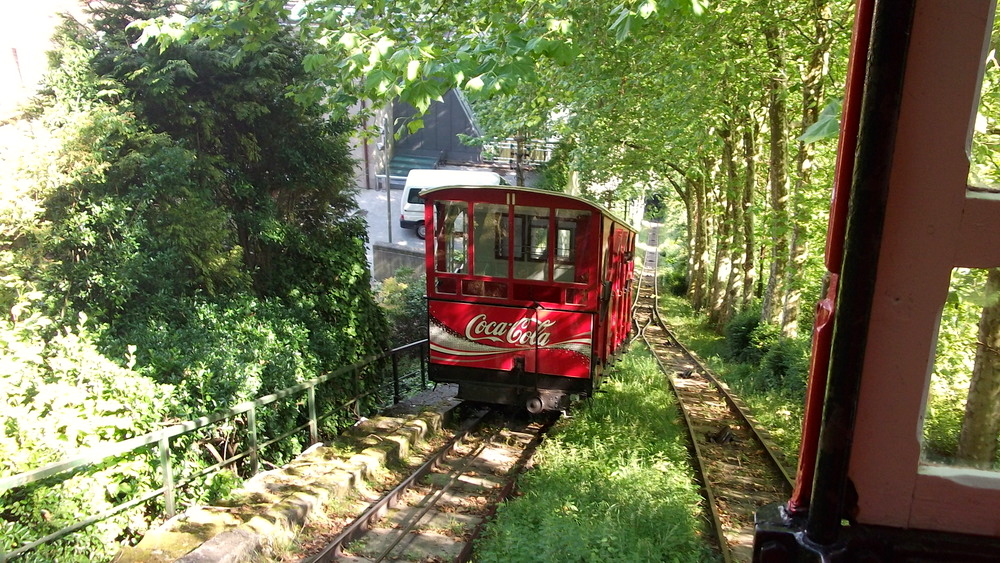
Funicular railway, San Sebastian, Spain

We caught the funicular railway to the peak of Monte Igeldo for magnificent views across the city and the scallop-shaped bay complete with golden sand and sparkling turquoise water.

In June of last year, San Sebastián was chosen to be the European Capital of Culture in 2016, so maybe I will get another chance to continue my love affair with this beautiful city, which has more than a whiff of Monaco about it.

Do you know of an area renowned for it’s fabulous cuisine?  Why not share it below, so we can all come and visit!

You might also enjoy:

A weekend in Santiago de Compostela

The heart of Cómpeta: El Paseo de las Tradiciones

Venturing further afield: A long weekend in Santander

We love to travel not only locally, but throughout Spain, so I will also include information, from time to time, about where we have visited.  Usually these places can either be driven to within a few hours of our home, east of Málaga, or we will have flown there from Málaga (AGP) airport.

Banco de Santander

It´s pretty easy to pick up some cheap flights from Mágaga to Santander, the elegant capital city of the province of Cantabria, which is located on the northern coast of Spain, between Asturias and the Basque Country, overlooking the Bay of Biscay.

The port city of Santander has many clean, golden beaches and is home to the magnificent coastal resort of El Sardinero, which became popular with the Spanish upper classes during the late 19th century.  The wonderful beaches together with the promenade and the Magdalena Peninsula are some of the main attractions for tourists.

El Sardinero Beach, Santander, Spain

El Sardinero Beach views, Santander, Spain

Santander fell victim to a great fire in 1941.   Fanned by a strong southerly wind, the fire burned for two days, destroying the greater part of the medieval town centre and gutting the city’s Romanesque cathedral.  The historic quarter includes a number of majestic buildings which are situated against an incredible natural backdrop of sea and mountains.

In the early part of the 20th century King Alfonso XIII chose this part of the Cantabrian coast as his summer retreat and many fine buildings sprung up to accommodate the needs of the aristocracy and court officials who followed the King and Queen.

Elegant buildings in Santander, Spain

Santa Iglesia Cathedral, Santander, Spain

Town Hall, Santander, Spain

Of course, one of the more pleasant things to do in Santander is to bustle along with the locals towards the many superb tapas bars in the old part of the city.  It´s amazing what a good glass of Rioja Crianza and a mouthful of seafood can do for you!

We spent our evenings strolling along the streets seeking out the busiest tapas bars – with their customers spilling out onto the pavements outside –  and diving straight in there, to try out our next round of  scrummy pintxos.

Rioja and scrummy tapas at a bar in Santander, Spain

Santander also provides a great base for touring many well-known cities and sights in northern Spain, which are located right on it´s doorstep.   There´s the  Guggenheim Museum in Bilbao, the Picos de Europa – wheresome of the highest mountains in Europe are to be found, as well as the gastronomic delights of the picturesque city of San Sebastian in the heart of Basque country – but you´ll have to wait for me to tell you about those another time!

You might also enjoy:

The heart of Cómpeta: El Paseo de las Tradiciones

A Weekend Away: Santiago de Compostela