Silent Sunday: Roman Bridge, Sedella
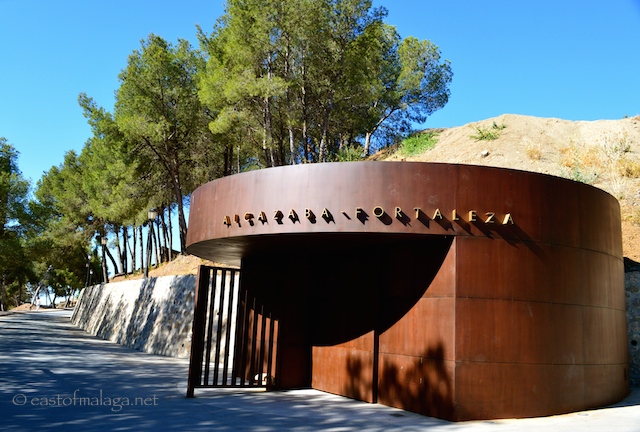 My trip this month is a local one – to La Fortaleza, the medieval fortress and Alcazaba in Vélez-Málaga, capital of the Axarquía region. Of course, as with many other places, I see the fortress towering above the town every time I pass by, but somehow never got around to visiting before now.
La Fortaleza was in a bad state of repair for many years and, as a result, was not open to the general public – but that has now changed. 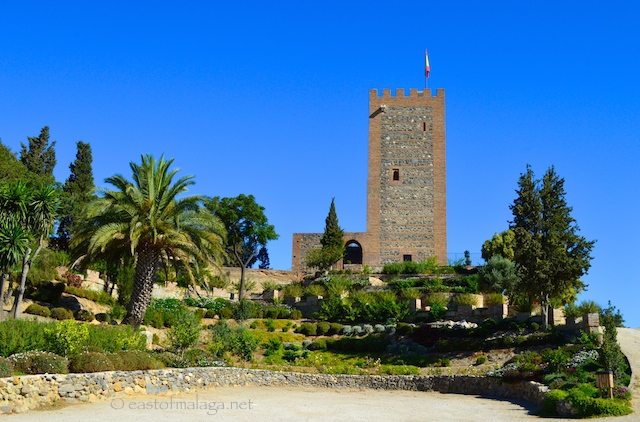 Located on the highest point of the town, about 80 meters above sea level, the Alcazaba or Fortress was built during the 10th century under Moorish rule, but achieved its greatest prominence during the 14th and 15th centuries, as one of the most important strongholds of the Nasrid Kingdom of Granada. It’s worth remembering that the River Vélez was once much deeper and wider than it is now, and that the valley formed part of a trade route through the Zafarraya Pass from Granada to Málaga, making the town strategically significant.
Vélez-Málaga may not have been a very large town, but it was well fortified and defended by a solid set of walls, some of which can still be seen.


As with many Spanish monuments, the directional signage to La Fortaleza leaves a lot to be desired, but if you head for the Fernando Hierro Sports Stadium in Vélez-Málaga and take the Arenas road, following signs for La Iglesia de Santa Maria/Museo de la Santa Semana, you will find the Alcazaba (La Fortaleza) just before the church.
The restored Tower of the Alcazaba (the fortress La Fortaleza) is open every Saturday and Sunday from 10am – 1pm and offers spectacular views over the town and the surrounding Axarquía countryside. Admission is FREE.
Don’t forget your camera!  This post is my contribution to the One Trip EVERY Month Challenge. If you’d like to join me, here’s how:
Are you ready to join me by taking ONE TRIP EVERY MONTH? What are you waiting for? GO!
SSSHHHH! For all of you Game of Thrones (“Juego de Tronos” in Spanish) fans out there, I’ll let you into a little secret.
The Andalucía Film Commission has been showing representatives of the Game of Thrones’ production company around filming locations in Andalucía during the past two months, as they gear up for season 5.
And, I can reveal the three top locations in Andalucía to you, in no particular order:

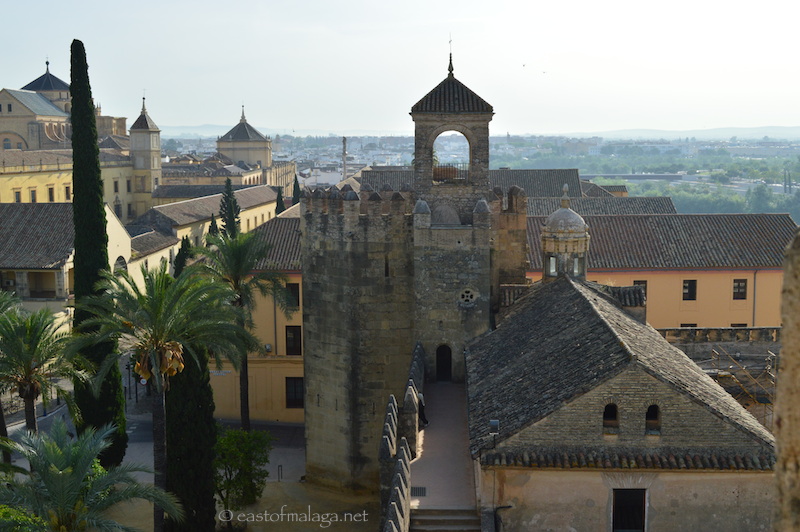
Alcázar de los Reyes Cristianos (also known as the Alcázar of Córdoba)
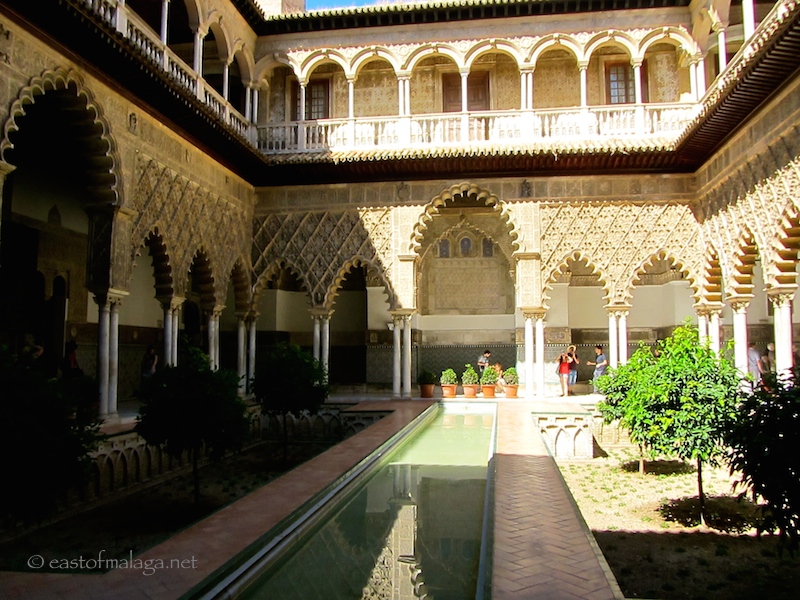

El Real Alcázar de Sevilla (also known as the Alcázar of Seville)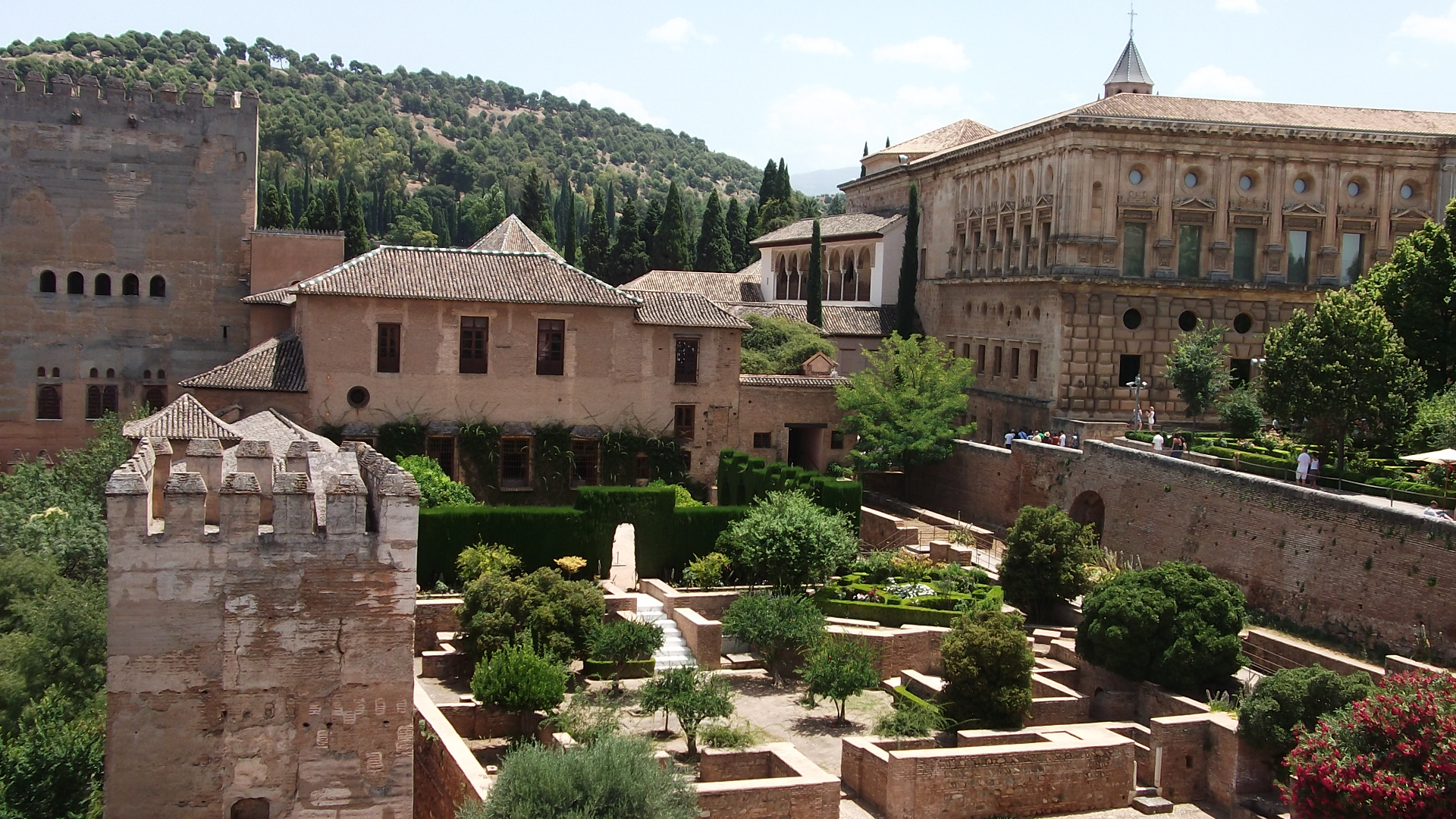
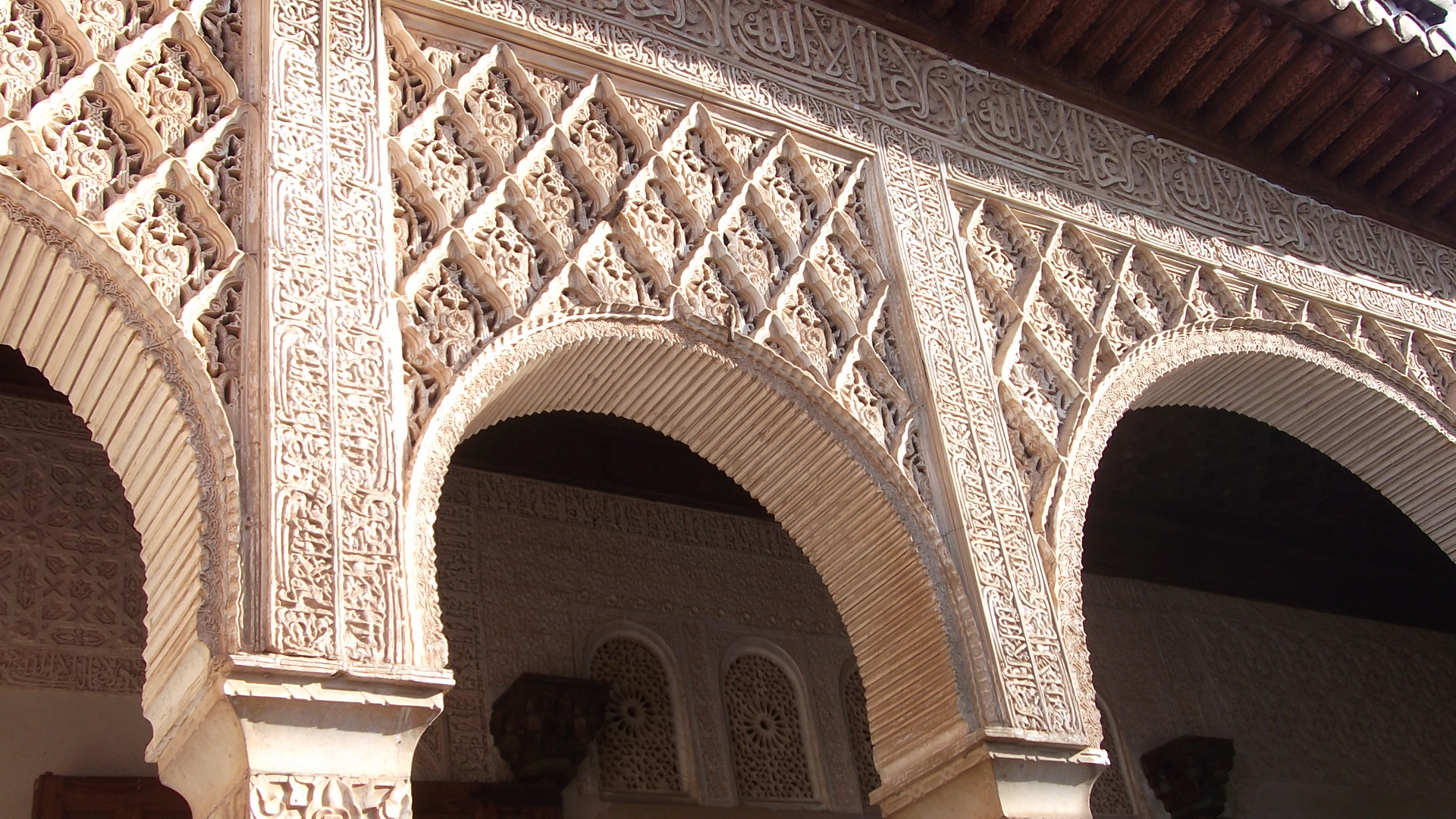
La Alhambra de Granada (also known as The Alhambra Palace of Granada)
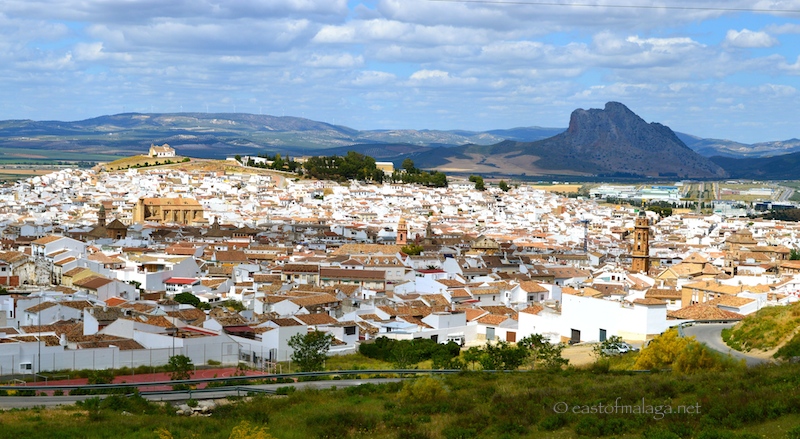
The city of Antequera is known as “the heart of Andalucía” (el corazón de Andalucía) due to its central location between the major cities of Seville, Córdoba, Granada and, of course, Málaga, which lies only 45 kms to the south.
Because of the sedimentary basin forming extensive plains that begin where the mountains of Málaga dramatically end, Antequera is a bustling, agricultural centre where farmers from the surrounding fertile land in the Guadalhorce Valley, go to stock up on everything from seeds to tractor tyres.
The city owes its main origins to the Romans, who named it Antikaria, meaning “the Ancient City”, because they recognised several pre-historic sites located in the town, which indicated that the area had been previously inhabited.
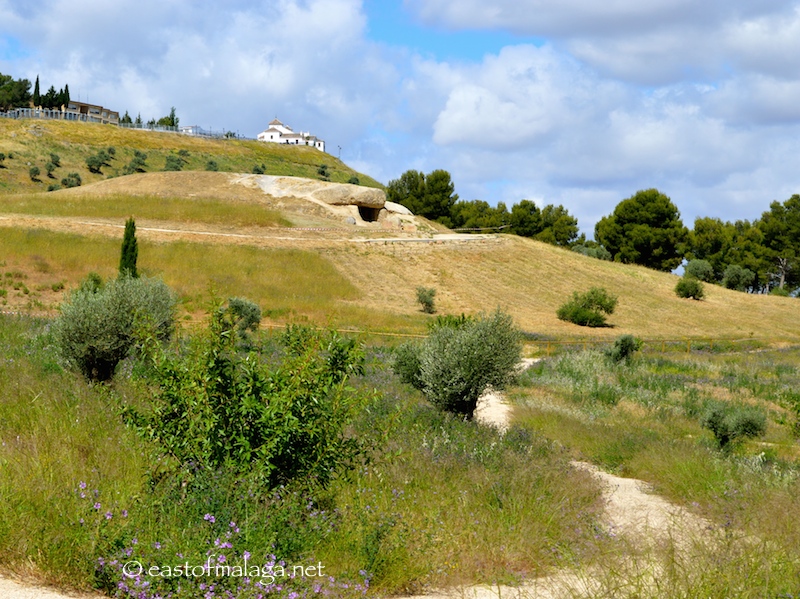
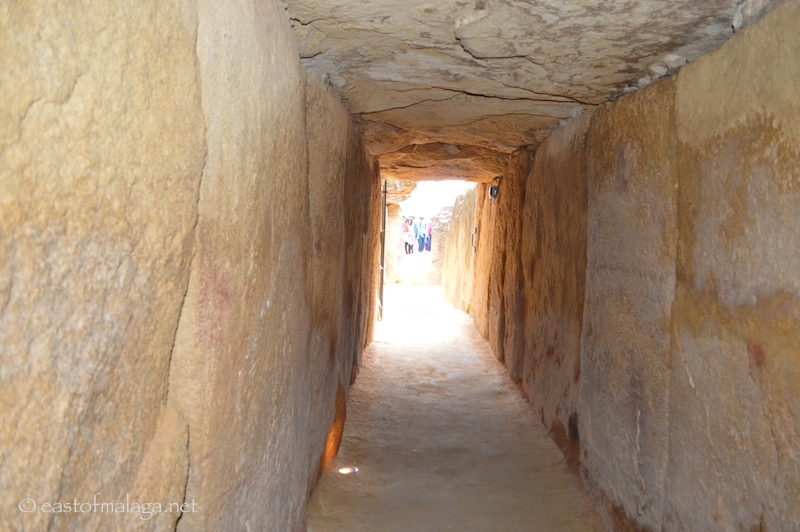
On the northern outskirts of the city there are two Bronze Age burial mounds (barrows or dolmens), the Dólmen de Menga and the Dólmen de Viera, dating from the 3rd millennium BC. They are the largest such structures in Europe. The larger one, Dólmen de Menga, is twenty-five meters in diameter and four meters high, and was built with thirty-two megaliths (huge stones), the largest weighing about 180 tons. After completion of the chamber (which probably served as a grave for the ruling families) and the path leading into the center, the stone structure was covered with earth and built up into the hill that can be seen today (Wikipedia: Antequera).
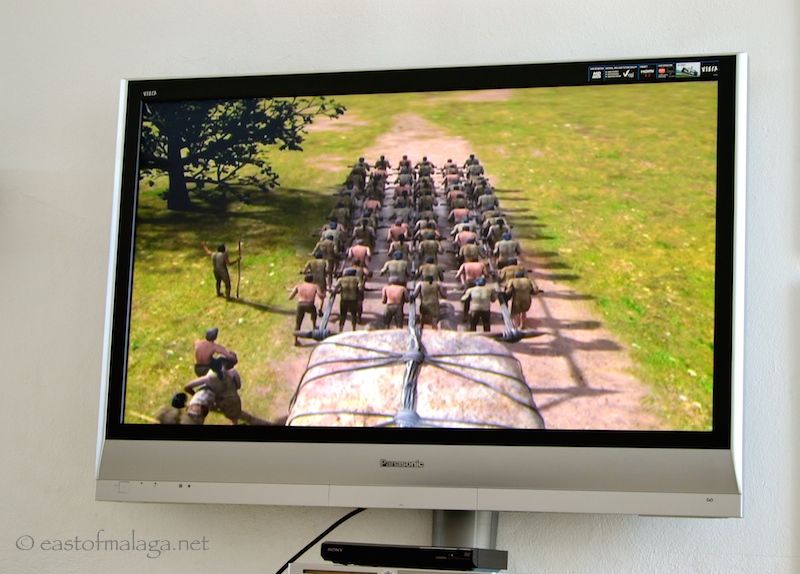
When we arrived at the visitor centre last Thursday, there were two coach loads of Spanish school children outside, waiting to see the 10 minute animated film showing how the dolmens were probably constructed. We nipped in ahead of them to watch the film being shown in French, which was easy to follow, but it can also shown in English on request.
We then followed the newly-laid path from the Visitor Centre to the Dólmen de Menga.

The entrance to the grandest of these megalithic monuments, the Dólmen de Menga, faces the prominent rock formation known as Peña de los Enamorados, (“The Lovers’ Rock”), which you might remember I wrote about last year.


It is clearly no accident that if you stand just inside the entrance to the Menga dolmen you can see the head of the Sleeping Giant perfectly framed in the portal, suggesting that the rock may have had some cultural, ritual or religious significance.
Indeed, during the summer solstice, as the sun rises behind the mountain, it penetrates right into the mouth of the burial chamber.


The Dólmen de Viera is a corridor tomb with better-cut stones, consisting of a long narrow passage, barely two metres in height, leading to a smaller burial chamber. The Viera dolmen is not as impressive as the Menga dolmen, but still well-worth a look.
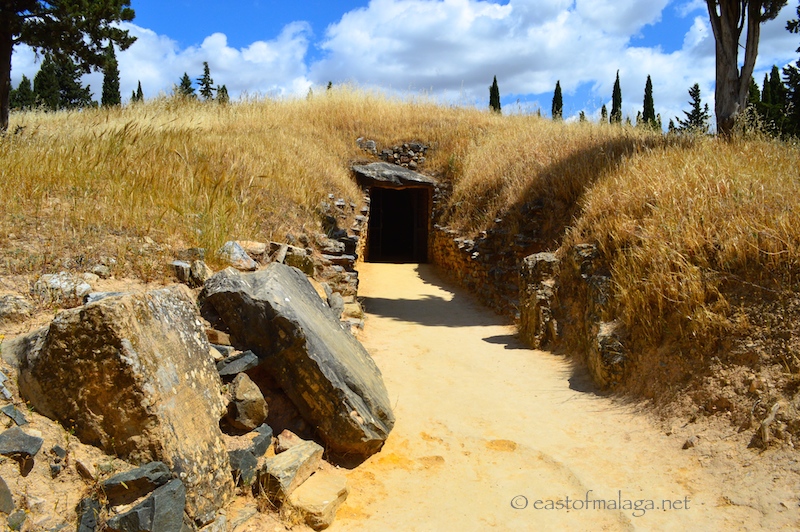


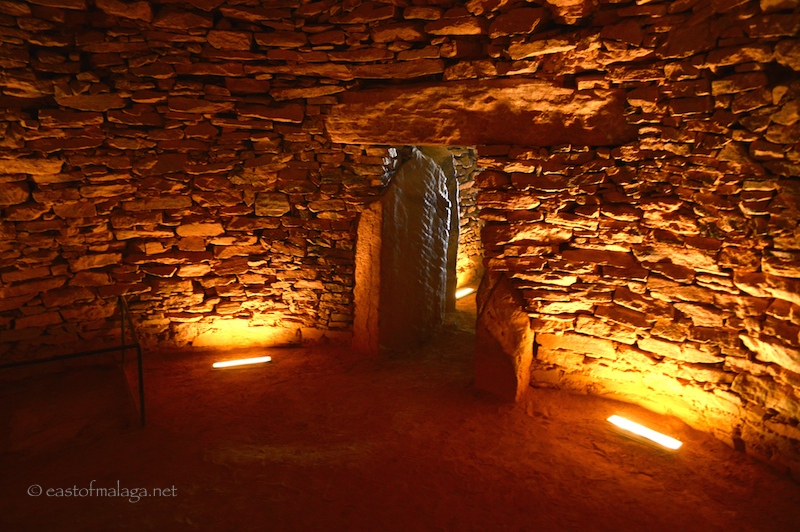
We had to jump back into the car and drive a further three kilometres to the third megalithic sepulchre, the Tholos of El Romeral, built five hundred years later than the other two dolmens. In many ways, this was my favourite tomb and bears a striking resemblance to the tholos tombs built by the Minoans in Crete, also during the Bronze Age.
A large number of smaller stones were used in the construction of El Romeral dolmen which, unusually for this type of monument, faces west.
As with many Spanish monuments, the directional signage to the Dolmens sometimes leaves a little to be desired, but if you’re persistent you’ll find them once you’ve turned off the A45 from Málaga.
Entrance is free, with opening times being Tuesday-Saturday 9am – 6pm and Sunday 9.30am – 2.30pm. Closed Monday.
This post is my contribution to the One Trip EVERY Month Challenge.
If you’d like to join me, here’s how:
Are you ready to join me by taking ONE TRIP EVERY MONTH? What are you waiting for?
GO!

Voting for took place yesterday (22nd May) in the UK for both local and European elections, but we have to wait until Sunday 25th May before election day arrives in Spain.
Thanks to the 1992 Maastricht Treaty, I am entitled to suffrage (the right to cast my vote) as an EU citizen (UK expat) living in Spain, in both the local and European elections provided that:
As I have done both of these things, my census card (Tarjeta Censal) has duly arrived through the post confirming my municipality, and informing me of where my polling station will be (Cómpeta Town Hall).

On election day, I will need to take along my photo ID (passport or driving licence) as proof of identity and my census card to cast my vote.
Providing a person is registered on the Padrón and the Census, then they will still be entitled to vote even if they have not received their census card through the post, though it might be best to check with the Town Hall where their Polling Station will be.
Unlike the system in the UK where voters place a cross (X) next to the name of the person they wish to vote for – here in Spain it is the party for whom you cast your vote. Each political party will have already chosen their list of candidates who will represent them, and these lists can be found inside the voting booths.
All I will need to do is pick up the paper listing the candidates for the party I choose, place that list into an envelope, take it to the official at the electoral table, prove my ID and then slot the envelope into the ballot box.
In the Spanish voting system not only are you are not required to mark an X against the name of the person/party you wish to vote for, but if you do mark the paper, your vote would be spoiled.
On Sunday, the people of Spain will be voting for 54 MEPs. Polling booths are usually open from 9am – 8pm (but times may vary).
The list of parties that you can vote for in Andalucía can be found here.


 East of Málaga