Let’s talk about tapas!

First of all, what are tapas?

It is thought that originally in the wine-making regions of Andalucia una tapa (the word “tapar” in Spanish means“to cover”), in the form of a small plate or lid was placed over glasses of wine to keep fruit flies away.  Titbits of food were then placed on the dish to be eaten with the wine.   How I so love the Spanish that it is unacceptable that a fly ends up in your drink, but it´s fine if it lands on the accompanying snack!
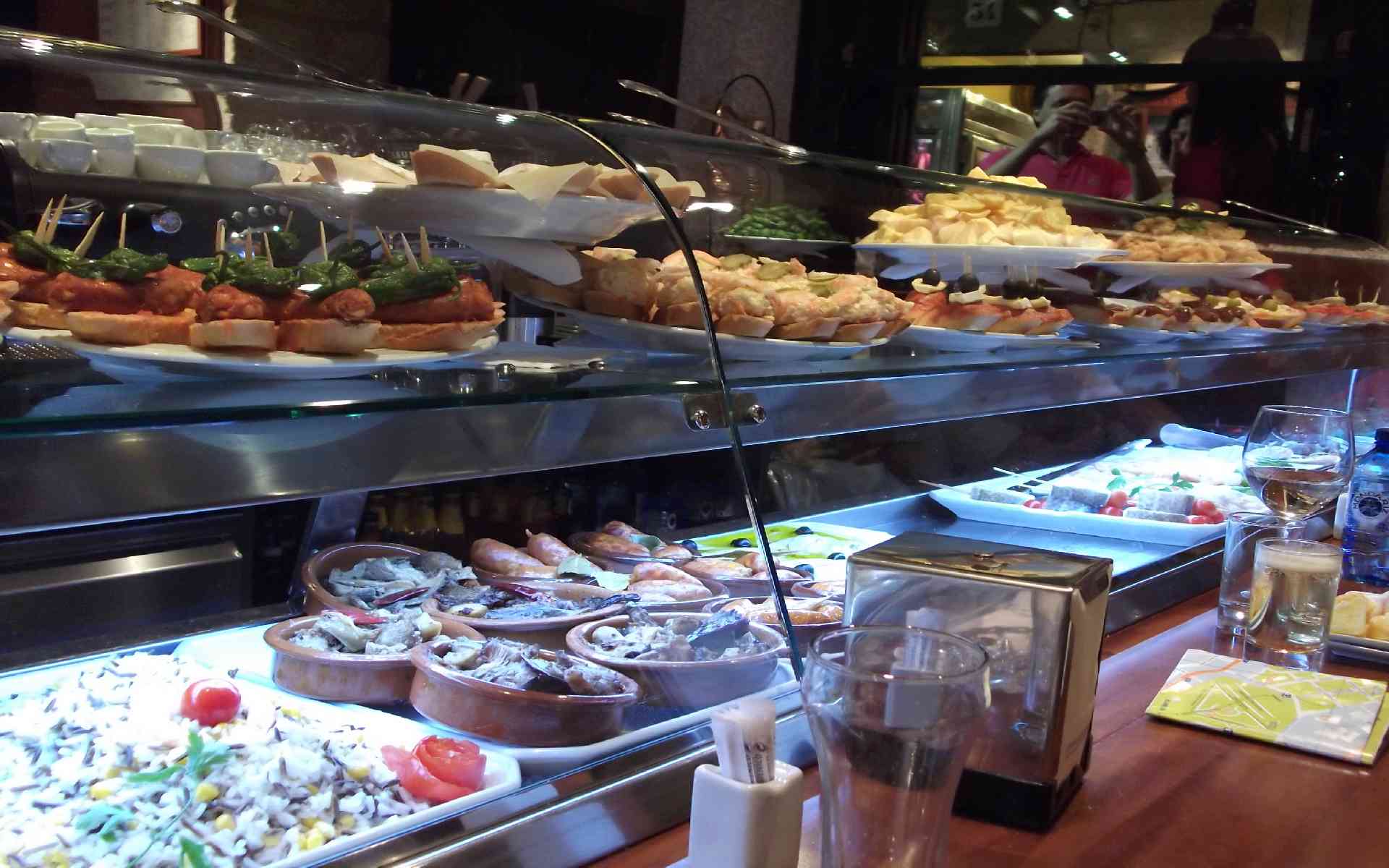
Tapas selection at a bar in Santiago de Compostela

Other stories suggest that tapas were invented by a bar owner in Seville, who decided to put a cover (tapa) over his guests´ glasses of wine, using a slice of bread to keep out flies. He later put a piece of ham or cheese on top, so that his customers could have a bite to eat with their drink.

Either way, the idea spread, so that nowadays the types of food served as tapas are limitless.  Most Spaniards don´t drink alcohol without a tapa and many bars provide them free of charge.
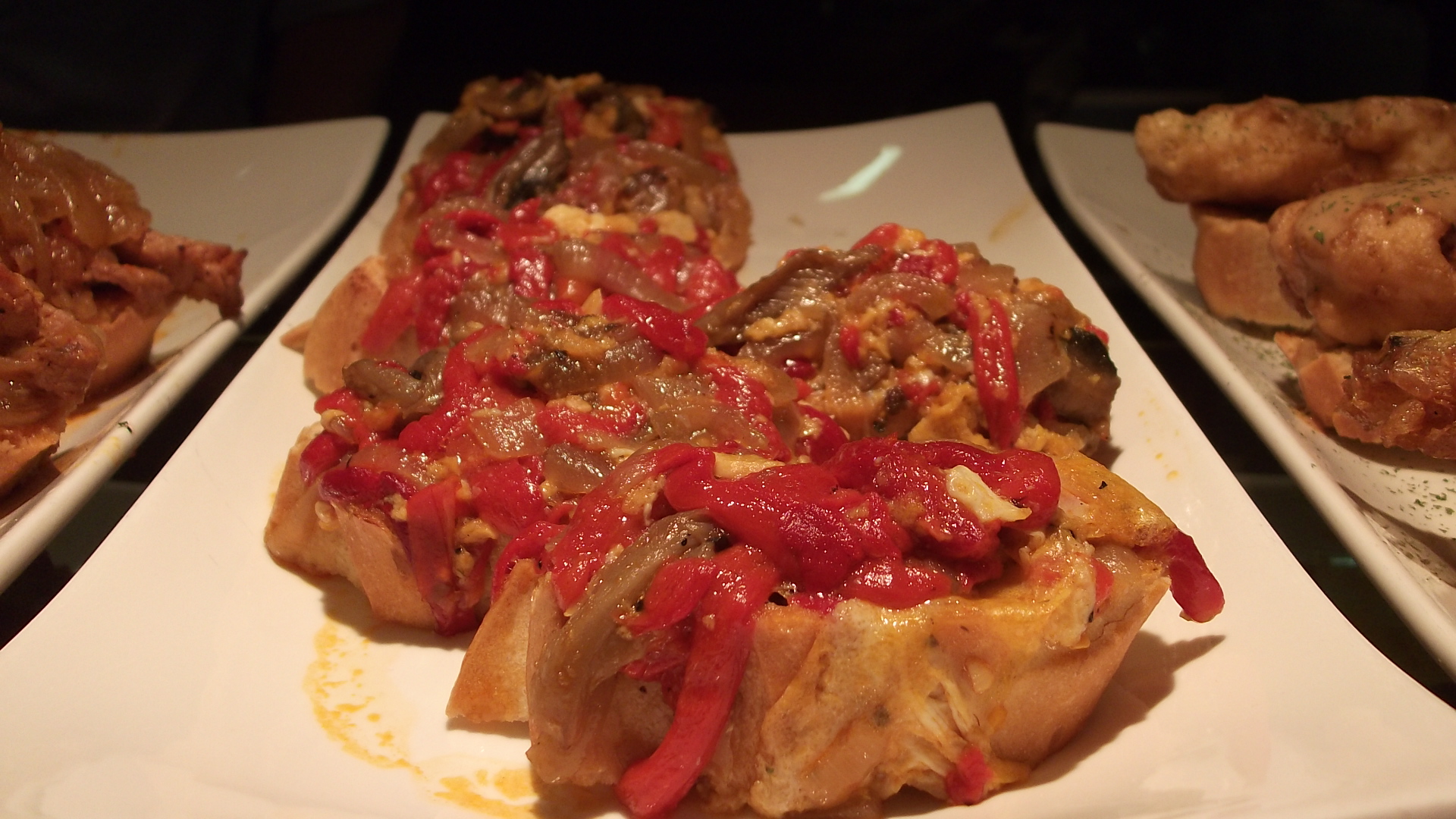

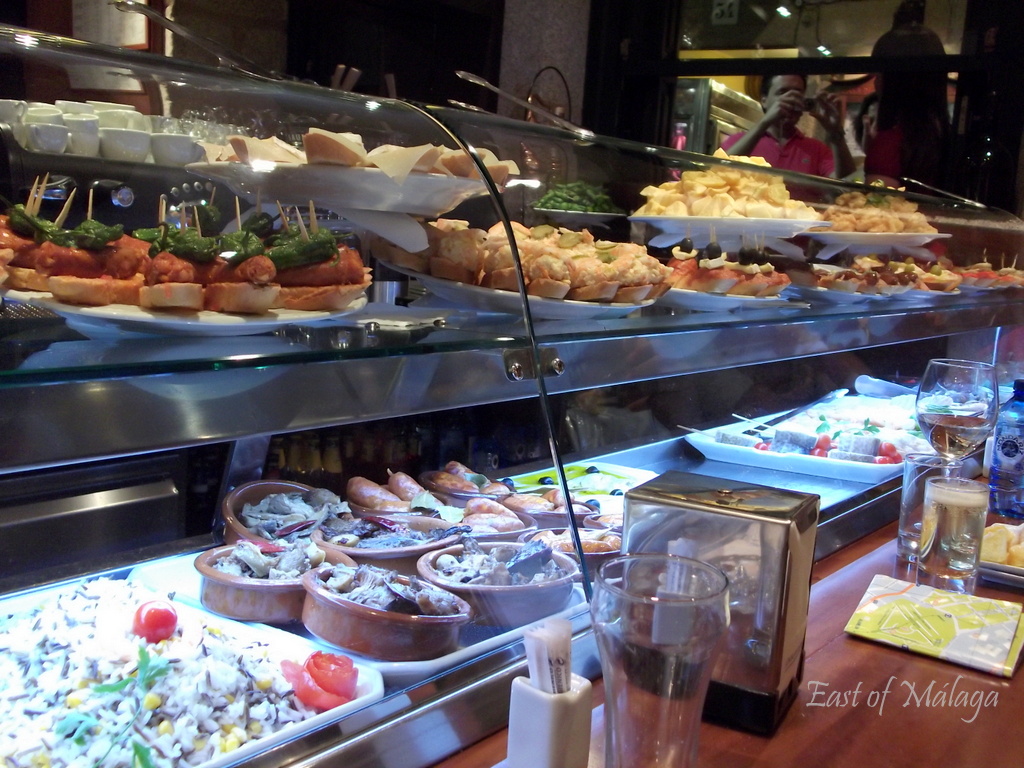
The Spanish equivalent of “fast food” is usually displayed in refrigerated glass units on the bar and served in small terracotta glazed dishes. Some examples of the type of tapas normally available include gambas (whole cooked prawns in their shells), boquerones (fresh anchovies in olive oil, vinegar and garlic), chorizo (spicy Spanish sausage), albondigas (meatball…often in a creamy almond sauce), queso (cheese…often manchego), habas con jamon (broad beans with ham), ensalada rusa (Russian salad) or just a few olives.

Your choice of tapas is usually accompanied by a small piece of crusty bread which helps to counteract the adverse effects of the alcohol through drinking on an empty stomach.
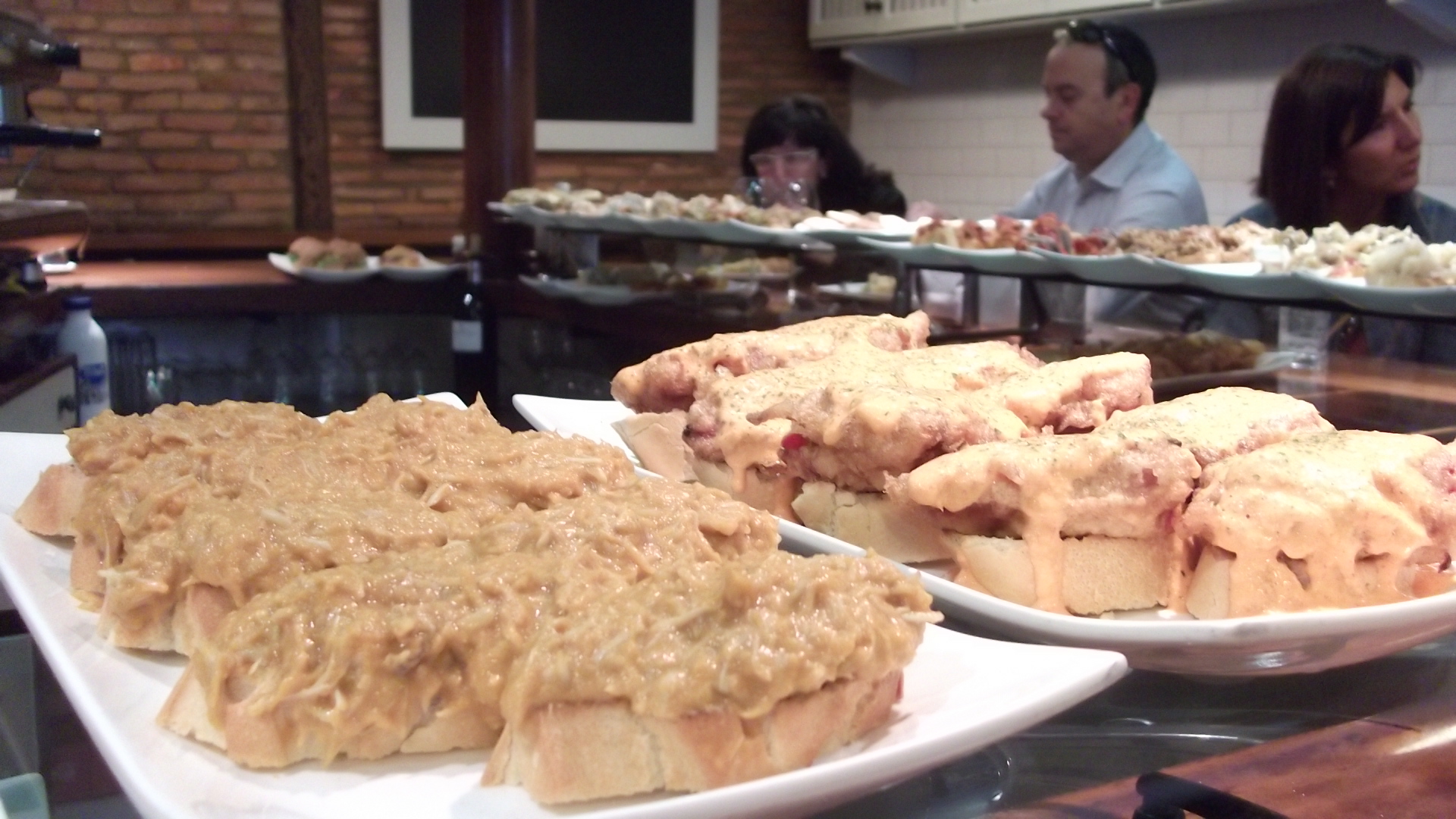
In many establishments, if you stand at the bar along with the locals you will be given one tapa free with each drink you buy.   That’s right …. free food!

Should you choose to sit away from the bar, you can pay for a tapas or two (usually for one euro or less in this part of Spain), or opt for a larger serving known as a ración (ration) or medio ración (half ration). This is a great way to eat a variety of dishes, and a pretty sociable activity as groups generally tend to share their dishes.

The food is generally very good, even in remote villages around the Axarquia.

Where is your favourite tapas bar?   Which tapa do you choose, time and time again?


You might also like to look at:

All at sea with the Virgen del Carmen

La Noche de San Juan: Families, fires and football!

Bus Services: East of Málaga


Photographs I love …. and why! [Part 10]

This is just one of a series of photos I have taken, and will share with you over time, capturing the essence of living east of Málaga.   Each one, in it’s own unique way, reminds me of why I love living in southern Spain, and in particular the Axarquía.

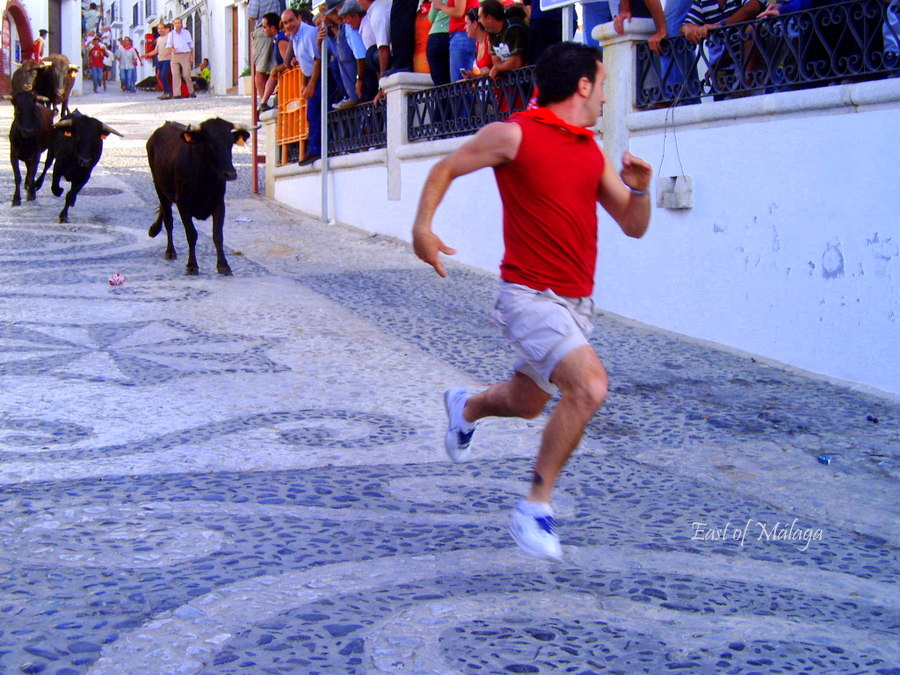
Bull run in Frigiliana, Spain

I took this photograph a couple of years ago during the Bull Run in the village of Frigiliana.  This event is held each year, early on the Sunday morning of the Feria weekend in June.

A smaller version than the Bull Run held in Pamplona, both in size of attractions and certainly in the size and age of the bulls, but nonetheless no less exciting for those participating.  No bulls are harmed at this annual festival.

You might also like to have a look at:

More Photographs I love …. and why!

A Celebration of Fried Breadcrumbs: The 30th Annual Migas Festival

The heart of Cómpeta: El Paseo de las Tradiciones

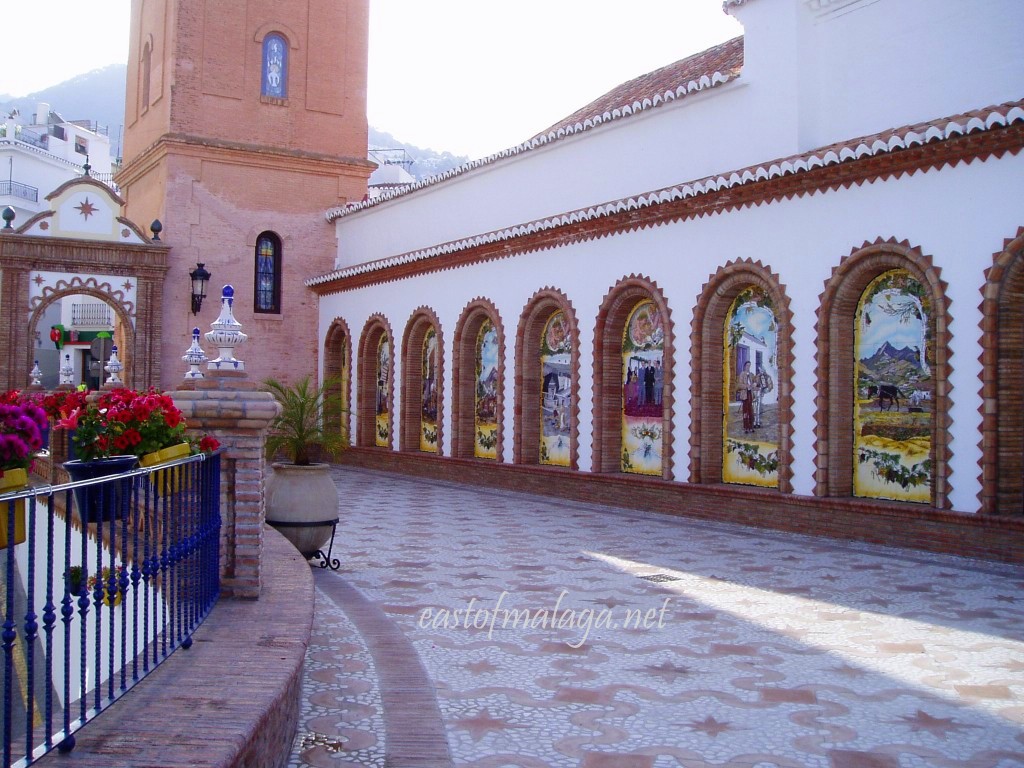
Paseo de Las Tradiciones, Competa, Spain

You can find El Paseo de las Tradiciones (The Walk of the Traditions) in the main square, Plaza Almijara, of the white, mountain village of Cómpeta. Completed in 2009 on the site of the old municipal market, El Paseo de las Tradiciones is annexed to the Church of Our Lady of the Assumption (La Iglesia de Nuestra Señora de la Asunción).

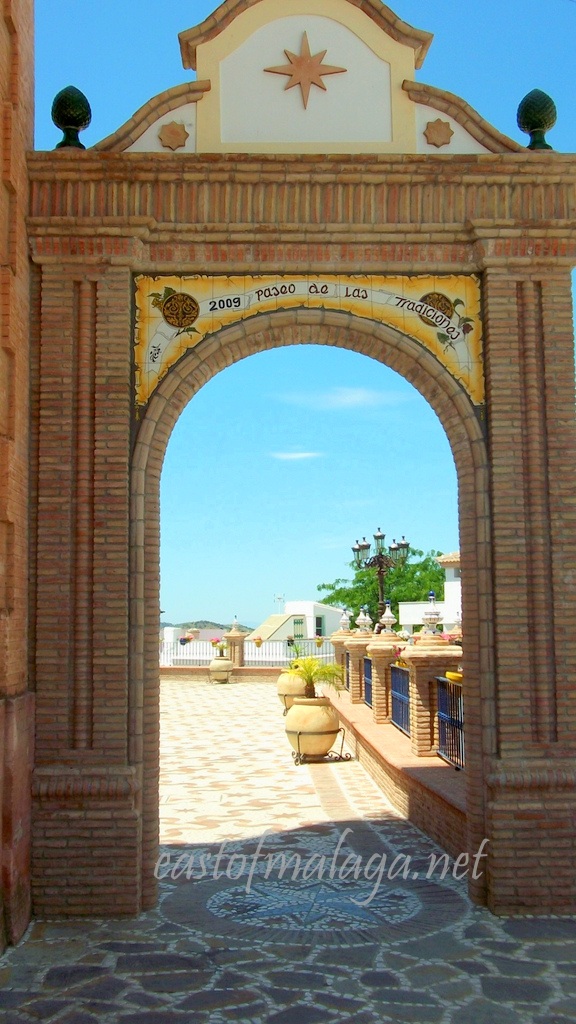
Archway into El Paseo de las Traditiones, Cómpeta, Spain

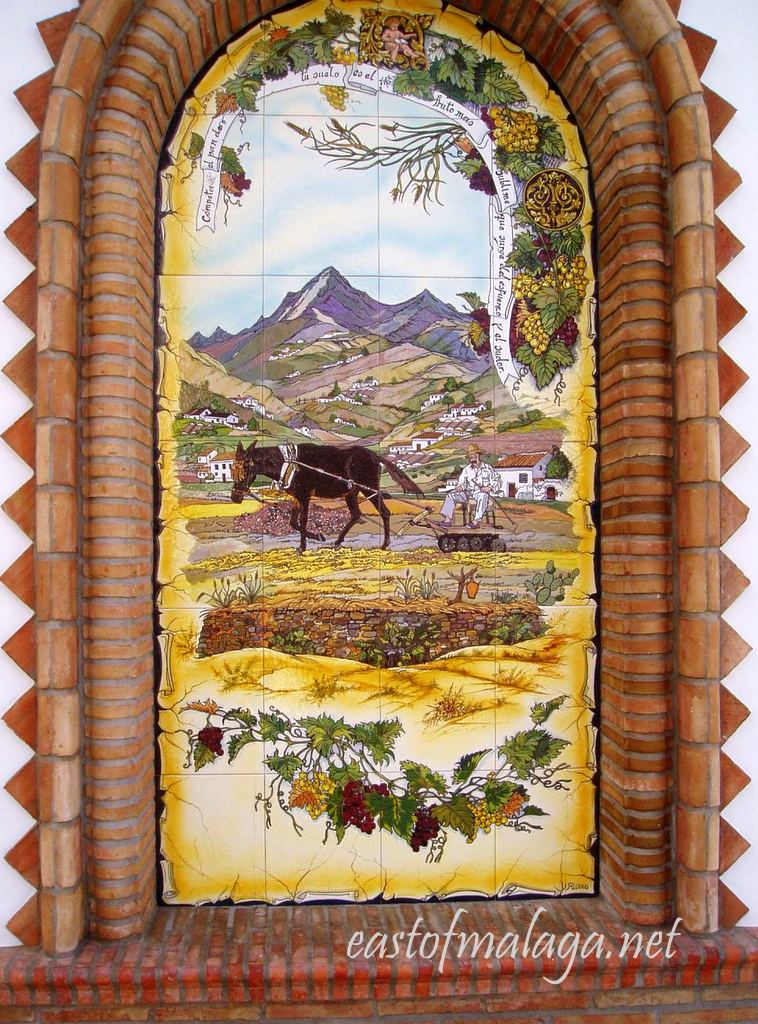
As you stroll from the busy square, through the archway into the Paseo de las Tradiciones you will discover an oasis of calm.   The floor is decorated with an intricate Moorish pattern of terracotta and white tiles, alongside a series of ceramic murals celebrating the lives of generations of the ordinary working people of the village.

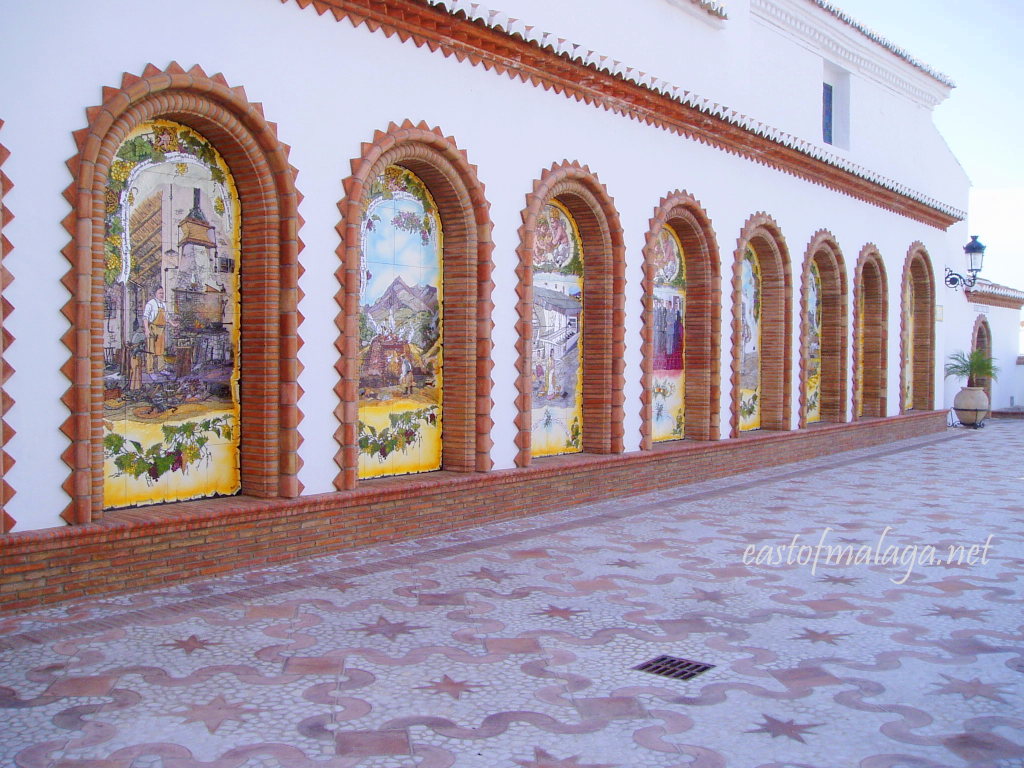
Alcoves in El Paseo de Las Tradiciones, Cómpeta, Spain

One wall of the Paseo de las Tradiciones pays testament to the trades and deeply rooted traditions of the people of Cómpeta through the ages. The beautifully modern, brightly coloured tiling in each of the alcoves was developed in the workshop of potter and sculptor, José Antonio Rivas.

The nine alcoves, each 3 metres high and 2 metres wide, not only depict the history of the collecting of the local vines, the muleteers and village smithy, old olive oil factory and the public laundry, but also recognize the contribution made by the Moors, who for 800 years did so much to improve the cultivation of the summer-dry, winter-wet sierras, bringing the first prosperity to the village.

East of Malaga: Competa´s Paseo de las Tradiciones Alcove

The past 500 years since the building of the Church of Our Lady of the Assumption have not been easy for the people of Cómpeta.  The expulsion of the Moors, two great earthquakes followed shortly by a cholera epidemic, and the vine disease phylloxera,which devastated crops all over Europe in the mid-19th century, have all taken their toll, but the spirit of the villagers continues to thrive, as epitomized throughout the Paseo de las Tradiciones.

Where is your “oasis of calm”?

Whilst you´re here, why not have a look at:

The elegant,  main shopping street of Málaga

I can see Africa from my terrace!

All at sea with the Virgen del Carmen


Slice of Life: Spanish bars

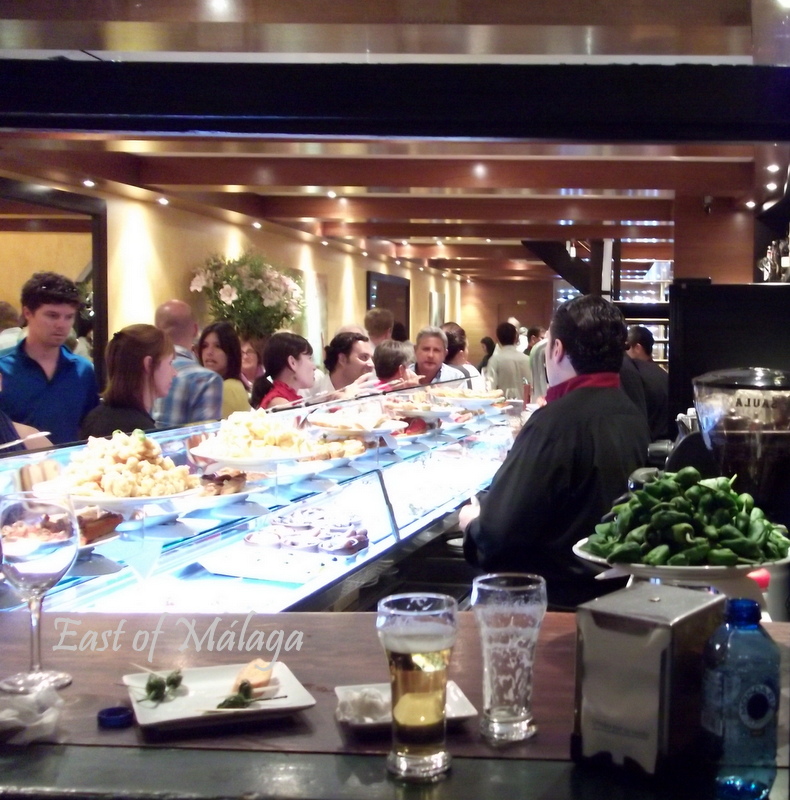
A bar here in southern Spain is very different from a typical British pub.  Although layouts may vary, what you will usually find will be a bar counter, with tall seats around, often with a covered tapas display. This will likely be in two parts, one containing meats and tortillas ready to be heated up and served with your drink, the other with cold tapas and salads. Many bars still serve tapas at an inclusive price with the drink, whilst others serve rather more elaborate nibbles which are charged for individually.

typical tapas bar
One of the main differences with a British pub will be the size of drink. Normally if you ask for a beer (una cerveza) it will be in a smaller glass, either a “tubo” which is a tall tumbler or in a glass not dissimilar to a large wine glass. The only time you will see anyone with a “pint” glass, they will usually be a tourist on the coast.  You will be just as likely to see people at the bar drinking coffee (un café) or a glass of wine (una copa de vino).

Tables away from the bar counter, either inside or outside, are typical café tables with upright chairs, not lounge-type tables and chairs like in British pubs .

There is usually a large display of spirit bottles behind the bar and invariably a leg of Serrano ham on a carving frame.  You should try this typical Spanish  delicacy –  it´s delicious!

Almost everywhere,  customers take all their food and drink and only pay when they are ready to leave.  In busy big city bars, the tapas, usually more sophisticated, will each come with a small wooden skewer and, when you have finished, the barman will count the skewers and charge accordingly.

Tapas to choose

I would recommend you to visit as many bars and cafeterías as possible, especially away from the tourist haunts. Look for places full of Spaniards and litter, in the form of till receipts, on the floor signifying that you have found a good spot.

Some bars, especially on the coast, offer more seafood, but try different ones and you will inevitably find a handful that will become part of your regular tapas trail.

Where´s your favourite Spanish bar?


If you like this article….try also looking here:

The heart of Cómpeta: El Paseo de las Tradiciones

Photographs I love …. and why!

A flowering snapshot of a January day