Photos from 35,000 feet: Approaching Málaga

Whenever I fly, I always request a window seat.  I love the view through an aeroplane window – because it means I´m going somewhere! 

You can often see spectacular views of the world – views which you simply cannot see from the ground and sometimes of countries that you will never set foot in. 

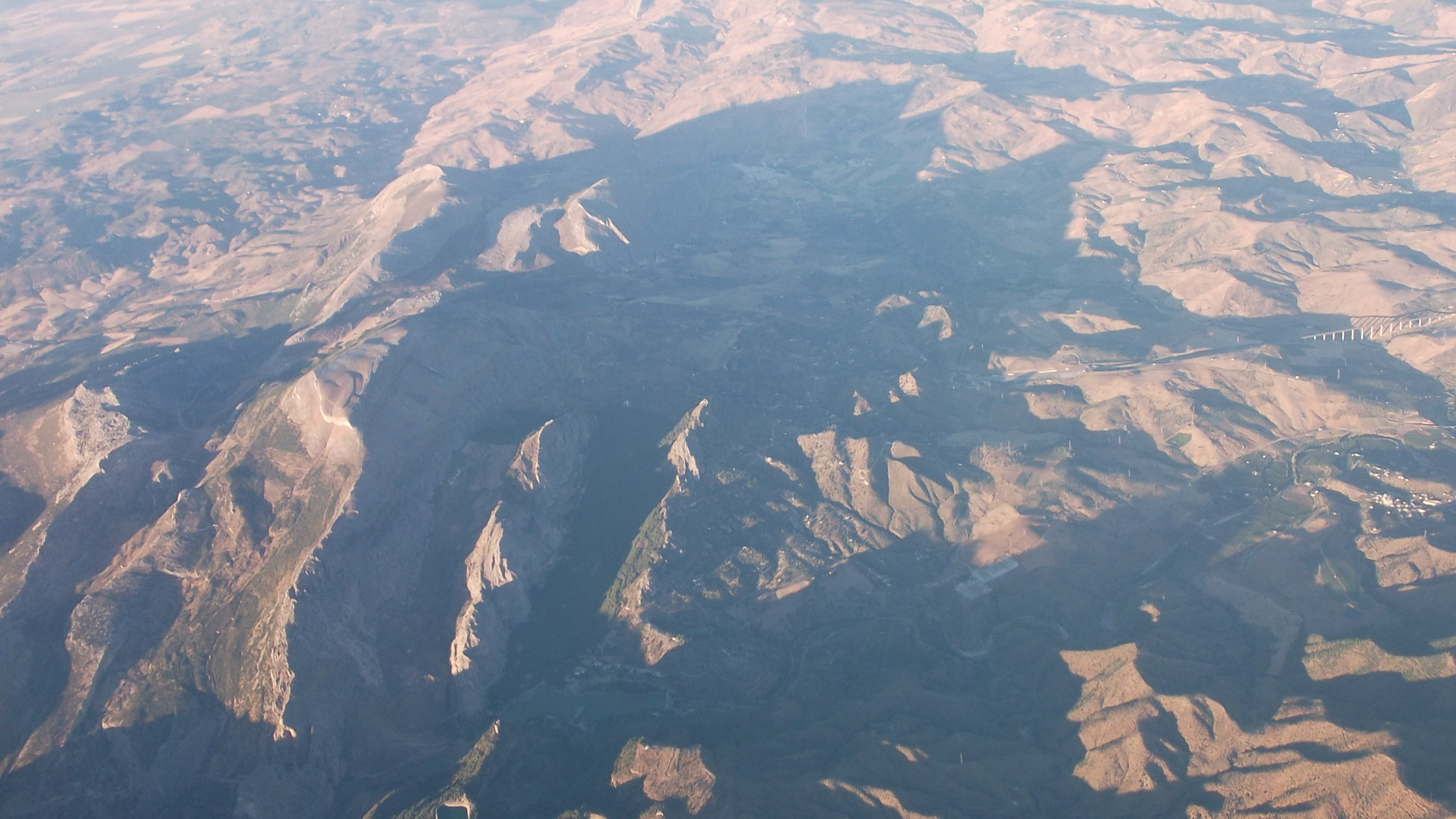
Even if there is nothing spectacular to see, just looking at the changing cloud patterns or mountain tops can be fascinating.

With tight security rules and ever busier airports continuing to change air travel, rediscovering the romance of the window seat may be the most practical way to make flying more enjoyable.  Why not give it a try next time you fly?

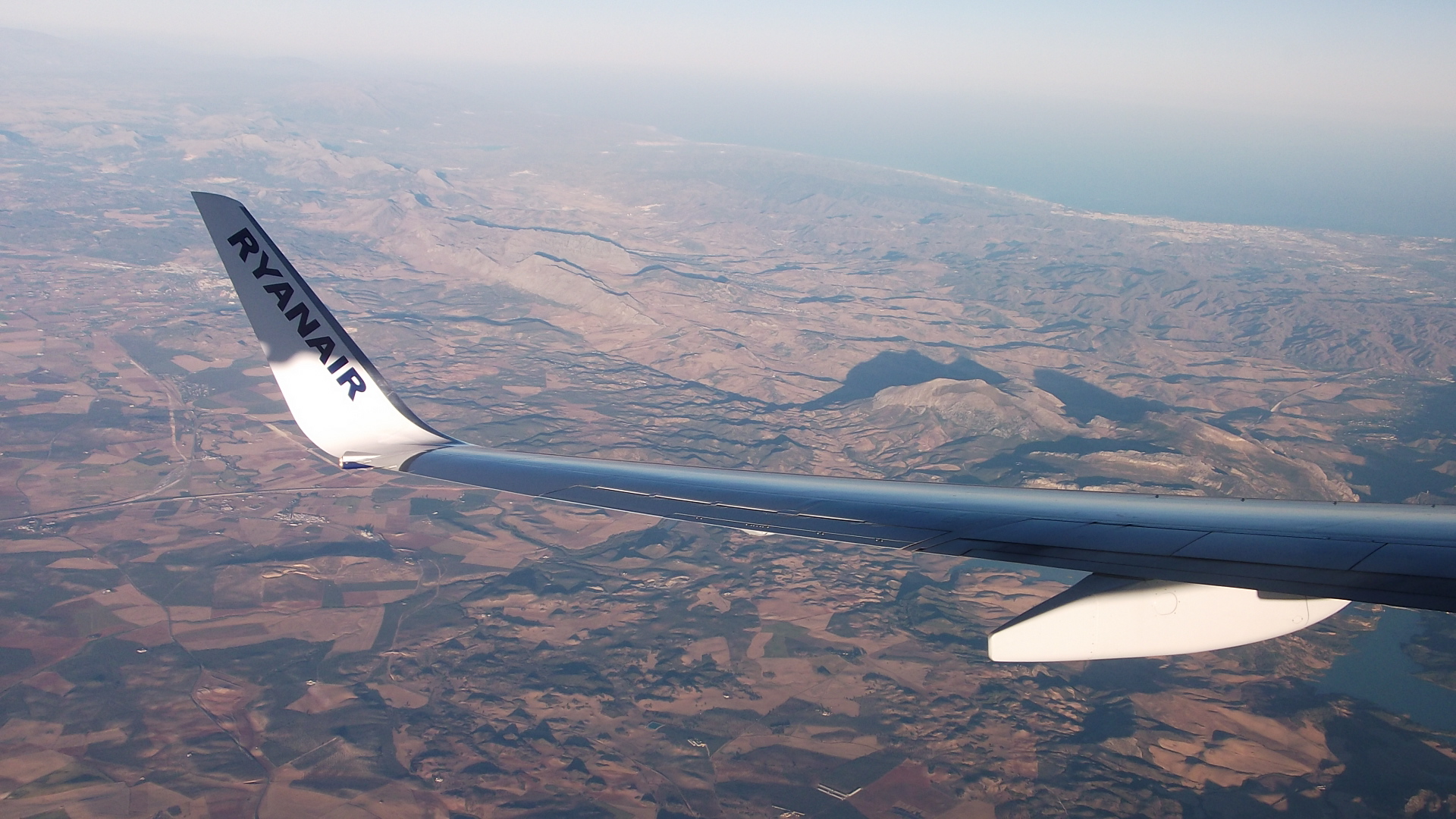
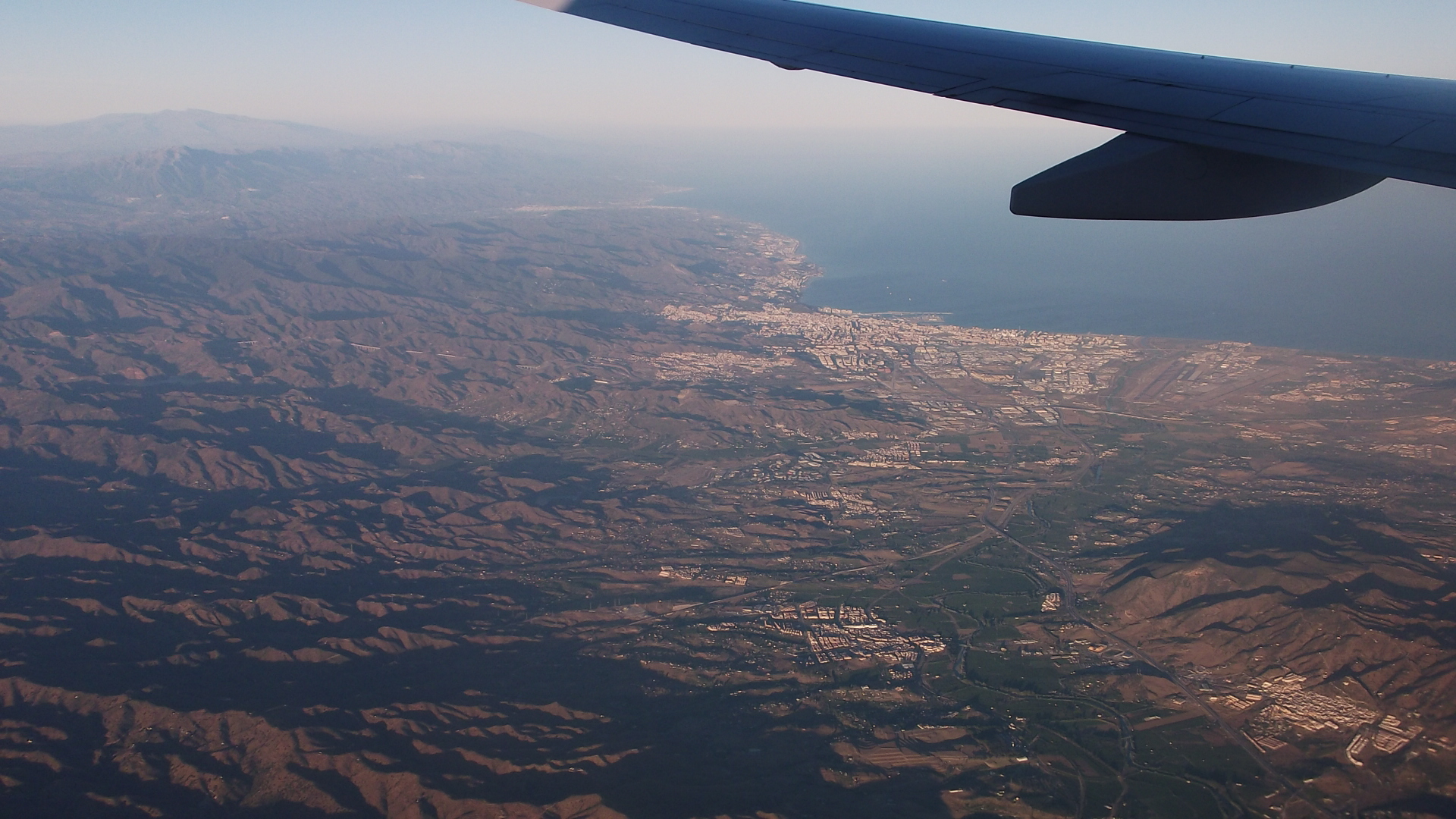
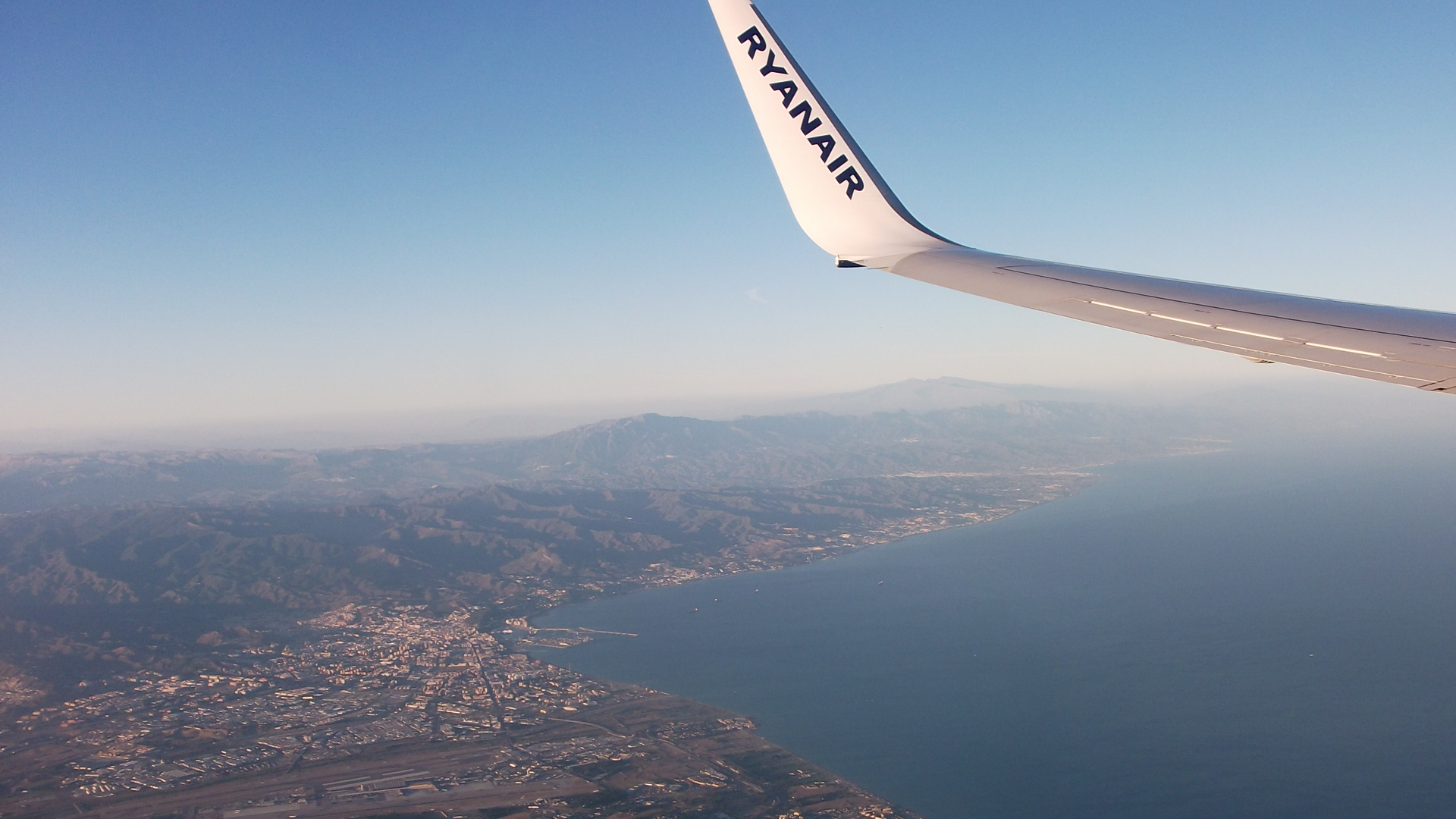
So, Señores Pasajeros (Ladies and Gentlemen) please ensure your seat-belt is securely fastened, your tray table is stowed and your seat-back is in the upright position, and join me in enjoying a smooth approach into Málaga (Costa del Sol)  airport, courtesy of Ryanair.

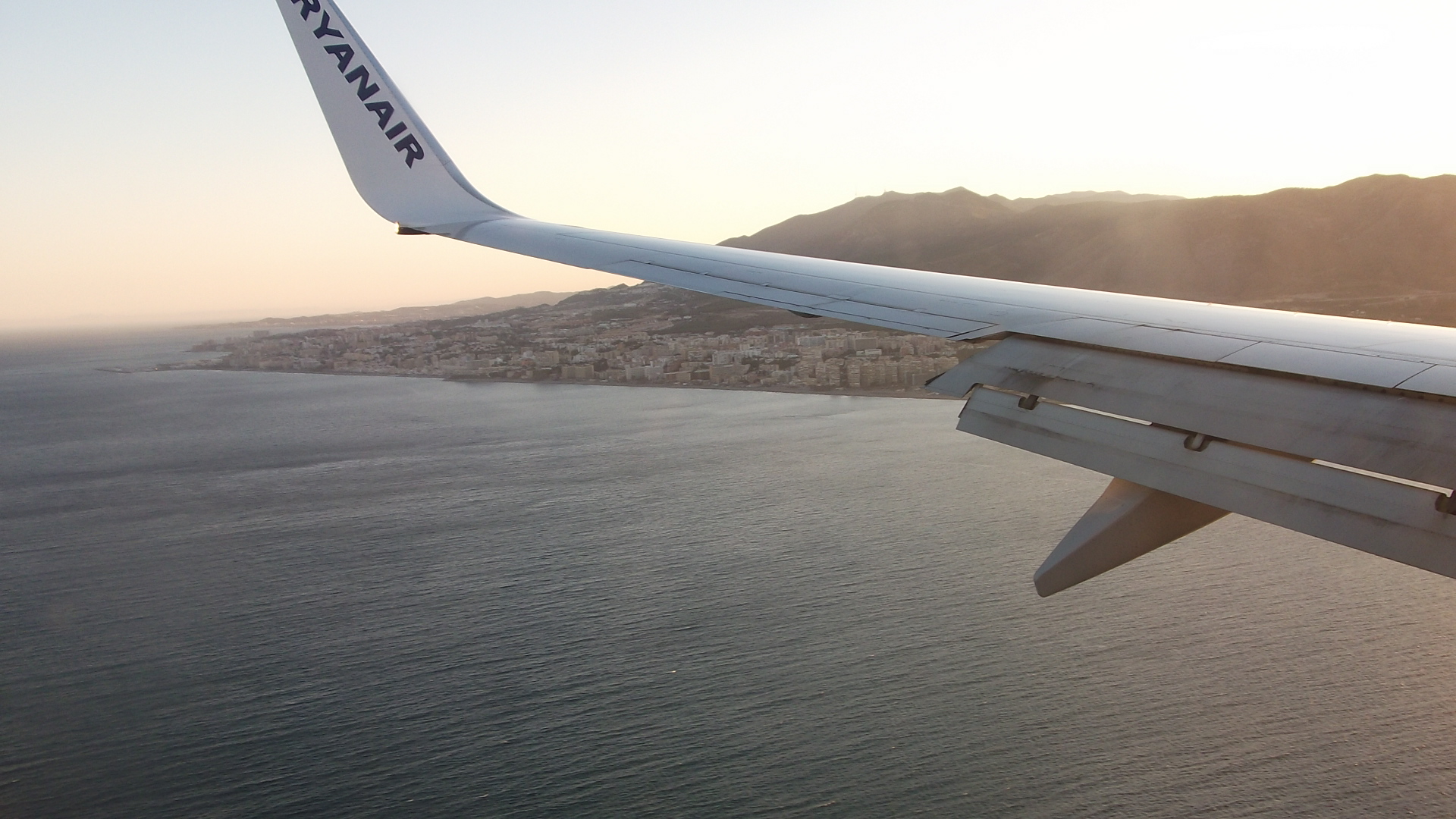
Once I can see the coast, I know I’m almost home!

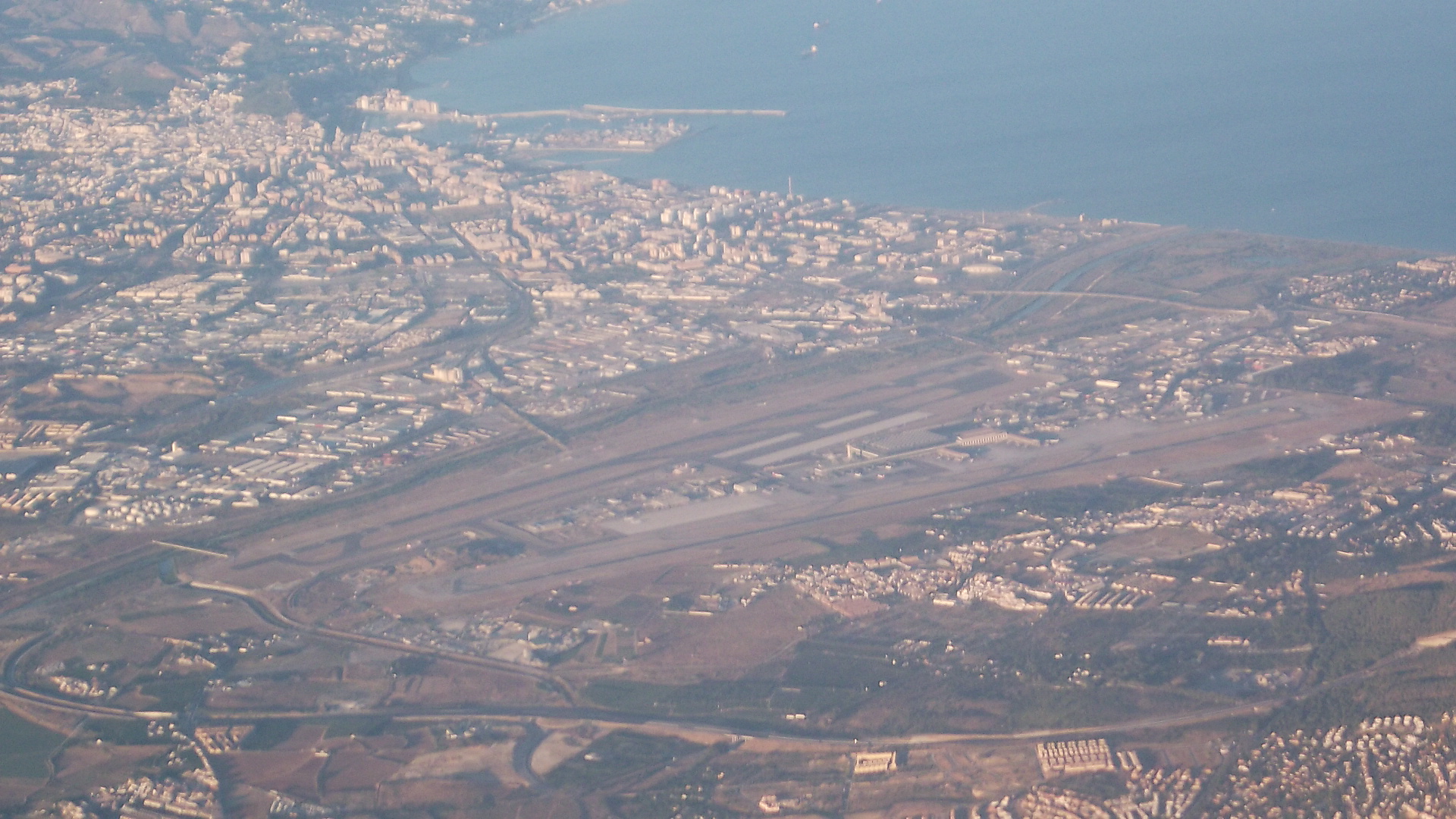
There’s the runway!

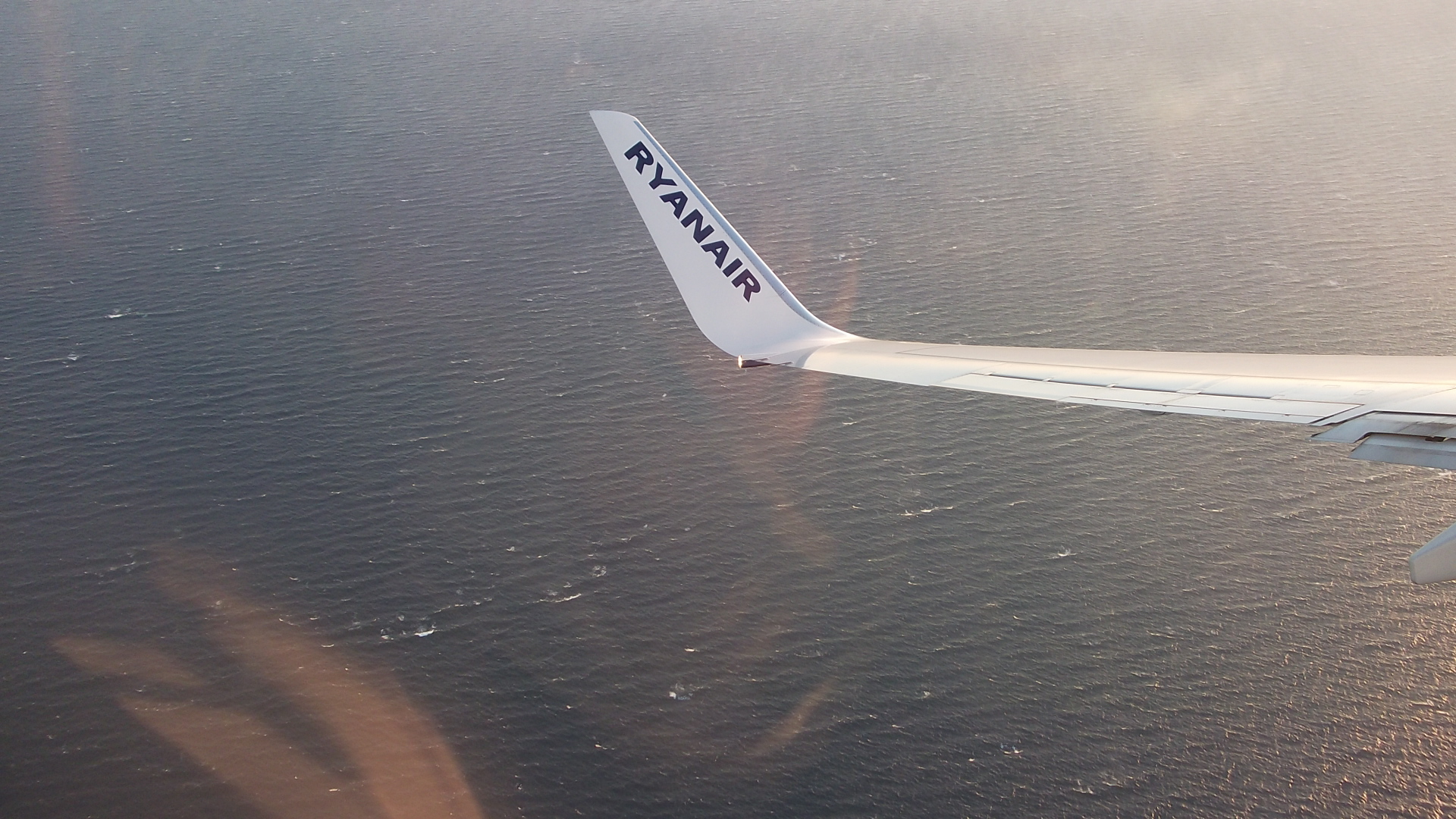
Often the course is out to sea (towards North Africa), before swinging back inland to head to Malaga airport from the south.

Back over the coast, heading north this time.

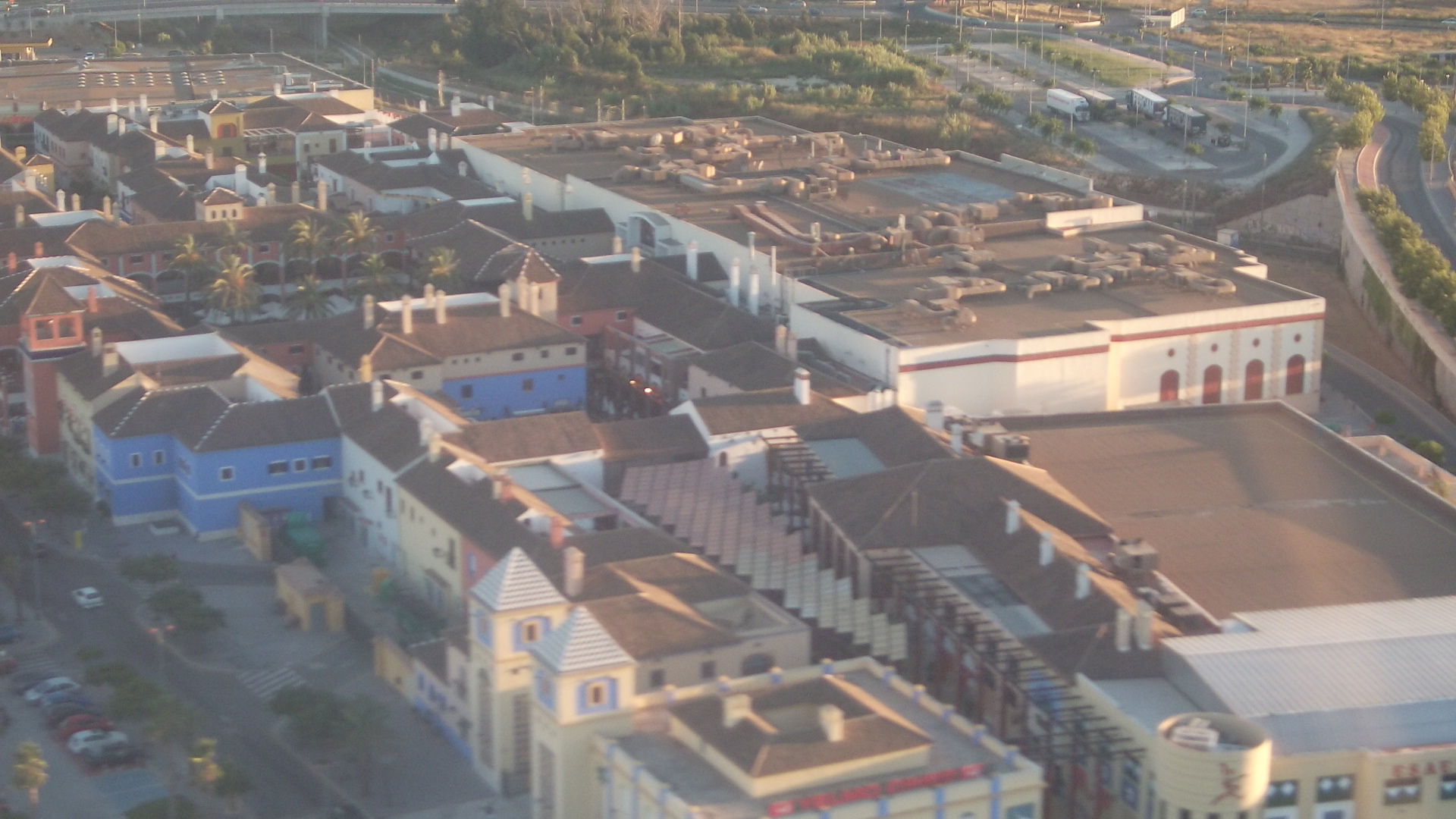
Passing directly over Plaza Mayor shopping complex – nearly down now!

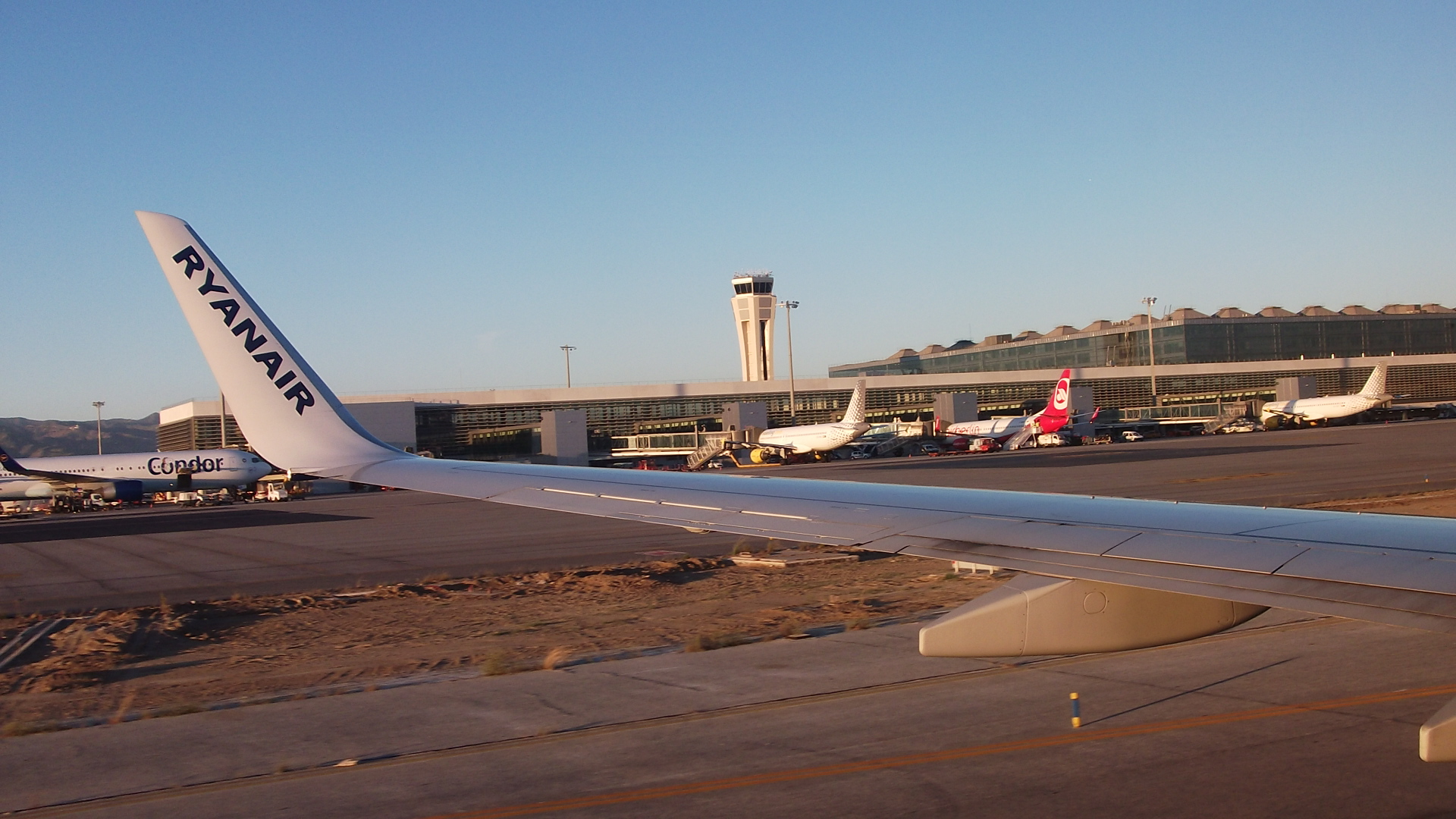
Safely landed!

Do you enjoy flying or do you just tolerate it to get from A to B?  Which countries have you just flown over that you would wish to actually visit?

Whilst you´re here, you might also be interested in:

Taking the Fast Track from Málaga to Madrid on the AVE

Cost of Living in Spain Report: Summer 2013


Let Sleeping Giants Lie!

Sleeping Giant mountain, outside Antequera

Near to the city of Antequera in Málaga Province is Peña de los Enamorados (The Lovers’ Rock), which rises 880 metres above sea level.  This mountain is more popularly known as “Montaña del Indio” because it looks like the head of an Indian when seen from certain angles.  

I think it looks like the stone face of a sleeping giant.  

Can YOU see the “sleeping giant”? 

Other posts you might enjoy:

CBBH Photo Challenge: CURVES IN NATURE

Following in the footsteps around Comares

Ski-ing in the Sierra Nevada mountains, Granada

How to get three-times the benefit from your log fire

Contrary to popular belief – YES, it does get cold here in sunny Spain in winter!

Don’t get me wrong – even in the depths of February we usually have sunny days with blue skies, but as soon as the sun begins to drop behind the nearest hillside, it’s time to change into jeans and thick socks ready for the cold evenings and nights.  By European standards, the temperature doesn’t drop very low (around 6 Celsius) – after all, that’s one of the main reasons we moved here from England’s perishing winters, but it surely feels cold.

Houses around here are built to keep out the warmth of the sun during the long, hot summer months rather than for keeping warm in winter.  Village houses are built close together (causing shade), and with small windows.  More modern houses, like ours. might have patio doors and larger windows, with insulation in the walls – but we still have tiled floors rather than carpeted ones and inadequate heating (by UK standards).

Top path on our land

Fortunately, on our land we have 47 almond trees, which come in handy when pruning time comes around during the autumn months.  Branches here and there are  selected for firewood – after which I send my hubby out with the saw.

Here cometh the first benefit!

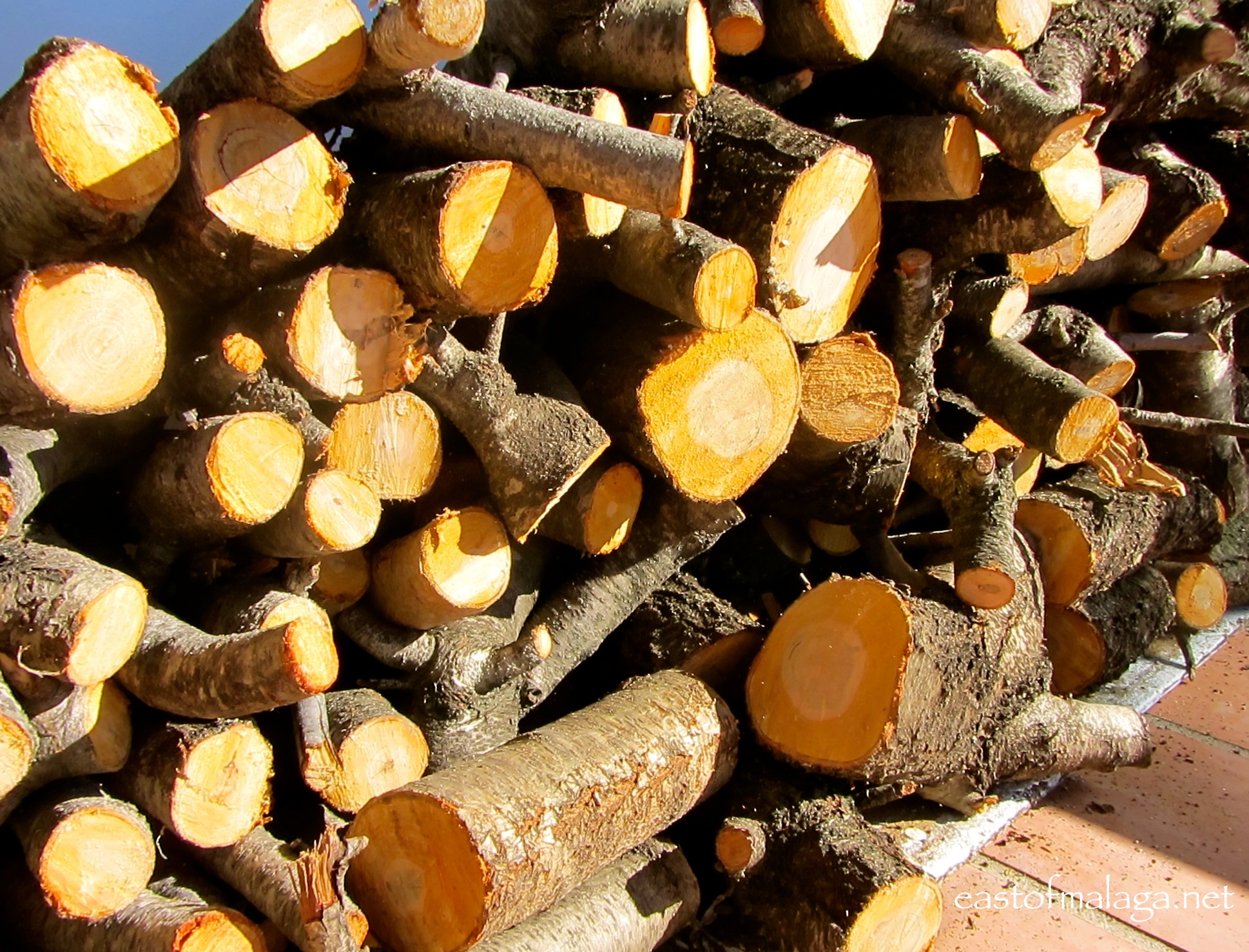
Stacking the almond logs

On another day, the branches need chopping into smaller logs to fit in the fireplace, before being stacked in a dry place.

Thus comes the second benefit of the log fire – and still without a match being lit.   (Well, my hubby certainly always leaves me in no doubt how warm he gets whilst sawing, chopping and stacking!)

Stacked logs

Later follows the third, warming benefit ….. and the bit I like best – the log fire!

Roaring log fire

See how much better warming value we get, rather than telephoning a local supplier for yet another load of logs to be delivered.

WHAT???

Do you have a log fire and do you get such good value from yours?


Other posts you might enjoy:

The Green, Green Vegetables of Home

East of Málaga: The Weather in Winter

Chickpea and chorizo soup with smoky paprika bread


Ski-ing in the Sierra Nevada mountains, Granada, Spain

Sierra Nevada, SpainImage credit: Javier Martin (Wikipaedia CC)

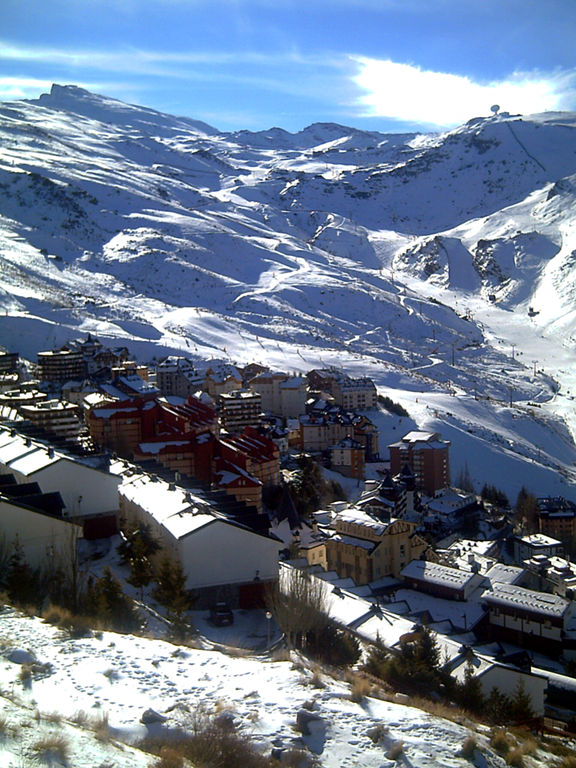
The 2013-2014 winter season opens tomorrow, November 23rd, at the Sierra Nevada Ski Station in the province of Granada, Spain.

The Sierra Nevada (snowy mountain) is Europe’s most southerly and sunniest ski resort with more than 80% of sunny days each year.   There are more than 104 kilometres of trails, 116 ski runs and 22 ski lifts to ensure you enjoy the biggest snow park in Spain!

The lower end of the resort village, Pradollano, lies 2100 metres above sea level with the top station at 3300m.

The Sierra Nevada Ski Station also boasts the greatest skiable vertical drop in Spain at 1200 metres.  

The resort is situated 27 kilometres from the city of Granada and, with ski-ing available from late November to early May, it’s possible to enjoy ski-ing and swimming in the Mediterranean Sea (only 100 kilometres away) on the same day.  

Now there’s a challenge for you!

Where’s your favourite ski resort?


Related articles:

Project Piste 2 Playa: Granada’s Ultimate Day-trip

Classic Andalucía: La Alhambra, Granada

The Alhambra Palace, Granada

Following in the footsteps around Comares

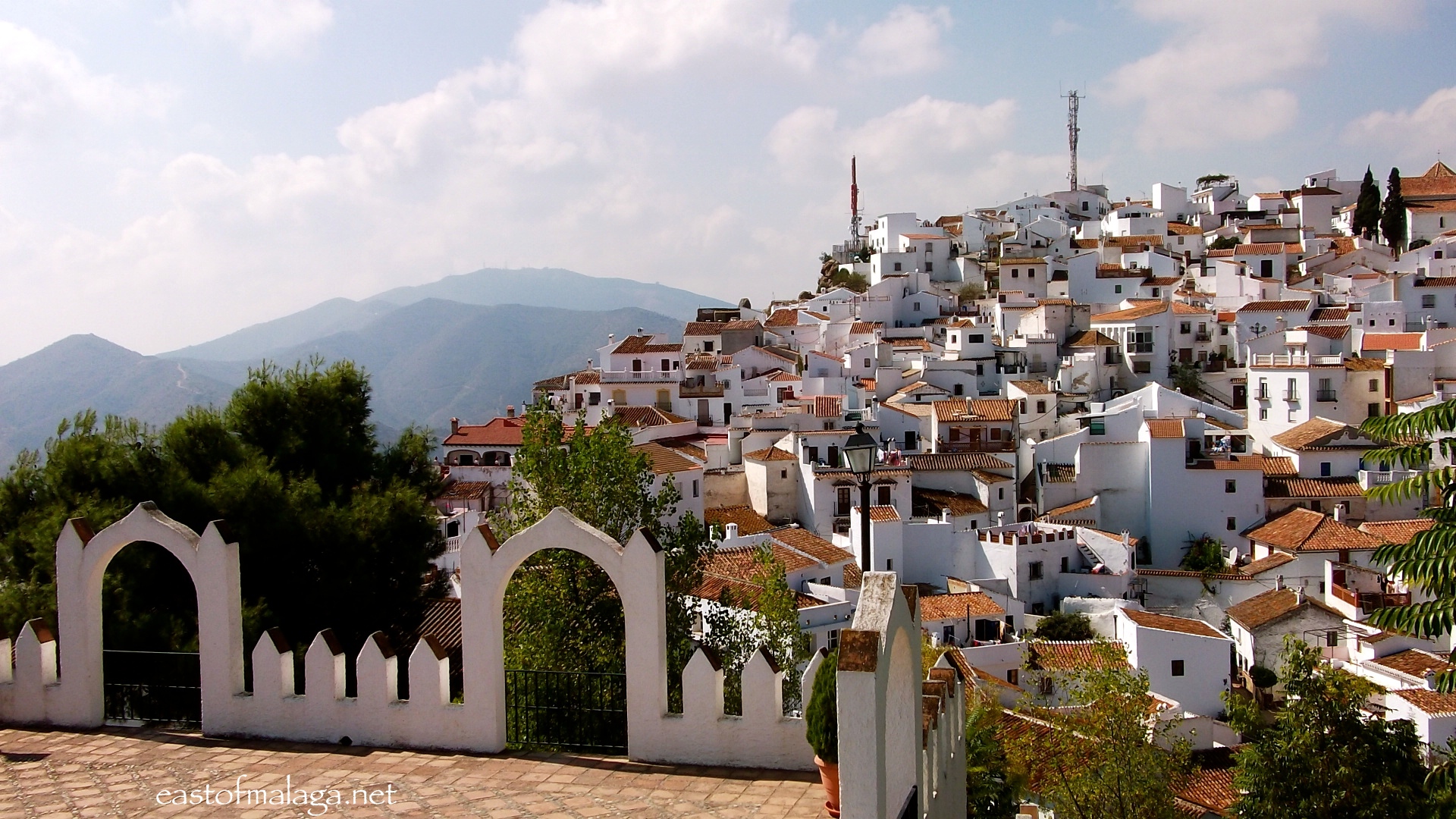
Comares perched on a hilltop, Spain

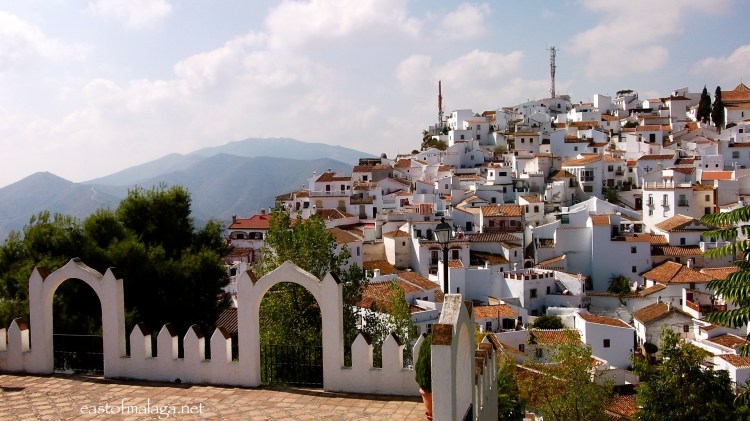
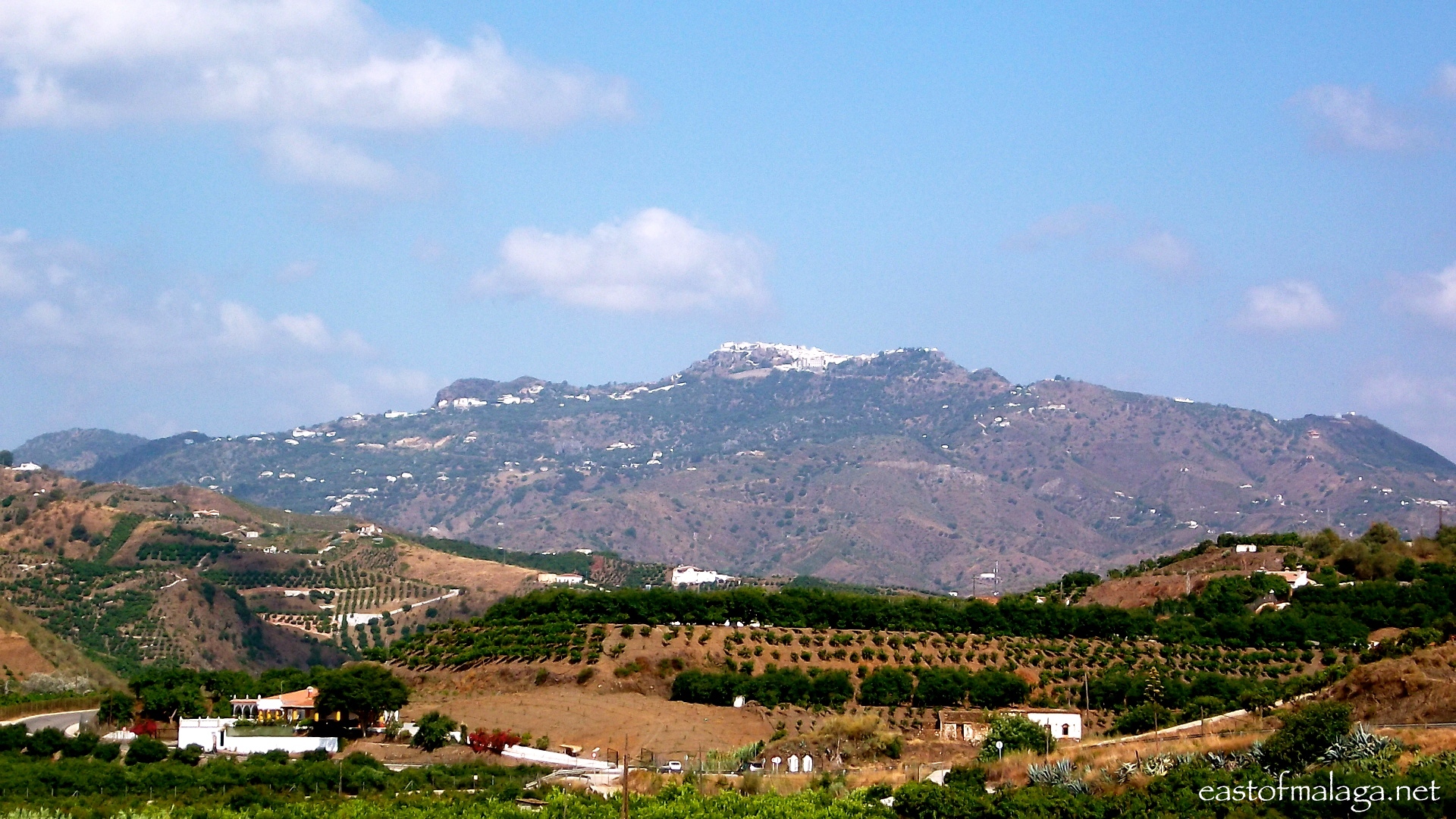
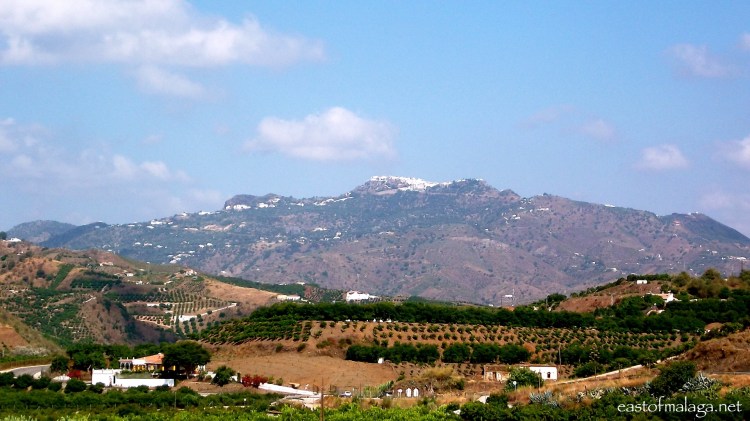
Being one of the highest white villages (pueblos blancos) in Andalucía at 739 metres above sea level,  the village of Comares can be seen for miles around, perched high on its cliff-top position, keeping a watchful eye over the surrounding countryside.
Welcome to Comares, Spain

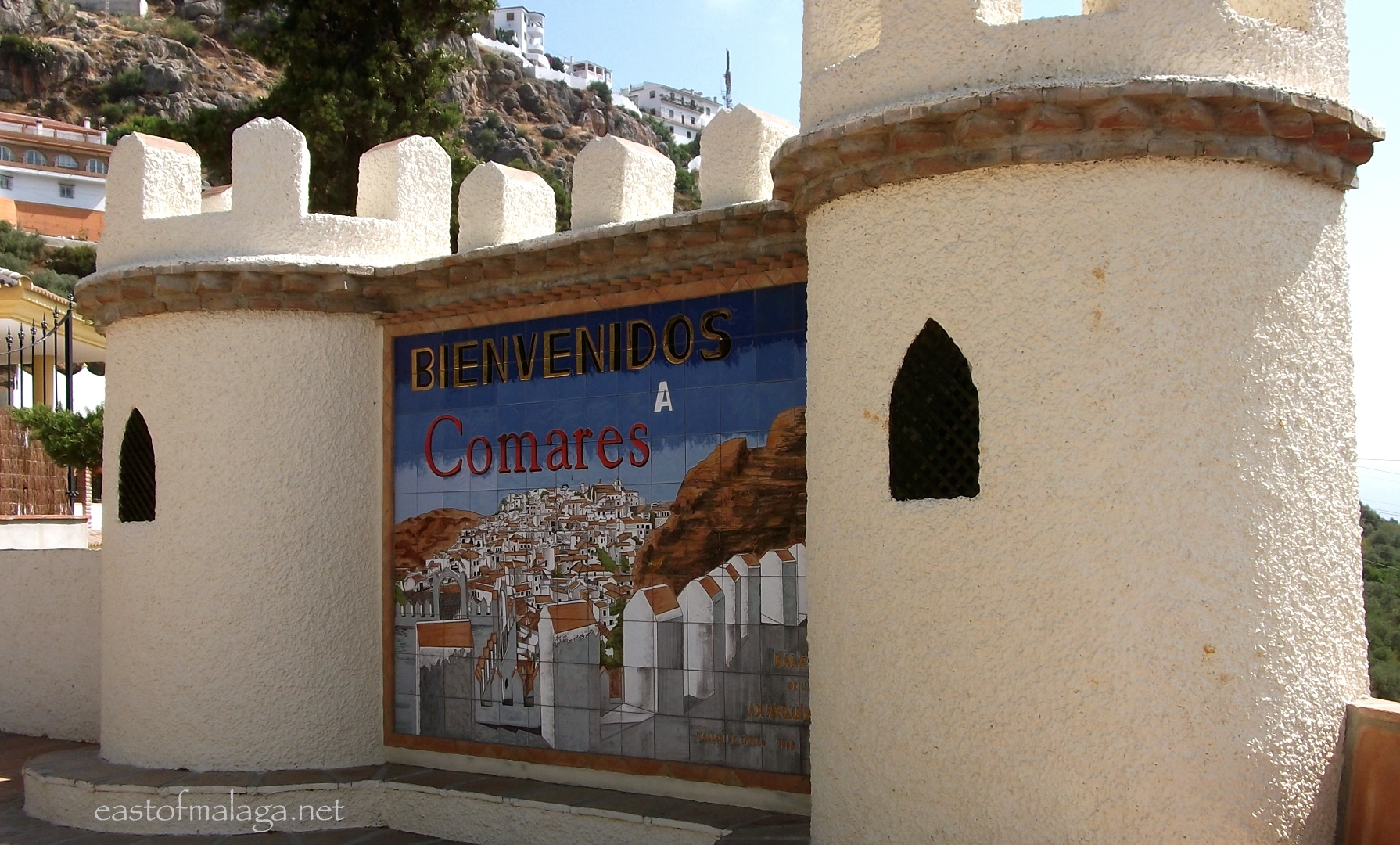
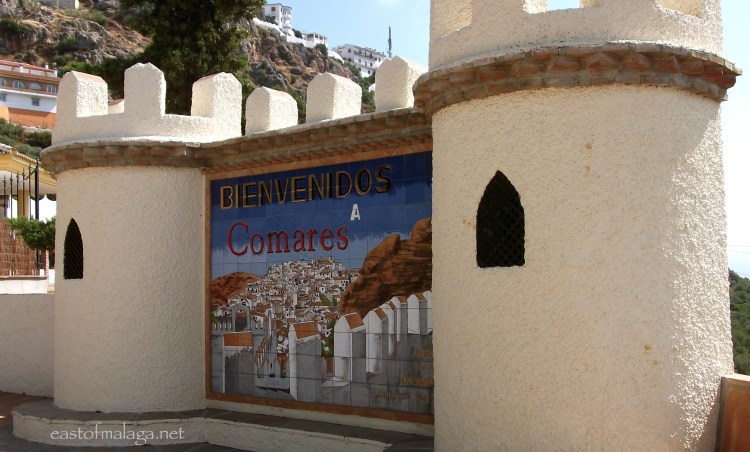
As you wind your way up the road towards Comares, the village keeps appearing and disappearing from view, tantalisingly getting closer and closer with every kilometre – until finally you reach the “Welcome to Comares” sign.

You’re almost there!

Once you reach the main square (Plaza del Balcón) you will see a series of beautiful tiled murals depicting the history of Comares and, it’s from here that you can follow a circular walk around the village marked by ceramic footsteps set into the stone paving.

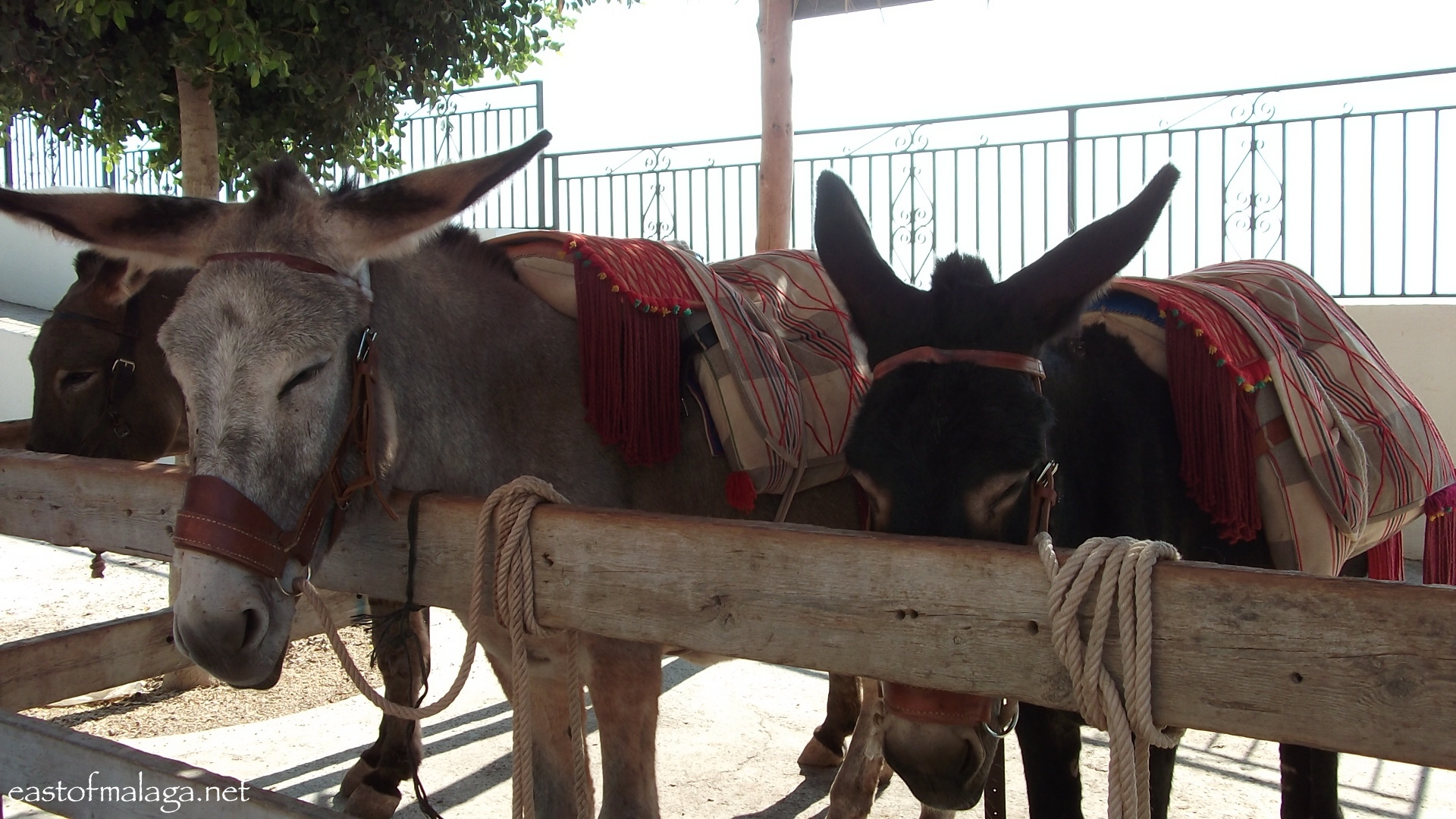
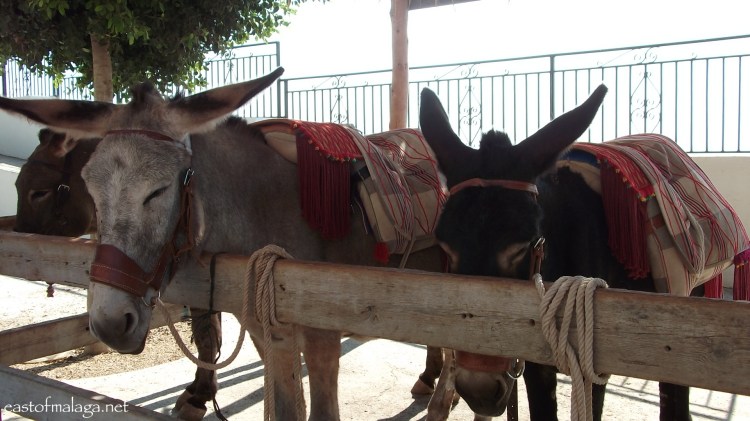
The footsteps lead to the main historic sites of Comares and to spectacular viewing points.  The walking route takes around an hour, and is steep in places but, if you don´t want to walk, you could always take a donkey taxi (burro taxi) ride around the village!
DSCF5948

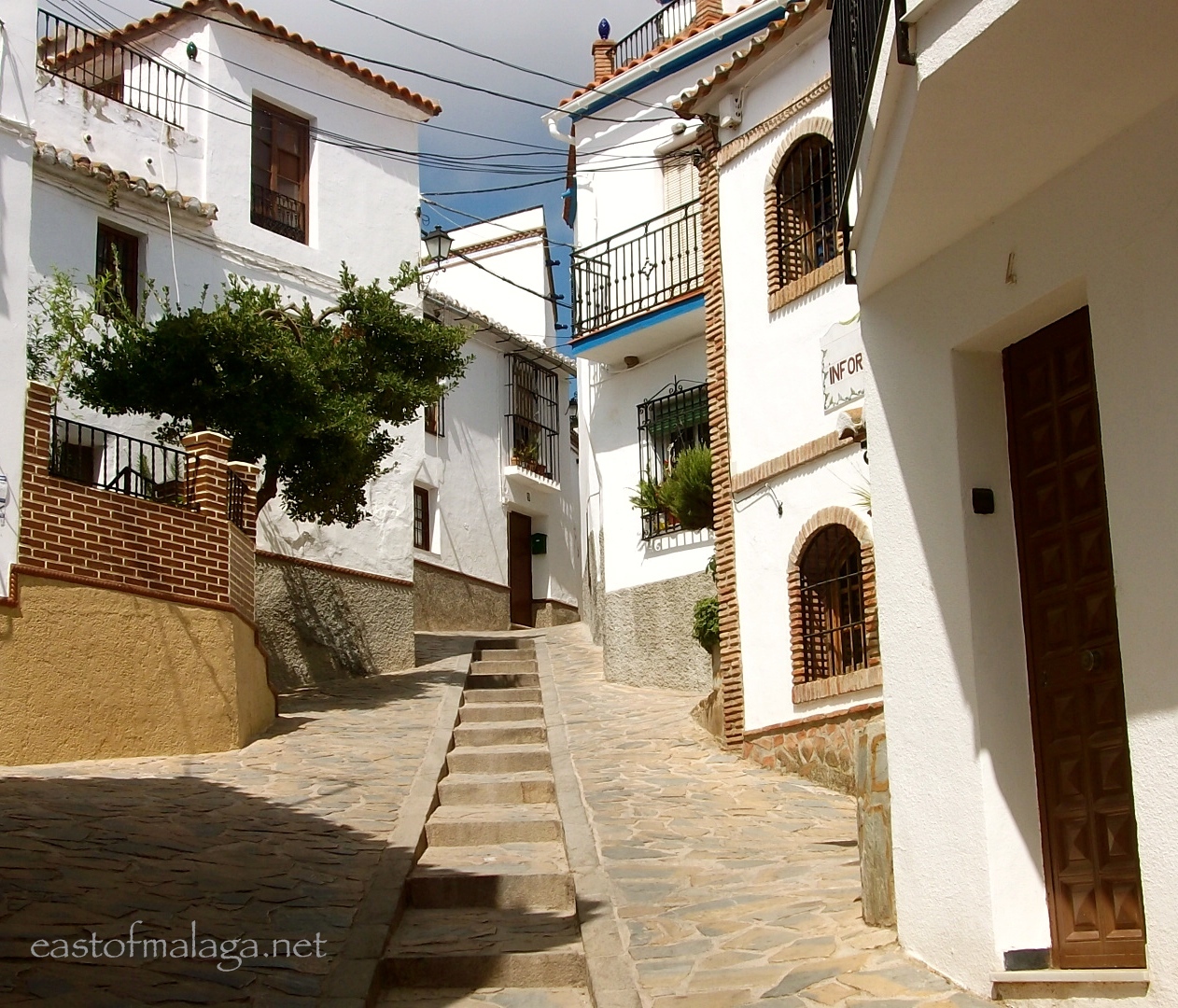
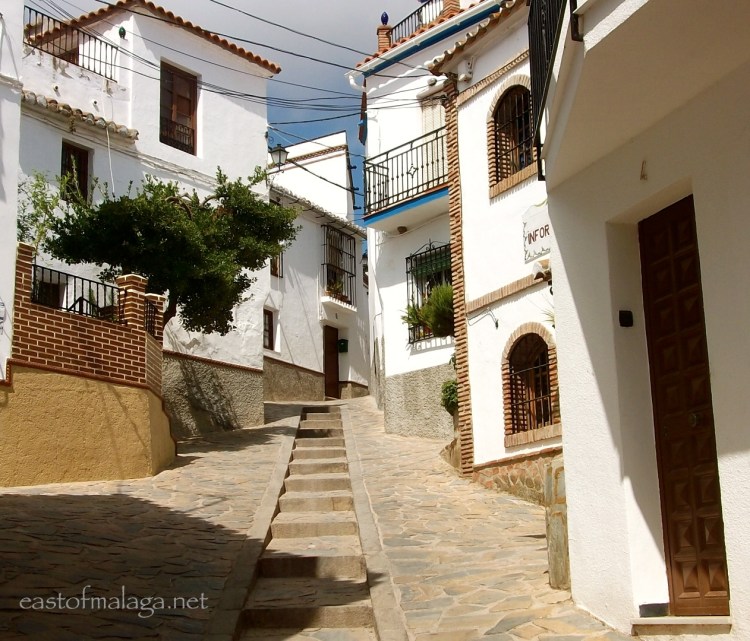
As you wander around the narrow streets you may find yourself invited into the home of one of the Spanish ladies who sell local produce such as wine, almonds, avocados, raisins, olives or honey.  Some of them are very persistent sales-women!
DSCF4773

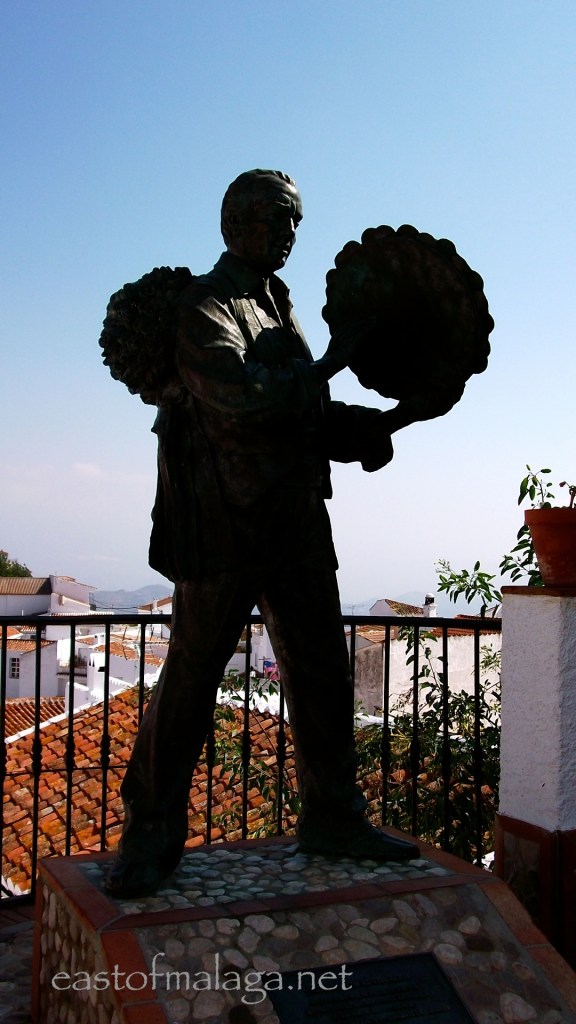
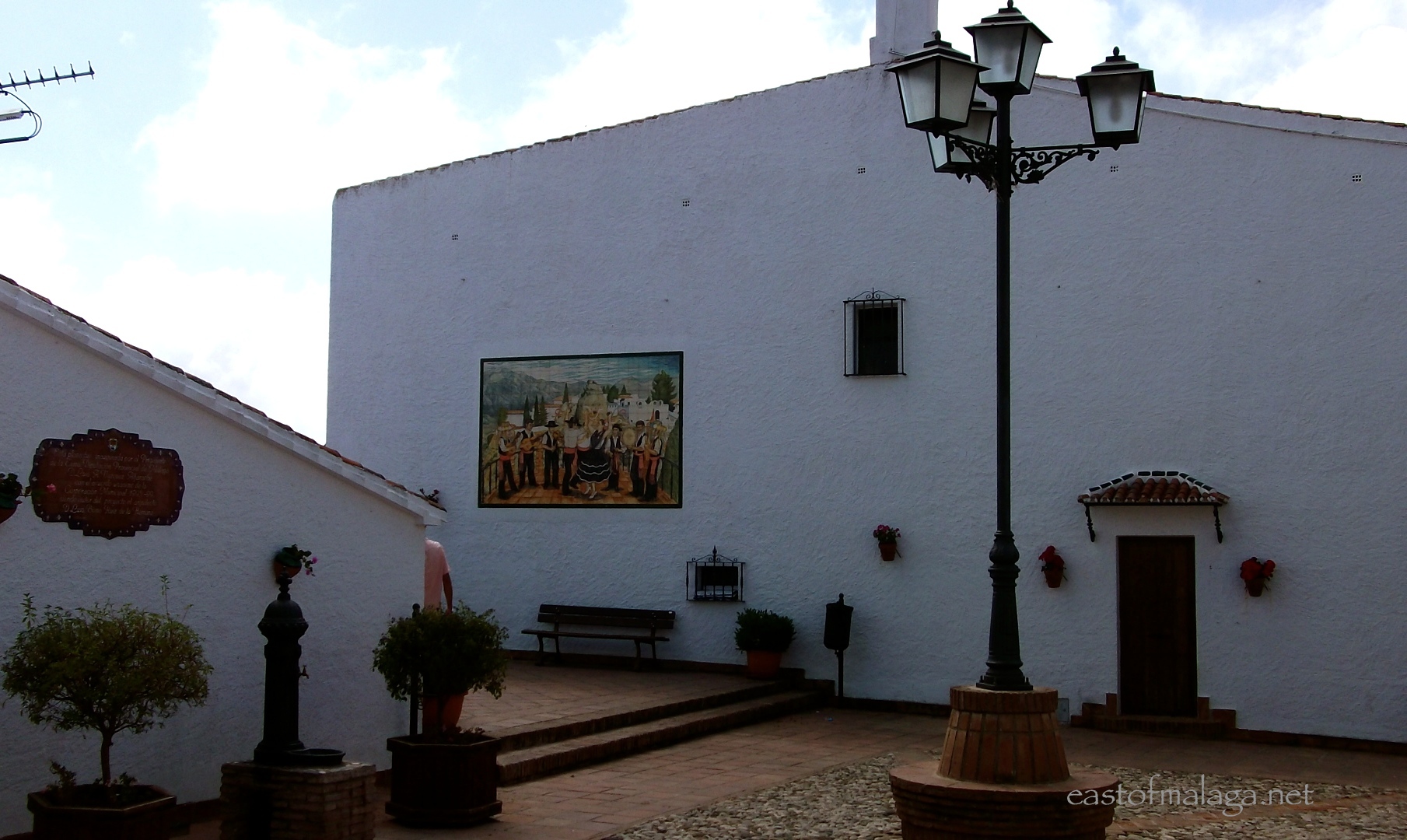
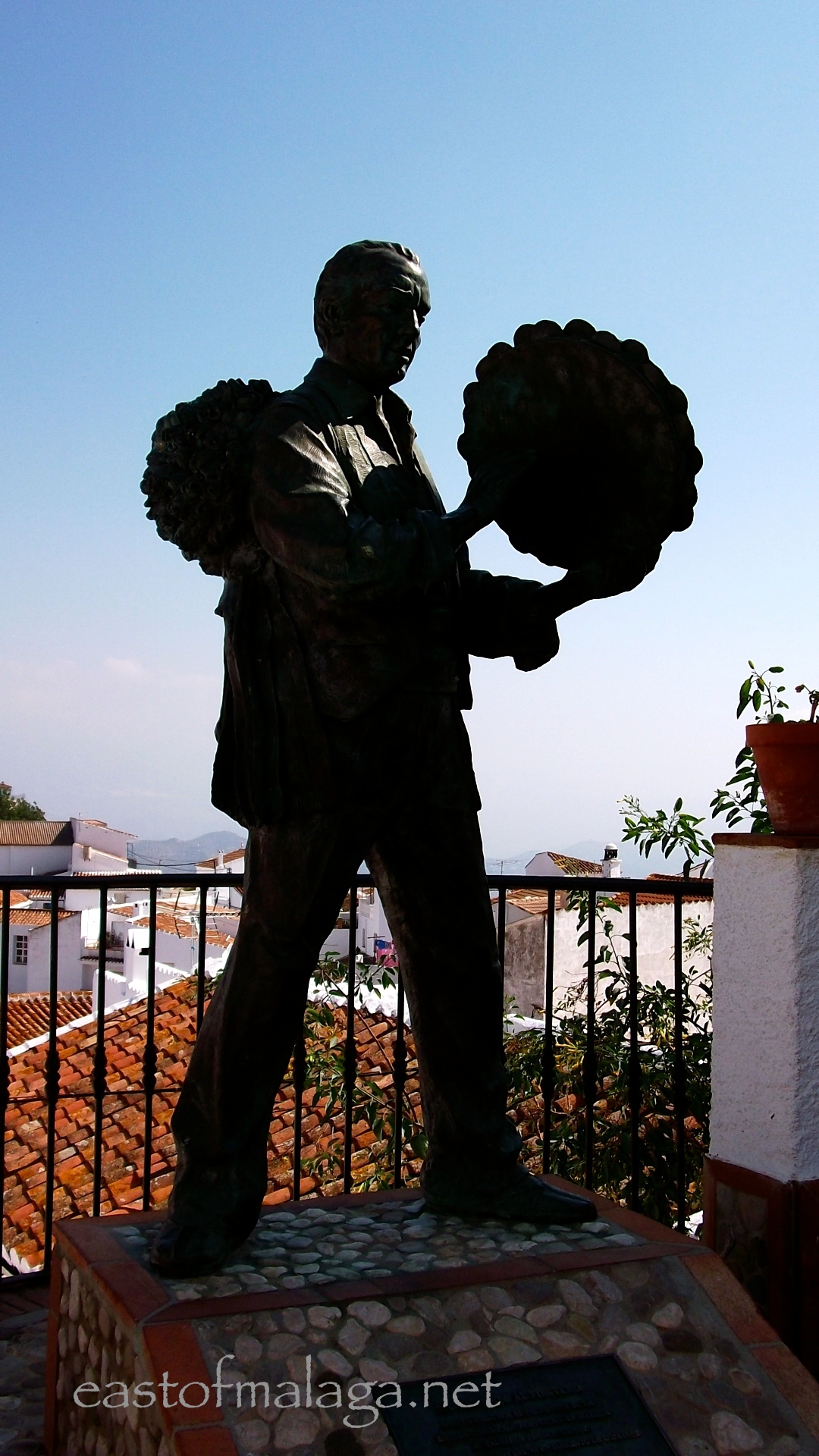
One of the interesting places the ceramic footprints lead you to is the Plaza de los Verdiales, where there is a beautiful tiled mural, plaque and statue to commemorate the Panda de Verdiales – a band of local men playing lively music.
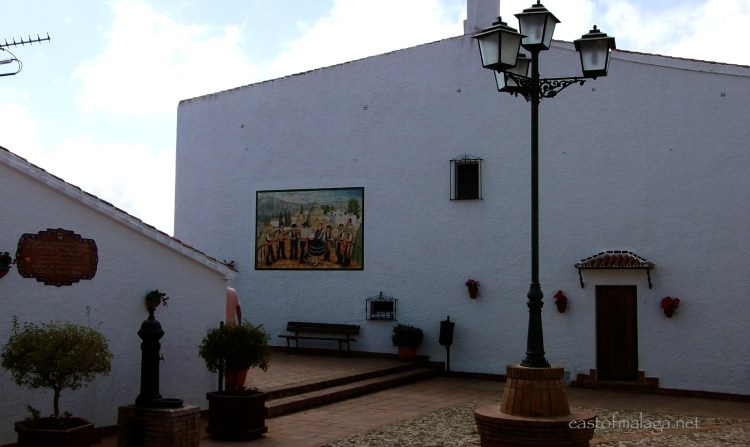
Plaza de los verdiales, Comares

DSCF5953

The village name Comares originates from the Arab word for castle – Qumarix.    The first fortress was built here by the Romans, but the history of the village is pre-Roman with the main traces of occupation being Arabic

When the Moors invaded Comares they made full use of its excellent location and developed the town into one of the areas principle defensive strongholds.
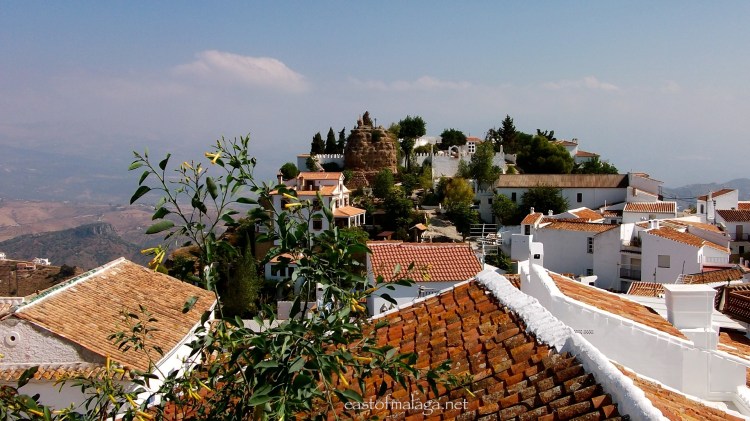
Looking towards Comares castle

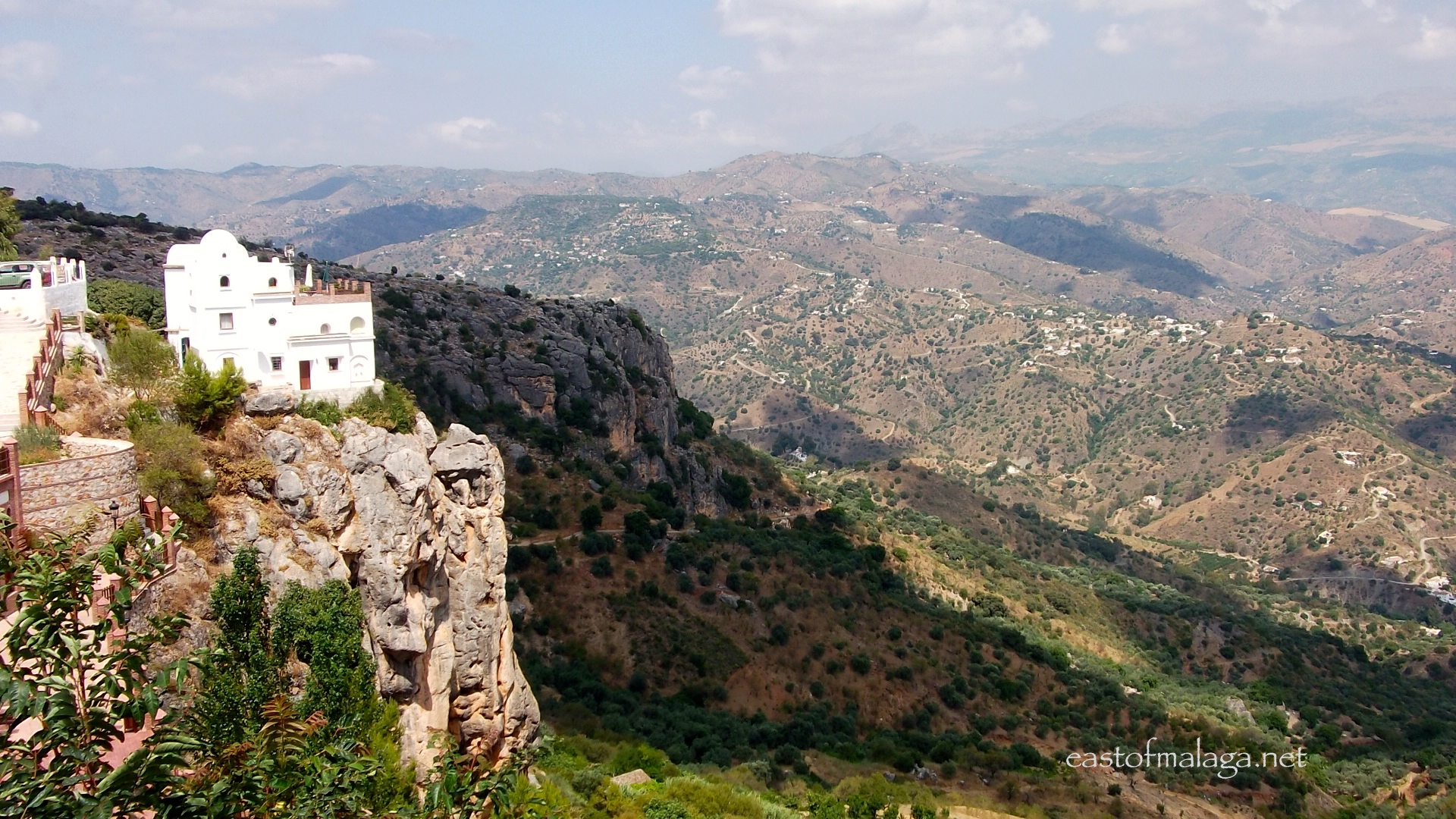
Comares is known with good cause as the “Balcony of La Axarquía”.
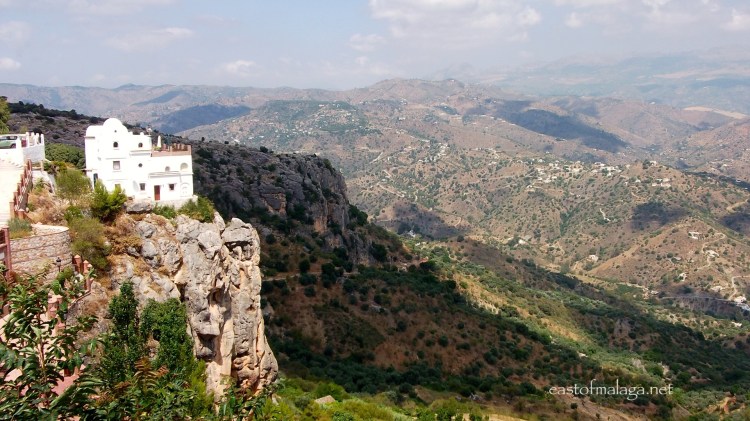
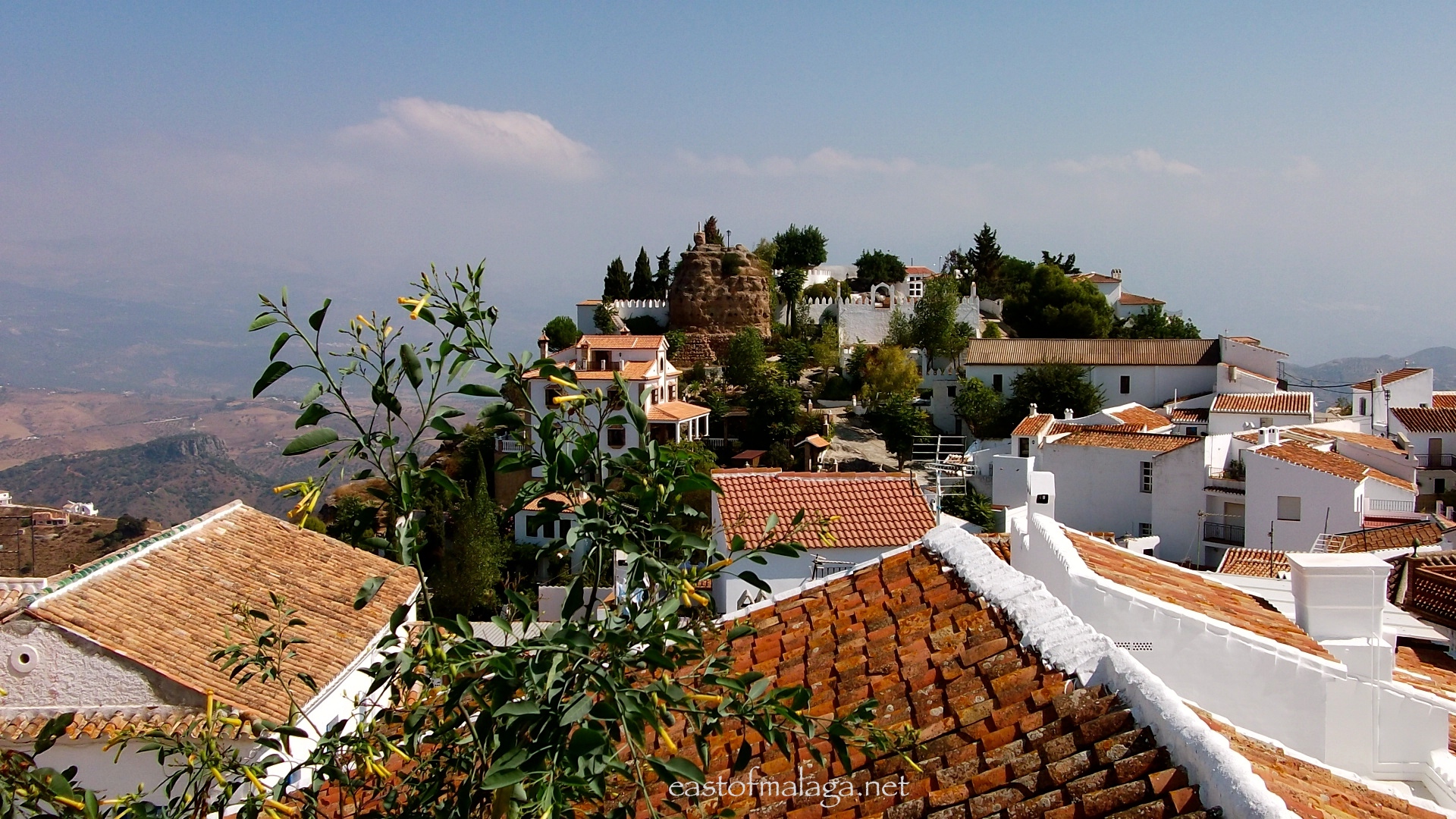
Stunning views from Comares

Views across the village of Comares from the castle

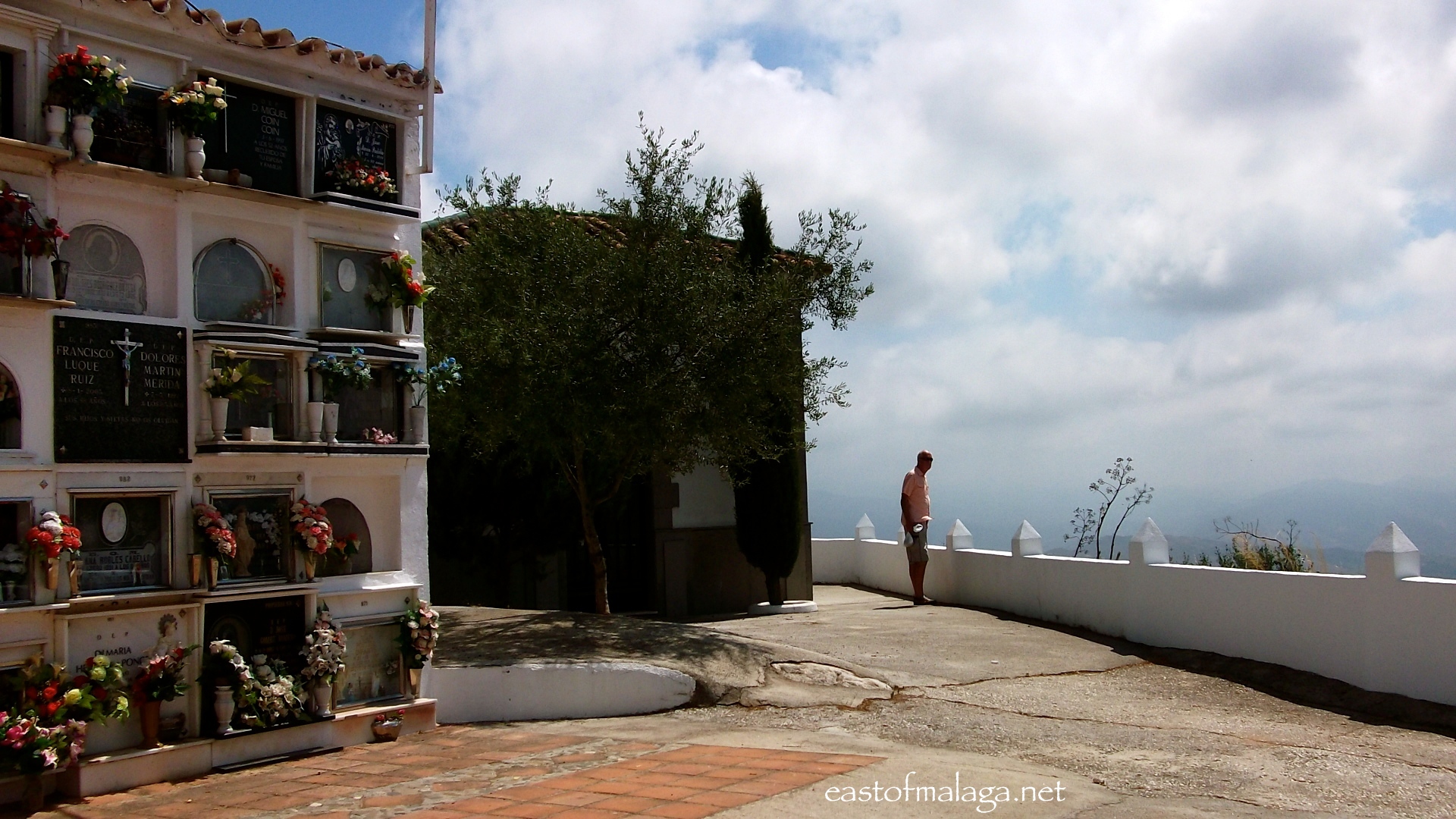
One of the highest points of the village is the cemetery (cementerio municipal), from where there are magnificent views over the surrounding countryside.  It´s well worth a look!
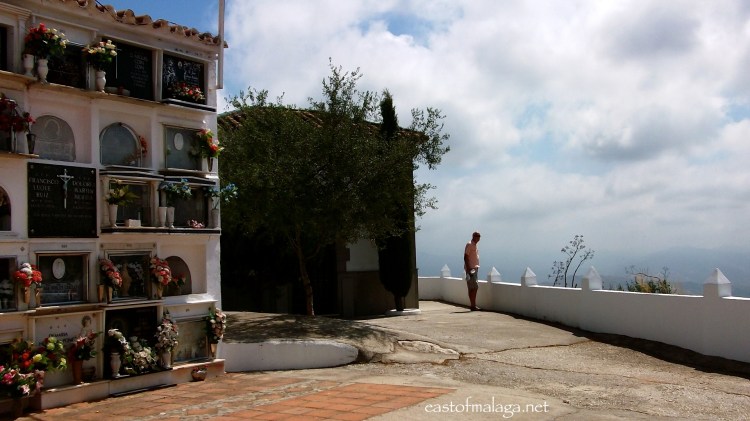
Comares cemetery with views

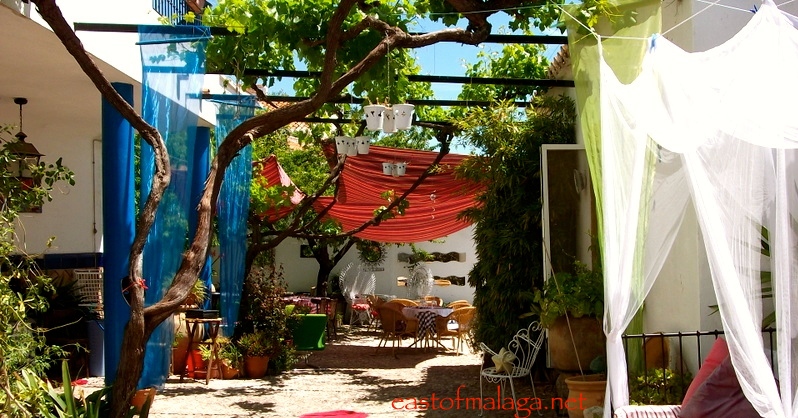
Finally, if the steep streets have taken their toll, you could always stop and have lunch or a cool drink in the beautiful courtyard of El Molino de los Abuelos in the main square.
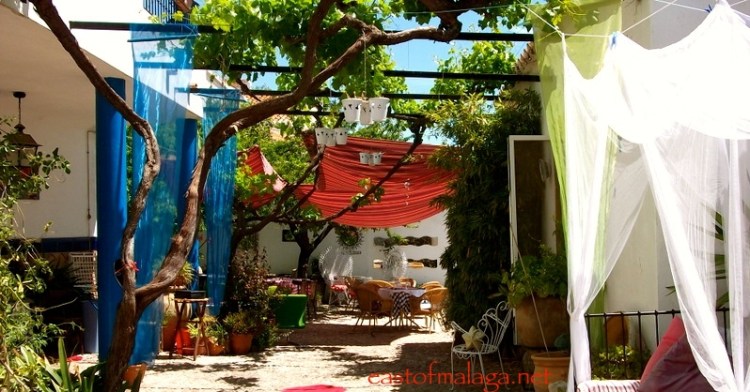
Courtyard of El Molino de los Abuelos, Comares

To really enjoy the views that Comares has to offer, make sure to go on a clear day.  Summer skies are often hazy, so an autumn or winter day is probably best for a visit – though if you´ve been to Comares once, you´ll want to go back again!

You can read more about the village of Comares, HERE.

How to get there:

Follow the A7/E15 autovía, east of Málaga, to km 272 and take the exit signposted for the A356 towards Vélez-Málaga.  Stay on the A356, bypassing the town and, after a few kilometres, turn left at the junction signed towards El Trapiche.  You’ll see the first sign-post for Comares as you approach that turn off – then just follow the signs – though, be warned, there aren´t many!

http://www.youtube.com/watch?v=J6xFMlMxTXo


Other articles you might enjoy:

Apocalyptic skies over southern Spain

Málaga’s Urban Street Art

Fresh Figs Stuffed with Goat´s Cheese and wrapped in Smoked Bacon