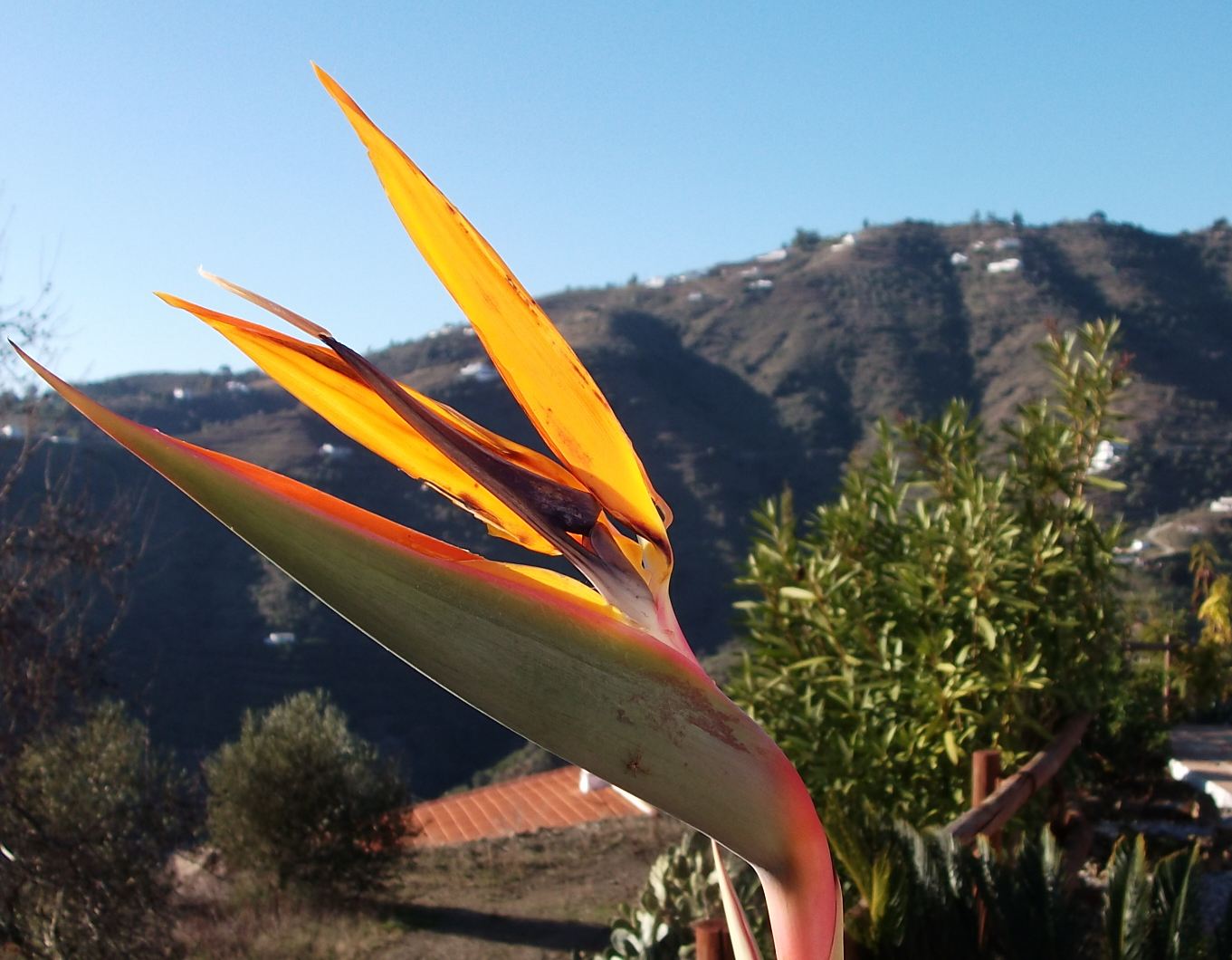
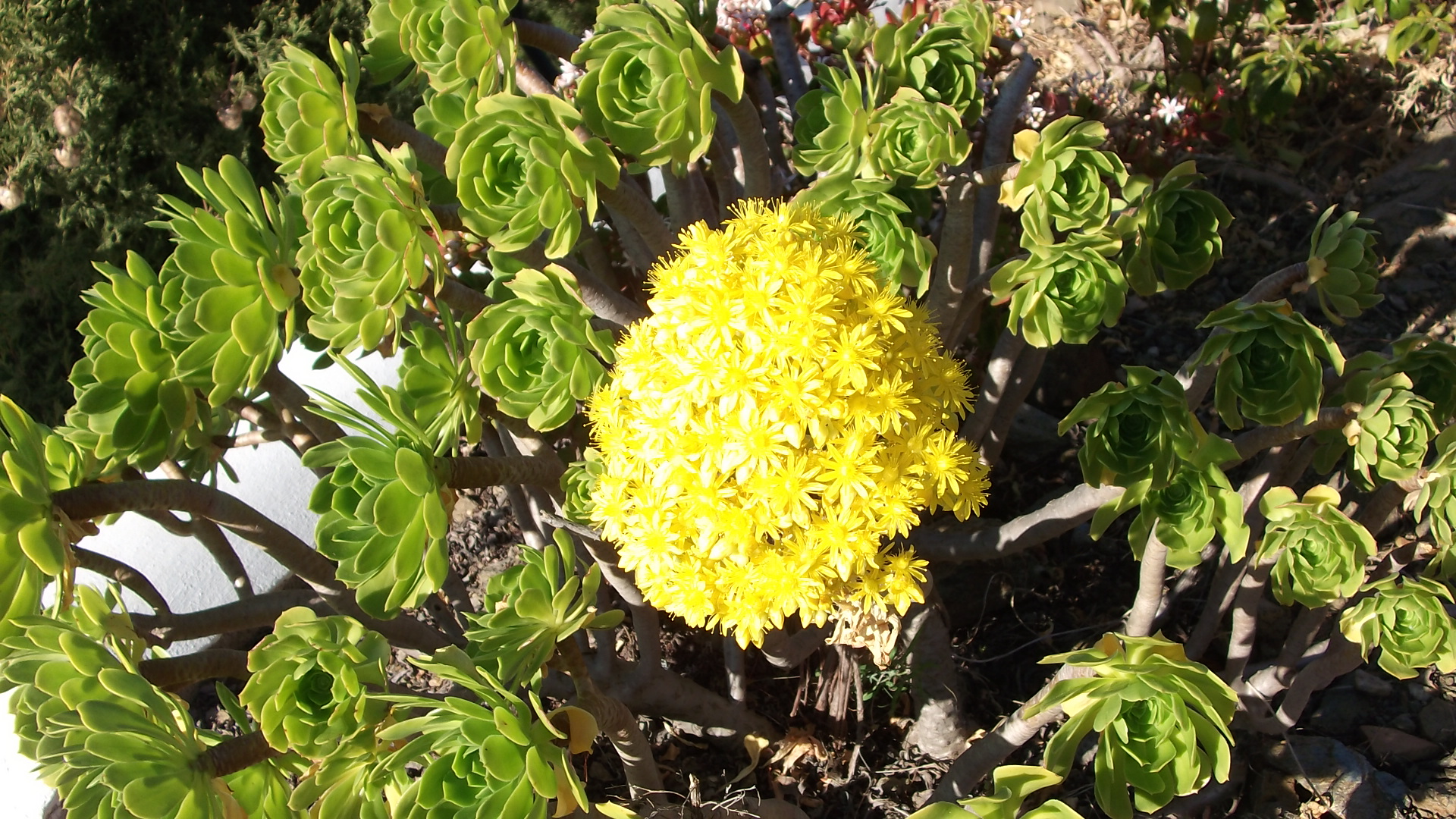
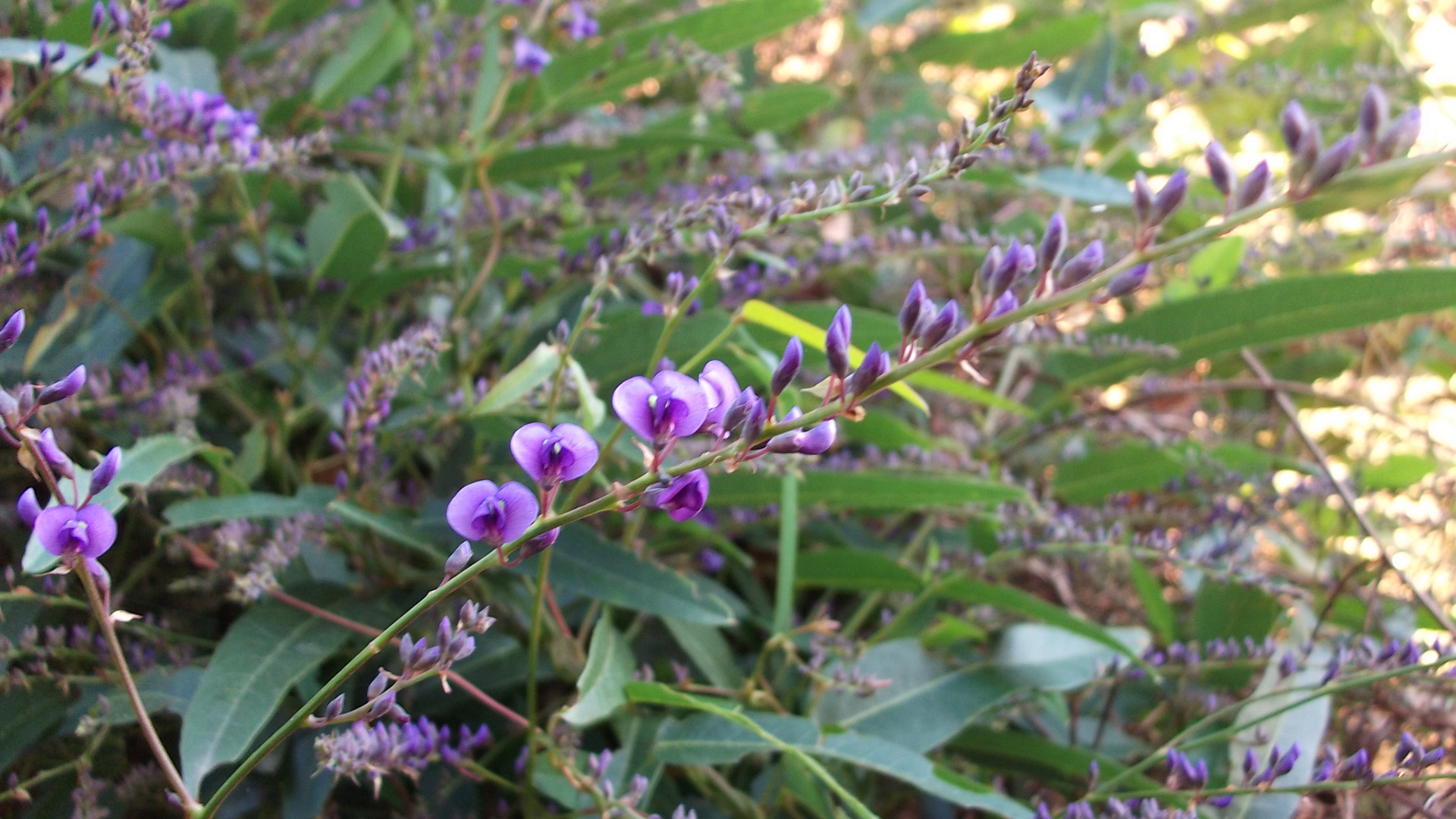
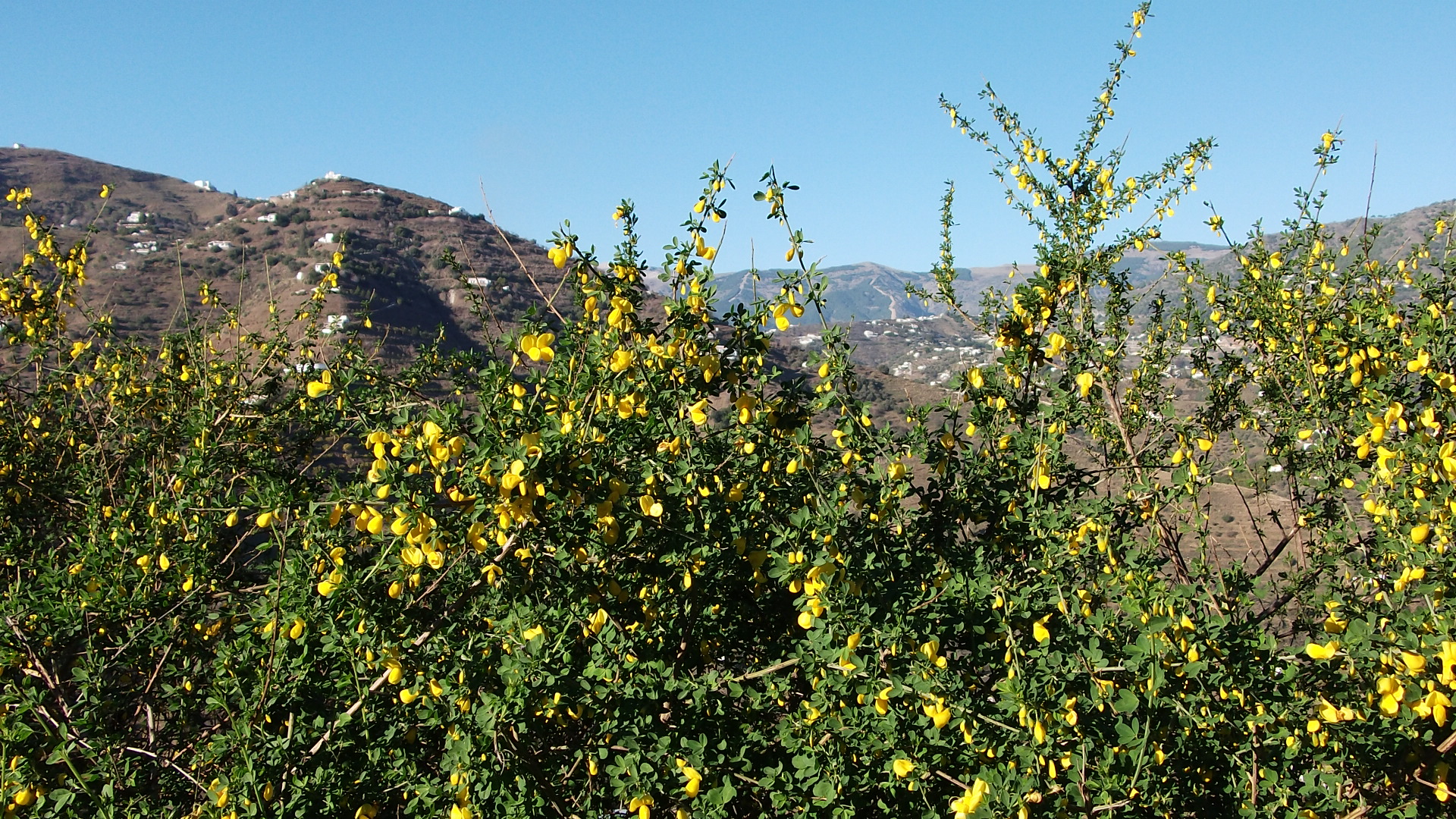
A flavour of the delights of a day in January – garden style!




You might also enjoy:
A flavour of the delights of a day in January – garden style!
You might also enjoy:
Everyone these days knows the benefits of a Mediterranean diet. Spain is the largest producer of what is considered the healthiest type of oil in the world, with 80% of the olive crop farmed in Andalucía.
Over recent years, many nearby fincas have been left untended, but this year instead of their olive, almond and fig crops being left to wither on the trees, more people are working the land. In these times of high unemployment, many local families are re-evaluating the value of their plots of land in the countryside, cultivating and collecting their oranges, lemons, avocados and, of course, olives.
Living in the countryside, it´s unusual for us to hear voices nearby when we have the windows open, or if we are out in the garden, but over the past couple of weeks, the warm autumn sunshine has brought out families and friends to help with the olive harvest.
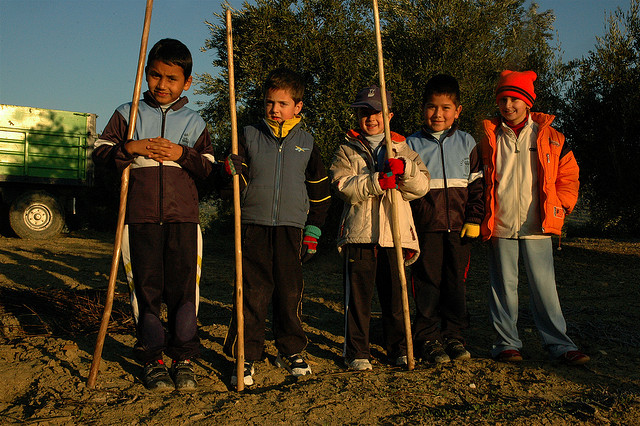
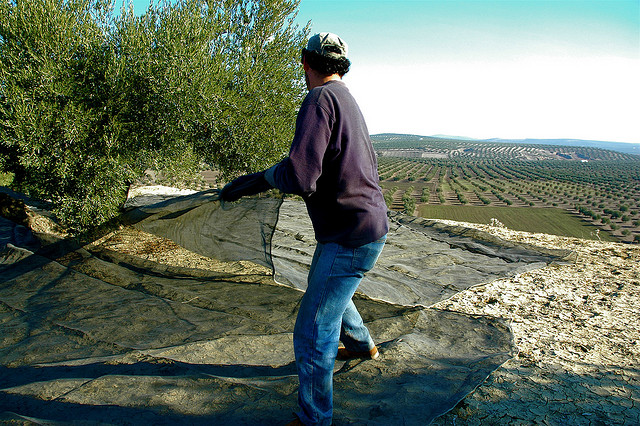
There are no mechanical devices here to help with picking, due to the steep terraces. Large nets are laid out around the base of the trees to collect the ripe olives – and then comes the hard work – whacking the trees with long sticks.
Of course, there is much chatter, laughter, picnics and cold beers. A couple of years ago we helped some English friends to harvest their olives, along with a neighbouring Spanish family. Even though at the time they couldn´t speak any English and our Spanish was limited, we still enjoyed many hours of laughter and conversation together. Oh, and did I mention the picnics and cold beers?
[Photo credits: (cc) hummanna]
You might also be interested in:
Spanish football: Estadio La Roselada, home of Málaga CF
The heart of Cómpeta: El Paseo de las Tradiciones
Customs and celebrations to honour the end of the harvest, the change of the seasons and the passage of life into death come together in many traditions celebrated at this time of the year.

The festival of Todos los Santos, sometimes shortened to Tosantos (All Saints´ day) is celebrated throughout Spain as a national holiday on November 1st each year.
Although the American-style “ghosts and ghouls” type of Halloween is now beginning to creep into the Spanish calendar each year, traditionally this time is celebrated here in a different form, as “El Día de los Muertos” or the “Day of the Dead” . The three-day event, beginning on the night of October 31 and ending on November 2 (All Souls´ day) sees cemeteries packed with families paying homage to their dead. Family members tend the gravestones of their loved ones by weeding and cleaning them and by placing fresh flowers and candles.
We visited our local cemetery this morning and apart from the sheer number of people, the first thing that stuck me was the overwhelming fragrance of fresh flowers. Families of all ages were arriving carrying vases, buckets, bottles of water, cleaning items, candles and armsful of flowers. The atmosphere was not solemn and the sound of chatter was everywhere, with people greeting each other with kisses and hugs. Each member of the family played their part in the cleaning and tending of the grave and, when they were finally satisfied, they wandered around the cemetery before leaving.


What I particularly like about this lovely Spanish tradition is that all of the frightening aspects of the afterlife are taken out of it. This is a commemoration for loved ones with nothing ghoulish or scary involved.
Our first autumn rains fell last week and came as a welcome relief for the parched earth. Although we have had a few rainy days, we have also been rewarded with lots of sunshine too, reminding us what a wonderful time of year this is.
 [Image courtesy of Salobreña]
The cooler night-time temperatures, along with several days of intermittent rain were just the catalyst required to bring the first snowfall on the Sierra Nevada mountains, to the east of the Axarquía region.
Axarquía´s highest mountain, Maroma, still remains snow-free, as the Sierra Nevada mountains are over one thousand metres higher.
You might also enjoy:

Towards the end of August we usually start to look forward to some relief from the long hot summer. This year, we were hoping that the autumn thunderstorms would arrive on time to bring some relief for the parched ground. The normal pattern would be that these first autumn rains arrive anywhere from mid September to early October. This year has proved to be an exception, as by mid October, we still await a break in the weather.
Typically the warm sun continues towards Christmas-time with a few rainy periods in between. The autumn and early winter sun can be surprisingly warm, but this year has proved warmer and drier than normal, with virtually unbroken sunshine and temperatures between 24-28C, which would make a beautiful midsummer day in northern Europe. A by-product of this has been brilliant clear blue skies.

What is certain is that, together with May and June, the climate here during September and October can be the most pleasant of the year. Visitors from the north would still be wise to take similar precautions against the sun as in summer, but the nights are more comfortable to sleep with overnight temperatures in the range 15c to 18c compared with the low to middle twenties Celsius during July and August.
All in all, it is a wonderful time of year to visit our area to the East of Málaga.
You might also enjoy:
East of Malaga: The Weather in Summer


 East of Málaga
