
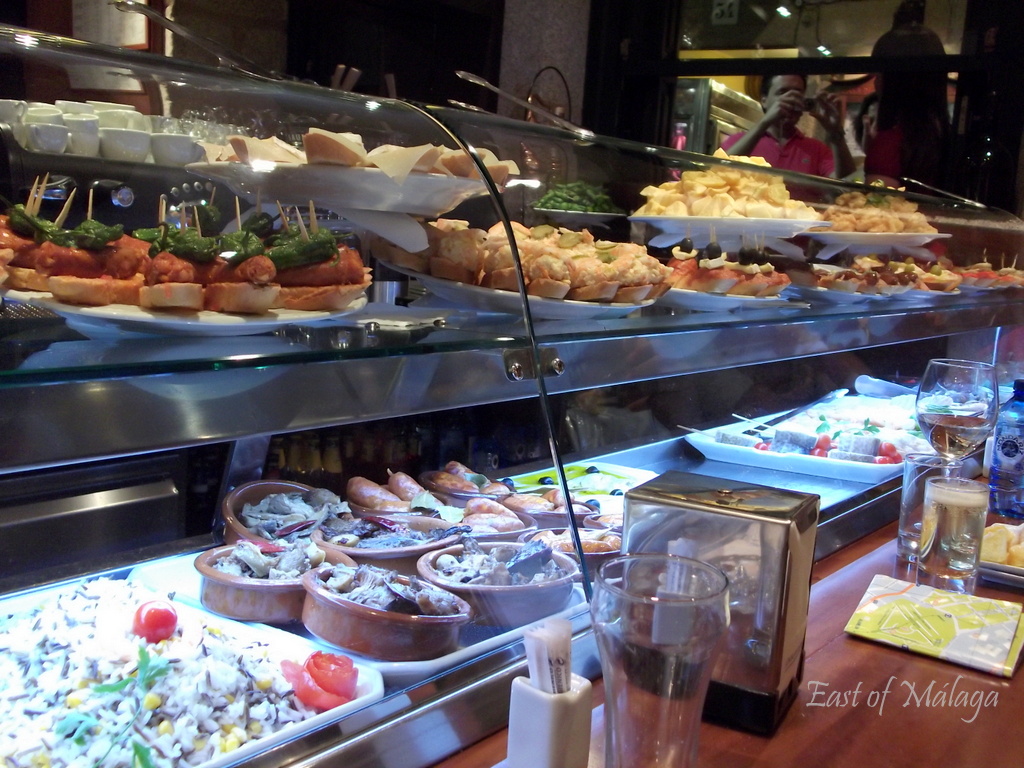
A bar here in southern Spain is very different from a typical British pub. Although layouts may vary, what you will usually find will be a bar counter, with tall seats around, often with a covered tapas display. This will likely be in two parts, one containing meats and tortillas ready to be heated up and served with your drink, the other with cold tapas and salads. Many bars still serve tapas at an inclusive price with the drink, whilst others serve rather more elaborate nibbles which are charged for individually.
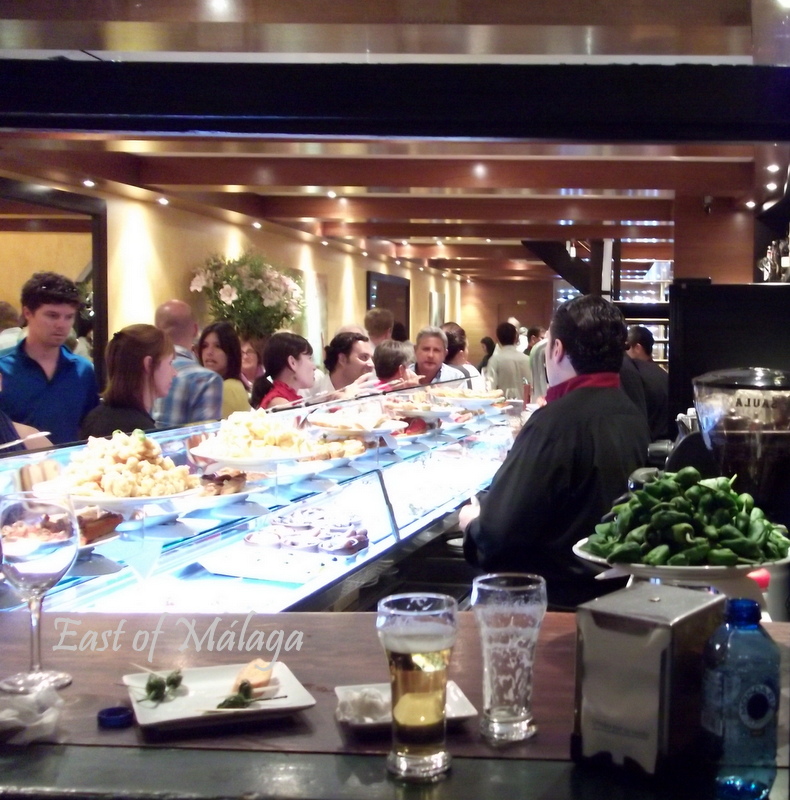
One of the main differences with a British pub will be the size of drink. Normally if you ask for a beer (una cerveza) it will be in a smaller glass, either a “tubo” which is a tall tumbler or in a glass not dissimilar to a large wine glass. The only time you will see anyone with a “pint” glass, they will usually be a tourist on the coast. You will be just as likely to see people at the bar drinking coffee (un café) or a glass of wine (una copa de vino).
Tables away from the bar counter, either inside or outside, are typical café tables with upright chairs, not lounge-type tables and chairs like in British pubs .
There is usually a large display of spirit bottles behind the bar and invariably a leg of Serrano ham on a carving frame. You should try this typical Spanish delicacy – it´s delicious!
Almost everywhere, customers take all their food and drink and only pay when they are ready to leave. In busy big city bars, the tapas, usually more sophisticated, will each come with a small wooden skewer and, when you have finished, the barman will count the skewers and charge accordingly.
I would recommend you to visit as many bars and cafeterías as possible, especially away from the tourist haunts. Look for places full of Spaniards and litter, in the form of till receipts, on the floor signifying that you have found a good spot.
Some bars, especially on the coast, offer more seafood, but try different ones and you will inevitably find a handful that will become part of your regular tapas trail.
Where´s your favourite Spanish bar?
If you like this article….try also looking here:
The heart of Cómpeta: El Paseo de las Tradiciones
Photographs I love …. and why!
A flowering snapshot of a January day
Last month, new speed limits were introduced on roads throughout Spain in an attempt to cut fuel consumption after oil prices soared following unrest in the Middle East. The maximum speed on motorways is now 110 kilometres (68 miles) per hour instead of 120 kph, with this restriction likely to remain in place until at least the end of June 2011.
However, many Spaniards believe the change is a ruse to raise funds through more speeding fines.
Talking of which, hundreds of drivers were caught during the first operational month of the “average speed” radar system installed in the tunnel on the A7 between Torrox and Nerja.
Cameras photograph all vehicles´ number plates when entering and exiting the tunnel and, if the average speed of the vehicle over the one kilometre distance is calculated to have exceeded 100kph, a fine of up to €600 is issued. Offenders will also be given six points on their driving licences.
At the present time, the radar speed trap is only operating in the eastbound (Torrox to Nerja) tunnel. There are no cameras in the westbound tunnel.
You have been warned!
After a one-day amnesty granted for New Year’s Day, Spain will introduce tough anti-smoking legislation ( Ley 28/2005), finally bringing the country into line with other European countries.
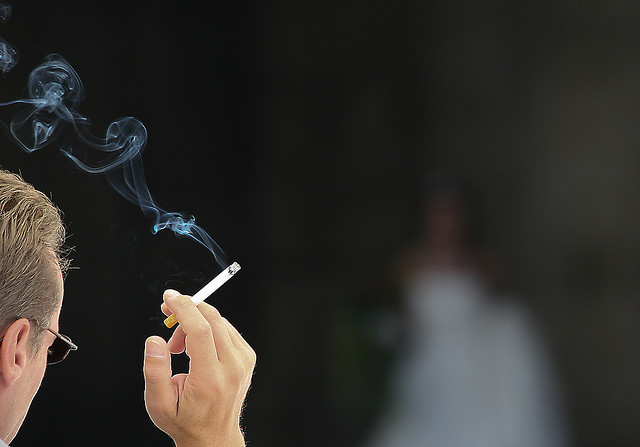 [Image credit: (cc) Raul Leiberwirth]
There has been some restriction on smoking in Spain for the past five years but the impact was barely noticeable. Smoking was banned in the workplace, on public transport and in shops. Restaurants and bars over 100 square metres were allowed to retain smoking on the premises in certain areas as long as they had specially sealed, ventilated areas for smokers. Owners of smaller establishments were permitted to opt in or out as they wished. Most, faced with a drop in business, naturally chose to permit their customers to continue lighting up.
The new laws will ban smoking in bars, restaurants, casinos, nightclubs and public transport facilities including airports.
Perhaps surprisingly, the Spanish government has opted for even stricter legislation in some areas than the rest of the European Union, banning smoking outside schools and hospitals, as well as in children’s outdoor playgrounds.
Some exceptions are permitted including hotels, who are allowed to set aside up to 30% of their rooms for smokers. Also, smoking can continue in mental hospitals, prisons, old people’s homes and rehabilitation centres for disabled people provided that special zones are created for smokers outside of the buildings, or special rooms are made available inside which must be clearly signed and independently ventilated.
Will you be breathing a sigh of relief at Spain’s smoking ban or will you change your plans to visit as a result?



 East of Málaga


