The Festival of Virgen del Carmen

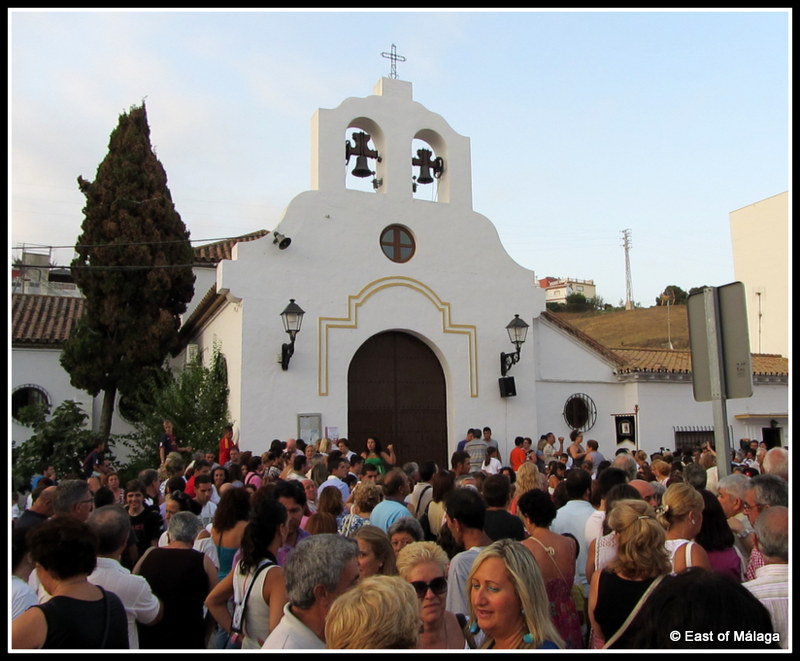
Crowd outside the church waiting for the doors to open

In a festival that dates back several hundred years, many coastal towns and fishing villages in Spain celebrate the Fiesta del Día de Virgen del Carmen as the protector of mariners and fishermen.

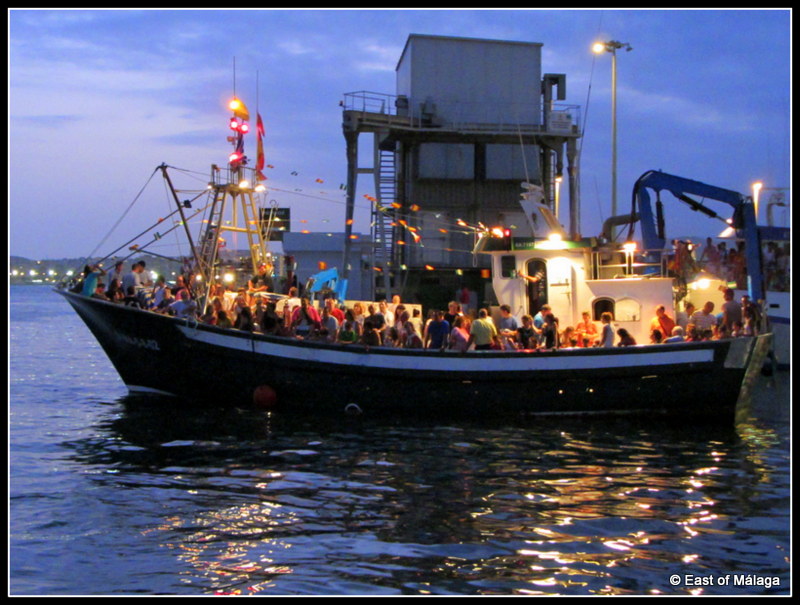
Every year around 16th July, spectacular maritime processions of decorated fishing boats known as jabegas head out to sea carrying their precious cargo – an effigy of the Virgen del Carmen, to bless their fishing grounds.

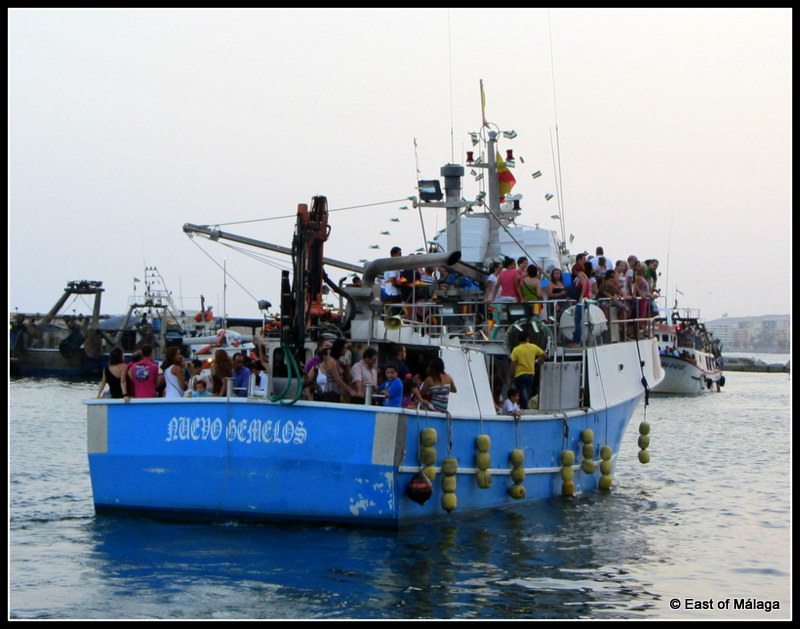
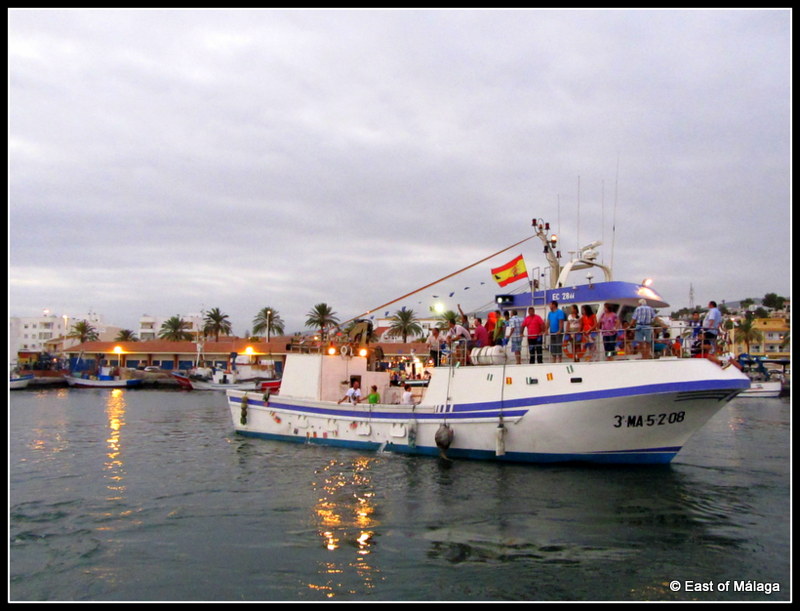
The vessels, many decorated with brightly coloured flags and bunting, each crowded with people, gather under the late dusk sky patiently waiting for the official party of sailors, fishermen, clergy and authorities to bring the Statue of the Virgin on board the boat that will lead the procession.

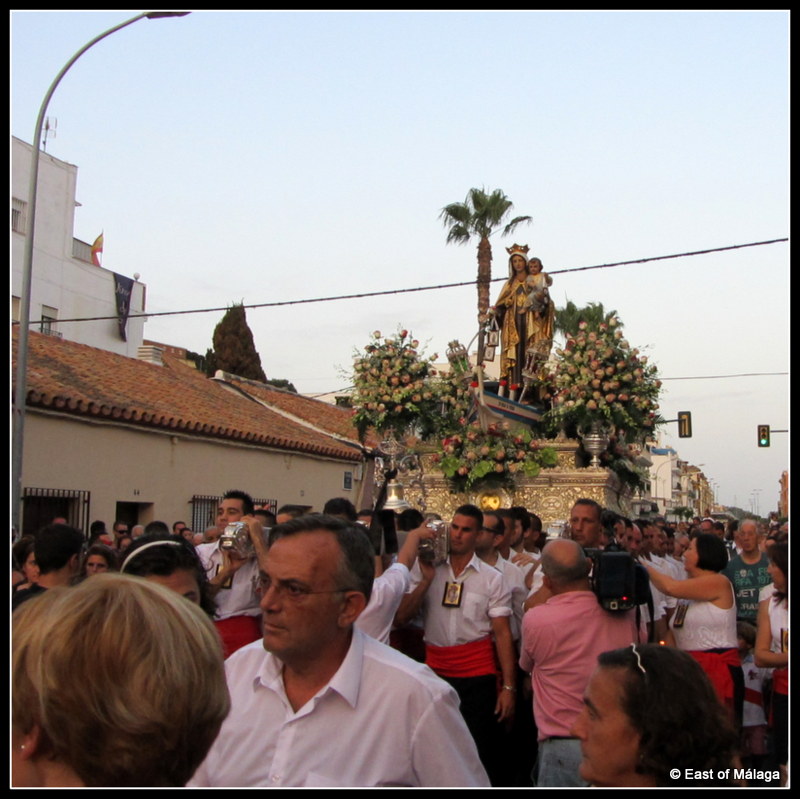
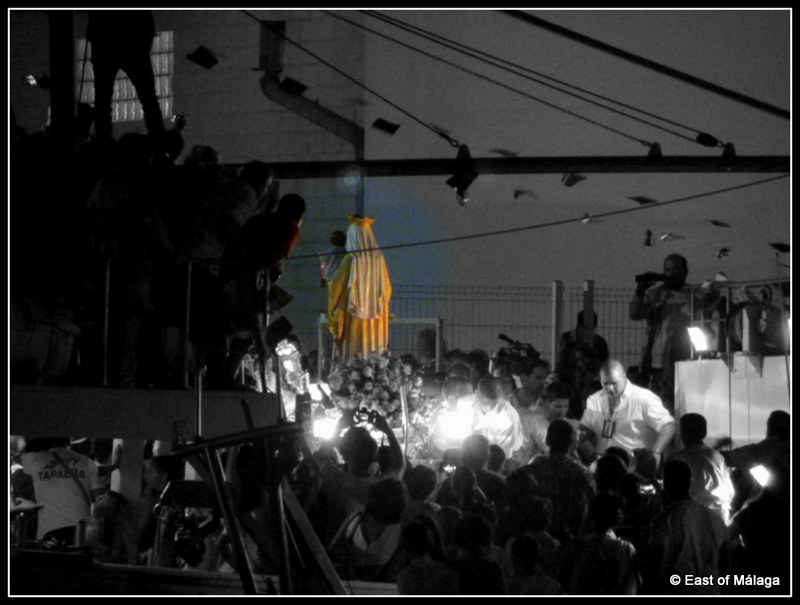
But before that, the Virgen del Carmen is paraded through the streets for all to see.  There is an air of excitement with people surging forward for the best views as the parade passes by, before making its way to the water´s edge.
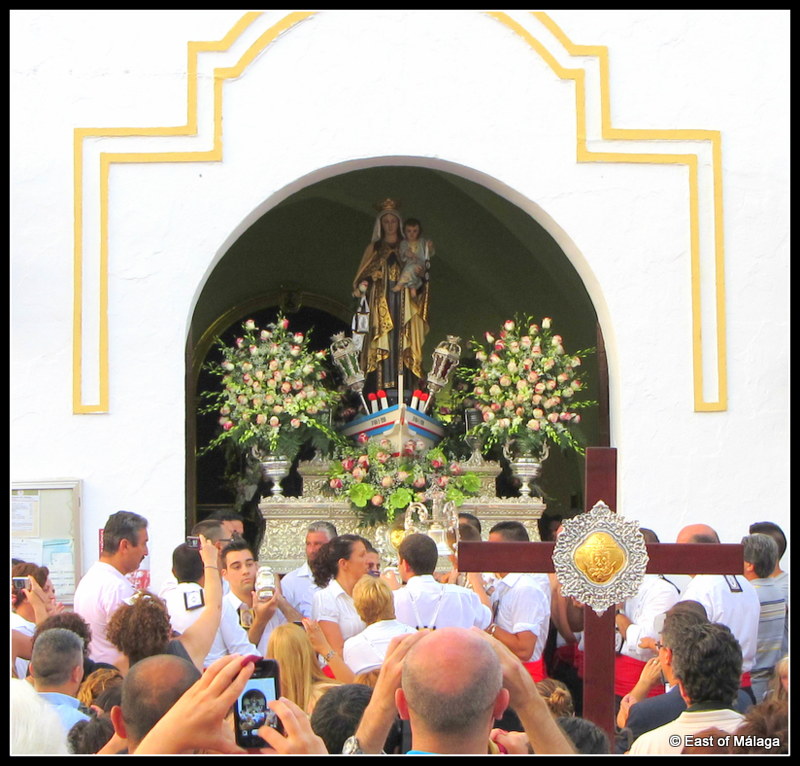
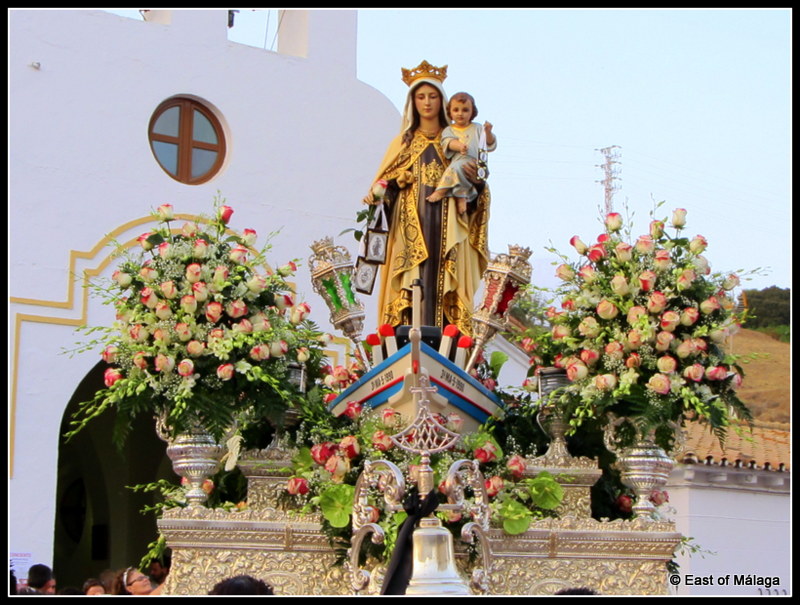
Doors open - and there she is!

Virgen del Carmen 2012

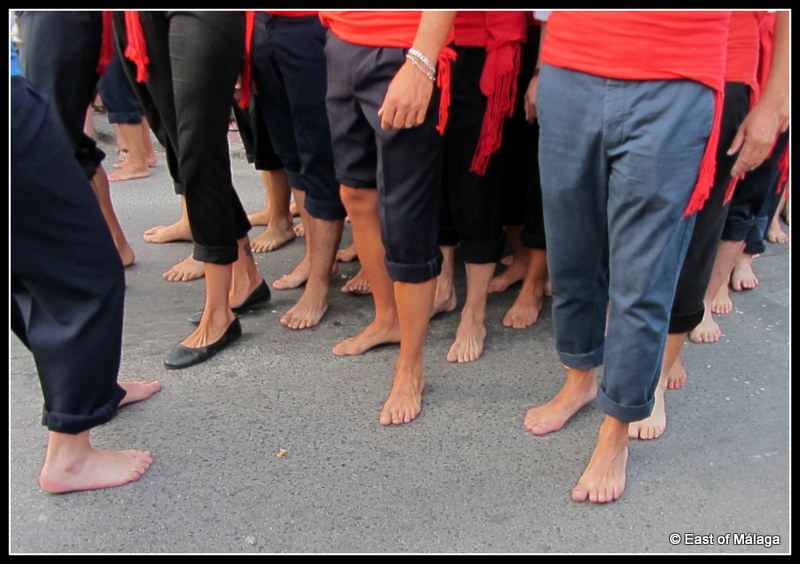
Carrying the statue with bare feet

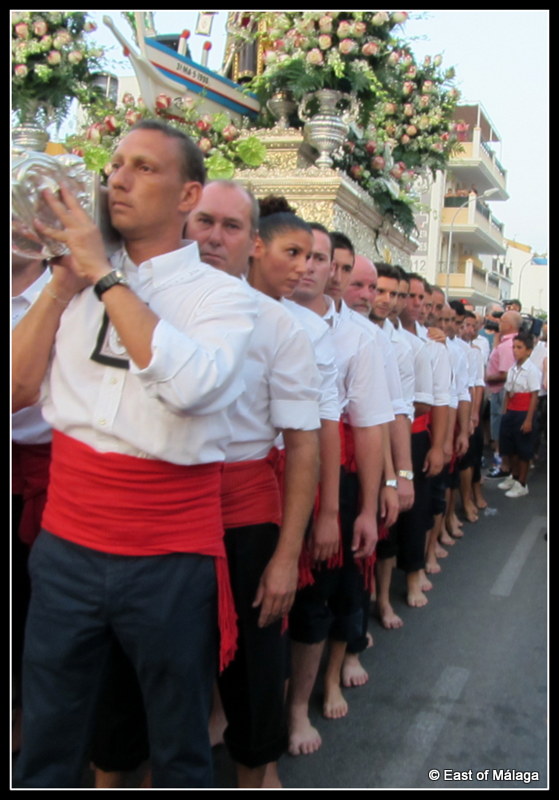
The line of bearers carrying the Virgen del Carmen

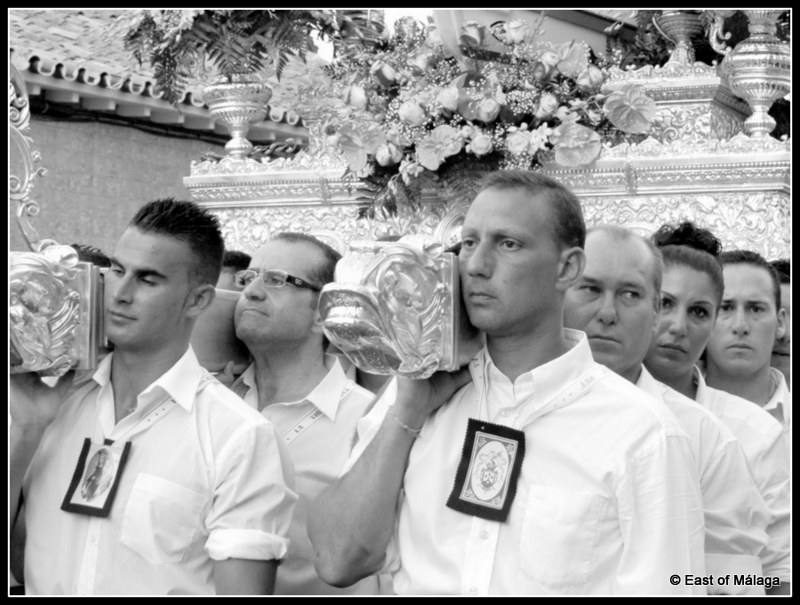
Solemn faces as they carry the statue through the streets

The crowds jostle for position to get the best view

Crowded boats waiting for the Virgen del Carmen to arrive at the harbourside

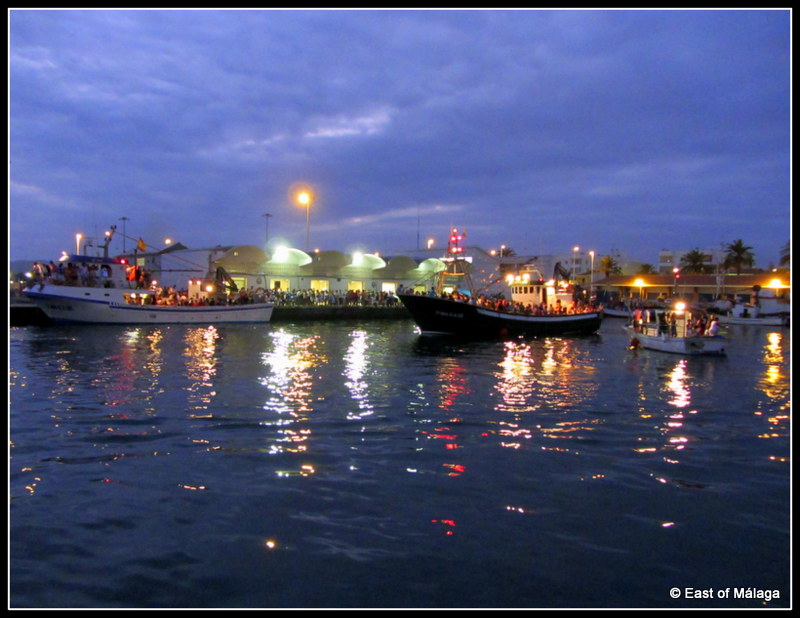
Caleta de Velez harbour as dusk falls

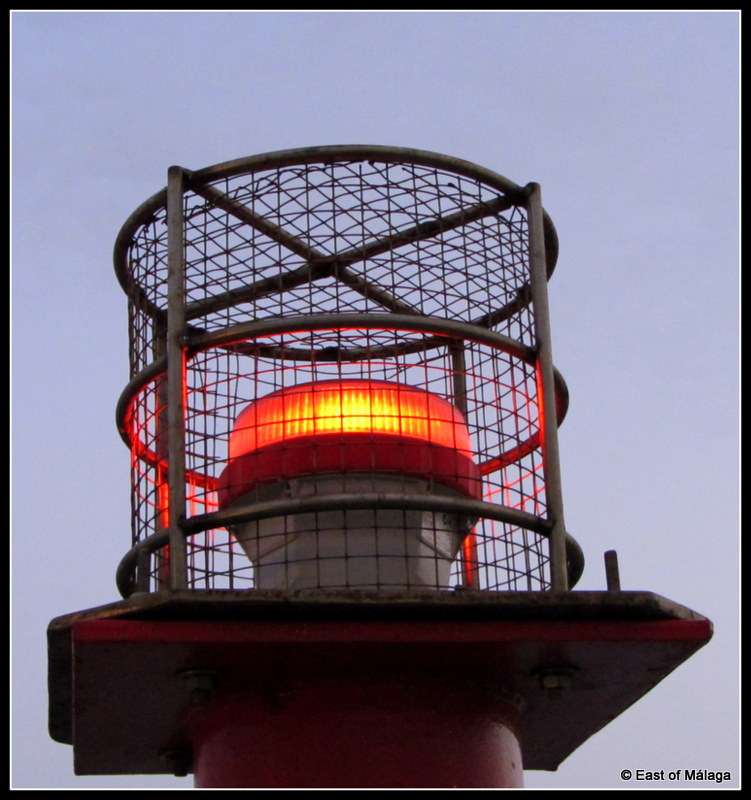
Harbour marker beacon flashes

Boats awaiting the arrival of the Virgen del Carmen

Excited people crowd onto the boats

The statue of Virgen del Carmen being loaded onto the boat

Celebrations vary slightly from town to town along the coast, east of Málaga.  In La Caleta de Vélez the parade is held each year on the feast day of the Virgen del Carmen, 16th July.   Some towns and villages celebrate the following weekend, but there will be posters displayed in local shops, announcing the day and time, if you want to join in the festivities.

My photographs show last year´s celebrations in La Caleta de Vélez, situated at the mid-coastal point of La Axarquía region.

In the video below, you can see the festivities held in 2011 in the town of Torre del Mar, just along the coast from La Caleta de Vélez.

Which is your favourite Spanish festival or fiesta?


Whilst you´re here, why not have a look at the following articles too?

The heart of Cómpeta: El Paseo de las Tradiciones

Patatas a lo pobre: Poor man´s potatoes

Weekly Photo Challenge: The Golden Hour

¡Feliz Navidad!

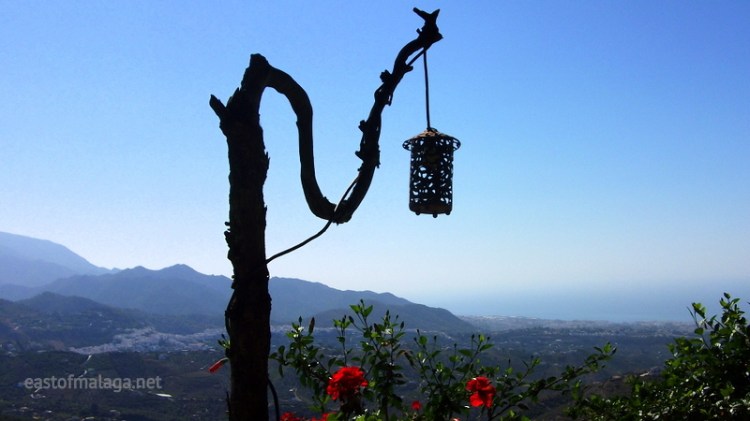
Looking across to Frigiliana, Spain

This is the view from the terrace of Los Caracoles Restaurant and Hotel, on the scenic road from Torrox pueblo to the pretty, mountain village of Frigiliana.    Towards the bottom left you can see the white village (pueblo blanco) of Frigiliana and, over to the right, the nearby town of Nerja, with the Mediterranean Sea in the background.

This view never fails to take my breath away …. no matter how many times I see it!

And it’s exactly the kind of view that’s typical of a sunny Christmas Day, here in southern Spain.

My Christmas wish for all my readers and followers is that love, hope and happiness fill your hearts this holiday season, and may all your dreams and wishes have wings.

¡Feliz Navidad! 

This post is my response to the Travel Theme: Festive and Sunday Post: Christmas.

Whilst you’re here, you might also like to look at:

A Celebration of Fried Breadcrumbs

AVE: Taking the Fast Track from Málaga to Madrid

CBBH Challenge: SIMPLE PLEASURES

A Celebration of Fried Breadcrumbs: Migas Festival in Torrox pueblo

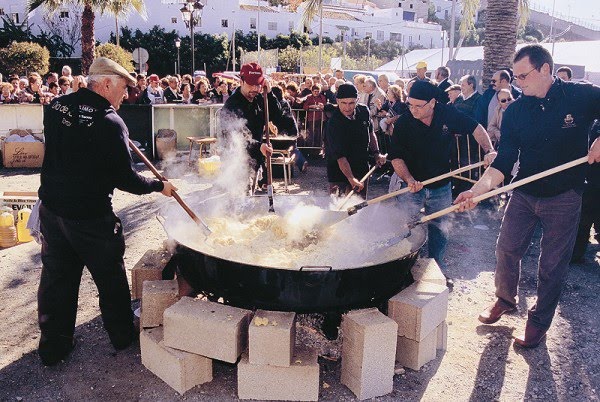
You might not expect ingredients for the perfect Christmas party to include 2000 kilos of flour, 500 litres of olive oil and 3000 litres of sweet Moscatel wine, but that´s exactly what´s required  to cater for the 40,000 guests who visit the annual  Migas Festival in the village of Torrox.

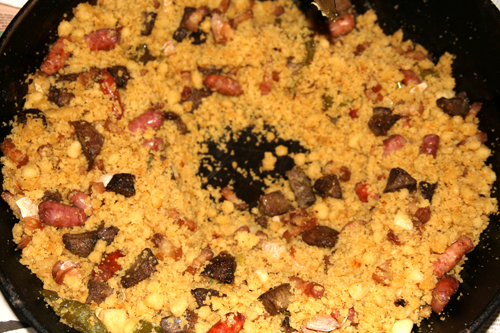
Many towns and cities throughout the world have unique dishes that encompass their overall culture and tradition.  Migas is a traditional Andalucían peasant dish often made from breadcrumbs, although in Torrox the migas are made with flour.  Normally served as an accompaniment to a main dish, of fried fish for instance, migas comprises of fried bread crumbs liberally laced with garlic, and may also contain small pieces of chorizo, ham or peppers.

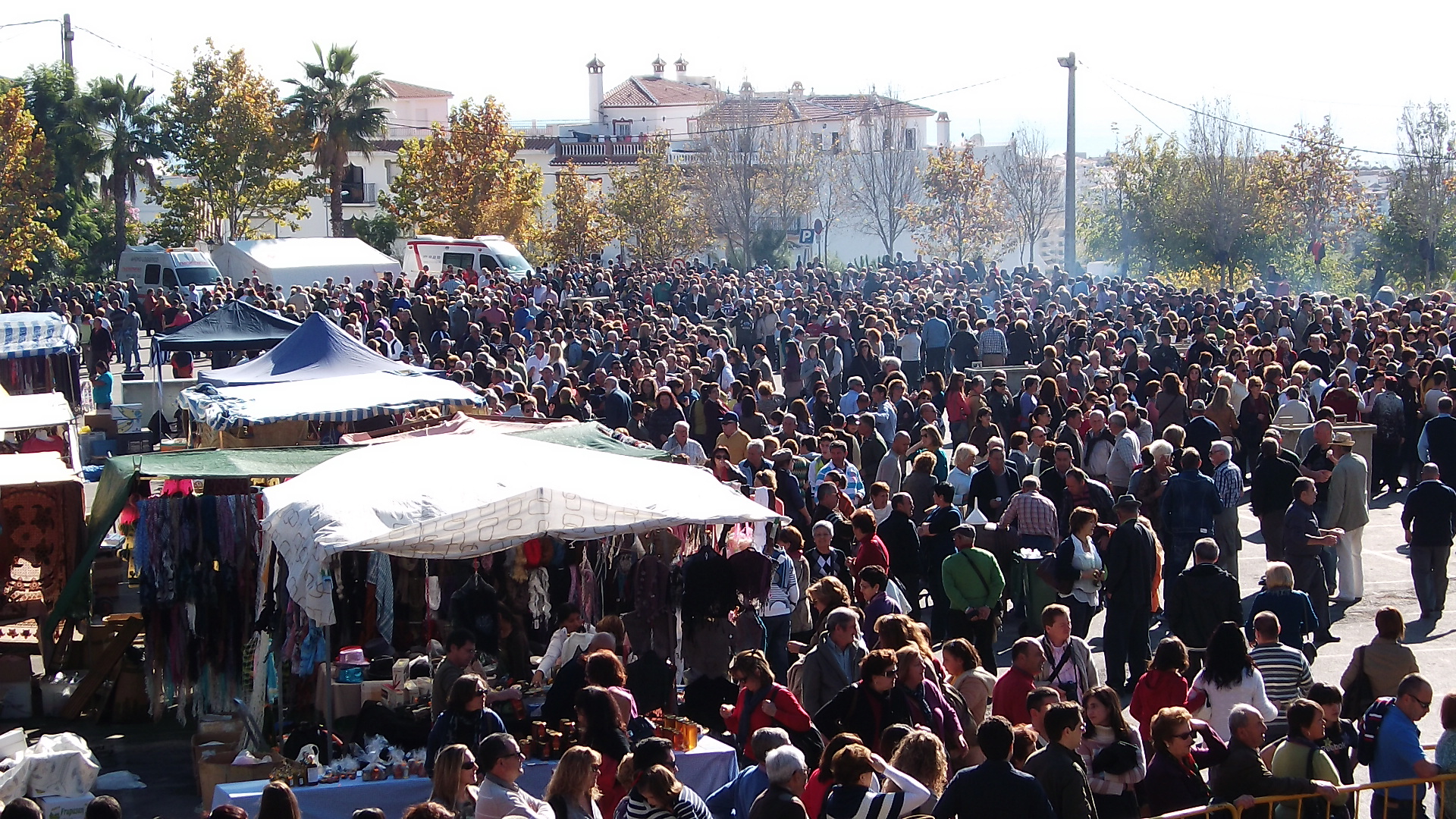
Each year, on the last Sunday before Christmas, (so, this coming Sunday – December 23rd 2012)  this gastronomic festival which has been declared of “National Tourist Interest” by the Junta de Andalucía, will serve more than 40,000 visitors. 

Whoever said “there is no such thing as a free lunch”,  obviously had never visited Torrox pueblo!

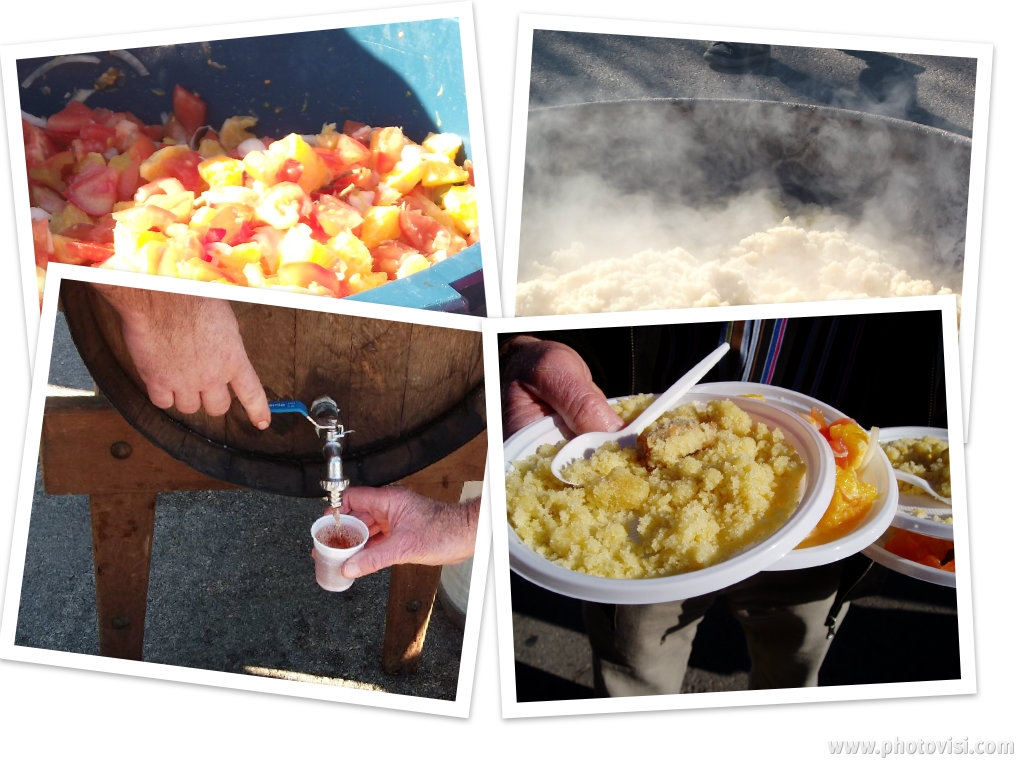
From early in the morning, teams of cooks prepare the migas for free distribution to local residents and visitors to the festival.  The ringing of a bell is the signal for everyone to come and collect their plate of migas, which is served with a glass of local wine and an “arriera” salad  (made with oranges,  tomatoes, potatoes, onions and olives) to accompany the meal.

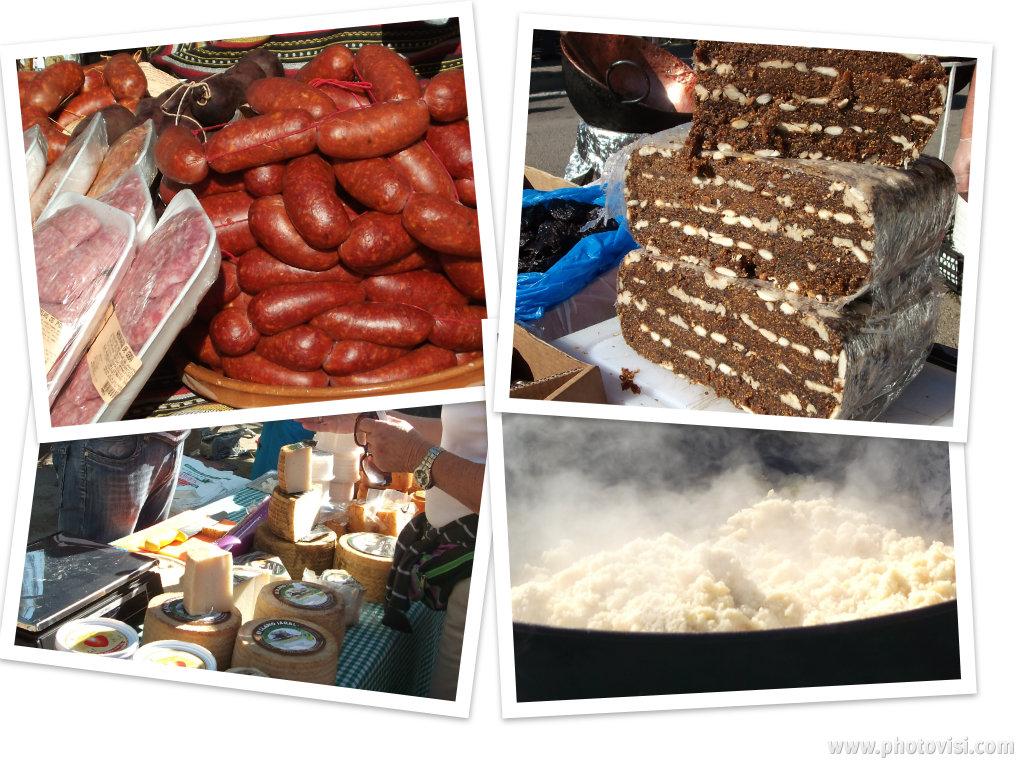
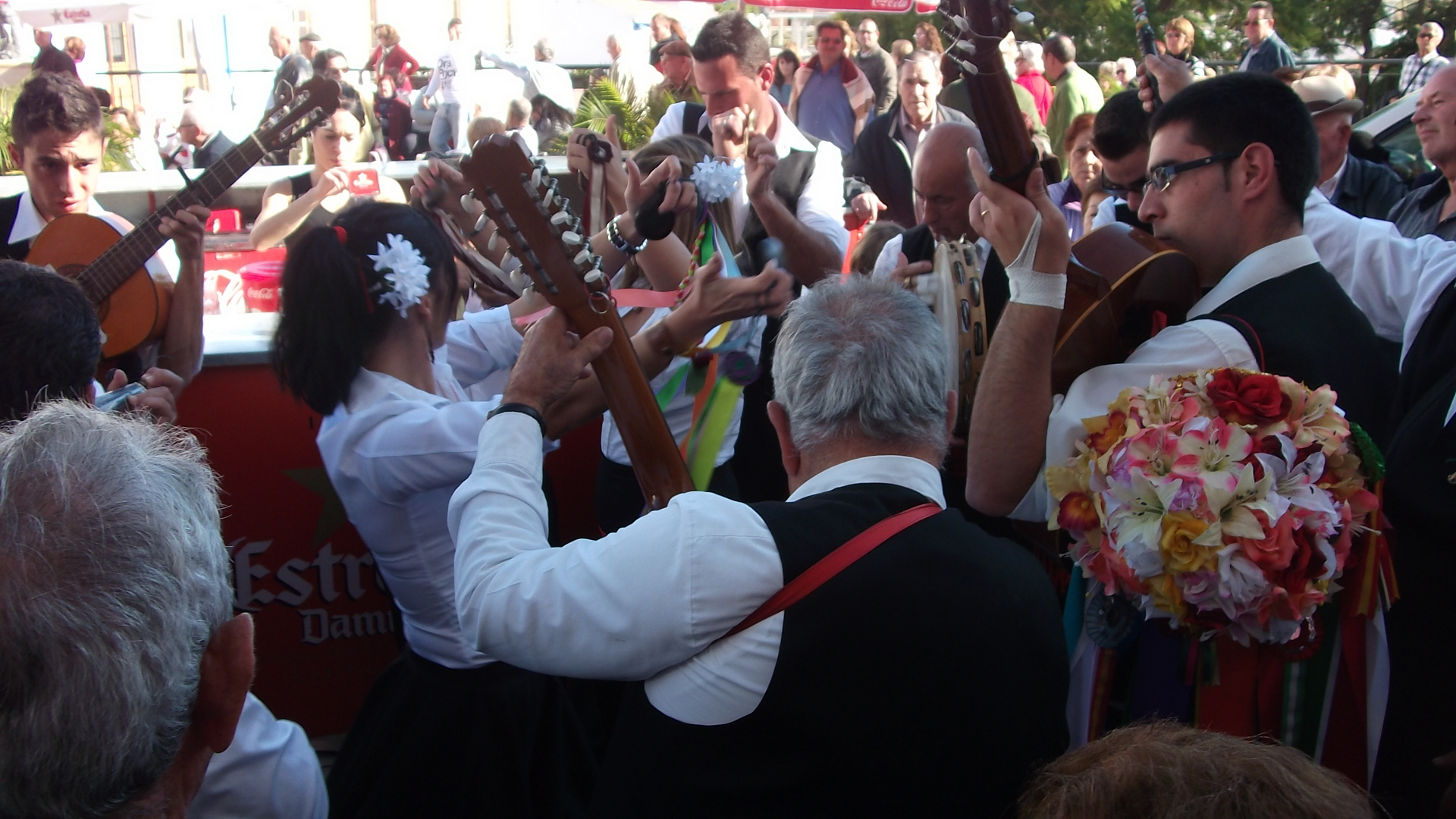
There is plenty to do during a day at the Migas festival  because as well as free food and drink there are many craft stalls, traders selling fine cheeses, chorizo, cakes, nuts and sweets, the opportunity to enjoy guided walks through the village, and street artists, as well as choirs and local dance groups, who all help to create a wonderful festive atmosphere.

Of course, in true Spanish tradition, this is just another excuse for a party, but on a warm, sunny December day, why would you not pursue that with some vigor?

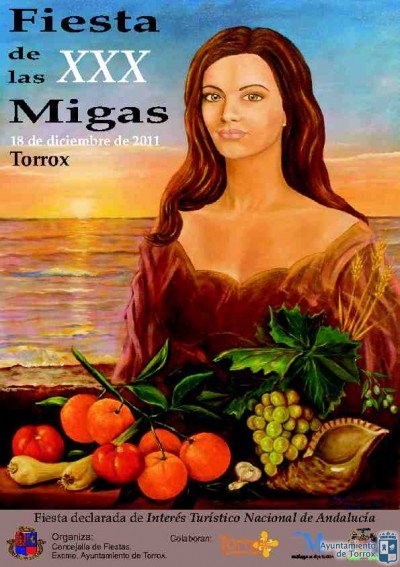
(BTW – didn´t they do well getting Angeline Jolie to pose for last  year´s poster?  😉

You might also enjoy:

La Noche de San Juan: Families, fires and football!

The heart of Cómpeta: El Paseo de las Tradiciones

CBBH Photo Challenge: Simple Pleasures


The Day of the Dead: A Celebration of Life

Entrance to the cemetery at Comares, Spain

Customs and celebrations to honour the end of the harvest, the change of the seasons and the passage of life into death come together in many notable traditions at this time of the year.

The festival of Todos los Santos (All Saints´ day)  is celebrated throughout Spain as a national holiday on November 1st each year.

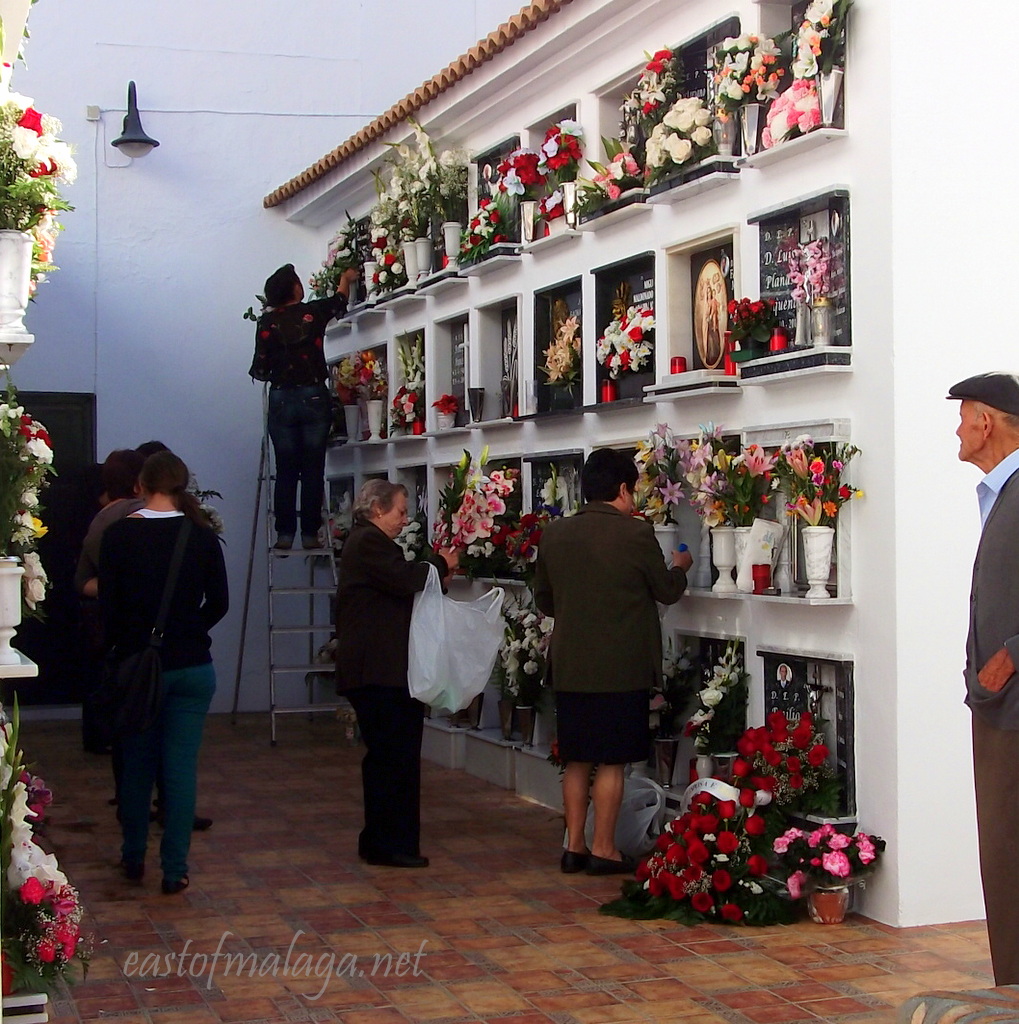
Tending the graves in Competa cemetery for Todos Los Santos

Although the American-style “ghosts and ghouls” type of Halloween is now creeping into the Spanish calendar each year (sadly), traditionally this time is celebrated here in a different form, as “El Día de los Muertos” or the “Day of the Dead” .

The three-day event, beginning on the evening of October 31 and ending on November 2 (All Souls´ day) sees cemeteries packed with families paying homage to their dead.   Family members tend the gravestones of their loved ones by painting, weeding and cleaning them, and by placing fresh flowers and candles.

Cleaning the gravestones in Competa cemetery, Spain

Climbing up the steps to tend the grave in Competa, Spain

We often visit our local cemetery on November 1st, and apart from the sheer number of people, the first thing that always strikes me is the overwhelming fragrance of fresh flowers.

Family members of all ages arrive carrying vases, buckets, bottles of water, cleaning items, candles and arms full of flowers.   The atmosphere is not at all solemn and the sound of chatter is everywhere, with people greeting each other with kisses and hugs.  Each member of the family plays their part in the cleaning and tending of the grave and, when they were finally satisfied, they wandered around the cemetery, looking at other graves to remember the dead,  before leaving.

Fresh flowers on all the newly-tended graves in Competa, Spain

Cómpeta cemetery, Spain

What I particularly like about this lovely Spanish tradition is that all of the frightening aspects of the afterlife are taken out of it.  This is a commemoration for loved ones with nothing ghoulish or scary involved.   Exactly as it should be, in my opinion.

How do you honour loved ones who have passed away, in your part of the world?  

Here are some other posts that I hope you might enjoy:

The heart of Cómpeta: El Paseo de las Tradiciones

The Buddhist Stupa of the Eastern Costa del Sol

Competa´s Noche del vino: Night of wine

This slideshow requires JavaScript.

La Noche del Vino (Night of Wine) is held each year on August 15th in the mountain village of Cómpeta and has become one of the Axarquía´s most important events.

Every year, thousands of people descend on the village to witness the ritual treading of the grapes and share in the fun and festivities to herald the start of the grape harvest.  There is a free lunch of migas (fried breadcrumbs), salad and, most importantly, a glass of the locally-produced muscatel wine for everyone.

You might also like to have a look at:

La Noche de San Juan: Families, fires and football!

Eating your Greens: Acelgas

Fifty Shades of Grey: What´s going on?