Fifty Shades of Grey: What´s going on?

The rain in Spain may fall mainly on the plains – but today it´s arrived east of Málaga!  I can´t remember when it last rained in July.

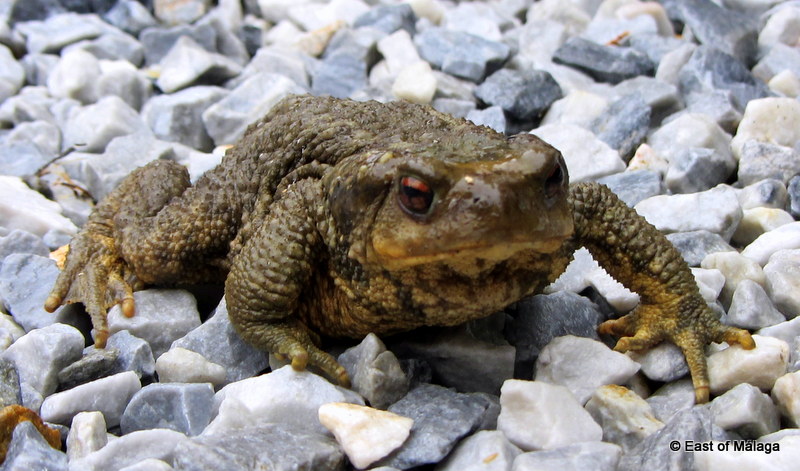
Anyway, I´m sure it wont rain for long and it´s great for the garden as well as the toad who came out to enjoy the unusually damp weather!

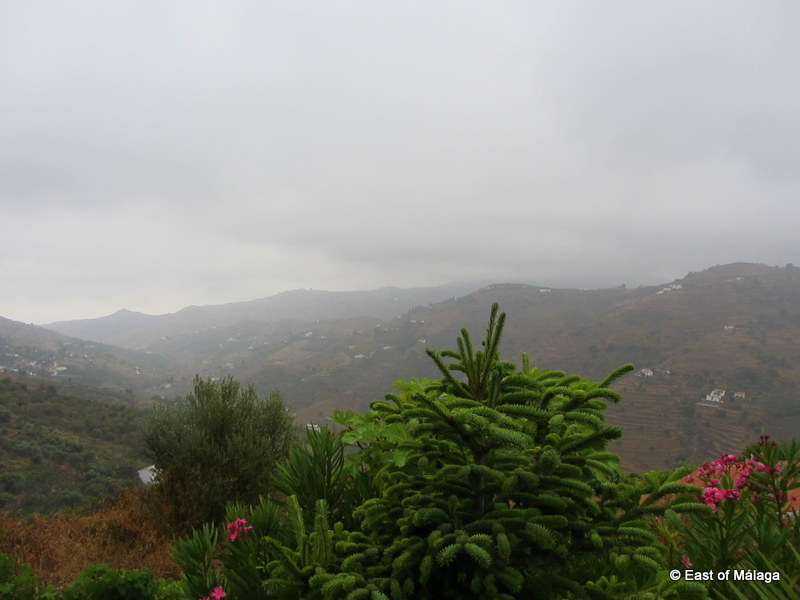
View down the valley in the gentle rain

Raindrops on the pool surface

View down the valley towards the Mediterranean Sea showing fifty shades of grey!

The terrace tiles are wet

View of the grey valley

This toad came out of hiding to enjoy the rain


It hardly ever rains here in the summer months.  The following posts are more typical of what to expect, east of Málaga:

Summer Breeze – makes me feel fine

Phew – what a scorcher!

East of Málaga: The Weather in Summer


Summer Breeze – makes me feel fine

I wonder if the Isley Brothers found the inspiration for their classic 70s hit Summer breeze, makes me feel fine, blowing through the jasmine in my mind” after a visit to the eastern Costa del Sol on a warm, summer Mediterranean evening?

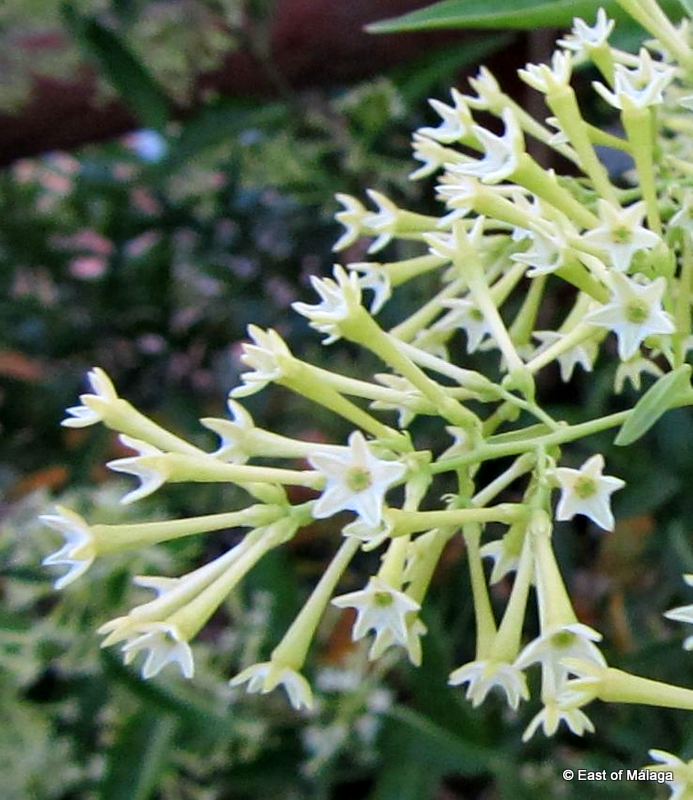
If they did, then the heady fragrance of the flowers of the Dama de Noche  (otherwise known as the night-scented jasmine, lady of the night or, to use the Latin name – cestrum nocturnum) was surely the catalyst.

Dama de noche by day - lime green buds with no perfume

By day, the Dama de Noche masquerades as an upright, fairly ordinary looking shrub with dark green leaves and large clusters of small, lime green buds, with no perfume.

Large clusters of flowers of Dama de noche as dusk falls

As dusk falls, however, the buds open into white, star-shaped tubular flowers and their bewitching, intense scent is wafted around on the breeze and can often be detected for hundreds of metres around.

Each individual flower of the Dama de noche plant delivers its heady perfume

Every evening at this time of year, I throw all the windows open in the house to allow the perfume to waft inside.

Such a wonderful summer memory!

You should also have a look here:

Photos from 35,000 feet: Approaching Málaga

La Noche de San Juan: Families, fires and football!

Shopping Centre (Centro Comercial): El Ingenio

Sweet memories: San Joaquín sugar mill

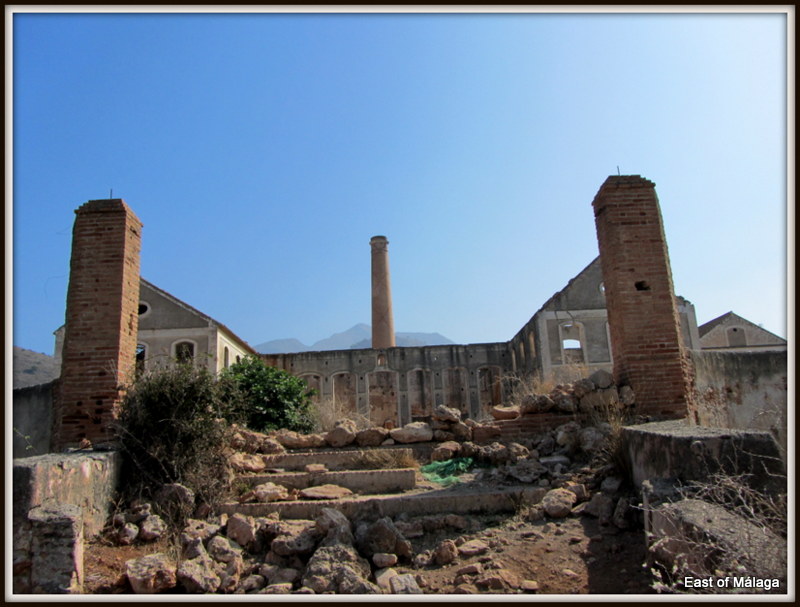
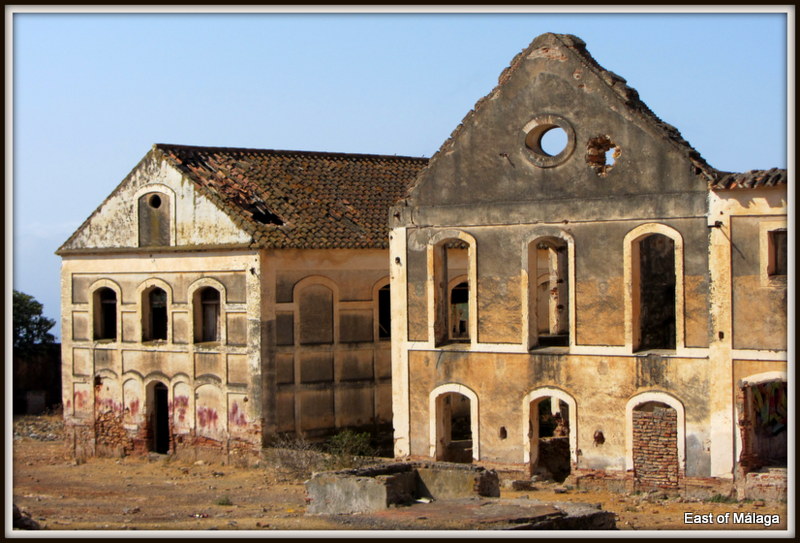
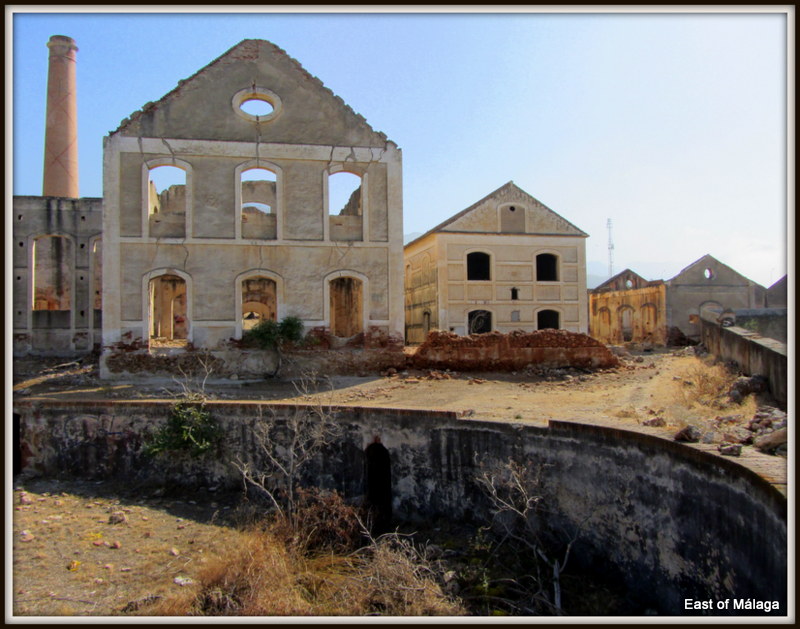
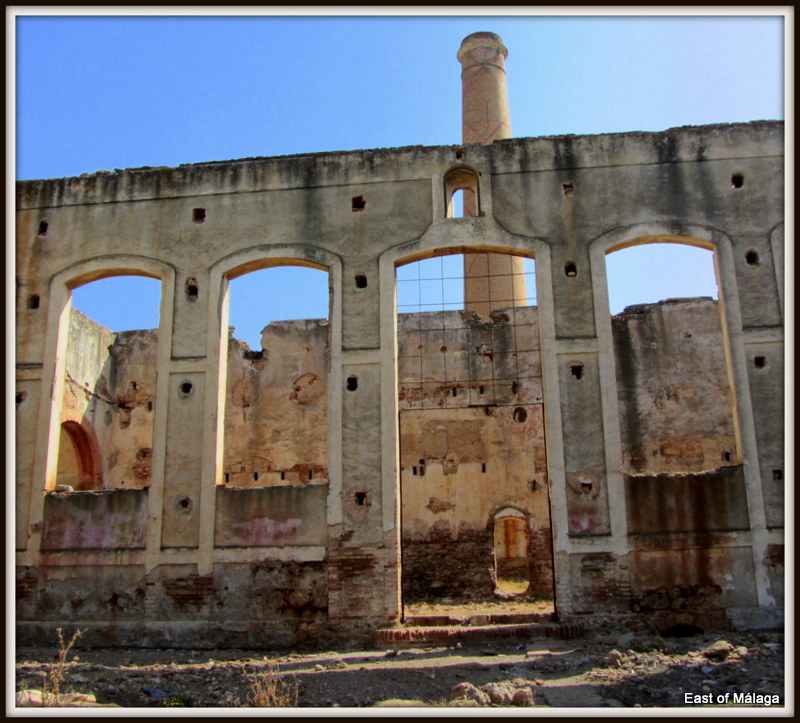
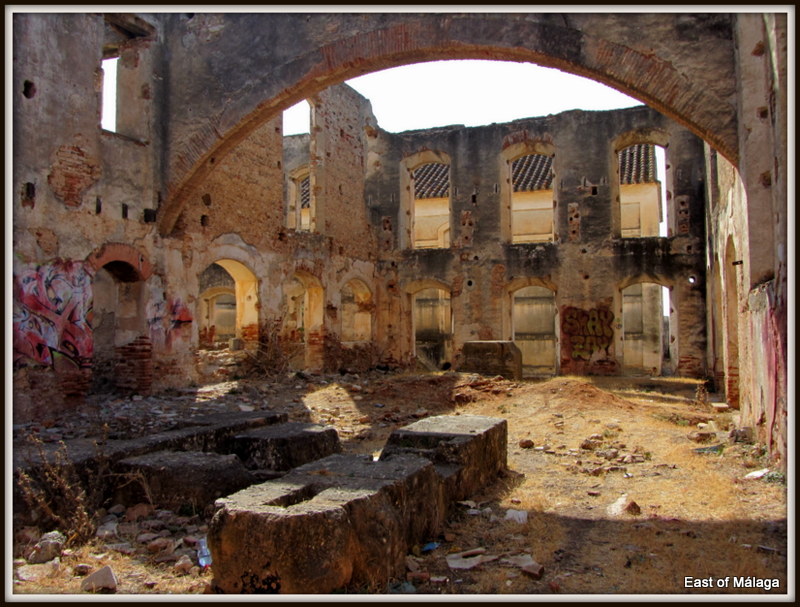
Located on the old N340 coast road between Nerja and Maro, the San Joaquín sugar mill´s ruined buildings serve as a reminder of the importance that the sugar industry played in local history.

San Joaquín sugar Mill, Maro

San Joaquín sugar Mill, Maro

San Joaquín sugar Mill, Maro

Sugar manufacturing has been part of the Mediterranean way of life for centuries.  Earliest records of sugar cultivation in Andalucía date from the 10th century on the coast of Granada province, due to its exceptional climate.

San Joaquín sugar Mill, Maro

San Joaquín sugar Mill, Maro

In 1585, the first mechanical sugar mill in the area was built in Maro, the ruins of which still form a central part of the old village, today.  Further mills followed in Nerja and Frigiliana, before the San Joaquín sugar mill and distillery was erected in 1884 by master builder, Francisco Cantarero, for the Marquis de Tous.

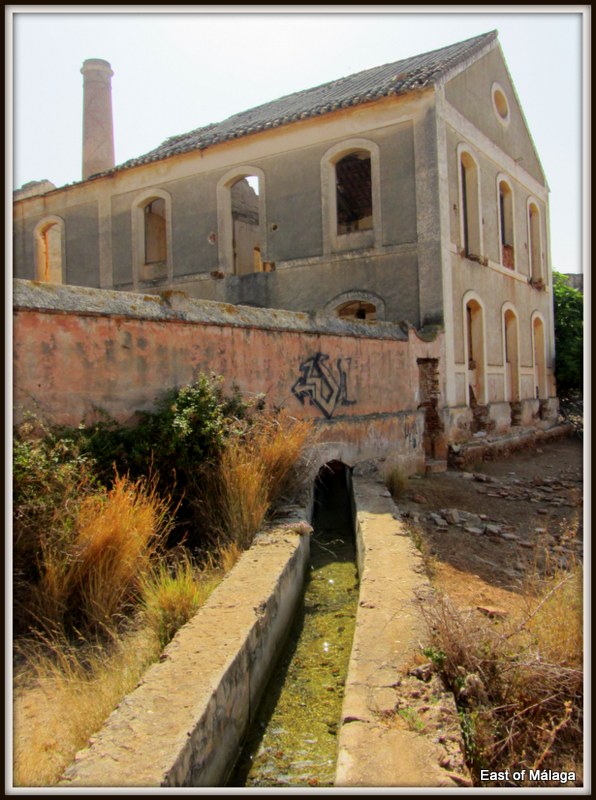
Irrigation channel at the San Joaquín sugar mill, Maro

Irrigation channel at the San Joaquín sugar mill, Maro

To supply the factory, large areas of sugar cane were planted nearby with water flowing through irrigation channels from the newly-built Eagle Aqueduct (Acueducto del Aquila).  This established a close relationship between the cultivation and industrial processes, a project that became known as The Agricultural Colony of Las Mercedes and Maro (La Colonia Agrícola de las Mercedes y Maro) and which continued until 1911 when the San Joaquín sugar mill closed.   The Larios sugar company acquired the mill in 1930 and production continued until the second half of the 20th century.  Since then, buildings have fallen into disrepair.

San Joaquín sugar Mill, Maro

San Joaquín sugar Mill, Maro

San Joaquín sugar Mill, Maro

San Joaquín sugar Mill, Maro

San Joaquín sugar Mill, Maro

San Joaquín sugar Mill, Maro

Whilst you´re here, why not have a look at:

The Alhambra Palace, Granada

La Noche de San Juan: Families, fires and football!

Churros served with thick hot chocolate

Travel theme: Night

El Salvador Church, Nerja

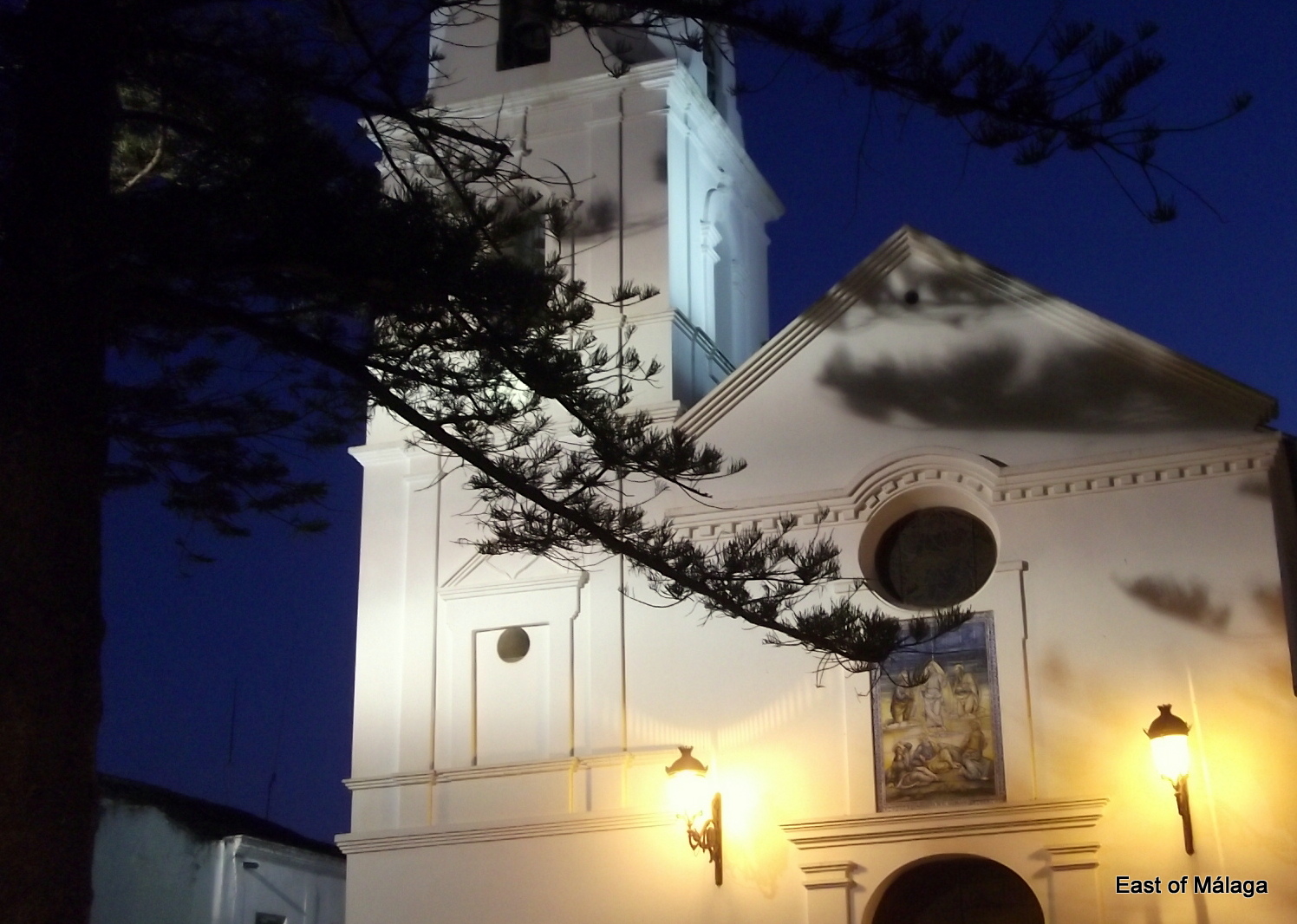
Here is the pretty 17th century Church of El Salvador (Iglesia de El Salvador), situated beside the Balcón de Europa in the heart of Nerja.  Although a religious site since 1505, the existing structure was not completed until 1697.

One of the tallest trees in Nerja, towering high above the church itself, stands outside, casting wonderful shadows on the exterior of the building during the hours of darkness.

Because of it´s picturesque location, the Church of El Salvador is a very popular venue for weddings.

This post is my response to the Travel Theme photo challenge – Night


You might also enjoy reading:

Following in the footsteps around Comares

Photographs I love …. and why!


Travel Theme: Art

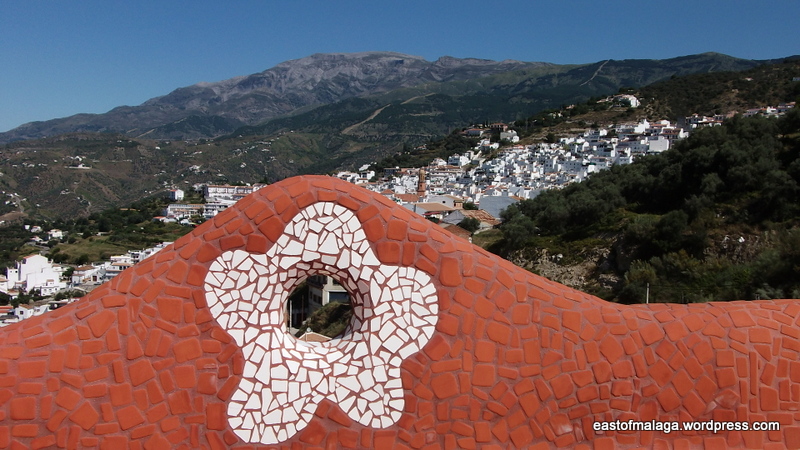
View of Cómpeta from the Mirador

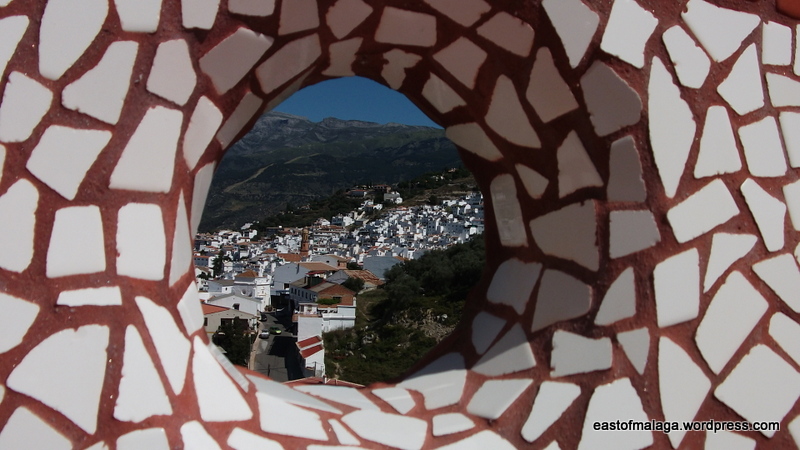
Village of Cómpeta through the Mirador


Here is the view of the mountain village of Cómpeta taken from (and through) the Mirador.  The village is situated at 638 metres above sea level in the foothills of La Maroma (the highest peak of the Sierra Tejeda).

The Mirador panorámico (look-out point) is a Gaudi-esque balcony, marking the entrance to the village, and a place to marvel at the sight of the white village tumbling down the hillside overshadowed by the majestic backdrop of Monte Maroma.

This post is my response to the Travel Theme photo challenge – Art


You might also be interested in these articles:

The heart of Cómpeta: El Paseo de las Tradiciones

Photographs I love …. and why!

The Alhambra Palace, Granada