Let’s talk about tapas!

First of all, what are tapas?

It is thought that originally in the wine-making regions of Andalucia una tapa (the word “tapar” in Spanish means“to cover”), in the form of a small plate or lid was placed over glasses of wine to keep fruit flies away.  Titbits of food were then placed on the dish to be eaten with the wine.   How I so love the Spanish that it is unacceptable that a fly ends up in your drink, but it´s fine if it lands on the accompanying snack!
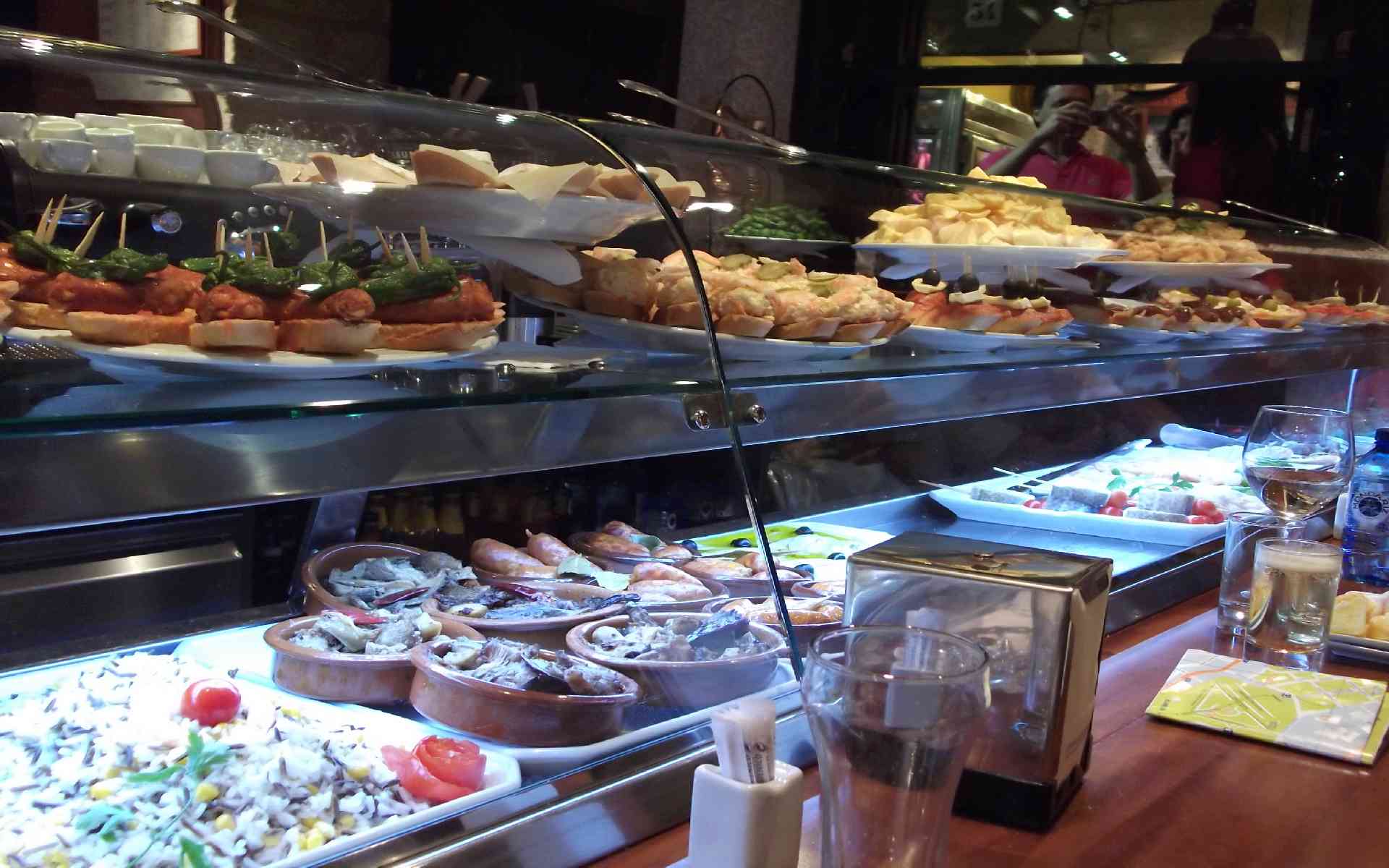
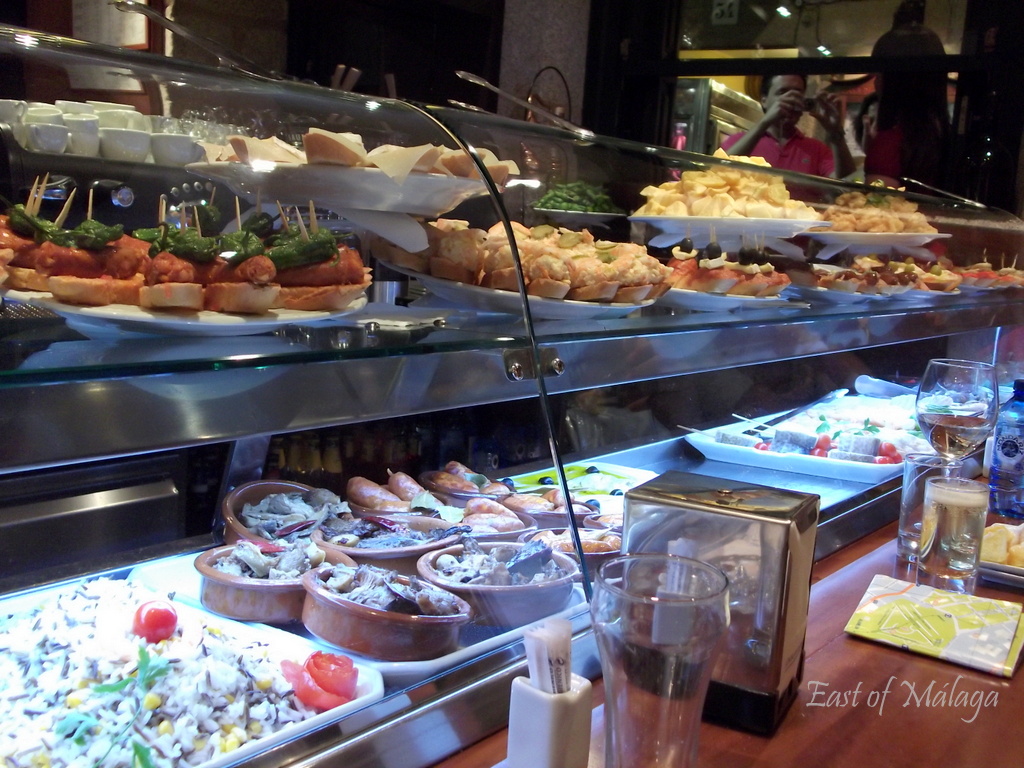
Tapas selection at a bar in Santiago de Compostela

Other stories suggest that tapas were invented by a bar owner in Seville, who decided to put a cover (tapa) over his guests´ glasses of wine, using a slice of bread to keep out flies. He later put a piece of ham or cheese on top, so that his customers could have a bite to eat with their drink.

Either way, the idea spread, so that nowadays the types of food served as tapas are limitless.  Most Spaniards don´t drink alcohol without a tapa and many bars provide them free of charge.
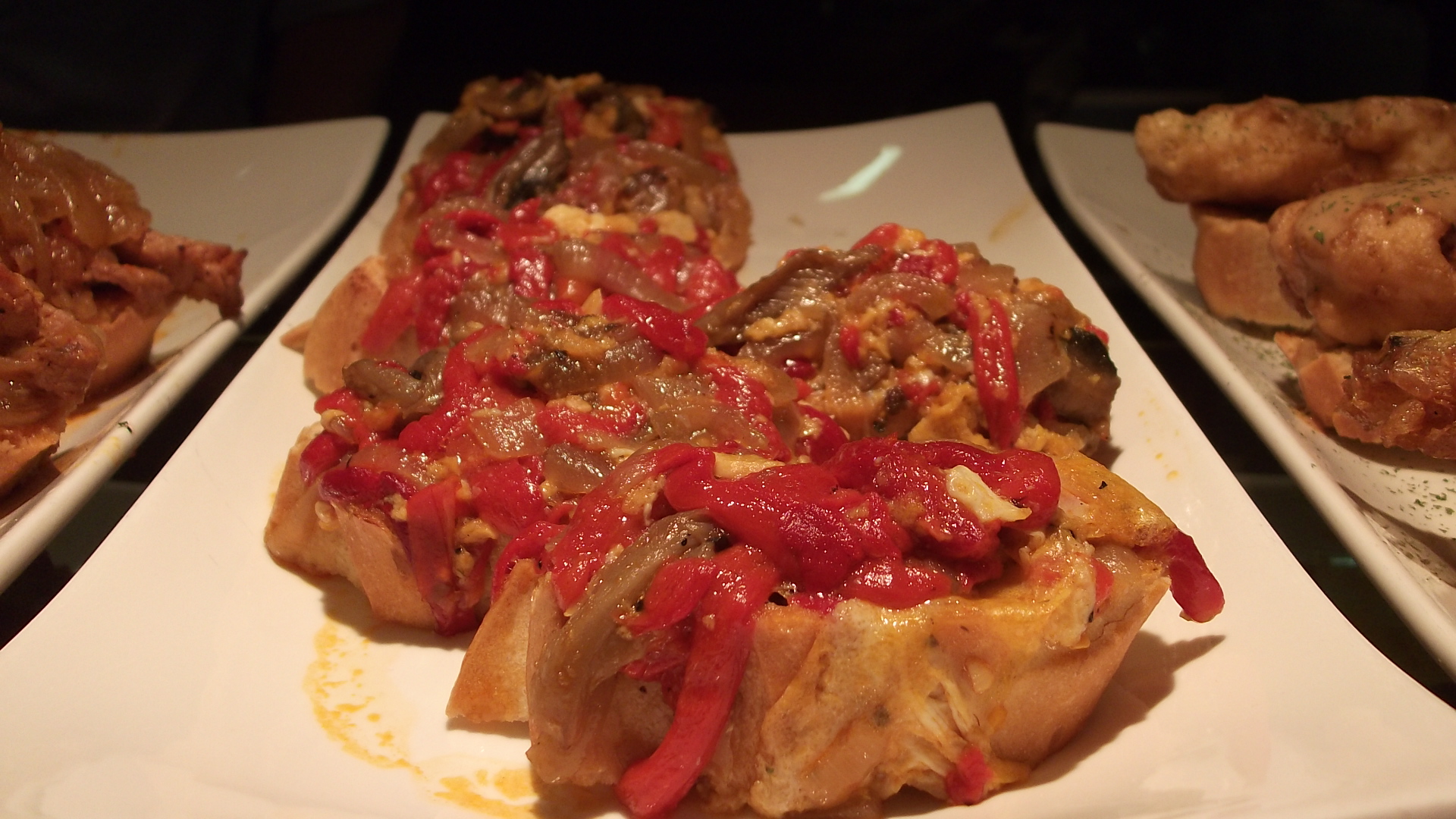

The Spanish equivalent of “fast food” is usually displayed in refrigerated glass units on the bar and served in small terracotta glazed dishes. Some examples of the type of tapas normally available include gambas (whole cooked prawns in their shells), boquerones (fresh anchovies in olive oil, vinegar and garlic), chorizo (spicy Spanish sausage), albondigas (meatball…often in a creamy almond sauce), queso (cheese…often manchego), habas con jamon (broad beans with ham), ensalada rusa (Russian salad) or just a few olives.

Your choice of tapas is usually accompanied by a small piece of crusty bread which helps to counteract the adverse effects of the alcohol through drinking on an empty stomach.
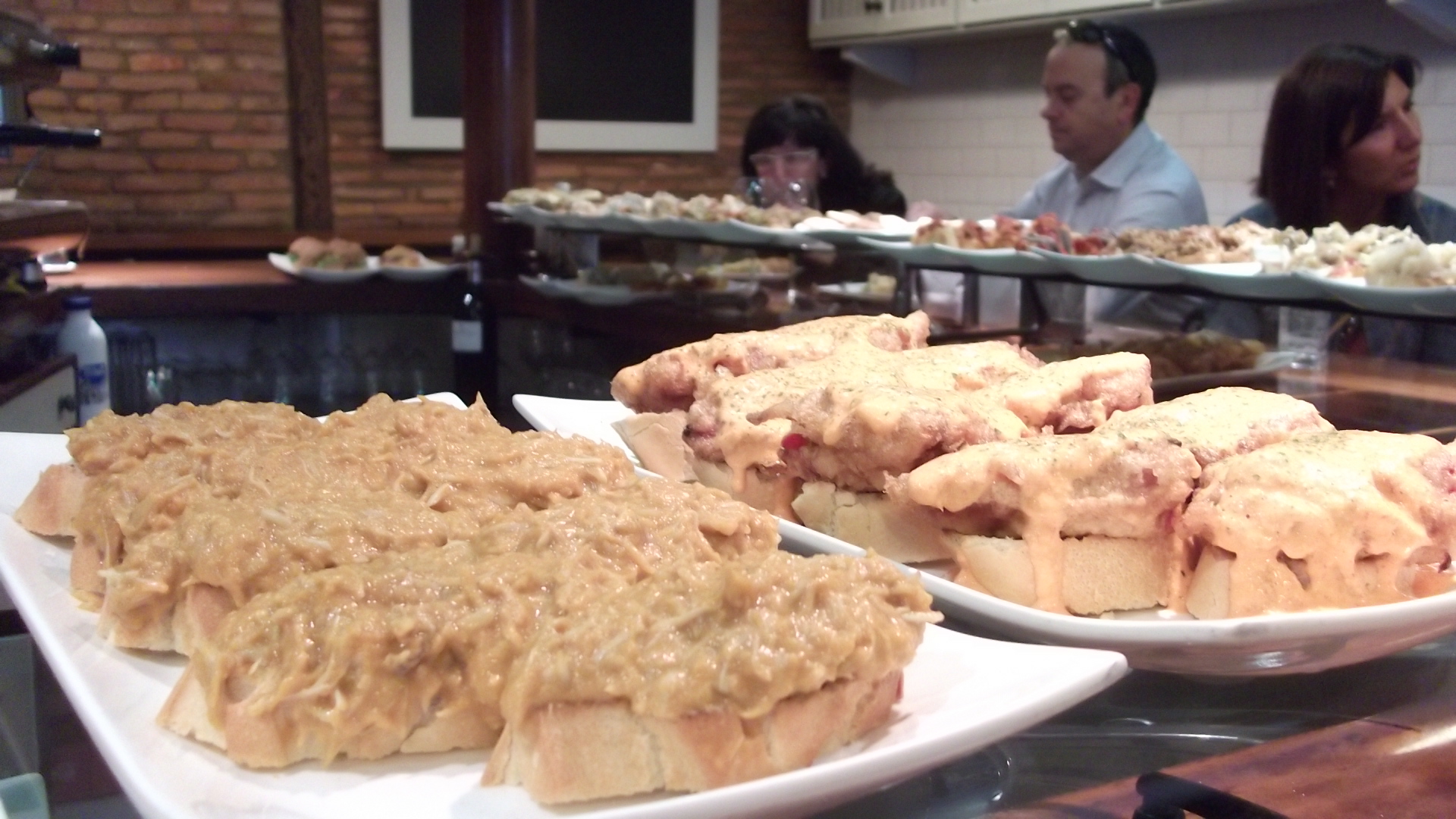
In many establishments, if you stand at the bar along with the locals you will be given one tapa free with each drink you buy.   That’s right …. free food!

Should you choose to sit away from the bar, you can pay for a tapas or two (usually for one euro or less in this part of Spain), or opt for a larger serving known as a ración (ration) or medio ración (half ration). This is a great way to eat a variety of dishes, and a pretty sociable activity as groups generally tend to share their dishes.

The food is generally very good, even in remote villages around the Axarquia.

Where is your favourite tapas bar?   Which tapa do you choose, time and time again?


You might also like to look at:

All at sea with the Virgen del Carmen

La Noche de San Juan: Families, fires and football!

Bus Services: East of Málaga


Venturing further afield: A day trip to Gibraltar

We love to travel not only locally, but throughout Spain, so I will also include information, from time to time, about where we have visited.  Usually these places can either be driven to within a few hours of our home, east of Málaga, or we will have flown there from Málaga (AGP) airport.

This week we have family from England staying with us.  As they are very familiar with the area east of Málaga, we took the opportunity to venture out of the Axarquía.

Driving west from Málaga along the E15/A7, not a single road-sign mentions the British territory of Gibraltar. You just have to figure out when to exit the highway (at La Linea de la Concepción, the Spanish town close to the foot of the Rock). By the time you see a sign for Gibraltar, you are within walking distance!


Photographs cannot prepare you for the physical reality of Gibraltar. The scale of the 430 metre high boulder – sheer on one side, a city of 30,000 people clinging to the bottom third of the other – still causes a jolt when you come over the last ridge to find it looming in front of you.

Gibraltar is a British Overseas Territory located on the southern end of the Iberian Peninsula. The Rock of Gibraltar, one of the Pillars of Hercules in Greek mythology, has a strategic location on the Strait of Gibraltar where the Atlantic Ocean meets the Mediterranean Sea, with Europe to the north and the continent of Africa to the south.

Both famous and enigmatic, Gibraltar contains some of the most extensive military fortifications in Europe, spanning over 1200 years of Moorish, Spanish and British history.   The territory covers just over 6.5 square kilometers and shares a 1.2 kilometre land border with Spain.

Of course, what traditionally attracts the  tourist to Gibraltar doesn´t disappoint either: stunning views of the entrance to the Mediterranean and the mountains of Morocco (including Jebel Musa, the other Pillar of Hercules), St Michael’s Cave, tunnels from the Great Siege of 1779-83 and, of course, the famous Barbary apes – Europe’s only wild monkeys.   Local legend has it that as long as the Barbary Macaque population exists on Gibraltar, the territory will remain under British rule.


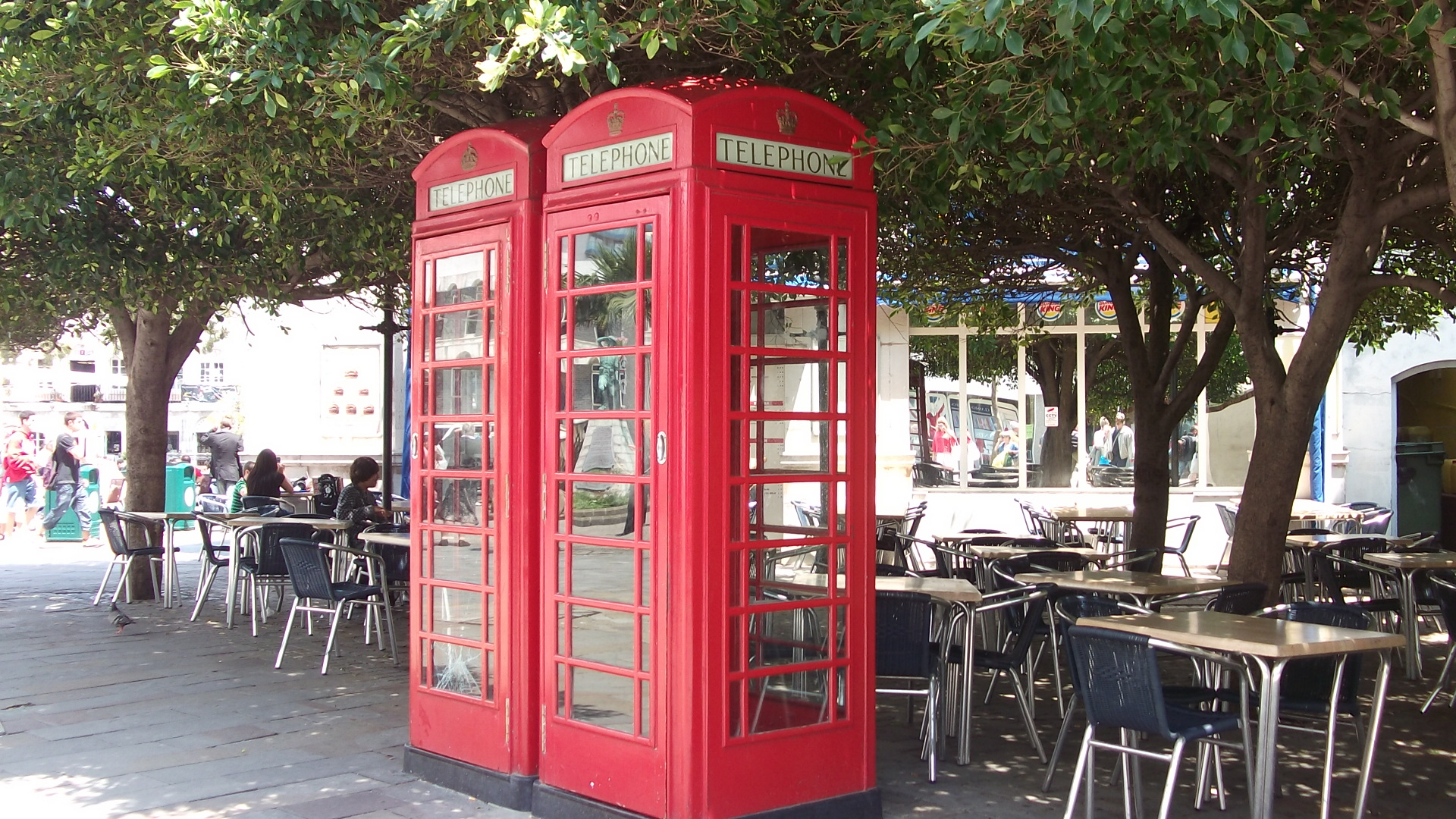
Being so close to Spain, Gibraltar shares the best of both cultures.  You can see Spanish-style houses adorned with Victorian cast-iron balconies from England. The labyrinthine streets and alleys of the old town, reminiscent of nearby Spanish cities such as Cadiz, are dotted with iconic English phone booths, red Royal Mail boxes, bars with names like Lord Nelson and The Angry Friar as well as good old Marks and Spencer!


The old Gibraltar Airport building is shortly to be replaced with a new glitzy glass-fronted one, but the runway, the shortest in the world, will remain the same.  The landing strip crosses the main road into the city, with traffic and passengers being halted to allow aircraft to take off and land.

One of the main reasons we travel the three hours to Gibraltar is to visit Morrison´s, the British supermarket, to buy groceries we can´t find in our local Spanish stores.  We can also pay in Sterling, saving the need to change our money into Euros, as we have to do for our everyday living here in Spain.  Our visitors meanwhile, took advantage of the cheap duty free cigarettes available at a fraction of the cost in the UK.

A good day was had by all!

What do you think about Gibraltar being a British territory?

Slice of Life: Spanish bars

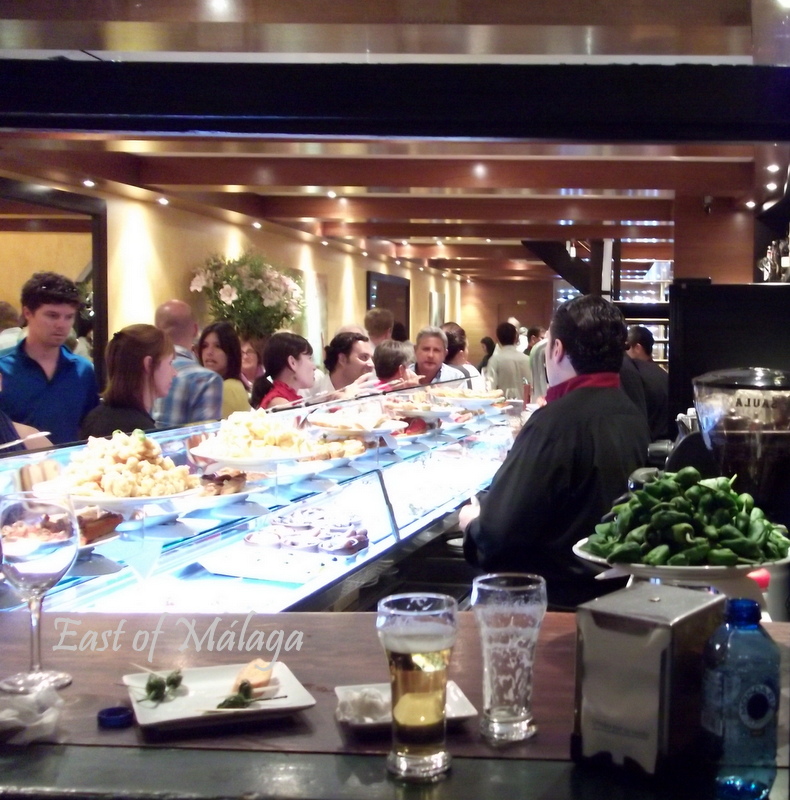
A bar here in southern Spain is very different from a typical British pub.  Although layouts may vary, what you will usually find will be a bar counter, with tall seats around, often with a covered tapas display. This will likely be in two parts, one containing meats and tortillas ready to be heated up and served with your drink, the other with cold tapas and salads. Many bars still serve tapas at an inclusive price with the drink, whilst others serve rather more elaborate nibbles which are charged for individually.

typical tapas bar
One of the main differences with a British pub will be the size of drink. Normally if you ask for a beer (una cerveza) it will be in a smaller glass, either a “tubo” which is a tall tumbler or in a glass not dissimilar to a large wine glass. The only time you will see anyone with a “pint” glass, they will usually be a tourist on the coast.  You will be just as likely to see people at the bar drinking coffee (un café) or a glass of wine (una copa de vino).

Tables away from the bar counter, either inside or outside, are typical café tables with upright chairs, not lounge-type tables and chairs like in British pubs .

There is usually a large display of spirit bottles behind the bar and invariably a leg of Serrano ham on a carving frame.  You should try this typical Spanish  delicacy –  it´s delicious!

Almost everywhere,  customers take all their food and drink and only pay when they are ready to leave.  In busy big city bars, the tapas, usually more sophisticated, will each come with a small wooden skewer and, when you have finished, the barman will count the skewers and charge accordingly.

Tapas to choose

I would recommend you to visit as many bars and cafeterías as possible, especially away from the tourist haunts. Look for places full of Spaniards and litter, in the form of till receipts, on the floor signifying that you have found a good spot.

Some bars, especially on the coast, offer more seafood, but try different ones and you will inevitably find a handful that will become part of your regular tapas trail.

Where´s your favourite Spanish bar?


If you like this article….try also looking here:

The heart of Cómpeta: El Paseo de las Tradiciones

Photographs I love …. and why!

A flowering snapshot of a January day


Street Markets around the Axarquía

Colourful, bustling street-markets are very much a part of everyday life here in Andalucía, for both locals and tourists alike. Every day of the week there is an open-air market in one or other of the pretty white villages or towns in the area.


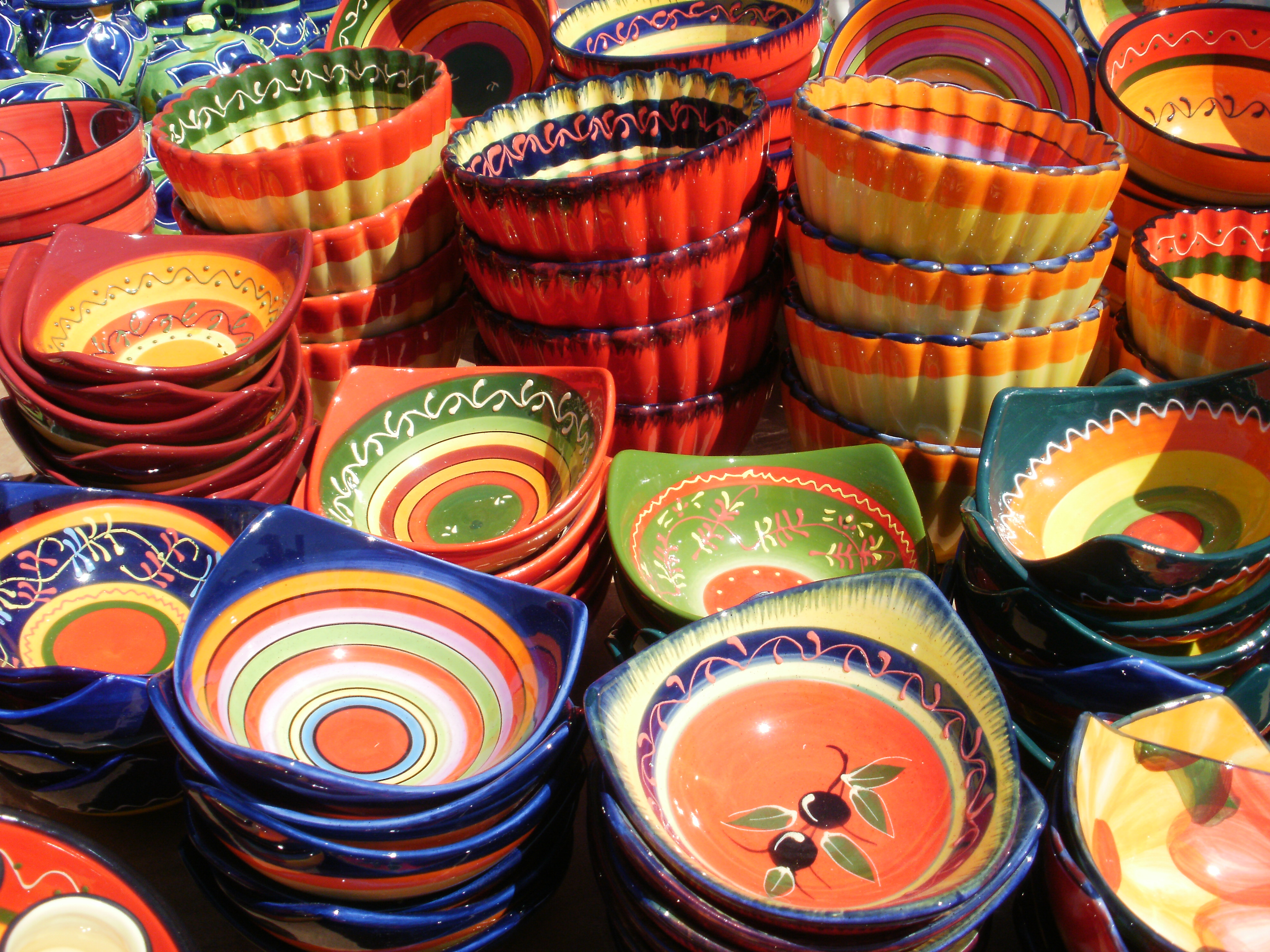
Items for sale include brightly painted pottery, locally grown fruit and sometimes irregularly-shaped vegetables, spices, olives and nuts, as well as clothing, handbags, shoes and jewellery.

Often the slowly shuffling crowd will come to a complete standstill, as a new baby (much to the delight of his young mother) is fussed over and kissed by a multitude of Spanish women, amid cries of “guapo” (which means that the baby is gorgeous!), totally oblivious to all around them.


When waiting to be served at a busy fruit and vegetable stall,  with customers standing several deep all around, you just have to stand your ground and shout up when you think it´s your turn, or the little old ladies wearing black will surely push their way in front of you!

These photos were taken at the street-market at Caleta de Vélez, but this is a fairly typical scene across the Axarquía.  It is wonderful to buy such fresh, locally-grown fruit and vegetables.

Beats the supermarkets any day, with good prices too!

Why not visit a local market today? There’s sure to be one!

MONDAY:         Torrox pueblo and Torrox Costa

TUESDAY:        Nerja,  Trapiche (Farmers Market)

WEDNESDAY:    Algarrobo Costa,  Rincón de la Victoria

THURSDAY:  Frigiliana,  Torre Del Mar,   Vélez-Málaga

FRIDAY:   Almuñecar, La Cala Del Moral (Rincón de la Victoria)

SATURDAY:   Cómpeta, Caleta de Vélez, El Palo (Málaga)

SUNDAY:   Nerja (Car Boot)

Where’s your favourite street-market, and why?  Do you know of any others in the Axarquía?

Related posts:

Playing the Spanish Markets

When life gives you curves, flaunt them!

The Buddhist Stupa of the Eastern Costa del Sol