La Noche de San Juan: Families, fires and football!

españa-francia football poster

Last night, we joined the beach party at Torre del Mar to celebrate the summer solstice, but first, there was the small matter of a football matchSpain were playing France in the quarter finals of Euro 2012!  
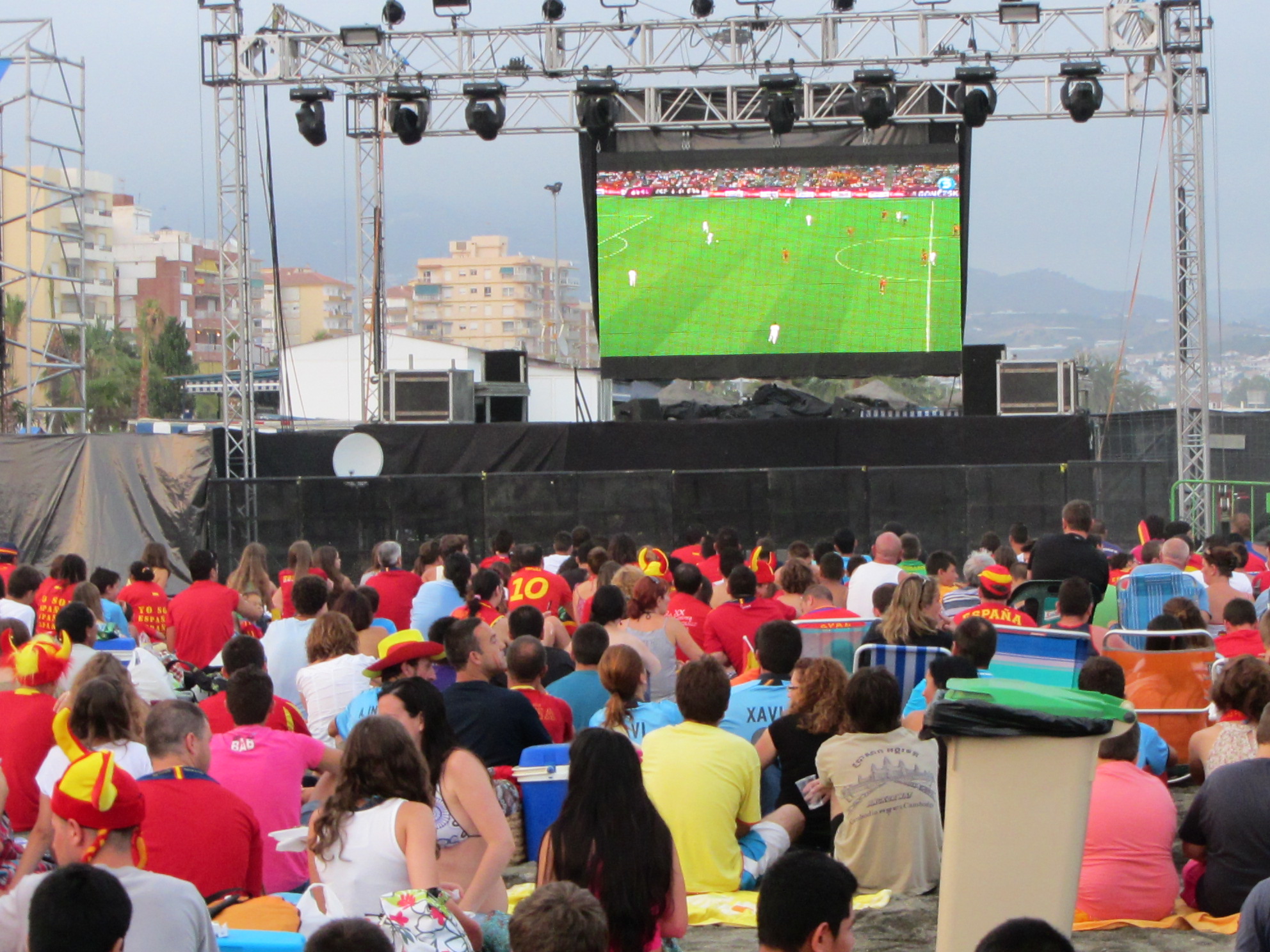
Huge TV screen on the beach

A huge TV screen had been erected on the stage where the live music would be performed later in the evening, and everyone was vying for the best position to see the match.  I´m sure you can imagine the atmosphere when the goals were scored and Spain won their place in the semi-finals!
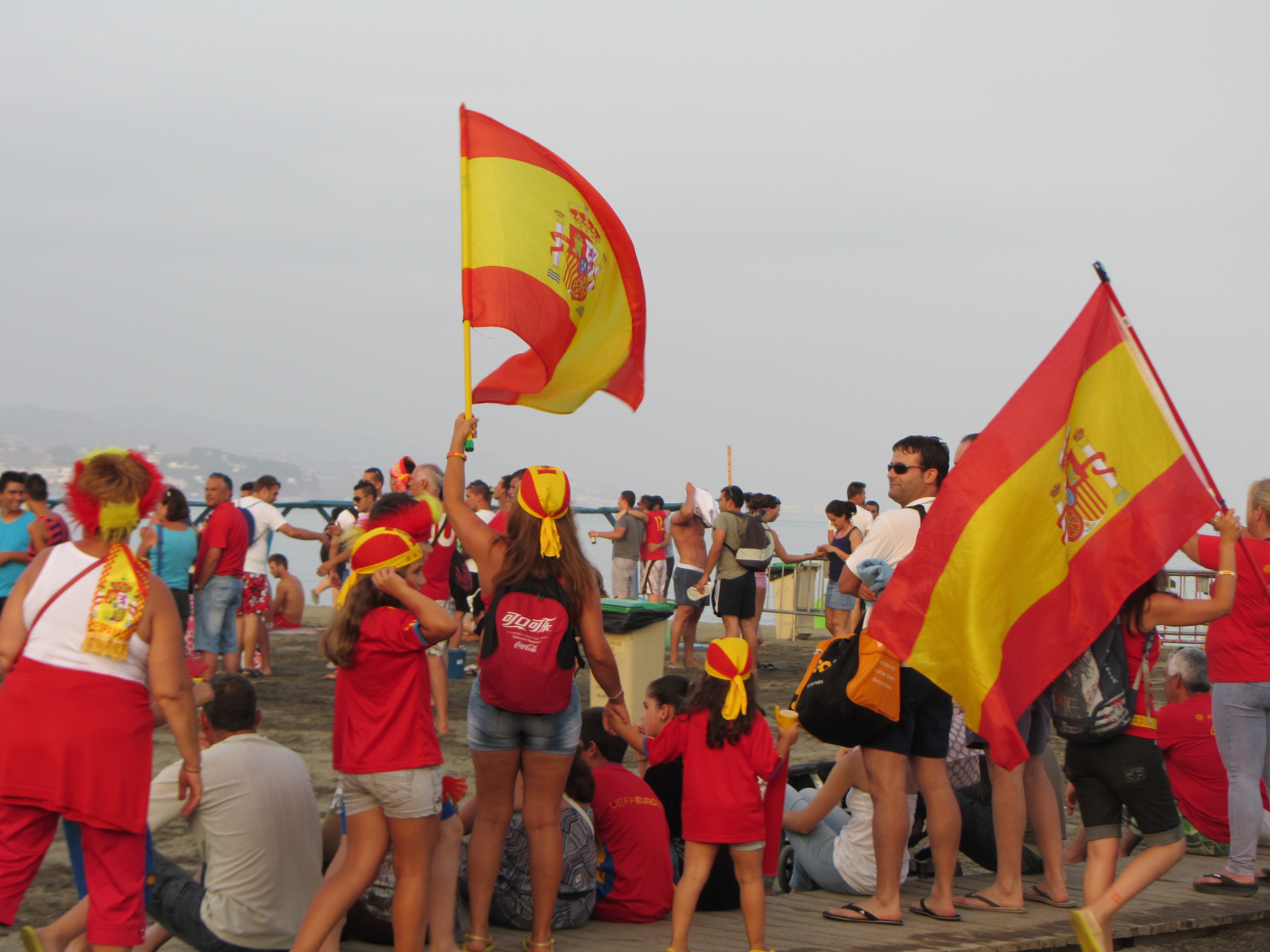
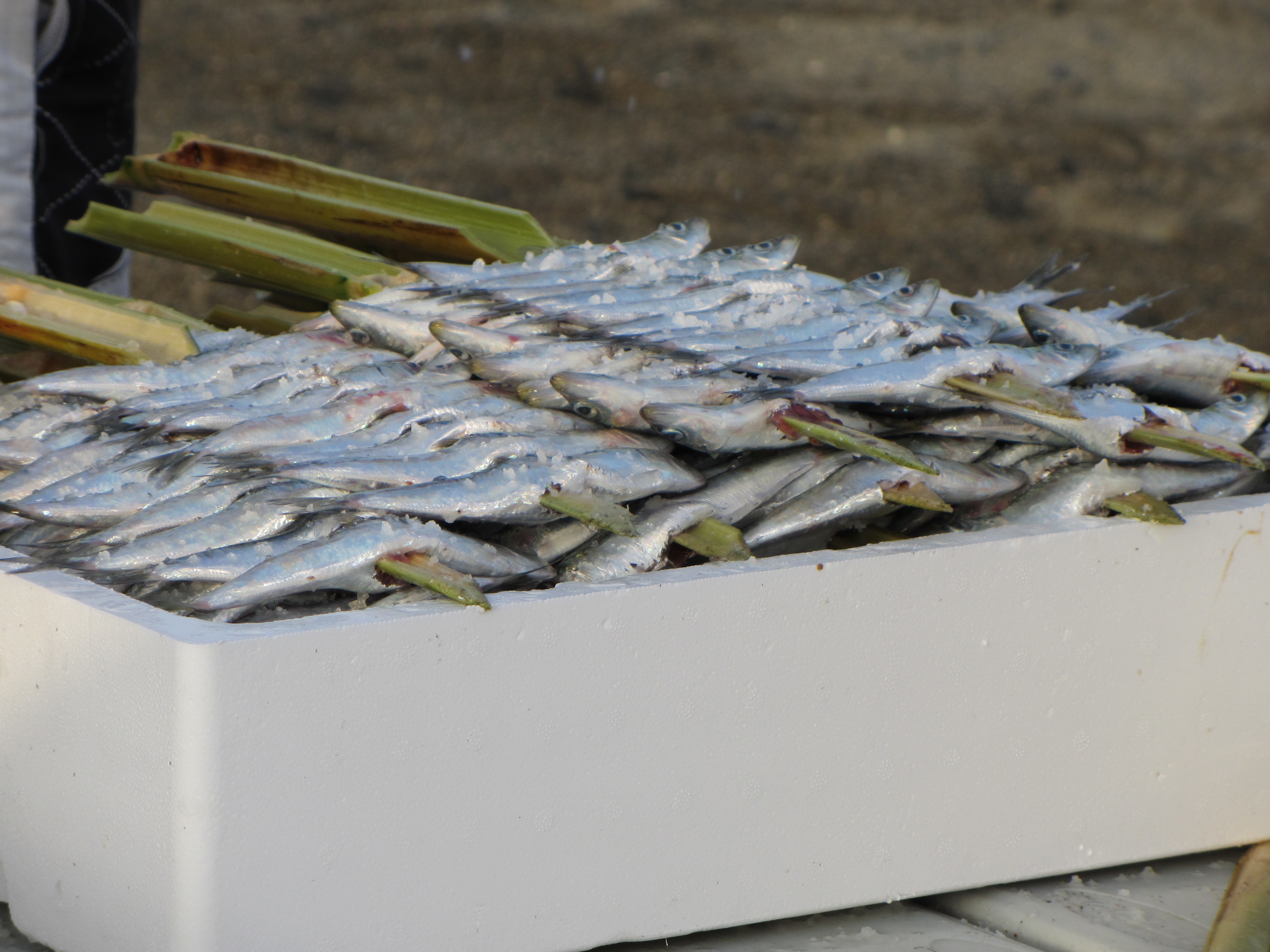
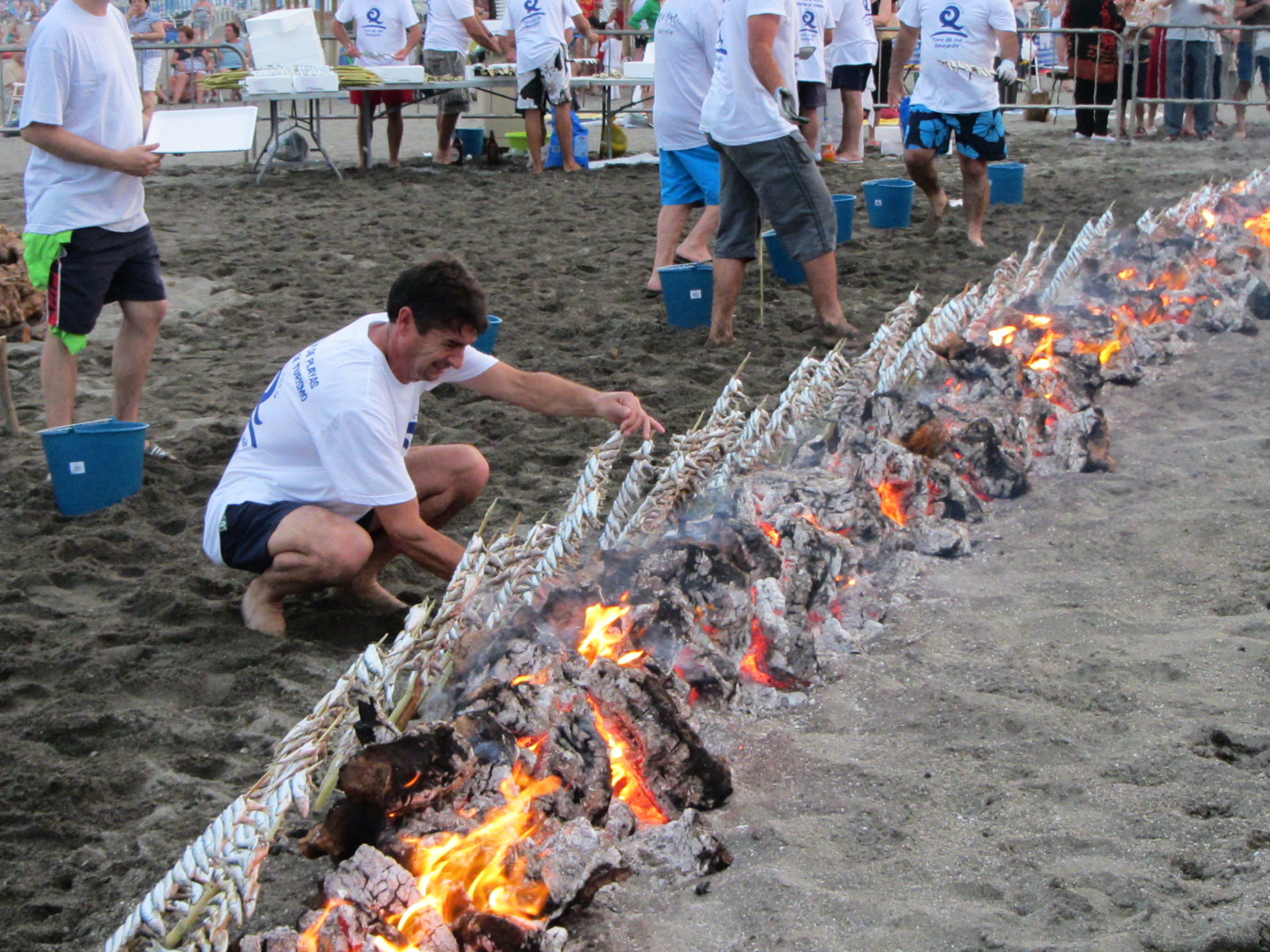
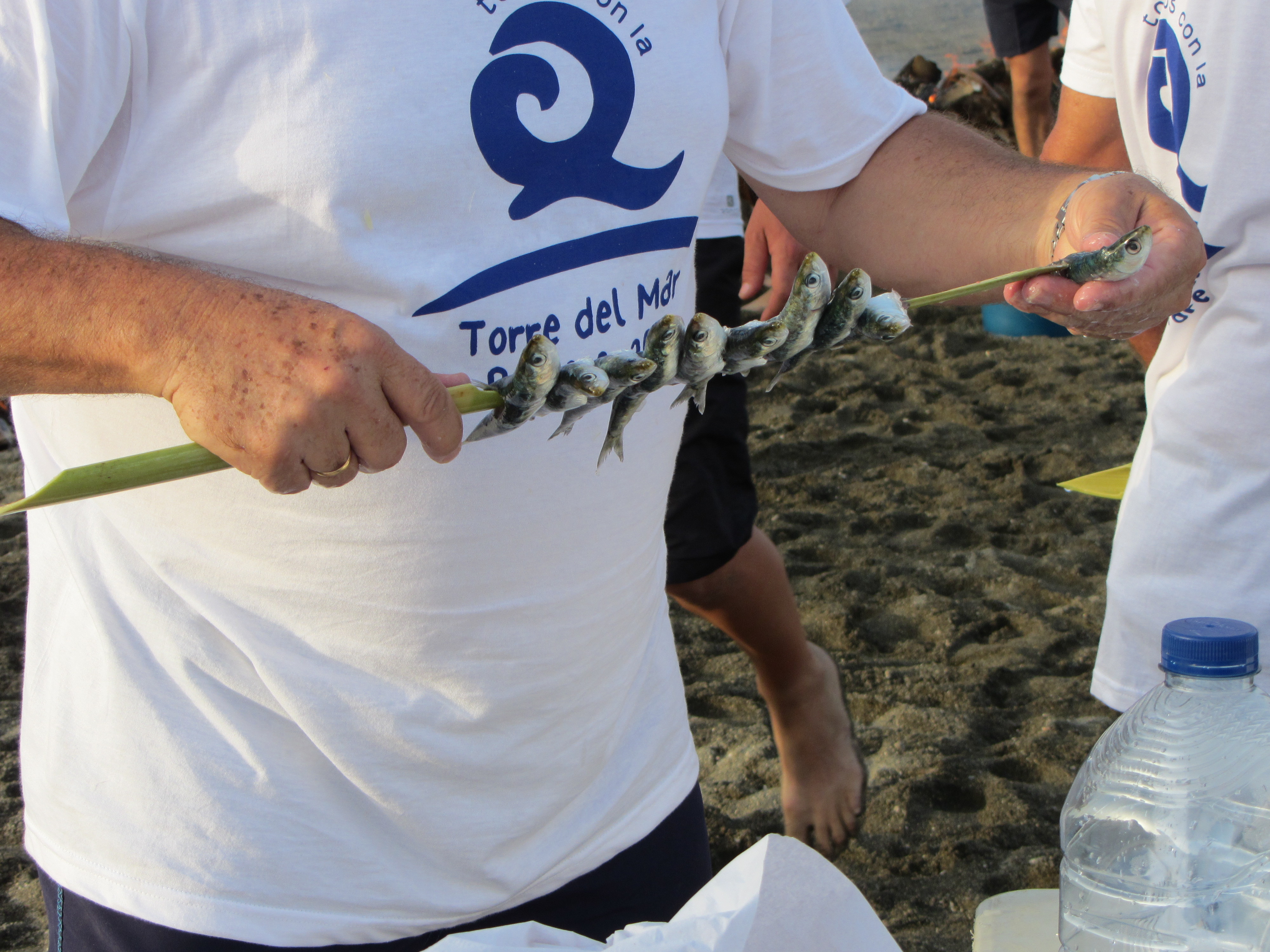
Waving the flag for Spain In the meantime, there was much work to be done.  Long lines of wood were being set alight in preparation for the hundreds of kilos of sardines that were to be barbecued and given out free, later.  A team of guys were sharpening bamboo skewers and threading them with sardines ready to be cooked.
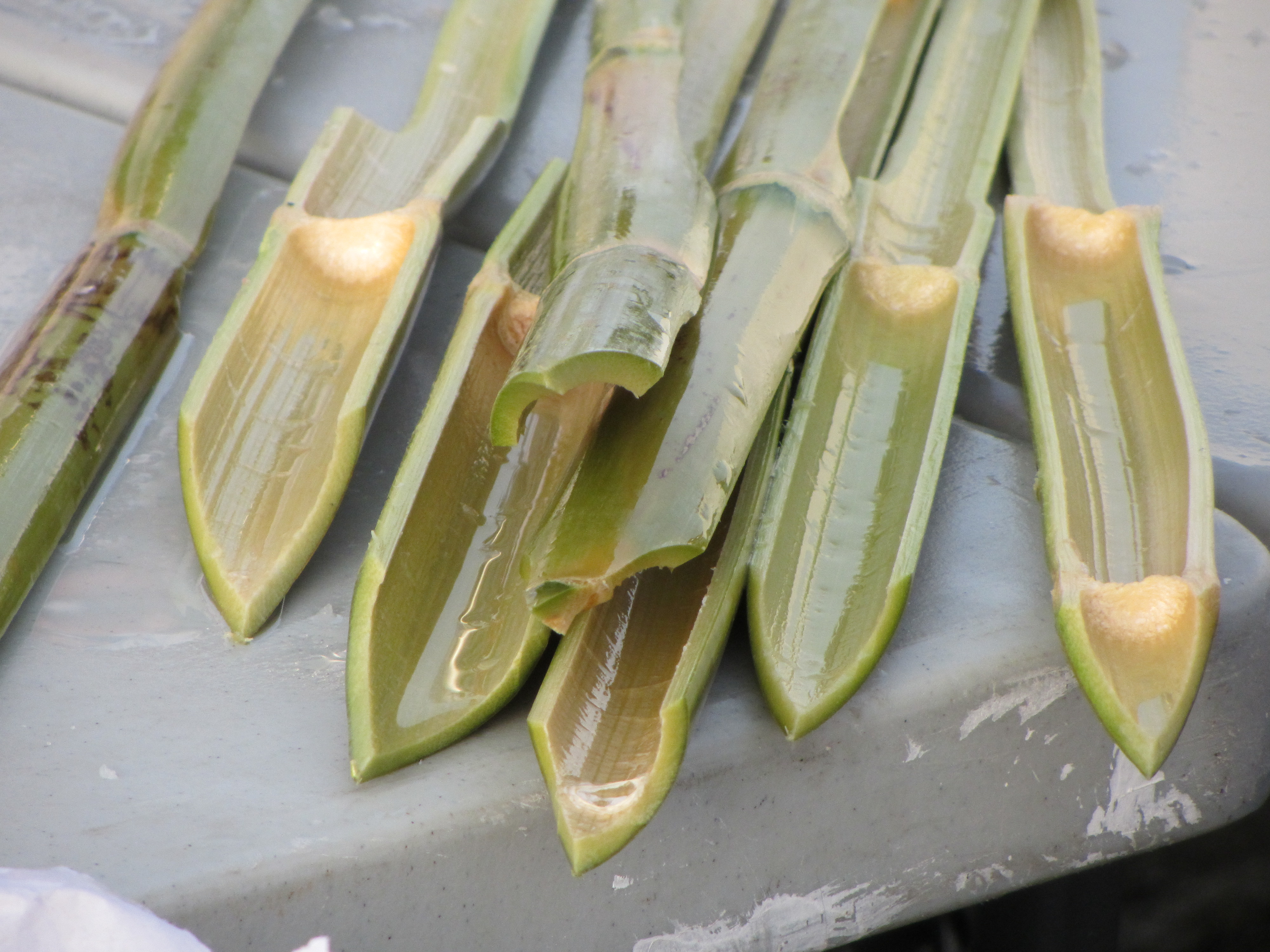
sharpened bamboo skewers for the sardines

threading the sardines onto the bamboo skewers

Sardines ready to cook on the wood fires

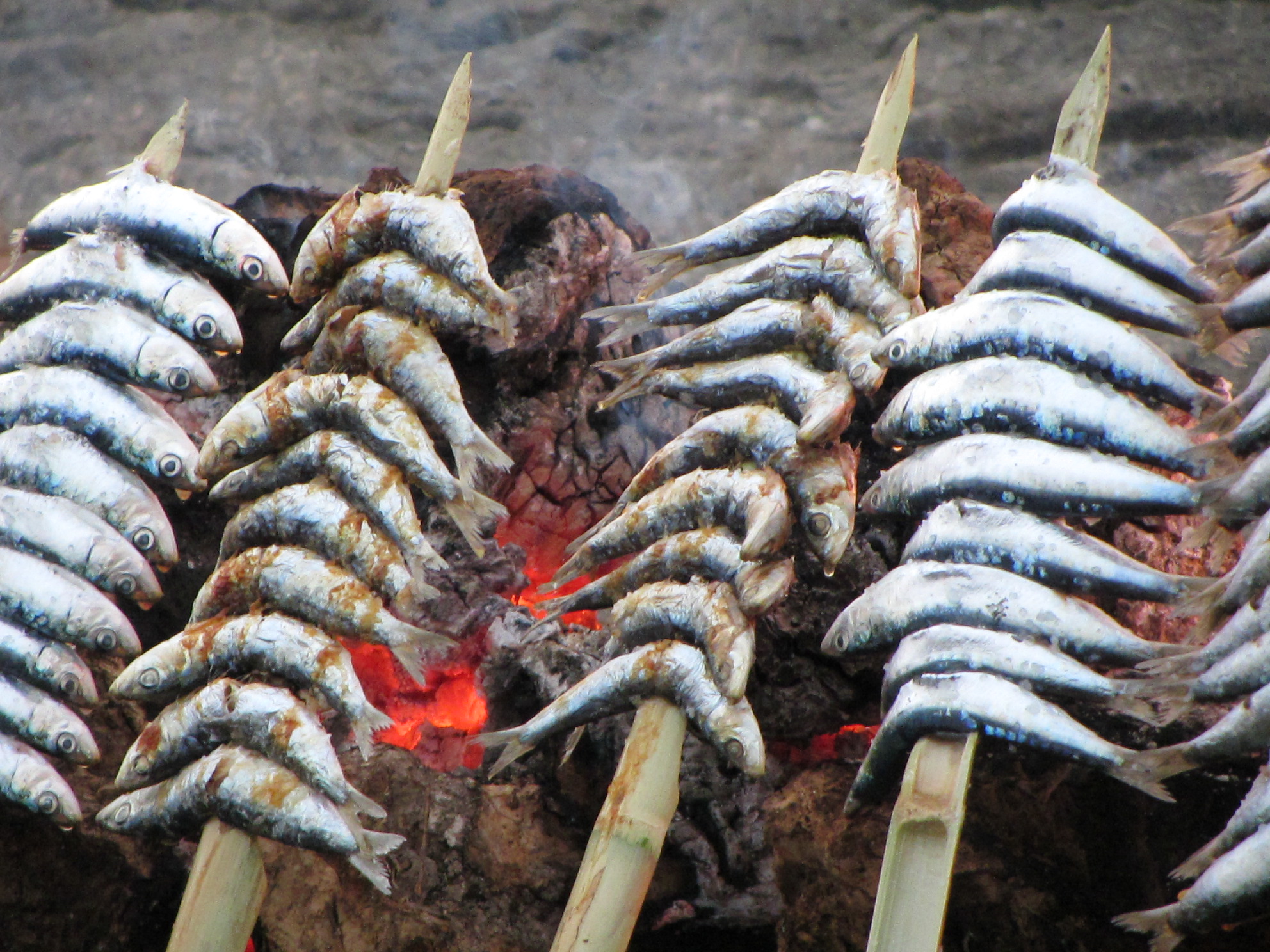
cooking the sardines

the sardines are almost ready

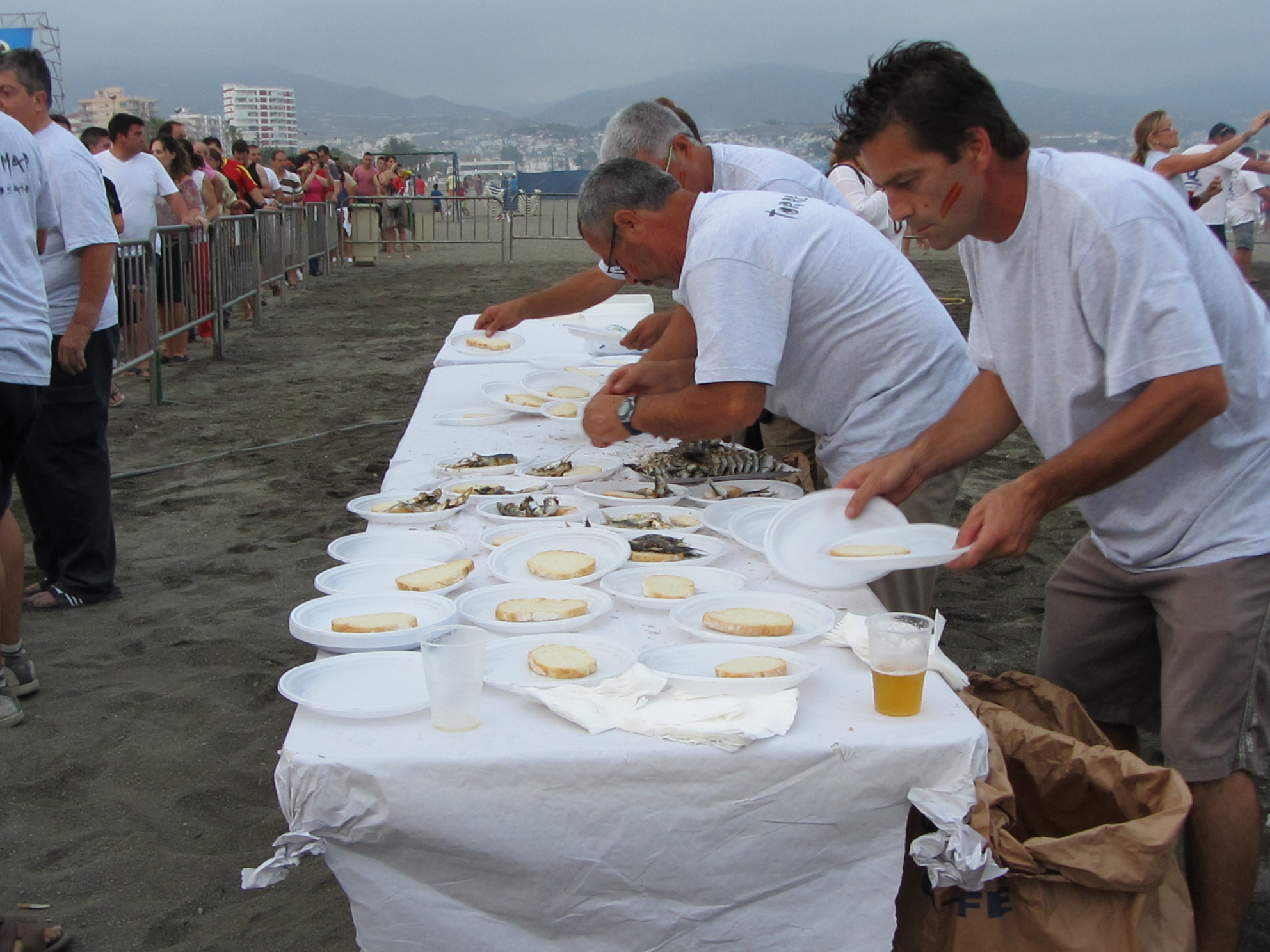
serving the free sardines to everyone

La noche de San Juan is the only time of the year when bonfires and camping are allowed on the beach, so many people take advantage, bringing their own BBQs and tents to spend the whole night partying, dancing and drinking with their friends.  It´s a lovely atmosphere with people of all ages joining in the fun, including groups of old ladies and children.  As with all celebrations here in Spain, whole families enjoy the festivities together, without any threat of drunken yobbos spoiling the fun.
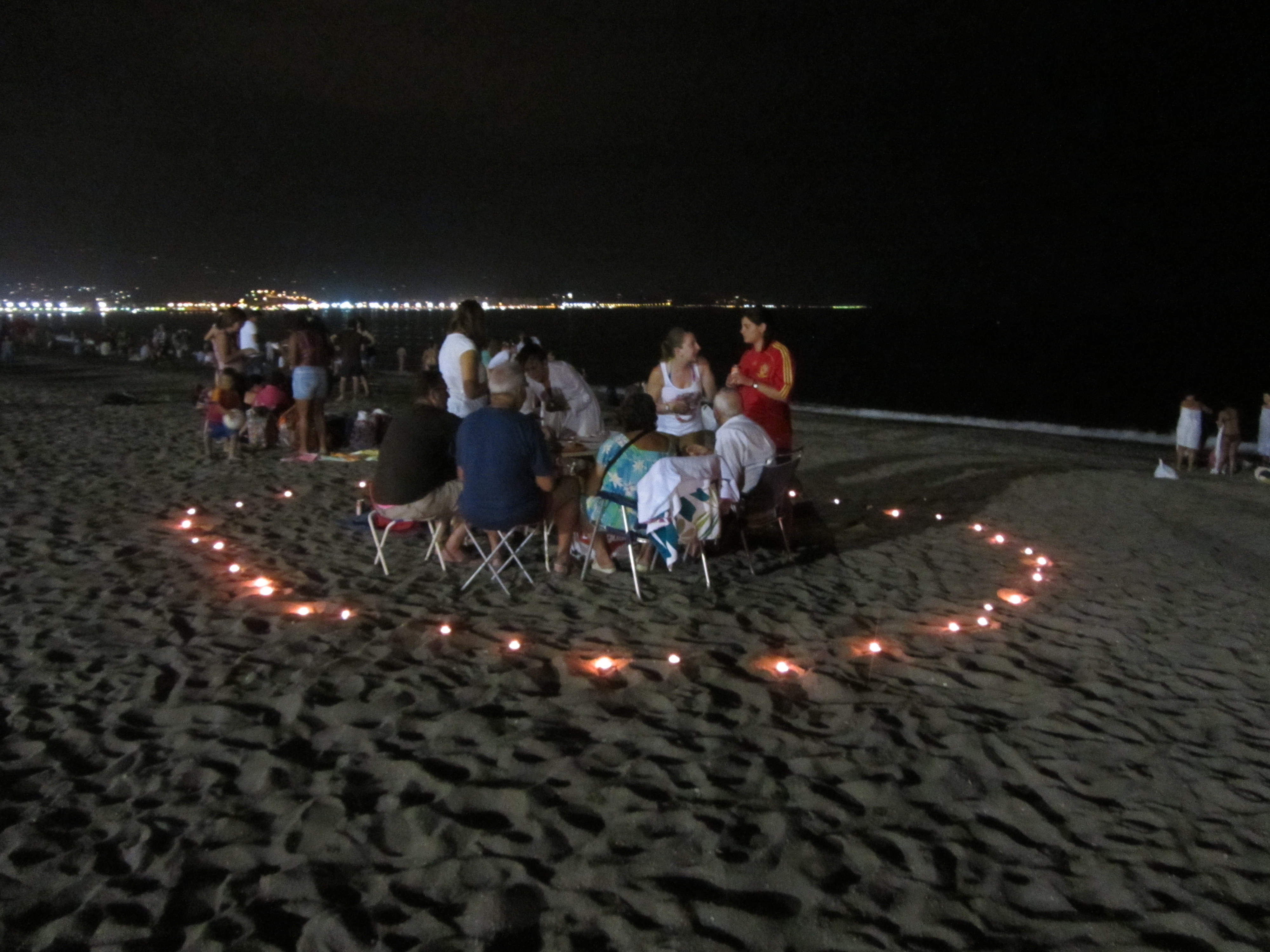
The whole family enjoying San Juan together

La noche de San Juan, in honour of St John the Baptist, is not a religious gathering.  It is about change – night into day, fire and water, with many cleansing rituals associated with it.  According to tradition, if you jump over a bonfire on this night, and rush into the sea at midnight, your body and soul will will be cleansed and purified.  What it´s really all about is families and friends getting together and eating, drinking and just having a great time!

Think Isle of White festival without the mud!  La Noche de San Juan is a Midsummer Night´s Dream – Spanish style!

Whilst you´re here, you might also like to have a look at:

La Noche de San Juan: Beaches and Bonfires

La Fiesta de Los Reyes: Celebrating Three Kings Day

A Celebration of Fried Breadcrumbs: The 30th Annual Migas Festival

Let’s talk about tapas!

First of all, what are tapas?

It is thought that originally in the wine-making regions of Andalucia una tapa (the word “tapar” in Spanish means“to cover”), in the form of a small plate or lid was placed over glasses of wine to keep fruit flies away.  Titbits of food were then placed on the dish to be eaten with the wine.   How I so love the Spanish that it is unacceptable that a fly ends up in your drink, but it´s fine if it lands on the accompanying snack!

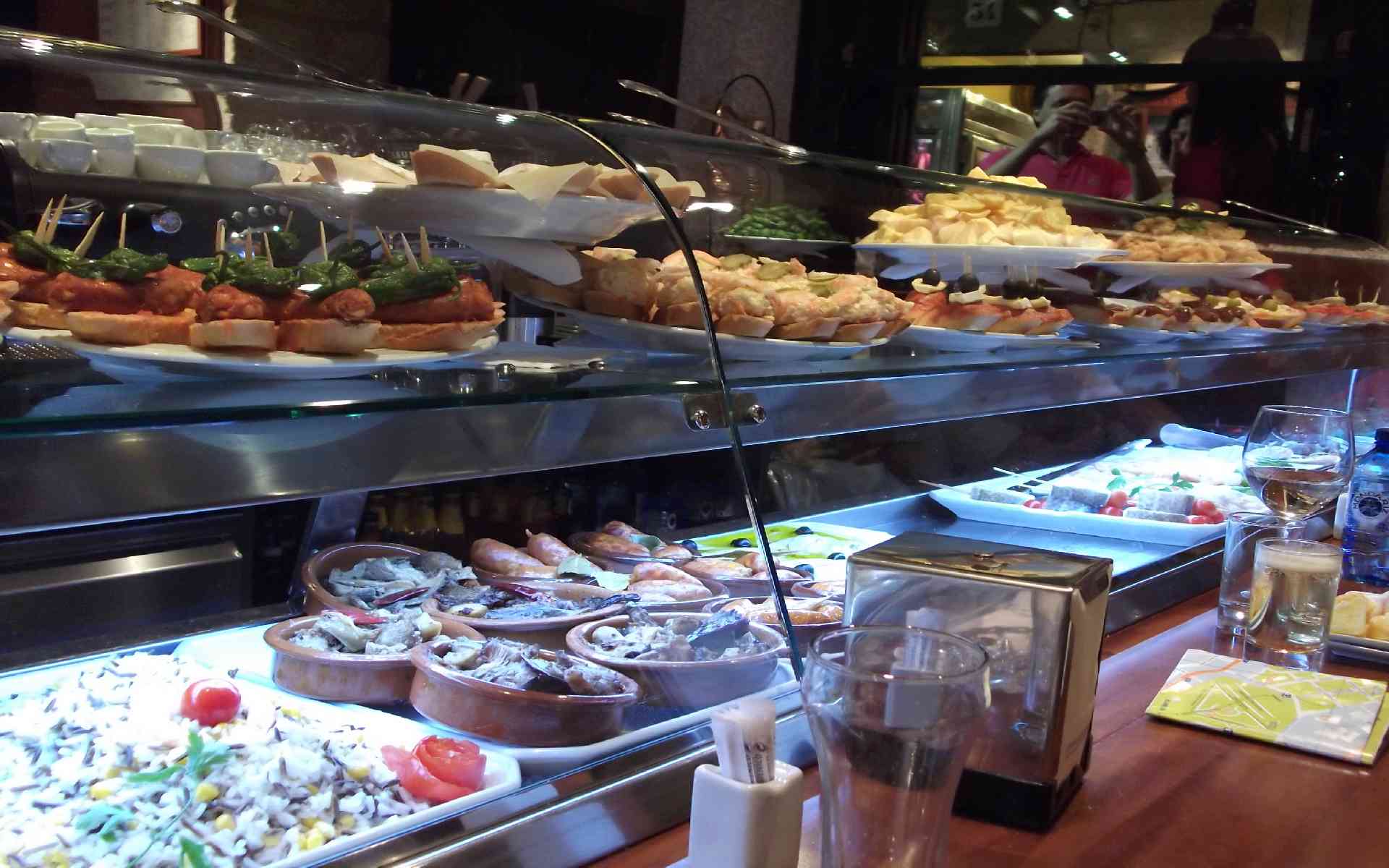
Tapas selection at a bar in Santiago de Compostela

Other stories suggest that tapas were invented by a bar owner in Seville, who decided to put a cover (tapa) over his guests´ glasses of wine, using a slice of bread to keep out flies. He later put a piece of ham or cheese on top, so that his customers could have a bite to eat with their drink.

Either way, the idea spread, so that nowadays the types of food served as tapas are limitless.  Most Spaniards don´t drink alcohol without a tapa and many bars provide them free of charge.


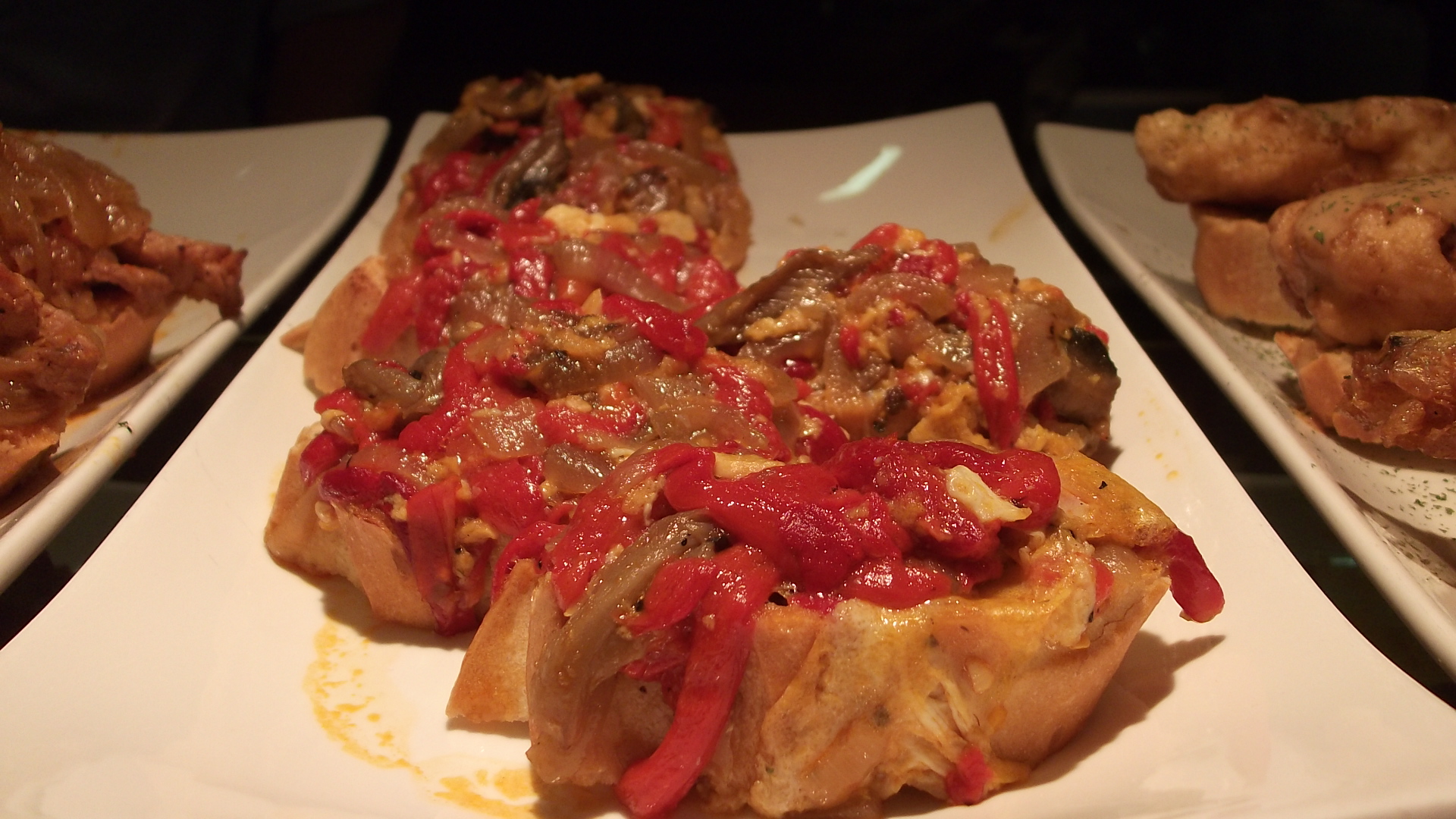
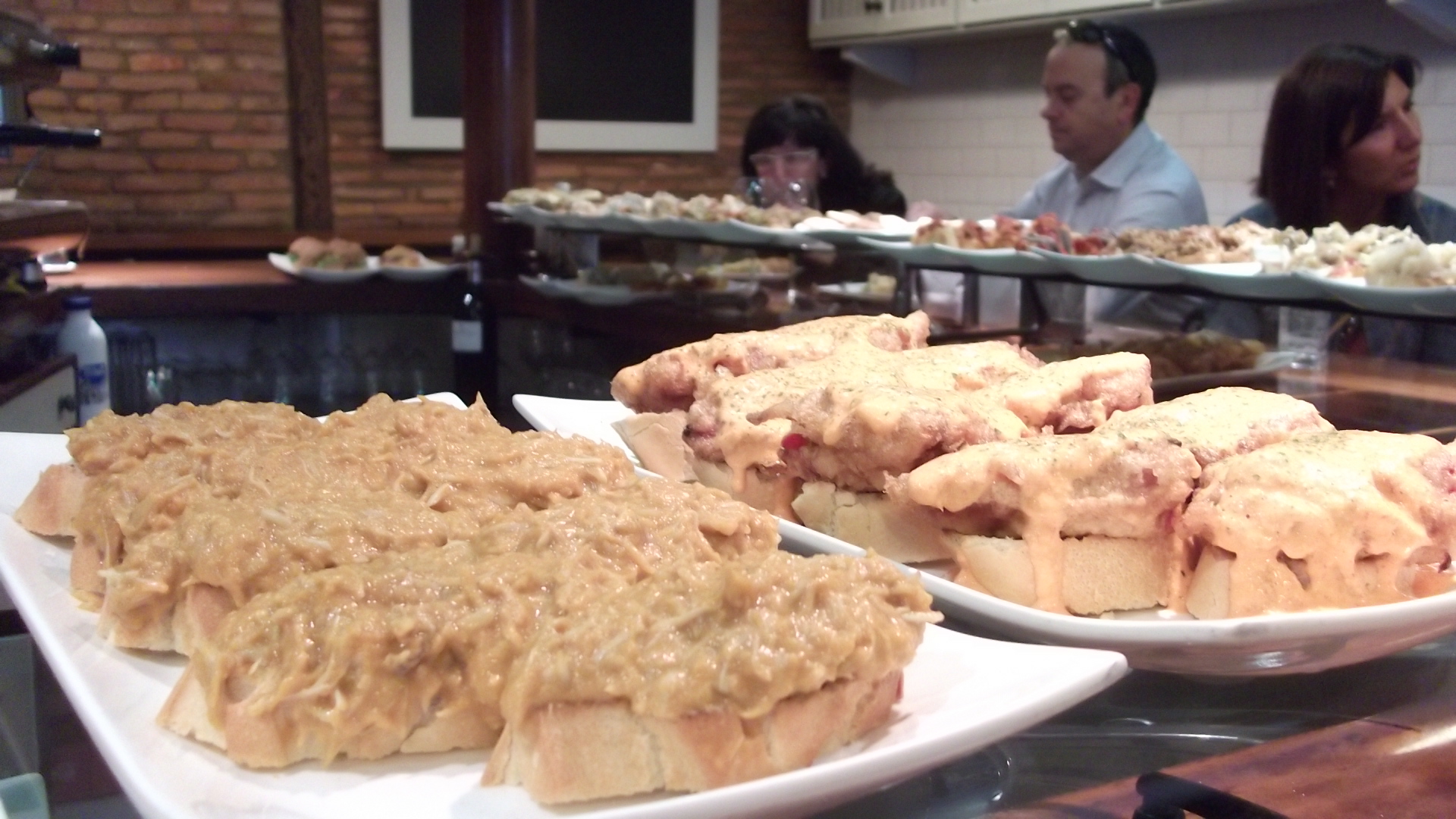
The Spanish equivalent of “fast food” is usually displayed in refrigerated glass units on the bar and served in small terracotta glazed dishes. Some examples of the type of tapas normally available include gambas (whole cooked prawns in their shells), boquerones (fresh anchovies in olive oil, vinegar and garlic), chorizo (spicy Spanish sausage), albondigas (meatball…often in a creamy almond sauce), queso (cheese…often manchego), habas con jamon (broad beans with ham), ensalada rusa (Russian salad) or just a few olives.

Your choice of tapas is usually accompanied by a small piece of crusty bread which helps to counteract the adverse effects of the alcohol through drinking on an empty stomach.

In many establishments, if you stand at the bar along with the locals you will be given one tapa free with each drink you buy.   That’s right …. free food!

Should you choose to sit away from the bar, you can pay for a tapas or two (usually for one euro or less in this part of Spain), or opt for a larger serving known as a ración (ration) or medio ración (half ration). This is a great way to eat a variety of dishes, and a pretty sociable activity as groups generally tend to share their dishes.

The food is generally very good, even in remote villages around the Axarquia.

Where is your favourite tapas bar?   Which tapa do you choose, time and time again?


You might also like to look at:

All at sea with the Virgen del Carmen

La Noche de San Juan: Families, fires and football!

Bus Services: East of Málaga


Photographs I love …. and why! [Part 10]

This is just one of a series of photos I have taken, and will share with you over time, capturing the essence of living east of Málaga.   Each one, in it’s own unique way, reminds me of why I love living in southern Spain, and in particular the Axarquía.

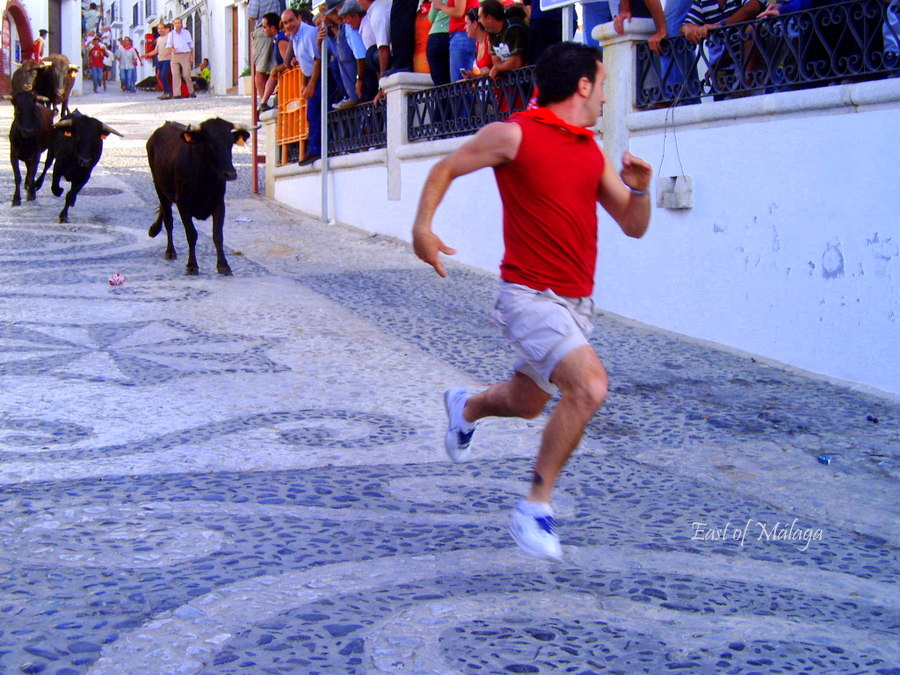
Bull run in Frigiliana, Spain

I took this photograph a couple of years ago during the Bull Run in the village of Frigiliana.  This event is held each year, early on the Sunday morning of the Feria weekend in June.

A smaller version than the Bull Run held in Pamplona, both in size of attractions and certainly in the size and age of the bulls, but nonetheless no less exciting for those participating.  No bulls are harmed at this annual festival.

You might also like to have a look at:

More Photographs I love …. and why!

A Celebration of Fried Breadcrumbs: The 30th Annual Migas Festival

Cherimoyas and Irrigation on the Costa Tropical

This is a guest post, written by a fellow blogger who lives in  the hill-top village of Salobreña about a half hour´s drive further along the coast, east of Málaga.  The area is known as the Costa Tropical and is noted for growing many tropical fruits, not least of which is the cherimoya – which you may know better as the custard apple.  Anyway, after reading Marty´s post, why not pop along and have a look at her blog and revel in her wonderful photography. 

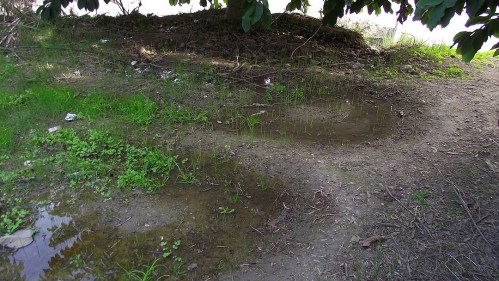
Water can be seen zigzgging its way around the individual trees

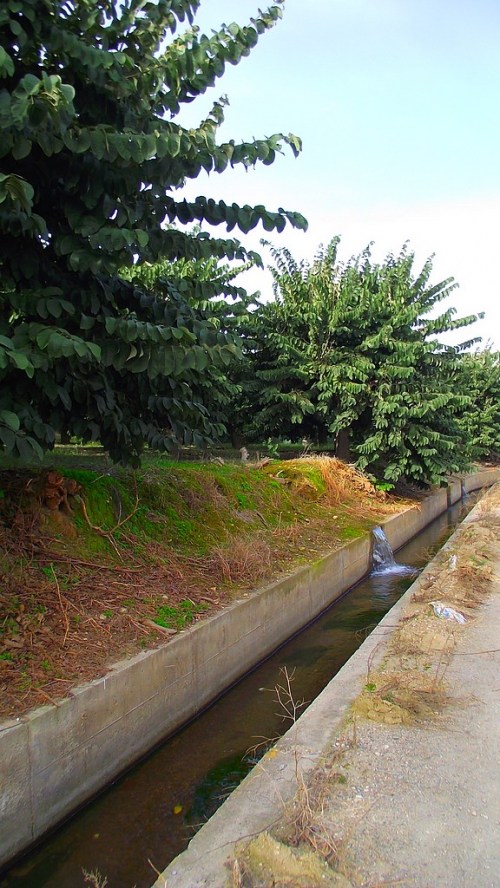
On my trip into the campo yesterday I came across this orchard expelling its excess irrigation water into one of the ubiquitous concrete channels that cut through the countryside here.  Life giving water is diverted to the farms and orchards throughout the area.  A complicated grid of canals ensure that each farm is supplied with water by diversion from the canals once or twice a week.  Each farmer on his scheduled day diverts water into his farm and that excess is then collected and carried on to next farm.  You can thank the Moors for this ingenuity.

Saturation point

The excess water makes its way back to the canal to be carried on to the next farm

Sediment and plant life take hold within the canal

In the orchard, water is carried around each tree in zigzagging trenches designed to slow the flow of water so to ensure that the soil all around the tree is sufficiently saturated. The excess water then simply falls back into the canal and is carried away.  Along with the water, is carried important nutrients for and from the soil as well as small stones, and sediment.  These heavier items gather in the canal around the entry point and eventually plant life takes hold and life shoots up, seemingly out of nothing.  Due to this fact, the canals are dredged regularly to ensure the flow of water continues.

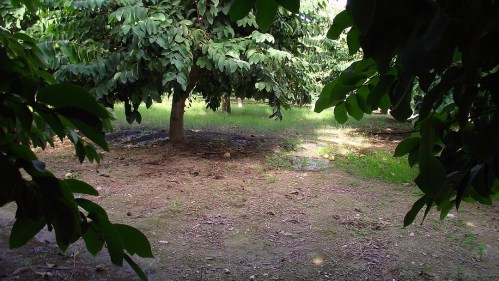
Cherimoya middle of November

This particular orchard is consists solely of  Cherimoya trees.  These are a delicious winter fruit grown only in this region in all of Europe.  One of the unusual things about the cherimoya is that it is hand pollinated.  Scores of men and women, paint brushes in hand pollinate each flower to ensure a good uniform crop.  Within weeks of harvest, the trees are pruned,  stimulating new growth and making harvest the next year simpler.  It is easier to pick fruit from  smaller trees, less goes to waste due to being out of the reach of the picker.

A friend with a ripe cherimoya ready for eating

In this last photo, my friend  and I stopped and spoke to a farmer about the cherimoya, which instigated an invite onto the finca,  followed by a sampling of cherimoya, guava, oranges, lemons and avocados to take away.  A great day!

Bus Services: East of Málaga

Let´s face it, travelling on holidays can sometimes be a pain.   Visitors from nearby locations may decide to drive their own vehicles, but most visitors to the Costa del Sol tend to fly into Málaga airport.  Luckily there are numerous rental car agencies and bus systems to aid any of your transportation needs.

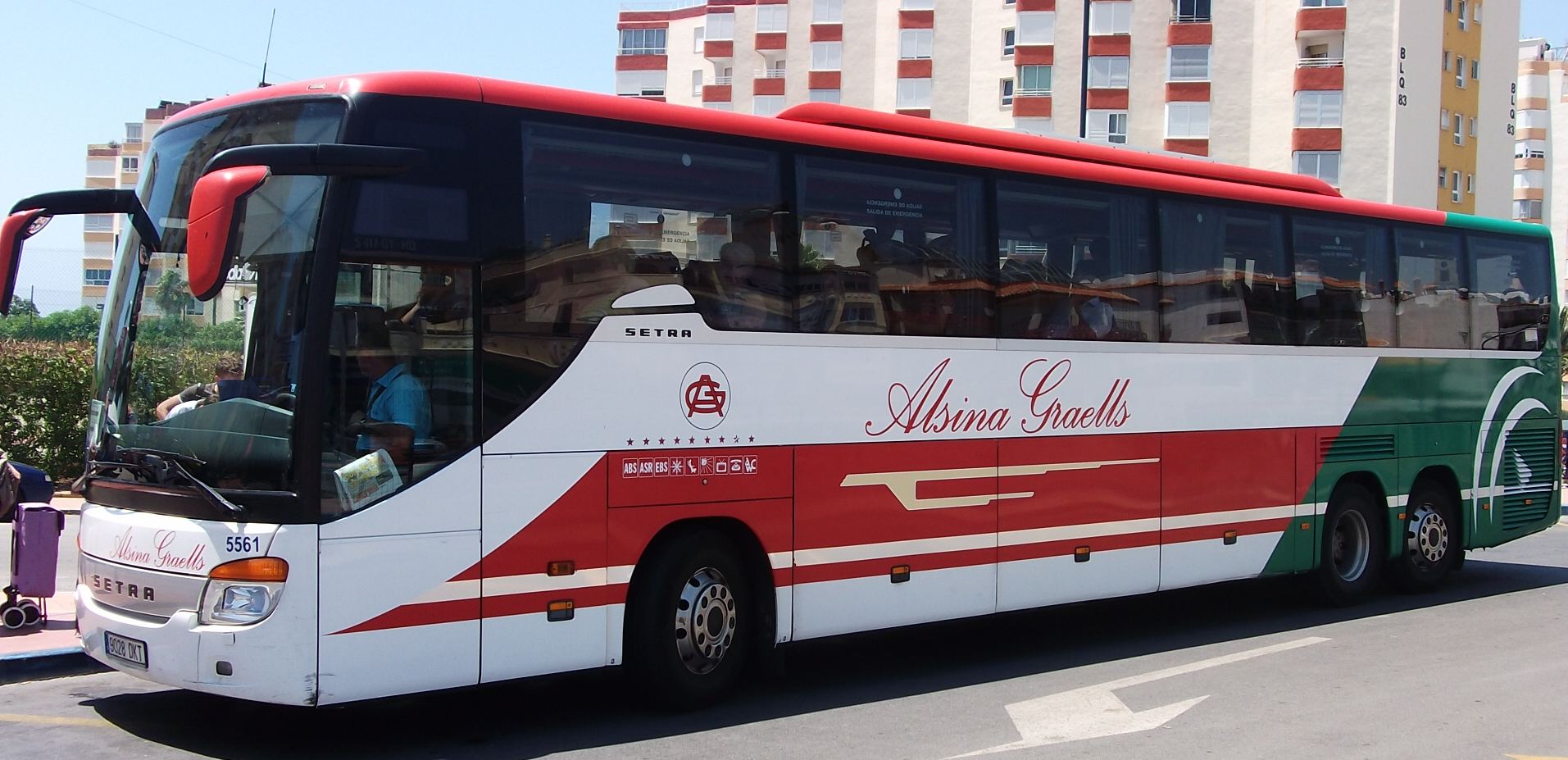
The city of Málaga, the capital of the province by the same name, is the hub of all mass transit systems in the area. Alsina Graells is the main bus company serving the eastern  Costa del Sol.  Their red, white and green buses run from Málaga city to the Andalucían capitals of Seville, Granada, and Córdoba, as well as serving the towns and villages of the Axarquía.  These buses are usually on time, with any occasional delays being caused by unusually heavy traffic on specific days during the year.

The Alsina Graells (ALSA) website is in English, and from here you can examine bus schedules and purchase tickets in advance of your trip.

Here are some Spanish words that might help you on your journey:

Al                                                      to

Billete                                               ticket

Comprar                                          to buy

Del                                                    from

Destino                                           destination

Diario                                              daily

Estación                                         station

Fecha                                              date

Horario                                           time

Ida y vuelta                                    return trip

Llegada                                          arrival

Origen                                           departure point

Precio                                            price


You might also find the following information useful:

Flights to Málaga: Which airlines fly to the Costa del Sol?

Easy Driving Directions From Málaga Airport to The Axarquía