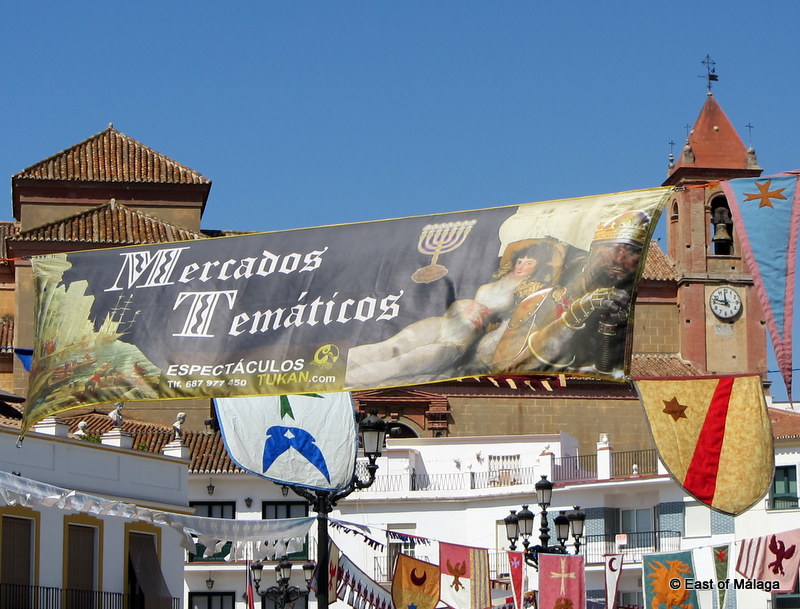
Back to the Future: An Evening at the Medieval Market

medieval market  in torrox pueblo

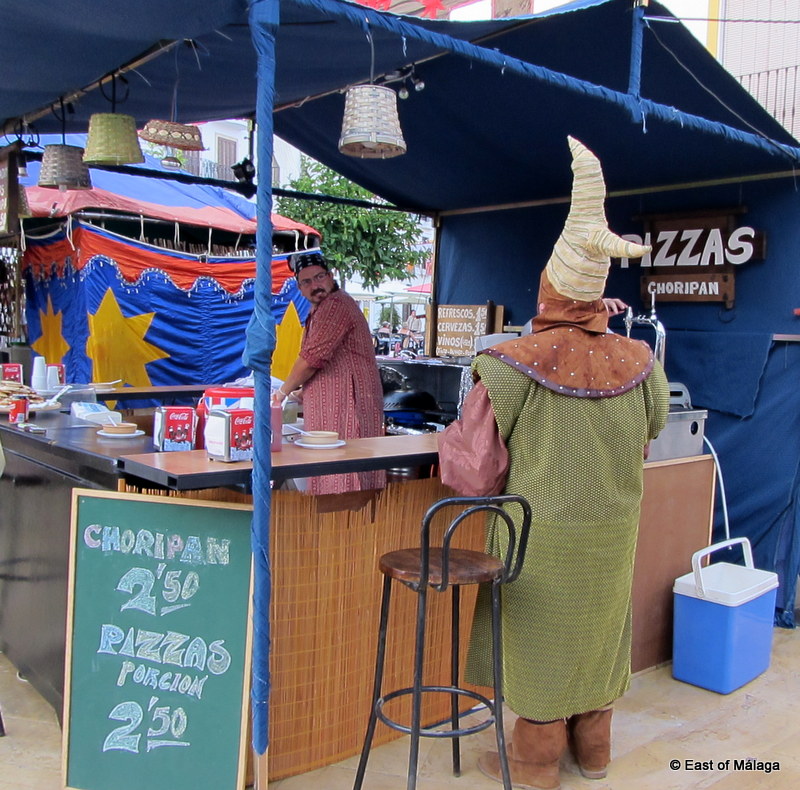
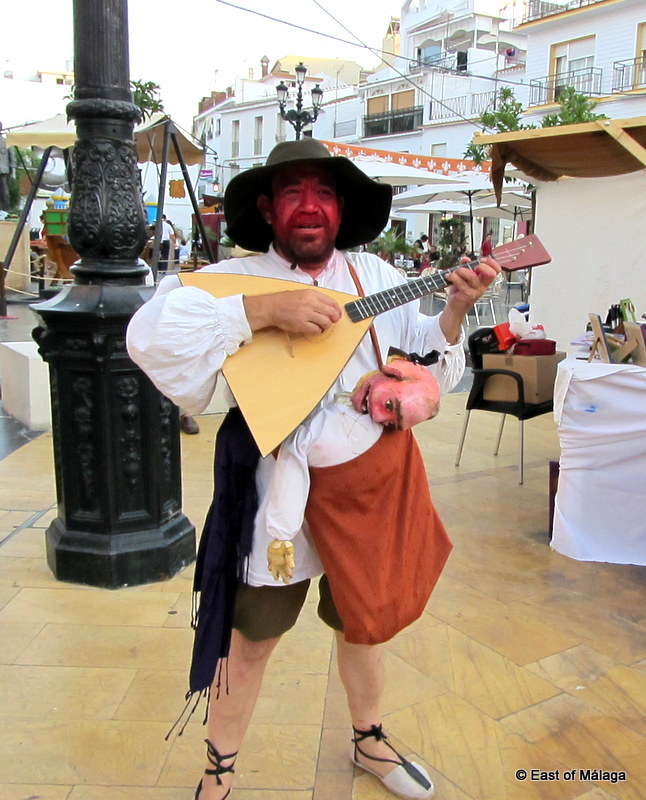
During the past weekend, a Medieval-themed market took over the main square of the white village of Torrox in the heart of the Axarquía region.  Organized by the Ayuntamiento (town hall), there was lots of medieval bunting to transport you back to the 15th century, with suitably dressed character actors to set the mood.
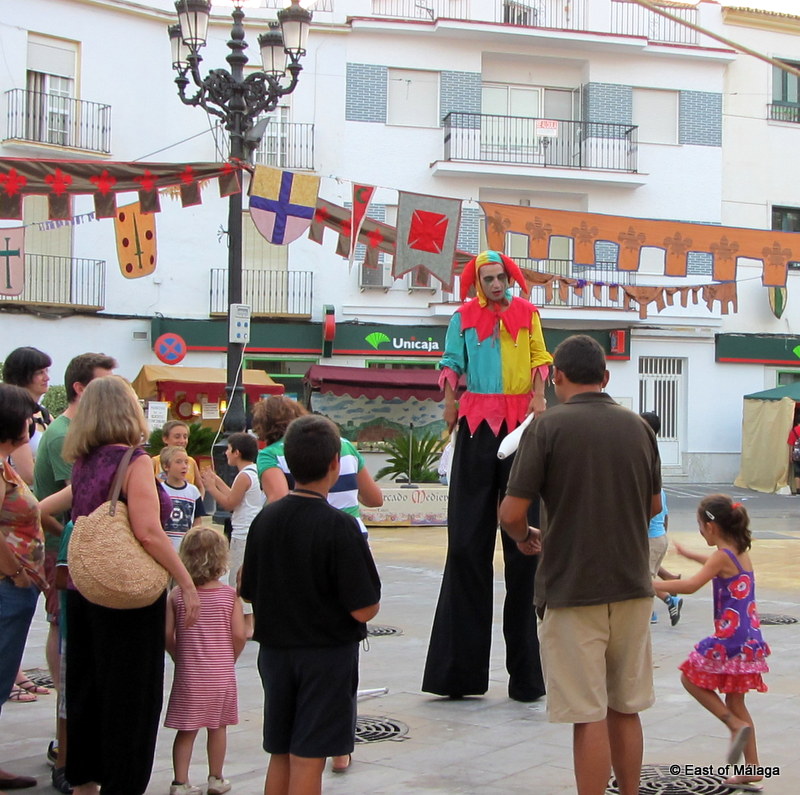
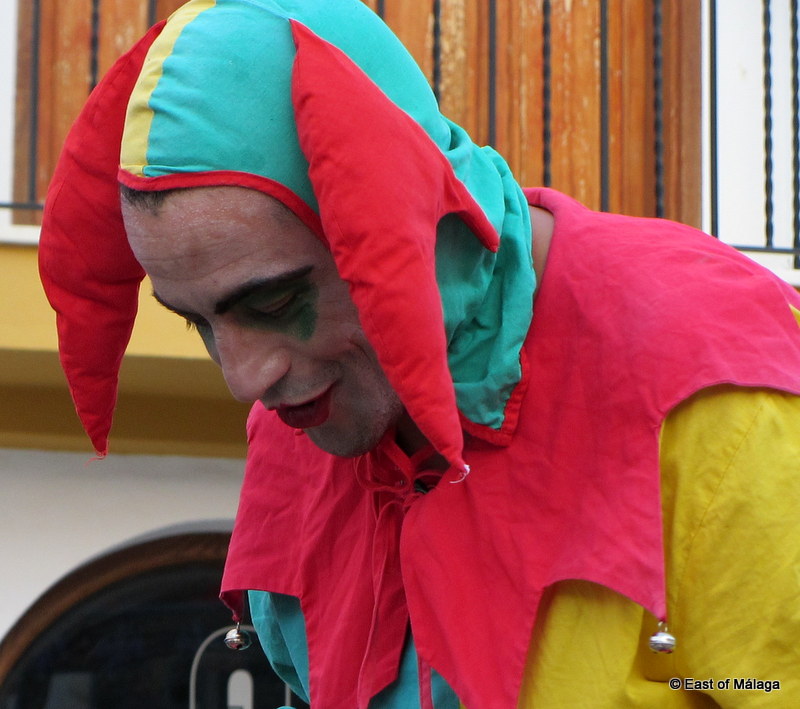
Jester on stilts entertains at the medieval market in Torrox pueblo

Jester at the medieval market in Torrox pueblo

Character actors at the medieval market in Torrox pueblo

Character actor at the medieval market in Torrox pueblo

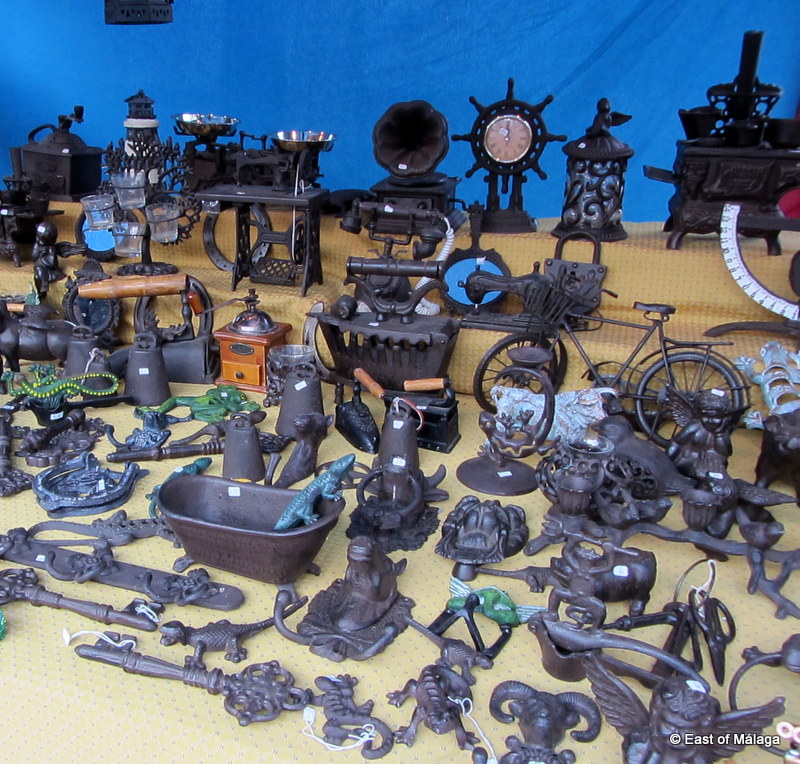
There were various stalls selling crafts, jewellery,  cheeses, traditional craftwork in metal and wood, as well as lots of food.
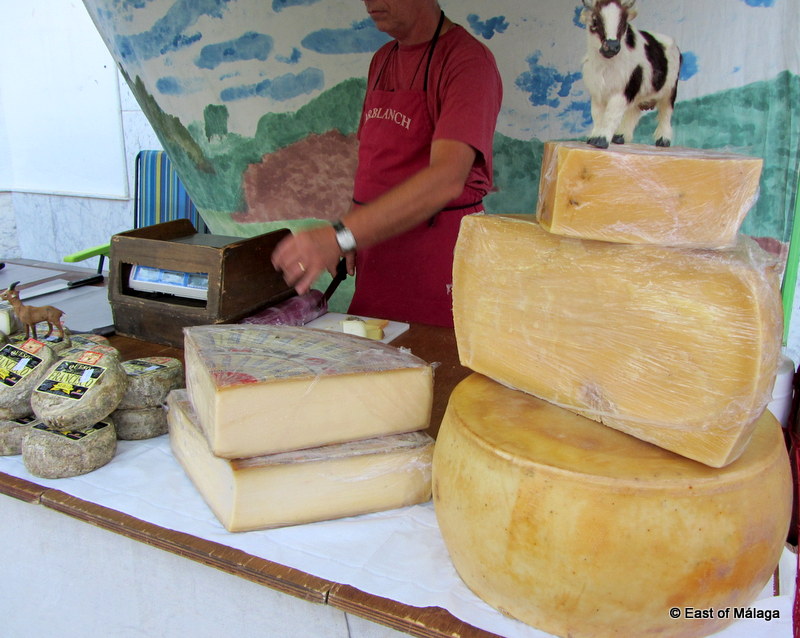
Cheeses for sale at the medieval market in Torrox pueblo

One of the stalls at the medieval market in Torrox pueblo

Huge wooden chess tables had been set up for anyone to enjoy a game of chess in the evening sunshine.
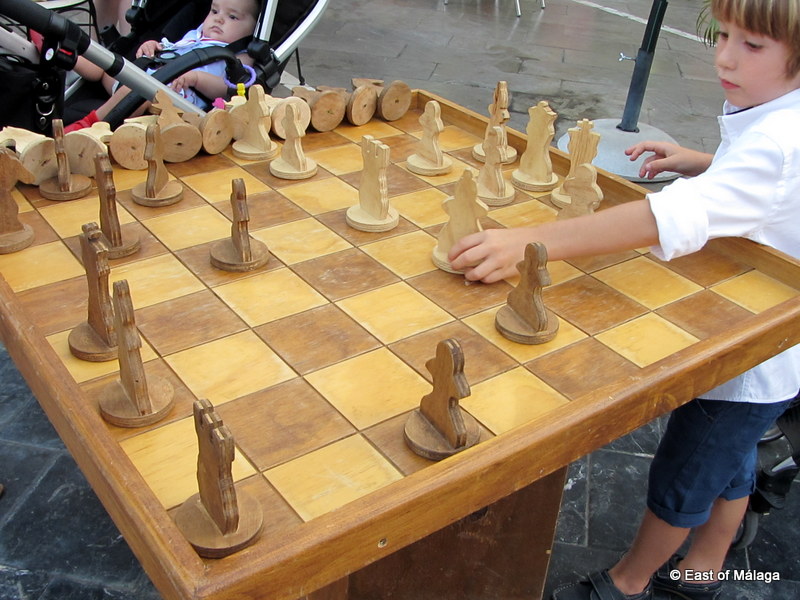
Child plays on wooden chess table at medieval market in Torrox pueblo

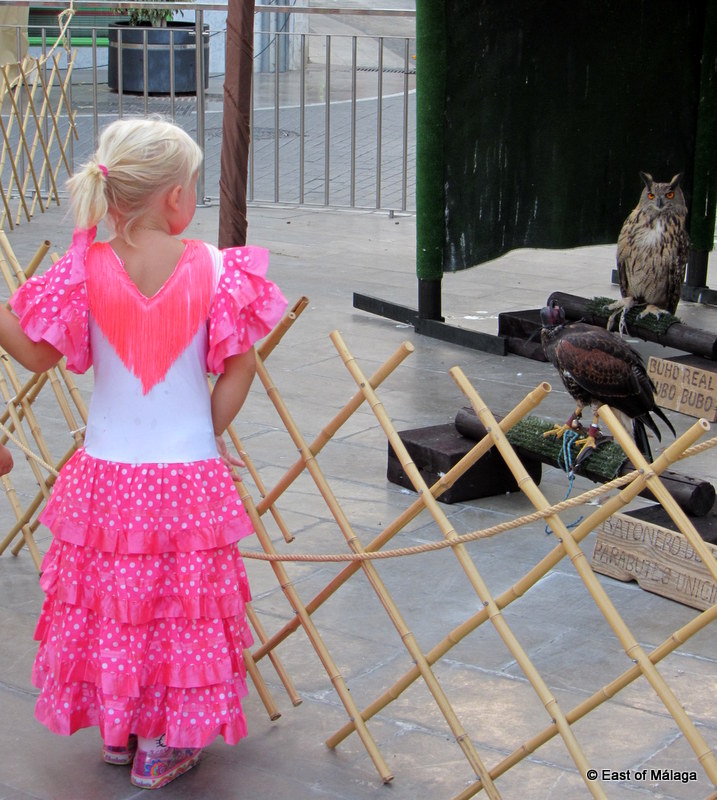
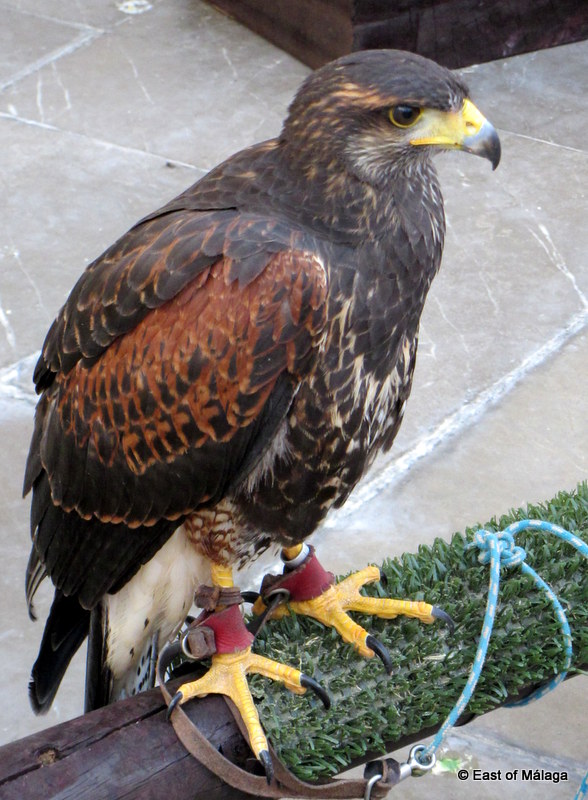
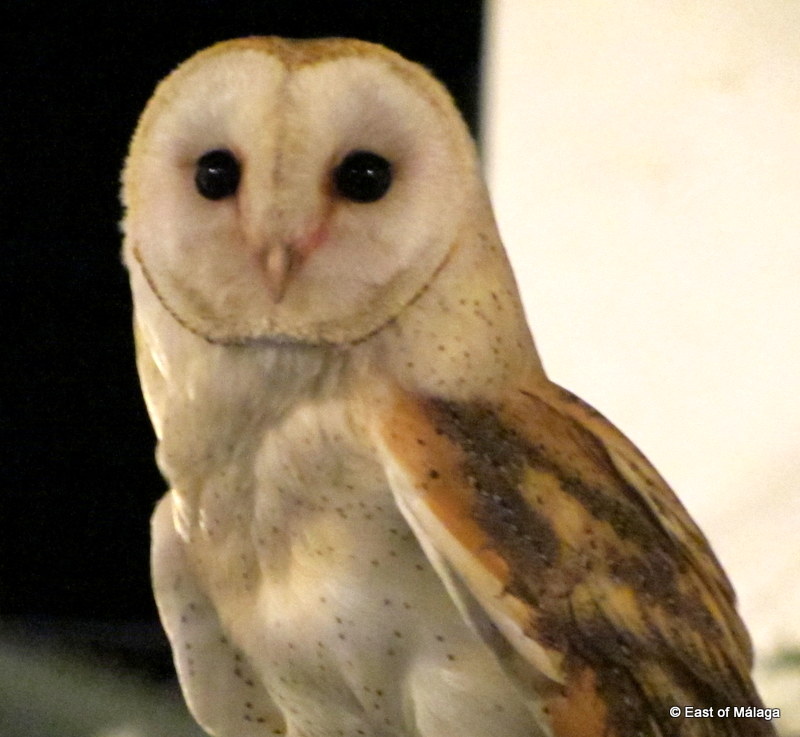
The most popular attraction was in one corner of the square where there was a roped-off area with many different birds of prey on display. Their handler gave a demonstration of the birds´ hunting prowess, which thrilled and delighted the crowd, especially the many children. The birds appeared to be well cared for and made an impressive sight sitting on their perches, patiently waiting their turn to swoop over the gathered crowd.
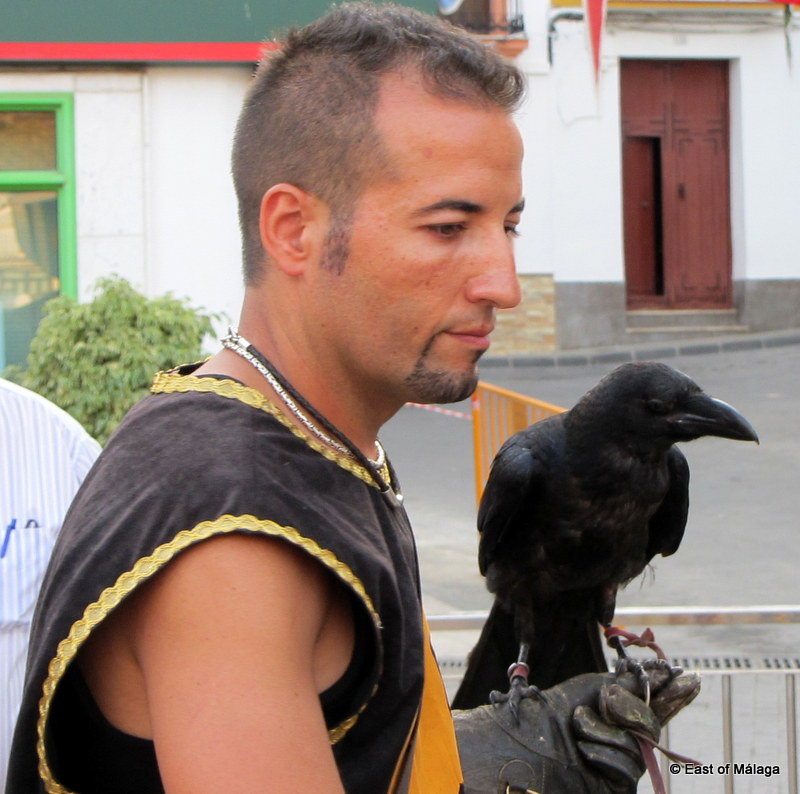

Bird of prey handler at the medieval market in Torrox, east of Malaga

Eagle Owl at medieval market in Torrox pueblo

Little girl in traditional flamenco dress at the medieval market, Torrox pueblo.

Bird of prey at the medieval market in Torrox, east of Malaga

Flying free: Barn owl at medieval market in Torrox pueblo

All of the bars and restaurants in Plaza de la Constitución had their outdoor seating areas overflowing with people all eating, drinking and enjoying this year´s Medieval Fiesta!
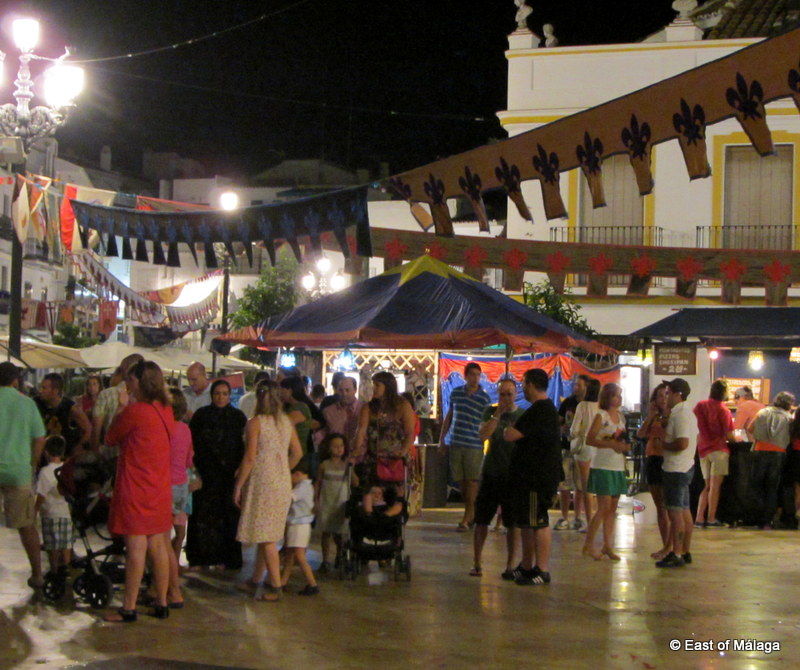
Evening falls at the medieval market, Torrox pueblo

I have merged my responses to this week´s Photo Challenges:  Travel Theme: Tradition as well as the Weekly Image of Life: Colours.

Whilst you´re here, why not have a look at:

All at sea with the Virgen del Carmen

Photographs I love …. and why!

Flowering snapshot of a January day around the garden

Sweet memories: San Joaquín sugar mill

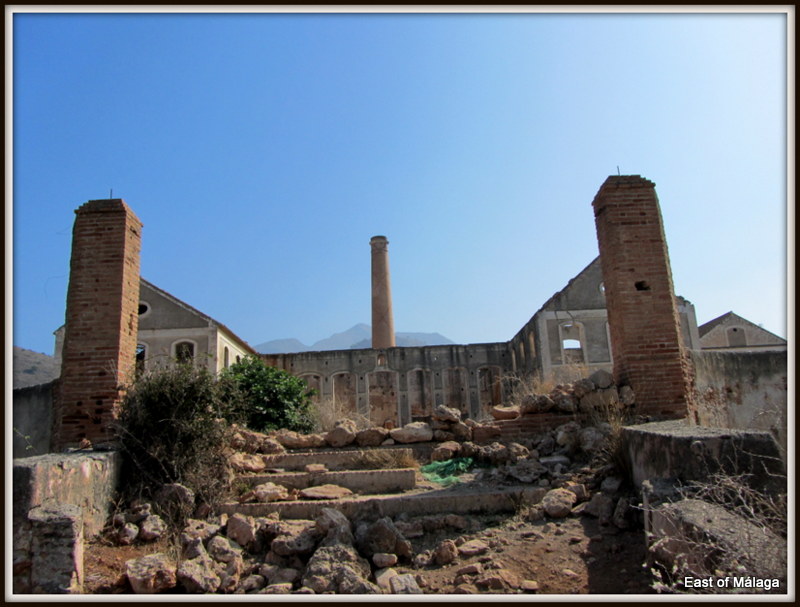
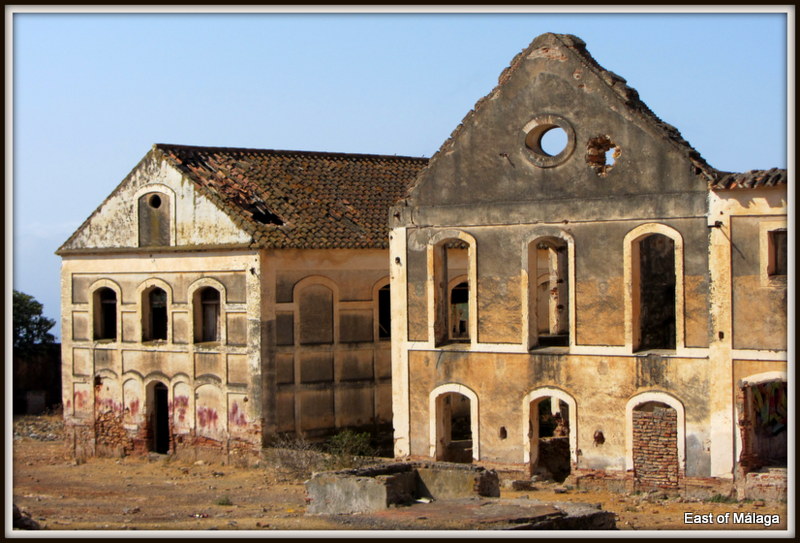
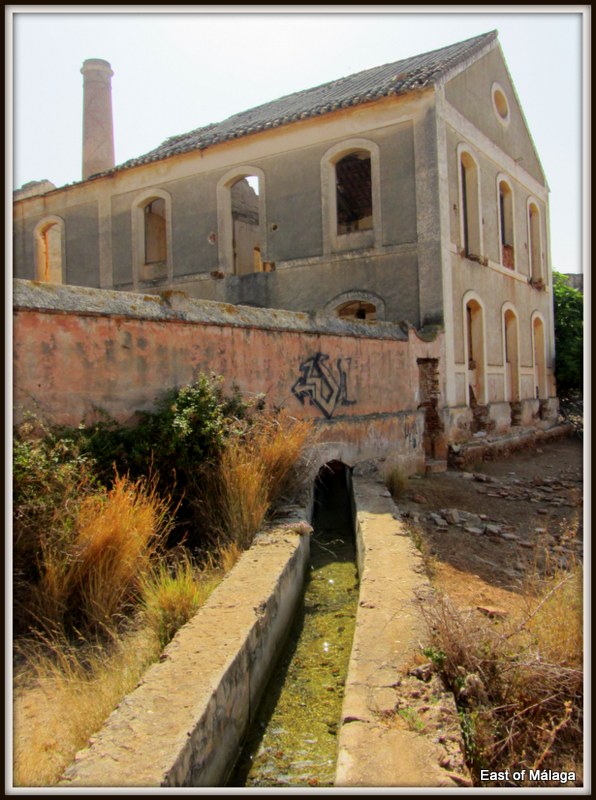
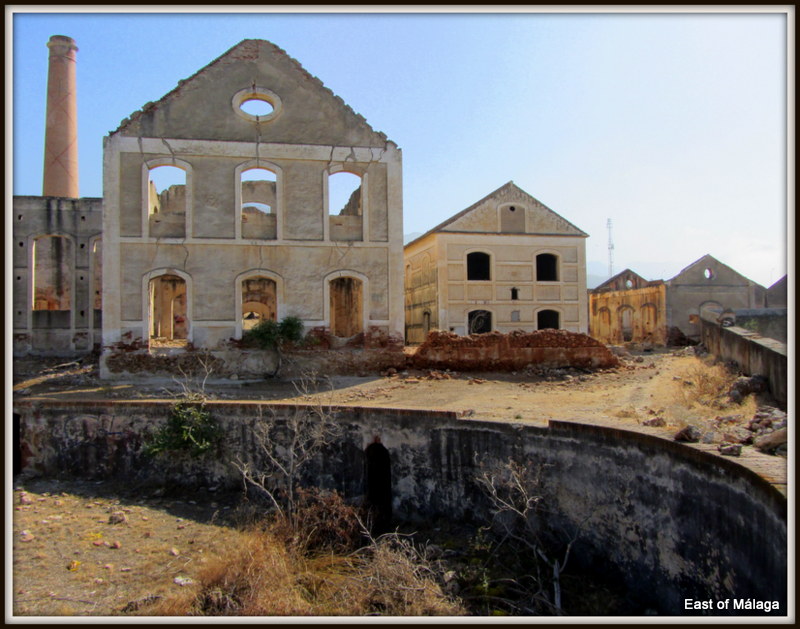
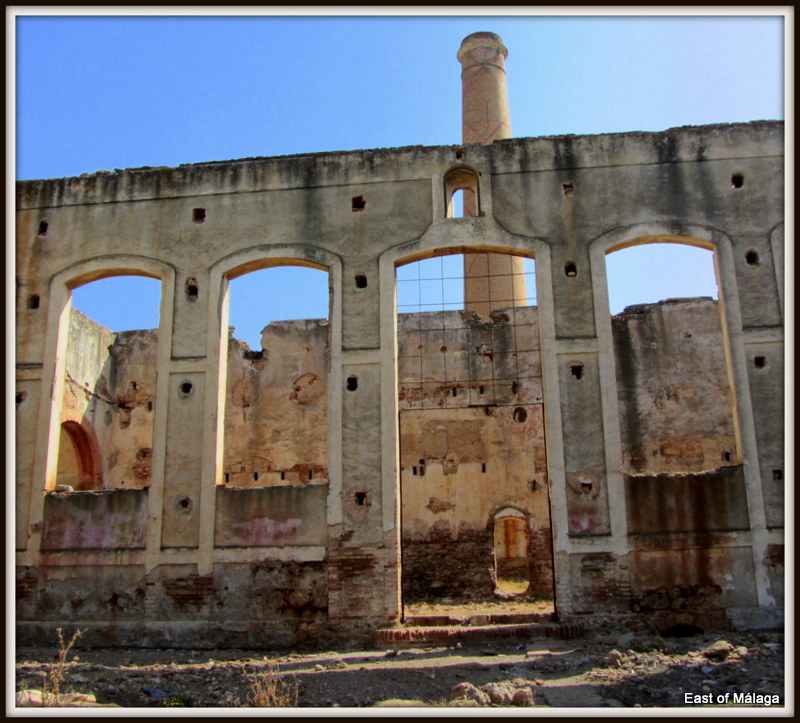
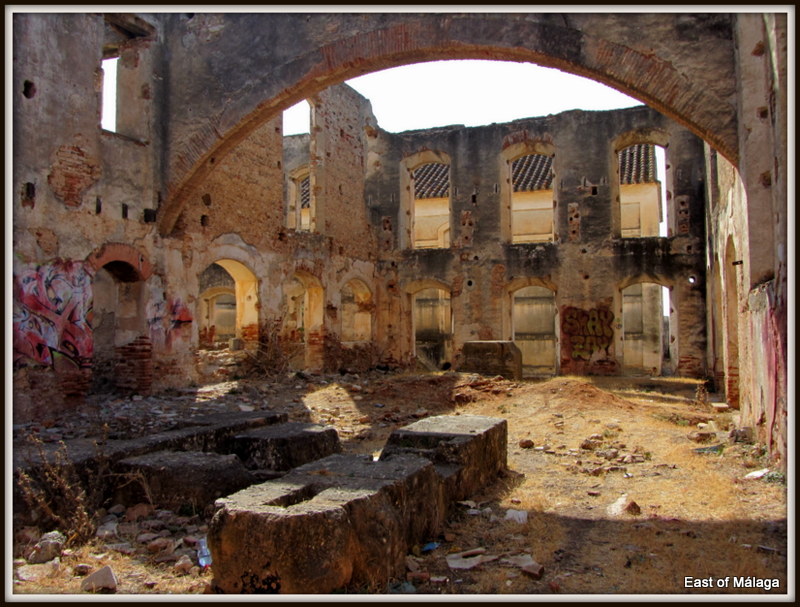
Located on the old N340 coast road between Nerja and Maro, the San Joaquín sugar mill´s ruined buildings serve as a reminder of the importance that the sugar industry played in local history.

San Joaquín sugar Mill, Maro

San Joaquín sugar Mill, Maro

San Joaquín sugar Mill, Maro

Sugar manufacturing has been part of the Mediterranean way of life for centuries.  Earliest records of sugar cultivation in Andalucía date from the 10th century on the coast of Granada province, due to its exceptional climate.

San Joaquín sugar Mill, Maro

San Joaquín sugar Mill, Maro

In 1585, the first mechanical sugar mill in the area was built in Maro, the ruins of which still form a central part of the old village, today.  Further mills followed in Nerja and Frigiliana, before the San Joaquín sugar mill and distillery was erected in 1884 by master builder, Francisco Cantarero, for the Marquis de Tous.

Irrigation channel at the San Joaquín sugar mill, Maro

Irrigation channel at the San Joaquín sugar mill, Maro

To supply the factory, large areas of sugar cane were planted nearby with water flowing through irrigation channels from the newly-built Eagle Aqueduct (Acueducto del Aquila).  This established a close relationship between the cultivation and industrial processes, a project that became known as The Agricultural Colony of Las Mercedes and Maro (La Colonia Agrícola de las Mercedes y Maro) and which continued until 1911 when the San Joaquín sugar mill closed.   The Larios sugar company acquired the mill in 1930 and production continued until the second half of the 20th century.  Since then, buildings have fallen into disrepair.

San Joaquín sugar Mill, Maro

San Joaquín sugar Mill, Maro

San Joaquín sugar Mill, Maro

San Joaquín sugar Mill, Maro

San Joaquín sugar Mill, Maro

San Joaquín sugar Mill, Maro

Whilst you´re here, why not have a look at:

The Alhambra Palace, Granada

La Noche de San Juan: Families, fires and football!

Churros served with thick hot chocolate

Travel theme: Night

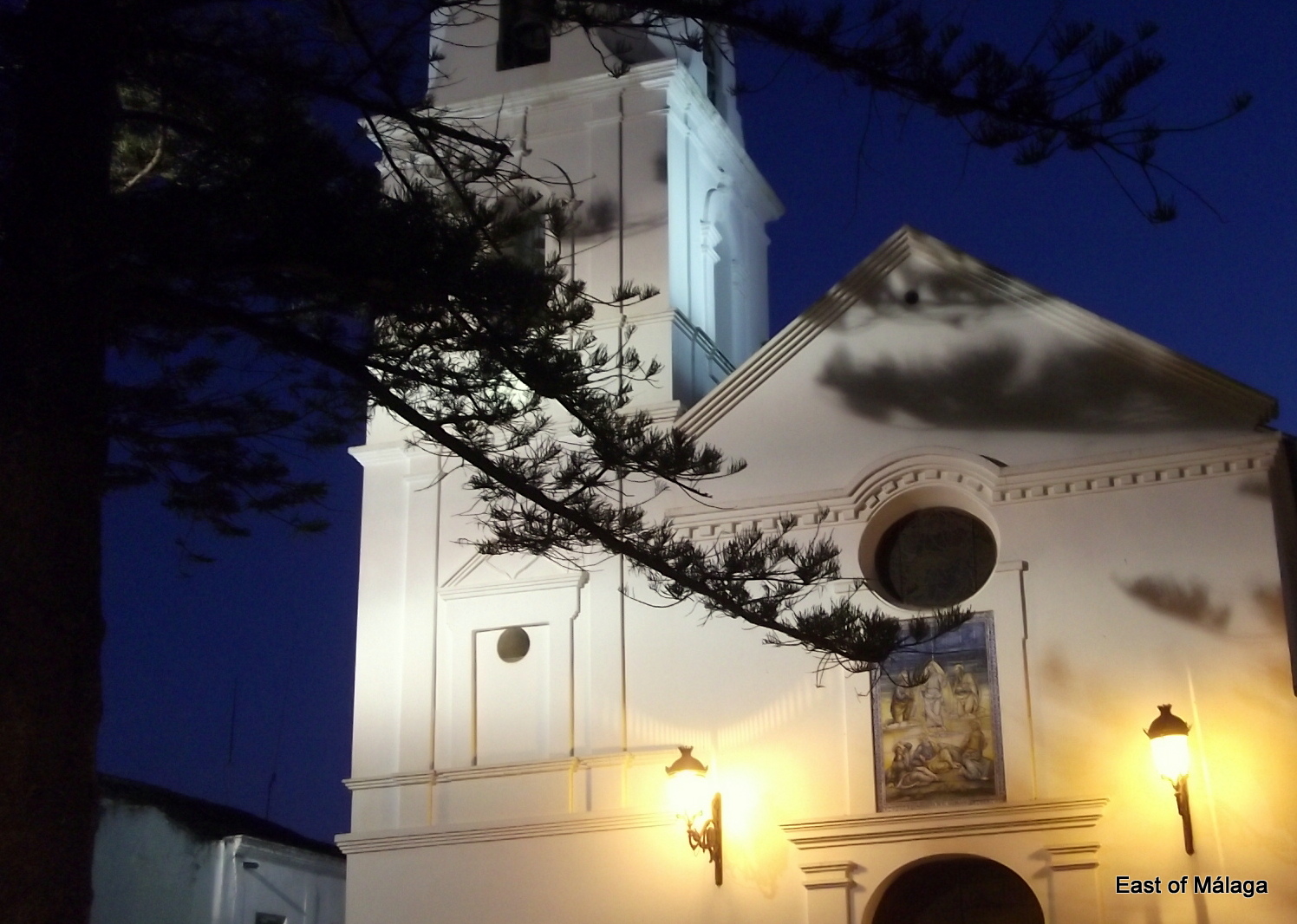
El Salvador Church, Nerja

Here is the pretty 17th century Church of El Salvador (Iglesia de El Salvador), situated beside the Balcón de Europa in the heart of Nerja.  Although a religious site since 1505, the existing structure was not completed until 1697.

One of the tallest trees in Nerja, towering high above the church itself, stands outside, casting wonderful shadows on the exterior of the building during the hours of darkness.

Because of it´s picturesque location, the Church of El Salvador is a very popular venue for weddings.

This post is my response to the Travel Theme photo challenge – Night


You might also enjoy reading:

Following in the footsteps around Comares

Photographs I love …. and why!


Travel Theme: Art

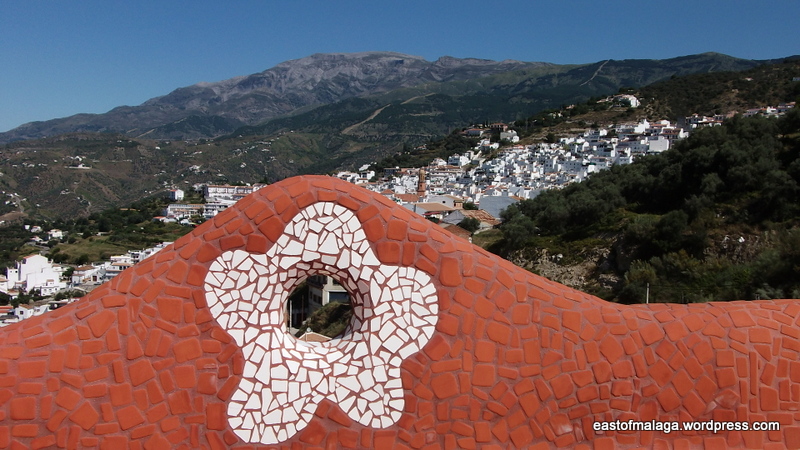
View of Cómpeta from the Mirador

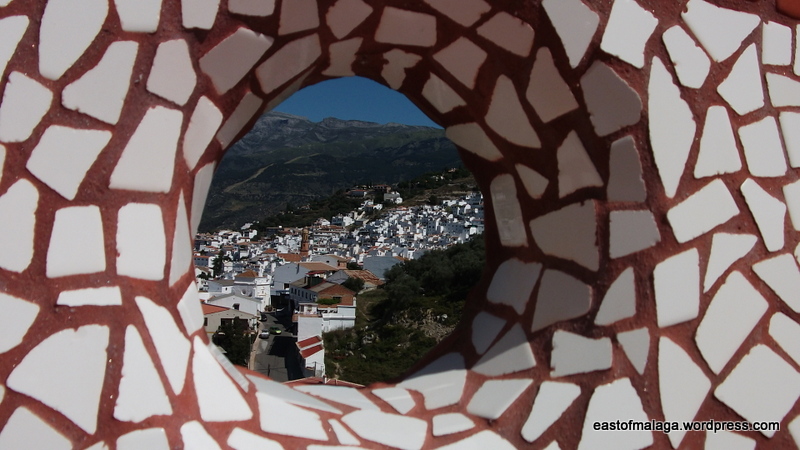
Village of Cómpeta through the Mirador


Here is the view of the mountain village of Cómpeta taken from (and through) the Mirador.  The village is situated at 638 metres above sea level in the foothills of La Maroma (the highest peak of the Sierra Tejeda).

The Mirador panorámico (look-out point) is a Gaudi-esque balcony, marking the entrance to the village, and a place to marvel at the sight of the white village tumbling down the hillside overshadowed by the majestic backdrop of Monte Maroma.

This post is my response to the Travel Theme photo challenge – Art


You might also be interested in these articles:

The heart of Cómpeta: El Paseo de las Tradiciones

Photographs I love …. and why!

The Alhambra Palace, Granada


Photographs I love …. and why! [Part 11]

This is just one of a series of photos I have taken, and will share with you over time, capturing the essence of living east of Málaga.   Each one, in it’s own unique way, reminds me of why I love living in southern Spain, and in particular the Axarquía.

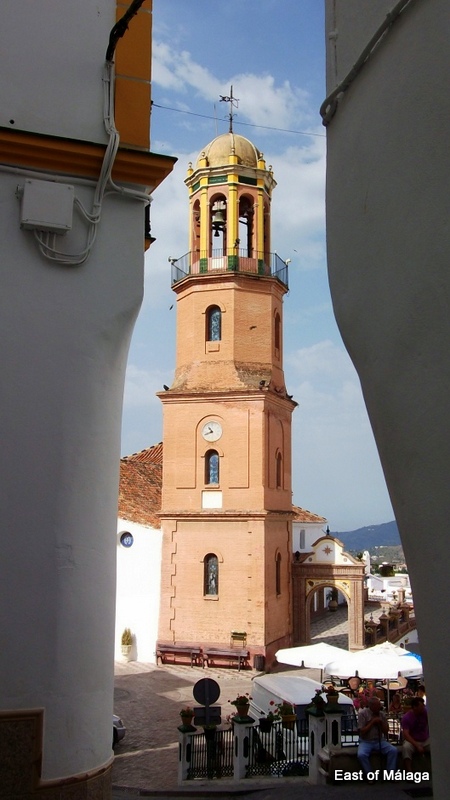
Church in the village of Competa

This is a view of La Iglesia de Nuestra Señora de la Asunción (Church of Our Lady of the Assumption) in the central village square of Cómpeta, taken from between two of the nearby white-washed houses.   Built in 1505,  the church´s golden dome can be seen for miles around, dominating the village.

To the right of the magnificent tower, is El Paseo de las Tradiciones (The Walk of the Traditions), completed in 2009 on the site of the old municipal market.

You can also see two of the many white umbrellas offering a shady place to eat or drink at one of the cafes in Plaza Almijara, whilst being overseen by some of the old men of the village from their seated position overlooking the square.

You might also enjoy:

Other photographs I love … and why!

A flowering snapshot of a January day

Féliz Navidad