A Celebration of Fried Breadcrumbs: The 30th Annual Migas Festival

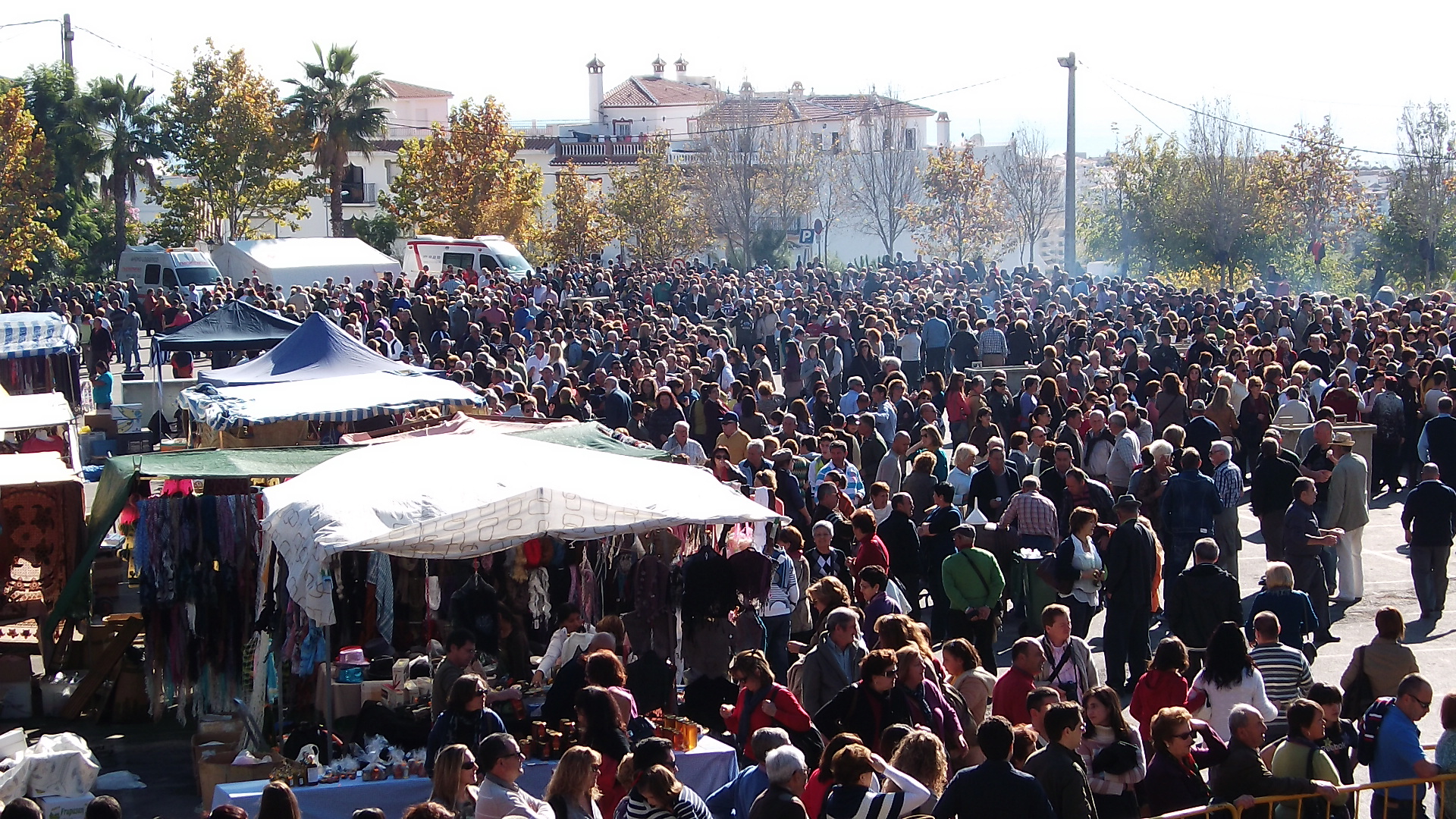
You might not expect ingredients for the perfect Christmas party to include 2000 kilos of flour, 500 litres of olive oil and 3000 litres of sweet Moscatel wine, but that´s exactly what´s required  to cater for the 40,000 guests who visit the Migas Festival in the village of Torrox.
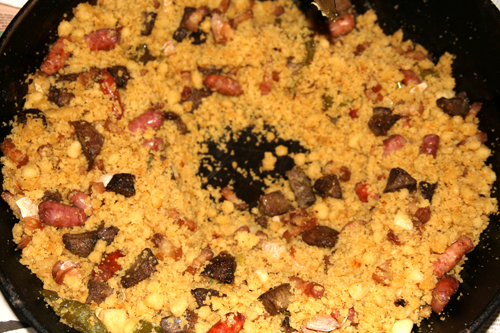
Many towns and cities throughout the world have unique dishes that encompass their overall culture and tradition.  Migas is a traditional Andalucían peasant dish often made from breadcrumbs, although in Torrox the migas are made with flour.  Normally served as an accompaniment to a main dish, of fried fish for instance, migas comprises of fried bread crumbs liberally laced with garlic, and may also contain small pieces of chorizo, ham or peppers.

Each year, on the last Sunday before Christmas, this gastronomic festival which has been declared of “National Tourist Interest” by the Junta de Andalucía, will serve more than 40,000 visitors.
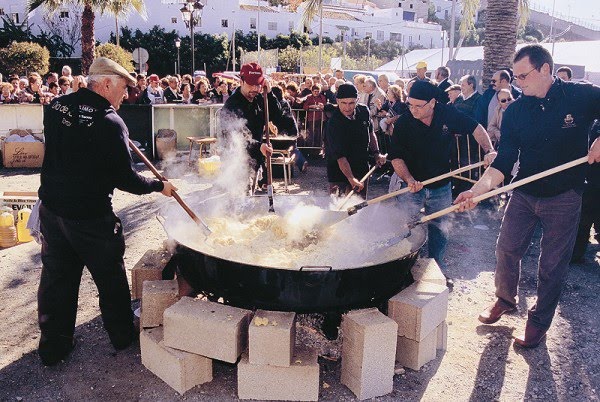
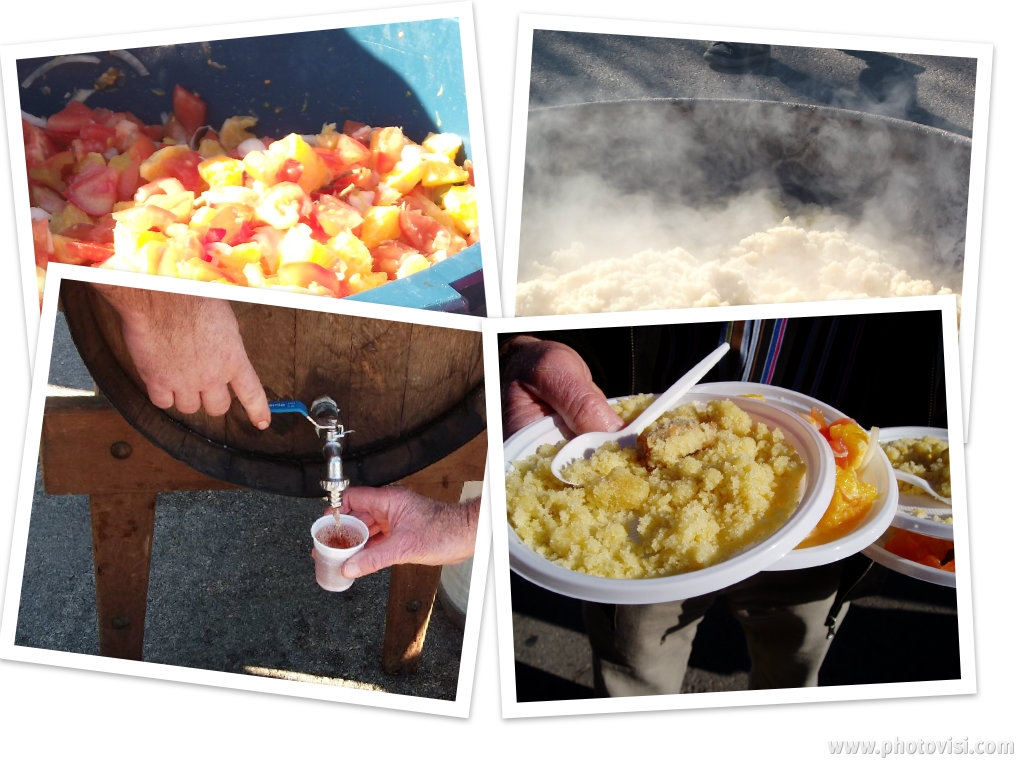
From early in the morning, teams of cooks prepare the migas for free distribution to local residents and visitors to the festival.  The ringing of a bell is the signal for everyone to come and collect their plate of migas, which is served with a glass of local wine and an “arriera” salad  (made with oranges,  tomatoes, potatoes, onions and olives) to accompany the meal.
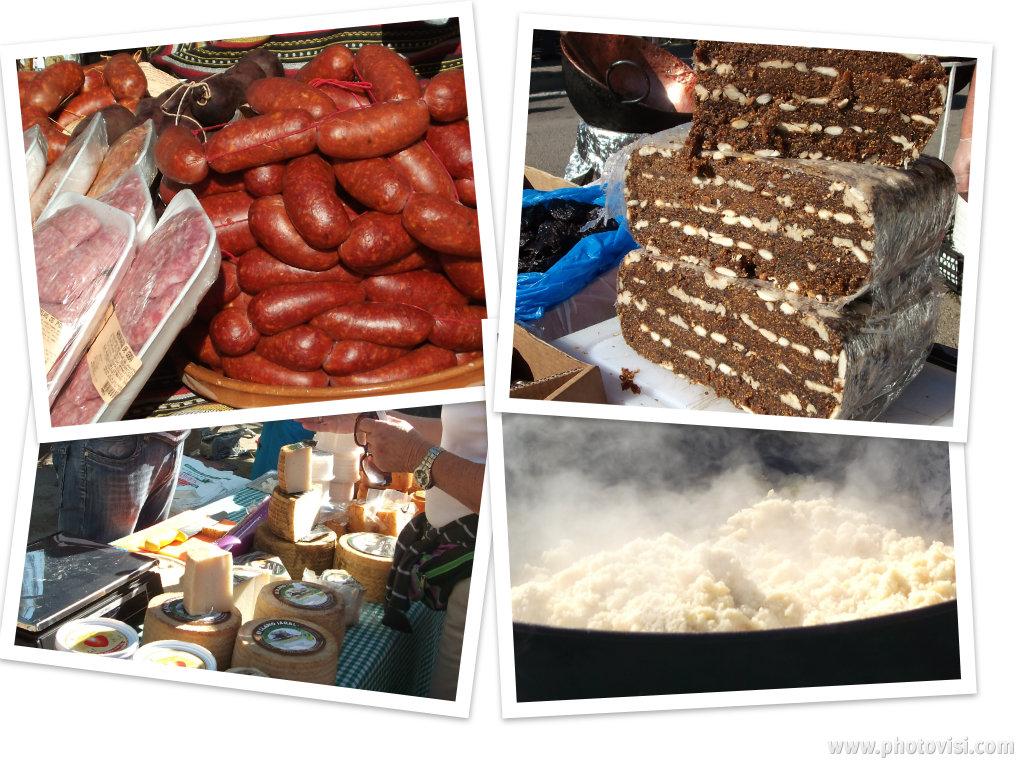
There is plenty to do during a day at the Migas festival  because as well as free food and drink there are many craft stalls, traders selling fine cheeses, chorizo, cakes, nuts and sweets, the opportunity to enjoy guided walks through the village, and street artists, as well as choirs and local dance groups, who all help to create a wonderful festive atmosphere.
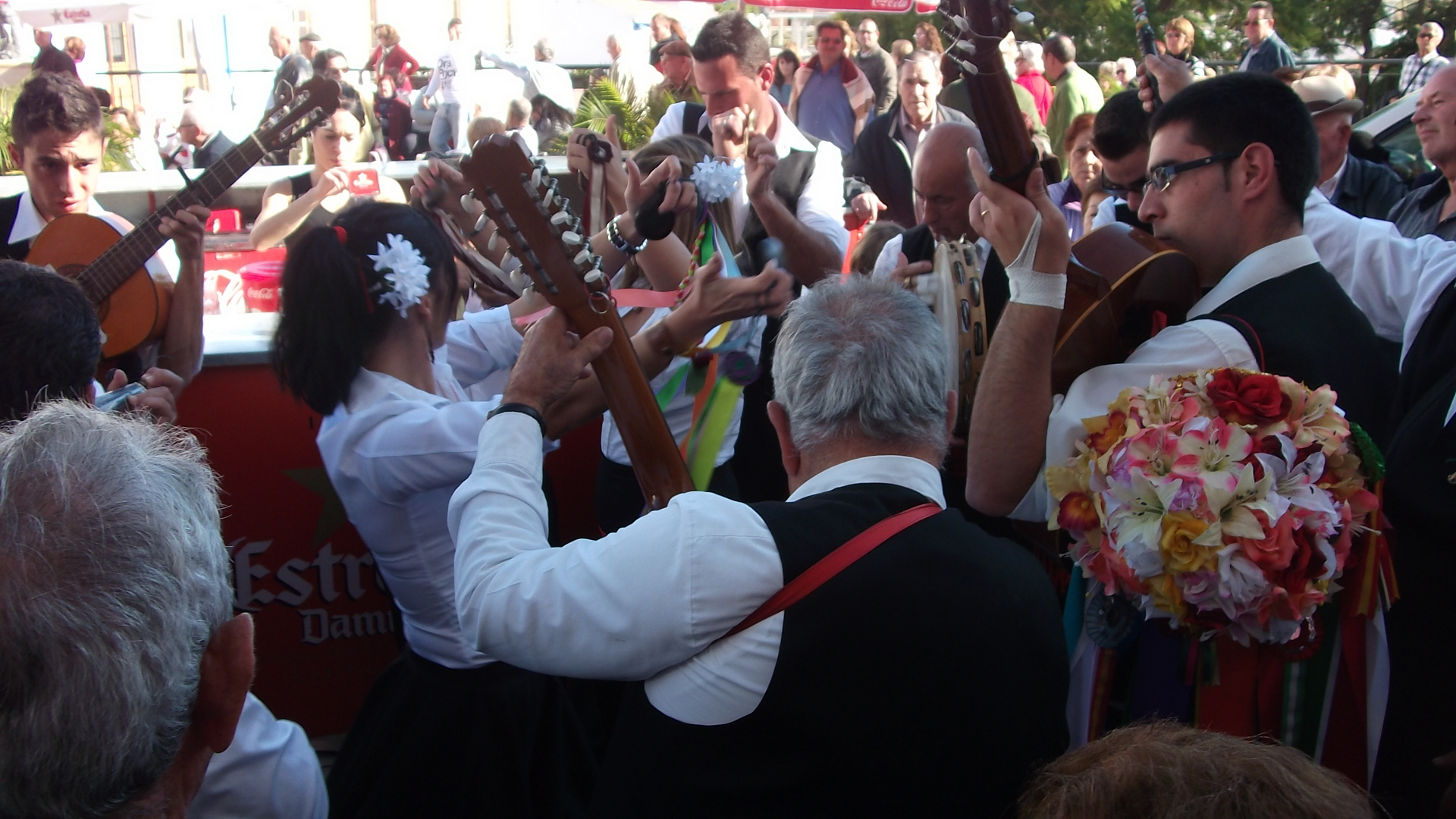
Of course, in true Spanish tradition, this is just another excuse for a party, but on a warm, sunny December day, why would you not pursue that with some vigor?

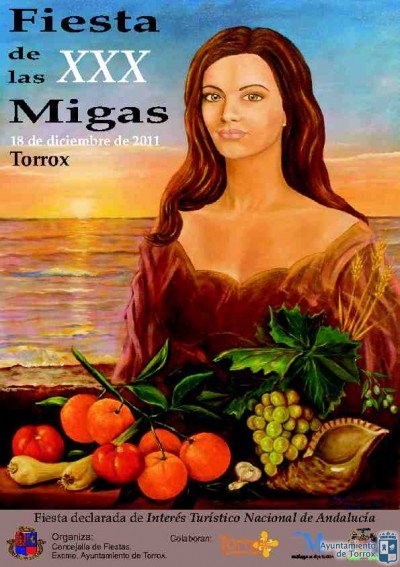
(BTW – didn´t they do well getting Angeline Jolie to pose for this year´s poster?  LOL

You might also enjoy:

La Noche de San Juan: Beaches and Bonfires

The heart of Cómpeta: El Paseo de las Tradiciones


A Slice of Life: Picking the Olives

Everyone these days knows the benefits of a Mediterranean diet.  Spain is the largest producer of what is considered the healthiest type of oil in the world, with 80% of the olive crop farmed in Andalucía.

Over recent years, many nearby fincas have been left untended, but this year instead of their olive, almond and fig crops being left to wither on the trees, more people are working the land.  In these times of high unemployment, many local families are re-evaluating the value of their plots of land in the countryside, cultivating and collecting their oranges, lemons, avocados and, of course, olives.

Living in the countryside, it´s unusual for us to hear voices nearby when we have the windows open, or if we are out in the garden, but over the past couple of weeks, the warm autumn sunshine has brought out families and friends to help with the olive harvest.

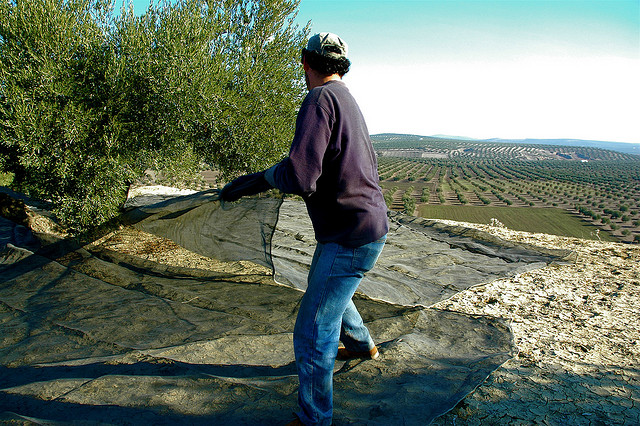
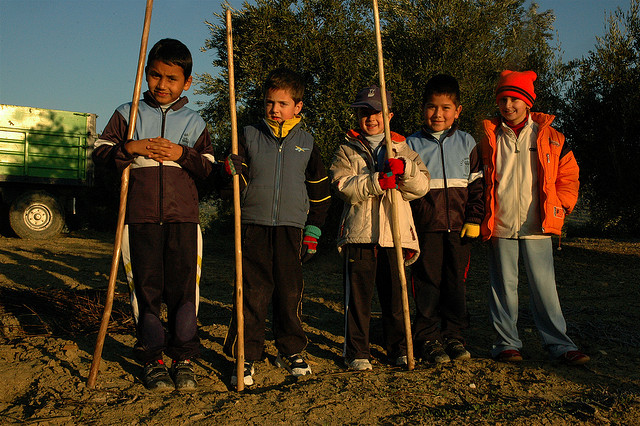
There are no mechanical devices here to help with picking, due to the steep terraces.  Large nets are laid out around the base of the trees to collect the ripe olives – and then comes the hard work – whacking the trees with long sticks.

Of course, there is much chatter, laughter,  picnics and cold beers.  A couple of years ago we helped some English friends to harvest their olives, along with a neighbouring Spanish family.  Even though at the time they couldn´t speak any English and our Spanish was limited, we still enjoyed many hours of  laughter and conversation together.  Oh, and did I mention the picnics and cold beers?

[Photo credits: (cc) hummanna]

You might also be interested in:

Spanish football: Estadio La Roselada, home of Málaga CF

The heart of Cómpeta: El Paseo de las Tradiciones
Todos los Santos: All Saints´ Day

Customs and celebrations to honour the end of the harvest, the change of the seasons and the passage of life into death come together in many traditions celebrated at this time of the year.

The festival of Todos los Santos, sometimes shortened to Tosantos (All Saints´ day)  is celebrated throughout Spain as a national holiday on November 1st each year.

Although the American-style “ghosts and ghouls” type of Halloween is now beginning to creep into the Spanish calendar each year, traditionally this time is celebrated here in a different form, as  “El Día de los Muertos” or the “Day of the Dead” .  The three-day event, beginning on the night of October 31 and ending on November 2 (All Souls´ day) sees cemeteries packed with families paying homage to their dead.   Family members tend the gravestones of their loved ones by weeding and cleaning them and by placing fresh flowers and candles.


We visited our local cemetery this morning and apart from the sheer number of people, the first thing that stuck me was the overwhelming fragrance of fresh flowers.  Families of all ages were arriving carrying vases, buckets, bottles of water, cleaning items, candles and armsful of flowers.   The atmosphere was not solemn and the sound of chatter was everywhere, with people greeting each other with kisses and hugs.  Each member of the family played their part in the cleaning and tending of the grave and, when they were finally satisfied, they wandered around the cemetery before leaving.


What I particularly like about this lovely Spanish tradition is that all of the frightening aspects of the afterlife are taken out of it. This is a commemoration for loved ones with nothing ghoulish or scary involved.


Driving in Spain: Back on the Throttle!


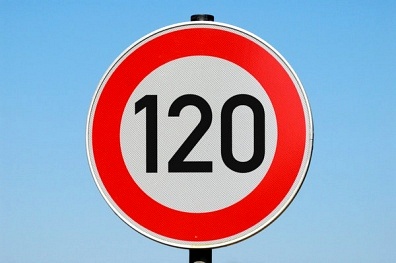
The Spanish Government has announced that the speed limit on the country’s motorways will revert to 120 kilometers per hour from July 1st.

Earlier in the year, the maximum speed limit was reduced to 110 kilometres per hour in an attempt to cut fuel consumption after oil prices soared due to unrest in the Middle East.  Following the recent drop in oil prices, the Cabinet no longer believes that the lower speed limit is necessary.

However, this decision to change the speed limits on the motorways back to 120 kilometres per hour just three months after lowering them has led to some debate in the Spanish Press, particularly as the cost of changing the signs alone will be in the region of 230,000 Euros.  This is because the new limit stickers, which were placed over the original signs, cannot be removed without damaging the signs. Therefore, new stickers with the 120 limit will be placed over the old ones repeating the cost of the original sign changes.

I´m as surprised that the decision has been made to revert to the higher speed limit, as I was that most people adhered to the new lower limit.

At least it should make someone happy!

What do you think?  Should the government have kept the maximum speed limit at 110 kph?

You might also be interested to read:

Easy driving directions from Málaga airport

Summer Sales: Rebajas

Image credit: (cc) Claudio Lobos

YES – it´s that time of year again!  The Summer Sales (Rebajas) in the shops officially begin on 1st July and run through to the 31st August 2011.

Discounts will vary, but you can expect to get at least a 20% – 40% price reduction.

Most shopping centres are open from 10am to 10pm, though the hours of High Street shops will vary.

You will have to wait until the day after the Three Kings celebration, 7th January 2012, for the start of the Winter Sales, which normally run until the end of February.

Are you waiting for a particular item to come on sale?  On your marks …..!

Whilst you´re here, why not have a look at:

Shopping Centre: El Ingenio