Travel Theme: Art

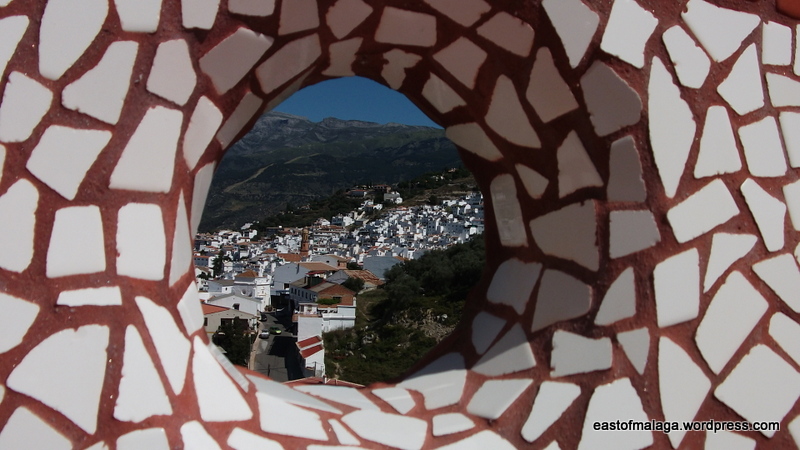
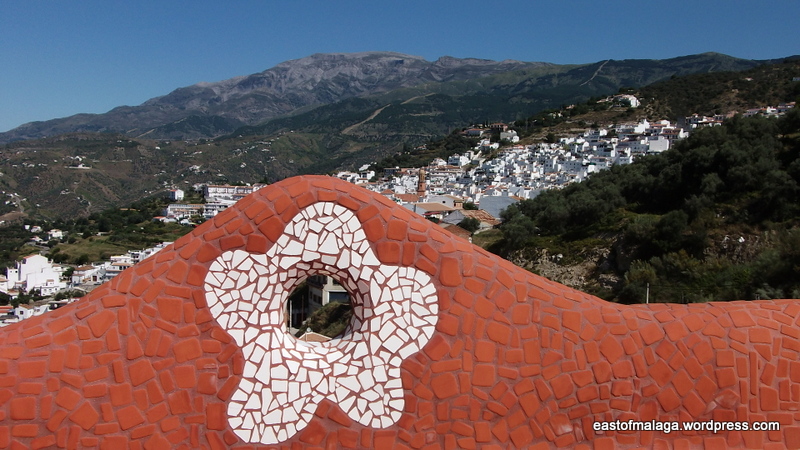
View of Cómpeta from the Mirador

Village of Cómpeta through the Mirador


Here is the view of the mountain village of Cómpeta taken from (and through) the Mirador.  The village is situated at 638 metres above sea level in the foothills of La Maroma (the highest peak of the Sierra Tejeda).

The Mirador panorámico (look-out point) is a Gaudi-esque balcony, marking the entrance to the village, and a place to marvel at the sight of the white village tumbling down the hillside overshadowed by the majestic backdrop of Monte Maroma.

This post is my response to the Travel Theme photo challenge – Art


You might also be interested in these articles:

The heart of Cómpeta: El Paseo de las Tradiciones

Photographs I love …. and why!

The Alhambra Palace, Granada


Spanish Bank Protest – Flamenco style!


This video has been making the rounds on Twitter and Facebook. It is a flamenco flash mob at a Spanish bank, and they sing a Bulería with the title: “Bankia, lungs and gills”.

Why am I never there when these things happen?

Found here

La Noche de San Juan: Families, fires and football!

españa-francia football poster

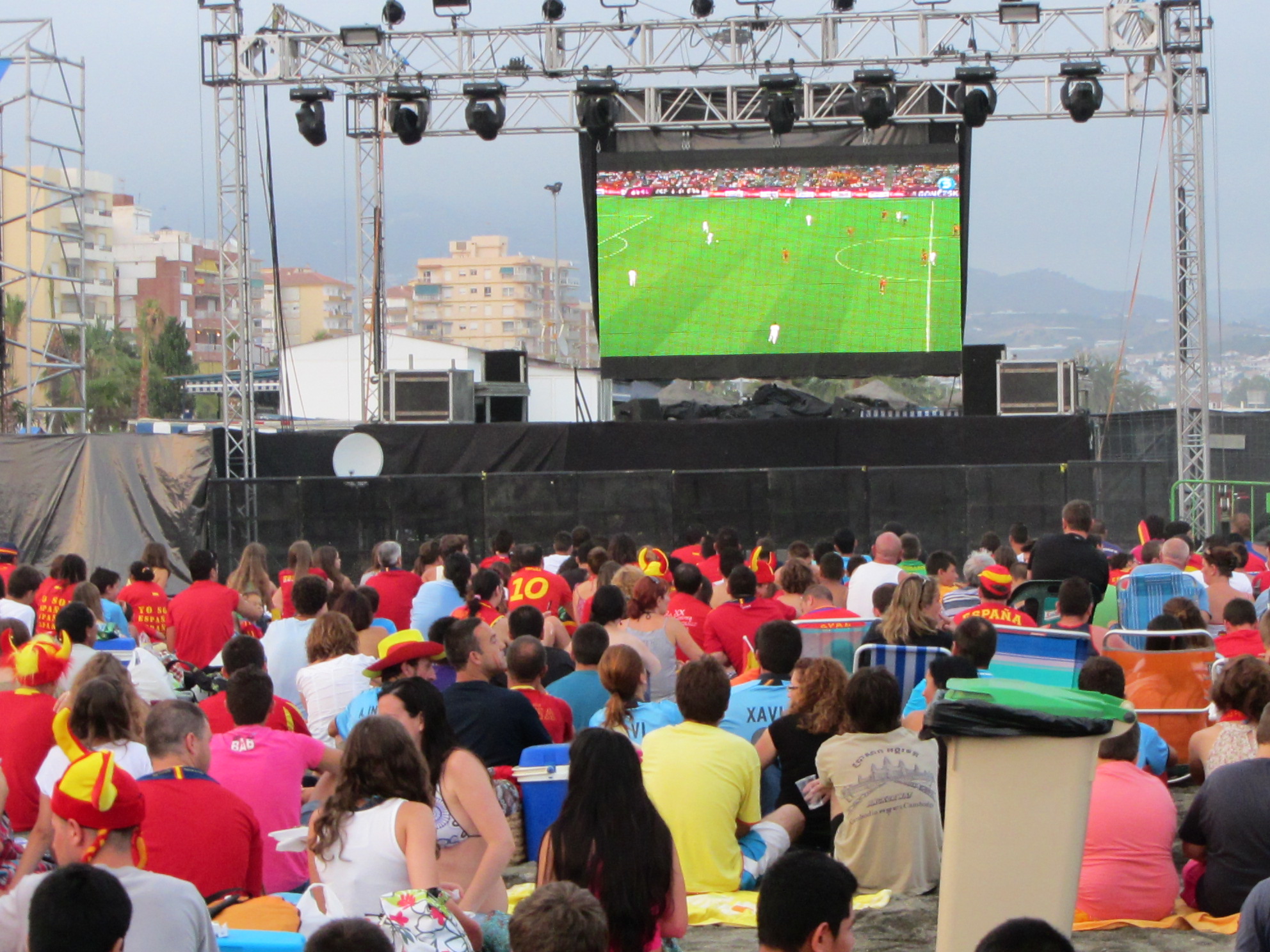
Last night, we joined the beach party at Torre del Mar to celebrate the summer solstice, but first, there was the small matter of a football matchSpain were playing France in the quarter finals of Euro 2012!  
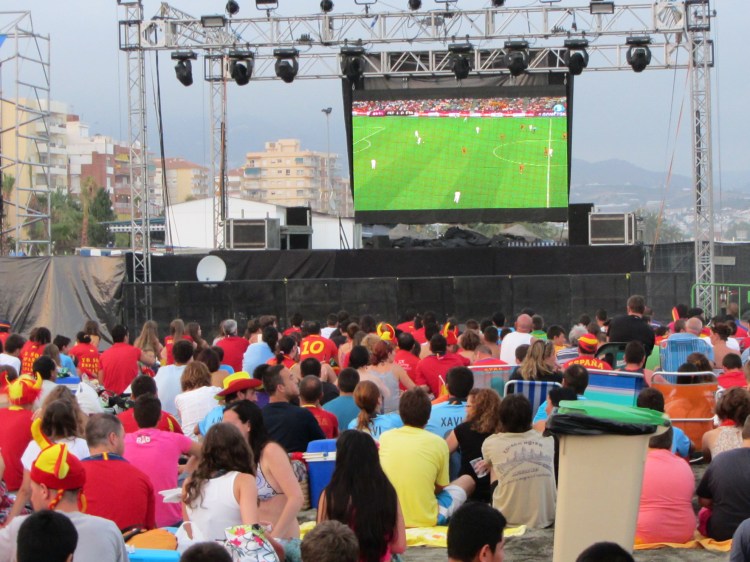
Huge TV screen on the beach

A huge TV screen had been erected on the stage where the live music would be performed later in the evening, and everyone was vying for the best position to see the match.  I´m sure you can imagine the atmosphere when the goals were scored and Spain won their place in the semi-finals!
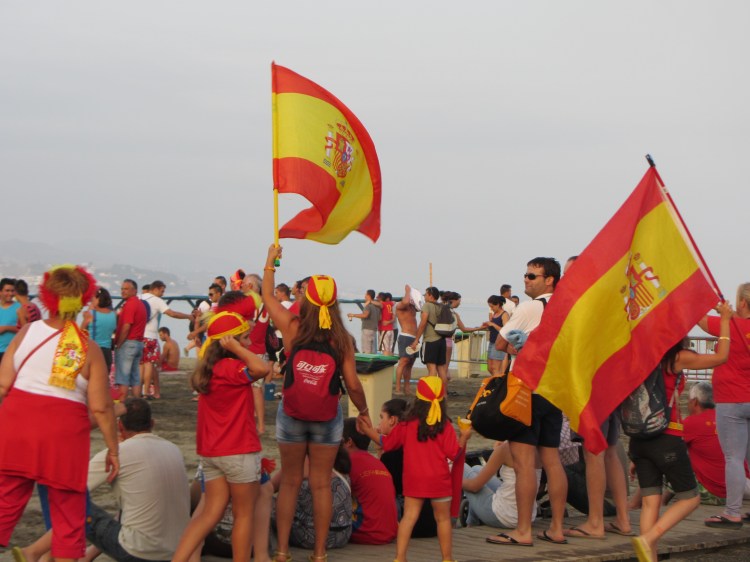
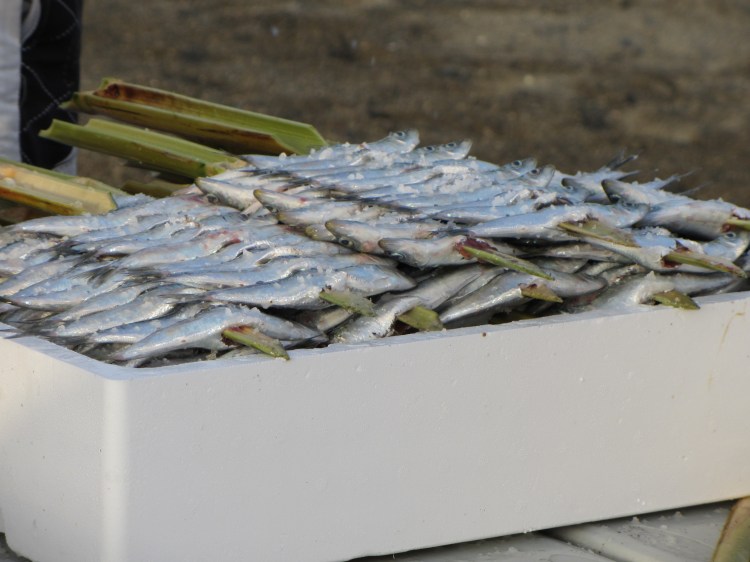
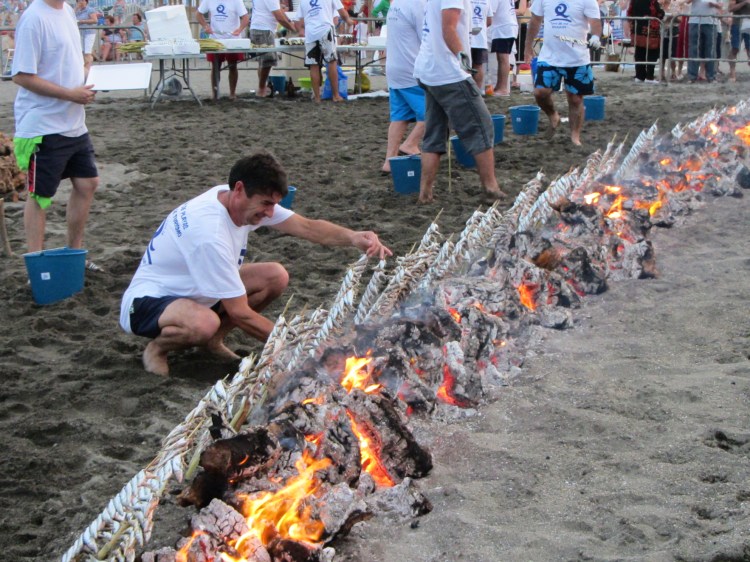
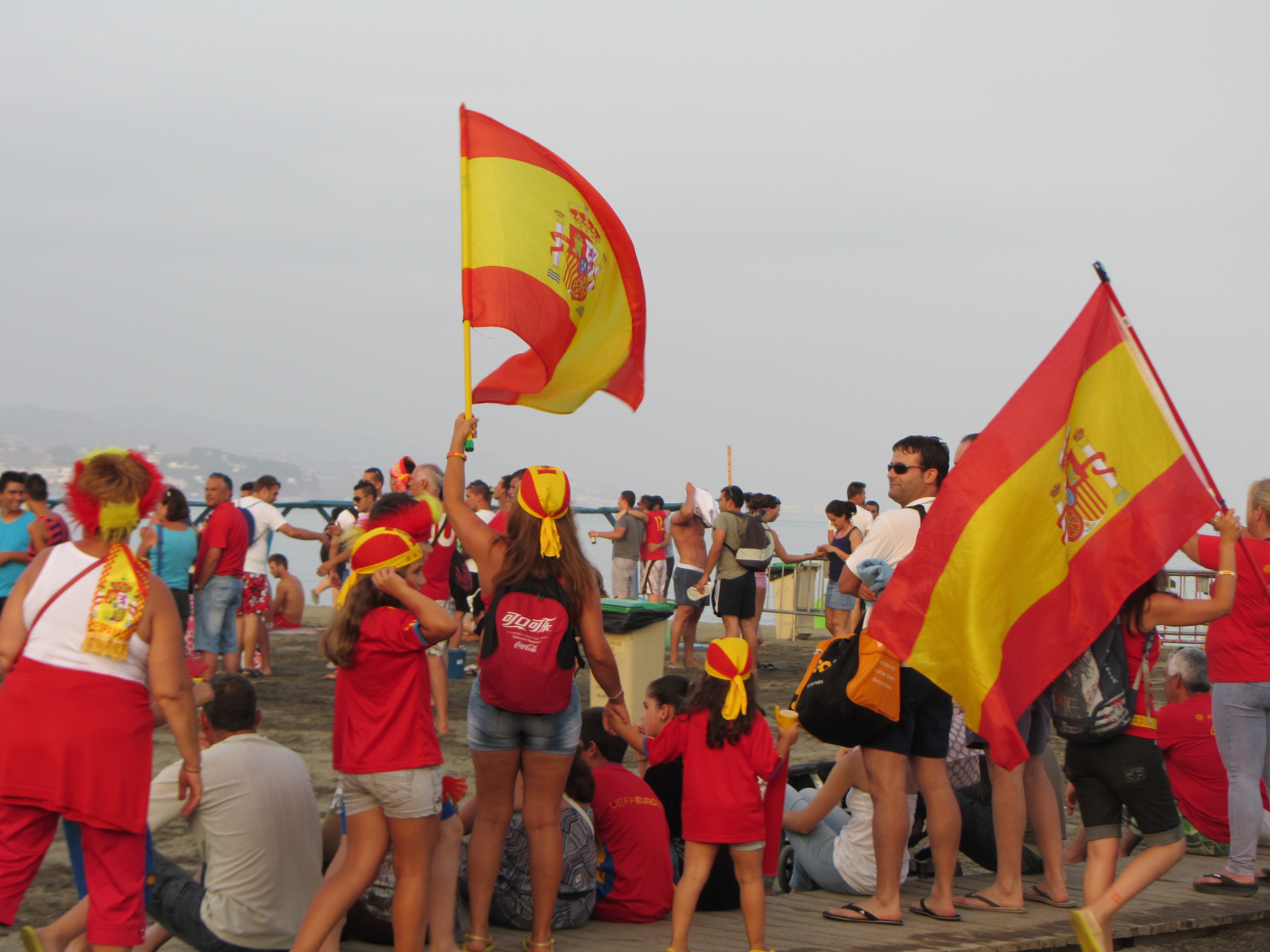
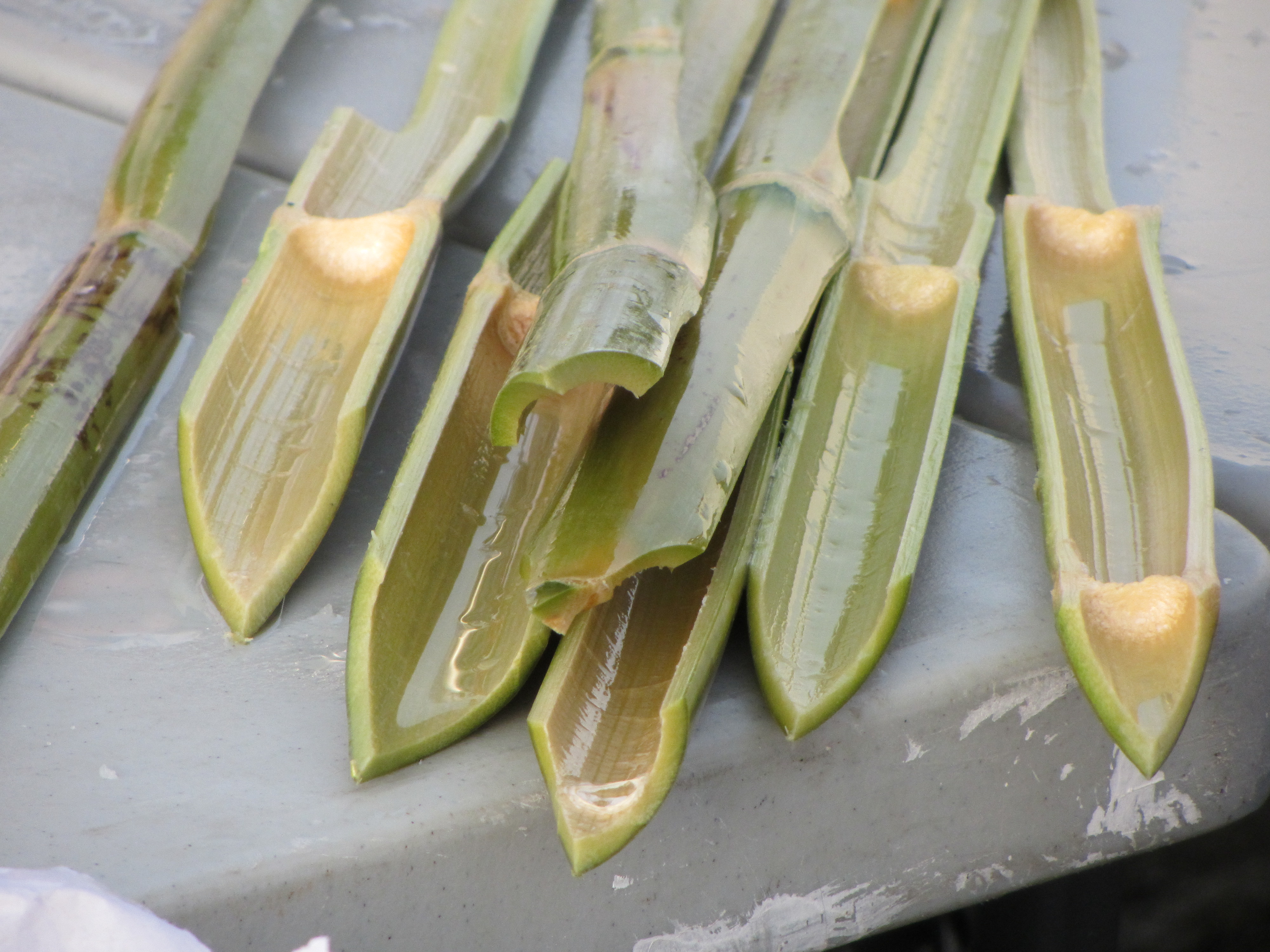
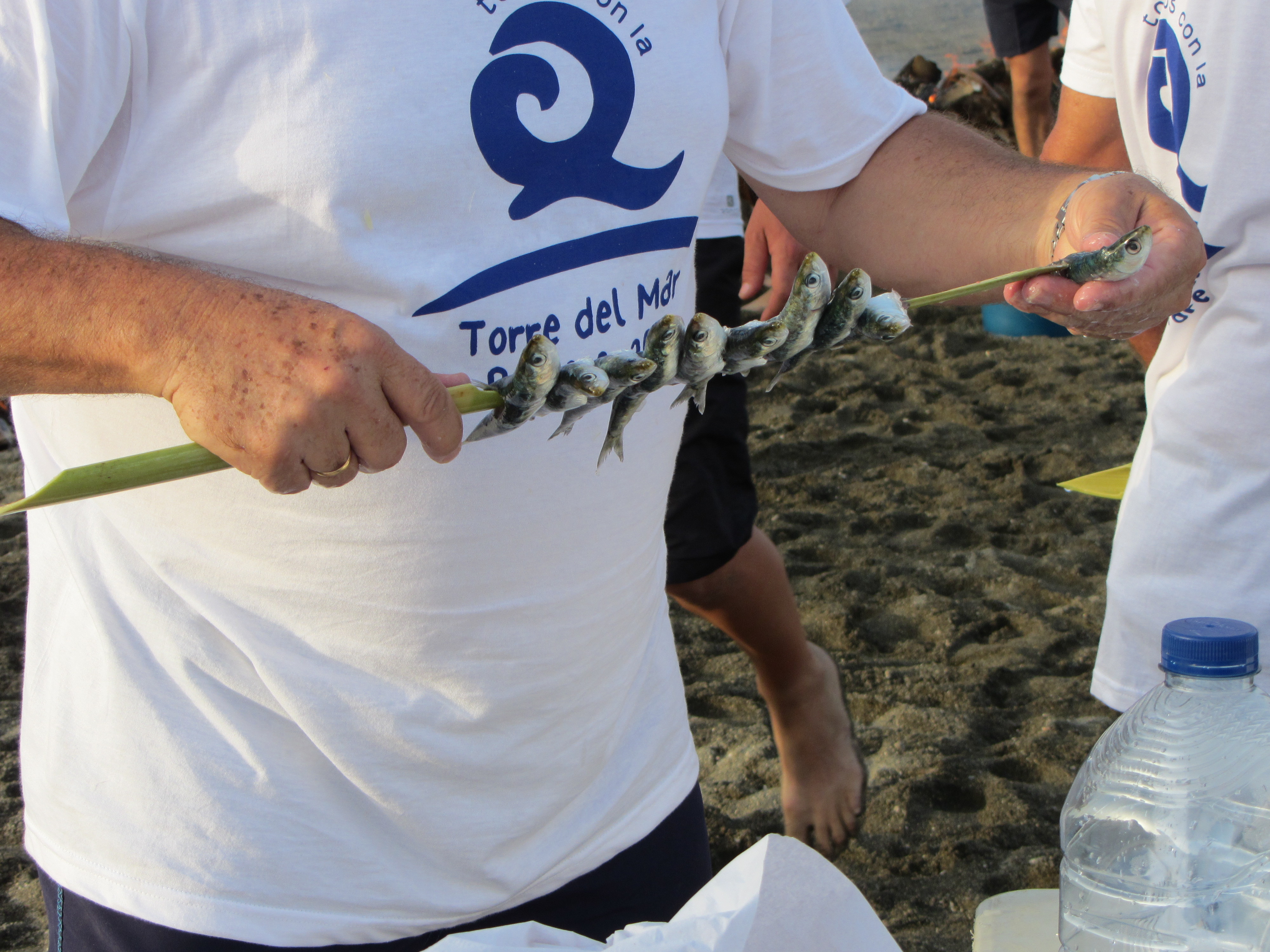
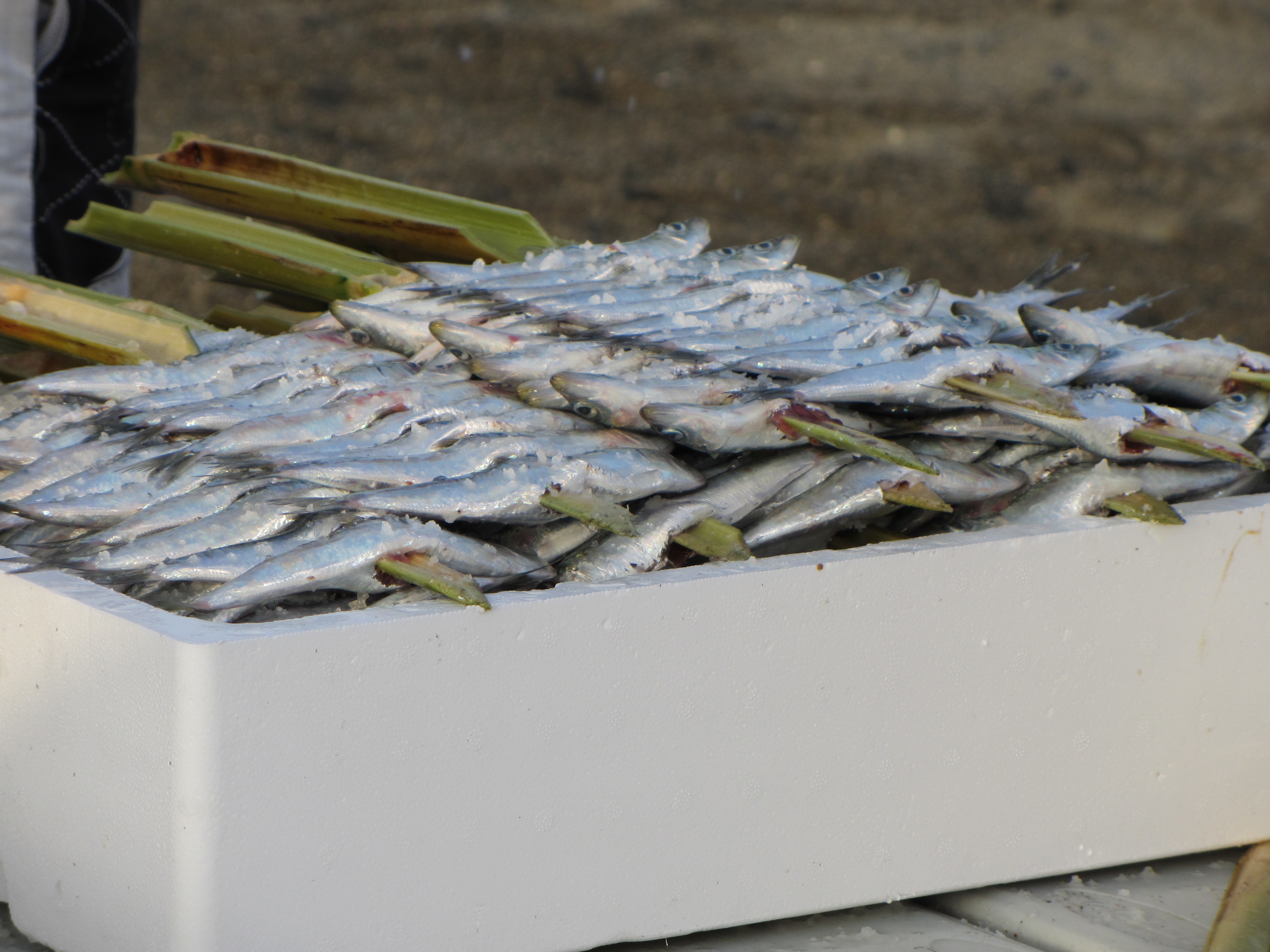
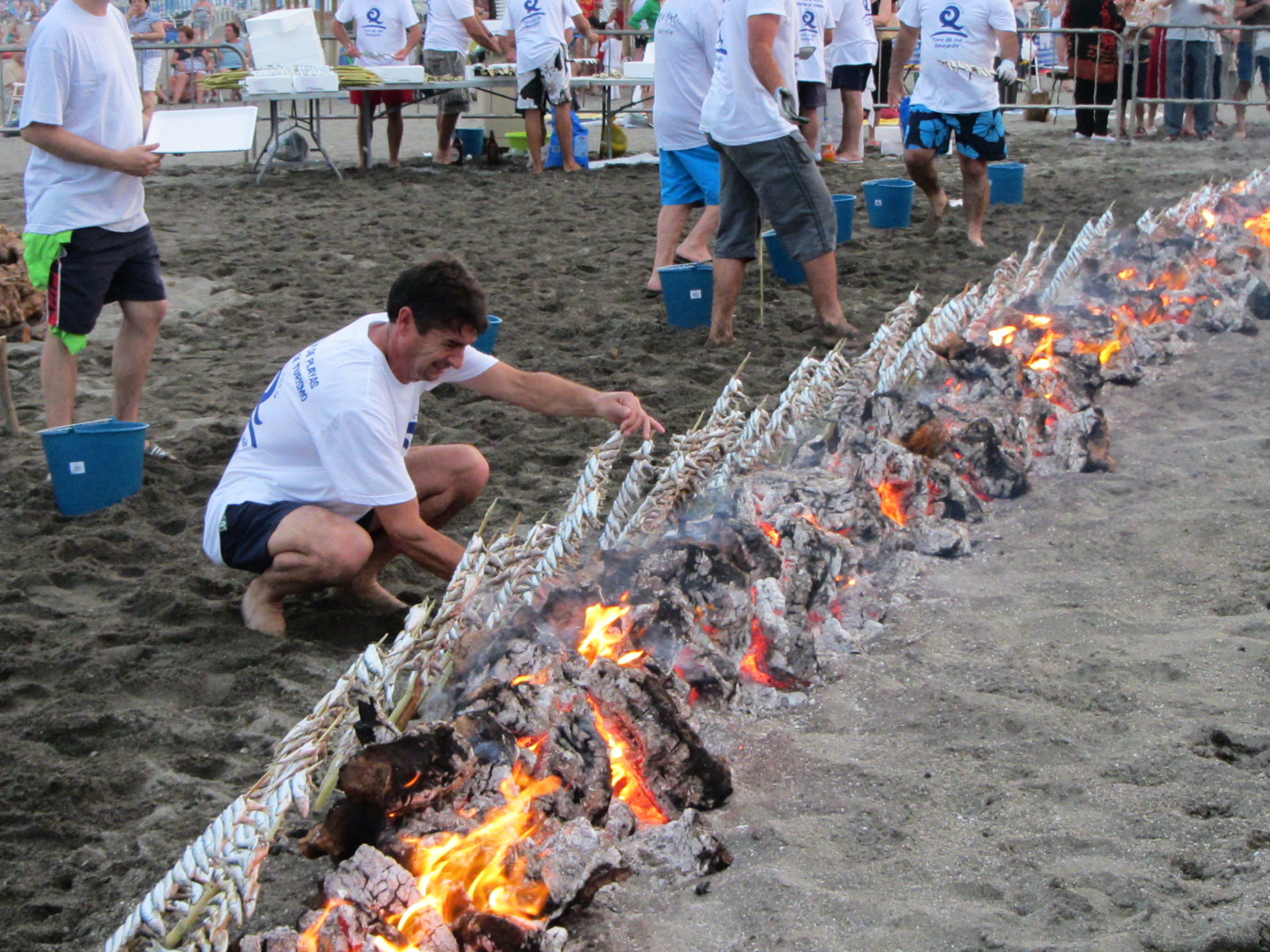
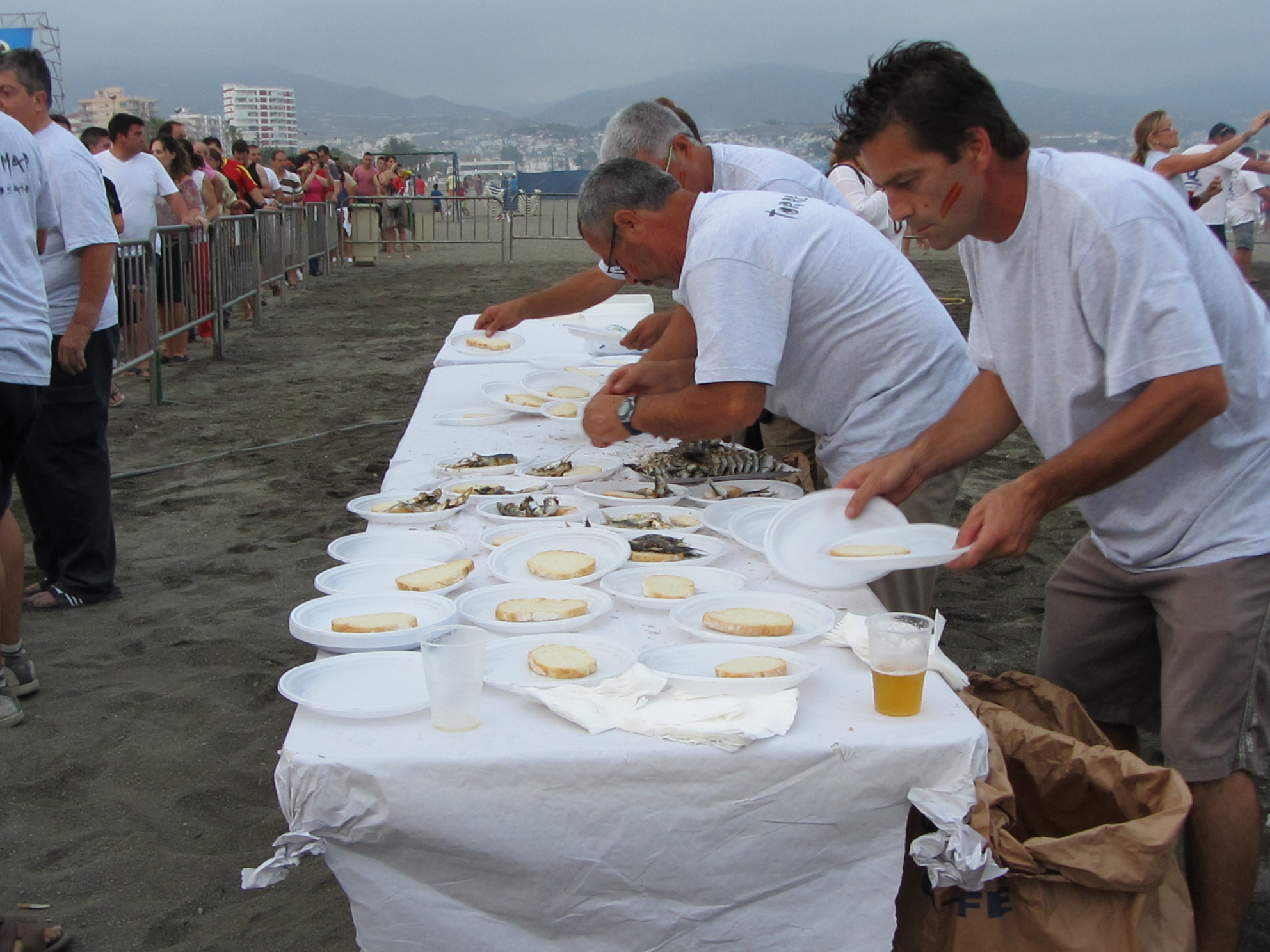
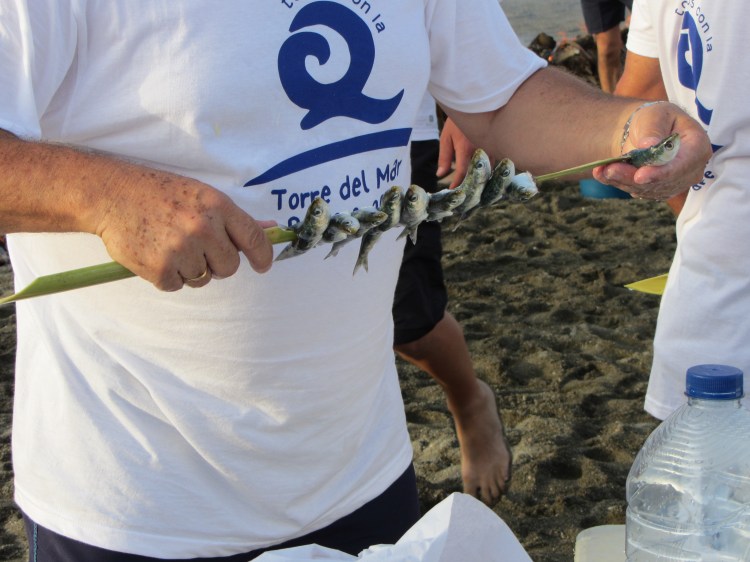
Waving the flag for Spain In the meantime, there was much work to be done.  Long lines of wood were being set alight in preparation for the hundreds of kilos of sardines that were to be barbecued and given out free, later.  A team of guys were sharpening bamboo skewers and threading them with sardines ready to be cooked.
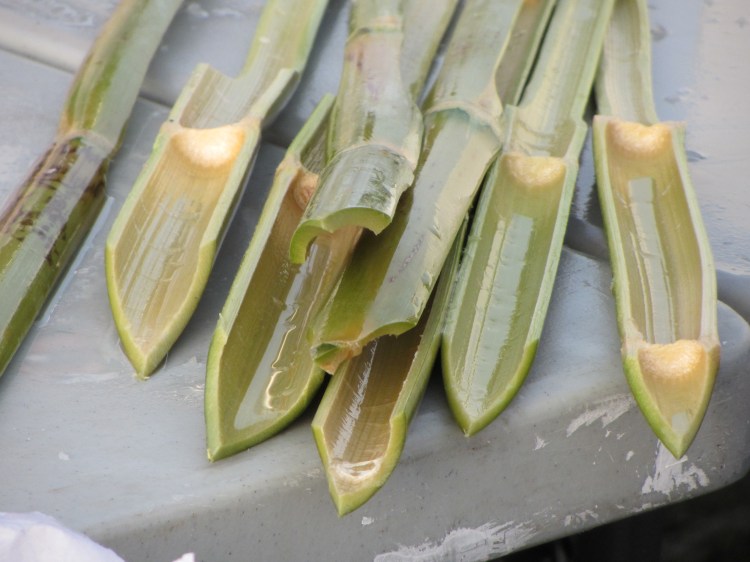
sharpened bamboo skewers for the sardines

threading the sardines onto the bamboo skewers

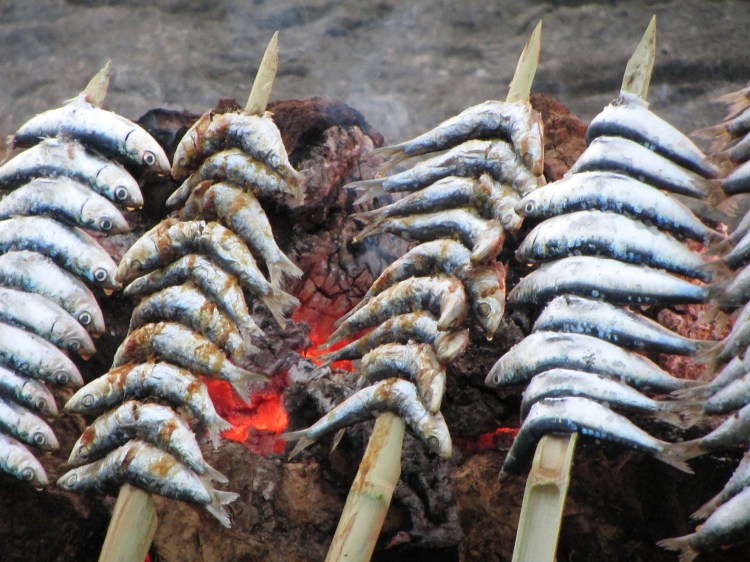
Sardines ready to cook on the wood fires

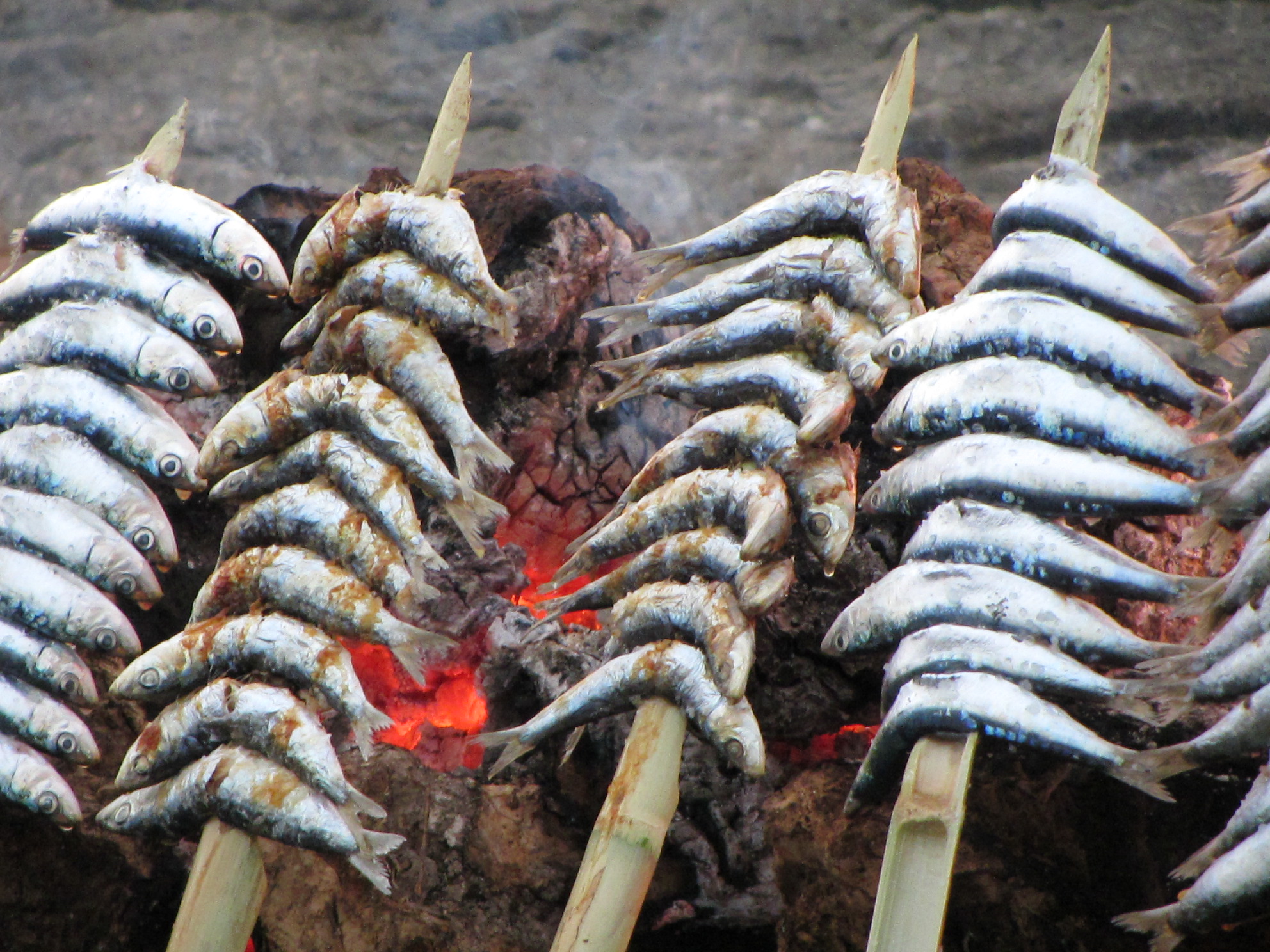
cooking the sardines

the sardines are almost ready

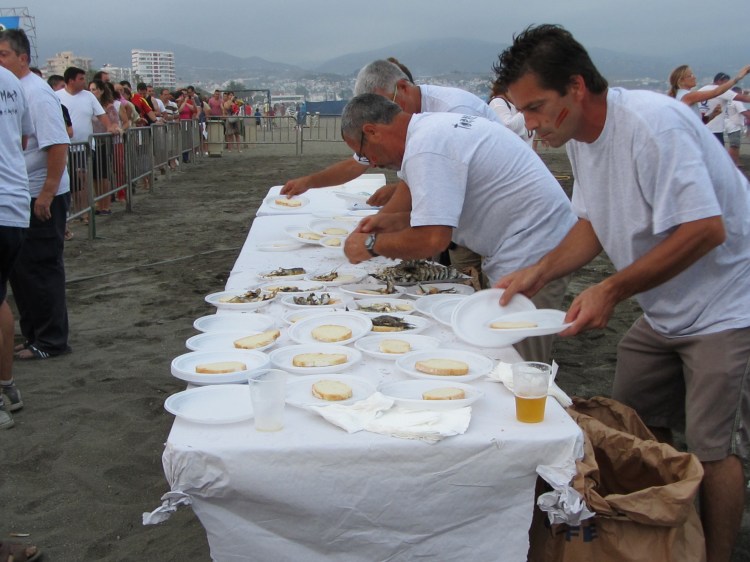
serving the free sardines to everyone

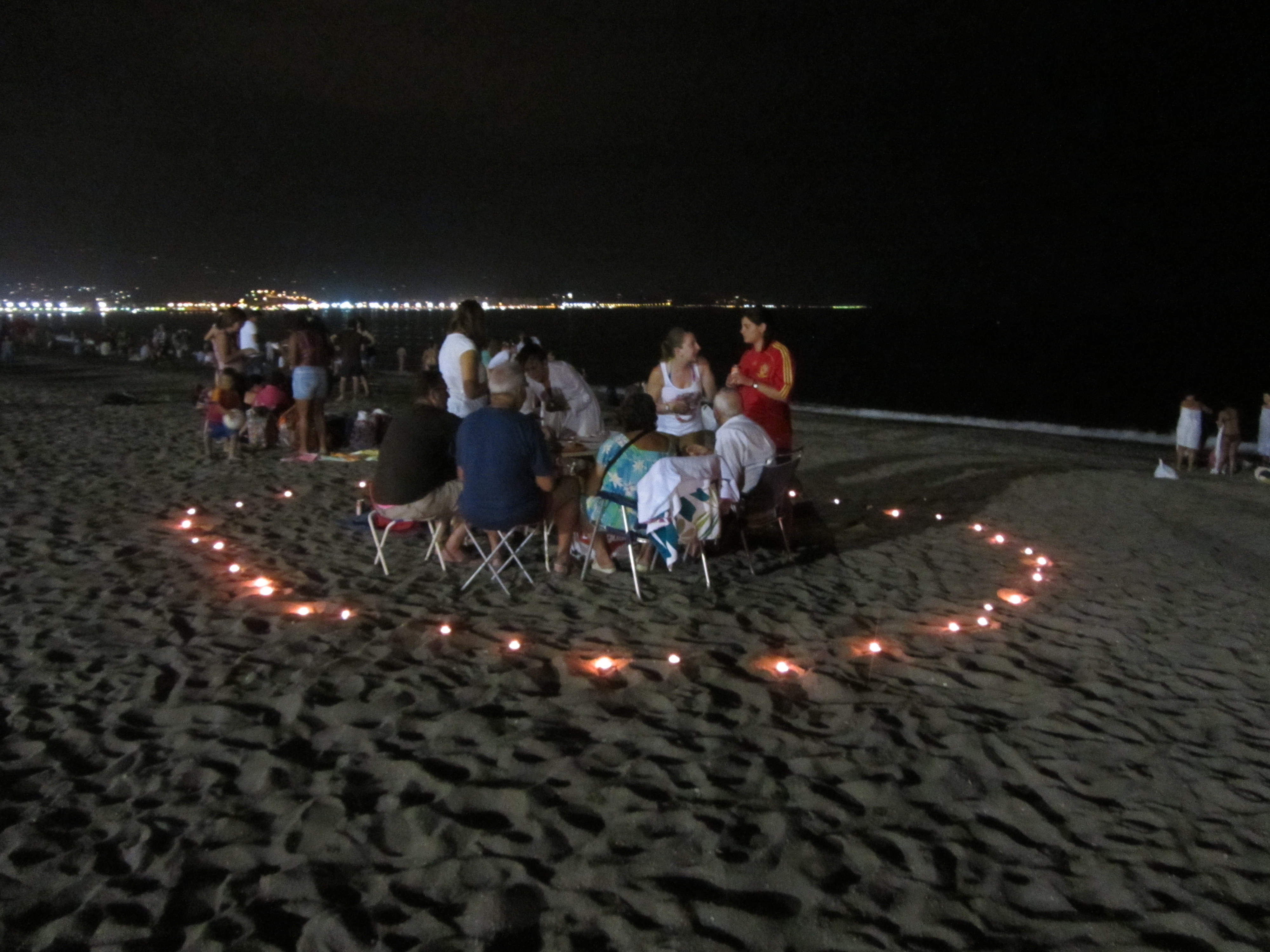
La noche de San Juan is the only time of the year when bonfires and camping are allowed on the beach, so many people take advantage, bringing their own BBQs and tents to spend the whole night partying, dancing and drinking with their friends.  It´s a lovely atmosphere with people of all ages joining in the fun, including groups of old ladies and children.  As with all celebrations here in Spain, whole families enjoy the festivities together, without any threat of drunken yobbos spoiling the fun.
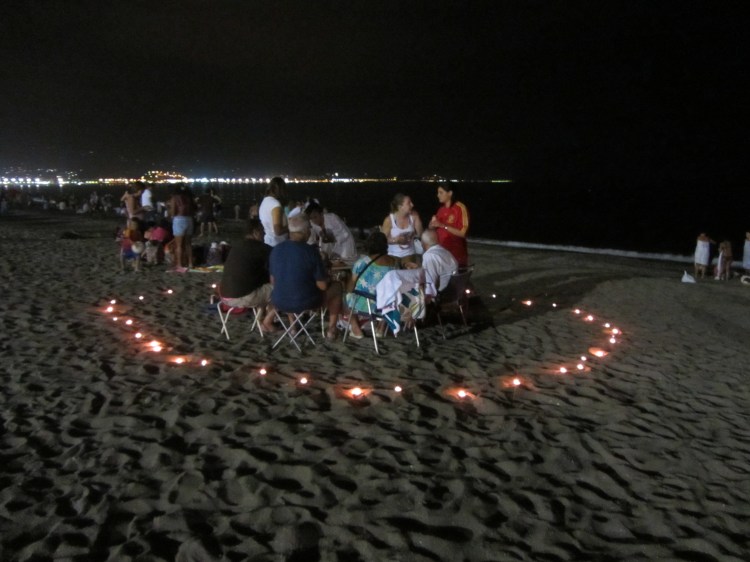
The whole family enjoying San Juan together

La noche de San Juan, in honour of St John the Baptist, is not a religious gathering.  It is about change – night into day, fire and water, with many cleansing rituals associated with it.  According to tradition, if you jump over a bonfire on this night, and rush into the sea at midnight, your body and soul will will be cleansed and purified.  What it´s really all about is families and friends getting together and eating, drinking and just having a great time!

Think Isle of White festival without the mud!  La Noche de San Juan is a Midsummer Night´s Dream – Spanish style!

Whilst you´re here, you might also like to have a look at:

La Noche de San Juan: Beaches and Bonfires
La Fiesta de Los Reyes: Celebrating Three Kings Day

A Celebration of Fried Breadcrumbs: The 30th Annual Migas Festival

Photographs I love …. and why! [Part 11]

This is just one of a series of photos I have taken, and will share with you over time, capturing the essence of living east of Málaga.   Each one, in it’s own unique way, reminds me of why I love living in southern Spain, and in particular the Axarquía.

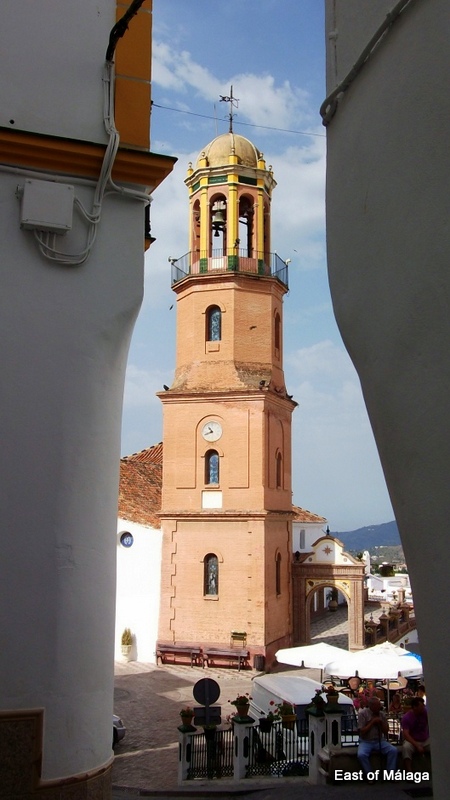
Church in the village of Competa

This is a view of La Iglesia de Nuestra Señora de la Asunción (Church of Our Lady of the Assumption) in the central village square of Cómpeta, taken from between two of the nearby white-washed houses.   Built in 1505,  the church´s golden dome can be seen for miles around, dominating the village.

To the right of the magnificent tower, is El Paseo de las Tradiciones (The Walk of the Traditions), completed in 2009 on the site of the old municipal market.

You can also see two of the many white umbrellas offering a shady place to eat or drink at one of the cafes in Plaza Almijara, whilst being overseen by some of the old men of the village from their seated position overlooking the square.

You might also enjoy:

Other photographs I love … and why!

A flowering snapshot of a January day

Féliz Navidad

The Alhambra Palace, Granada

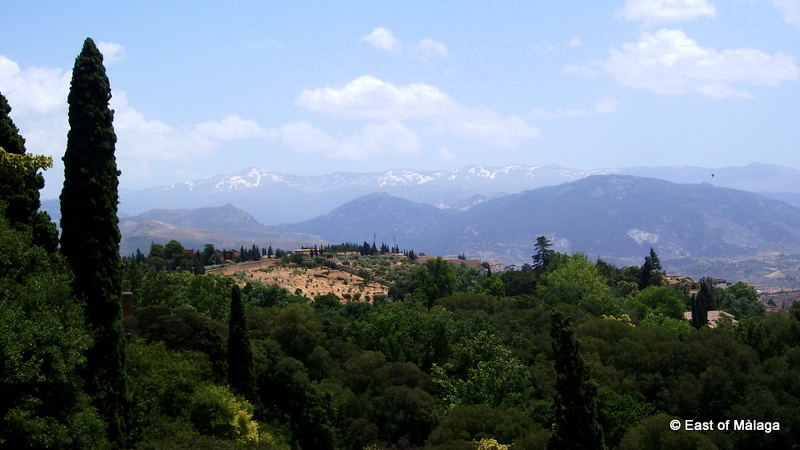
Within Andalucía, our neighbouring province is Granada, meaning that we only live about a 90 minute drive from Granada,  one of Spain’s most beautiful cities.  Granada offers great architecture, wonderful views of the Sierra Nevada mountains and a lively cosmopolitan atmosphere.  The city is well worth of a few days of anyone´s time.

Snow on the Sierra Nevada mountains, Granada - even in July

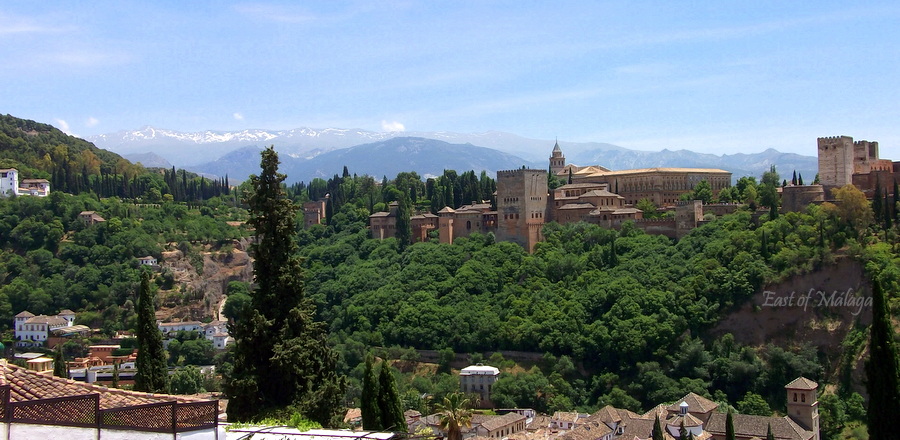
What I want to tell you about in this post, is the amazing Alhambra Palace, constructed during the mid 14th century by the Moorish rulers of the Emirate of Granada in al-Andalus, and  occupying the top of the hill of the Assabica, on the south-eastern border of the city of Granada.

Alhambra from San Nicolas

After being allowed to fall into disrepair for centuries, the Alhambra was “re-discovered” in the 19th century by European scholars and travellers, when restorations commenced.  It is now one of Spain’s major tourist attractions, exhibiting the country’s most significant and well known Islamic architecture, together with 16th-century and later Christian building and garden interventions.  As you might expect, the Alhambra is a UNESCO World Heritage Site.

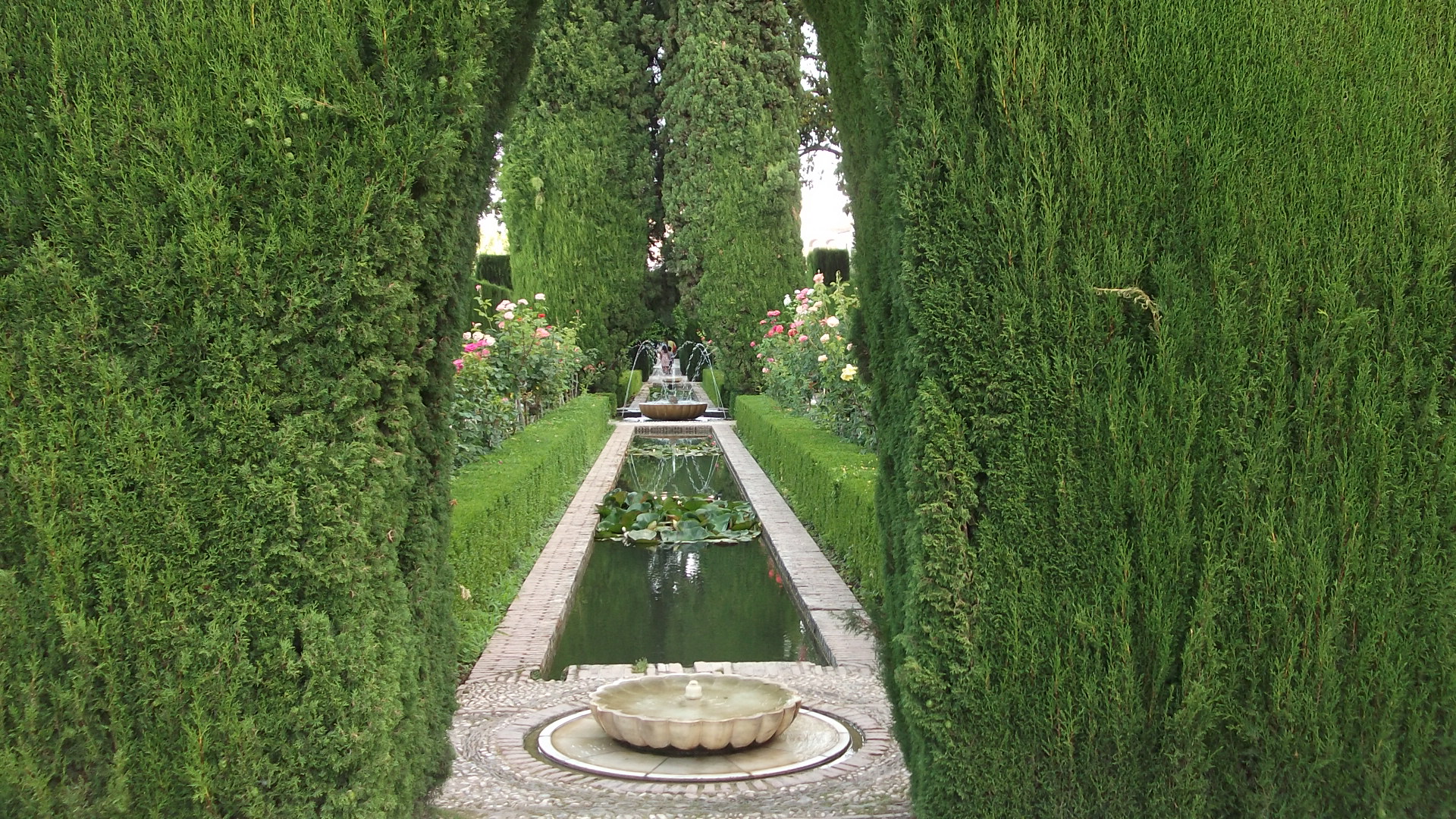
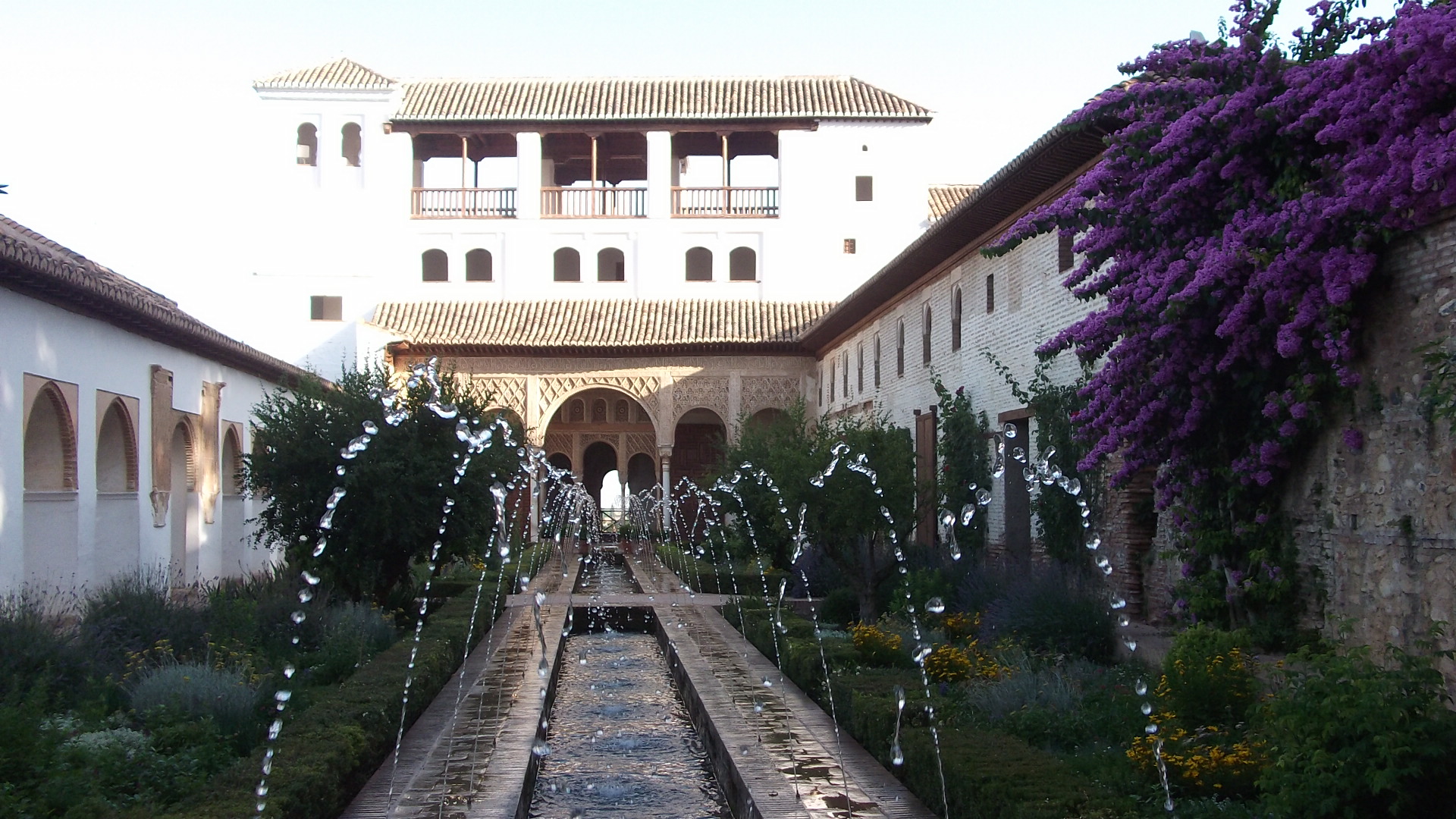
Generalife Gardens, Alhambra Palace, Granada

During our visit last summer, we opted for early morning entry into the Alhambra, to escape the fierce heat of the coming day, so it made sense to start off outside in the beautiful Generalife Gardens (the name is pronounced heneraliffi, and definitely not general life!)

Generalife Gardens, Alhambra Palace

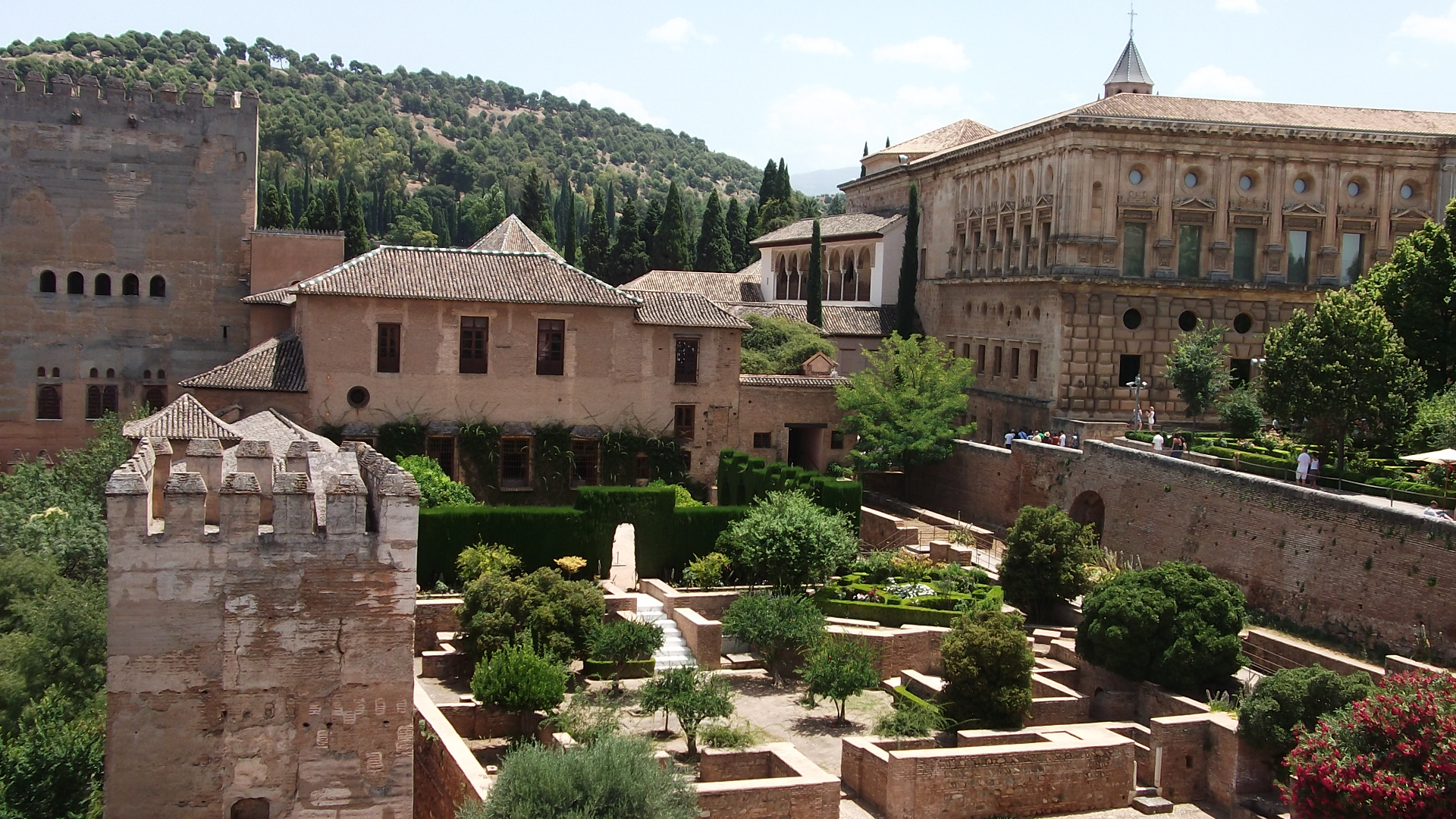
Within the Alhambra Palace, Granada

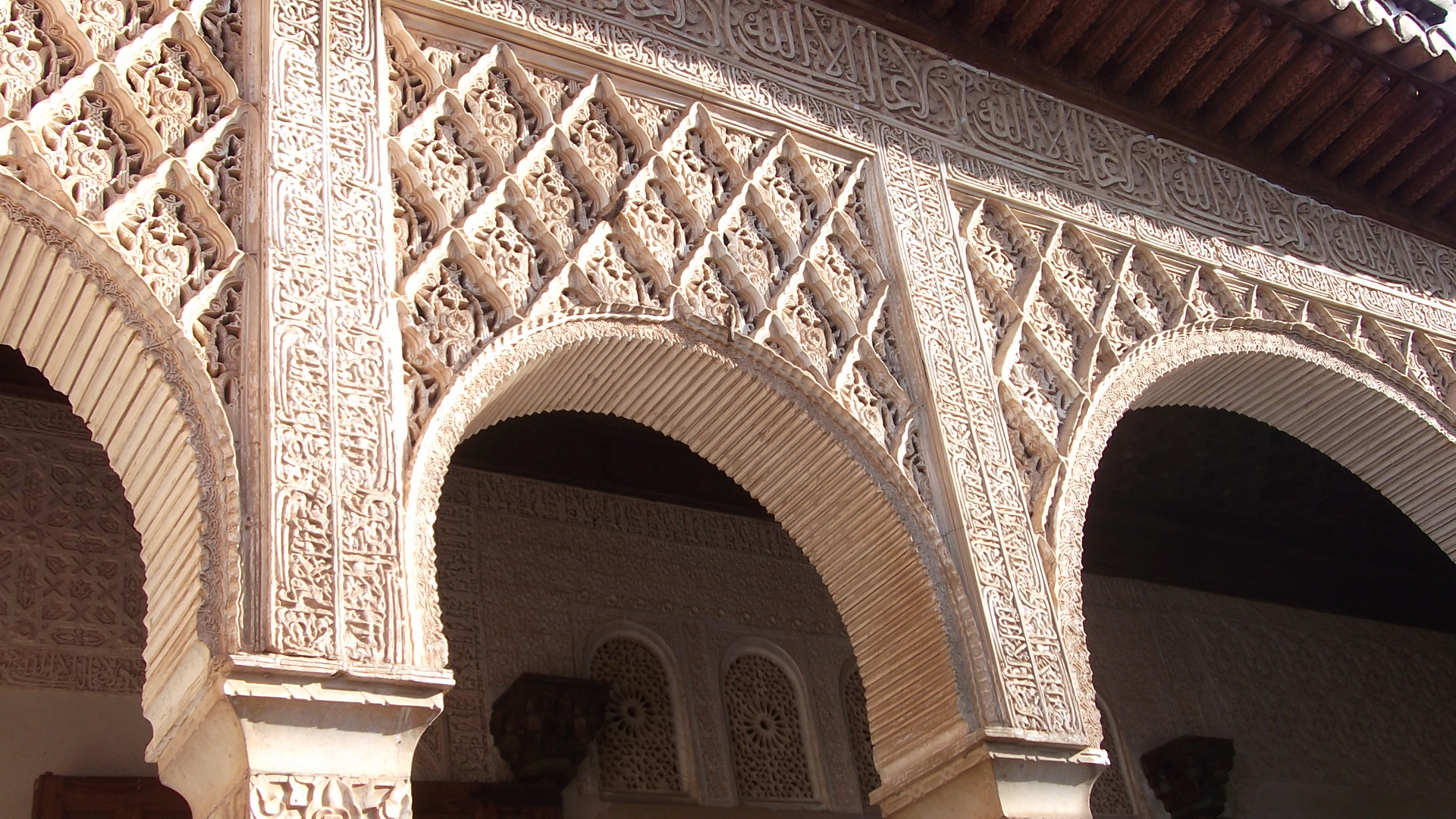
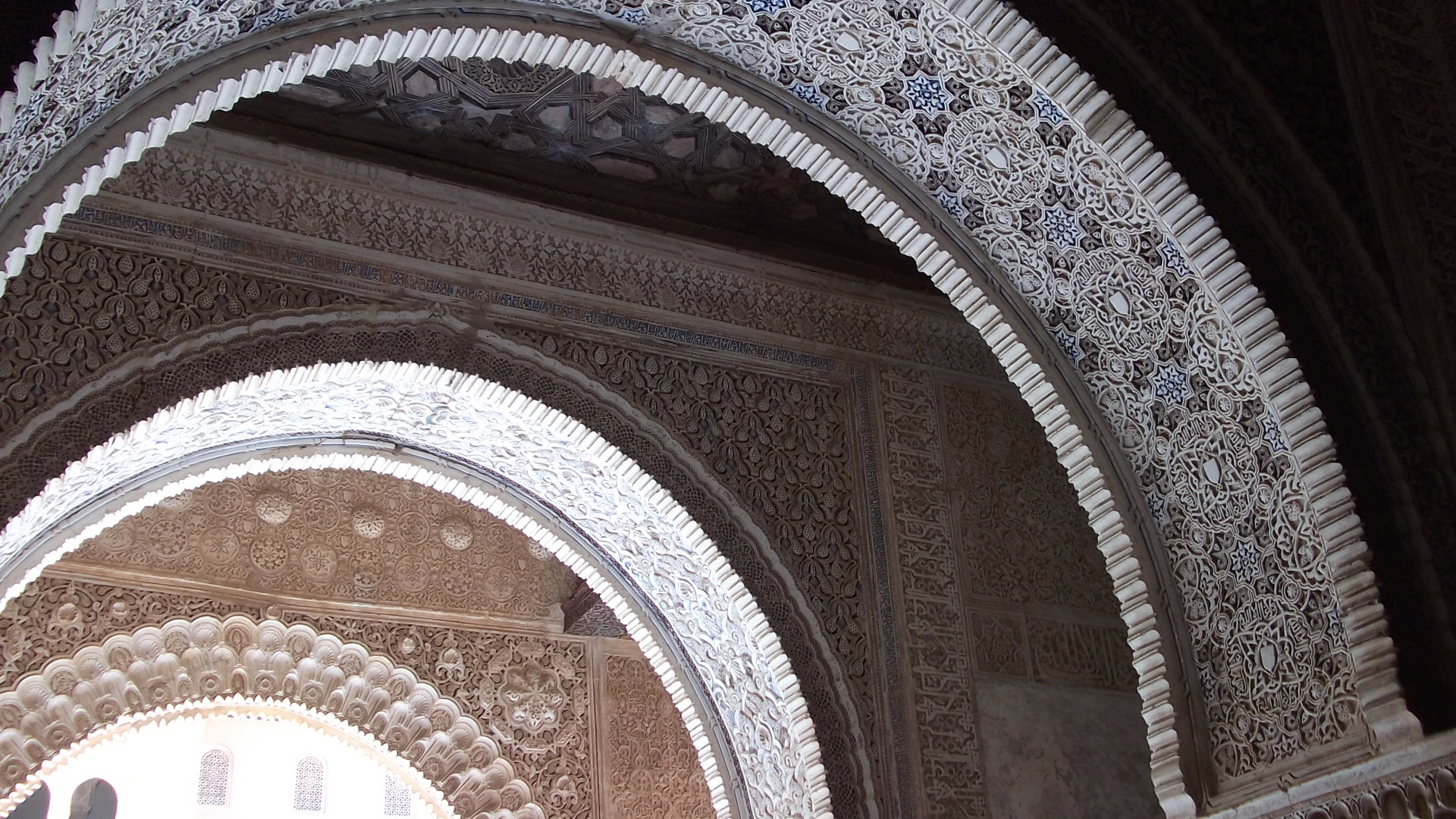
The decorations within the palaces typify the remains of Moorish dominion within Spain, which ushered in the last great period of Andalusian art in Granada.  Take a look at the stunning Islamic arches in the photos.

Islamic arches in the Alhambra Palace, Granada

Stunning arches in the Alhambra Palace, Granada

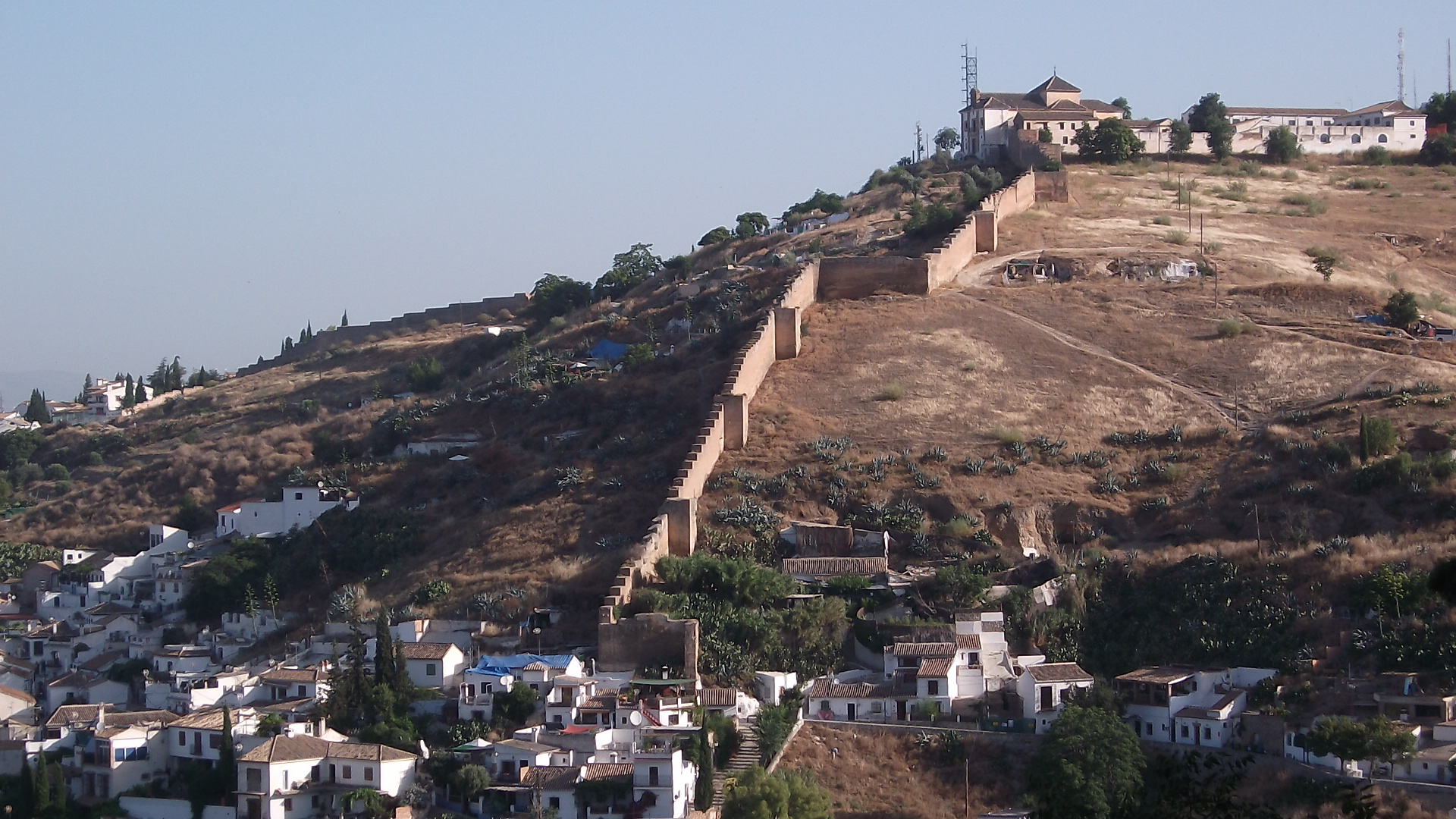
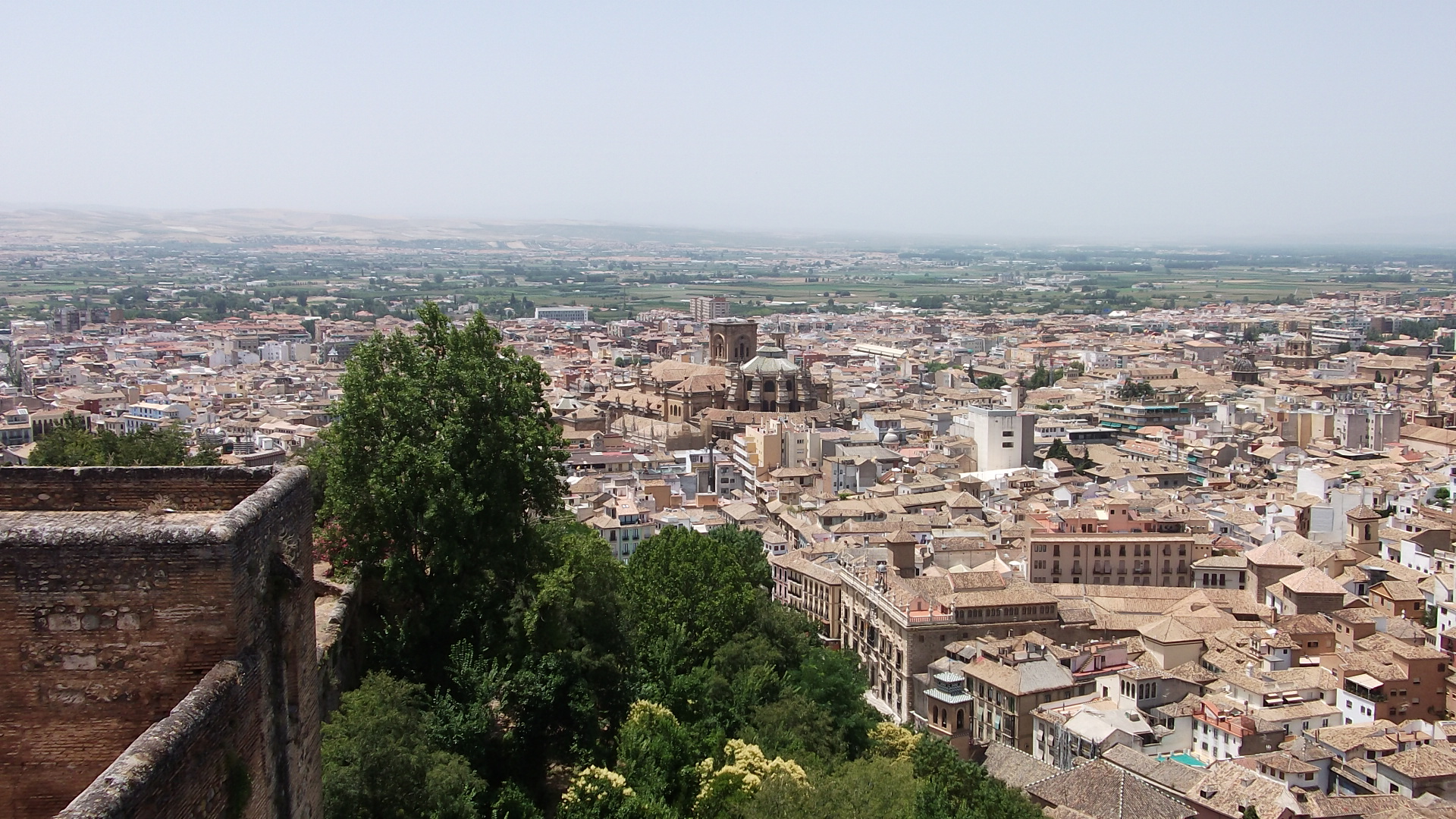
The Alhambra resembles many medieval Christian strongholds in its threefold arrangement as a castle, a palace and a residential annex for subordinates, with the  alcazaba being its oldest part.  Only the massive outer walls, towers and ramparts are left. We climbed the watchtower of the Alcazaba, the Torre de la Vela, 25 m (85 ft) high, for magnificent views over the city, including the old fortified walls of the city of Granada.

Old city walls, Granada

Granada city viewed from the Alhambra Palace

Whilst you´re here, why not have a look at:

Venturing further afield: A long weekend in Zaragoza

The Buddhist Stupa of the Eastern Costa del Sol

A Weekend Away: Santiago de Compostela