Tracks to country houses: How accessible are they?

In Britain they are known as lanes but here in this area East of Málaga they are known by English residents as tracks or by the Spanish as un carril.

At all events they are the way to connect your country house to a proper tarmac roadway and these tracks vary considerably in length and ease of use.

Some country properties may be quite some way from the highway but, if you are lucky, your house may be within 500 metres or so of the roadway.

What you need to consider when buying a house in the countryside is how easy it will be to drive along your track all year round. Some of these rural access tracks are quite steep or have very sharp bends, while others have a more gradual slope. Bear in mind that most of this area to the east of Málaga is hilly countryside, so straight and flat access will be rare indeed.


What of the surface? The best of all is well-made reinforced concrete, about 4 metres wide and substantial enough to carry large lorries should deliveries or work be needed.

A commonly found, but not as good as a concrete track, is one made from a mixture of stone, gravel and soil, although this surface should be adequate for fairly level tracks.

It is worth being aware that in this region, known for long, hot and sunny weather during much of the year, winter rains can be quite ferocious and can quickly ruin the stone and gravel surface just described, if there is a substantial slope. The greater the incline, the faster the water flows and it is not uncommon to see storm water forming meandering channels 10 to 30 centimetres deep, cutting away any loose earth, making access for cars very difficult.

For this reason many people living in the countryside opt for a 4-wheel drive vehicle and this includes most of the Spanish rural crop growers. These tough vehicles give added confidence for those who must traverse difficult terrain, but it is important to remember that 98 percent of all your driving will be on normal roads, so only think about a heavy 4-wheel drive vehicle if it seems necessary, or you are inclined to have a liking for them anyway.

Heavy winter rain can also bring down earth and stones in the form of a landslip from ground above the track, especially if the access has been cut into a hillside by a JCB-type digging machine, which is usually the case here in the Axarquía.
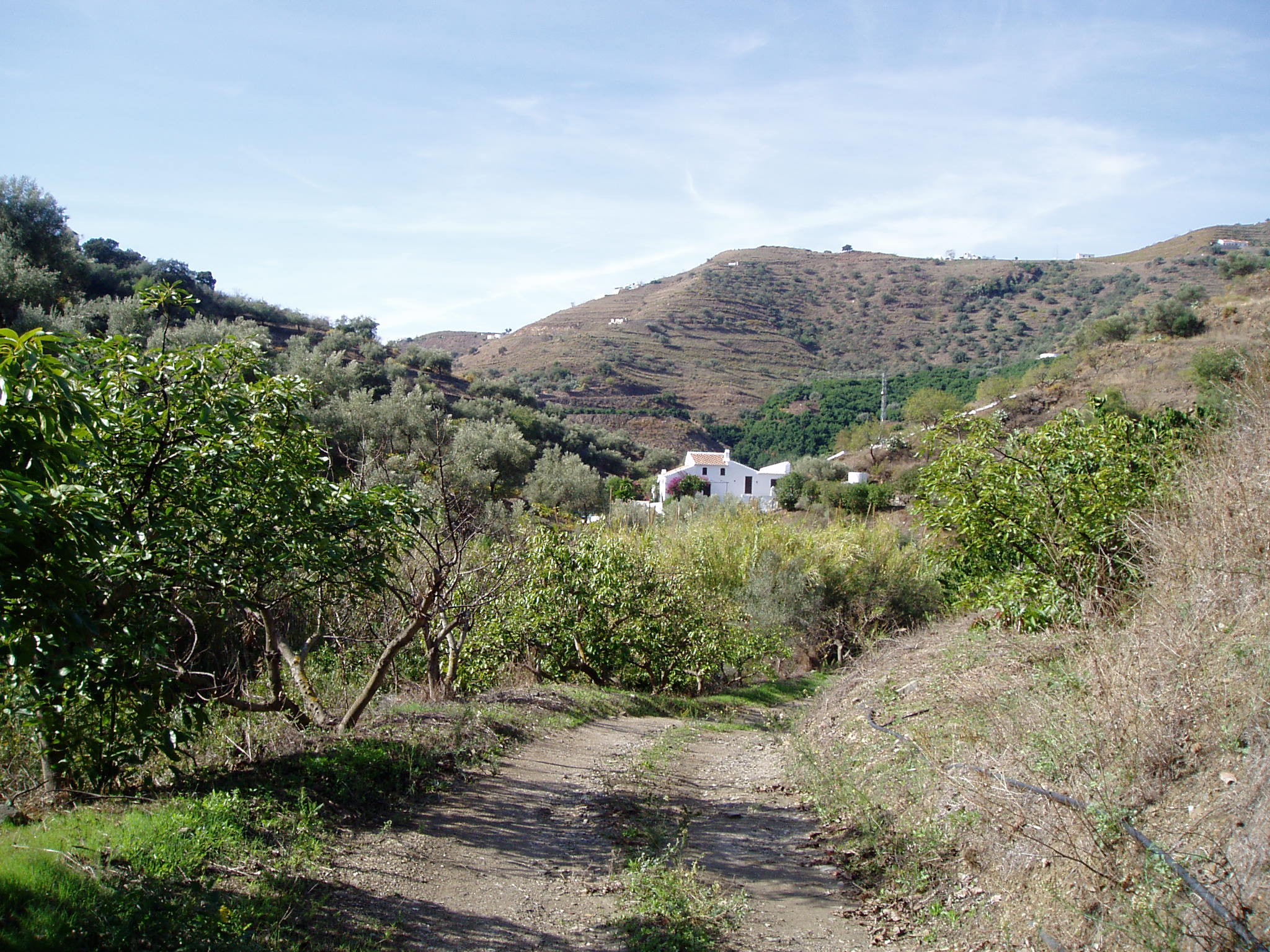

Until you get used to this sort of thing, it can seem quite daunting at first to drive on some country tracks that may have a near vertical cliff above you on one side and a hair-raising drop of many metres on the other side.  Fear not! Your confidence will grow and soon it will be second nature dealing with the track to your house.

Among other considerations, always remember that good access that will remain open for use all year round is a valuable asset.

Where is the worse/best track you have driven down?

You might also enjoy:

Coast, Villages or Countryside:  The Open Countryside

A Weekend Away: Santiago de Compostela

The heart of Cómpeta: El Paseo de las Tradiciones

East of Málaga: Photographs I love …. and why! [6]

This is just one of a series of photos I have taken, and will share with you over time, capturing the essence of living east of Málaga.   Each one, in it’s own unique way, reminds me of why I love living in southern Spain, and in particular the Axarquía.


Whenever we have visitors staying with us, we always take them for a scenic drive along the back road from Torrox pueblo to the beautiful white village of Frigiliana.

The views across to Frigiliana and Nerja are stunning! 

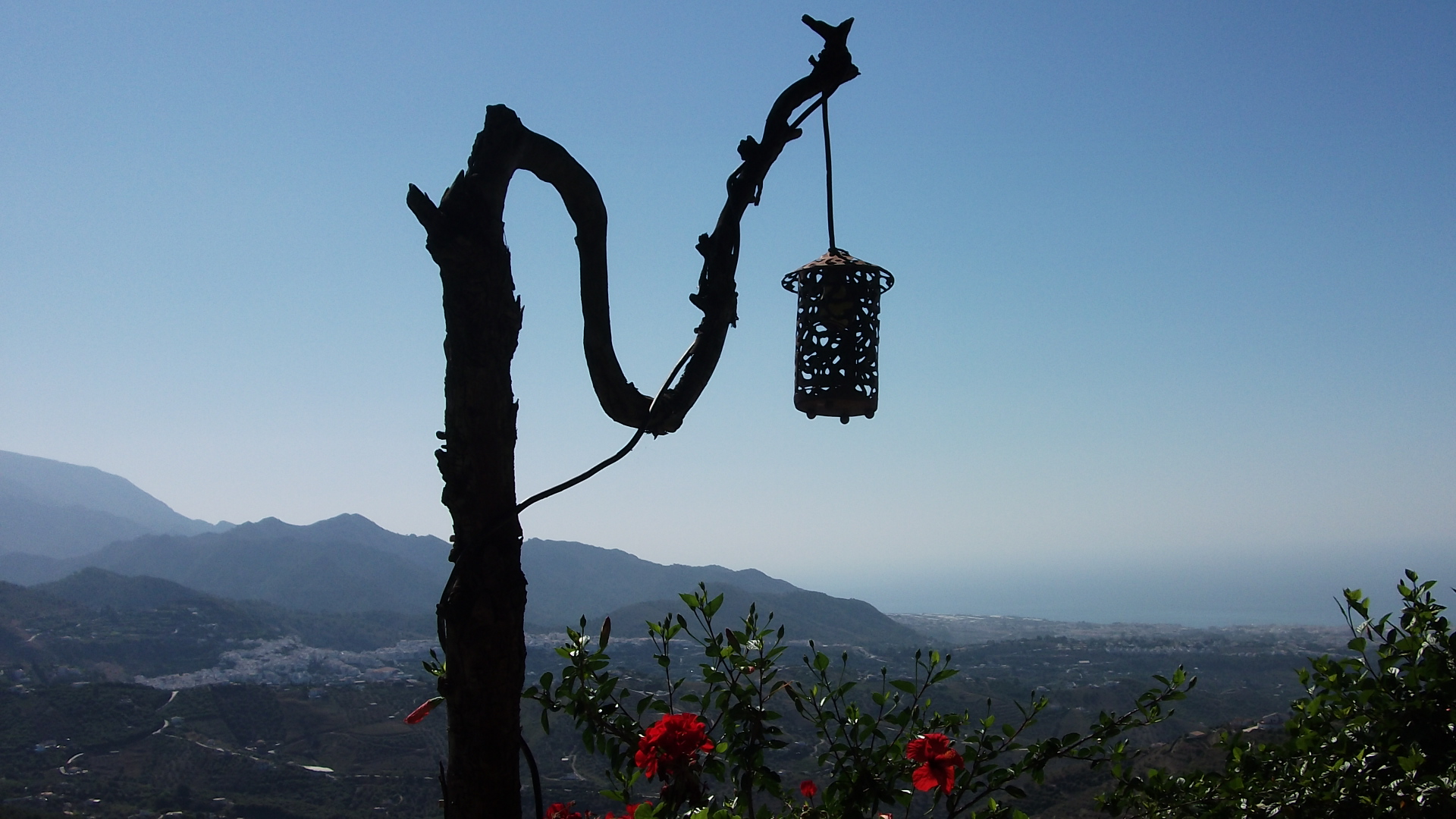
This photograph was taken from the terrace of Los Caracoles Restaurant and Hotel.  Towards the bottom left you can see the white village (pueblo blanco) of Frigiliana and, over to the right, the nearby town of Nerja, with the Mediterranean Sea in the background.

This view never fails to take my breath away …. no matter how many times I see it!

You might also enjoy:

La Noche de San Juan: Beaches and Bonfires

Other photographs I love …. and why!

Tracks to country houses: How accessible are they?

Lemon Chicken for a Summer´s Day Lunch

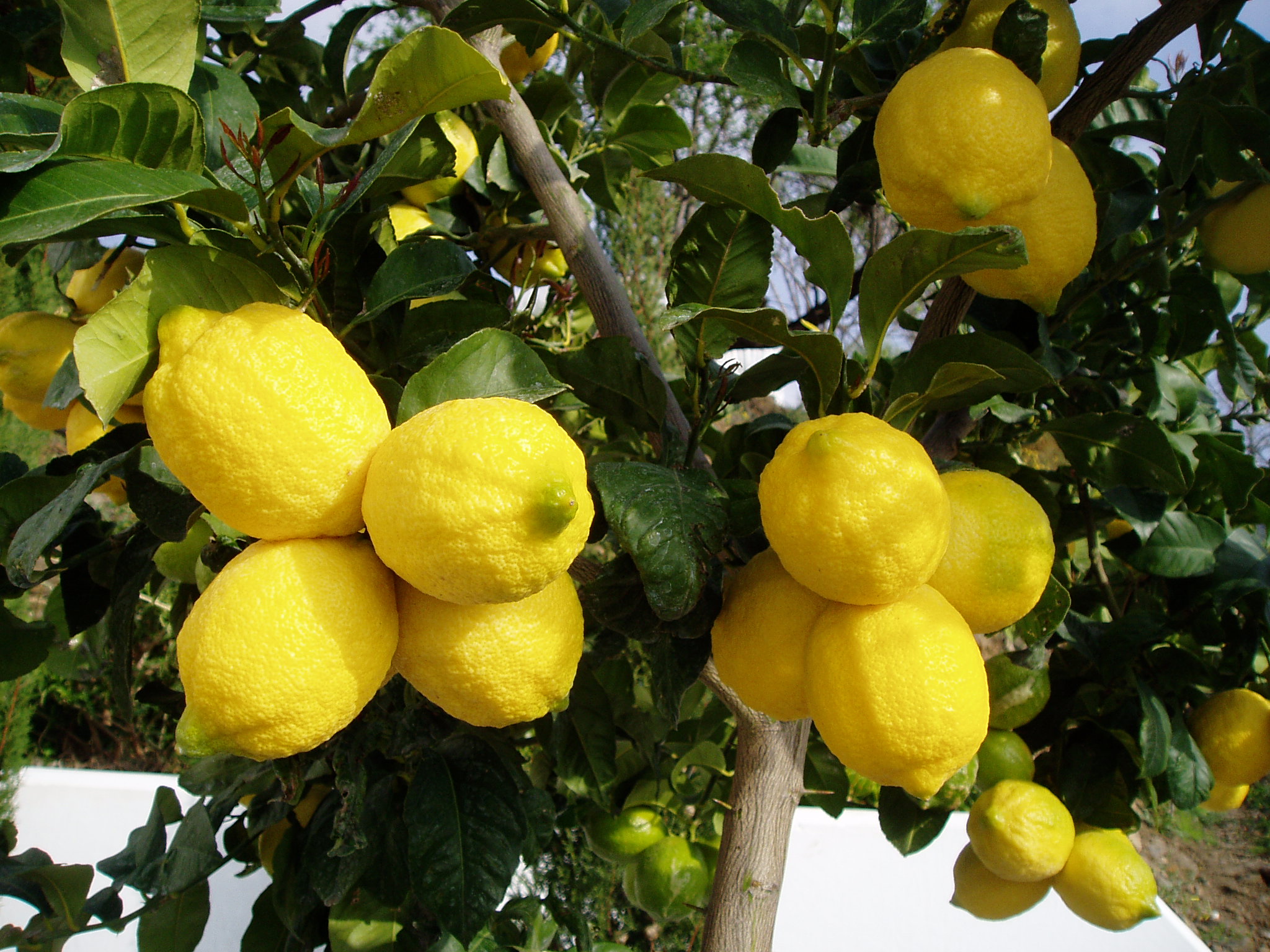
We have a glut of lemons on our trees at the moment, home-grown onions ready for the picking as well as plenty of wild rosemary … so what better dish to make for friends at lunch-time than Lemon chicken?

Ingredients: (as usual I won’t give weights or measures as you should go with what you like)

Chicken (breasts, thighs or portions …. whatever you fancy – I usually use breasts, cut into chunks)

Potatoes – peeled, washed and cut into wedges

Onions – peeled and roughly chopped

Garlic – peeled and chopped

Mixed dried herbs

Sprigs of rosemary

Lemons – some chopped into quarters, some juiced and zested.

Olive oil

Salt and pepper

Method:

Slightly brown the chicken in olive oil in a frying pan.  Put potato wedges and chopped onion into glass oven dish and add chicken.  Mix together other ingredients and pour over chicken potatoes and onion.  I usually strip some of the rosemary off the stem, and leave others as sprigs.

Make sure they are well mixed and roast in oven (Gas 200C) for about an hour or until potatoes are soft.

Serve with good friends and plenty of wine.

Que aproveche!

If you think this dish looks tasty, you should try these:

Fresh Figs Stuffed with Goat´s Cheese and wrapped in Smoked Bacon

Patatas a lo pobre: Poor man´s potatoes

52nd Annual Nerja Caves Music Festival


This week, the 52nd annual Festival of Music and Dance (Festival de Música y Danza) takes place at the Nerja Caves (Cuevas de Nerja).

If you haven´t visited the Caves, then watch this fantastic YouTube video which will really set the stage for you.

Over the years, the Festival which is one of the most important cultural events of the year in Málaga province, has attracted international artists and musicians from all over the world including Sir Yehudi Menuhin, Montserrat Caballé, Dame Kiri Te Kanawa and José Carreras.

http://www.youtube.com/watch?v=HQ83_poSnkc&feature=related

The natural amphitheatre is a memorable venue for the concerts, with Queen Sofia of Spain, on a couple of occasions, arriving unannounced by helicopter to attend one of  the performances in the la Sala de las Cascadas, which has one of the best acoustic chambers in the world – carved out of the rock by nature herself.


Driving in Spain: Back on the Throttle!


The Spanish Government has announced that the speed limit on the country’s motorways will revert to 120 kilometers per hour from July 1st.

Earlier in the year, the maximum speed limit was reduced to 110 kilometres per hour in an attempt to cut fuel consumption after oil prices soared due to unrest in the Middle East.  Following the recent drop in oil prices, the Cabinet no longer believes that the lower speed limit is necessary.

However, this decision to change the speed limits on the motorways back to 120 kilometres per hour just three months after lowering them has led to some debate in the Spanish Press, particularly as the cost of changing the signs alone will be in the region of 230,000 Euros.  This is because the new limit stickers, which were placed over the original signs, cannot be removed without damaging the signs. Therefore, new stickers with the 120 limit will be placed over the old ones repeating the cost of the original sign changes.

I´m as surprised that the decision has been made to revert to the higher speed limit, as I was that most people adhered to the new lower limit.

At least it should make someone happy!

What do you think?  Should the government have kept the maximum speed limit at 110 kph?

You might also be interested to read:

Easy driving directions from Málaga airport