Eating your Greens: Acelgas


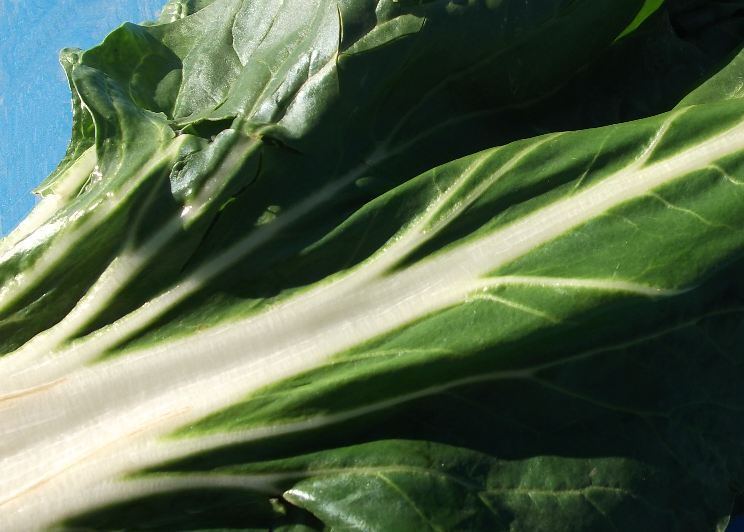
On every fruit and vegetable stall at any of the street markets in the area, you will find acelgas (chard) being sold in big bunches – usually for one euro or less.

Whilst it´s not a vegetable to eat raw, acelgas is easy to cook and packed with nutritional goodness as it is an excellent source of fibre, vitamins A, C and K, iron, potassium, magnesium and manganese.

Wash the leaves and fold each in half to help you when you cut away the stem and centre ribs.  Chop the stems and sauté in butter for about 5 minutes until they begin to soften. Stir in the chopped green leaves until they begin to wilt – which only takes a couple of minutes.  Just before serving, mix in a little freshly-squeezed lemon juice, a tablespoon of grated Parmesan cheese and season to taste.

Que aproveche!

Whilst you´re here, why not have a look at:

Churros served with thick hot chocolate

Fresh Figs Stuffed with Goat´s Cheese and wrapped in Smoked Bacon

A Slice of Life: A Trip to the Post Office

The Fat One beckons

[Image: alvy]

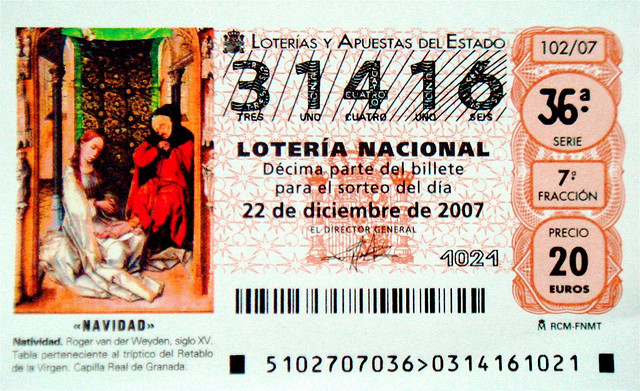
On December 22nd each year, all Spanish eyes are focused on El Gordo (the Fat One) Christmas lottery draw.

The three-hour televised event for ‘The Fat One‘  will bring the whole country to a near standstill as millions will leave work and pack bars to watch it.

The winning numbers are drawn by school children, from two large gold drums in the Grand Salon of the Spanish National Lottery in Madrid.

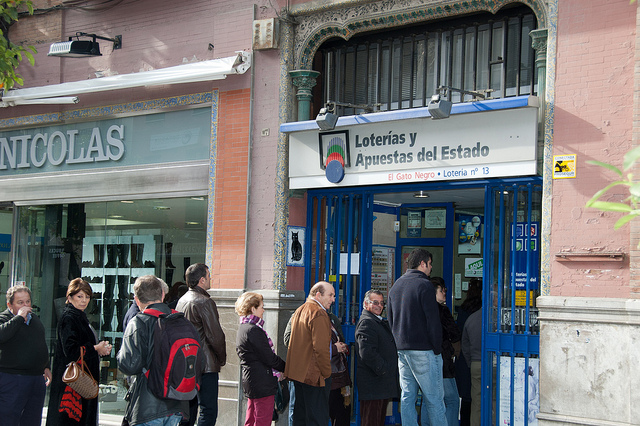
Tough economic times have resulted in an increase in the number of people buying tickets for this year´s lottery draw.  Ticket sales are reported to be 29% higher than last year, with  each Spanish citizen spending an average of €70 in an effort to win the top prize.

[Image: (cc) Paul and Jill ]

El Gordo, the biggest lottery in the world, will sprinkle €2.5 billion in holiday cheer across the country today, handing out winnings eagerly welcomed by a nation facing 20 percent unemployment.

Have you got your ticket?

Buena suerte!

You might also enjoy:

Christmas in Spain: Féliz Navidad

Spain’s Christmas Lottery: ‘El Gordo’ or ‘The Fat One’

A Celebration of Fried Breadcrumbs: The 30th Annual Migas Festival

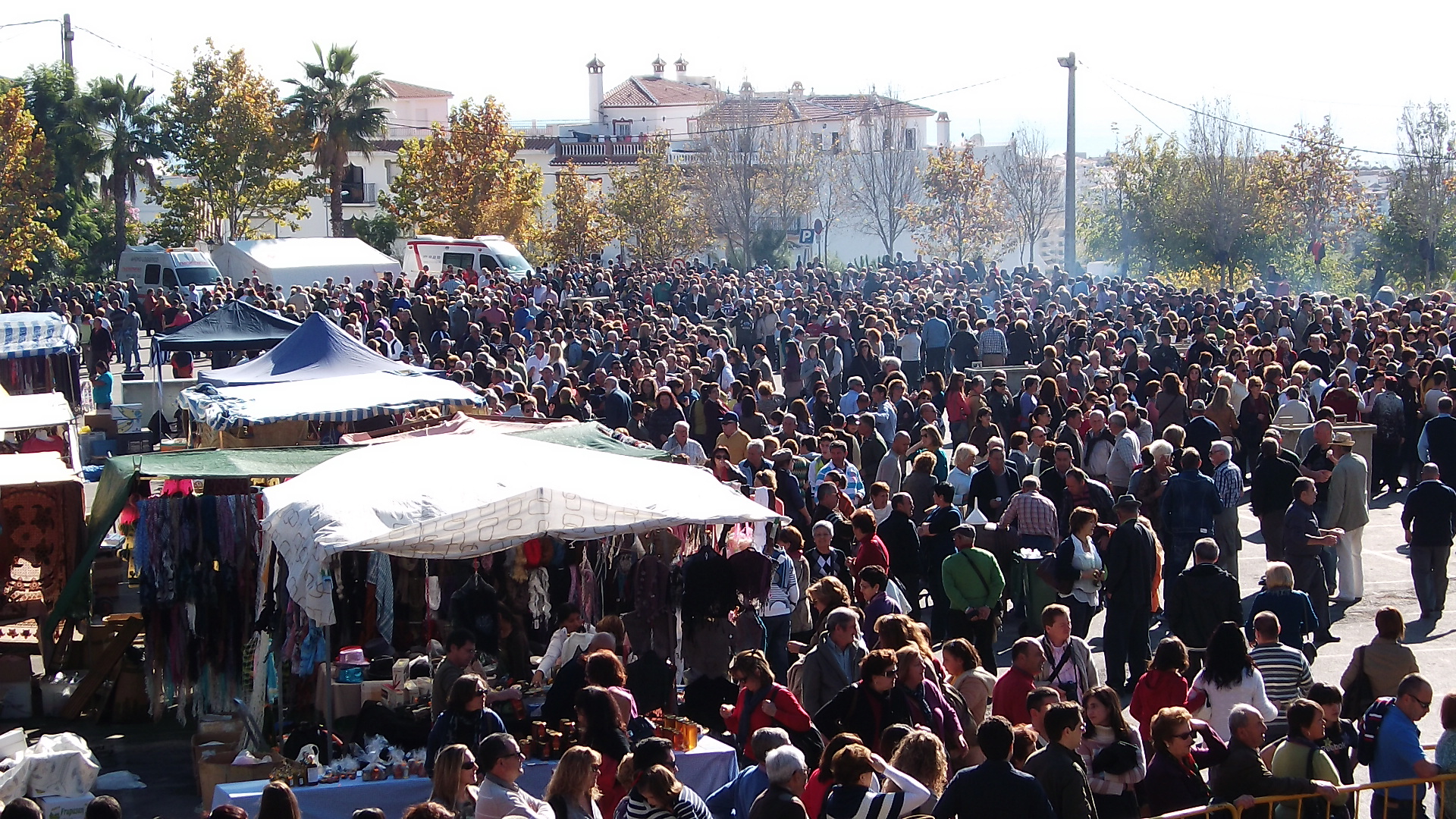
You might not expect ingredients for the perfect Christmas party to include 2000 kilos of flour, 500 litres of olive oil and 3000 litres of sweet Moscatel wine, but that´s exactly what´s required  to cater for the 40,000 guests who visit the Migas Festival in the village of Torrox.
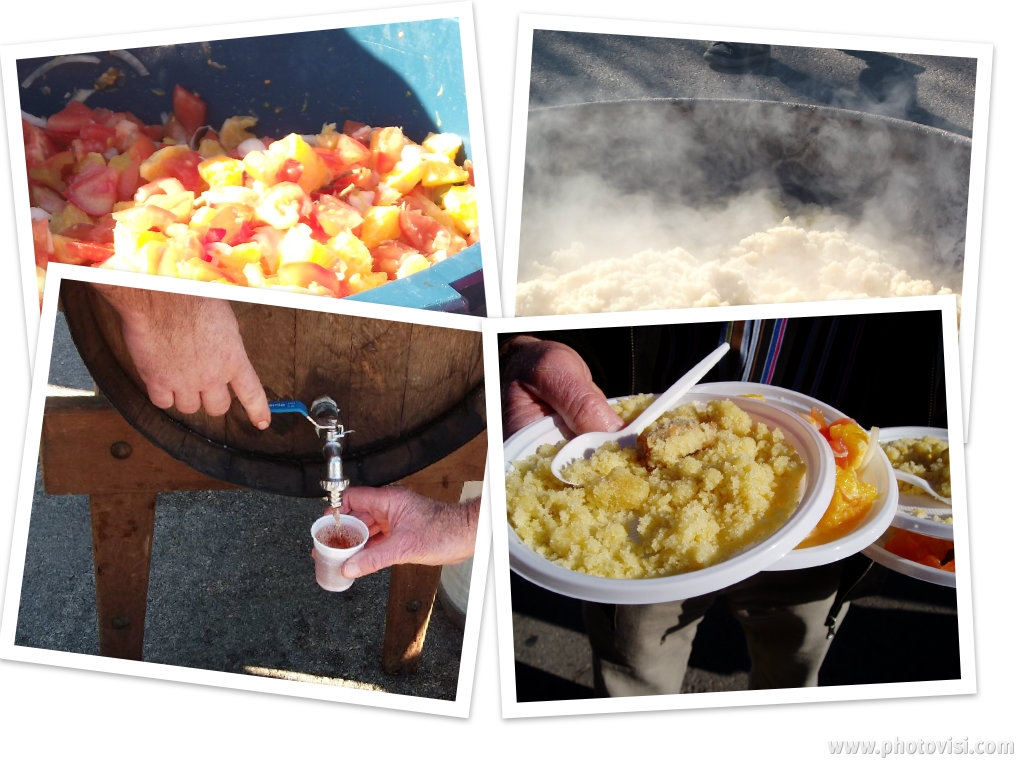
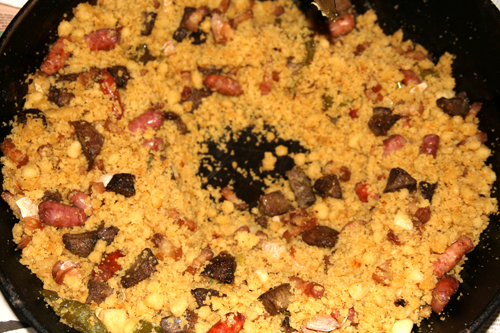
Many towns and cities throughout the world have unique dishes that encompass their overall culture and tradition.  Migas is a traditional Andalucían peasant dish often made from breadcrumbs, although in Torrox the migas are made with flour.  Normally served as an accompaniment to a main dish, of fried fish for instance, migas comprises of fried bread crumbs liberally laced with garlic, and may also contain small pieces of chorizo, ham or peppers.

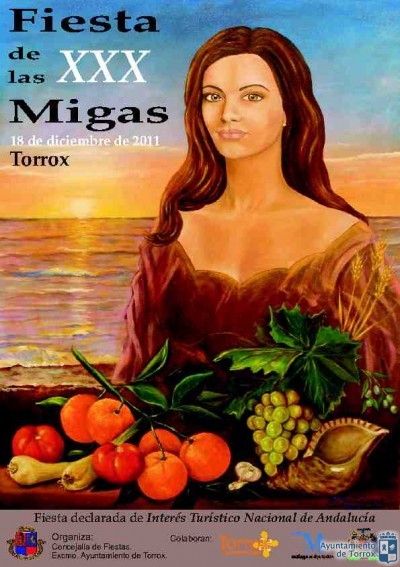
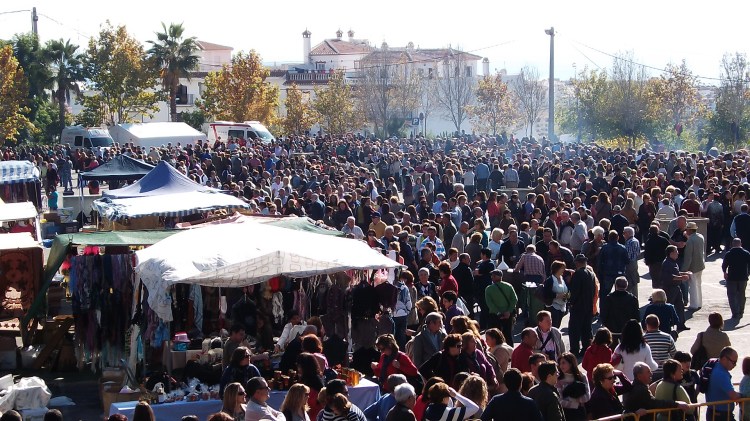
Each year, on the last Sunday before Christmas, this gastronomic festival which has been declared of “National Tourist Interest” by the Junta de Andalucía, will serve more than 40,000 visitors.
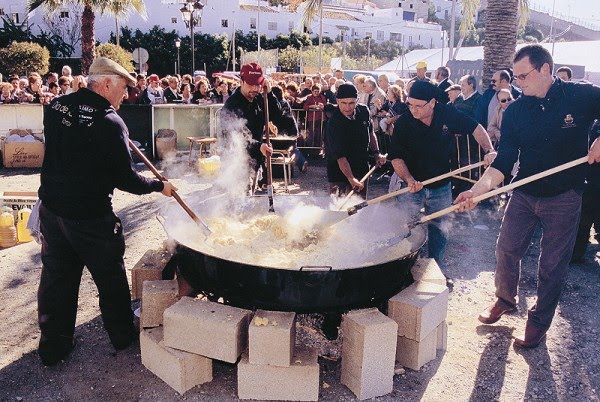
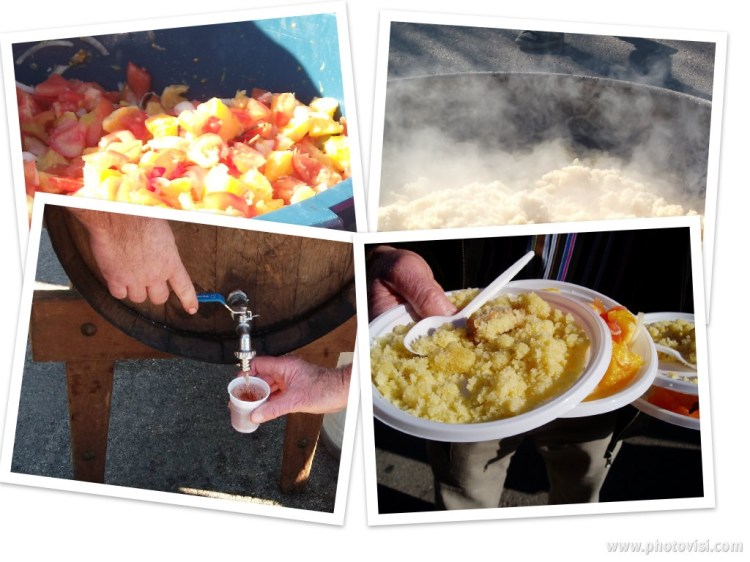
From early in the morning, teams of cooks prepare the migas for free distribution to local residents and visitors to the festival.  The ringing of a bell is the signal for everyone to come and collect their plate of migas, which is served with a glass of local wine and an “arriera” salad  (made with oranges,  tomatoes, potatoes, onions and olives) to accompany the meal.
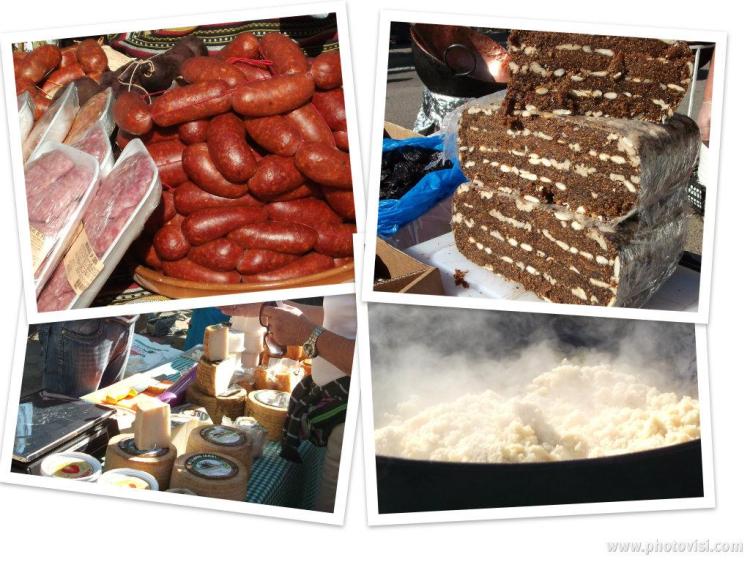
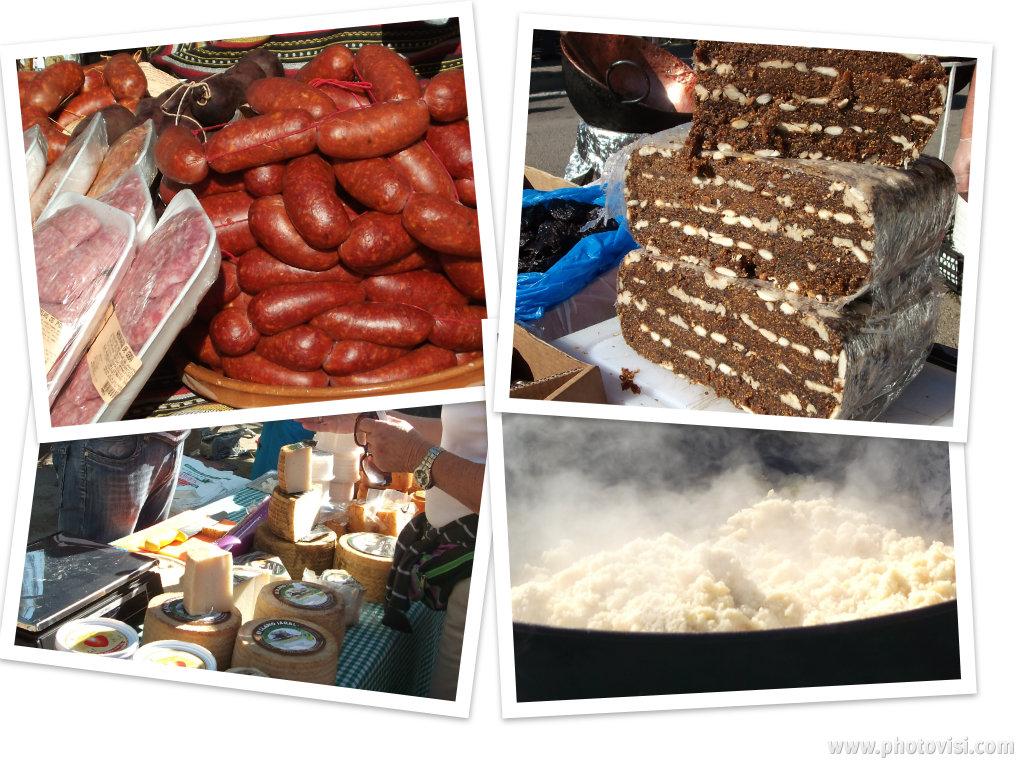
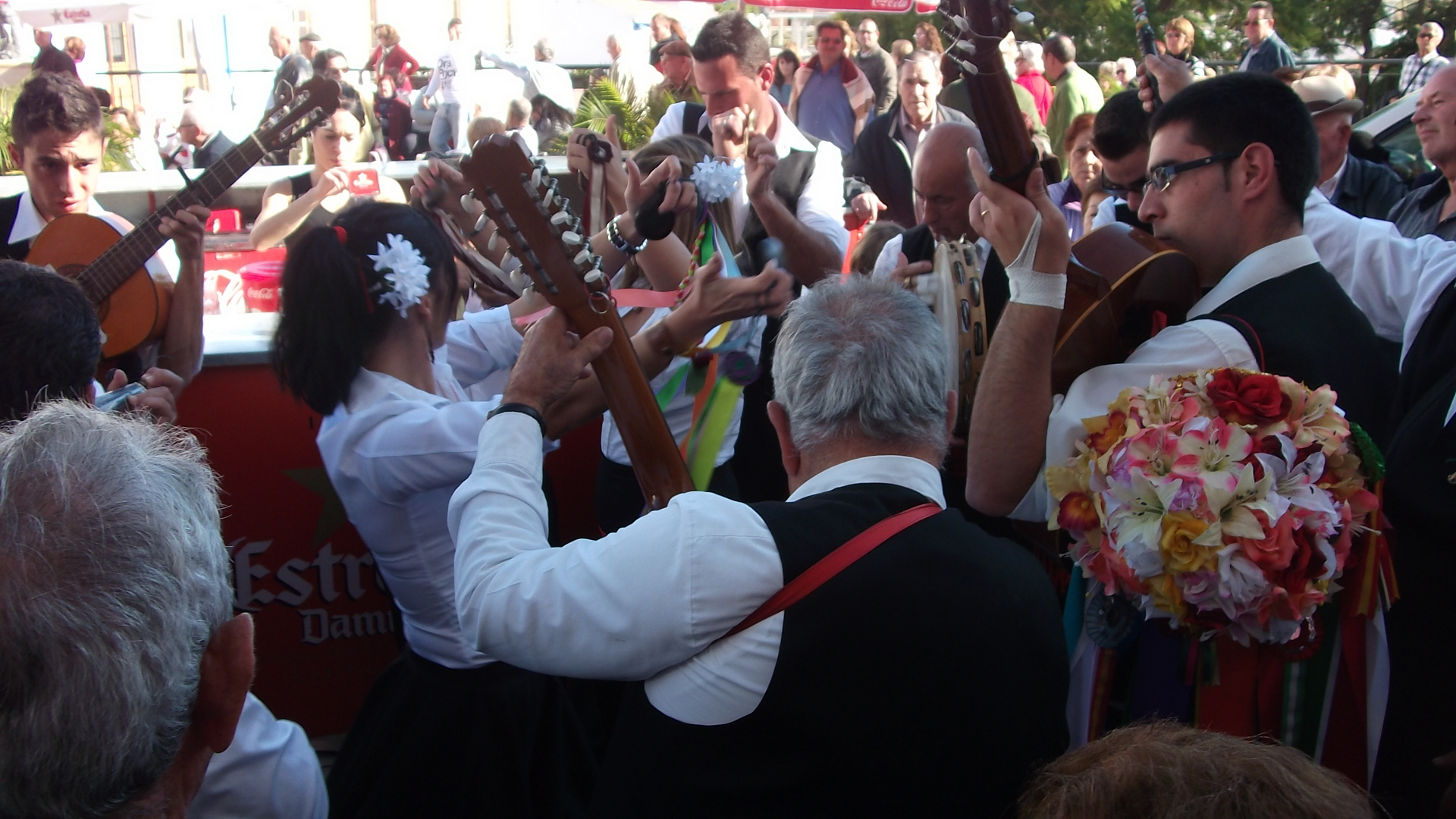
There is plenty to do during a day at the Migas festival  because as well as free food and drink there are many craft stalls, traders selling fine cheeses, chorizo, cakes, nuts and sweets, the opportunity to enjoy guided walks through the village, and street artists, as well as choirs and local dance groups, who all help to create a wonderful festive atmosphere.

Of course, in true Spanish tradition, this is just another excuse for a party, but on a warm, sunny December day, why would you not pursue that with some vigor?

(BTW – didn´t they do well getting Angeline Jolie to pose for this year´s poster?  LOL

You might also enjoy:
La Noche de San Juan: Beaches and Bonfires

The heart of Cómpeta: El Paseo de las Tradiciones


A Slice of Life: Picking the Olives

Everyone these days knows the benefits of a Mediterranean diet.  Spain is the largest producer of what is considered the healthiest type of oil in the world, with 80% of the olive crop farmed in Andalucía.

Over recent years, many nearby fincas have been left untended, but this year instead of their olive, almond and fig crops being left to wither on the trees, more people are working the land.  In these times of high unemployment, many local families are re-evaluating the value of their plots of land in the countryside, cultivating and collecting their oranges, lemons, avocados and, of course, olives.

Living in the countryside, it´s unusual for us to hear voices nearby when we have the windows open, or if we are out in the garden, but over the past couple of weeks, the warm autumn sunshine has brought out families and friends to help with the olive harvest.

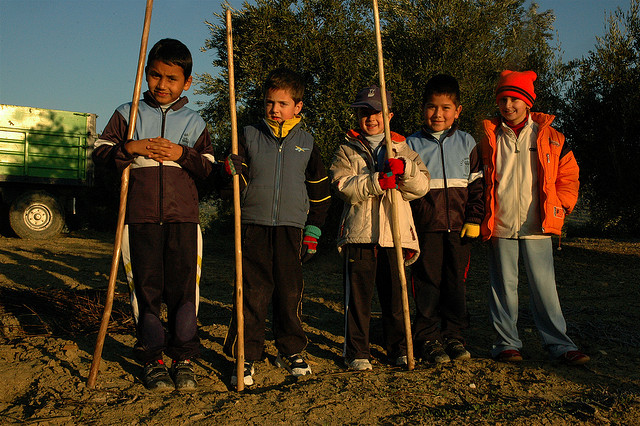
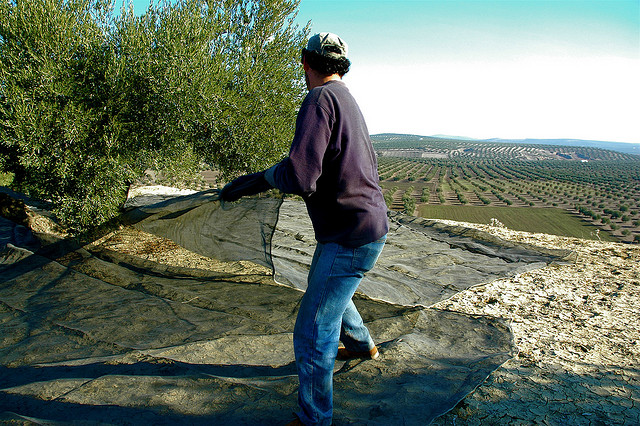
There are no mechanical devices here to help with picking, due to the steep terraces.  Large nets are laid out around the base of the trees to collect the ripe olives – and then comes the hard work – whacking the trees with long sticks.

Of course, there is much chatter, laughter,  picnics and cold beers.  A couple of years ago we helped some English friends to harvest their olives, along with a neighbouring Spanish family.  Even though at the time they couldn´t speak any English and our Spanish was limited, we still enjoyed many hours of  laughter and conversation together.  Oh, and did I mention the picnics and cold beers?

[Photo credits: (cc) hummanna]

You might also be interested in:

Spanish football: Estadio La Roselada, home of Málaga CF

The heart of Cómpeta: El Paseo de las Tradiciones

The Mountain: Time-lapse video from El Teide, Tenerife

This wonderful video was filmed between 4th and 11th April 2011 at Mount Teide, on the island of Tenerife.    El Teide, Spain´s highest mountain at 3718m is one of the best places in the world to photograph the stars and is also the location of Teide Observatories, considered to be one of the world´s best observatories.

The goal was to capture the beautiful Milky Way galaxy from this amazing mountain.

On a similar note, the last total lunar eclipse until 2014 will take place tomorrow night (December 10th), although observers throughout Europe  will miss the early eclipse phases because they occur before moonrise.

The good news is that unlike solar eclipses, lunar eclipses are completely safe to watch. You don’t need any kind of protective filters. You can watch the lunar eclipse with nothing more than your own two eyes. An ordinary pair of binoculars will help magnify the view and will make the red coloration brighter and easier to see.

This should be a spectacular sight, especially as there is so little light pollution here in the Spanish countryside.

You might also enjoy these:

Over the moon: Spectacular viewing of total lunar eclipse

Seeing Stars: The Night Sky over the Axarquía