Photographs I love …. and why! [Part 10]

This is just one of a series of photos I have taken, and will share with you over time, capturing the essence of living east of Málaga.   Each one, in it’s own unique way, reminds me of why I love living in southern Spain, and in particular the Axarquía.

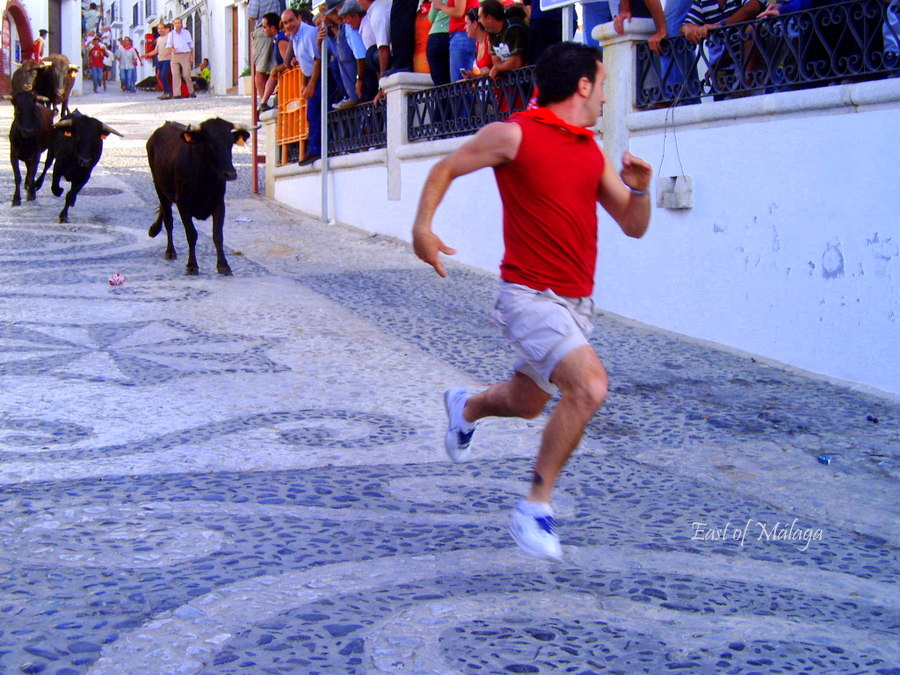
Bull run in Frigiliana, Spain

I took this photograph a couple of years ago during the Bull Run in the village of Frigiliana.  This event is held each year, early on the Sunday morning of the Feria weekend in June.

A smaller version than the Bull Run held in Pamplona, both in size of attractions and certainly in the size and age of the bulls, but nonetheless no less exciting for those participating.  No bulls are harmed at this annual festival.

You might also like to have a look at:

More Photographs I love …. and why!

A Celebration of Fried Breadcrumbs: The 30th Annual Migas Festival

Cherimoyas and Irrigation on the Costa Tropical

This is a guest post, written by a fellow blogger who lives in  the hill-top village of Salobreña about a half hour´s drive further along the coast, east of Málaga.  The area is known as the Costa Tropical and is noted for growing many tropical fruits, not least of which is the cherimoya – which you may know better as the custard apple.  Anyway, after reading Marty´s post, why not pop along and have a look at her blog and revel in her wonderful photography. 

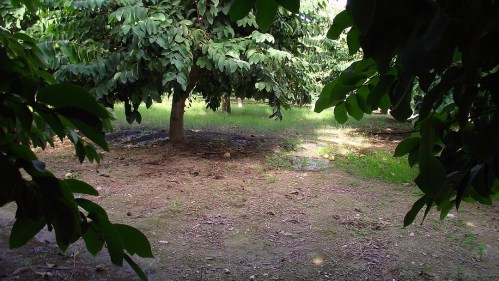
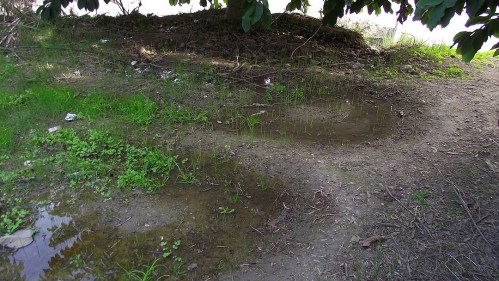
Water can be seen zigzgging its way around the individual trees

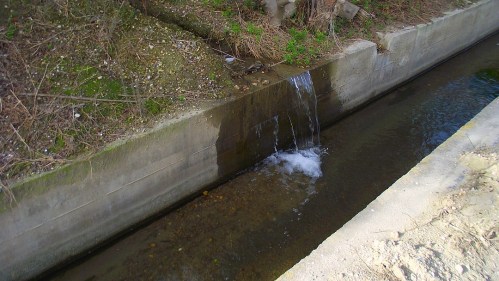
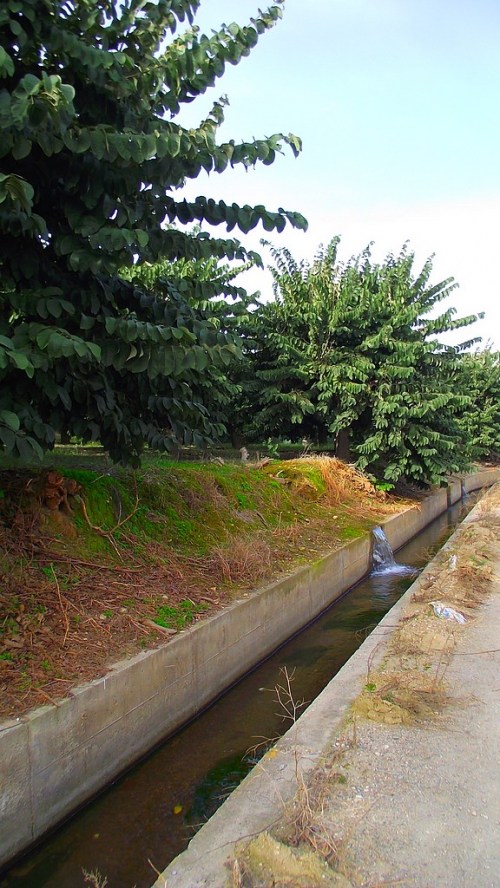
On my trip into the campo yesterday I came across this orchard expelling its excess irrigation water into one of the ubiquitous concrete channels that cut through the countryside here.  Life giving water is diverted to the farms and orchards throughout the area.  A complicated grid of canals ensure that each farm is supplied with water by diversion from the canals once or twice a week.  Each farmer on his scheduled day diverts water into his farm and that excess is then collected and carried on to next farm.  You can thank the Moors for this ingenuity.

Saturation point

The excess water makes its way back to the canal to be carried on to the next farm

Sediment and plant life take hold within the canal

In the orchard, water is carried around each tree in zigzagging trenches designed to slow the flow of water so to ensure that the soil all around the tree is sufficiently saturated. The excess water then simply falls back into the canal and is carried away.  Along with the water, is carried important nutrients for and from the soil as well as small stones, and sediment.  These heavier items gather in the canal around the entry point and eventually plant life takes hold and life shoots up, seemingly out of nothing.  Due to this fact, the canals are dredged regularly to ensure the flow of water continues.
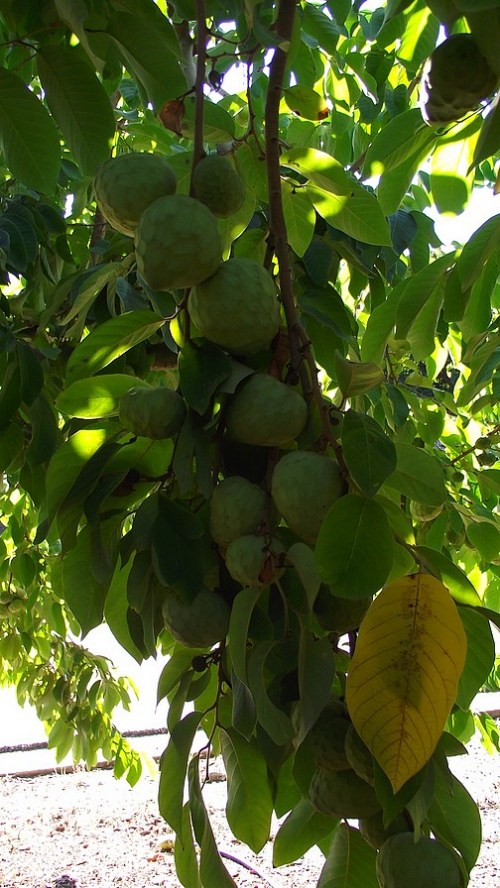
Cherimoya middle of November

This particular orchard is consists solely of  Cherimoya trees.  These are a delicious winter fruit grown only in this region in all of Europe.  One of the unusual things about the cherimoya is that it is hand pollinated.  Scores of men and women, paint brushes in hand pollinate each flower to ensure a good uniform crop.  Within weeks of harvest, the trees are pruned,  stimulating new growth and making harvest the next year simpler.  It is easier to pick fruit from  smaller trees, less goes to waste due to being out of the reach of the picker.

A friend with a ripe cherimoya ready for eating

In this last photo, my friend  and I stopped and spoke to a farmer about the cherimoya, which instigated an invite onto the finca,  followed by a sampling of cherimoya, guava, oranges, lemons and avocados to take away.  A great day!
Bus Services: East of Málaga

Let´s face it, travelling on holidays can sometimes be a pain.   Visitors from nearby locations may decide to drive their own vehicles, but most visitors to the Costa del Sol tend to fly into Málaga airport.  Luckily there are numerous rental car agencies and bus systems to aid any of your transportation needs.

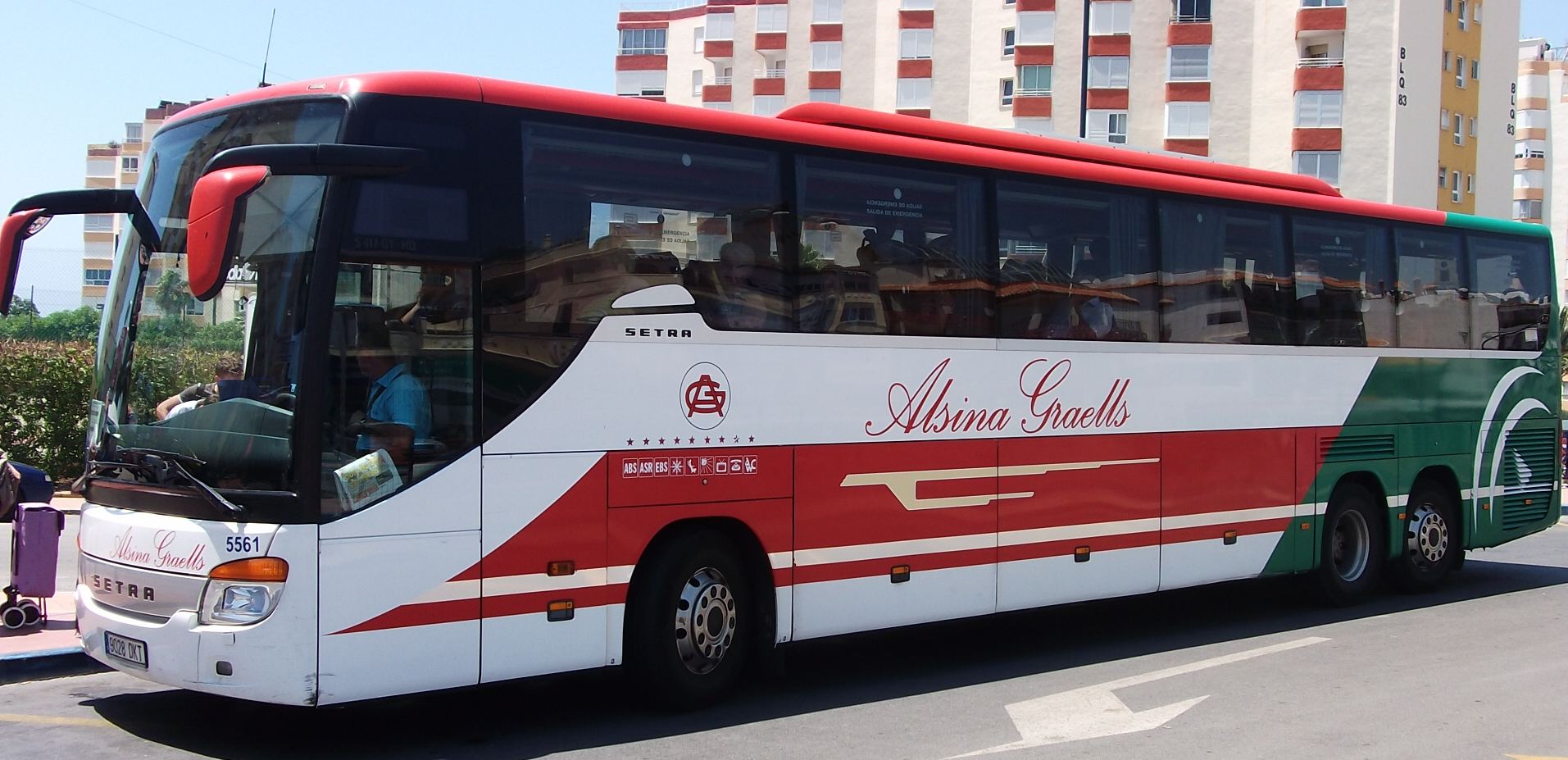
The city of Málaga, the capital of the province by the same name, is the hub of all mass transit systems in the area. Alsina Graells is the main bus company serving the eastern  Costa del Sol.  Their red, white and green buses run from Málaga city to the Andalucían capitals of Seville, Granada, and Córdoba, as well as serving the towns and villages of the Axarquía.  These buses are usually on time, with any occasional delays being caused by unusually heavy traffic on specific days during the year.

The Alsina Graells (ALSA) website is in English, and from here you can examine bus schedules and purchase tickets in advance of your trip.

Here are some Spanish words that might help you on your journey:

Al                                                      to

Billete                                               ticket

Comprar                                          to buy

Del                                                    from

Destino                                           destination

Diario                                              daily

Estación                                         station

Fecha                                              date

Horario                                           time

Ida y vuelta                                    return trip

Llegada                                          arrival

Origen                                           departure point

Precio                                            price


You might also find the following information useful:

Flights to Málaga: Which airlines fly to the Costa del Sol?

Easy Driving Directions From Málaga Airport to The Axarquía


Photographs I love …. and why! [Part 9]

This is just one of a series of photos I have taken, and will share with you over time, capturing the essence of living east of Málaga.   Each one, in it’s own unique way, reminds me of why I love living in southern Spain, and in particular the Axarquía.

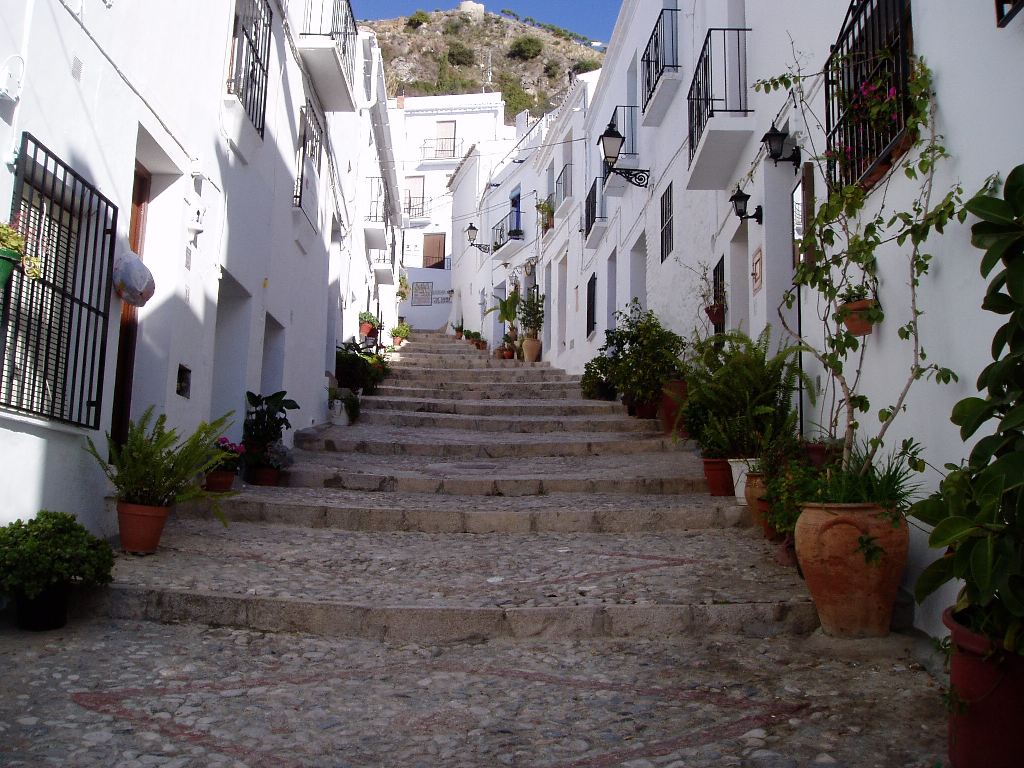
This is Calle El Zacatín, a street in the beautiful, white, mountain village of Frigiliana.  Here, the typical architecture of the village can be seen at its bestThe steep climb, profusely decorated with flowers and flowerpots reveal some of the original Arab layout of the village – winding streets, secret corners and adarves (little squares shared by a few houses and belonging only to them).

Calle El Zacatín leads to another gem in town: Barribarto, or the higher part of village, which can only be toured on foot, for its impossibly narrow streets make it impossible to drive.

El Zacatín is one of the most photographed streets in Frigiliana and is the original site of a Moorish street market, filled with merchants and artisans, over a thousand years ago.


You might also enjoy:

Other Photographs I love …. and why!

Fresh Figs Stuffed with Goat´s Cheese and wrapped in Smoked Bacon