The Alhambra Palace, Granada

Within Andalucía, our neighbouring province is Granada, meaning that we only live about a 90 minute drive from Granada,  one of Spain’s most beautiful cities.  Granada offers great architecture, wonderful views of the Sierra Nevada mountains and a lively cosmopolitan atmosphere.  The city is well worth of a few days of anyone´s time.
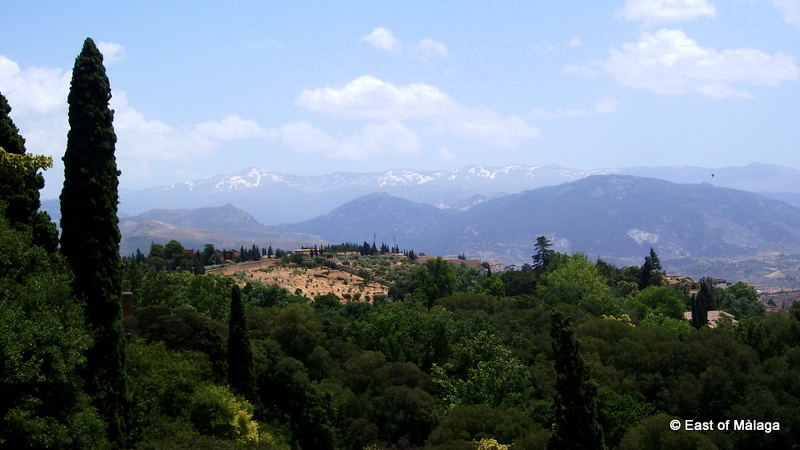
Snow on the Sierra Nevada mountains, Granada - even in July

What I want to tell you about in this post, is the amazing Alhambra Palace, constructed during the mid 14th century by the Moorish rulers of the Emirate of Granada in al-Andalus, and  occupying the top of the hill of the Assabica, on the south-eastern border of the city of Granada.
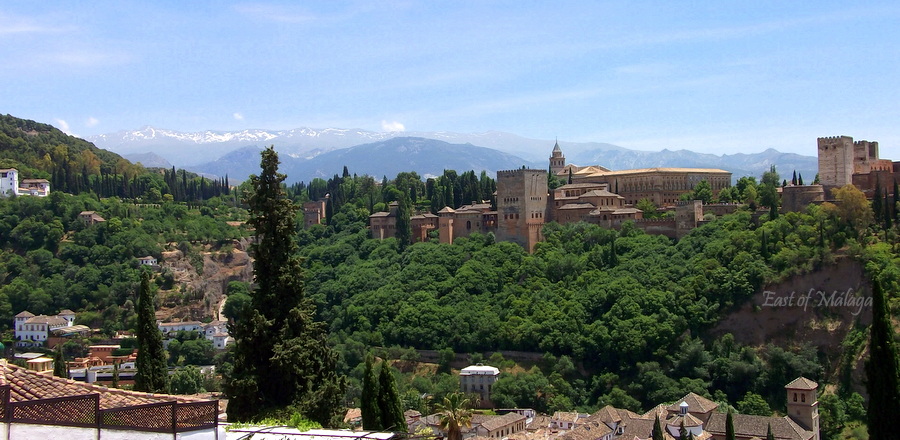
Alhambra from San Nicolas

After being allowed to fall into disrepair for centuries, the Alhambra was “re-discovered” in the 19th century by European scholars and travellers, when restorations commenced.  It is now one of Spain’s major tourist attractions, exhibiting the country’s most significant and well known Islamic architecture, together with 16th-century and later Christian building and garden interventions.  As you might expect, the Alhambra is a UNESCO World Heritage Site.
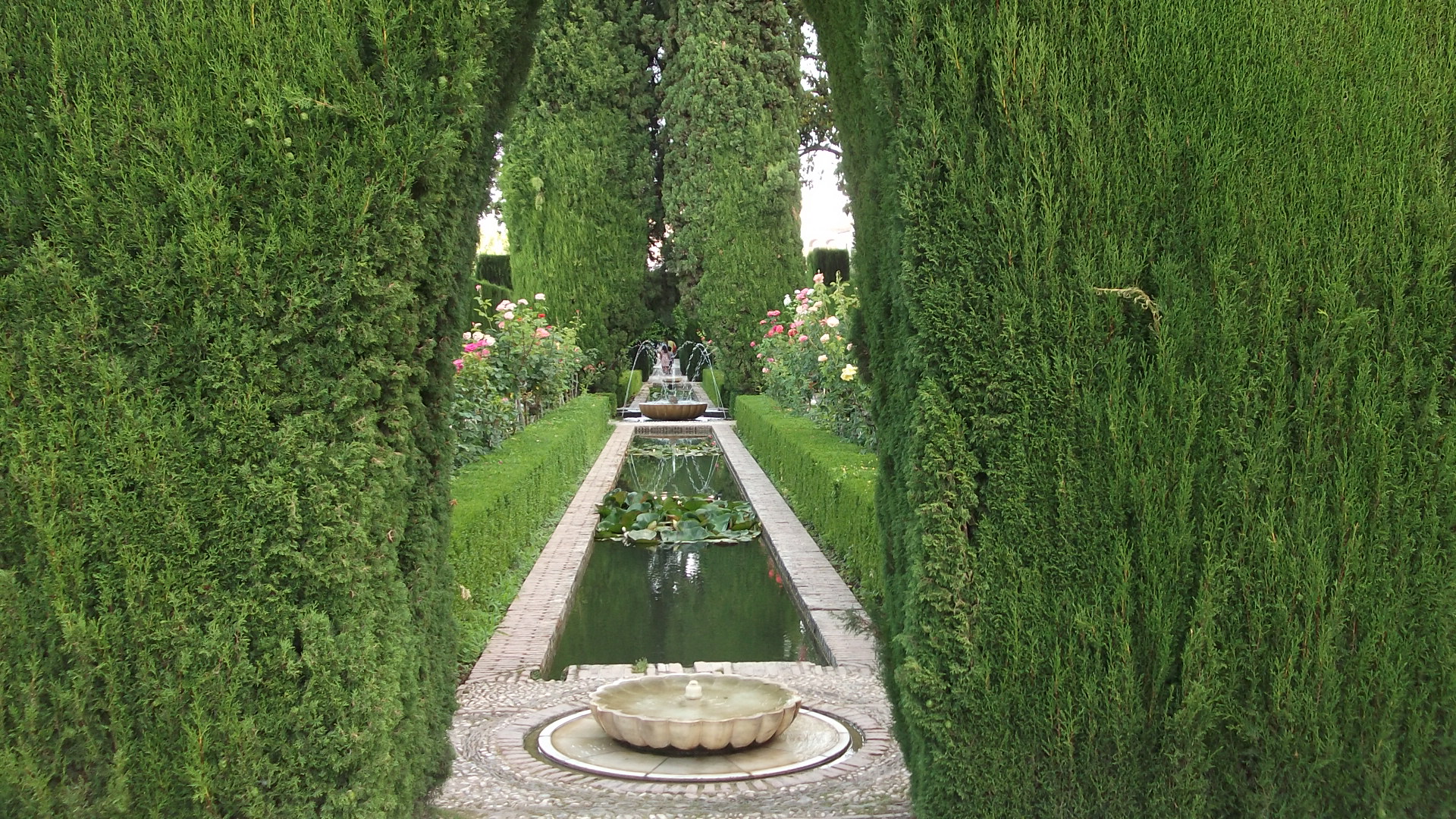
Generalife Gardens, Alhambra Palace, Granada

During our visit last summer, we opted for early morning entry into the Alhambra, to escape the fierce heat of the coming day, so it made sense to start off outside in the beautiful Generalife Gardens (the name is pronounced heneraliffi, and definitely not general life!)
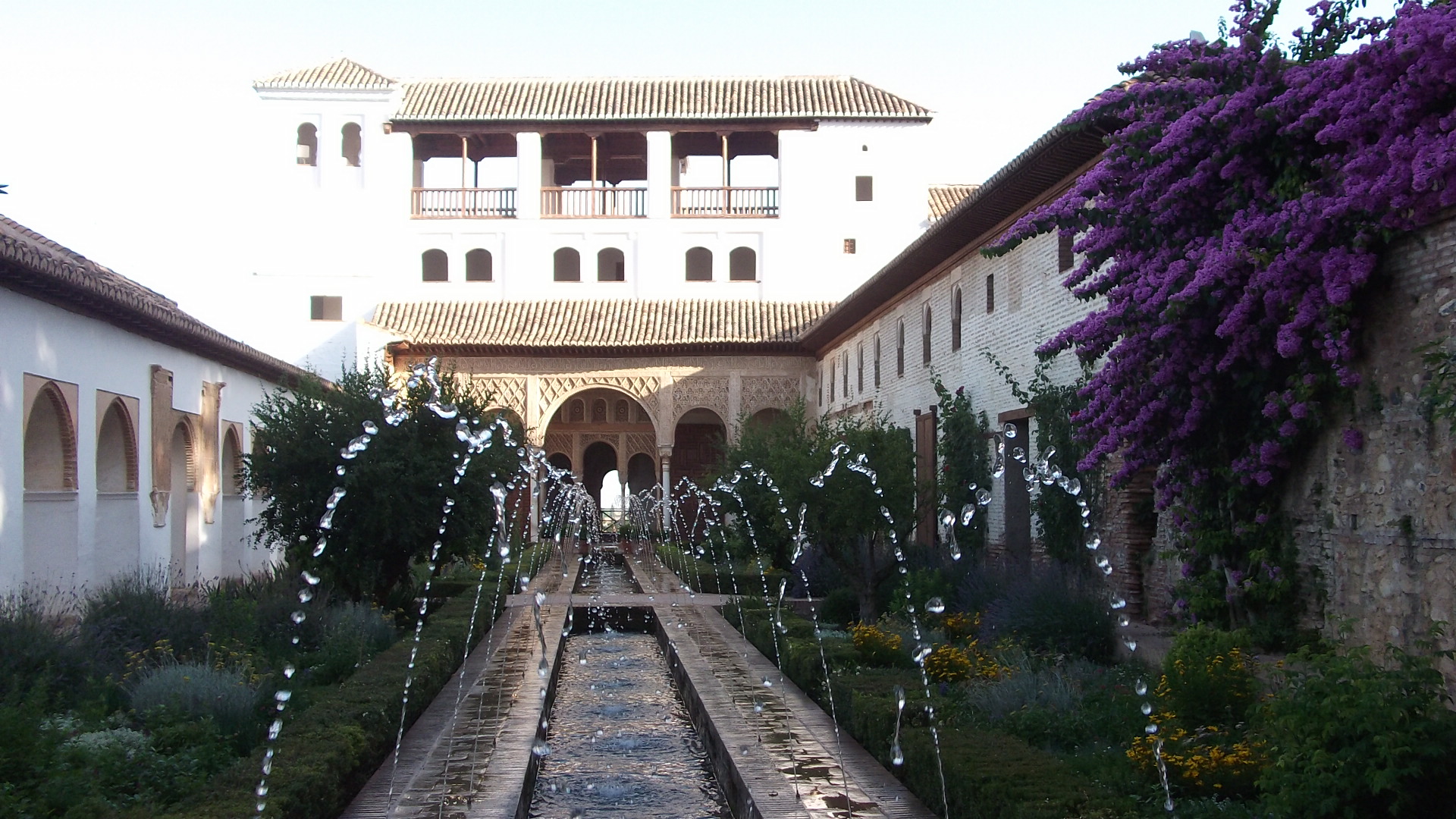
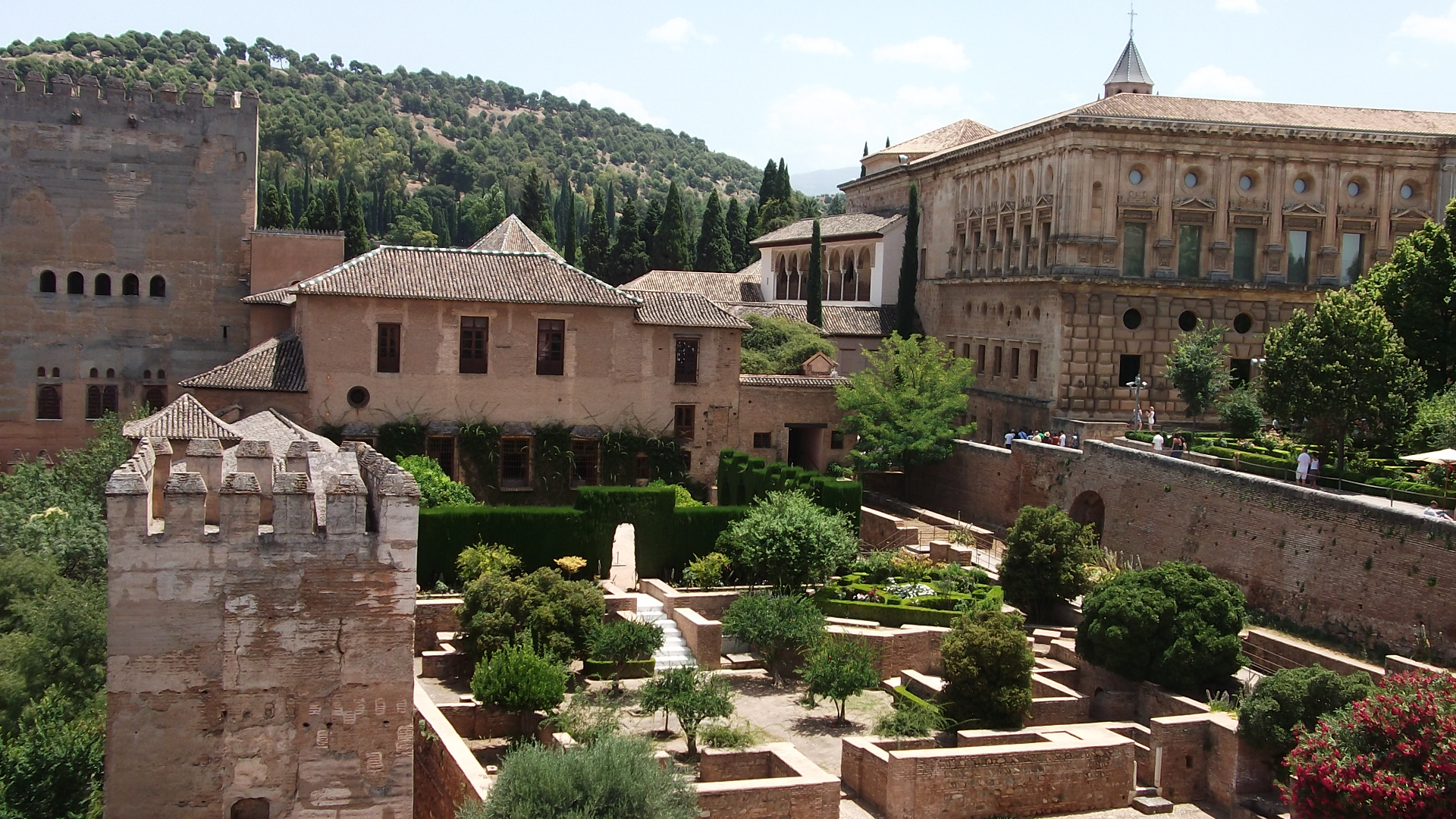
Generalife Gardens, Alhambra Palace

Within the Alhambra Palace, Granada

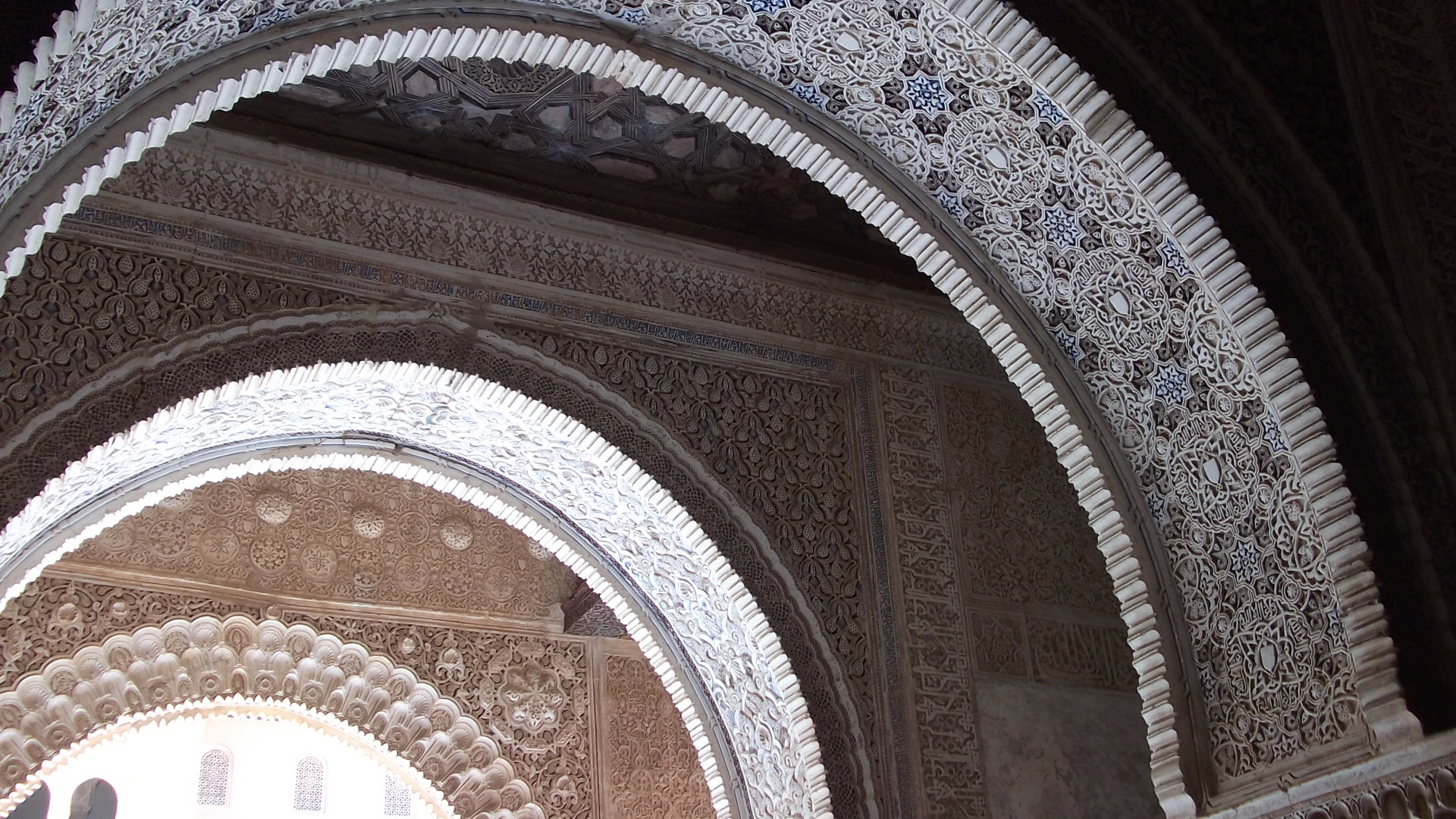
The decorations within the palaces typify the remains of Moorish dominion within Spain, which ushered in the last great period of Andalusian art in Granada.  Take a look at the stunning Islamic arches in the photos.
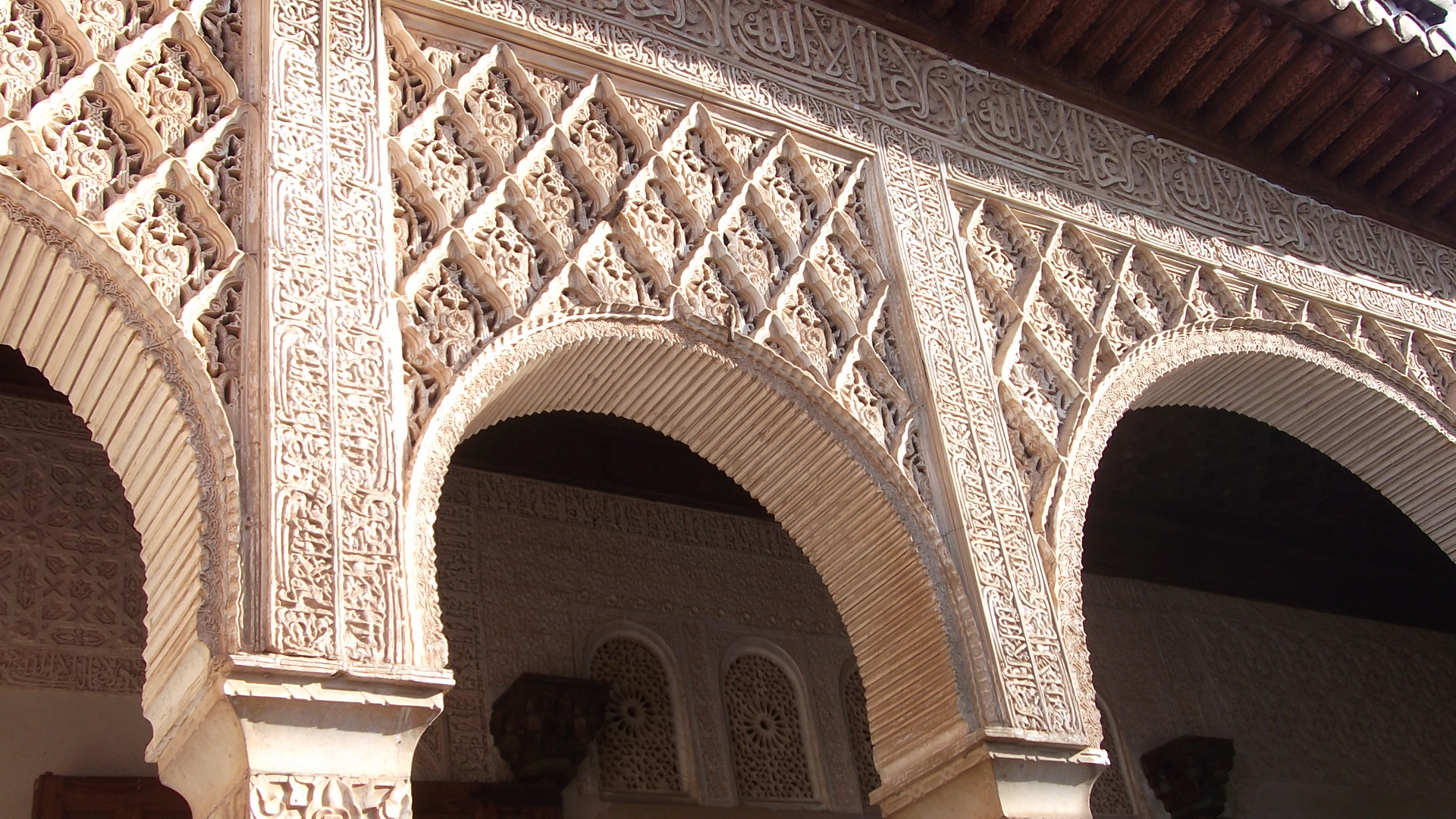
Islamic arches in the Alhambra Palace, Granada

Stunning arches in the Alhambra Palace, Granada

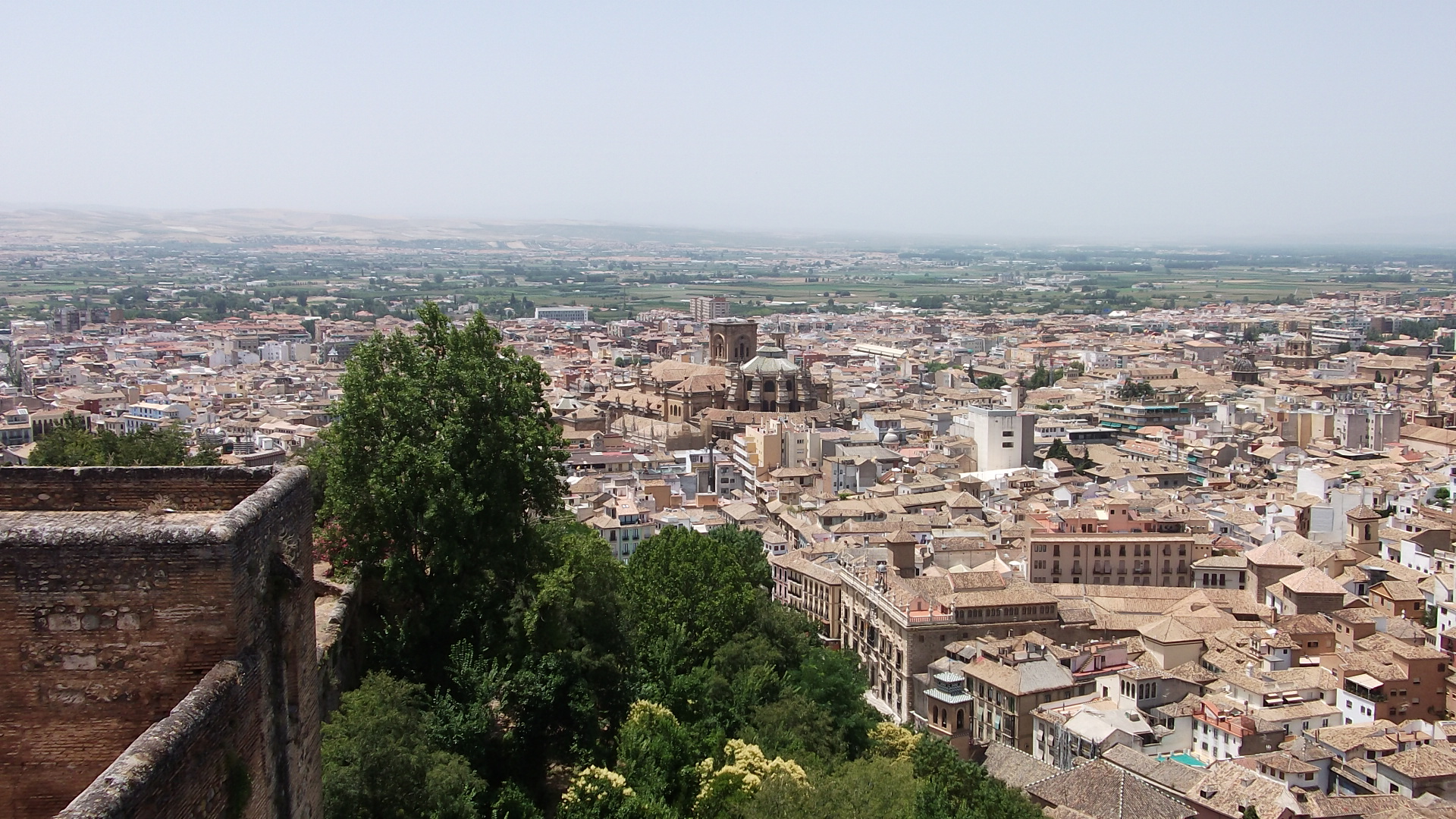
The Alhambra resembles many medieval Christian strongholds in its threefold arrangement as a castle, a palace and a residential annex for subordinates, with the  alcazaba being its oldest part.  Only the massive outer walls, towers and ramparts are left. We climbed the watchtower of the Alcazaba, the Torre de la Vela, 25 m (85 ft) high, for magnificent views over the city, including the old fortified walls of the city of Granada.
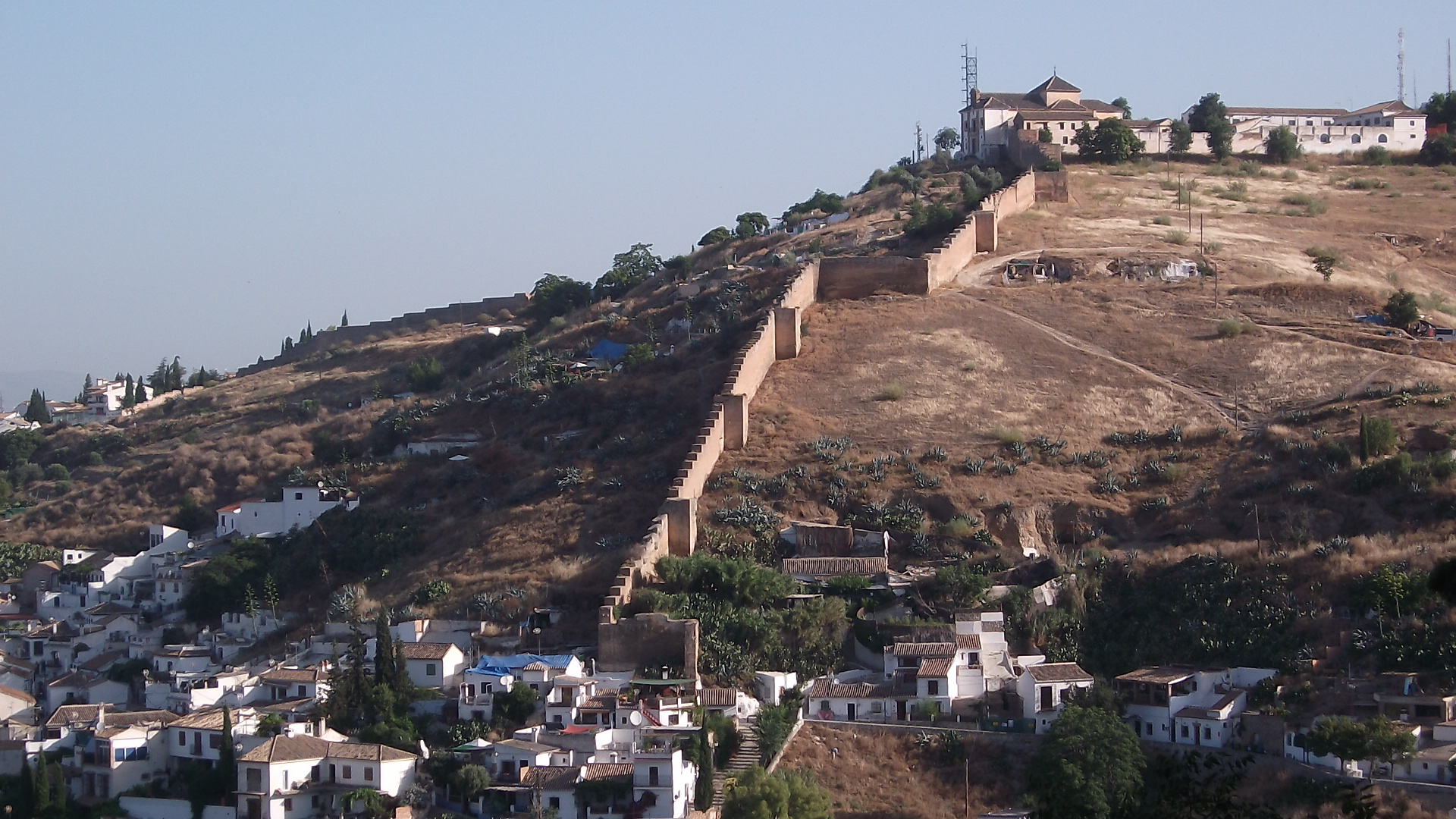
Old city walls, Granada

Granada city viewed from the Alhambra Palace

Whilst you´re here, why not have a look at:

Venturing further afield: A long weekend in Zaragoza

The Buddhist Stupa of the Eastern Costa del Sol

A Weekend Away: Santiago de Compostela

Live webcams around La Axarquía

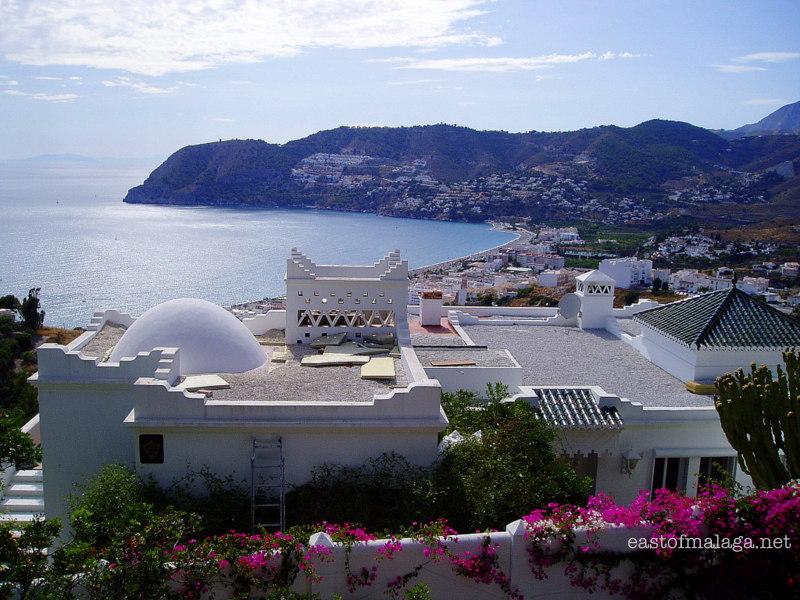
La Herradura Bay, Spain

It´s always great to have an up-to-the-minute view of what´s happening here, east of Málaga. 

Just click on the link to view…..

Lake Viñuela

Torrox

Nerja –  Capistrano

Nerja – Burriana Beach


Do you know of any other webcams that readers can link to?  Please share them in the comments section….thanks!


Cherimoyas and Irrigation on the Costa Tropical

This is a guest post, written by a fellow blogger who lives in  the hill-top village of Salobreña about a half hour´s drive further along the coast, east of Málaga.  The area is known as the Costa Tropical and is noted for growing many tropical fruits, not least of which is the cherimoya – which you may know better as the custard apple.  Anyway, after reading Marty´s post, why not pop along and have a look at her blog and revel in her wonderful photography. 

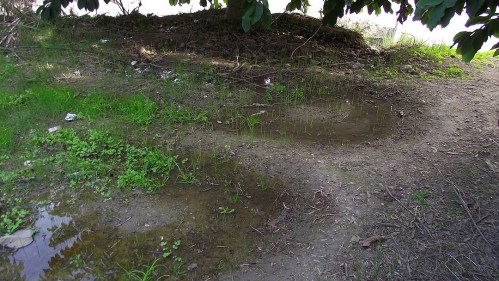
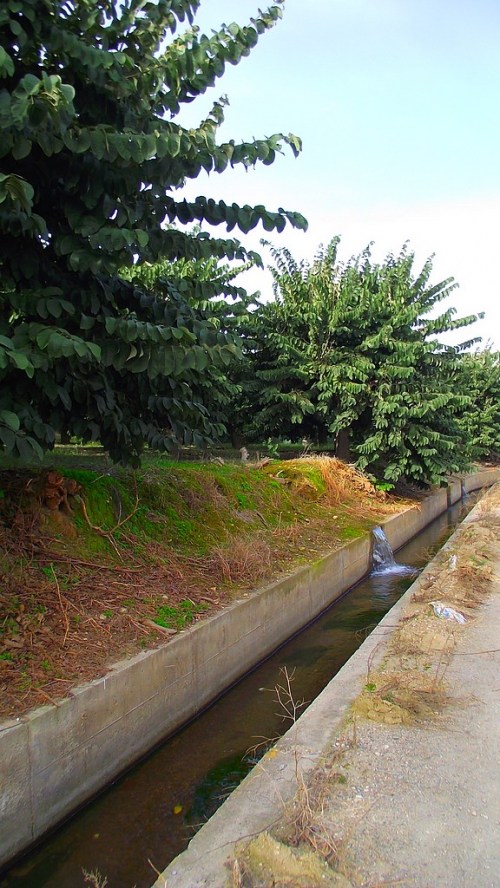
Water can be seen zigzgging its way around the individual trees

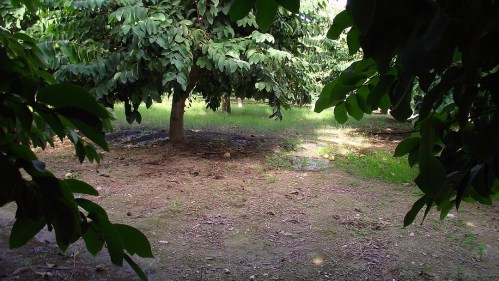
On my trip into the campo yesterday I came across this orchard expelling its excess irrigation water into one of the ubiquitous concrete channels that cut through the countryside here.  Life giving water is diverted to the farms and orchards throughout the area.  A complicated grid of canals ensure that each farm is supplied with water by diversion from the canals once or twice a week.  Each farmer on his scheduled day diverts water into his farm and that excess is then collected and carried on to next farm.  You can thank the Moors for this ingenuity.

Saturation point

The excess water makes its way back to the canal to be carried on to the next farm

Sediment and plant life take hold within the canal

In the orchard, water is carried around each tree in zigzagging trenches designed to slow the flow of water so to ensure that the soil all around the tree is sufficiently saturated. The excess water then simply falls back into the canal and is carried away.  Along with the water, is carried important nutrients for and from the soil as well as small stones, and sediment.  These heavier items gather in the canal around the entry point and eventually plant life takes hold and life shoots up, seemingly out of nothing.  Due to this fact, the canals are dredged regularly to ensure the flow of water continues.

Cherimoya middle of November

This particular orchard is consists solely of  Cherimoya trees.  These are a delicious winter fruit grown only in this region in all of Europe.  One of the unusual things about the cherimoya is that it is hand pollinated.  Scores of men and women, paint brushes in hand pollinate each flower to ensure a good uniform crop.  Within weeks of harvest, the trees are pruned,  stimulating new growth and making harvest the next year simpler.  It is easier to pick fruit from  smaller trees, less goes to waste due to being out of the reach of the picker.

A friend with a ripe cherimoya ready for eating

In this last photo, my friend  and I stopped and spoke to a farmer about the cherimoya, which instigated an invite onto the finca,  followed by a sampling of cherimoya, guava, oranges, lemons and avocados to take away.  A great day!

The Mountain: Time-lapse video from El Teide, Tenerife

This wonderful video was filmed between 4th and 11th April 2011 at Mount Teide, on the island of Tenerife.    El Teide, Spain´s highest mountain at 3718m is one of the best places in the world to photograph the stars and is also the location of Teide Observatories, considered to be one of the world´s best observatories.

The goal was to capture the beautiful Milky Way galaxy from this amazing mountain.

On a similar note, the last total lunar eclipse until 2014 will take place tomorrow night (December 10th), although observers throughout Europe  will miss the early eclipse phases because they occur before moonrise.

The good news is that unlike solar eclipses, lunar eclipses are completely safe to watch. You don’t need any kind of protective filters. You can watch the lunar eclipse with nothing more than your own two eyes. An ordinary pair of binoculars will help magnify the view and will make the red coloration brighter and easier to see.

This should be a spectacular sight, especially as there is so little light pollution here in the Spanish countryside.

You might also enjoy these:

Over the moon: Spectacular viewing of total lunar eclipse

Seeing Stars: The Night Sky over the Axarquía

Photographs I love …. and why! [8]


This is just one of a series of photos I have taken, and will share with you over time, capturing the essence of living east of Málaga.   Each one, in it’s own unique way, reminds me of why I love living in southern Spain, and in particular the Axarquía.

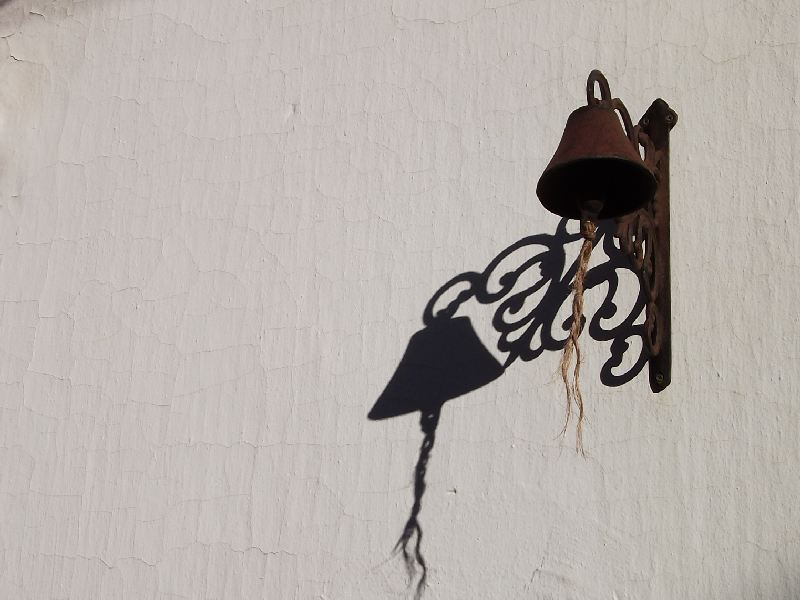
I like the simplicity of this photograph.  The rusting bell with frayed rope adorns the outside of a house in the village of Torrox.   The sunshine caught the whiteness of house exterior displaying the perfect shadow.

I wonder who would have come to the door if I had rung the bell?

You might also be interested in:

Wildflowers of Andalucía: Bloomin´ lovely!

La Noche de San Juan: Beaches and Bonfires